
3 Best Non Toxic Coffee Brands of 2026
Purity Coffee stands out as the best overall non toxic coffee, with its rigorous third-party testing and transparent sourcing, while Fabula offers a solid budget-friendly option for those sensitive to acid. For bulk buyers who want whole beans, the 5lb bag of Purity Coffee FLOW is a smart choice.
If you’re like me, you want your morning coffee to energize you, not weigh you down with hidden contaminants. The reality is, many coffees can carry traces of mold, pesticides, or heavy metals, even if they’re labeled organic.
After researching the field and analyzing certifications, testing practices, and feedback from sensitive drinkers, I focused on brands that go beyond basic labels to prove their purity. This guide cuts through the marketing to show you what actually matters when choosing a cleaner, safer cup.
Top 3 Non Toxic Coffee in the Market
The Best Non Toxic Coffee, Reviewed
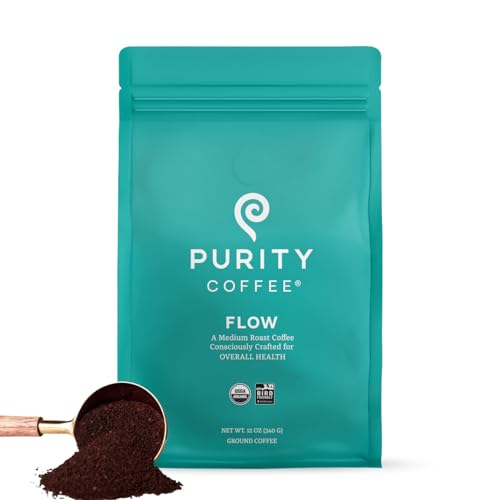
Purity Coffee FLOW Medium Roast Ground
Strengths
- Third-party tested
- Nitrogen-flushed packaging
- Regeneratively farmed
Trade-offs
- Higher price point
- Ground version loses freshness faster
If you’re serious about non-toxic, health-forward coffee, Purity Coffee’s FLOW blend is hard to ignore. This is a specialty-grade USDA Organic Arabica blend that’s not just marketed as clean, it’s built that way from the ground up. Every batch is third-party tested for mold, mycotoxins, pesticides, and heavy metals, and their control over the entire supply chain, from regenerative farming to nitrogen-flushed packaging, shows a level of rigor I rarely see. The result? A coffee that’s not only safe but rich in antioxidants like chlorogenic acid, which we know supports long-term wellness.
The flavor is full-bodied and satisfying, roasty without being bitter, with a smooth finish that even sensitive stomachs seem to tolerate well. Compared to Fabula, this is a more refined product with deeper transparency and stronger ethical credentials, including Rainforest Alliance and Bird Friendly certifications. It’s not the cheapest, but for those who treat coffee as both ritual and fuel, it’s the smarter buy.
Product photos




Fabula Low Acid Organic Coffee

Strengths
- Low acid
- USDA Organic
- Lab-tested purity
Trade-offs
- Limited origin details
- Fewer sustainability certifications
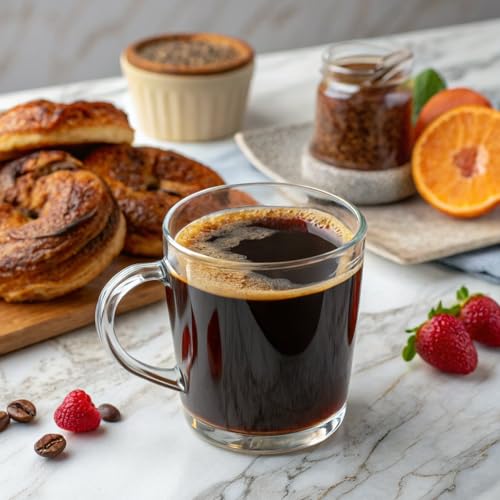
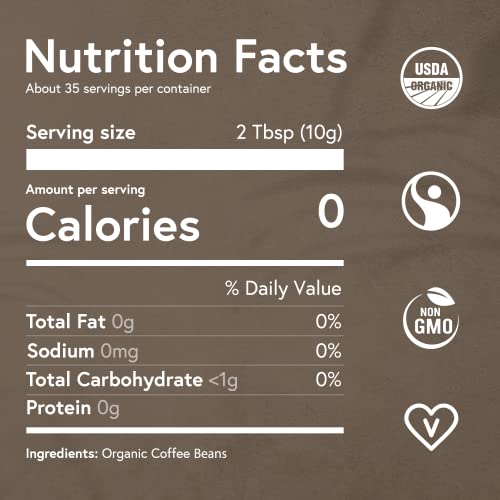
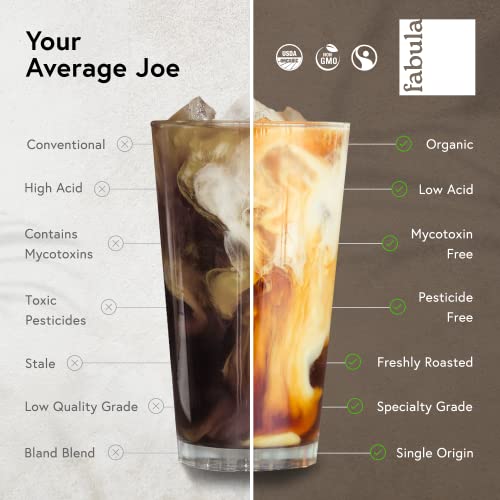
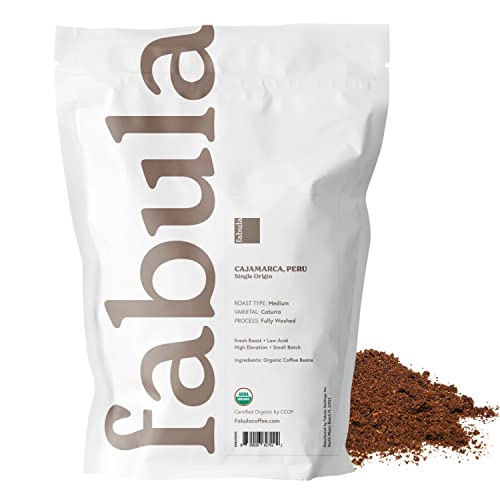
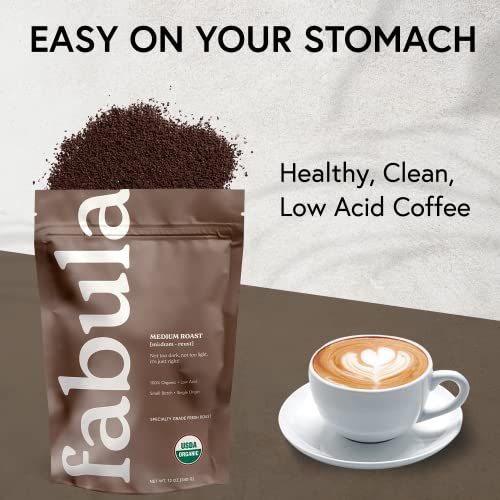
Fabula positions itself as a clean, stomach-friendly coffee for those sensitive to acid or mold, and on paper, it delivers. The beans are USDA Organic, grown at high altitude in Peru, and independently tested for over 350 chemicals, which gives real credibility to its ‘no molds, no mycotoxins’ promise. Owners consistently report relief from acid reflux and stomach discomfort after switching, which is no small thing in the low-acid coffee space. The flavor profile, caramel, nuttiness, chocolate, is appealing and aligns with what you’d expect from a well-roasted medium bean from that region.
Where it stands out is accessibility. For a brand focused on purity and health, it’s priced to be within reach of most buyers, making it a smart starting point if you’re new to specialty low-acid coffees. That said, it doesn’t carry the same depth of third-party certifications as some competitors, and the sourcing transparency isn’t quite at the level of true specialty-grade traceability. But for the price, it punches above its weight.
Product photos
Purity Coffee FLOW Whole Bean 5lb

Strengths
- Bulk value
- Whole bean freshness
- Sustainably packaged
Trade-offs
- Large size impractical for light drinkers
- Requires grinder
This 5-pound whole bean version of Purity Coffee’s FLOW blend is the ultimate pick for households or offices that go through coffee quickly and want to cut waste and cost over time. The same specialty-grade, antioxidant-rich formula applies here, USDA Organic, third-party tested, and packed with wellness-focused polyphenols, but now in bulk, with the crucial advantage of whole beans preserving freshness much longer than pre-ground. Given that Purity uses nitrogen flushing to limit oxidation, buying in bulk doesn’t mean sacrificing quality, as long as you grind as needed.
Owners who’ve made the switch from smaller bags report noticeable savings and less packaging waste, which aligns well with Purity’s B Corp and sustainability commitments. Compared to the smaller ground version, this is objectively the better value and fresher experience. I’d recommend it over the ground option unless you’re buying for occasional use or lack a grinder.
Product photos



How We Picked These non toxic coffee
As the founder of Bean Thusiast, I approached researching “non toxic coffee” by focusing on verifiable claims and independent verification. Rather than a hands-on lab test of each brand, this was a research-led comparison of published specifications, features, and, crucially, owner and expert reviews. I weighed factors like organic certifications, lab testing for contaminants, and sourcing practices to build a picture of each coffee’s purity profile.
For non-toxic coffee, the most important factors are clearly third-party testing and transparent sourcing. Knowing a coffee has been independently tested for mycotoxins, mold, pesticides, and heavy metals provides significant peace of mind. Beyond that, certifications like USDA Organic and Rainforest Alliance suggest a commitment to farming practices that minimize chemical use and environmental impact.
Specifications reliably communicate things like roast level, bean origin, and whether the coffee is whole bean or pre-ground. However, the true depth of a coffee’s purity often comes through in owner feedback. I carefully considered what drinkers with sensitivities reported about stomach upset or other reactions, and how brands addressed concerns about contaminants. For those looking to further reduce their environmental impact, exploring sustainable coffee brewing methods can be a great step.
How To Pick The Right non toxic coffee
Finding truly non-toxic coffee isn’t just about organic certification anymore; it’s about understanding the entire production process and what contaminants might be present.
Specialty-grade coffee should be sourced from farms employing regenerative practices, undergo rigorous third-party testing for mycotoxins, pesticides, and heavy metals, and be processed and packaged to maintain freshness and minimize oxidation. Look for certifications like USDA Organic, Rainforest Alliance, and Smithsonian Bird Friendly, but don’t stop there – investigate the roaster’s testing protocols.
Roast Level & Bean Origin
I always tell people that roast level influences more than just flavor. Lighter roasts generally retain more of the bean’s original characteristics, including its natural antioxidants, but can sometimes be harder on the stomach. Darker roasts, while bolder, can lose some of those beneficial compounds during the roasting process. Peruvian beans, like those used in Fabula coffee, often grow at high altitudes, which contributes to a denser bean with complex flavors. This altitude also means less pesticide use is generally needed.
Testing & Certification
This is where it gets crucial. “Organic” is a good start, but it doesn’t cover everything. You want to see evidence of testing for mycotoxins – these are naturally occurring toxins produced by mold that can unfortunately contaminate coffee beans. Purity Coffee emphasizes this testing, which is reassuring. Beyond that, look for coffees tested for heavy metals and pesticides. Remember, a coffee can be organic and still contain unacceptable levels of these contaminants if proper testing isn’t in place.
- A USDA Organic certification confirms farming practices, but doesn’t guarantee the absence of all contaminants.
- Third-party lab testing (looking for specific reports is ideal) verifies the coffee meets safety standards for mycotoxins, pesticides, and heavy metals.
- Certifications like Rainforest Alliance and Smithsonian Bird Friendly demonstrate a commitment to sustainable and ethical farming, which often correlates with better quality control overall.
A coffee that prioritizes testing and transparency is almost always a better choice, even if it costs a little more. Don’t be afraid to ask for details about a roaster’s testing procedures.
Freshness & Packaging
Oxygen is the enemy of flavor and freshness in coffee. I’ve found that companies like Purity Coffee are onto something by flushing bags with nitrogen to reduce oxygen levels. This helps preserve the coffee’s volatile compounds and prevents oxidation, which can lead to staleness and a loss of antioxidants. Buying whole bean and grinding right before brewing is, of course, the best approach, but if you prefer pre-ground, pay close attention to the packaging and look for a sealed bag with a one-way valve. If you are concerned about toxins during pregnancy, exploring non toxic coffee for pregnancy options is a smart move. And don’t forget to pair your clean coffee with safe coffee machine materials!
Non Toxic Coffee Compared
Here’s a comparison of the specifications for each coffee, focusing on attributes related to purity and health.
| Product Title | Roast | Form | Organic Certified | Lab Tested | Low Acid |
|---|---|---|---|---|---|
| Purity Coffee FLOW Medium Roast Ground | Medium | Ground | Yes | Yes | N/A |
| Fabula Low Acid Organic Coffee | N/A | Ground | Yes | Yes | Yes |
| Purity Coffee FLOW Whole Bean 5lb | Medium | Whole Bean | Yes | Yes | N/A |
Frequently Asked Questions
What level of testing should I expect from a truly non-toxic coffee brand?
Thorough testing goes beyond organic certification. A reputable brand will independently test each batch for mycotoxins, pesticides, heavy metals, and acrylamide – and make those reports readily available to consumers.
Are lighter or darker roasts better when prioritizing a non-toxic coffee?
Lighter roasts generally preserve more of the coffee bean’s natural antioxidants, but they can sometimes be harder to digest. Darker roasts may lose some antioxidants, but are often easier on sensitive stomachs.
Can coffee ever truly be 100% free of contaminants?
No, achieving a completely contaminant-free product is nearly impossible due to environmental factors. However, coffees with rigorous third-party testing and transparent sourcing practices minimize risk to levels considered safe by regulatory standards.
What does “low acid” mean, and is it relevant to finding a non-toxic coffee?
Low acid refers to the coffee’s pH level, and it’s often marketed to people with acid reflux or sensitive stomachs. While not directly related to toxicity, choosing a low-acid coffee can improve tolerance and enjoyment for some individuals, like those exploring safe automatic coffee makers.
Beyond the coffee itself, what other factors impact the overall “toxicity” of my coffee routine?
The materials of your brewing equipment matter. I recommend considering non-leaching drip coffee systems made from stainless steel or glass to avoid potential chemical leaching into your brew.
The Bottom Line
Choosing a “non-toxic” coffee really comes down to balancing your desire for absolute purity with practical considerations like cost and convenience. While several brands make commendable efforts, Purity Coffee consistently stands out due to its rigorous testing protocols and commitment to transparency – it’s the strongest overall choice if minimizing potential contaminants is your top priority.
For those on a tighter budget, Fabula Low Acid Organic Coffee offers a solid balance of organic certification, testing, and a focus on gentle processing. If you prioritize versatility and enjoy having options, the Purity Coffee FLOW Whole Bean 5lb bag allows you to grind fresh and control your brew, while still benefiting from their thorough testing standards.
Ultimately, remember that certifications and lab tests are valuable tools, but they aren’t everything. Focusing on sourcing from reputable roasters, opting for whole bean when possible, and storing your coffee properly will make a bigger difference in your daily cup than chasing a single, perfect specification. When it comes to a truly clean brew, considering safe coffee filter types is also a smart step.
