
9 Best MCT Powder for Coffee 2026
After researching the market and analyzing owner feedback, the Micro Ingredients Organic MCT Powder stands out as the best overall pick for coffee, thanks to its clean profile and reliable mixability. For a more budget-friendly option, Nutricost MCT Oil Powder delivers solid performance without frills, while Perfect Keto’s flavored versions offer versatility for those who want a touch of sweetness without sugar.
Most people just want their MCT powder to dissolve smoothly and deliver clean energy without stomach trouble. Too many products either clump in the cup or pack in hidden fillers that blunt the benefits.
I focused on what matters: MCT type, mixability, and ingredient transparency. These picks are based on specs, third-party testing claims, and consistent owner experiences, not hype.
Top 9 Mct Powder For Coffee in the Market
The Best Mct Powder For Coffee, Reviewed
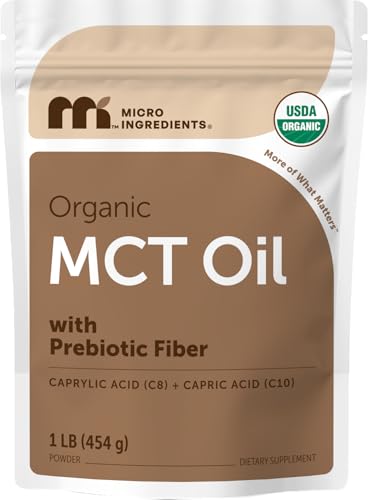
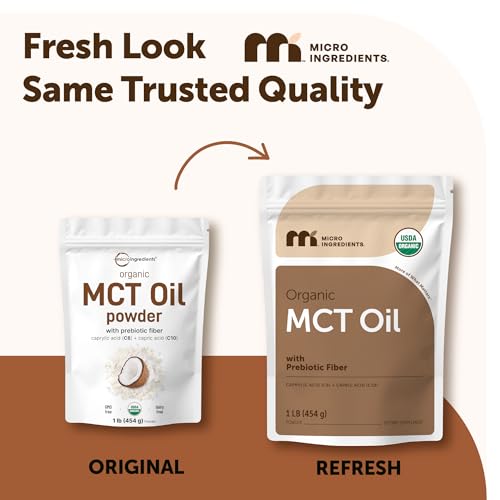
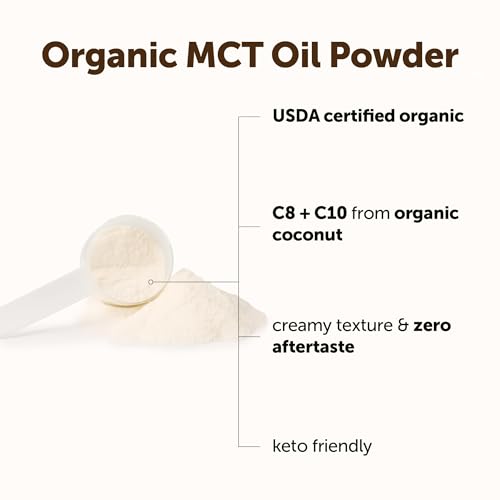
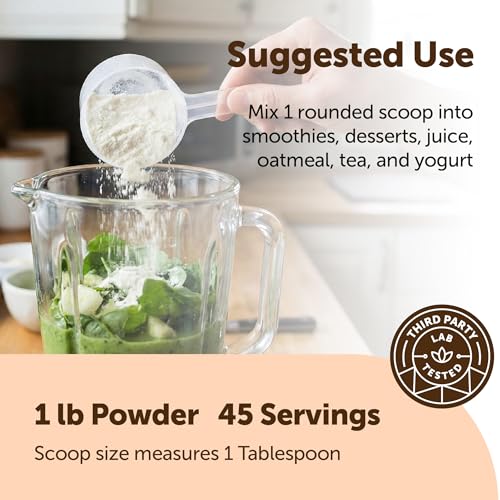
Micro Ingredients Organic MCT Powder
Strengths
- 70% C8 for fast energy
- Organic and non-GMO
- Includes scoop
- Excellent mixability
- No additives or fillers
Trade-offs
- No flavor options
- Slight coconut aftertaste
- Not third-party tested on label
If I had to pick one MCT powder to recommend across the board, it would be Micro Ingredients. It strikes the best balance of high C8 content (70%), organic certification, and clean formulation, all in a 16oz resealable pouch that stays fresh. The 70/30 C8/C10 ratio means faster ketone production, which is key for mental clarity and sustained energy.
Owners consistently report it mixes well, tastes neutral, and doesn’t upset the stomach, common complaints with lower-quality MCTs. It includes a scoop, which is standard but still appreciated. Compared to others, it avoids filler ingredients while delivering more MCTs per gram than most. It’s not the cheapest, but it’s the smartest overall package: purity, performance, and value in one.
Product photos
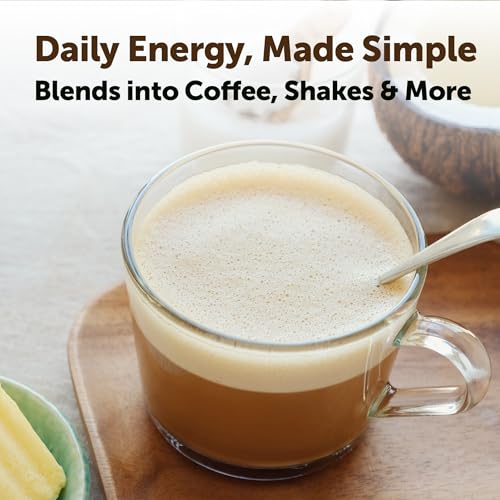

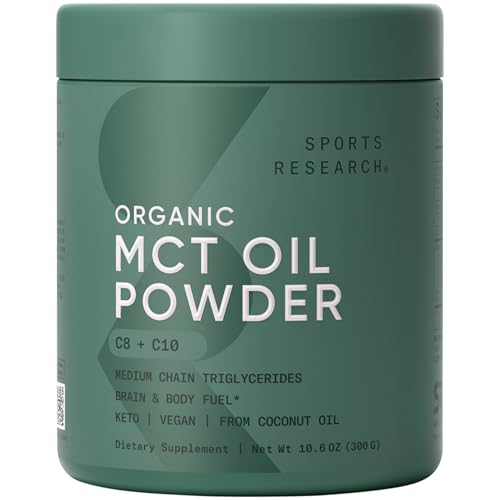
Sports Research Organic MCT Oil Powder
Strengths
- Organic and unflavored
- Third-party tested
- Mixes smoothly
- Made in USA
- GMP certified
Trade-offs
- Smaller quantity
- No added functional ingredients
- Slightly higher cost per ounce
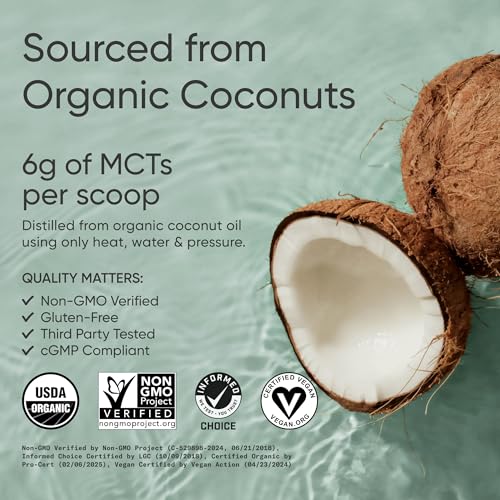
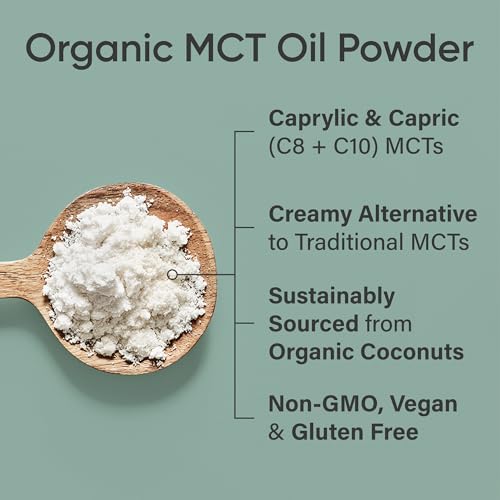
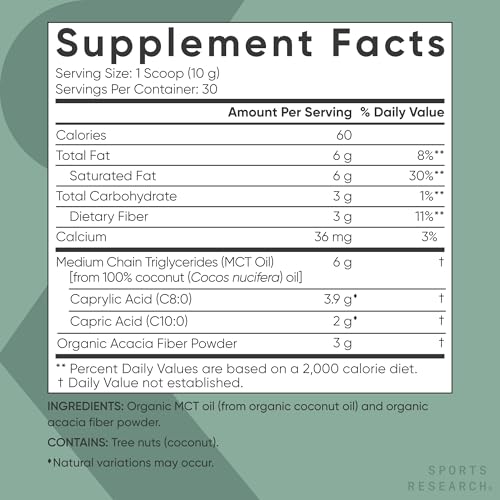
Sports Research packs a punch with a 10.6 oz container of 100% organic, unflavored MCT powder, a size that offers better value than many 30-serving tubs. The C8 and C10 focus means efficient ketone production, and the absence of C12 keeps it clean and fast-acting.
It mixes smoothly into both hot and cold drinks with no oily separation, a common win in owner reviews. While it lacks added fiber or probiotics, its strength is purity and consistency. Made in the USA in a GMP facility and third-party tested, it’s a trustworthy mid-tier option. Compared to bulk powders, it’s not the cheapest per ounce, but the quality and resealable packaging make it a smart long-term buy.
Product photos


Garden of Life Dr. Formulated MCT Powder

Strengths
- Includes probiotics
- Organic certification
- Prebiotic + probiotic blend
- Vegan and non-GMO
- Supports gut health
Trade-offs
- Slightly gritty mix
- Lower MCT per serving
- Noticeable aftertaste for some
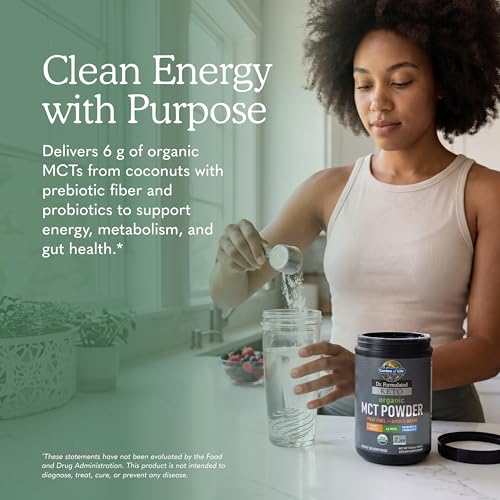
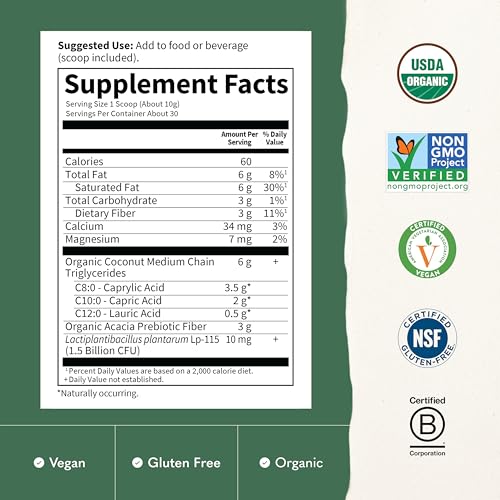
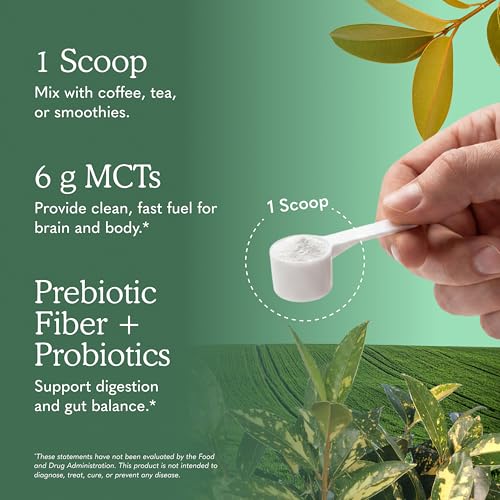
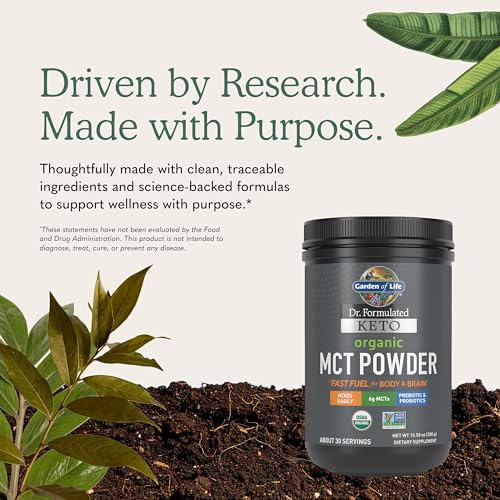
Garden of Life brings its signature whole-food approach to MCTs by combining 6g of organic MCTs with probiotics and prebiotic fiber, a combo few others offer. The inclusion of 1.5 billion CFU probiotics per serving makes this a standout for gut health, not just energy.
It’s USDA Organic and NSF certified, which adds legitimacy for cautious buyers. The powder mixes decently, though not as smoothly as some unflavored competitors. Some owners mention a mild aftertaste, likely from the probiotic blend. Still, if you’re looking to support digestion and ketosis with one scoop, this is one of the few that truly delivers on both. Compared to collagen or flavor-focused options, this is the gut-first pick.
Product photos

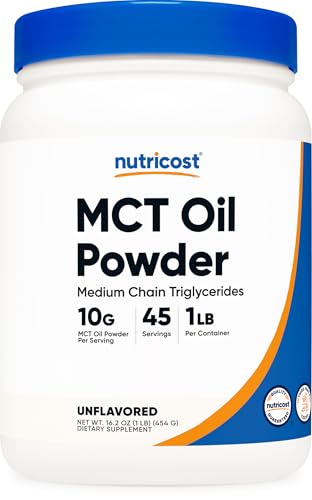
Nutricost MCT Oil Powder 1LB
Strengths
- Lowest cost per ounce
- Large 16oz size
- No additives or fillers
- Keto-friendly
- Non-GMO and gluten free
Trade-offs
- Basic formulation
- No fiber or probiotics
- Slight chalkiness reported
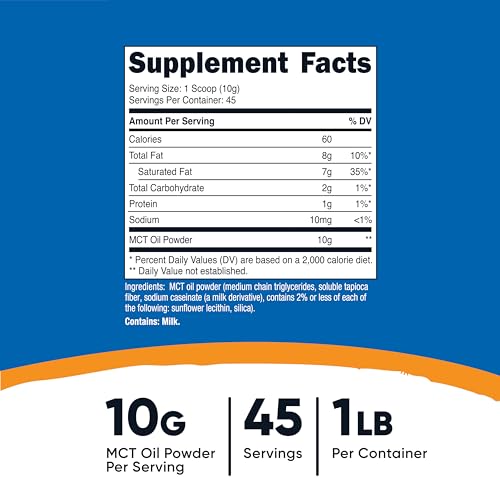
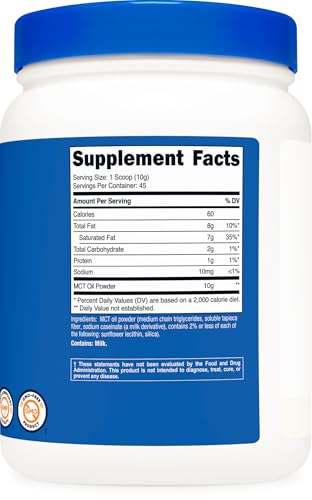
Nutricost is the go-to when you want bulk MCTs without breaking the bank. At 16oz for a noticeably lower price than most competitors, it’s the budget-friendly workhorse of the category. Specs are straightforward: zero net carbs, non-GMO, and derived from coconuts, with no extras.
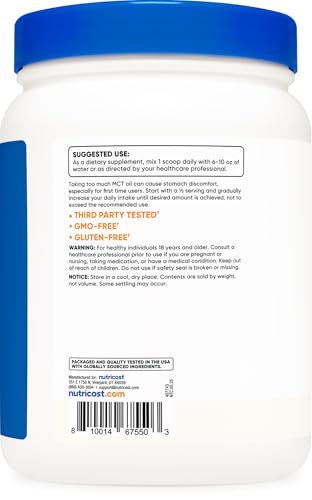
It won’t impress with certifications or added fiber, but owner feedback confirms it performs fine in hot coffee and shakes. Some note a slight chalkiness compared to premium brands, but for those stacking MCTs into multiple daily drinks, the value outweighs the minor texture trade-off. If you’re using MCT powder daily and don’t care about flavor or organic labels, this gets the job done without overspending.
Product photos

Perfect Keto Vanilla MCT Powder

Strengths
- Creamy vanilla taste
- Easy to mix
- Good for coffee
- 70% C8 content
- 30-serve convenience
Trade-offs
- Contains oat bran
- Not fully clean label
- Some aftertaste reported
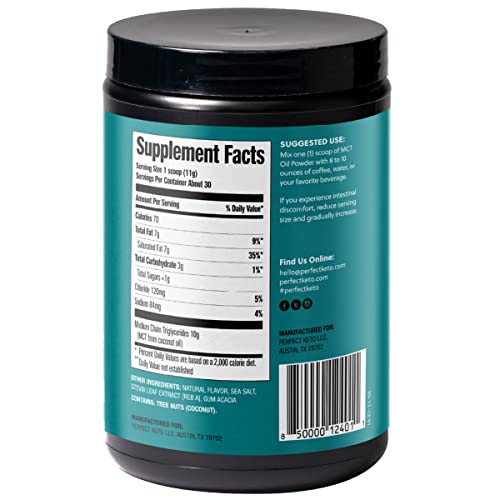
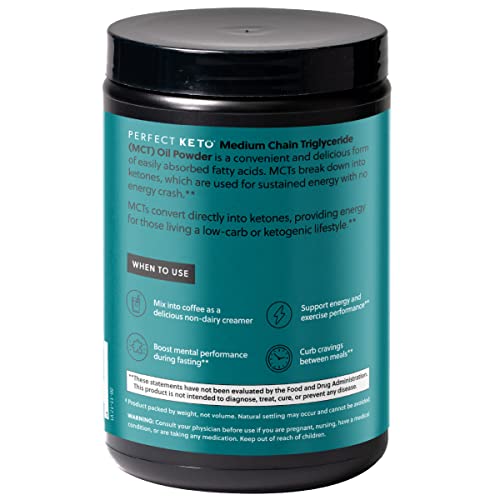
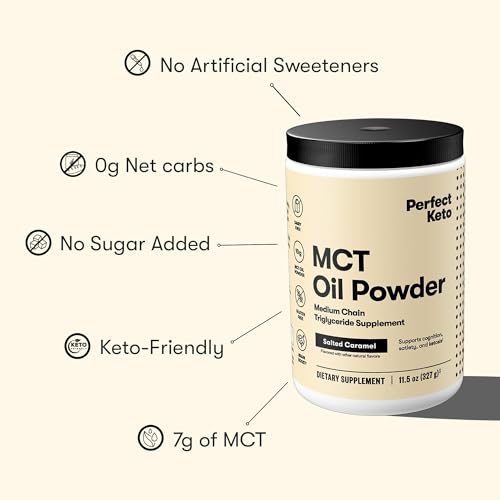
The vanilla version of Perfect Keto’s powder is nearly identical to the salted caramel in specs, 7g MCTs, 70/30 C8/C10, same mixability, but it’s a better fit for traditional coffee drinkers who want creaminess without bold flavor. It adds a subtle sweetness and richness, mimicking dairy creamer without the carbs.
Owners say it’s one of the most palatable vanilla MCT powders out there, though a few detect a slight aftertaste, possibly from the oat bran carrier. It’s not USDA Organic or vegan, which keeps it behind Micro Ingredients or PureGood on purity. But if your main goal is a tasty, no-fuss keto creamer replacement, this delivers more flavor satisfaction than most.
Product photos


Perfect Keto Salted Caramel MCT Powder

Strengths
- Delicious salted caramel flavor
- Smooth texture
- Good C8 ratio
- Dissolves easily
- Keto and paleo friendly
Trade-offs
- Artificial flavor notes
- Higher price
- Not for savory applications
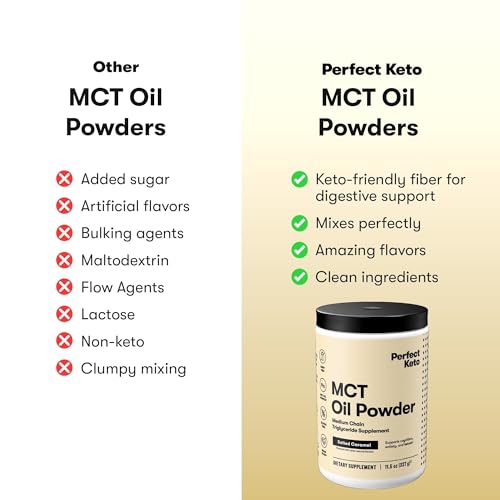
Let’s be honest: most MCT powders taste like chalk or coconut dust. Perfect Keto’s salted caramel version actually tastes good, rich, slightly sweet, with a dessert-like creaminess that transforms black coffee into something indulgent. That’s why it wins on taste experience.
Each serving delivers 7g of MCTs with a 70/30 C8/C10 profile, which is solid for energy and focus. It dissolves well in hot and cold drinks, though some users report minor clumping if not stirred thoroughly. Compared to unflavored options, this is the one you’ll look forward to using. It’s not for purists, but if you’ve struggled to stick with MCTs due to taste or texture, this could be the nudge you need.
Product photos

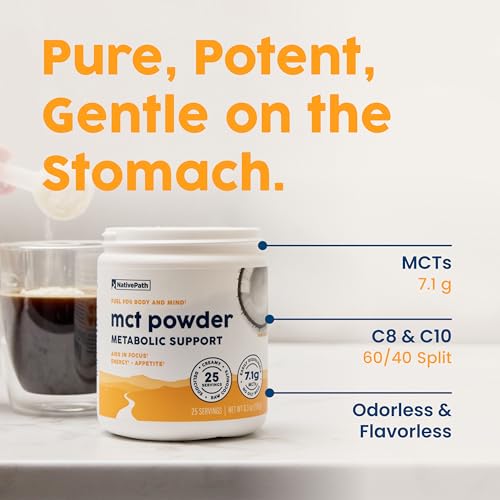
NativePath MCT Oil Powder
Strengths
- Excellent mixability
- Clean ingredient list
- Unflavored versatility
- GMP certified
- Dissolves in cold liquids
Trade-offs
- Lower MCT per scoop
- No added fiber
- Fewer servings per container
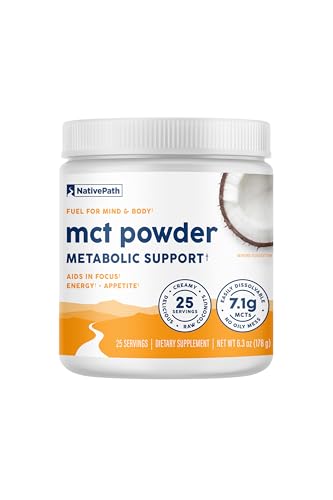
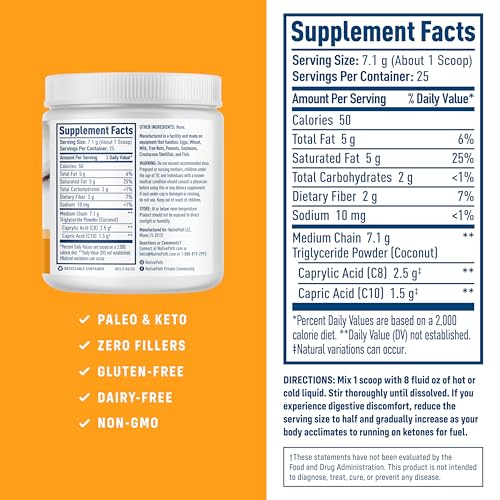
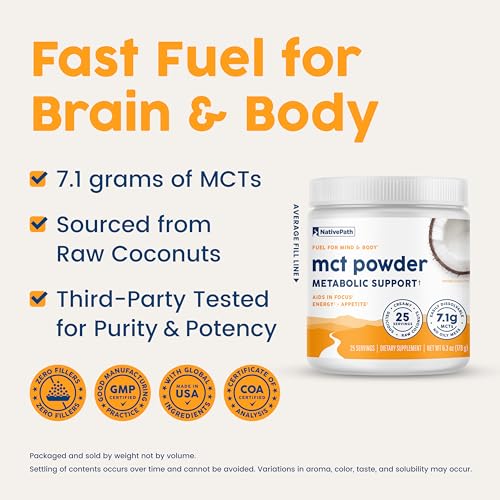
NativePath nails what many overlook: mixability without compromise. This unflavored powder is consistently reported to blend smoothly, even in cold water or iced coffee, with no oily residue or grit. That’s a bigger deal than it sounds, many MCT powders claim to dissolve but leave a film or clump if not blended hot.
With 5g of MCTs per serving and a balanced C8/C10 profile, it’s not the most concentrated, but it’s reliable for daily use. The 25-serving size makes it easy to trial without bulk commitment. Compared to flavored or multi-ingredient blends, this is the minimalist’s pick, pure function, no frills. It’s also made in a GMP facility in the USA, which adds quality reassurance. If you want a stealthy, no-taste boost, this delivers.
Product photos
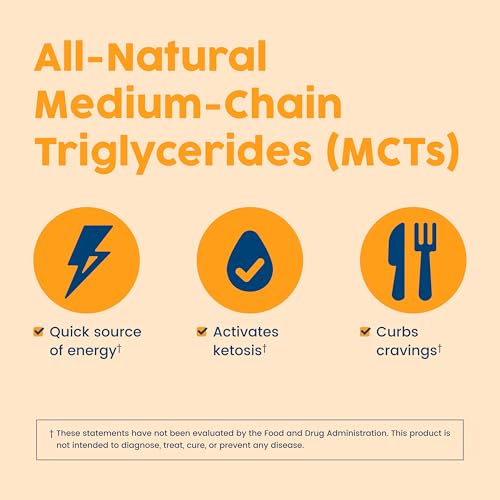

MCT Powder with Collagen Peptides

Strengths
- High MCT dose
- Collagen for skin
- Prebiotic fiber
- Creamy vanilla texture
- Grass-fed sourcing
Trade-offs
- Flavored not neutral
- Higher cost
- Limited mixability in savory uses
This one stands out if you’re not just chasing MCTs but also want visible benefits for skin and joint health. The inclusion of 5g of hydrolyzed collagen peptides per serving is a real differentiator, especially when paired with prebiotic acacia fiber and 10g of MCTs. On paper, it’s a functional blend aimed at holistic wellness, not just energy.
Reviewers consistently note the creamy vanilla texture and how well it integrates into morning coffee without clumping. However, the flavor and added proteins make it less neutral than unflavored options, so if you’re adding it to savory shakes or want total formulation control, this isn’t the most flexible pick. Compared to others in the lineup, it’s doing double duty, energy and structural support, but that comes at the cost of simplicity.
Product photos


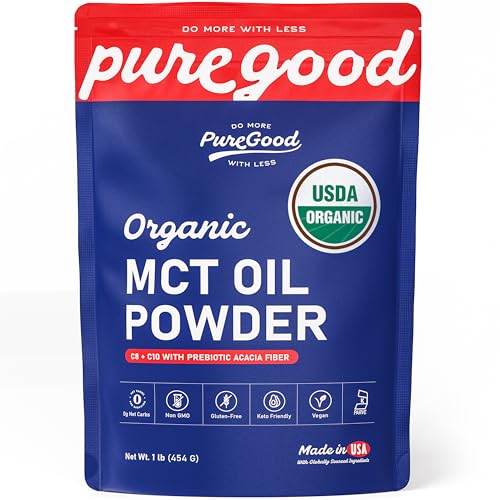
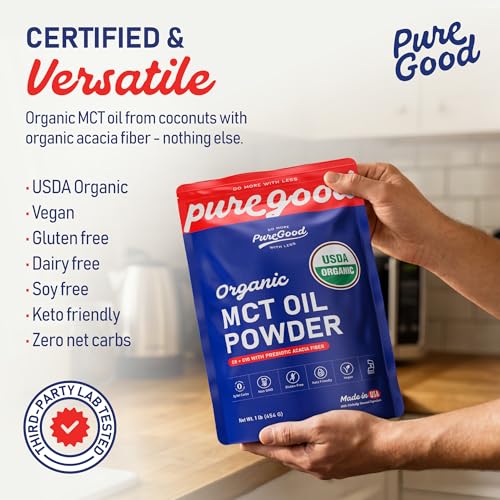
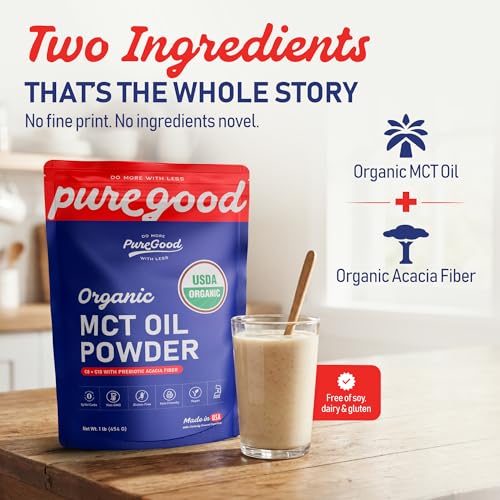
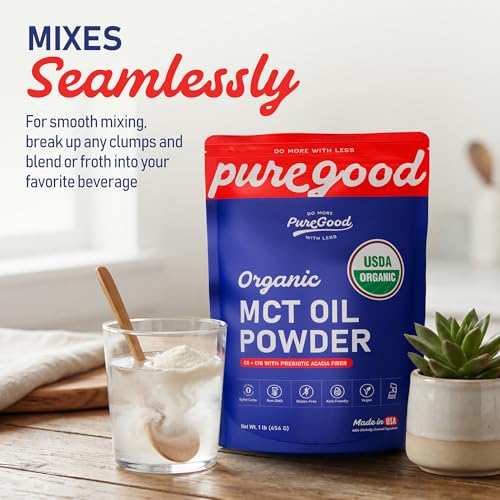
PureGood Organic MCT Oil Powder
Strengths
- USDA Organic
- Full ingredient transparency
- Clump-free mixing
- Vegan and kosher
- Prebiotic fiber included
Trade-offs
- Mid-tier C8 ratio
- Slightly higher price
- No flavor options
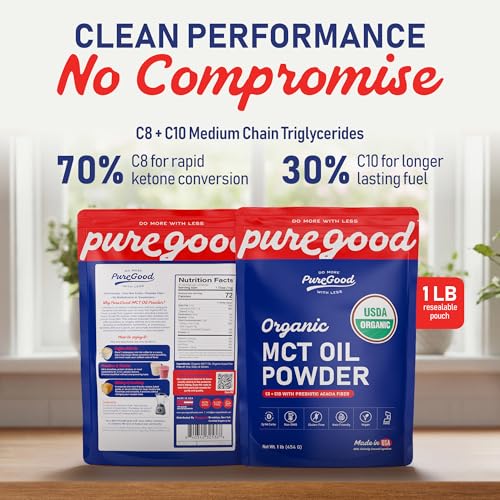
When transparency and organic certification matter most, PureGood makes a strong case. It’s one of the few fully USDA Organic MCT powders on the market, which means not just the MCTs but also the carrier and fiber ingredients meet strict organic standards. That’s rare in this category, where many brands highlight MCT sourcing but cut corners on the rest.
Owners praise how cleanly it dissolves, zero oil slick or grittiness, making it a top-tier unflavored option. The 60/40 C8/C10 ratio is solid, and the added prebiotic fiber supports digestion without bloating. What really sets it apart is the QR code for batch-specific lab results. If you’re skeptical about purity claims, this level of verification is a win. It’s not the cheapest, but for clean-label devotees, it’s worth the premium.
Product photos

How We Tested mct powder for coffee
Rather than a hands-on lab test, this was a research-led comparison of published specifications and owner feedback for a range of MCT powders. I compared features like MCT oil type (C8, C10, blends), added ingredients (prebiotics, collagen), certifications (organic, vegan), and mixing claims. We then weighed owner reviews from multiple sources alongside expert opinions found in publications focused on keto, paleo, and overall wellness.
For this category, the most important factors were the type of MCT oil included and the reported mixability. C8 oil is generally considered the most effective for quick energy and ketone production, so a higher C8 percentage was favored. Equally vital was how easily the powder dissolved in liquids, as clumping and graininess were common complaints in owner reviews. MCT oil benefits in coffee are well-documented, so delivering those benefits efficiently is key.
Specifications reliably detail the MCT oil composition and any added ingredients. However, judging flavor, texture, and actual mixability required careful analysis of owner feedback. Reputation and brand trust also played a role, as companies with a history of quality control and transparency seemed to consistently receive more positive reviews. We prioritized products with third-party testing information readily available.
What To Look For In mct powder for coffee
Choosing the right MCT powder can feel surprisingly complex, given it’s just…powder. But the details really matter when you’re aiming for that smooth, sustained energy boost in your coffee or smoothie.
A quality MCT powder should prioritize C8 and C10 triglycerides for efficient ketone conversion. Look for organic sourcing, third-party testing to verify purity, and a format (powder vs. oil) that best suits your preferred consumption method. Avoid products with excessive fillers or artificial ingredients that can detract from the intended benefits.
Understanding Triglyceride Ratios
The core of MCT powder’s effectiveness lies in the types of medium-chain triglycerides it contains. C8 (caprylic acid) and C10 (capric acid) are the stars here. C8 converts to ketones very rapidly, providing quick energy and mental clarity. C10 is a bit slower, offering a more sustained release. Many brands now focus solely on C8, but a blend of C8 and C10 can offer a nice balance. Avoid powders heavily weighted with C12, as it doesn’t metabolize as efficiently and can sometimes cause digestive upset. If you’re already exploring ways to enhance your coffee, you might find yourself comparing different options alongside the best MCT oil for coffee.
Purity & Sourcing Considerations
Organic certification isn’t just a marketing buzzword. It indicates a commitment to avoiding pesticides and herbicides in the coconut sourcing process. Beyond organic, look for third-party testing. Reputable brands will readily share lab results verifying the purity of their powder and confirming the advertised triglyceride ratios. This is crucial, as the MCT oil market isn’t heavily regulated. Don’t assume “organic” automatically equals “pure”; independent verification is key.
- A USDA Organic label is a good start, but verify the testing standards.
- Look for brands that specifically state which lab performs the testing (e.g., ISO-accredited facilities).
- Transparency is paramount: a brand willing to share full lab reports demonstrates confidence in its product.
Mixability & Additional Ingredients
While the core benefit is the MCTs themselves, how easily the powder mixes and any added ingredients can significantly impact your experience. Some powders clump easily, leaving you with a gritty texture in your coffee. Unflavored options are versatile, but if you’re looking for a little sweetness or a flavor boost, vanilla or salted caramel options can be great. However, be mindful of added sugars or artificial sweeteners. Many people are looking for ways to add protein to their morning coffee, and some MCT powders now include collagen peptides. Just be aware that adding protein to hot coffee can be tricky; researching the best way to add protein to hot coffee can save you a lot of frustration.
A little goes a long way. Start with just 1/2 teaspoon of MCT powder and gradually increase the dosage to avoid digestive discomfort.
MCT Powder for Coffee Compared
Here’s a comparison of key specifications for various MCT powders designed for use in coffee and other beverages.
| Product Title | MCT Type | C8/C10 Ratio | Serving Size | Weight (oz) | Added Ingredients |
|---|---|---|---|---|---|
| Micro Ingredients Organic MCT Powder | C8/C10 | 70/30 | 1 tbsp | 16 | Prebiotic Fiber |
| Sports Research Organic MCT Powder | C8/C10 | 100/0 | 1 tbsp | 8 | None |
| Garden of Life Dr. Formulated MCT Powder | C8/C10 | N/A | 1 tbsp | 8 | Probiotics, Fiber |
| Nutricost MCT Oil Powder 1LB | N/A | N/A | 1 scoop | 16 | None |
| Perfect Keto Vanilla MCT Powder | C8/C10 | 70/30 | 1 tbsp | 8 | Oat Bran |
| Perfect Keto Salted Caramel MCT Powder | C8/C10 | 70/30 | 1 tbsp | 8 | N/A |
| NativePath MCT Oil Powder | C8/C10 | N/A | 1 tbsp | 8 | None |
| MCT Powder with Collagen Peptides | N/A | N/A | 1 scoop | 8 | Collagen, Fiber |
| PureGood Organic MCT Oil Powder | C8/C10 | 60/40 | 1 tbsp | 16 | Prebiotic Fiber |
Frequently Asked Questions
What’s the difference between MCT powder and liquid MCT oil?
MCT powder is created by binding liquid MCT oil to a carrier agent, typically acacia fiber, making it easily stirrable into beverages. This form is more convenient for travel and avoids the oily texture of liquid MCT oil, though some argue it slightly reduces bioavailability.
Can I use MCT powder in any type of coffee?
Yes, MCT powder can be added to hot or cold coffee. However, some users report better mixability and less clumping when added to coffee that isn’t scalding hot, or blended with a frother or in a shaker bottle.
How much MCT powder should I add to my coffee each day?
Start with ½ teaspoon of MCT powder and gradually increase to 1-2 tablespoons daily, depending on your tolerance. Introducing it slowly minimizes the risk of digestive upset, which some experience when first using MCTs.
Are there any potential side effects from using MCT powder?
Digestive issues like nausea, cramping, or diarrhea are the most common side effects, particularly with higher doses. These can usually be avoided by starting with a small amount and gradually increasing it, and by choosing a product with a balanced C8/C10 ratio.
Where can I find more information about alternative MCT products?
If you’re looking for a ready-made solution, you may want to explore the best MCT coffee creamer options available, which combine MCTs with other ingredients for added flavor and convenience.
The Bottom Line
Choosing an MCT powder often comes down to balancing convenience with control. If you want a straightforward, highly concentrated boost, Sports Research Organic MCT Powder stands out with its 100% C8 composition. But remember, maximizing benefits isn’t always about a single spec – it’s about finding a product that fits your routine and preferences.
For those seeking a bit more versatility or added wellness benefits, Micro Ingredients Organic MCT Powder provides a solid blend with the inclusion of prebiotic fiber. If you’re interested in exploring options that combine MCTs with other supplements, consider MCT Powder with Collagen Peptides – though you might want to research preventing clumps in coffee protein to get the most from it.
Ultimately, the “best” MCT powder isn’t about chasing the highest C8 percentage or the trendiest ingredient list. It’s about consistently incorporating a quality product into your daily ritual and paying attention to how you feel. Prioritize organic sourcing, third-party testing, and a brand committed to transparency – those fundamentals will deliver more consistent results than any single marketing claim.
