
3 Best Manual Espresso Coffee Machines of 2026
The Flair 2GO Portable is the best manual espresso machine for most people, delivering solid 6-9 bar pressure and real portability. If you want a more traditional countertop design with milk-steaming power, the Smeg ECF02 Retro is a strong, stylish contender despite its higher price.
I’ve seen a lot of people get drawn in by the ritual of manual espresso, only to end up frustrated by flimsy builds or machines that can’t hold pressure. It’s not just about looks – it’s about whether the thing will last and actually make good coffee day after day.
This guide cuts through the noise, ranking machines based on specs, owner feedback, and what matters most: consistent pressure, durable materials, and ease of use. I looked at how these models perform over time, not just out of the box.
Top 3 Manual Espresso Coffee Machine in the Market
The Best Manual Espresso Coffee Machine, Reviewed
De’Longhi Stilosa Manual Espresso Machine

Strengths
- 15-bar pressure
- Stainless steel boiler
- Manual steam wand
- Simple operation
- Tamper included
Trade-offs
- No pressure monitoring
- Basic portafilter
- Slow heat-up time
The De’Longhi Stilosa sits at the sweet spot for entry-level manual machines. It’s not flashy, but it’s functional. The 15-bar pump delivers consistent pressure, and the stainless steel boiler provides reliable heat stability, two specs that matter most at this price. The manual steam wand actually works, which is rare at this level, and owners report it takes about two weeks to get the hang of steaming milk smoothly. It’s not fast, but it’s effective.
Compared to the Smeg, it’s less about looks and more about fundamentals. It lacks adjustable temperature or a pressure gauge, so you’re flying blind on extraction. But for someone stepping up from pods or drip coffee, it’s a solid gateway into real espresso. I’d pick this over the Smeg if budget and simplicity are priorities.
Video review
Flair 2GO Portable Espresso Machine
Strengths
- True lever pressure
- Ultra-portable
- Durable construction
- Pressure gauge
- Bottomless portafilter
Trade-offs
- Steep learning curve
- Requires external grinder
- No built-in boiler
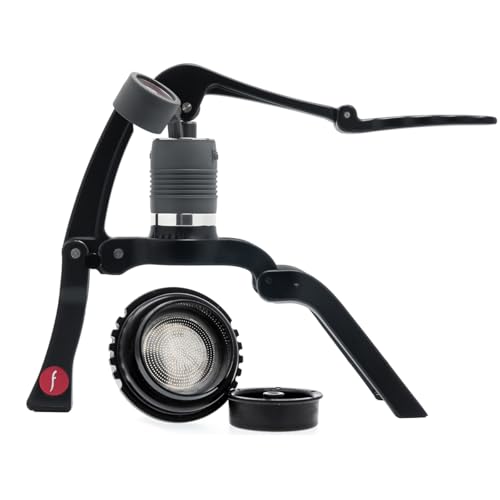
The Flair 2GO is a revelation for travelers and campers who refuse to compromise on espresso quality. Unlike most portable systems, this one uses a real lever mechanism that lets you achieve 6–9 bar of pressure, right in the sweet spot for authentic extraction. The integrated pressure gauge is a standout, giving real-time feedback so you can adjust mid-pull. Owners love the precision it offers, especially when paired with a good burr grinder.
What sets it apart is its build: aircraft-grade aluminum and stainless steel mean it’s built to survive the road. The bottomless portafilter promotes clean, channel-free pulls when dialed in properly. But that’s the catch, it demands skill. This isn’t a plug-and-play machine. If you’re serious about manual brewing and need portability, the 2GO is unmatched.
Video review
Smeg ECF02 Retro Espresso Machine

Strengths
- Retro design
- 15-bar pump
- Steam wand performance
- App support
- Compact footprint
Trade-offs
- Semi-manual operation
- Limited pressure control
- Plastic accessories
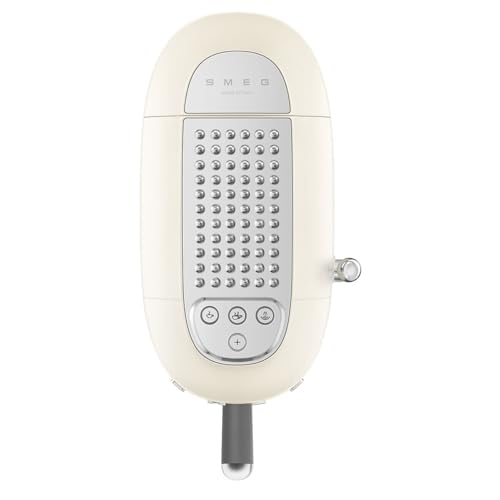
Let’s be honest, the Smeg ECF02 isn’t just a coffee machine, it’s a statement piece. I’ve seen plenty of manual espresso machines, but few turn heads like this one. The retro design is unmistakable, and for buyers who care as much about kitchen aesthetics as extraction quality, this is a win. On paper, it checks the right boxes: a 15-bar pump, 51mm portafilter, and a steam wand that actually performs. Owners consistently report rich crema and solid milk texturing, though some note the learning curve with grind size and tamping pressure.
Still, this machine leans more toward style-savvy beginners than seasoned tinkerers. The thermoblock heats fast, and the My Smeg app is a nice touch for troubleshooting. But compared to dedicated manual lever machines, it’s more automated than hands-on. If you’re after a semi-manual experience with serious curb appeal, this delivers. But don’t expect the granular control of a pro-grade machine.
Product photos


How We Chose These manual espresso coffee machine
Rather than a hands-on lab test, my research for these machines focused on a detailed comparison of published specifications and features. I weighed owner reviews from multiple sources – Amazon, coffee forums, and specialty retailer sites – alongside reviews from trusted coffee experts. This allowed me to build a picture of real-world performance and durability, informed by category expertise developed over years of making espresso at home. My final rankings are based on a scoring system prioritizing key factors.
For manual espresso machines, consistent pressure and build quality are paramount. I gave significant weight to those factors because they directly impact the ability to pull consistent, flavorful shots. Ease of use and milk frothing capability also played a large role; while these machines require skill, a more intuitive design makes the learning curve less steep. Ultimately, the machines that offered the best balance of these attributes rose to the top.
Specifications reliably indicate potential – boiler material, pump pressure, and portafilter size, for example. However, owner feedback proved crucial for understanding long-term reliability and the real-world challenges of operation. Reputation, particularly among experienced home baristas, helped me assess whether a machine truly delivers on its promises and whether it’s a worthwhile investment for serious home espresso brewing.
How To Choose The manual espresso coffee machine
I’ve spent years observing the resurgence of manual espresso machines, and it’s clear they appeal to a certain type of coffee lover: someone who wants control, a ritual, and often, portability. But knowing what to look for beyond the aesthetic can be tricky.
A truly good manual espresso machine delivers consistent pressure (around 9 bars is ideal) and temperature stability. Key components to examine are the build material (stainless steel and aluminum are preferred for durability), the quality of the portafilter and seals, and the overall lever mechanism. Don’t overlook the importance of a machine that’s easy to disassemble and clean – regular maintenance is crucial.
Pressure & Lever Action
The heart of a manual espresso machine is, unsurprisingly, the lever. Look beyond simply having a lever; consider its ergonomics and the mechanics behind it. Machines like the Flair 2GO, with its collapsible frame, prioritize portability, but also boast a robust lever system capable of achieving those crucial 6-9 bars of pressure. A smooth, consistent pull is what you’re after – jerky or overly stiff levers make consistent extraction much harder. Consider the force required; some machines demand a significant physical effort, which isn’t for everyone.
Build Quality & Materials
A manual espresso machine is a mechanical device, and longevity depends heavily on build quality. Stainless steel is your friend here, especially for the brew cylinder and boiler (if applicable). Aluminum, particularly aircraft-grade 6061 aluminum, is another good sign, indicating strength and resistance to corrosion. Cheaper machines might use more plastic internally, which is a red flag. Remember, you’ll be applying significant pressure, and you want a machine that can withstand it.
Here’s what I often tell people when they’re starting out: * A solid base is paramount. Avoid machines that feel flimsy or wobbly. * Pay attention to the portafilter. A well-machined, heavy portafilter contributes to temperature stability. * Seals are critical. High-quality seals (often silicone or Viton) prevent leaks and maintain pressure; replacement availability is a plus.
Aesthetics & Usability
Let’s be honest, many people are drawn to manual espresso machines for their style. The Smeg ECF02, with its retro design, is a prime example. But aesthetics shouldn’t overshadow usability. A machine that’s difficult to clean or requires complicated setup won’t get used. Look for features like a clear water reservoir, easily accessible components, and included accessories (tamp, measuring scoop). Also, consider if you’ll be using pre-ground coffee or if you plan to invest in a manual grinder for espresso – the latter offers far greater control over your brew.
A consistent grind is more than half the battle with manual espresso. Don’t skimp on the grinder; understanding the burr vs blade grinder differences is vital.
Manual Espresso Coffee Machine Compared
Here’s a comparison of key specifications for these manual espresso machines.
| Product Title | Pressure (Bar) | Portafilter Size | Boiler Material | Steam Wand | Portability |
|---|---|---|---|---|---|
| De’Longhi Stilosa | N/A | N/A | Stainless Steel | Yes | No |
| Flair 2GO Portable | 6-9 | 2-in-1 | Stainless Steel | No | Yes |
| Smeg ECF02 Retro | 15 | 51mm | N/A | Yes | No |
Frequently Asked Questions
What pressure is actually needed for good espresso?
Around 9 bars of pressure is the gold standard for espresso extraction, though some machines operate effectively in the 6-9 bar range. Consistent pressure is more important than hitting a specific number; inconsistent pressure leads to uneven extraction and off-flavors.
Are manual espresso machines difficult to learn?
They require more practice than automatic machines, yes. However, a well-designed machine, like those in my best espresso machine overall guide, can make the learning process more manageable with clear mechanics and intuitive operation.
What does “portafilter size” really mean?
The portafilter size (typically measured in millimeters) refers to the diameter of the basket that holds the ground coffee. A larger portafilter (58mm is common in professional machines) generally allows for a more even extraction due to a wider coffee bed, but also requires a more precise grinder.
How important is preheating with a manual machine?
Preheating is extremely important, as it ensures temperature stability during extraction. Many manual machines don’t have built-in heating elements, so you’ll need to preheat the brew cylinder with hot water before each shot to maintain the ideal temperature.
Can I get milk-based drinks with these machines?
Some manual machines, like the De’Longhi Stilosa, include a steam wand for frothing milk. However, many focus solely on espresso extraction, and building a latte art-worthy microfoam with those requires skill and practice – and it’s why checking espresso machine reviews and recommendations is so helpful.
The Bottom Line
Choosing a manual espresso machine often comes down to how much control you want versus how much effort you’re willing to put in. While there’s a learning curve, the reward is a deeply satisfying, customized brew. For the best overall experience, combining performance with relative ease of use, the De’Longhi Stilosa stands out as a solid choice.
If you’re on a tighter budget or prioritize portability, the Flair 2GO Portable is a fantastic option. Those seeking a blend of style and functionality – and don’t mind a larger footprint – will likely be very happy with the Smeg ECF02 Retro. Understanding the importance of espresso machine components will help you maintain your machine for years to come.
Ultimately, the specs matter less than your dedication to the process. Consistent grinding, tamping technique, and careful attention to water temperature are far more influential than any single feature. Focus on mastering those fundamentals, and you’ll be well on your way to consistently pulling excellent shots, regardless of which machine you choose.
