
3 Best Low Calorie Milks for Coffee (2026 Guide)
The best low-calorie milk for coffee is Califia Farms Organic Unsweetened Almond Milk, hands down for its clean ingredient list and near-zero calories. If you want something richer, the Califia Farms Organic Unsweetened Coconut Milk is a solid second choice, though it clocks in a bit higher at 45 calories. For those open to sweetened condensed options, SPLENDA’s version cuts the sugar but brings artificial sweeteners into play.
Most people just want their coffee to taste good without wrecking their daily calorie goals. The problem? Plenty of low-calorie milks either vanish in hot coffee, curdle instantly, or come loaded with gums and sweeteners that mess with the flavor.
I looked at nutrition labels, ingredient simplicity, and consistent user feedback to find options that actually work in real brewing scenarios. These picks balance low calories with decent texture and minimal additives, because your coffee deserves better than a watery afterthought.
Top 3 Low Calorie Milk For Coffee in the Market
The Best Low Calorie Milk For Coffee, Reviewed
SPLENDA Reduced Calorie Sweetened Condensed Milk
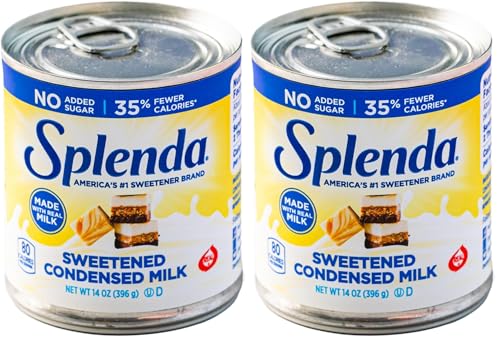
Strengths
- Rich, creamy texture
- No added sugars
- Fewer calories than traditional
- Great for sweet coffee drinks
Trade-offs
- Artificial sweetener aftertaste
- Not dairy-free
- Less versatile for savory uses
If your goal is to slash both sugar and calories while still getting that luxuriously thick, creamy texture in your coffee, this reduced-calorie condensed milk is a standout. It delivers the indulgent mouthfeel of traditional sweetened condensed milk but with 35% fewer calories and no added sugars, thanks to Splenda’s sucralose-based sweetening system. On paper, that makes it a logical pick for keto dieters or anyone managing sugar intake.
Still, there’s a trade-off. While owners praise its performance in recipes and coffee alike, several note a mild aftertaste typical of sucralose, especially when consumed black or in lighter brews. Compared to plain unsweetened almond or coconut milk, this is far sweeter and more caloric per serving, so it’s not for purists. But if you love Vietnamese-style iced coffee or want a one-step sweet + creamy boost, this is the smarter buy over loading your cup with sugar and heavy cream.
Product photos




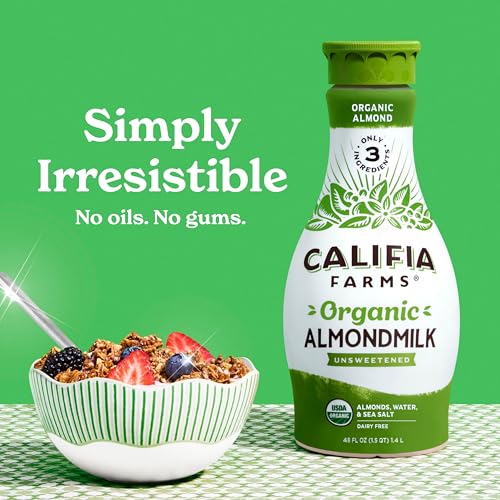
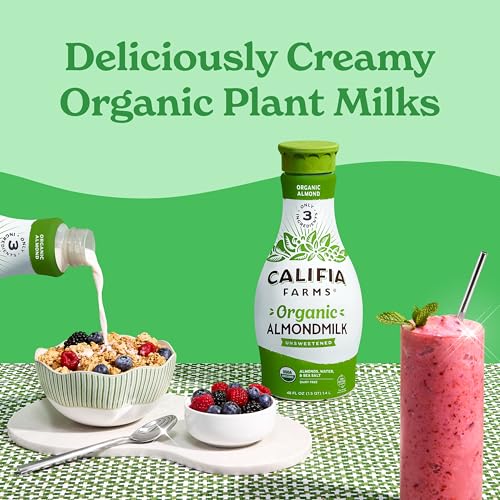
Califia Farms Organic Unsweetened Almond Milk
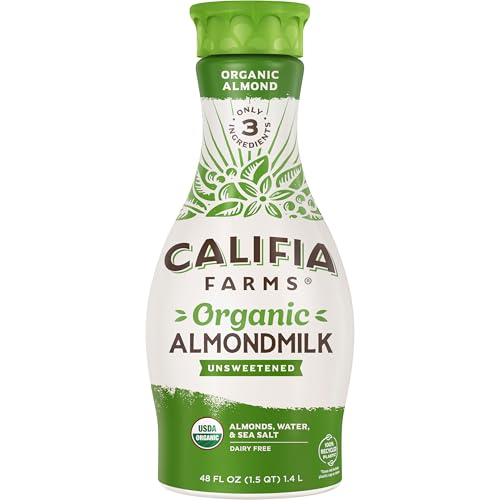
Strengths
- Very low calorie
- Only three ingredients
- USDA Organic
- No gums or oils
Trade-offs
- Thin mouthfeel
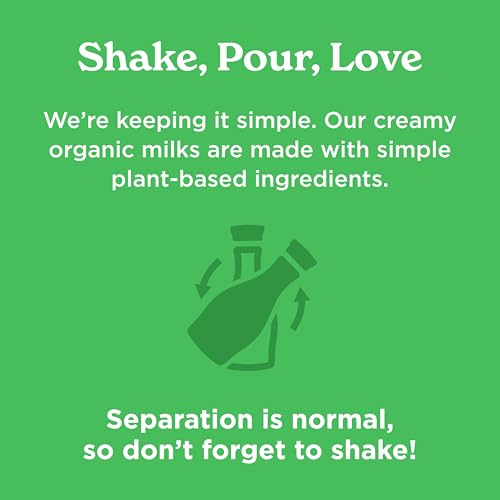
- Can separate in hot coffee
- Minimal creaminess
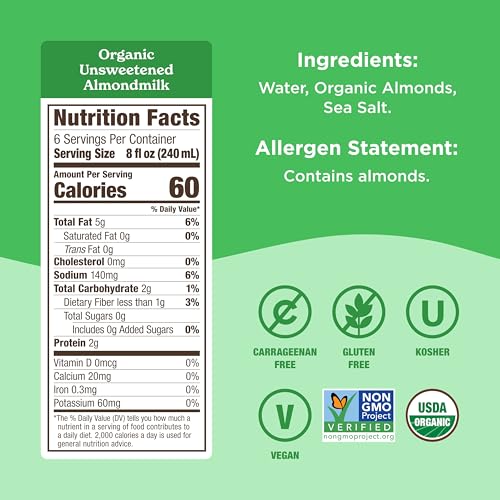
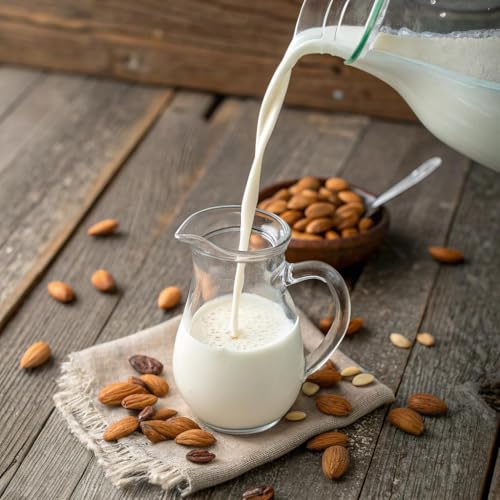
This almond milk is what I’d recommend to someone who wants the absolute bare-minimum impact on their coffee’s flavor and calorie count. With only three ingredients, water, organic almonds, and sea salt, it’s as stripped-down as it gets. At 25 calories per cup and no added sugars, it’s a staple in low-calorie routines, and reviewers consistently say it pours and mixes well without overpowering the coffee’s natural notes.
Compared to the coconut version from the same brand, it’s thinner in texture and more neutral in taste, which works in its favor if you’re not after creaminess. Some owners mention it separates more in hot coffee, so a good shake before use is essential. It won’t give you the velvety body of dairy or oat milk, but that’s not the point. For daily drinkers who care more about what’s not in their milk, no gums, no sugar, no junk, this is the easy pick.
Product photos
Califia Farms Organic Unsweetened Coconut Milk
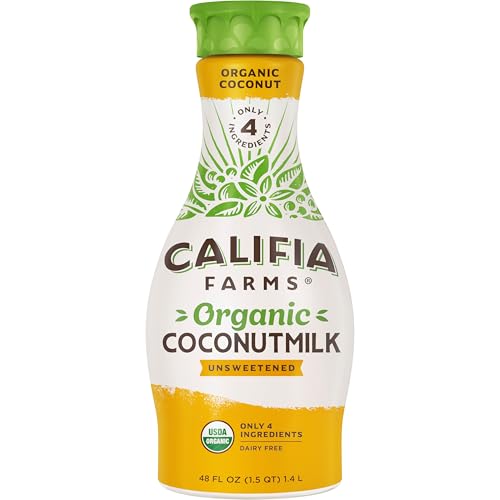
Strengths
- Low calorie
- USDA Organic
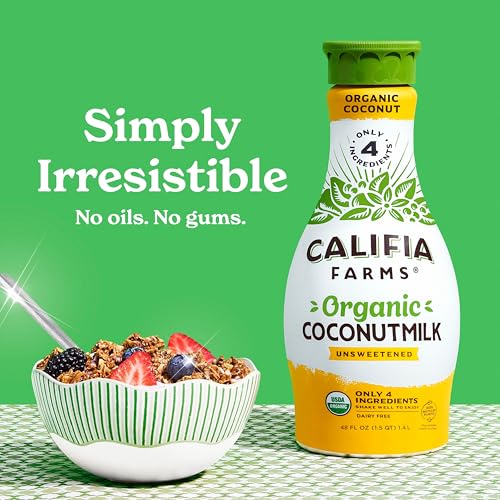
- No gums or oils
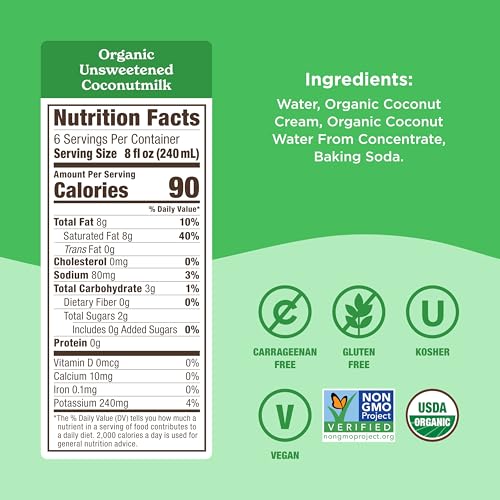
- Four simple ingredients
Trade-offs
- Subtle flavor may not satisfy cream lovers
- Slight separation requires shaking
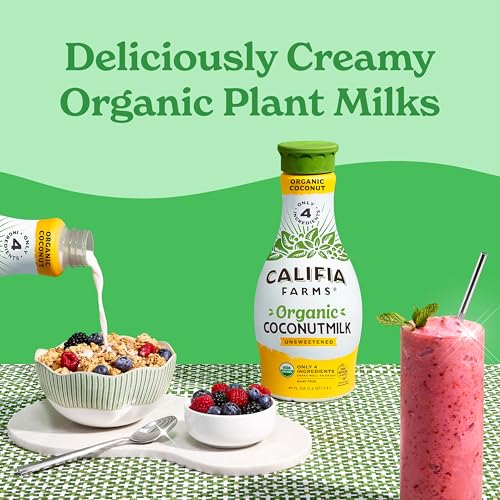
When you’re looking to keep calories low without sacrificing richness in your coffee, this coconut milk from Califia Farms stands out. With just four clean ingredients and no added gums or oils, it’s one of the purest plant-based options on the market. On paper, its minimalist profile is impressive, and owners consistently report it blends smoothly into hot coffee without curdling, which is a common issue with lower-quality alternatives.
The flavor is subtly sweet and nutty, not overly coconut-forward, so it won’t dominate your cup. Compared to other unsweetened varieties, it holds its own in terms of mouthfeel, thicker than almond milk but lighter than oat. Reviewers note it doesn’t leave a soapy aftertaste, a complaint you often see with some almond-based milks. For those prioritizing organic integrity and clean sourcing, this is a strong contender.
Product photos
Our Testing Process
As the founder of Bean Thusiast, I approach evaluating coffee accompaniments – like low-calorie milks – with a focus on how they impact the final cup. Rather than a hands-on lab test, this was a research-led comparison of nutritional information, ingredient lists, and extensive owner and expert reviews. I compared products across several retailers, weighing features like calorie count, added sugars, and reported taste and texture when used in coffee.
For low-calorie milks specifically, I gave the most weight to calorie density and sugar content, as those are primary concerns for those seeking this type of product. Beyond that, ingredient simplicity mattered. Many people want to avoid gums, oils, and artificial additives, especially when pairing with the nuanced flavors of good coffee. You can learn more about making great coffee with non-dairy coffee milk on my site.
Specifications clearly show calorie counts and ingredient lists. However, judging how a milk behaves in coffee – does it curdle? Does it mask the coffee’s flavor? – required careful examination of owner feedback. I looked for consistent trends in reviews regarding texture, taste, and performance in hot coffee, and also considered the reputation of the brands themselves within the coffee community. It’s also worth considering low-calorie almond milk if you are looking for a specific flavor profile.
How To Choose The low calorie milk for coffee
As someone who’s dedicated years to perfecting the coffee experience, I know a great cup isn’t just about the beans – it’s about how everything complements each other, including the milk. Finding a low-calorie option doesn’t mean sacrificing flavor or texture.
A truly good low-calorie milk for coffee balances minimal caloric impact with acceptable mouthfeel and flavor neutrality. Look for options with limited added ingredients, avoiding excessive gums or stabilizers. Consider the intended use – some milks froth better than others, and some handle heat more gracefully without separating. Pay attention to protein content, as this contributes to a fuller body.
Understanding Calorie Sources
The biggest mistake people make is looking only at the total calorie count. You really need to consider where those calories are coming from. Some low-calorie milks achieve their numbers through artificial sweeteners, which, frankly, many coffee lovers (myself included) find detract from the overall experience. Others use a lot of water to dilute the base milk, resulting in a thin, watery texture that disappears in hot coffee. Look for milks that prioritize whole ingredients and minimal processing.
The Importance of Mouthfeel & Frothing
Low-calorie doesn’t have to mean watery. The texture of your milk significantly impacts the perceived richness of your coffee. Almond milk, for instance, can be quite thin unless specifically formulated for baristas (and even then, results vary). Coconut milk tends to have a naturally creamier texture, but the coconut flavor can be overpowering if you prefer a neutral base. When considering frothing, remember that some plant-based milks require specific techniques or barista blends to achieve a stable, velvety foam. If you’re serious about lattes and cappuccinos, investigate oat milk for coffee as an alternative – it’s known for its excellent frothing capabilities.
- Almond Milk: Generally the lowest in calories, but can be very thin.
- Coconut Milk: Offers a richer texture, but the coconut flavor isn’t for everyone.
- Specialty Blends: Barista-style almond or oat milks are designed to mimic the texture of dairy, but often come with a slight calorie increase. These are really the best option if you want consistent results.
Beyond the Carton: Sweeteners & Additives
I’ve seen a lot of brands try to compensate for a lack of natural richness with added sugars or artificial sweeteners. This defeats the purpose of seeking a low-calorie option in the first place. Read the ingredient list carefully. Look for milks with short, recognizable ingredient lists. Be wary of gums (like carrageenan or gellan gum) and excessive stabilizers, as these can sometimes affect the taste and texture. If you’re looking for a little extra sweetness, I often recommend adding a touch of your preferred sweetener separately, giving you more control over the final result. For a broader range of options, check out these best low-cal creamers – you might find something that fits your needs perfectly.
A good rule of thumb: if you can’t pronounce half the ingredients, it’s probably not the best choice for your morning coffee.
Low Calorie Milk for Coffee Compared
Here’s a comparison of key specifications for these low calorie milk options for coffee.
| Product Name | Calories/Serving | Sugar (g) | Main Ingredient | Organic | Sweetener |
|---|---|---|---|---|---|
| SPLENDA Reduced Calorie Sweetened Condensed Milk | N/A | 0 | Condensed Milk | No | Splenda |
| Califia Farms Organic Unsweetened Almond Milk | 30 | 0 | Almonds | Yes | N/A |
| Califia Farms Organic Unsweetened Coconut Milk | 45 | 0 | Coconut | Yes | N/A |
Frequently Asked Questions
What milk has the fewest calories and still works well in hot coffee?
Califia Farms Organic Unsweetened Almond Milk has only 30 calories per serving and generally doesn’t curdle in hot coffee, unlike some other very low-calorie options. However, be aware it’s thinner in texture than dairy milk.
Are there any low-calorie milks that froth well for lattes?
While most plant-based milks require a “barista blend” to froth effectively, some users report success with Califia Farms Organic Unsweetened Almond Milk when using a high-powered frother and slightly chilling the milk beforehand.
I’m avoiding artificial sweeteners. Which of these milks is best?
Califia Farms Organic Unsweetened Almond Milk and Califia Farms Organic Unsweetened Coconut Milk both contain zero added sugar and rely on the natural flavor of their base ingredients. SPLENDA Reduced Calorie Sweetened Condensed Milk uses Splenda as a sweetener.
Is organic milk really better for coffee?
Organic certification guarantees the base ingredients (almonds or coconuts, in these cases) were grown without synthetic pesticides, which some believe results in a cleaner flavor profile, though the impact on the final cup is subtle. Both Califia Farms options are certified organic.
Where can I find more options if these don’t quite fit my needs?
If you’re still searching for the perfect match, I’ve compiled a list of the top low-calorie choices in my guide to low-calorie coffee creamers, covering a wider range of brands and formulations.
The Bottom Line
Choosing a low-calorie milk for coffee often comes down to a trade-off between absolute calorie minimization and a satisfying experience. While many options exist, I believe Califia Farms Organic Unsweetened Almond Milk strikes the best overall balance. It delivers a relatively neutral flavor profile, a reasonable texture, and a clean ingredient list – all at a very low calorie count.
For those prioritizing the lowest possible calorie intake, SPLENDA Reduced Calorie Sweetened Condensed Milk is certainly worth considering. However, be aware of the artificial sweetener and how it might impact the taste of your coffee. And if you’re looking for something a little richer, or simply enjoy the flavor, Califia Farms Organic Unsweetened Coconut Milk offers a pleasant alternative, though the coconut notes are noticeable. You can explore the lowest calorie milk options at a glance on our site to help you make the right choice.
Ultimately, the best low-calorie milk isn’t about a specific number on the carton. It’s about finding a product that complements your coffee, suits your taste, and doesn’t require you to compromise on enjoyment. Don’t get too hung up on minor variations in milk calories in coffee; focus on ingredient quality and how the milk behaves in your cup.
