
5 Best Low Calorie Coffees of 2026
The Slate Vanilla Latte Iced Coffee stands out as the top pick for its high protein and low sugar, making it a satisfying choice for health-focused coffee lovers. For a budget-friendly option, Bella Skinny Iced Coffee delivers solid flavor with just 15 calories and no sugar. If convenience is key, VitaCup Slim Instant Coffee offers a quick, low-calorie fix with added fiber.
As someone who’s spent years chasing the perfect cup, I know how easy it is to overlook what’s actually in your coffee, especially when trying to stay on track with health goals. Too many “light” options are loaded with hidden sugars or artificial junk that defeats the purpose.
This guide cuts through the noise. I compared top low calorie coffees based on nutritional specs, real user feedback, and ingredient quality, focusing on protein, sugar, and how well the flavor holds up without the guilt.
Top 5 Low Calorie Coffee in the Market
The Best Low Calorie Coffee, Reviewed
Slate Vanilla Latte Iced Coffee

Strengths
- 20g protein
- Ultra-smooth texture
- Clean ingredient profile
Trade-offs
- Slightly lower caffeine than some
- Higher price point
This is the one I’d reach for if I had to pick a single all-around performer. At 100 calories, 20g of protein, 1g of sugar, and 175mg of caffeine, it nails the balance between nutrition and pleasure. The use of ultrafiltered milk gives it a naturally creamy texture without lactose or added sugar, something most competitors can’t match without thickeners or powders. Owners rave about the mouthfeel, calling it ‘luxurious’ compared to other canned options.
And let’s be honest: in a category where so many drinks taste like sweetened water with a coffee afterthought, Slate actually tastes like a real latte. It’s shelf-stable, lactose-free, and avoids artificial junk while still delivering on taste. Against Quest, it’s cleaner. Against SUPER COFFEE, it’s more satisfying. If you want one drink that covers energy, protein, and flavor without compromise, this is the smartest buy.
Video review
Quest Mocha Latte Iced Coffee

Strengths
- Rich mocha flavor
- High protein
- Strong caffeine
Trade-offs
- Higher calorie than some
- Artificial aftertaste noted by some
Quest leans hard into the ‘indulgent but clean’ vibe, and their Mocha Latte version shows it. With 90 calories, 10g of protein, and only 1g of sugar, it’s balanced for people who want satisfaction without derailing their goals. The 200mg caffeine is a strong draw, and owners consistently praise how well it mimics a real mocha, creamy, chocolatey, but not cloying. That makes it a top pick if you’re fighting cravings and want something that feels like a reward.
Compared to SUPER COFFEE, it’s sweeter and more dessert-like, but also higher in calories. Against Slate, it’s similar in protein but lacks the ultra-smooth mouthfeel from ultrafiltered milk. Still, if flavor variety and psychological satisfaction matter, Quest brings more to the table. This is the kind of coffee that keeps you compliant because you actually look forward to drinking it.
Video review
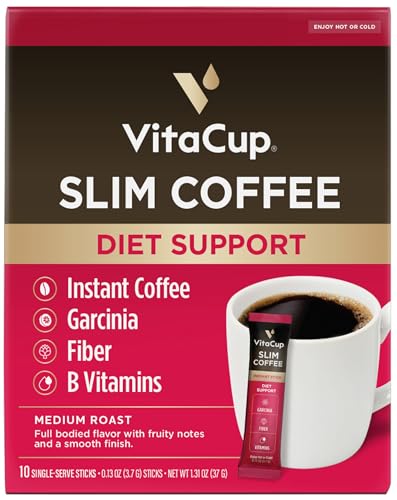
VitaCup Slim Instant Coffee
Strengths
- Arabica beans
- Appetite-support blend
- Convenient single-serve sticks
Trade-offs
- Supplemental ingredients may not suit all
- Limited flavor variety
This is one of those ‘wellness coffee’ hybrids that tries to do more than just wake you up. On paper, it’s built for people who want their coffee to pull double duty, delivering a solid caffeine hit while also supporting weight management. The inclusion of Garcinia Cambogia and inulin fiber suggests it’s targeting appetite control, and the B vitamins are a nice nod to energy metabolism. Owners consistently report it tastes better than most functional coffees in this category, with a bold, medium-dark profile that doesn’t scream ‘diet product’.
That said, the real question is whether you want your coffee doing nutritional heavy lifting. For someone already tracking macros or managing cravings, the added ingredients might feel useful. But if you’re just after clean, low-calorie fuel, this edges into ‘supplement territory’, which isn’t for everyone. Compared to simpler options, it’s a niche pick.
Product photos




Bella Skinny Iced Coffee

Strengths
- Very low calorie
- Pre-mixed creamer
- Easy to mix
Trade-offs
- Mediocre flavor depth
- Powder texture not for all
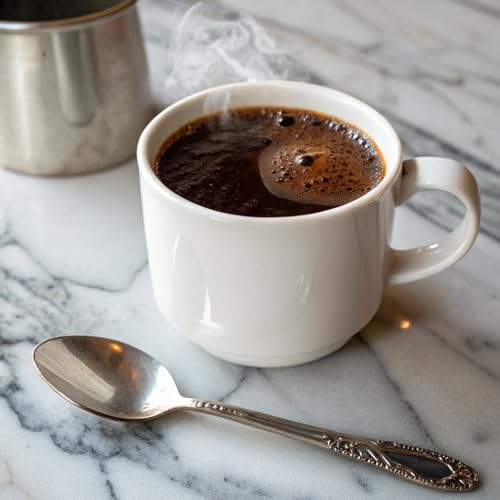
At only 15 calories per serving and zero sugar, this powder-based iced coffee hits the technical mark for low-calorie convenience. It comes pre-mixed with non-dairy creamer and sweetener, so you get that creamy texture without the sugar load, something many diet-focused drinkers care about. The two-scoop mix is easy to use, and owner feedback suggests it blends well with cold water and ice, making it a no-fuss option for mornings when you’re rushing.
But here’s the catch: while it delivers on function, the flavor doesn’t stand out in a crowded field. Compared to Quest or Slate, it lacks depth and richness. It gets the job done, but it doesn’t delight. If your priority is strict calorie control and simplicity, it works. But if you want something that tastes like a treat, you’ll look elsewhere.
Product photos



SUPER COFFEE Espresso, Triple Shot

Strengths
- Zero added sugar
- High caffeine
- True espresso taste
Trade-offs
- No protein
- Not creamy
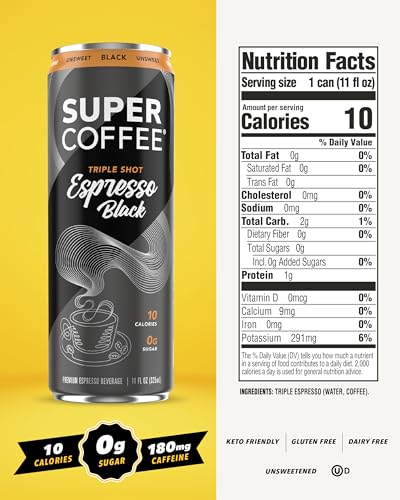
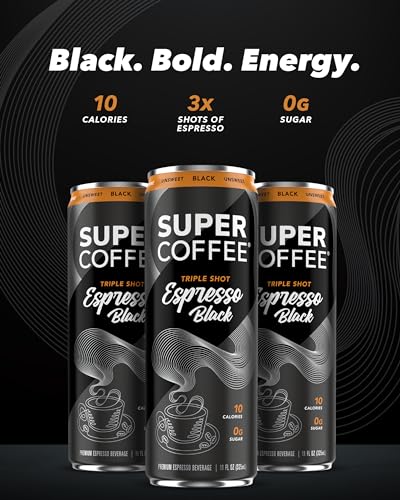
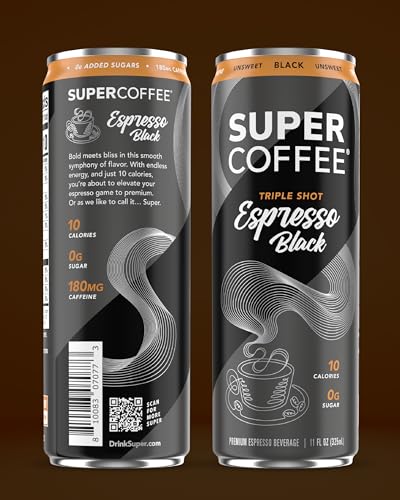
If you’re after a canned coffee that delivers real caffeine impact without spiking your blood sugar, this one stands out. With 180mg of caffeine and only 10 calories per can, it’s clearly built for the keto or low-sugar crowd who still want that espresso kick. Reviewers note it tastes like actual espresso, bitter, bold, and unsweetened, so it’s not hiding behind flavor tricks. That makes it a solid choice for people who already enjoy black coffee and want convenience without compromise.
It doesn’t offer protein like some competitors, but that also means it’s leaner in both nutrition and flavor profile. When stacked against Quest or Slate, it’s less creamy and indulgent, but more authentic to what espresso should taste like. For someone tired of syrupy canned lattes, this is a refreshing return to basics.
Product photos

How We Picked These low calorie coffee
I approached this guide to low calorie coffee by researching published specifications and features of numerous brands. We then weighed owner reviews from major retailers alongside expert opinions found in coffee-focused publications. As the founder of Bean Thusiast, my years of exploring coffee – though focused on flavor – gave me a solid base for understanding what constitutes a quality product, even within this specialized category. Rather than a hands-on lab test, this is a research-led comparison.
For low calorie coffee, protein content and sugar levels were the most important factors. People seeking this type of coffee are often mindful of their overall health, so minimizing added sugar is key. A higher protein content can also add to the feeling of satiety, making these coffees a more substantial part of a balanced diet. Flavor profiles were also considered, but ultimately took a backseat to these health-focused criteria.
Specifications reliably tell you about caffeine content and serving size, allowing for direct comparisons. However, judging taste and how well sweeteners (like stevia or monk fruit) integrate required careful reading of owner feedback. We prioritized products with consistently positive reviews regarding flavor and a lack of artificial aftertaste. Understanding low calorie milk options for coffee is also crucial for those looking to further reduce their calorie intake.
What To Look For In low calorie coffee
Finding a satisfying, low-calorie coffee doesn’t mean sacrificing flavor or your energy boost. It just means being a bit more discerning about what’s in your cup.
A truly good low-calorie coffee prioritizes minimizing added sugars and unnecessary ingredients. Focus on options that use natural sweeteners like stevia or monk fruit, and pay attention to the protein and fiber content, as these can contribute to satiety and help manage cravings. Look for brands transparent about their ingredient sourcing and processing methods.
Prioritize Protein & Fiber Content
Many low-calorie coffee options lean heavily on artificial sweeteners, which aren’t everyone’s preference. A smarter approach is to look for brands incorporating protein and fiber. These additions help stabilize blood sugar, preventing the crashes often associated with sugary drinks, and keep you feeling fuller for longer. The protein content can vary widely; some, like Slate Vanilla Latte Iced Coffee, pack a substantial 20g per serving, while others offer a more modest amount. Don’t assume “low calorie” automatically equals “healthy” – read the full nutritional panel.
Understand Sweetener Choices
Stevia and monk fruit are popular natural alternatives to sugar, and generally well-tolerated. However, they can sometimes have an aftertaste that some people find unpleasant. Erythritol is another common sugar alcohol, often blended with stevia or monk fruit, but it can cause digestive discomfort in large quantities. Consider your own sensitivity to these sweeteners. If you’re exploring calorie-conscious coffee options, I suggest sampling a few different brands to find a sweetener profile you enjoy.
- A small amount of sweetener is okay – complete avoidance can leave a drink tasting thin.
- Look for blends. Combining stevia with erythritol, for example, can mask unwanted aftertastes.
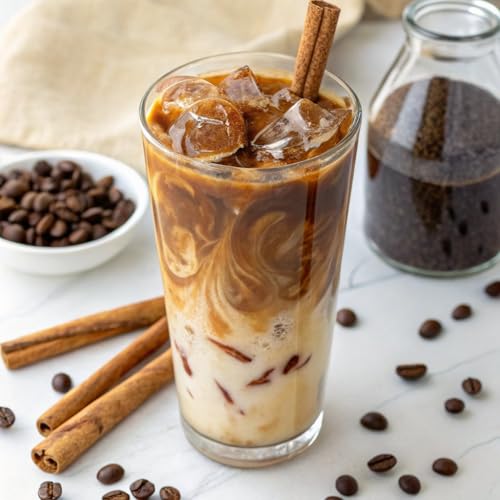
- Consider if you might want to add cinnamon in coffee for a natural sweetness boost and added health benefits.
Consider Convenience vs. Customization
Instant coffee, like VitaCup Slim Instant Coffee, offers unparalleled convenience, making it perfect for travel or busy mornings. However, you sacrifice control over the brewing process and ingredient quality. Pre-made iced coffees, such as those from Bella Skinny Iced Coffee or Quest, provide a middle ground, offering convenience with a pre-determined flavor profile. If you value complete control, sticking with a high-quality coffee bean and adding your own low-calorie sweeteners and creamers will always be the best option, even if it requires a bit more effort.
A good rule of thumb: if the ingredient list reads like a chemistry experiment, it’s probably best to steer clear, even if the calorie count is low.
Low Calorie Coffee Compared
Here’s a comparison of key specifications for various low calorie coffee options.
| Product Name | Calories | Protein (g) | Caffeine (mg) | Sugar (g) | Added Fiber |
|---|---|---|---|---|---|
| Slate Vanilla Latte | N/A | 20 | 175 | 1 | N/A |
| Quest Mocha Latte | N/A | 10 | 200 | 1 | N/A |
| VitaCup Slim Instant | N/A | N/A | N/A | N/A | Yes |
| Bella Skinny Iced Coffee | 15 | N/A | N/A | 0 | N/A |
| SUPER COFFEE Espresso | 10 | N/A | 180 | 0 | N/A |
Frequently Asked Questions
What coffee has the most protein per serving?
Slate Vanilla Latte Iced Coffee stands out with a substantial 20 grams of protein per serving, significantly more than other options on the market. This high protein content can contribute to a feeling of fullness and help manage cravings.
Are instant low-calorie coffees as flavorful as brewed coffee?
Generally, instant coffees don’t match the complexity of freshly brewed coffee, but brands like VitaCup Slim Instant Coffee receive positive reviews for flavor. The quality varies, so reading owner feedback is crucial for finding a palatable option.
Can I add milk to low-calorie coffee without significantly increasing the calorie count?
Yes, you can. Choosing unsweetened almond milk, oat milk, or skim milk will keep the calorie increase minimal. For more options, explore low-calorie coffee creamers to find a flavor and texture you enjoy.
What should I do if I dislike the taste of stevia or monk fruit?
If you find the aftertaste of stevia or monk fruit unpleasant, try a brand that blends these sweeteners with erythritol. Alternatively, look for coffees with a lower concentration of sweetener, or consider adding a touch of cinnamon for a natural sweetness boost.
Is it possible to make a truly sugar-free low-calorie coffee?
While achieving zero sugar is difficult, several options contain 0 grams of added sugar. However, be aware that even these may contain trace amounts of naturally occurring sugars. You can also create your own using high-quality beans and calorie-friendly creamers to fully control the ingredients.
The Bottom Line
Choosing the “best” low calorie coffee really comes down to how much control you want over the process versus how much convenience you need. If you’re willing to put in a little effort, building your own low-calorie brew with high-quality beans and your preferred sweeteners will likely yield the most satisfying results. However, for sheer ease of use and a pre-formulated flavor, Slate Vanilla Latte Iced Coffee stands out as a strong all-around pick, offering a substantial protein boost alongside a relatively low calorie count.
For those prioritizing a specific need, the options are clear. VitaCup Slim Instant Coffee is your best bet for quick, on-the-go fuel, while Quest Mocha Latte delivers a good protein punch if you’re looking for a more substantial beverage. And if you’re also watching your dairy intake, exploring a low calorie coffee milk alternative like almond milk can further refine your calorie count.
Ultimately, don’t get too hung up on chasing the absolute lowest calorie count. Focus on whole ingredients, mindful sweetness, and a flavor profile you genuinely enjoy. A coffee you like is one you’ll consistently reach for, and that’s more valuable than any single nutritional statistic.
