
6 Best Low Calorie Coffee Drinks 2026
The best low-calorie coffee drink overall is the Super Coffee Espresso Triple Shot, with just 10 calories and 180mg of caffeine, followed by the Starbucks Espresso & Cream Light for a widely available budget option. For high protein without sugar, the Slate Energy Variety Pack stands out.
Too many low-calorie coffee drinks taste like afterthoughts, thin, artificial, or so sweetened they defeat the purpose. I’ve seen it time and again: people give up on their morning ritual because the “healthy” option leaves them unsatisfied or jittery.
This guide cuts through the hype. Based on specs and owner feedback, I focused on drinks that balance real coffee flavor, clean energy, and minimal sugar, so you don’t have to compromise.
Top 6 Low Calorie Coffee Drinks in the Market
The Best Low Calorie Coffee Drinks, Reviewed
Super Coffee Espresso Triple Shot

Strengths
- 10 calories
- 0g added sugar
- 180mg caffeine
Trade-offs
- No cream or sweetness
- Bitter edge for some
If you’re chasing a clean, no-nonsense caffeine hit without the sugar crash, this is one of the leanest options on the shelf. At just 10 calories and 0g added sugar, Super Coffee Espresso delivers a triple shot of bold, unsweetened espresso in every 11 oz can, which owners consistently report tastes closer to a real café pull than most canned alternatives. The 180mg caffeine is strong but not overwhelming, making it a solid midday reset without the jitters some energy drinks bring.
What sets it apart in the low-calorie space is its simplicity. No cream, no sweeteners, no flavor masking, just straight espresso. That’s a win for purists, though it might feel too austere for those used to creamy or sweet iced coffee. Compared to sweeter protein-fortified options like Slate or Starbucks Protein, this one’s for someone who wants energy first, flavor second.
Video review
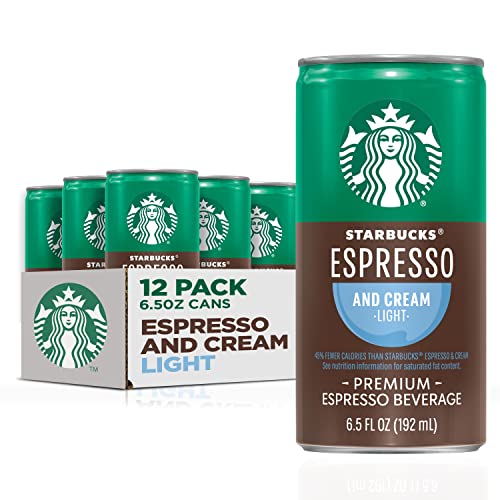
Starbucks Espresso & Cream Light
Strengths
- Budget friendly
- Creamy texture
- Easy to find
Trade-offs
- Smaller serving size
- Higher calories than others
- No functional add-ins
This is the old-school workhorse of canned coffee, compact, creamy, and cheap. At 70 calories and 120mg caffeine, it’s not the lowest calorie option, but it’s the most budget-friendly by far. The mix of espresso and a touch of cream gives it a smooth, nostalgic diner-coffee feel, not gourmet, but comforting. It’s smaller at 6.5 oz, so you’re trading volume for convenience and price.
Owners consistently say it’s ‘reliable’ and ‘tastes like Starbucks on a bad day’, which isn’t high praise, but for a quick office pick-me-up or a backup in the glovebox, it works. Against the high-protein or zero-sugar contenders, it’s clearly outclassed in specs. But if you’re not tracking macros and just want something familiar and affordable, this one still holds its ground.
Video review
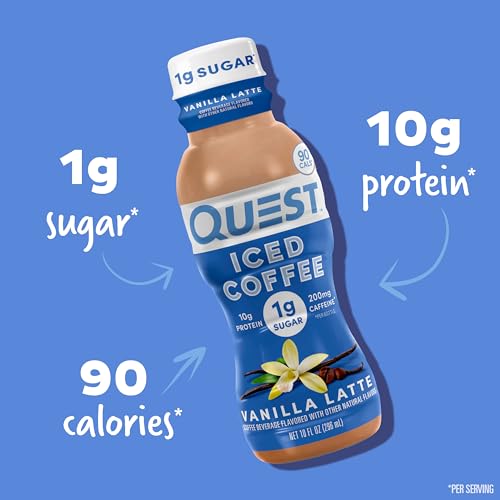
Quest Vanilla Latte Iced Coffee

Strengths
- 200mg caffeine
- Only 1g sugar
- 10g protein
Trade-offs
- Thinner mouthfeel
- Artificial aftertaste for some
- Limited flavor variety
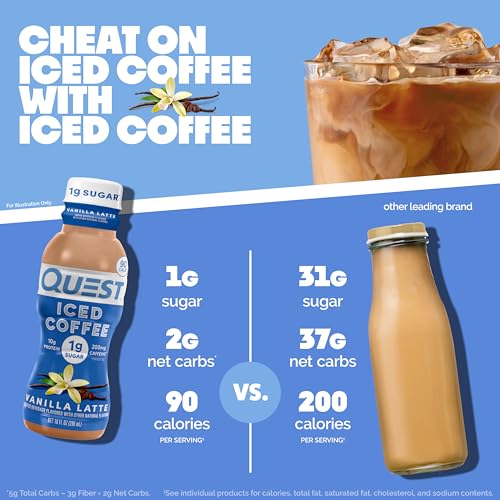
Quest is playing a different game, this is high-caffeine, moderate-protein coffee for people who treat their drink like fuel. With 200mg of caffeine, it’s the strongest jolt on this list, and the 10g of protein helps smooth out the crash. At 1g of sugar and 90 calories, it’s firmly in the low-calorie camp, and owners say the vanilla latte flavor hits that ‘dessert-like but not guilty’ sweet spot.
The texture is thinner than milk-based lattes, which some notice, but most accept it as the trade-off for low sugar. Compared to Slate or Starbucks Protein, it offers less protein but more caffeine, a good middle ground if you’re prioritizing alertness over muscle recovery. I’d pick this over the others if you need to stay sharp for hours and don’t want to spike your blood sugar.
Product photos
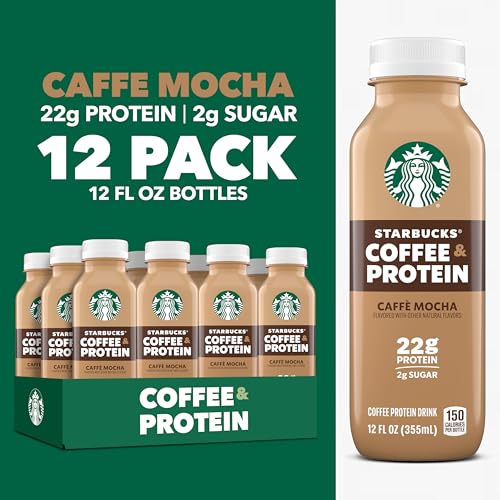
Starbucks Caffe Mocha Protein Coffee
Strengths
- 22g complete protein
- 5g prebiotic fiber
- No added sugar
Trade-offs
- Thick, heavy texture
- Limited to one flavor
- Contains milk
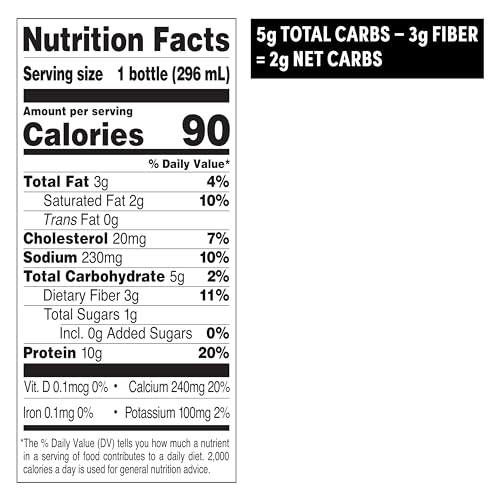
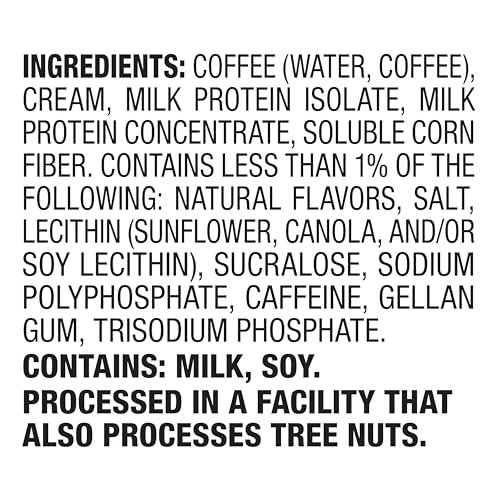
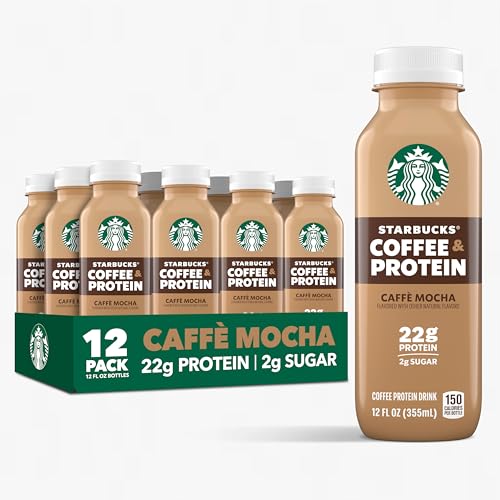
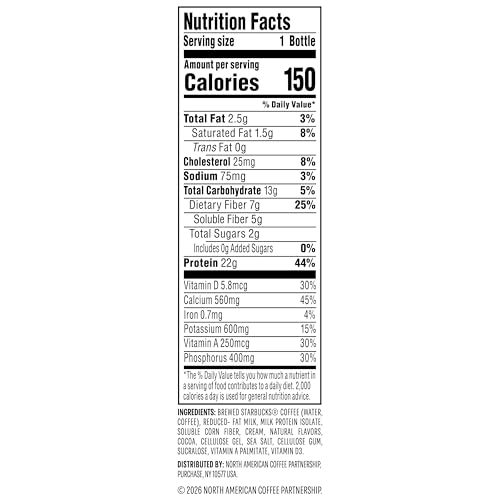
This is the most nutritionally fortified option on the list, 22g of complete protein, 5g of prebiotic fiber, and 2g of sugar (no added) in a 12 fl oz bottle. The Caffe Mocha flavor leans into the dessert-coffee niche, but keeps it clean with minimal sugar and a focus on satiety. The addition of vitamins and minerals pushes it closer to a meal replacement than a simple pick-me-up.
Reviewers note it’s thicker than average, almost shake-like, which works for some but feels heavy for others. Against Slate, it has more protein and fiber but less flavor variety and no lactose-free label, a drawback for sensitive drinkers. If you’re looking to replace a snack or breakfast with something coffee-based and filling, this is the top contender.
Product photos


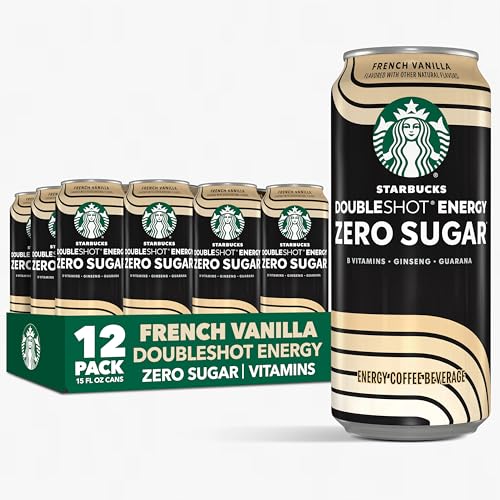
Starbucks Doubleshot Zero Sugar French Vanilla
Strengths
- Zero sugar
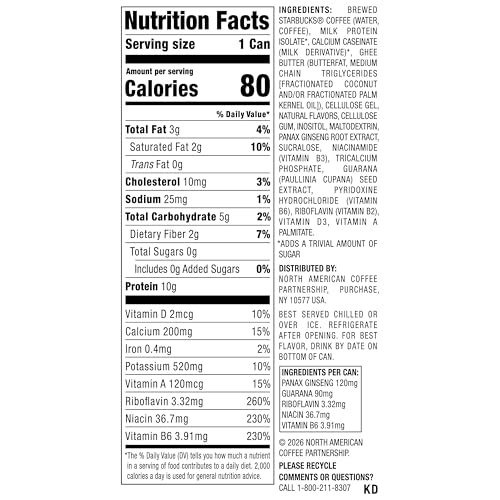
- Energy blend with ginseng
- Large 15 fl oz can
Trade-offs
- Artificial sweetness detectable
- No protein
- Caffeine amount not listed
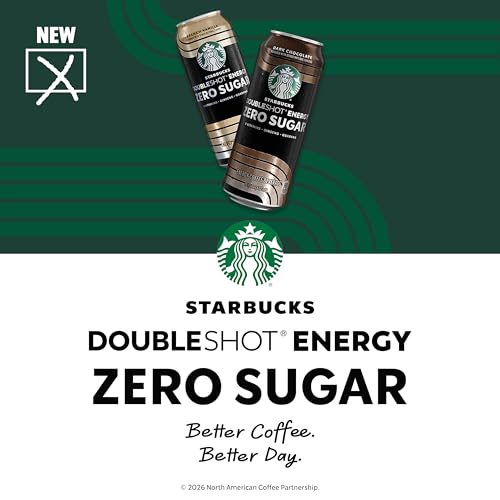
Starbucks is packing more than just coffee into this can, it’s a full-on energy system with ginseng, guarana, and B vitamins, all wrapped in a zero-sugar French vanilla iced coffee shell. At 15 fl oz, it’s one of the largest ready-to-drink energy formats here, and reviewers often call it ‘the most balanced’ when comparing kick versus taste. The caffeine punch is serious, though the exact amount isn’t disclosed, logic suggests it’s above 180mg given the guarana and ginseng synergy.
It’s sweetened with artificial or non-nutritive sweeteners (unsurprising for zero sugar), and while most owners say the French vanilla flavor is smooth and not overly chemical-tasting, a few note an aftertaste if consumed cold. Against Quest or Slate, it’s less protein-focused but more tuned for straight energy. If you’re choosing between this and Super Coffee, this one’s the hybrid: part coffee, part energy shot.
Product photos

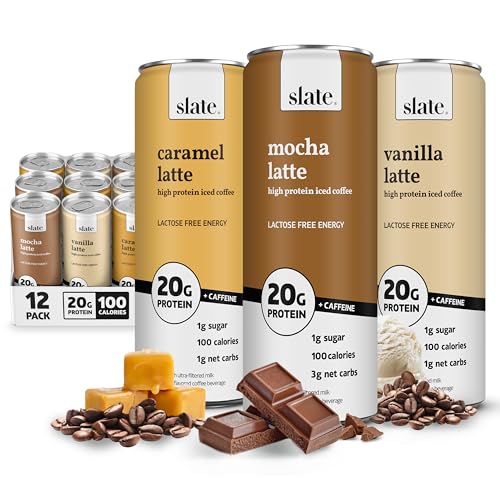
Slate Energy Variety Pack Iced Coffee
Strengths
- 20g protein
- Lactose free
- Great flavor variety
Trade-offs
- Slightly lower caffeine
- Higher price point
- Shelf stable but best chilled
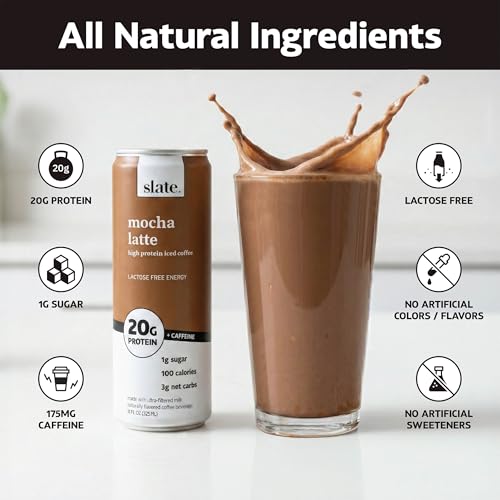
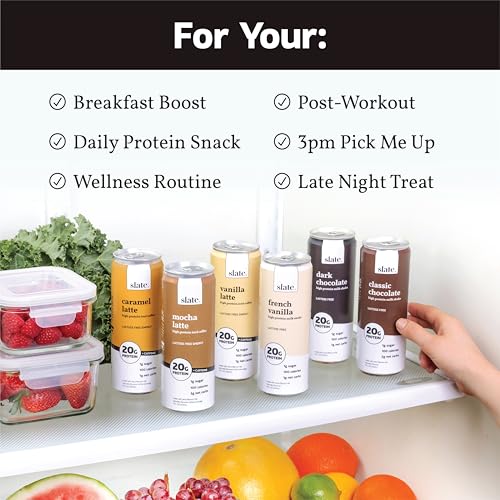
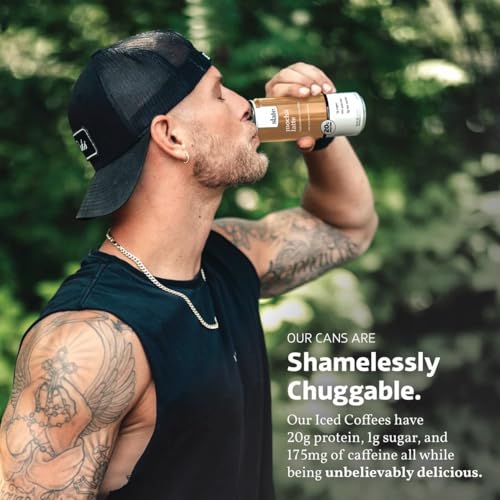
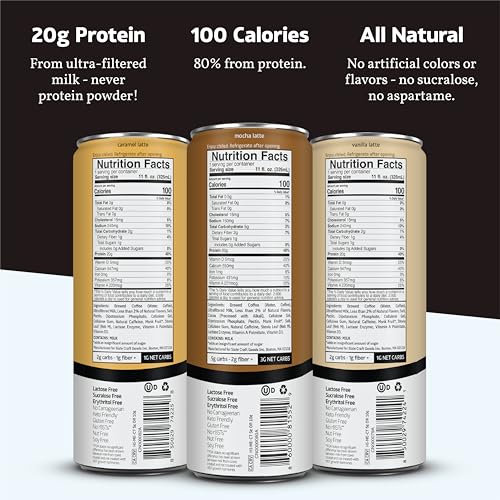
Slate is building a cult following for a reason, this is the most nutritionally balanced canned coffee here. With 20g of protein, 1g of sugar, and lactose-free milk, it tastes like a real latte while functioning like a recovery shake. The 175mg caffeine is enough for focus without overstimulation, and the variety pack lets you rotate through caramel, mocha, and vanilla without getting bored.
Owners rave about the creaminess, a direct result of ultrafiltered milk, and the fact that it holds up in taste despite the clean label. Compared to Starbucks Protein, it has slightly less protein (20g vs 22g) but better flavor diversity and a more natural ingredient profile. If you’re using coffee as post-workout fuel or a meal supplement, this one stands out.
Product photos
How We Chose These low calorie coffee drinks
As the founder of Bean Thusiast, I approach coffee recommendations with a focus on flavor and functionality. Rather than a hands-on lab test, this research-led comparison of specs and owner feedback aimed to identify the best low-calorie coffee drinks available. I compared published nutritional information, ingredient lists, and caffeine content across numerous brands, then weighed that against what people are actually saying about taste and effectiveness.
For this category, sustained energy and minimal added sugar were the biggest deciding factors. Many low-calorie options sacrifice flavor or provide a quick jolt followed by a crash. We prioritized drinks that balanced a satisfying coffee experience with a cleaner energy profile, and those that genuinely delivered on reducing sugar intake without relying on artificial sweeteners as a primary flavor component. Protein content was also a significant consideration, as it contributes to satiety.
Specifications reliably reveal calorie counts, caffeine levels, and added sugar content. However, owner feedback proved crucial for assessing taste, texture, and whether a drink truly delivers on its promises regarding energy and fullness. Reputation mattered too; established brands like Starbucks carry a certain expectation of quality, while newer brands needed to demonstrate value through positive reviews. You can learn more about how milk impacts the calorie content of milk in coffee if you’re watching your intake closely.
What To Look For In low calorie coffee drinks
As someone who’s spent years exploring the world of coffee, I know that enjoying a delicious cup doesn’t have to mean sacrificing your health goals. Finding a truly satisfying low-calorie option requires understanding what to look for beyond just the marketing.
A quality low-calorie coffee drink balances flavor with minimal added sugar and unnecessary ingredients. Prioritize options using real coffee, natural sweeteners (if any), and consider protein content for sustained energy. Check caffeine levels to match your tolerance and desired effect, and be mindful of serving sizes.
Understanding Calorie Sources
The first thing I tell people is to look closely at where the calories are coming from. Many pre-made coffee drinks are loaded with sugar, or even worse, artificial sweeteners that can leave an unpleasant aftertaste. Don’t just focus on the total calorie count; examine the nutrition label. A drink with 70 calories from 18g of sugar isn’t the same as one with 70 calories from protein and a touch of natural sweetener like stevia. Evaluating the ingredient list is crucial, and be wary of anything with a long list of unpronounceable additives.
Protein & Sustained Energy
For me, a good low-calorie coffee drink isn’t just about cutting calories; it’s about sustaining energy levels. A drink with added protein can help prevent that mid-morning crash you get from a sugar rush and subsequent drop. This is especially useful if you’re using coffee as a pre-workout boost or to power through a busy day.
Here’s what I look for when considering protein content: * 5-10g: A light boost, good for a small pick-me-up. * 10-20g: A more substantial amount, ideal for replacing a small snack. * 20g+: A significant protein dose, approaching a meal replacement level, and potentially a good option if you’re actively focused on protein intake after a workout.
Flavor & Format Considerations
Ultimately, the best low-calorie coffee drink is one you’ll actually enjoy. Don’t settle for something bland just to save a few calories. Thankfully, there’s a growing range of flavors available, from classic vanilla lattes to richer mocha options. Consider the format too – canned drinks are convenient for on-the-go, but some people prefer the freshness of a refrigerated beverage. If you’re looking to further customize your drink, exploring low-calorie coffee creamer brands can give you even more control over sweetness and flavor.
Don’t sacrifice taste for health. A truly satisfying low-calorie coffee drink should deliver on flavor and fit your dietary needs.
I often recommend people explore different types of coffee drinks to find something that truly resonates with their preferences. You might be surprised at what satisfying options are out there!
Low Calorie Coffee Drinks Compared
Here’s a comparison of key specifications for several low calorie coffee drink options.
| Product Name | Calories | Caffeine (mg) | Sugar (g) | Protein (g) | Volume (oz) |
|---|---|---|---|---|---|
| Super Coffee Espresso Triple Shot | 10 | 180 | 0 | N/A | 11 |
| Starbucks Espresso & Cream Light | 70 | 120 | N/A | N/A | 6.5 |
| Quest Vanilla Latte Iced Coffee | N/A | 200 | 1 | 10 | 10 |
| Starbucks Caffe Mocha Protein Coffee | N/A | N/A | 2 | 22 | 12 |
| Starbucks Doubleshot Zero Sugar French Vanilla | N/A | N/A | 0 | N/A | 15 |
| Slate Energy Variety Pack Iced Coffee | N/A | N/A | 1 | 20 | N/A |
Frequently Asked Questions
What caffeine levels should I expect in these drinks?
Caffeine content varies widely, from 120mg in Starbucks Espresso & Cream Light to 200mg in Quest Vanilla Latte Iced Coffee. Consider your personal tolerance and desired energy boost when choosing a drink, and be aware that caffeine levels are sometimes unavailable from the manufacturer.
Are artificial sweeteners common in these low-calorie options?
Many brands minimize sugar by using sugar substitutes, though not all do. Starbucks Doubleshot Zero Sugar French Vanilla notably relies on artificial sweeteners to achieve its zero-sugar claim, while others like Super Coffee Espresso Triple Shot avoid them entirely.
Can these drinks contribute to a feeling of fullness?
Drinks with added protein, like the Quest Vanilla Latte or Starbucks Caffe Mocha Protein Coffee (with 22g of protein), are more likely to promote satiety. If fullness is a priority, look beyond just calorie count and focus on protein content.
What if I prefer to make my own low-calorie coffee?
You can easily create low-calorie coffee at home by using low-calorie milk alternatives and a natural sweetener like stevia or monk fruit. This gives you complete control over ingredients and allows for customization.
How do these pre-made drinks compare to a traditional latte?
A typical 16oz latte from a coffee shop can easily contain 200-300 calories and significant added sugar. These pre-made options generally offer a much lower calorie count, though often at the expense of the rich, creamy texture of a traditional latte.
The Bottom Line
Choosing a low-calorie coffee drink often comes down to prioritizing what matters most to you – ultimate convenience versus a bit more control over ingredients. For the best overall balance of flavor, caffeine, and minimal sugar, I recommend Super Coffee Espresso Triple Shot. It delivers a solid caffeine kick with virtually no calories or sugar, making it a smart choice for those watching their intake.
If you have specific needs, there are excellent options available. For those wanting a significant protein boost alongside their coffee, Quest Vanilla Latte Iced Coffee or Slate Energy Variety Pack Iced Coffee both stand out. And for a quick, readily available option, Starbucks Doubleshot Zero Sugar French Vanilla is a dependable choice – though as with any pre-made drink, it’s always wise to check the ingredient list. Don’t forget to consider using almond milk for low-calorie coffee if you prefer a dairy-free option.
Ultimately, the specs on a can or bottle are helpful, but they don’t tell the whole story. Focus on finding a drink that uses quality coffee, avoids excessive sugar, and fits comfortably into your lifestyle. A satisfying flavor and a sustained energy lift are far more important than chasing the absolute lowest calorie count.
