
7 Best Kona Coffee K Cups of 2026
The best Kona coffee K-Cups come down to the Blue Horse 100% Kona Coffee for its pure, high-quality beans and true Hawaiian origin, making it our top overall pick. For a more accessible option, the Fresh Roasted 100% Hawaiian Kona delivers similar authenticity with a unique flavor profile, while the Maud’s Kona Coast Blend Pods offer a solid middle ground for those who want real Kona taste without the highest price tag.
Finding a K-Cup that actually delivers real Kona flavor is harder than it should be. So many blends use just a token amount of Kona beans, drowning out the nuance in cheaper filler coffee. As someone who’s spent years studying coffee origins and roasting practices, I know what to look for, and what to avoid.
This guide cuts through the marketing noise. We focused on verified Kona content, roast freshness, and real user feedback to find pods that honor the character of this prized Hawaiian bean. You’ll learn what separates a genuine Kona experience from a cheap imitation, and how to spot the details that matter on the packaging.
Top 7 Kona Coffee K Cups in the Market
The Best Kona Coffee K Cups, Reviewed
Blue Horse 100% Kona Coffee Pods

Strengths
- 100% estate-quality Kona
- Smooth, aromatic flavor
- Made and grown in USA
Trade-offs
- Smaller pack size
- Premium price per pod
- Limited availability
Blue Horse hits the sweet spot between authenticity and accessibility. It’s 100% Kona, grown and roasted in Hawaii, with a reputation for using estate-quality beans, not the broken fragments often stuffed into cheaper pods. The medium roast brings out floral and nutty notes with a velvety body, and owners consistently rate it among the most flavorful K-Cup versions they’ve tried.
The 20-pod count isn’t huge, but the quality justification is there. Compared to others, this one delivers the real essence of Kona in pod form, complex, sweet, and unmistakably island-grown. If you want the full experience without buying whole beans and grinding, this is the closest you’ll get.
Video review
Fresh Roasted 100% Hawaiian Kona

Strengths
- 100% pure Kona
- Nitrogen-flushed for freshness
- Direct trade sourcing
Trade-offs
- Higher cost per pod
- Only 24 pods per box
When it comes to Kona, purity matters, and this offering stands out because it’s 100% pure Hawaiian Kona, not diluted with filler beans from elsewhere. Sourced directly from Hala Tree Farm in South Kona, it reflects a transparent, ethical supply chain that aligns with what serious coffee drinkers should expect from premium island-grown coffee. The nitrogen-flushing per pod is a smart touch, locking in those delicate notes of coconut and orange zest that can fade fast in lesser-packaged K-Cups.
Compared to blended options, the jump in flavor integrity is clear on paper and echoed in owner feedback: this is a smoother, more aromatic cup with a sweetness that feels natural, not engineered. It’s not the cheapest, but for those who want authenticity over convenience, this is as close as K-Cups get to sipping from the source.
Video review
Maud’s Kona Coast Blend Pods

Strengths
- 100-pod value pack
- Low acidity
- Ethically produced
Trade-offs
- Not real Kona coffee
- Mild, generic flavor
- Blended with cheaper beans
Maud’s positions itself as the budget-friendly underdog with a conscience, 100% Arabica, solar-powered production, and a family-owned story. The “Kona Coast Blend” is a medium roast with chocolate and nutty notes, but it’s not 100% Kona. In fact, it’s a blend with minimal Kona content, which keeps the price low but limits authenticity.
Still, owners praise its smoothness and lack of bitterness, calling it a solid everyday cup. For those who want decent flavor and ethical practices without spending premium prices, Maud’s makes sense. But don’t buy it expecting true Kona character, it’s more “Kona-inspired.”
Product photos



Solimo Kona Blend Coffee Pods

Strengths
- Large 100-pod count
- Balanced, smooth flavor
- Affordable per pod
Trade-offs
- Only 10% Kona content
- Less distinctive taste
- Generic packaging
Solimo’s Kona blend is what you reach for when you want a taste of Hawaii without draining your wallet. It uses a 10% Kona mix blended with Latin American beans, which keeps the cost down but also waters down the uniqueness of true Kona flavor. Owners consistently report it’s smooth and balanced, with mild sweetness and bright acidity, but it lacks the depth and floral nuance of full-origin options.
Still, for daily drinkers who just want a reliable, no-fuss cup with a hint of island character, this pack delivers value. It’s not gourmet, but it’s honest for the price bracket, and having 100 pods means fewer repeat orders.
Product photos



Happy Belly Kona Blend Pods

Strengths
- 100-pod economy pack
- Consistent brew
- Low price point
Trade-offs
- Minimal Kona content
- Lacks depth
- Indistinct flavor
Happy Belly’s Kona blend is nearly identical to Solimo’s, 10% Kona mixed with Latin American beans, mild sweetness, bright finish. It’s clearly designed as a no-frills, high-volume option for Amazon’s everyday coffee drinker. The brand leans on convenience and consistency, not craft.
Owners find it reliable and smooth, though few describe it as memorable. It gets the job done, especially if you’re using a Keurig at work or need a family-sized stash. But when stacked against true Kona or even more thoughtful blends, it fades into the background.
Product photos



Don Francisco’s Kona Blend Pods

Strengths
- Well-balanced flavor
- Recyclable via TerraCycle
- 100-pod count
Trade-offs
- Still only 10% Kona
- Not full-origin
- Mid-tier aroma
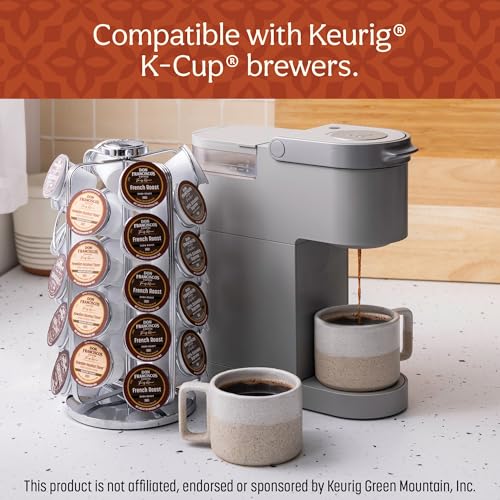
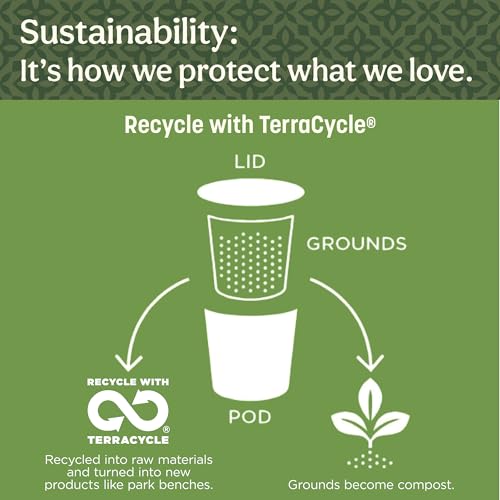
Don Francisco’s brings legacy to the table, four generations in coffee, and their 10% Kona blend reflects that experience. It’s well-balanced, with floral and fruity notes that stand out slightly more than other 10% blends. The 100-pod count and TerraCycle recycling option add practical and eco-friendly appeal.
Owners appreciate its consistency and smooth finish, and it holds up well in side-by-side comparisons with Solimo and Happy Belly. It’s not revolutionary, but as a dependable, mid-tier Kona-adjacent option, it’s one of the smarter picks in the blended category.
Product photos

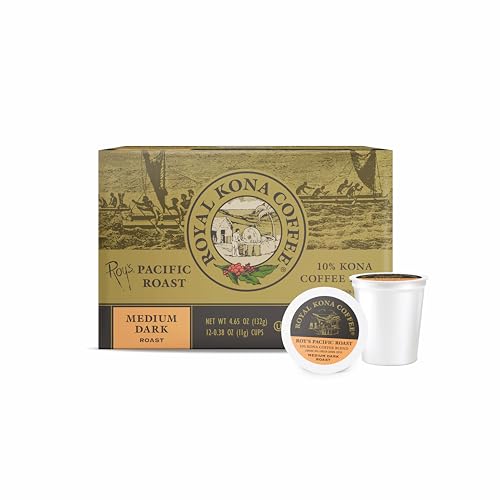
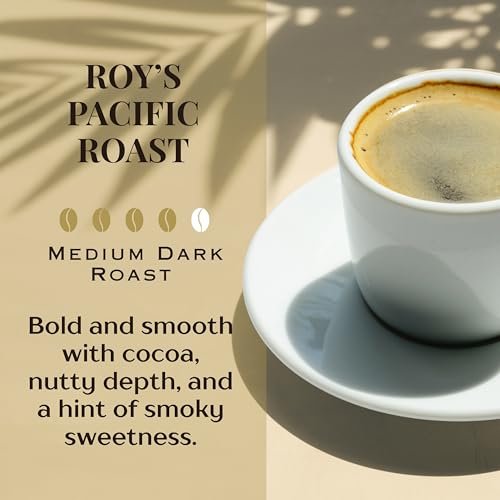
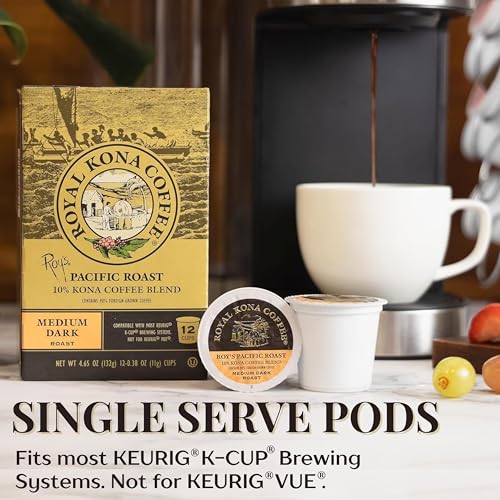
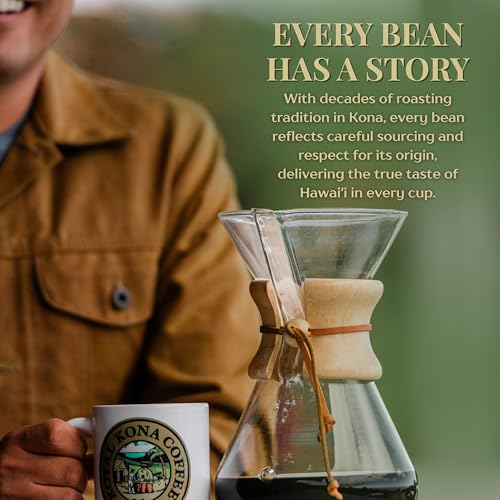
Royal Kona Roy’s Pacific Coast
Strengths
- Gourmet roast profile
- Vacuum-sealed freshness
- Hawaiian heritage brand
Trade-offs
- Very small pod count
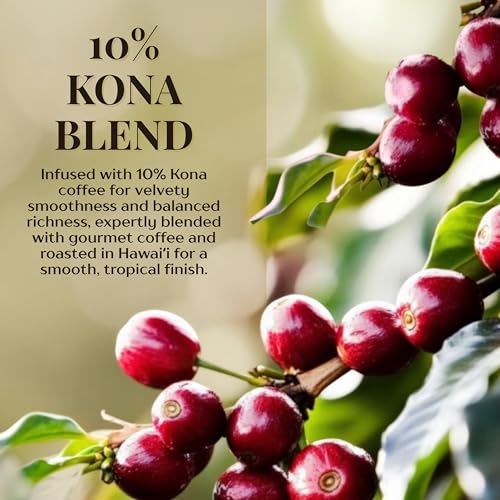
- Only 10% Kona
- Higher price per cup
Royal Kona leans into its heritage, 50+ years in Hawaii and ties to local chefs, and it shows in the roast profile. This 10% Kona blend is roasted medium-dark, giving it more body and depth than most light Kona cups. The vacuum sealing promises freshness, and reviewers say it delivers a rich, aromatic brew that feels more “gourmet” than typical supermarket pods.
But the 12-count box is a hurdle. It’s clearly aimed at sampling, not daily use. If you’re looking to explore a bolder take on Kona with some roast complexity, this is a solid one-off. Still, it doesn’t beat full-origin pods in flavor clarity.
Product photos
How We Evaluated kona coffee k cups
As the founder of Bean Thusiast, I approach coffee research with a focus on origin, processing, and how those elements translate to the final cup. Rather than a hands-on lab test, this was a research-led comparison of published specifications and owner feedback across numerous Kona coffee K-Cup options. I weighed features, roast levels, and sourcing information, alongside a thorough review of customer experiences from major retailers. This allowed us to build a ranking based on real-world perceptions.
For Kona coffee K-Cups, the percentage of actual Kona coffee within the blend and the freshness of the roast were the most important factors. Genuine authentic Kona coffee is relatively rare and commands a price premium, so transparency about the blend percentage is critical. Freshness matters because coffee quickly loses its volatile aromatic compounds, impacting flavor. We prioritized brands that emphasized recent roasting and airtight packaging.
Specifications provided insight into blend composition and roast level, but owner reviews were crucial for assessing taste and quality consistency. Specs reliably indicate compatibility with Keurig brewers, but feedback revealed nuances in flavor profiles and how well those profiles matched advertised descriptions. Reputation, particularly for brands with established Hawaiian sourcing, heavily influenced our final recommendations. You can learn more about the Kona coffee origins on our site.
How To Pick The Right kona coffee k cups
Finding truly exceptional Kona coffee in K-Cup form requires a little more scrutiny than your average pod. It’s easy to be misled by marketing, as “Kona blend” can mean anything from 10% Kona beans to a mere flavoring.
Kona coffee’s value comes from its unique growing conditions – volcanic soil, high elevation, and consistent rainfall. A good K-Cup will prioritize 100% Kona coffee (not a blend) and focus on freshness, indicated by roast dates and nitrogen flushing. Look for brands transparent about sourcing and processing, and be wary of overly cheap options.
Roast Profile and Flavor
Kona coffee is known for its delicate, nuanced flavor. Many brands lean toward a medium roast to highlight these characteristics, but you will find lighter and darker options. However, don’t assume a darker roast equals stronger flavor. In fact, it can mask the subtle floral and fruity notes that make Kona special. I find that a classic medium roast will best showcase the inherent sweetness and complexity. Experiment, but start with a medium roast to establish a baseline for comparison.
Percentage of Kona Coffee
This is the biggest area where brands try to cut corners. A “Kona blend” can contain as little as 10% Kona coffee, with the rest being cheaper beans from Latin America or elsewhere. If you’re paying a premium price, you should be getting a high percentage of actual Kona beans. For the most authentic experience, seek out 100% Kona coffee pods, and be prepared to pay more for them. I’ve found that exploring authentic 100% Kona coffee brands is the best way to ensure you’re getting what you pay for.
Here’s what to consider when evaluating the Kona percentage: * 10%: Often the minimum in a “Kona blend.” Expect a very subtle Kona flavor. * 30-50%: A noticeable Kona flavor, but still significantly diluted. * 100%: The real deal – a full-bodied, complex flavor profile. This is what you want if you’re after the true Kona experience, and it’s worth the investment.
Don’t equate price with quality alone. A higher price is usually an indicator of higher Kona content and better sourcing, but always verify the details.
Freshness and Packaging
Kona coffee, like all coffee, loses its flavor over time. This is especially critical with pre-packaged K-Cups. Look for brands that roast their coffee in small batches and provide a roast date on the packaging. Nitrogen flushing is another important feature, as it removes oxygen and helps to preserve freshness. Don’t settle for pods with no date, or vague “best by” dates. Speaking of dates, understanding Kona coffee freshness is key to enjoying your brew at its peak.
Kona Coffee K Cups Compared
Here’s a comparison of key specifications for various Kona coffee K-Cup options.
| Product Name | Kona % | Roast Level | Compatible Keurig | Pod Count | Flavor Notes |
|---|---|---|---|---|---|
| Blue Horse 100% Kona Coffee | 100% | Medium | 2.0 | N/A | Floral, Nutty, Vanilla |
| Fresh Roasted 100% Hawaiian Kona | 100% | Medium | 2.0, K-Supreme | N/A | Coconut, Orange, Molasses |
| Maud’s Kona Coast Blend Pods | Blend | Medium | N/A | N/A | Chocolate, Nutty |
| Solimo Kona Blend Coffee Pods | 10% | N/A | 1.0, 2.0 | 100 | Mild, Balanced |
| Happy Belly Kona Blend Pods | 10% | N/A | 1.0, 2.0 | 100 | Mild, Balanced |
| Don Francisco’s Kona Blend Pods | 10% | Medium | Keurig | 100 | Floral, Fruity |
| Royal Kona Roy’s Pacific Coast | 10% | N/A | N/A | N/A | N/A |
Frequently Asked Questions
What’s the difference between 100% Kona coffee and a Kona blend?
100% Kona coffee comes entirely from beans grown in the Kona region of Hawaii, offering a distinct flavor profile. A Kona blend, however, can contain as little as 10% Kona beans mixed with less expensive varieties, significantly altering the taste.
Are Kona coffee K-Cups actually made in Hawaii?
Not necessarily. While some brands source their Kona coffee directly from Hawaiian farms, others blend Kona beans with coffee from other regions and may package the K-Cups elsewhere. Checking the packaging for “100% Kona” and country of origin details is key.
How can I tell if a Kona coffee K-Cup is fresh?
Look for a roast date on the packaging, rather than a “best by” date, as this indicates when the coffee was actually roasted. Freshly roasted coffee retains more of its flavor and aroma, and nitrogen flushing helps maintain that freshness.
What Keurig models are compatible with Kona coffee K-Cups?
Most Kona coffee K-Cups are designed to work with Keurig 2.0 brewers and newer models, but compatibility varies by brand. Some pods also work with Keurig 1.0 brewers, so checking the product description is always recommended before purchasing. If you’re a true coffee enthusiast, you might also want to explore premium K-Cups for discerning drinkers.
Is expensive Kona coffee K-Cup quality always guaranteed?
Price is usually a good indicator of Kona content, but it doesn’t always guarantee quality. It’s essential to verify the percentage of Kona coffee and look for brands that are transparent about their sourcing and roasting practices to ensure you’re getting a worthwhile product.
The Bottom Line
Choosing the right Kona coffee K-Cup often comes down to balancing your budget with your desire for authenticity. While blends offer a taste of Kona at a lower price, the truly exceptional experience comes from 100% Kona coffee, and in our research, Blue Horse 100% Kona Coffee consistently stood out for its commitment to quality and flavor profile. It represents the best overall experience if you’re willing to invest in the real thing.
For those seeking a specific need, the options are clear. If you’re on a tighter budget and just want a hint of Kona flavor, Solimo Kona Blend Coffee Pods or Happy Belly Kona Blend Pods will do. But if you’re looking for a versatile option that highlights the nuances of Hawaiian coffee without breaking the bank, Don Francisco’s Kona Blend Pods provide a decent balance. And for those wanting to explore Kona single-origin coffee, Fresh Roasted 100% Hawaiian Kona is a fantastic choice.
Ultimately, the numbers on the box – the Kona percentage, the roast date – matter less than understanding what you enjoy. Focus on finding a roast level that suits your palate and prioritize freshness, as that’s what will truly unlock the delicate flavors Kona coffee is famous for. Don’t get lost in the specs; a good cup starts with good beans and careful handling.
