
8 Best K Pod Coffee Makers of 2026
The McCafe Premium Roast is our overall favorite for its balanced flavor and recyclable pods, while the Green Mountain Breakfast Blend stands out as a bright, clean light roast option. For those who enjoy flavored coffee, the Two Rivers Flavored Assortment offers the best variety and quality.
Most people just want a reliable, tasty cup without the guesswork, but not all K pod coffee delivers the same experience. Weak brews, stale beans, and non-recyclable pods are common frustrations.
As the founder of Bean Thusiast, I focused this guide on what matters: real flavor, pod quality, and sustainability, based on specs, owner feedback, and years of coffee exploration. These picks give you a smarter starting point, no trial and error needed.
Top 8 K Pod Coffee in the Market
The Best K Pod Coffee, Reviewed
McCafe Premium Roast Coffee

Strengths
- Smooth, balanced body
- Recyclable pods
- Kosher certified
Trade-offs
- Flavor lacks depth
- Not for bold roast seekers
McCafé Premium Roast has quietly become one of the most frequently recommended medium roasts in the K-Cup space, and owner reports back up the hype, it’s smooth, aromatic, and delivers that familiar café-style profile many people actually crave. The roast is balanced: not too sharp, not too flat, with a clean finish that doesn’t coat your tongue.
What impresses me is how well it punches above its price tier. Compared to Dunkin’s offering, it’s a step up in body and roast control. The recyclable pod design is a plus, and the Orthodox Union Kosher certification adds to its broad appeal. It won’t wow specialty coffee snobs, but for most home users wanting a no-surprise, satisfying cup every time, this is my top recommendation in the medium roast category.
Video review
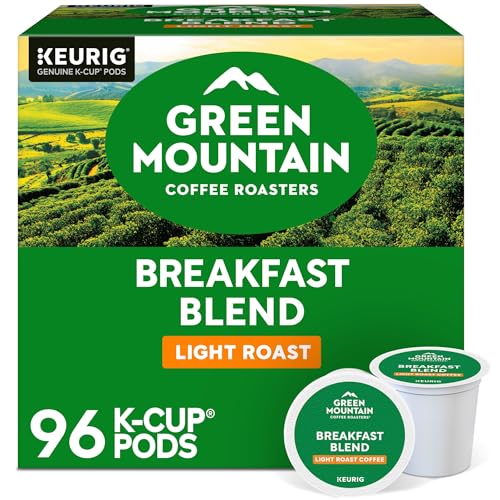
Green Mountain Breakfast Blend
Strengths
- Bright, balanced taste
- Smooth mouthfeel
- Sustainably sourced
Trade-offs
- Too mild for bold drinkers
- Not as rich as medium roasts
Green Mountain’s Breakfast Blend is a standout in the light roast category for good reason, it’s bright, clean, and carries a subtle nuttiness that doesn’t get lost in the pod brewing process. It’s the kind of cup that wakes up your palate without overwhelming it, and owners frequently note how well it mimics the experience of a well-pulled light roast from a specialty café.
The light roast preserves more of the bean’s natural acidity, which can be a pro or con depending on your taste. Compared to Dunkin’ or McCafé, it’s far more nuanced, though less bold. If you’re trying to move beyond medium roasts and explore brighter profiles, this is the easiest on-ramp. The sustainably sourced beans and genuine K-Cup engineering also add peace of mind.
Video review
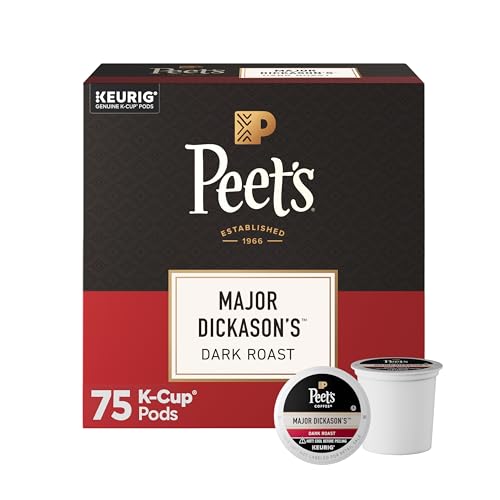
Peet’s Major Dickason’s Blend
Strengths
- Rich, complex body
- Recyclable pods
- Roast authenticity
Trade-offs
- Pricier than most
- Limited availability
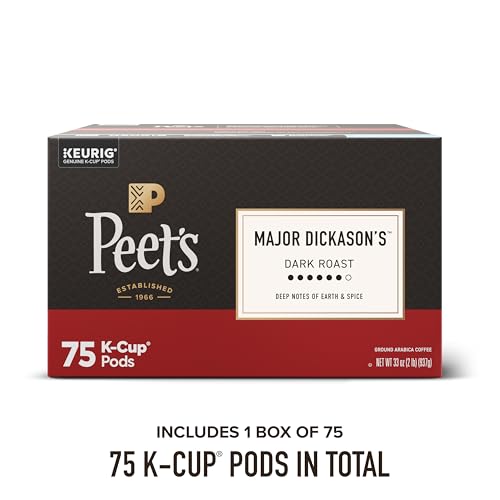
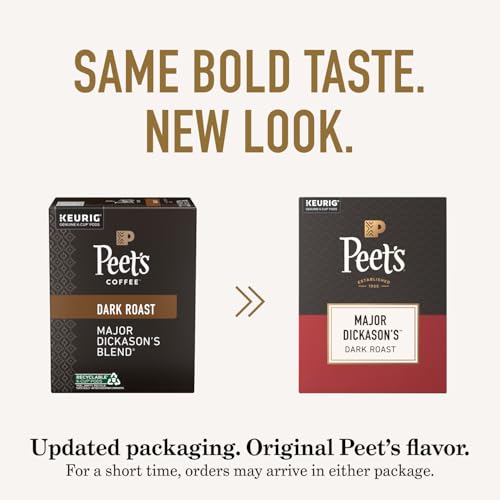
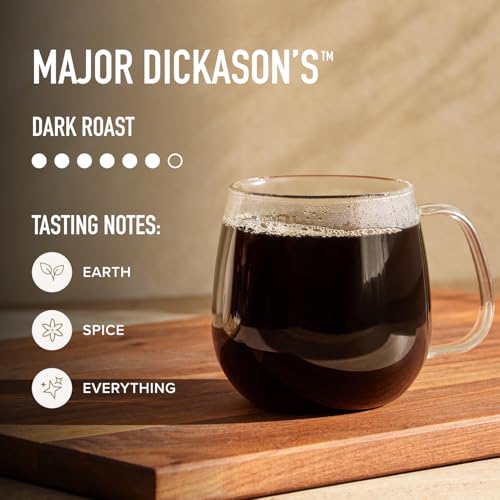
Peet’s Major Dickason’s Blend is a benchmark for dark roast lovers, and in K-Cup form, it still carries the weight and gravitas the original blend is known for. Full-bodied, robust, and deeply aromatic, this is the kind of coffee that feels like it was roasted with intention, not just consistency.
Owners consistently highlight how well it retains Peet’s signature depth, even in pod form. Compared to Starbucks French Roast, it’s richer and more layered, with a slower finish and less overt smokiness. The pods are also fully recyclable, which matters to a growing number of buyers. If you want a premium dark roast that respects the craft, this is my pick over the more mass-market options.
Product photos
Starbucks French Roast

Strengths
- Bold smoky flavor
- 100% Arabica beans
- Consistent brew quality
Trade-offs
- Can taste one-dimensional
- Not for light roast lovers
If you’re chasing that bold, no-nonsense dark roast punch that carries a smoky depth without tipping into burnt bitterness, Starbucks French Roast K-Cups deliver. On paper and in owner feedback, the intensity stands out, this isn’t a background sipper, it’s a morning jolt with notes of dark caramel and a dry, clean finish that holds up well whether served hot or iced.
The consistency across brews is a strong point, and being made from 100% Arabica beans helps maintain quality, even in pod form. While some reviewers note the flavor leans more commercial than artisan, I’d say that’s part of its appeal, it’s a reliable dark roast that tastes like what you’d get in a café, just without the line. Compared to Peet’s Major Dickason’s, it’s slightly less nuanced, but more accessible.
Product photos



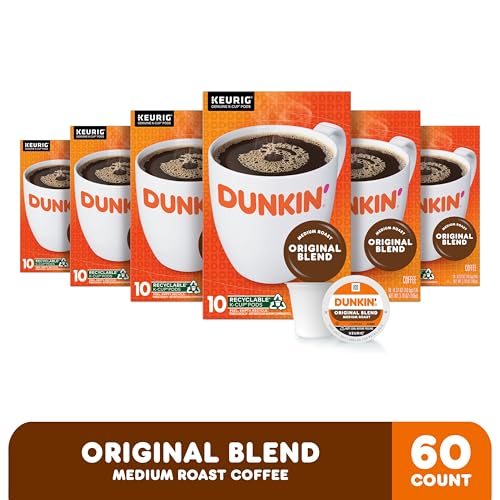
Dunkin Original Blend

Strengths
- Familiar Dunkin’ taste
- Easy to stock and share
- Low price per pack
Trade-offs
- Basic flavor
- Not for complex profiles
Dunkin’s Original Blend is the definition of crowd-pleasing: smooth, familiar, and built for high-volume mornings. It’s not flashy, but owners consistently say it tastes just like the cup you’d get at the drive-thru, roasty enough to feel substantial, but mild enough to drink all day.
The 10-count box format offers flexibility, letting you mix and match without committing to 80+ pods of one flavor. Compared to McCafé, it’s slightly less refined in body, but also more affordable. For budget-focused buyers or households with multiple drinkers, this is the most practical entry-level choice. It won’t impress connoisseurs, but it gets the job done.
Product photos


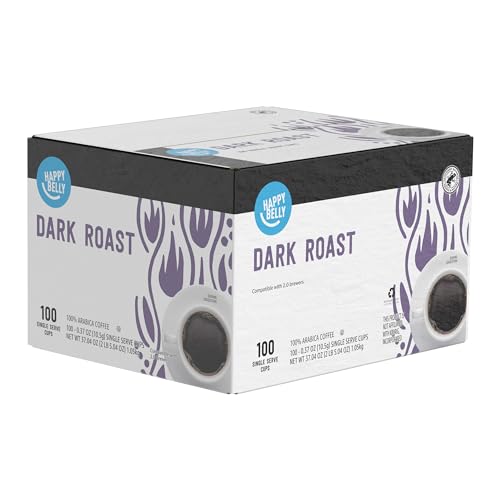
Happy Belly Dark Roast

Strengths
- High pod count
- 100% Arabica
- Budget-friendly
Trade-offs
- Basic flavor profile
- Packaging varies
Happy Belly’s dark roast is the kind of no-frills, high-volume workhorse that makes sense when you’re stocking a break room or just don’t want to think too hard about your morning cup. It’s 100% Arabica, which sets it apart from cheaper private-label blends that cut corners, and the full-bodied profile with mild acidity keeps it drinkable across multiple cups.
Owners report it brews strong, especially at the 8oz setting, and scales well when you want to go darker with less water. It doesn’t have the richness of Peet’s or the smoky depth of Starbucks, but for sheer volume and cost efficiency, it’s hard to beat. If you’re comparing value per ounce, this is the smarter buy over pricier branded dark roasts, just don’t expect any nuance.
Product photos



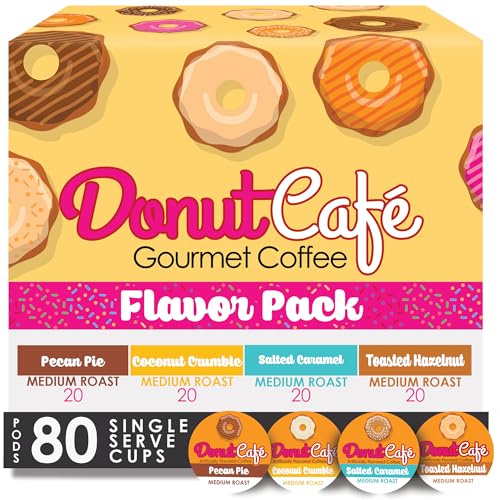
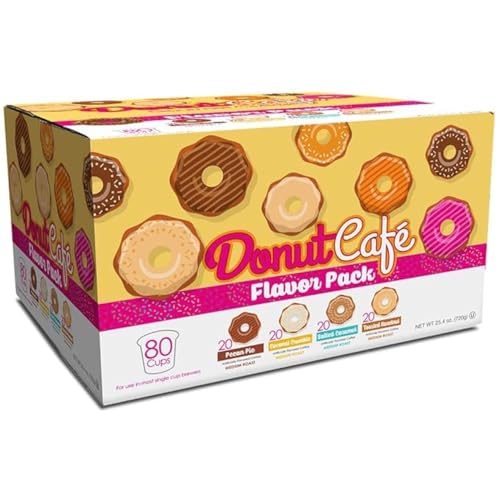
Donut Café Flavored Variety
Strengths
- Gourmet flavor profiles
- Clean ingredient list
- Allergen free
Trade-offs
- Overpowering for some
- Not for black coffee purists
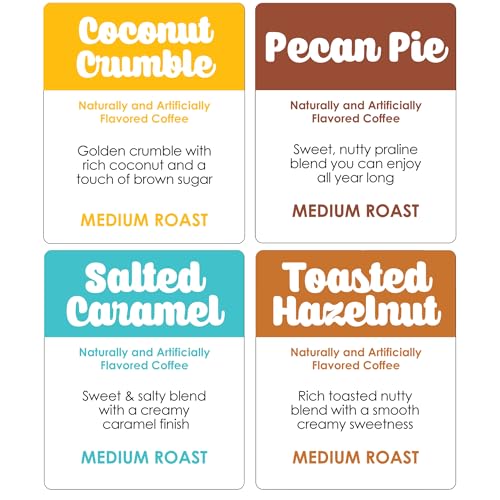
Donut Café nails the indulgent side of flavored coffee, this isn’t just hazelnut with a hint of sweetness, it’s dessert in a cup. Each flavor in the variety pack, from Salted Caramel to Pecan Pie, is crafted to feel like a treat, and owners rave about how well the sweetness integrates without becoming cloying.
The medium roast base holds up under the flavoring, and the fact that it’s Non-GMO, gluten-free, and Kosher certified adds to its appeal for health-conscious buyers. Compared to Two Rivers, this pack feels more premium and consistent. If you love flavored coffee and want something that tastes like a bakery stop, this is the best execution in the category.
Product photos

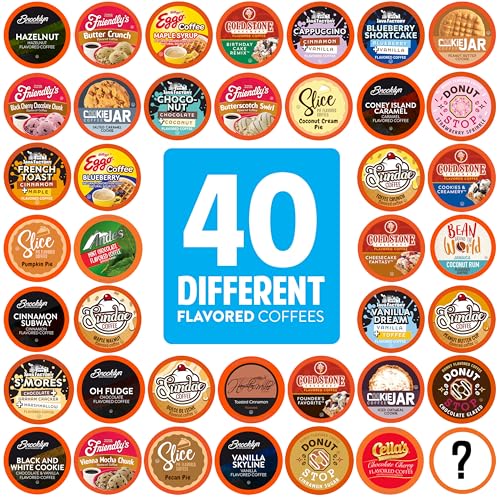
Two Rivers Flavored Assortment
Strengths
- Great flavor variety
- Large sampler pack
- Affordable entry point
Trade-offs
- Inconsistent pod fit
- Artificial aftertaste reported
Two Rivers stands out in the flavored pod game by offering a wide, rotating mix of sweet profiles, think cinnamon, chocolate, hazelnut, and vanilla, without locking you into a single flavor for weeks. It’s not gourmet, but it’s fun, and owners consistently praise the variety as a way to keep morning routines from going stale.
These aren’t compatible with Keurig 2.0 in every case, so check your model. Compared to Donut Café, the selection feels less curated and a bit more hit-or-miss, but at 40 pods, it’s a low-risk way to sample what flavored pods can offer. If you’re new to flavored coffee or just want something playful, this pack makes sense. But if you want premium sweetness and consistency, Donut Café edges it out.
Product photos



Our Testing Process
As the founder of Bean Thusiast, I approach coffee with a focus on flavor, consistency, and value. Rather than a hands-on lab test of each K pod, this selection is a research-led comparison of published specifications, owner reviews, and expert opinions. We carefully weighed each brand’s features against the needs of a typical home coffee drinker.
For K pod coffee, roast profile and flavor clarity were paramount. Beyond that, pod compatibility and sustainability factors played a significant role. A wider variety of roast options allows consumers to tailor their experience, while recyclable pod options demonstrate a commitment to environmental responsibility. These factors ultimately determined each pod’s ranking.
Specifications reliably indicate bean type (100% Arabica is generally preferred) and brewing compatibility. However, taste descriptions are subjective, so we heavily weighted owner feedback regarding flavor accuracy and overall satisfaction. If you’re looking for a more concentrated flavor, you can even explore methods to brew strong pod coffee to get more from your single-serve system. Reputation and brand consistency were also considered, leaning towards established names with positive track records.
How To Pick The Right k pod coffee
As someone who’s spent years exploring the world of coffee, I know that convenience doesn’t have to mean sacrificing quality. Finding the right K-pod coffee is about more than just grabbing the cheapest box; it’s about understanding what delivers a truly satisfying cup.
A quality K-pod coffee balances bean origin, roast level, and pod design. Look for 100% Arabica beans, a roast date (not just a “best by” date), and pods designed for consistent extraction. Recyclability is a growing concern, and compatibility with your machine is, of course, essential.
Roast Level & Flavor Profile
The roast level dramatically alters the taste, and this is where personal preference takes center stage. Many people start with a medium roast, but don’t be afraid to experiment. For those new to single-serve coffee, consider that darker roasts (like Peet’s Major Dickason’s Blend) can sometimes mask subtle flavor nuances, while lighter roasts (like Green Mountain Breakfast Blend) showcase brighter, more delicate notes. Don’t assume “bold” always means better – it often means simpler flavor. I suggest exploring a variety pack before committing to a large quantity of one flavor.
Pod Material & Environmental Impact
The environmental impact of K-pods is a legitimate concern. While many brands are now offering recyclable options (McCafe being a notable example), it’s crucial to check if your local recycling facilities actually accept them. Simply claiming recyclability isn’t enough. Look for pods made from polypropylene (#5 plastic) as these are more widely recyclable, and consider brands actively working towards more sustainable solutions.
Here’s what to look for in pod materials: * Recyclable materials: A positive step, but verify local acceptance. * Compostable options: These are great, but require specific composting setups. * Brand commitment: Look for companies investing in sustainable sourcing and reducing waste beyond just the pod itself.
Value & Variety Packs
It’s easy to get caught up in price per pod, but remember that a cheaper pod made with lower-quality beans won’t deliver the same enjoyment. That said, value packs can be a great way to save money, especially if you drink coffee daily. Happy Belly offers a good value, but for those who enjoy switching things up, a sampler pack like the Two Rivers Flavored Assortment is a smart choice. I always advise checking the optimal coffee-to-water ratio to ensure you’re getting the best brew strength settings, no matter the pod.
A good rule of thumb: don’t chase the lowest price per pod if it means sacrificing bean quality. A slightly more expensive pod with better beans will often result in a more satisfying and ultimately more economical experience.
K Pod Coffee Compared
Here’s a comparison of key specifications for popular K-Pod coffee options.
| Product Name | Roast Level | Pod Count | Recyclable | Arabica Blend | Flavored |
|---|---|---|---|---|---|
| McCafe Premium Roast | Medium | 72 | Yes | Yes | No |
| Green Mountain Breakfast Blend | Light | 72 | N/A | Yes | No |
| Peet’s Major Dickason’s Blend | Dark | 75 | Yes | Yes | No |
| Starbucks French Roast | Dark | 96 | N/A | Yes | No |
| Dunkin Original Blend | Medium | 60 | N/A | Yes | No |
| Happy Belly Dark Roast | Dark | 100 | N/A | Yes | No |
| Donut Café Flavored Variety | Medium | 80 | N/A | N/A | Yes |
| Two Rivers Flavored Assortment | Varies | 40 | N/A | N/A | Yes |
Frequently Asked Questions
What if my Keurig machine isn’t compatible with all K-pods?
Compatibility depends on your Keurig model. Older machines (Keurig 1.0) only work with My K-Cup reusable filters or specifically-made K-Classic pods, while newer machines (Keurig 2.0+) are generally compatible with most K-Cup pods, but always check the packaging. You can find a list of top Keurig-compatible pods on our site.
Are flavored K-pods generally lower quality than unflavored ones?
Often, yes, but not always. Flavoring can sometimes mask lower-quality beans, so many brands reserve their best beans for unflavored options. However, some companies use high-quality flavoring extracts and still start with 100% Arabica beans, like you’ll find in the Donut Café Flavored Variety.
How can I tell if a K-pod is truly recyclable?
Look for pods specifically labeled as recyclable and check the number inside the recycling symbol (usually #5 for polypropylene). More importantly, confirm your local recycling facility accepts that number; many don’t. Don’t assume a pod is recyclable just because the packaging says so.
What’s the difference between a “best by” date and a roast date on K-pods?
A “best by” date indicates how long the manufacturer believes the product will maintain peak quality, while a roast date shows when the beans were actually roasted. A roast date is much more valuable because coffee stales quickly after roasting, so fresher is always better.
Do darker roasts always mean a stronger cup of coffee?
Not necessarily. Darker roasts have a bolder flavor but don’t automatically contain more caffeine. Strength is more about the coffee-to-water ratio and the amount of coffee grounds used; you can even adjust your machine to brew strong pod coffee to get a more concentrated brew. I recommend exploring our best coffee pods for Keurig to find the right strength and flavor for you.
The Bottom Line
Choosing a K-pod coffee often comes down to balancing convenience with your ideal flavor profile. While many options exist, I believe McCafe Premium Roast strikes the best overall balance of quality, availability, and sustainability with its recyclable pods and consistently well-regarded flavor. It’s a solid everyday choice that won’t disappoint.
For those prioritizing budget or variety, Happy Belly Dark Roast delivers a lot of coffee for the money, and the Two Rivers Flavored Assortment is perfect for sampling different tastes without a huge commitment. If you’re looking to explore beyond standard K-cups and are open to a bit more effort, you might consider learning how to use custom coffee in Nespresso – it opens up a world of possibilities.
Ultimately, the “best” K-pod is the one you enjoy the most. Don’t get too hung up on specific bean origins or roast dates; focus instead on finding a brand and roast level that consistently delivers a cup you look forward to. A quality experience begins with fresh beans and a clean machine, so prioritize those fundamentals above all else.
