
9 Best Iced Coffees from Grocery Stores 2026
The best grocery store iced coffee is Califia Farms Pure Black Blonde Roast for its smooth, clean taste and high-quality ingredients. If you’re watching your budget, NESCAFé Ice Roast delivers decent flavor at a low price. For maximum flexibility, Starbucks Cold Brew Concentrate Black lets you control strength and sweetness.
Walking into a grocery store looking for good iced coffee can feel like navigating a maze of sugar-heavy traps and underwhelming flavors. You want something refreshing, smooth, and reliable, without needing a barista degree to fix it.
This guide cuts through the noise. I compared top-selling iced coffees based on bean quality, brewing method, sugar content, and what real users say. These picks balance taste, convenience, and value, so you can find the right fit for your routine.
Top 9 Iced Coffee From Grocery Store in the Market
The Best Iced Coffee From Grocery Store, Reviewed
Califia Farms Pure Black Blonde Roast

Strengths
- Clean, smooth taste
- No sugar or additives
- Ethically sourced beans
Trade-offs
- Higher price point
- Milder than dark roast fans may like
- Limited availability in some regions
This is the gold standard in grocery-store cold brew for good reason. The specs scream quality: 100% Arabica, direct trade sourcing, zero sugar, and a clean ingredient list. The blonde roast profile delivers a bright, smooth sip with subtle notes of blackberry and cacao, a far cry from the flat bitterness of many mass-market options. Owners consistently highlight its drinkability and lack of acidity, which makes it easy on the stomach and perfect for all-day sipping.
It outshines the Starbucks unsweetened bottle in complexity and feels more intentional than the Dunkin’ or International Delight picks. I’d recommend this as the default choice for anyone who values purity and balance. It’s not the cheapest, but the flavor justifies the cost. If you’re transitioning from café cold brew, this is the closest match on the shelf.
Video review
Starbucks Medium Roast Iced Coffee

Strengths
- Unsweetened and clean
- Easy to customize
- Widely available
Trade-offs
- Not true cold brew
- Milder flavor
- Less smooth than cold-steeped
This bottle is all about simplicity. No sugar, no dairy, just unsweetened medium roast iced coffee in a ready-to-chill format. The 100% Arabica beans give it a nutty, cocoa-tinged profile that’s lighter than cold brew but more balanced than standard iced coffee. Owners appreciate the clean label and the ability to customize, add milk, sweetener, or drink it straight.
It doesn’t have the depth of the Califia Farms cold brew, but it’s more accessible and widely available. I’d pick this over the Dunkin’ bottle if you want a purer coffee experience without added milk. It’s the best unsweetened ready-to-drink option if you don’t want to dilute concentrate.
Video review
Starbucks Cold Brew Concentrate Black

Strengths
- Café-quality beans
- Customizable strength
- Smooth, balanced flavor
Trade-offs
- Requires dilution
- Slightly less complex than craft brands
- Higher price per ounce
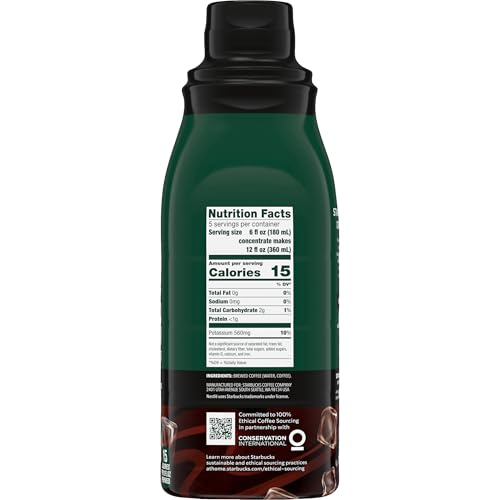
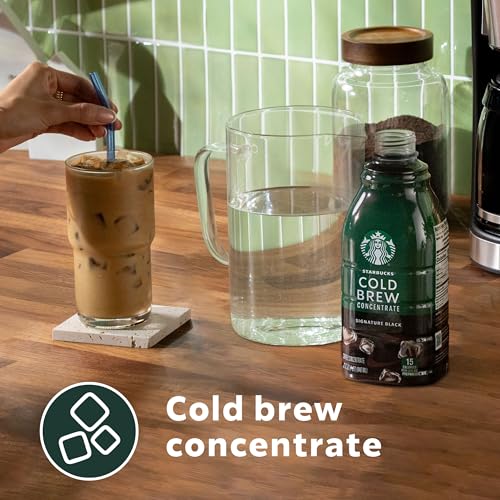
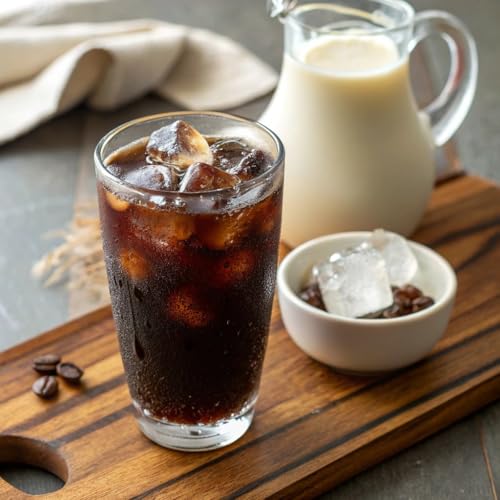
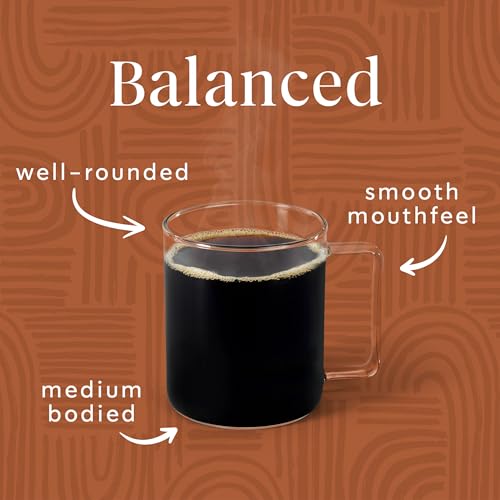
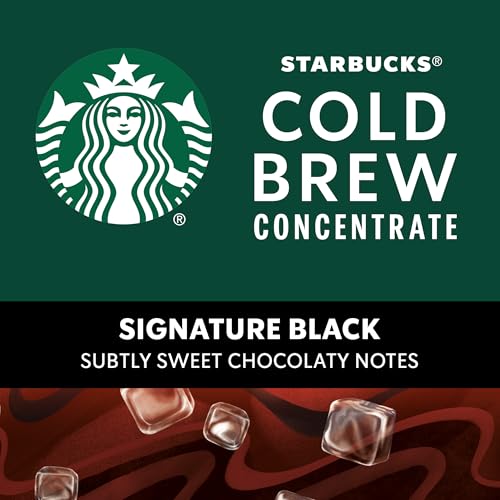
Starbucks’ Signature Black concentrate is built for flexibility. The 2:1 dilution ratio gives you control over strength, and the use of the same Arabica beans from their cafes adds credibility. On paper, the chocolaty, medium-bodied profile sounds ideal for a balanced cold brew, and owners confirm it delivers a clean, consistent taste that holds up whether you drink it straight or with cream.
It’s not the most adventurous blend, but it’s dependable. Compared to Califia Farms, it lacks the nuanced fruit notes, but it’s more accessible to mainstream palates. I’d choose this over the flavored version if you want versatility, it’s the base you can build on. For home baristas who like to tweak their drink, this is a smarter buy than pre-sweetened bottles.
Product photos
Starbucks Brown Sugar Cinnamon Cold Brew

Strengths
- Flavor-forward and sweet
- Easy to prepare
- Consistent Starbucks quality
Trade-offs
- Pre-sweetened (not adjustable)
- Artificial aftertaste for some
- Limited to flavor fans
Starbucks leans into seasonal flavor trends with this brown sugar cinnamon concentrate, and it works, especially for those who love flavored lattes. The sweetness is built in, and the cinnamon note isn’t artificial-tasting, according to most reviewers. It’s the same cold-steeped base as their black concentrate, just spiced and sweetened, making it a one-step path to a dessert-like drink.
Compared to mixing your own syrup into black cold brew, this saves time but sacrifices control. If you love PSL season and want that vibe year-round, this delivers. But it’s not for minimalists. I’d recommend this over the caramel macchiato if you want spice over sweetness, and only if you’re okay with pre-sweetened coffee.
Product photos


International Delight Caramel Macchiato Iced Coffee

Strengths
- Creamy texture
- Real dairy ingredients
- Rich caramel flavor
Trade-offs
- High sugar content
- Not for black coffee lovers
- Overpowering sweetness
This is the kind of iced coffee that wins over people who don’t even like coffee. The caramel macchiato version leans hard into dessert territory, and that’s the point. On paper, the use of real milk, cream, and cane sugar stands out in a market full of artificial ingredients, and reviewers consistently praise its rich, silky texture. It’s not for purists, this is a sweet, creamy indulgence meant to be poured and forgotten about until the glass is empty.
Compared to other pre-sweetened, ready-to-drink options, it holds its own in smoothness and flavor balance. It’s noticeably sweeter than the Starbucks unsweetened offerings, and less complex than Califia Farms’ clean black brew. But if you’re looking for a grab-and-go treat that tastes like a coffeehouse splurge, this delivers. I’d pick this over the vanilla version if you want bolder flavor.
Product photos


International Delight Vanilla Iced Coffee

Strengths
- Creamy vanilla flavor
- Real dairy ingredients
- No corn syrup
Trade-offs
- High in sugar
- Overly sweet for some
- Not for black coffee fans
This vanilla version trades the caramel intensity for a softer, creamier profile, and it’s just as indulgent. Made with real milk, cream, and cane sugar, it avoids corn syrup, which sets it apart from cheaper competitors. The vanilla flavor is smooth, not candy-like, and blends smoothly into the dairy-rich base. It’s essentially a liquid dessert, and that’s evident in how owners describe it: “like vanilla ice cream coffee.”
Compared to the caramel macchiato, it’s less bold but more versatile as a base for additional creamers. I’d pick this over the caramel if you prefer a lighter, more aromatic sweetness. But like its sibling, it’s not for anyone avoiding sugar or dairy.
Product photos


NESCAFé Ice Roast Instant Iced Coffee

Strengths
- Extremely affordable
- Easy to prepare
- Long shelf life
Trade-offs
- Light body
- Less depth than cold brew
- Can taste thin if over-diluted
Instant coffee still carries baggage, but NESCAFÉ Ice Roast makes a strong case for its place in the iced coffee rotation. The specs show 100% pure coffee with no fillers, and owners consistently report a surprisingly smooth, clean taste when mixed with cold water. The light roast profile avoids the bitter edge that plagues many instant coffees, and the convenience factor is unbeatable, just stir and go.
It won’t replicate the depth of cold brew, but for what it is, the value is outstanding. One jar stretches across dozens of servings, far undercutting the per-ounce cost of bottled options. I’d recommend this over single-serve pods or concentrates if you’re budget-conscious and don’t mind a lighter body. It’s not specialty-tier, but it’s reliable and refreshingly simple.
Product photos


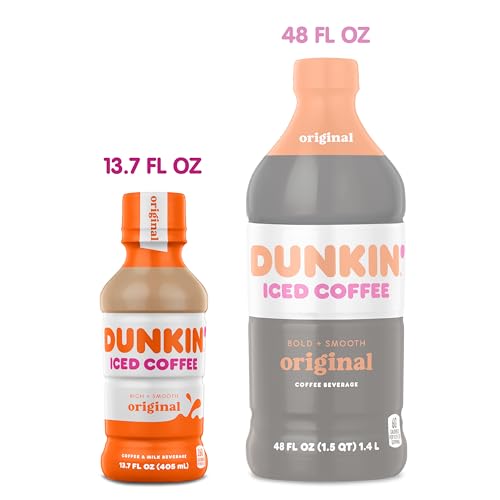
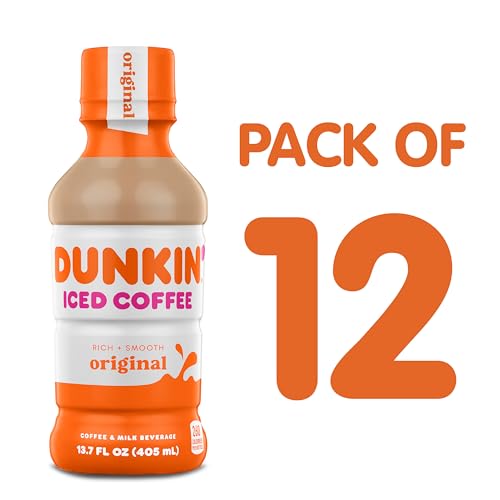
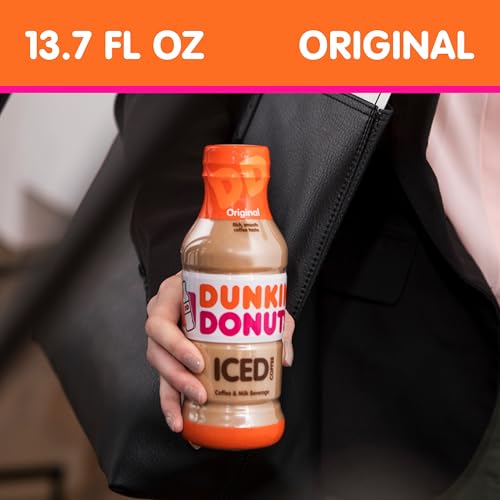
Dunkin’ Original Iced Coffee 12 Pack
Strengths
- High caffeine per bottle
- Convenient multi-pack
- Familiar, smooth taste
Trade-offs
- Contains milk
- Not sugar-free
- Less refined than cold brew
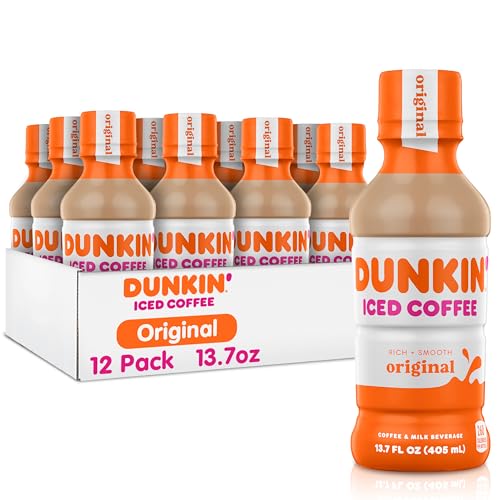
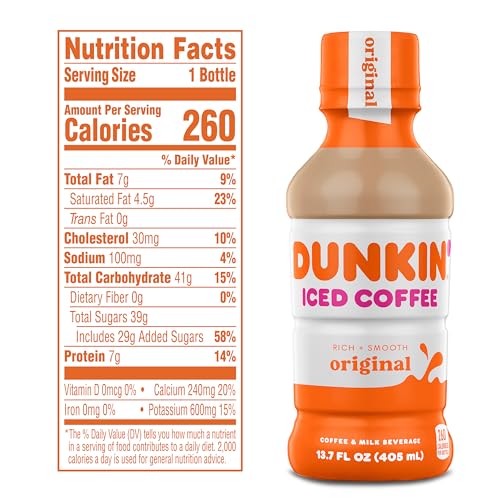
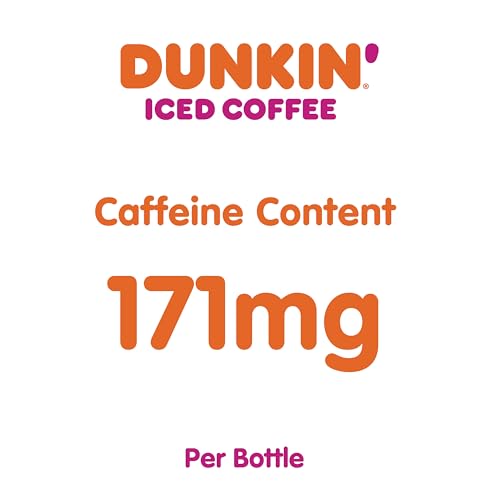
The appeal here is straightforward: consistent flavor, high caffeine, and a multi-pack format that’s easy to stock. Each bottle delivers a smooth, slightly sweetened coffee and milk blend with 171 mg of caffeine, more than most competitors in this size. It’s not cold brew, but a traditionally brewed iced coffee, which gives it a brighter, more familiar profile.
Owners appreciate the grab-and-go convenience and the familiar Dunkin’ taste. Compared to the Starbucks ready-to-drink bottles, it’s a bit sweeter and less nuanced. But for the price per bottle in a 12-pack, it’s hard to beat for daily drivers. I’d pick this over the International Delight options if you want less creaminess and more coffee-forward flavor.
Product photos
Green Mountain Black Iced Cold Brew

Strengths
- Fresh single-serve brewing
- Smooth, low-acid taste
- Compatible with Keurig machines
Trade-offs
- Expensive per serving
- Plastic waste
- Less eco-friendly than bulk
This is a niche play for Keurig owners who want cold brew without buying bottles. The K-Cup format means you brew fresh iced coffee in seconds, and the 100% Arabica beans deliver a smooth, chocolate-forward profile that holds up to ice. Owners note it’s less bitter than brewing hot coffee over ice, which is the whole point of cold brew.
But the cost per cup adds up fast compared to concentrates or instant. And while recyclable, the pods still create more waste than bulk options. I’d only recommend this if you already own a Keurig and hate storing liquids. For most people, Califia or Starbucks concentrate is the smarter buy.
Product photos


How We Picked These iced coffee from grocery store
As someone who’s spent years exploring the world of coffee – from sourcing to brewing – I approached researching grocery store iced coffees with a focus on delivering a consistently enjoyable experience. Rather than a hands-on lab test, this was a research-led comparison of published specifications and, crucially, extensive owner and expert reviews. I compared features like caffeine content, ingredients, and flavor profiles, then weighed them against what people are actually saying about taste, convenience, and value.
For this category, the most important factors quickly became smoothness, flavor accuracy (how well it delivers on its stated taste), and overall convenience. A harsh or bitter iced coffee simply won’t do, no matter how affordable it is. Flavor accuracy is essential, particularly with flavored options, as consumers expect a realistic representation of caramel, vanilla, or cinnamon. Finally, the ease of preparation – whether it’s ready-to-drink or requires dilution – significantly impacts daily usability.
Specifications reliably indicate caffeine levels and ingredient lists, allowing for informed choices based on dietary needs or preferences. However, judging taste and drinkability requires going beyond the label. I heavily relied on owner feedback to understand how these coffees actually perform when brewed (or poured!) and consumed. Expert reviews from reputable food and beverage publications helped validate those trends and identify consistently well-regarded options. Understanding the difference between cold brew and iced coffee was also key to evaluating each product fairly.
How To Pick The Right iced coffee from grocery store
As someone who’s spent years chasing the perfect iced coffee experience, I know that navigating the grocery store shelves can be overwhelming. There’s a surprising amount of variation, and “cold brew” or “iced coffee” on the label doesn’t guarantee a great cup.
A truly good grocery store iced coffee balances convenience with flavor complexity. Look for 100% arabica beans, a brewing method that emphasizes smoothness (like cold brew), and a sugar content that suits your preferences. Consider whether you prefer a ready-to-drink option, a concentrate you dilute, or a K-Cup system for single servings. Pay attention to serving sizes too – they can vary significantly.
Bean Origin and Roast Profile
The foundation of any good iced coffee is, unsurprisingly, the coffee itself. While many brands tout “arabica” beans, the source of those beans makes a difference. I’ve found that coffees sourced from Central and South America (like those used by Califia Farms) often deliver a balanced, approachable flavor profile ideal for iced coffee. Don’t shy away from single-origin options if you want to explore specific flavor notes, but be aware that these can sometimes be less forgiving if the brewing isn’t spot-on. Roast level is also crucial; a lighter roast will showcase brighter acidity, while a darker roast will have more body and potentially some bitterness.
Concentrate vs. Ready-to-Drink
This is a big one, and it comes down to how much control you want. Ready-to-drink options (like those from Starbucks and Dunkin’) are incredibly convenient, but you’re limited to the flavor profiles the brand offers. They can also be surprisingly high in sugar, even the “unsweetened” varieties, so scrutinize the nutrition label. Concentrates (Starbucks, for example) give you flexibility to adjust the strength and sweetness to your liking, but require a little more effort. I often recommend starting with a concentrate if you’re serious about crafting your ideal iced coffee.
- If you want maximum convenience, a ready-to-drink option is the way to go.
- For budget-minded shoppers, instant iced coffee (like NESCAFé Ice Roast) provides a cost-effective solution, though flavor suffers somewhat.
- If you prioritize customization and a café-quality experience, a concentrate allows you to control every aspect of the brew, from dilution to sweetener.
Sweeteners and Additives
Let’s be real: many grocery store iced coffees rely heavily on added sugar and artificial flavors. While there’s nothing inherently wrong with that if it’s what you enjoy, I encourage you to read the ingredient list carefully. International Delight, for example, leans heavily into flavored creamers and sweeteners. If you prefer a cleaner taste, look for options with minimal additives or those you can easily customize yourself. Remember, you can always add your own simple syrup, vanilla extract, or even a dash of cinnamon to create your perfect cup. As a general rule:
Don’t let a fancy flavor mask poor-quality coffee. Start with a solid base and add sweetness as needed.
Ultimately, finding the right grocery store iced coffee is a matter of personal preference. But by paying attention to bean origin, brew style, and added ingredients, you’ll be well on your way to enjoying a consistently delicious and refreshing beverage. For a deeper explore options, check out our ranked store-bought iced coffee guide. And if you’re curious about the caffeine content in iced coffee, we’ve broken that down for you too.
Iced Coffee Compared
Here is a comparison of key specifications for various grocery store iced coffee options.
| Product Title | Best For | Format | Sweetened? | Caffeine Level | Size (fl oz) |
|---|---|---|---|---|---|
| Califia Farms Pure Black Blonde Roast | Best Overall | Ready-to-Drink | No | N/A | 48 |
| Starbucks Medium Roast Iced Coffee | Best Unsweetened | Ready-to-Drink | No | N/A | 48 |
| Starbucks Cold Brew Concentrate Black | Best Concentrate | Concentrate | No | N/A | 32 |
| Starbucks Brown Sugar Cinnamon Cold Brew | Best Flavored Option | Concentrate | Yes | N/A | 32 |
| International Delight Caramel Macchiato Iced Coffee | Best Creamy Sweet Pick | Ready-to-Drink | Yes | N/A | 64 |
| International Delight Vanilla Iced Coffee | Best Vanilla Flavor | Ready-to-Drink | Yes | N/A | 64 |
| NESCAFé Ice Roast Instant Iced Coffee | Best Budget Friendly | Instant | N/A | N/A | 13.6 |
| Dunkin’ Original Iced Coffee 12 Pack | Best Value Multi-Pack | Ready-to-Drink | Yes | 171mg | 13.7 (x12) |
| Green Mountain Black Iced Cold Brew | Best K-Cup Option | K-Cup | N/A | N/A | N/A |
Frequently Asked Questions
What caffeine level should I expect from grocery store iced coffee?
Caffeine content varies widely, but ready-to-drink options like Dunkin’ Original Iced Coffee typically contain around 171mg per serving. Keep in mind that concentrates allow you to control the strength, and thus the caffeine level, to your preference.
Are flavored grocery store iced coffees usually made with real ingredients?
Often, the flavoring in ready-to-drink iced coffees like International Delight comes from artificial flavors and sweeteners. If you’re seeking a more natural taste, I recommend checking the ingredient list and opting for a concentrate you can flavor yourself.
What’s the difference between cold brew and iced coffee, and does it matter for grocery store options?
Cold brew is steeped for a long period, resulting in lower acidity and a smoother taste, while iced coffee is traditionally hot-brewed and then chilled. For grocery store purchases, cold brew concentrates like Starbucks Cold Brew Concentrate Black generally offer a richer, less bitter experience.
How can I reduce the sugar content in pre-made iced coffee?
Many brands offer unsweetened options, such as Califia Farms Pure Black Blonde Roast and Starbucks Medium Roast Iced Coffee. You can always dilute sweetened varieties with water or milk and add your own sweetener to control the level.
Where can I find more information about the top-rated iced coffee picks?
You’ll find a detailed ranking and comparison of various options in our guide to the best bottled iced coffee brands. It breaks down the pros and cons of each, helping you find the perfect fit for your taste.
The Bottom Line
Choosing the best iced coffee from the grocery store often comes down to balancing convenience with the quality of the brew. While ready-to-drink options excel in ease of use, a concentrate like the Starbucks Cold Brew Concentrate Black allows for a level of customization that truly elevates the experience. Ultimately, the best choice depends on how much control you want over the final product and how much time you’re willing to invest.
For those prioritizing affordability, the NESCAFé Ice Roast Instant Iced Coffee is a clear winner, and the Dunkin’ Original Iced Coffee 12 Pack is a strong contender if you prefer a ready-to-drink multi-pack. However, if you’re looking for a truly exceptional flavor profile without the fuss, I recommend the Califia Farms Pure Black Blonde Roast as an excellent all-around choice. And if you’re interested in how long iced coffee lasts in the fridge, we’ve covered that as well.
Don’t get too caught up in caffeine numbers or fancy brewing methods. The fundamentals – bean quality, roast level, and minimal additives – are what truly separate a good iced coffee from a great one. Prioritize a smooth, balanced flavor that you genuinely enjoy, and you’ll be well on your way to a perfect, refreshing cup every time.
