
8 Best Honey for Coffee of 2026
This post contains affiliate links. As an Amazon Associate, we earn from qualifying purchases.
The best honey for coffee is Organic Honey In The Raw for its pure, balanced wildflower profile and organic certification, with Fischer’s 100% Pure Raw Honey as a top budget pick thanks to its large, practical squeeze bottle and consistent quality.
Most people just want a honey that sweetens without ruining their coffee’s flavor, but too many options are overly processed or clash with delicate roast notes. I’ve seen countless coffee lovers frustrated by honey that won’t dissolve or tastes nothing like the label promises.
That’s why I researched the most commonly used and highly rated honeys, focusing on purity, flavor compatibility, and real-world usability. These picks are based on consistent owner feedback, transparent sourcing, and how well they actually work in a real cup of coffee.
Top 8 Honey For Coffee in the Market
The Best Honey For Coffee, Reviewed
Nate’s Honey Minis Packets

Strengths
- Precise single servings
- Mess-free design
- Third-party purity tested
Trade-offs
- Not cost-effective long-term
- Plastic waste with frequent use
If you’re after control, convenience, and cleanliness, these mini packets are hard to beat. Each 0.49 oz packet delivers a precise dose of raw, unfiltered honey, ideal for sweetening coffee on the go without lugging a bottle around. The ‘tear and squeeze’ design works well, and owners consistently report zero leakage, which is rare with single-serve honey.
What sets Nate’s apart from other mini options is the purity guarantee backed by third-party testing, something not all small honey brands can claim. Compared to The Honey Jar sticks, these feel sturdier and less prone to splitting in a bag. For office use, travel, or portion control with kids, this is my top overall pick.
Video review
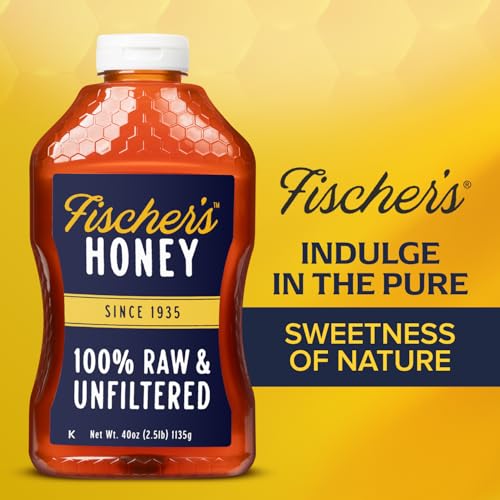
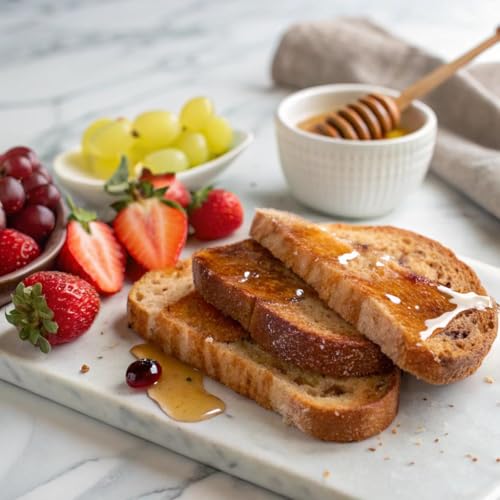
Fischer’s 100% Pure Raw Honey

Strengths
- Large 40 oz size
- Trusted U.S. heritage brand
- True raw and unfiltered
Trade-offs
- Heavier to store
- May crystallize faster than processed honey
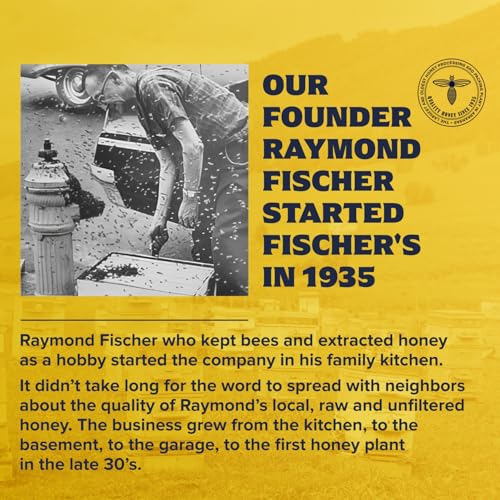
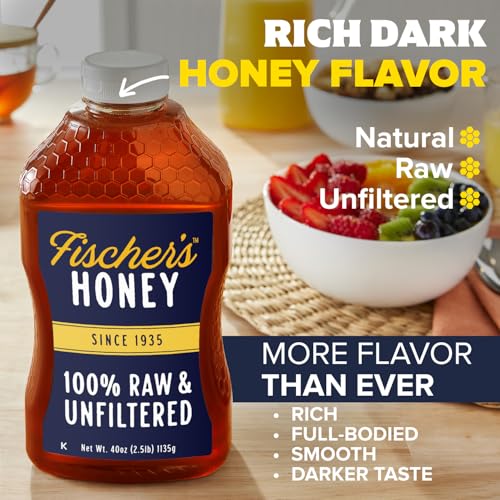
At 40 ounces, this bottle delivers serious volume without sacrificing quality. Fischer’s has been in the honey game since 1935, and their long-standing network of U.S. beekeepers shows in the consistent flavor and purity. This is genuine raw honey: unfiltered, unpasteurized, and rich with natural enzymes and pollen.
Reviewers often compare it favorably to pricier brands, noting its deeper, more robust taste, especially when stirred into dark roast coffee. The squeeze bottle is practical, and the price per ounce is among the lowest in the raw honey category. For households that use honey daily, this is the smarter buy over smaller, flashy-labeled imports.
Product photos
The Honey Jar Honey Sticks

Strengths
- High count pack
- Easy pop-and-squeeze design
- Made in USA with real honey
Trade-offs
- Clover honey is mild, less complex
- May crystallize in cold storage
These honey sticks win on sheer convenience and portability. With 50 BPA-free straws, each holding about a teaspoon of clover honey, they’re built for daily coffee drinkers who hate sticky jars and want grab-and-go ease. The packaging is simple: pop the end and squeeze directly into coffee, no spoon, no mess.
Owners praise how reliably they dissolve in hot drinks, and many use them for midday energy boosts or as a healthier alternative to candy. Made in Utah with U.S.-sourced honey, they’re not raw in the strictest sense (some gentle warming occurs), but they retain most natural properties. For the volume and ease, this is the best single-serve option by far.
Video review
Nate’s Raw & Unfiltered Honey

Strengths
- Award-winning taste
- Raw and unfiltered
- Good pour consistency
Trade-offs
- Not certified organic
- Smaller volume than budget giants
Nate’s 16 oz bottle strikes a sweet spot between quality and accessibility. It’s raw, unfiltered, and backed by a purity guarantee, but what really stands out is the award-winning flavor profile, a blended varietal crafted to taste rich and rounded, not one-note. Coffee drinkers report it adds a subtle depth, almost toffee-like, that elevates a morning brew without dominating it.
Compared to Organic Honey In The Raw, it’s slightly more affordable and just as clean in ingredients. It doesn’t have USDA organic certification, but owner testing and brand reputation suggest it’s free from adulteration. For mid-range buyers who want real raw benefits without paying premium organic prices, this is my recommendation.
Product photos



Amazon Grocery Golden Honey
Strengths
- Budget-friendly large size
- Consistent texture
- Widely available
Trade-offs
- Not raw or unfiltered
- Less flavor complexity
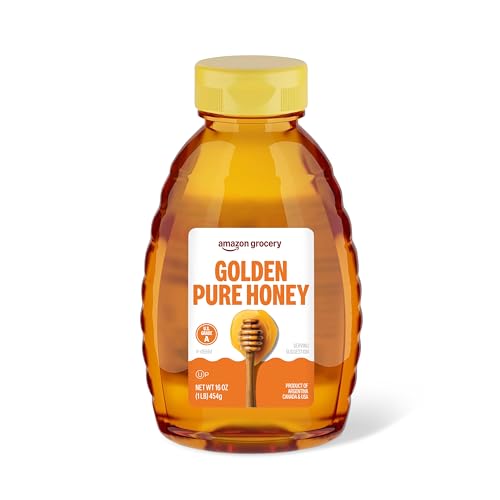
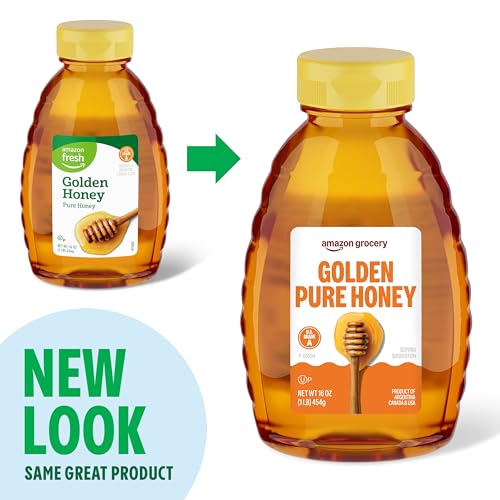
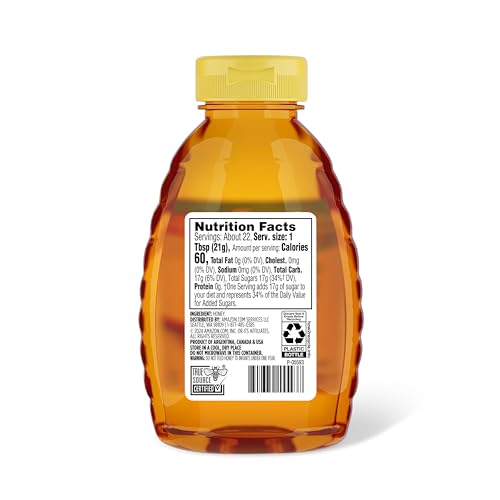
This is the no-frills, dependable workhorse of the bunch. U.S. Grade A and True Source Certified, it’s not raw or unfiltered, but it’s consistent, affordable, and blends smoothly into coffee without grit or aftertaste. It’s the kind of honey you’ll find in a diner, reliable, sweet, and neutral.
While it lacks the floral complexity or nutritional edge of raw options, it gets the job done. For buyers who just want a simple sweetener and don’t care about pollen content or origin stories, this is the most practical large-size value pick. Compared to the organic or raw options, it’s a downgrade in quality, but not in utility.
Product photos
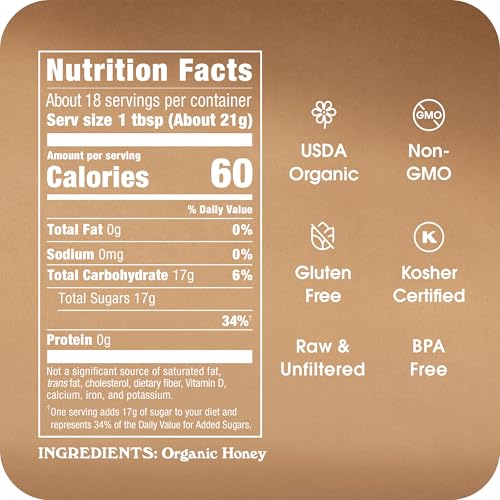
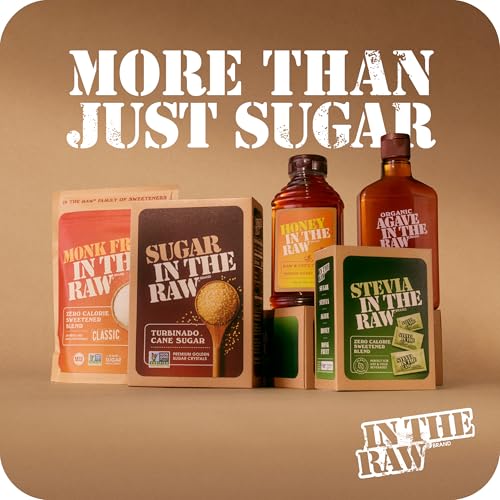
Organic Honey In The Raw

Strengths
- USDA certified organic
- Single-origin traceability
- Smooth floral flavor
Trade-offs
- Higher price point
- Limited volume
This honey checks all the boxes if you want something certified organic and traceable to a single region. Sourced from the remote Ceará region of Brazil, it’s USDA certified and marketed as pure, with no additives, important for buyers who prioritize transparency in sourcing. The wildflower blend delivers a smooth, balanced flavor with subtle floral notes, which reviewers consistently say doesn’t overpower coffee but adds a clean sweetness.
On paper, it’s a premium pick, and owner feedback supports that: many note it tastes noticeably fresher than highly processed supermarket brands. Compared to other raw honeys, it holds up well in hot coffee without losing its character. I’d lean toward this if you’re already buying organic beans and want your sweetener to match that standard.
Product photos

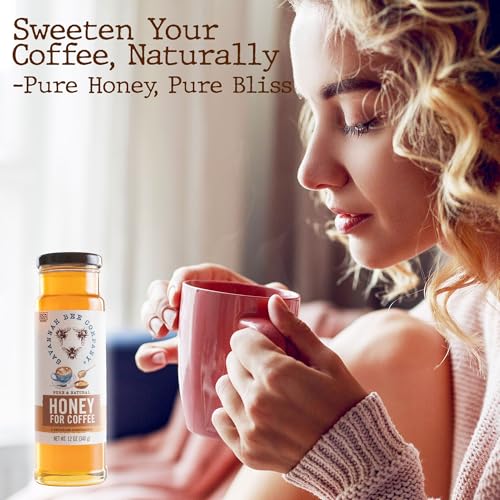
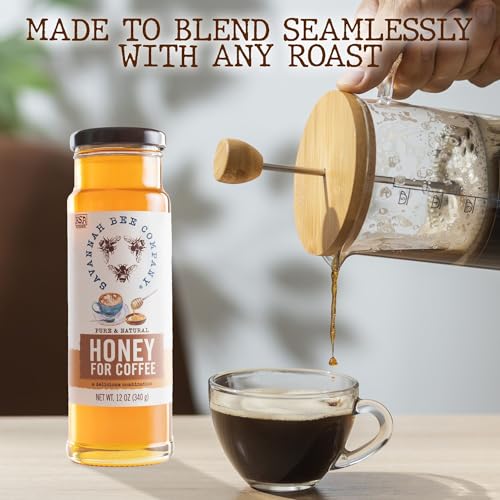
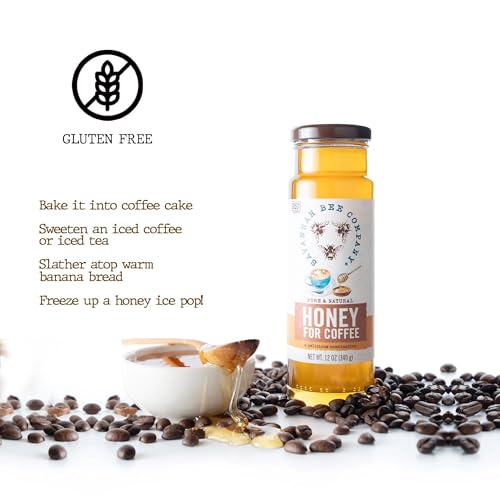
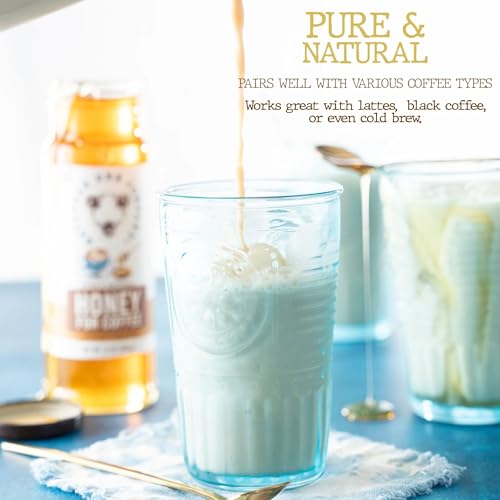
Savannah Bee Honey for Coffee

Strengths
- Tailored for coffee
- Smooth blending
- Smoky, complex flavor
Trade-offs
- Expensive per ounce
- Limited use outside coffee
Marketed specifically for coffee, this honey promises to enhance bold brews with smoky, rich notes, and from owner feedback, it delivers. It’s not raw in the traditional sense, but it’s formulated to blend smoothly into both hot and iced coffee, creating a silky mouthfeel that sugar or granulated honey can’t match.
The flavor profile is where it shines: deeper and more complex than standard clover honey, with a slight woodsy tone that pairs well with dark roasts. It comes in a compact bottle, making it ideal for travel or carrying in a bag. While it’s one of the pricier options, its targeted design makes it a solid pick for on-the-go coffee lovers who want an elevated experience.
Product photos

HONEY FEAST Cinnamon Honey

Strengths
- Organic cinnamon blend
- Small batch quality
- Great for spiced drinks
Trade-offs
- Not a neutral sweetener
- Higher price for niche use
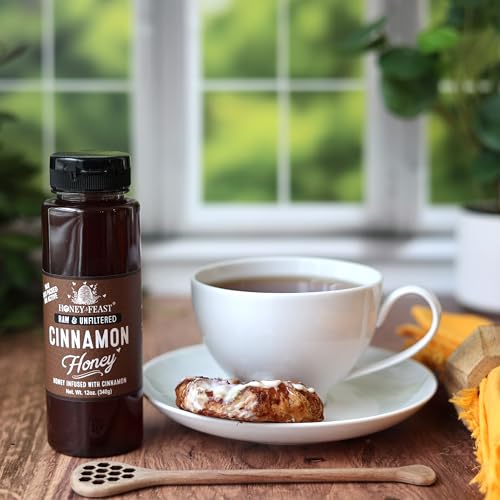
If you like spiced honey in your coffee or chai, this organic cinnamon blend is a standout. Made with real organic cinnamon and raw American honey, it delivers a warm, sweet-and-spicy kick that integrates beautifully into bold roasts or lattes. The cold-packed process preserves more natural compounds, and the small-batch approach suggests tighter quality control.
Owners love using it beyond coffee, swirled into oatmeal or drizzled on toast, but it’s especially effective as a flavor booster in drinks. Compared to plain honeys, it adds character, not just sweetness. For gifting or personal indulgence, it’s a fun twist. Just know you’re paying for the flavor infusion and niche appeal.
Product photos



How We Evaluated honey for coffee
As the founder of Bean Thusiast, I approach coffee additions with a critical eye – it’s about enhancing, not masking, the bean’s character. Rather than a hands-on lab test, this was a research-led comparison of published specifications and owner feedback across a range of honey options. I focused on identifying products specifically marketed for or frequently used with coffee, and then weighed those against stated features and user experiences. My analysis considered factors like purity, flavor profile, and convenience.
For honey intended for coffee, I placed the most weight on purity and flavor compatibility. A raw, unfiltered honey preserves more of its natural enzymes and pollen, which some believe contribute to a more nuanced flavor. Equally important is how well the honey complements coffee; overly strong or artificial flavors can detract from the brew. Consistency also mattered – a honey that dissolves easily is preferable to one that settles at the bottom of the cup.
Specifications reliably indicate honey type (raw, unfiltered, organic) and origin. However, flavor descriptions are subjective, so I heavily relied on owner reviews to assess the actual taste and how well the honey blended with coffee. Reputation also played a role; brands with established quality control and sourcing practices earned higher consideration. Many people are interested in honey in coffee and its benefits.
How To Choose The honey for coffee
Finding the right honey to sweeten your coffee is surprisingly nuanced. It’s not just about sweetness; it’s about how the honey complements – or clashes with – your brew’s existing flavor profile.
A quality honey for coffee should exhibit a clear flavor profile that doesn’t overwhelm the coffee itself. Look for raw, unfiltered varieties to retain beneficial enzymes and pollen. Consider the honey’s floral source; some, like wildflower or clover, are more neutral, while others (buckwheat, for example) have very distinct tastes. Consistency is also key – a honey that crystallizes rapidly may indicate lower quality or improper storage.
Understanding Honey Varieties
The sheer number of honey varieties can be overwhelming. Don’t immediately gravitate toward the cheapest option. While price matters, a significantly lower price often indicates processing or blending with cheaper syrups. I’ve seen many folks disappointed with honey that tastes…artificial. Instead, focus on the floral source. Clover honey is a safe bet for its mildness and wide availability, but don’t be afraid to experiment. Manuka honey, famed for its health benefits, can be exceptional but pricey; it pairs well with darker roasts. Ultimately, the “best” honey depends on your coffee and your preferences.
Assessing Purity and Processing
“Raw and unfiltered” isn’t just marketing jargon; it’s a sign of quality. Heating and filtering strip honey of beneficial compounds and can alter its flavor. Look for honey that retains pollen and has a slightly cloudy appearance. Many brands now offer detailed sourcing information, which is a good sign of transparency. If you’re looking to explore natural coffee sweeteners, understanding the impact of processing on honey is a great place to start.
Here’s what to look for in terms of processing:
- Minimal Heating: Gentle warming for pourability is okay, but avoid honey that’s been heavily pasteurized.
- No Additives: 100% honey should be the only ingredient listed. Steer clear of anything with corn syrup or other sweeteners.
- Pollen Content: Visible pollen indicates minimal filtering and suggests the honey retains more of its natural properties.
A simple rule of thumb: if the honey is perfectly clear and stays liquid for an extended period, it’s likely been heavily processed.
Balancing Flavor and Convenience
Convenience is a factor, especially for on-the-go coffee drinkers. Honey sticks, like those from The Honey Jar, offer portion control and eliminate mess but can be more expensive per ounce. Squeeze bottles, like Fischer’s, are practical for home use. If you frequently add honey to coffee while traveling, consider smaller jars or packets. For those interested in learning more about the benefits of sweetening coffee with honey, you’ll want to consider how the packaging impacts your ability to enjoy it. Ultimately, I recommend keeping a variety on hand – a large jar for everyday use and smaller, portable options for travel. Don’t forget to check out some of the top honey brands for coffee to refine your search.
Honey for Coffee Compared
Here’s a comparison of key specifications for different honey products suitable for use with coffee.
| Product Name | Size | Raw/Unfiltered | Organic | Flavor/Type | Packaging |
|---|---|---|---|---|---|
| Nate’s Honey Minis Packets | 20 x 0.49oz | Yes | No | N/A | Packets |
| Fischer’s 100% Pure Raw Honey | 40oz | Yes | No | N/A | Squeeze Bottle |
| The Honey Jar Honey Sticks | N/A | Yes | No | Clover | Sticks |
| Nate’s Raw & Unfiltered Honey | N/A | Yes | No | Blend | Bottle |
| Amazon Grocery Golden Honey | 16oz | N/A | No | N/A | Bottle |
| Organic Honey In The Raw | N/A | Yes | Yes | Wildflower | Bottle |
| Savannah Bee Honey for Coffee | N/A | N/A | N/A | Coffee Blend | Bottle |
| HONEY FEAST Cinnamon Honey | N/A | Yes | Yes | Cinnamon | Jar |
Frequently Asked Questions
What’s the difference between raw and filtered honey, and does it matter for coffee?
Raw and unfiltered honey retains more of its natural enzymes, pollen, and antioxidants, contributing to a more complex flavor. While filtered honey is perfectly safe, many coffee drinkers prefer raw honey for its potential health benefits and nuanced taste that complements the coffee’s aromas.
Can different honey varieties noticeably change the taste of my coffee?
Absolutely. Floral sources heavily influence honey’s flavor; buckwheat honey has a robust, molasses-like taste, while clover honey is mild and delicate. Experimenting with single-origin honeys alongside your favorite coffee beans is a great way to discover personal preferences.
I’ve seen honey specifically blended for coffee – is that worth the extra cost?
Savannah Bee Honey for Coffee, for example, is formulated to complement coffee’s flavors, and many users report a smoother integration. If you struggle to find a honey that doesn’t overpower your brew, a coffee-specific blend might be a good investment.
My honey crystallizes quickly. Is it still good to use?
Yes, crystallization is a natural process and doesn’t indicate spoilage. Gently warming the honey in a hot water bath will reliquify it; avoid microwaving, as it can damage the enzymes. Rapid crystallization can suggest higher purity or improper storage, so it’s not necessarily a bad sign.
Are there alternatives to honey if I’m looking for a similar sweetness with added creaminess?
If you enjoy the combination of honey and cream in your coffee, you might want to explore best coffee creamers with honey. There are many options available, including dairy-free alternatives, that offer a similar flavor profile and texture.
The Bottom Line
Choosing the right honey for your coffee often comes down to balancing control over flavor with the convenience you desire. While many options exist, I believe Nate’s Raw & Unfiltered Honey strikes the best overall balance – its widely available, consistently high quality, and relatively neutral flavor profile won’t overpower most coffees. It’s a solid starting point for exploring how honey can enhance your daily brew.
For those prioritizing affordability, Amazon Grocery Golden Honey presents a reasonable entry point. If you’re often on the go, The Honey Jar Honey Sticks offer convenient, mess-free portion control, though they represent a higher cost per ounce. And for a unique twist, HONEY FEAST Cinnamon Honey delivers a delightful spiced flavor, especially well-suited to bolder coffee roasts. If you’re considering substituting sugar with honey https://beanthusiast.com/honey-in-coffee-instead-of-sugar/, a flavored honey like this can make the transition more enjoyable.
Ultimately, the “best” honey isn’t about a single feature or brand. It’s about understanding your own palate and pairing the honey’s nuances with the characteristics of your favorite coffee. Focus on seeking out raw, unfiltered options to experience honey in its most natural state, and don’t be afraid to experiment with different floral sources to discover what truly elevates your cup.
