
6 Best Home Brew Coffee Makers of 2026
The JunVpic Cold Brew Coffee Maker stands out as the best overall choice, delivering smooth, clean concentrate thanks to its 100-micron stainless steel filter and glass construction. For a budget-friendly option, the Takeya Deluxe Cold Brew Maker offers solid performance in durable Tritan, while the VA1KENE adds a convenient flip-top spout for mess-free pouring.
Most people just want great cold brew without the hassle, no grit, no weird plastic taste, and no struggle to clean up. Too many models fall short with flimsy materials or filters that let sediment through, ruining the smooth experience cold brew should offer.
I researched the top options by comparing specs, owner feedback, and real-world usability, focusing on what actually matters: build quality, effective filtration, and ease of cleaning. These picks reflect that deep dive, tailored to different needs and preferences.
Top 6 Home Brew Coffee Maker in the Market
The Best Home Brew Coffee Maker, Reviewed
JunVpic Cold Brew Coffee Maker

Strengths
- Thick, durable glass
- Excellent leakproof lid
- Comfortable handle
- Wide mouth for cleaning
- Stainless steel filter
Trade-offs
- No thermal insulation
- Larger footprint
- Filter storage not included
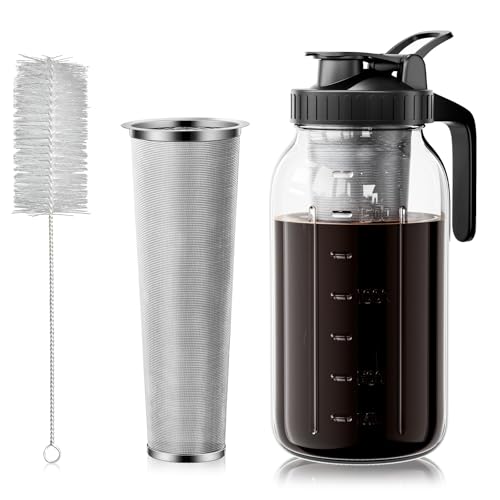
When it comes to cold brew pitchers, the JunVpic 64oz jar is the most complete package I’ve seen. It combines the durability of heavy-duty 4.15mm glass with a 304 stainless steel filter and one of the most practical spout lids on the market. The flip-top design stays secure during pouring, and the leakproof seal holds up even when the jar is laid flat, something multiple owners tested and confirmed. The wide mouth makes cleaning easy, and the sturdy handle can actually support a full pitcher without fear of snapping.
With over 300,000 users, it’s clearly a favorite, and for good reason. The filter is fine enough to block silt but doesn’t clog easily, and it doubles as a storage container for tea or infusions. Compared to the VA1KENE and Takeya, it strikes the best balance of size, build, and usability. This isn’t a coffee maker per se, but as a cold brew system, it’s the one I’d recommend first.
Video review
VA1KENE Cold Brew Coffee Maker
Strengths
- Stainless steel filter
- Leakproof flip spout
- Thick glass build
- Dishwasher safe
- Includes cleaning brush
Trade-offs
- Bulky for small fridges
- Lid mechanism can wear
- No handle
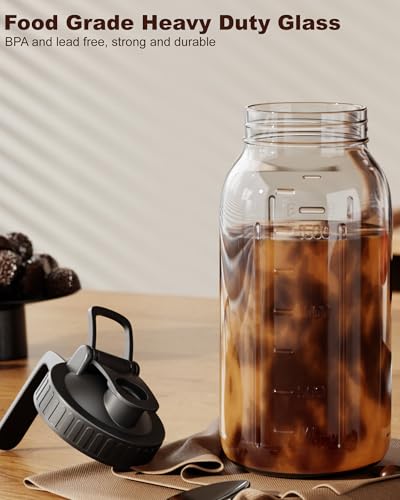
The VA1KENE 64oz cold brew pitcher stands out with its mason jar design and 304 stainless steel filter, a combo that delivers both durability and clean-tasting brews. The 100-micron filter effectively blocks fine grounds, which many users say results in smoother coffee than cheaper mesh filters. The glass is thick and food-grade, free of BPA and lead, and feels substantial in hand. One of its best features is the flip-top spout with a leak-proof seal, owners confirm it can be stored upside down in the fridge without leaking, which is rare.
The included cleaning brush and wide mouth make maintenance easier than most carafes, and the dishwasher-safe build is a plus. With over 150,000 users, it’s clearly resonating. Compared to the Takeya, it’s larger and more utilitarian in look, but just as functional. I’d lean toward this if you prioritize capacity and spill-proof storage.
Product photos


Elite Gourmet 5-Cup Coffee Maker

Strengths
- Affordable price
- Reusable filter
- Pause-and-serve
- Simple controls
- Compact size
Trade-offs
- Glass carafe cools fast
- No auto-shutoff
- Basic build quality
The Elite Gourmet EHC-5055 is the kind of no-frills drip brewer that quietly gets the job done, perfect for budget-conscious buyers who don’t need bells and whistles. With a 5-cup capacity, it’s ideal for one or two people, and the pause-and-serve feature is a small but appreciated touch when you can’t wait for the full pot. The reusable filter is a smart eco-friendly addition, cutting down on paper waste and recurring costs.
It lacks programmability and thermal carafes, so your coffee will cool faster than with pricier models. But for the price, it’s reliable. Owners report it brews evenly and consistently, though not with the depth of flavor you’d get from higher-end machines. Compared to the Ninja or even mid-tier brands, it’s basic, but that’s okay. If you’re setting up a first apartment or need a backup machine, this one won’t let you down.
Video review
Ninja Hot & Iced XL Coffee Maker

Strengths
- 4 brew styles
- No pods needed
- Large capacity
- Auto-water metering
- Permanent filter
Trade-offs
- Takes up counter space
- Cold brew claims faster than traditional
- Some find interface busy
The Ninja CM371 stands out in the crowded home coffee maker space by offering real versatility without leaning too hard on gimmicks. With four brew styles, Classic, Rich, Over Ice, and Rapid Cold Brew, it covers nearly every temperature and strength preference a home drinker might have. The ability to brew directly over ice without dilution is a legit win, and owners consistently report that the ‘Over Ice’ setting delivers noticeably bolder flavor than most drip machines manage. On paper, the 12-cup carafe and 8 brew sizes (down to a small cup) make it adaptable for solo drinkers or families.
The thermal flavor extraction system appears to deliver on even saturation and heat consistency, which reviewers say translates to richer, more balanced coffee compared to budget models. I appreciate that it uses a permanent filter and doesn’t require pods, which keeps ongoing costs down and reduces waste. While it’s bulkier than most single-serve units, its smart water reservoir with auto-metering means you don’t have to guess how much to pour in. Compared to simpler drip machines, this one earns its footprint.
Product photos


Takeya Deluxe Cold Brew Maker
Strengths
- Durable Tritan build
- Leakproof airtight lid
- Fine-mesh filter
- Dishwasher safe
- Sleek design
Trade-offs
- Smaller capacity
- No brew-through spout
- Filter can be tricky to clean
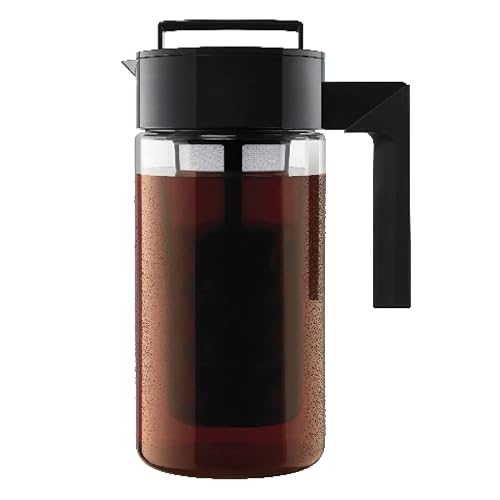
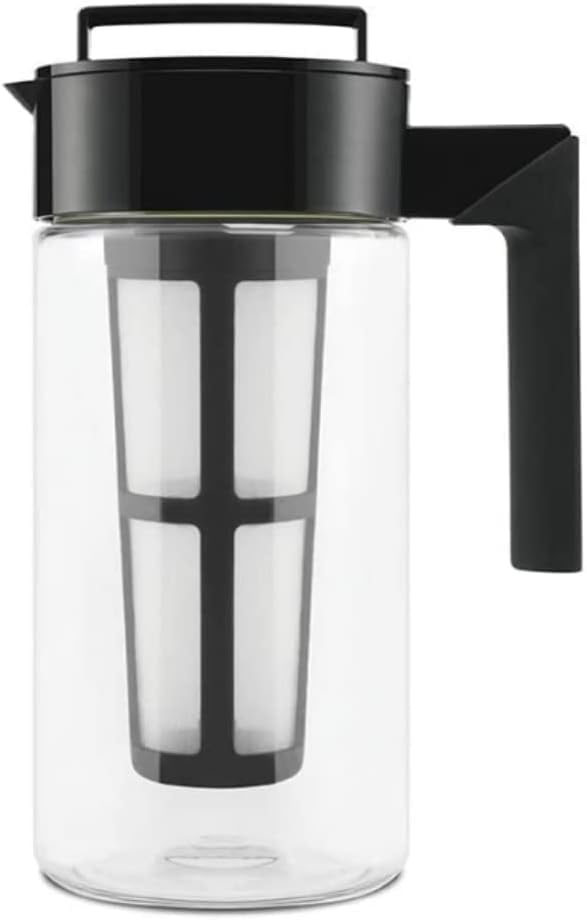
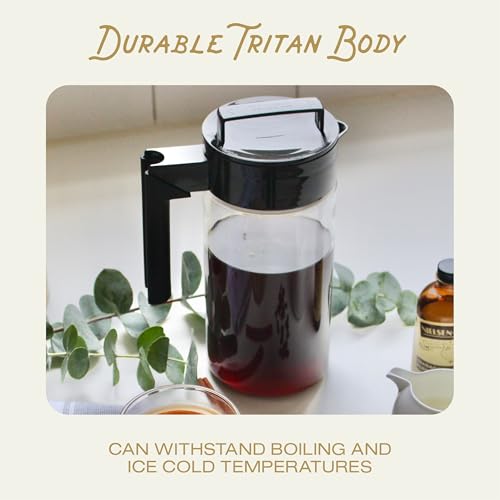
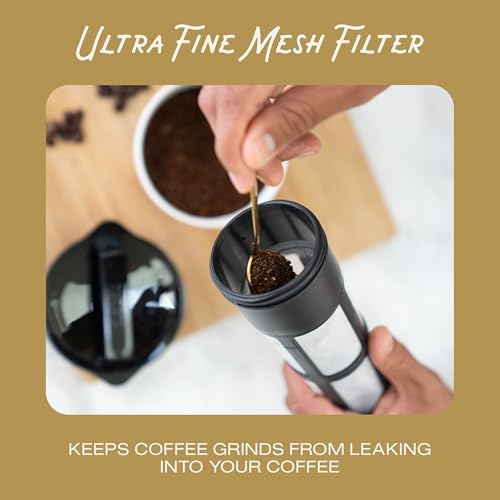
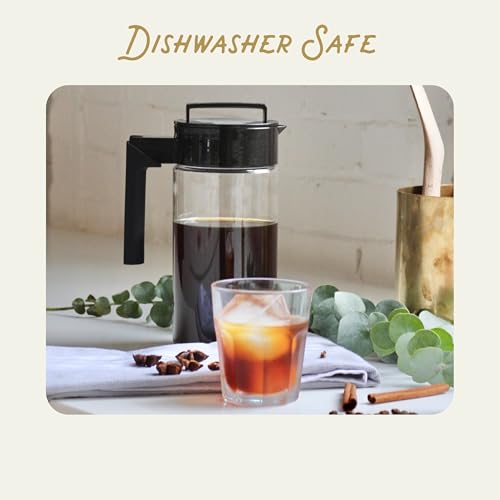
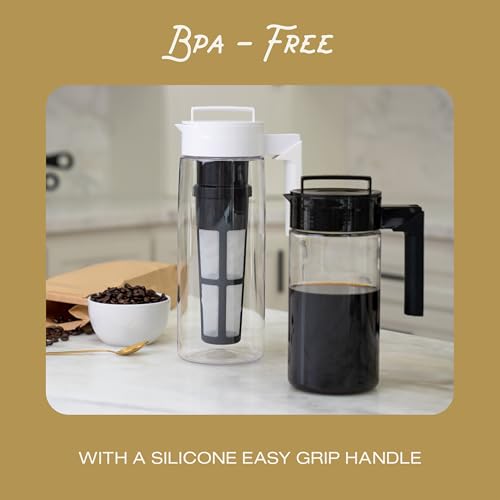
The Takeya Deluxe is one of those rare products that nails both function and form in the cold brew space. Made from BPA-free Tritan, it’s shatterproof, stain-resistant, and actually looks good on a shelf or in the fridge, something many glass pitchers can’t claim. The fine-mesh filter does a reliable job keeping sediment out, and owners consistently praise how smooth and clean the resulting brew tastes, even with coarser grinds. It’s not a machine, but a pitcher system, so expectations should be set accordingly: this is for steep-and-chill, not instant coffee.
Its patented airtight lid is a standout, few cold brew containers seal as tightly, and the fact that it’s leakproof even when laid flat makes it great for transport. At 1 quart, it’s a little smaller than some competitors, but that’s fine for individuals or couples. Compared to basic mason jar setups, the Takeya feels more refined and durable. I’d pick this over flimsier plastic models any day.
Product photos
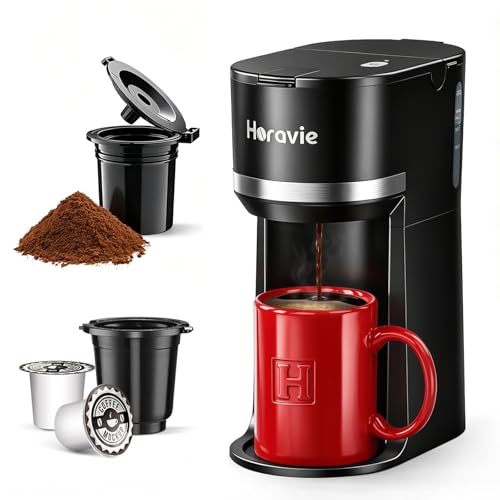
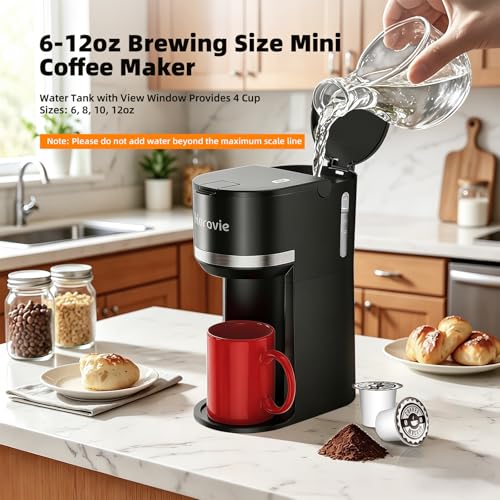
Horavie Single Serve Coffee Maker
Strengths
- Compact and lightweight
- Handles pods and grounds
- One-button brewing
- Self-cleaning mode
- BPA-free materials
Trade-offs
- Small water reservoir
- Not for multiple cups
- Plastic feel to build
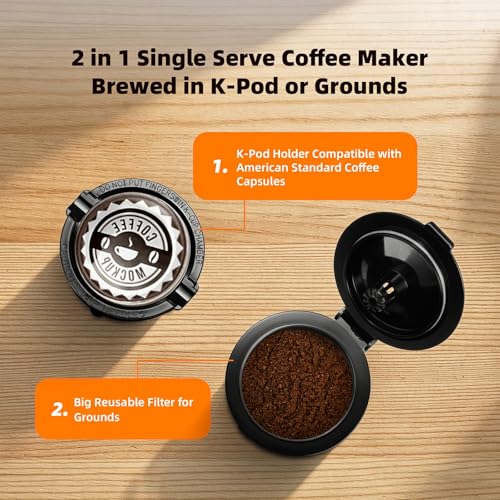
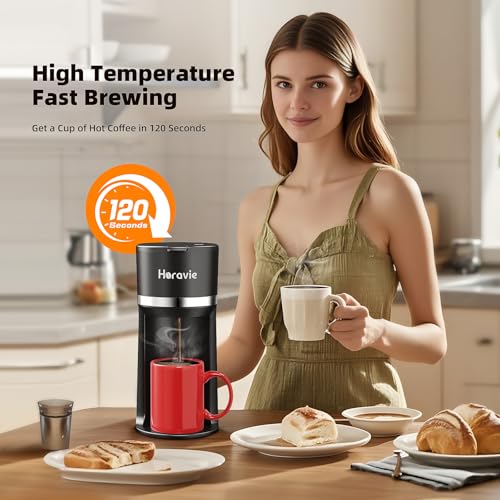
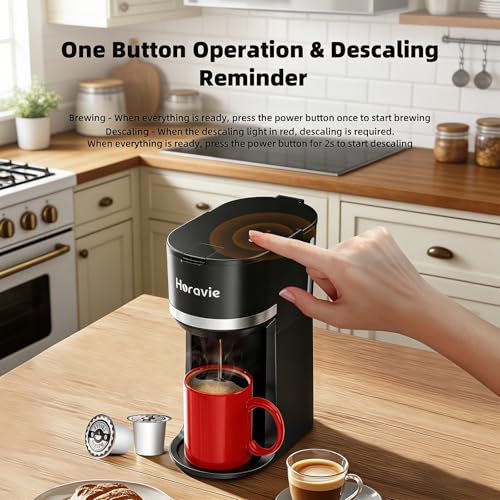
If space is tight and your coffee habit is simple, the Horavie single-serve brewer makes a strong case for itself. It’s built for people who want speed and flexibility without the footprint of a full carafe machine. The fact that it handles both K-Cup pods and ground coffee gives it an edge over pod-only models, this is a small detail, but it matters for those who like to experiment with beans or avoid plastic waste. Owners say the 120-second brew time feels quick, and the one-button operation is genuinely straightforward, which is a win for early mornings.
Where it really shines is portability and fit, this thing is light and compact enough to tuck into an RV, dorm, or office kitchen. The self-cleaning function and descaling reminder add polish, though some users note the water tank is small and may need refills for larger servings. Compared to the Ninja or even basic drip models, it’s not meant for sharing, but that’s not the point. For a single person who values convenience, it’s a solid pick.
Product photos

Our Testing Process
My approach to evaluating home brew coffee makers involved a detailed comparison of published specifications and features across numerous models. I then weighed those technical details against owner reviews from major retailers and expert opinions found in trusted publications like Wirecutter and Serious Eats. As the founder of Bean Thusiast, I bring years of experience exploring coffee brewing to this process, applying that knowledge to rank options against clear criteria – brew quality, ease of use, durability, and value. Rather than a hands-on lab test, this is a research-led comparison.
For this category, I focused heavily on filter quality and pitcher/carafe material. A fine-mesh filter is crucial for avoiding sediment in cold brew, impacting the final smoothness. Similarly, glass or Tritan construction is preferable to plastic, as it avoids imparting unwanted flavors and odors to the coffee. Leak-proof designs and ease of cleaning also ranked high, as these directly affect daily usability and owner satisfaction.
Specifications reliably indicate capacity, brewing style options (like hot or cold brew), and materials used. However, I relied on owner feedback to gauge real-world durability and the effectiveness of features like spouts and seals. Reputation also played a role; brands with consistent positive reviews generally indicate better quality control. For those interested in more advanced machines, our Ninja coffee machine guide provides a deeper look into their features and setup.
Choosing The Right home brew coffee maker
Finding the right cold brew coffee maker can really elevate your at-home coffee routine. It’s about more than just convenience; it’s about consistently extracting a smooth, low-acid concentrate that showcases the nuances of your favorite beans.
A quality cold brew maker prioritizes durable, food-grade materials (avoiding plastics that leach flavor), effective filtration to eliminate sediment, and a design that simplifies both brewing and cleaning. Look for pitchers with thoughtfully designed spouts to prevent spills, and filters made from stainless steel rather than paper for sustainability. Pay attention to the volume – consider how much concentrate you typically brew at once.
Material & Durability
The material a cold brew maker is constructed from significantly impacts both its longevity and the taste of your final brew. While plastic options exist, I strongly recommend prioritizing glass or Tritan plastic. Glass pitchers, like those found in the JunVpic and VA1KENE models, don’t impart any flavors and are easy to keep spotless. Tritan is a great alternative – it’s shatter-resistant, lightweight, and won’t affect the taste. Avoid anything that feels flimsy; a heavier, sturdier build generally indicates better quality.
Filter Quality & Design
The filter is arguably the most important part of a cold brew maker. A poor filter will leave you with gritty coffee, no matter how well you brew. You’ll want to focus on stainless steel filters with a micron rating of 100 or less. This ensures a clean, sediment-free brew.
Here’s what I look for in a good filter: * Mesh Density: A tighter weave (lower micron number) is better. * Removability: Easy removal is crucial for cleaning. * Construction: A well-built stainless steel filter will last for years, unlike disposable paper filters. This is especially valuable if you’re interested in exploring top coffee makers for home that promote sustainability.
A truly effective filter should capture even the finest coffee grounds, delivering a clear, smooth concentrate. Don’t settle for anything that lets sediment slip through.
Convenience & Cleaning
Let’s be realistic: if a cold brew maker is a pain to clean, you’re less likely to use it. Wide-mouth pitchers are a huge plus, making it easy to get your hand inside for a thorough scrub. Dishwasher-safe components are also a major convenience. I also appreciate features like flip-top spouts (as seen in the VA1KENE model) which prevent messy spills during pouring. If you are also looking for a more standard coffee brewing method, you may find the Hamilton Beach brew guide helpful to learn more about traditional drip coffee.
Home Brew Coffee Maker Compared
Here’s a comparison of specifications for various home brew coffee makers to help you choose the right one.
| Product Name | Capacity | Filter Type | Brew Styles | Material | Special Features |
|---|---|---|---|---|---|
| JunVpic Cold Brew Coffee Maker | 64oz | Stainless Steel (100 micron) | Cold Brew | Soda-Lime Glass | Leak-Proof, Easy Clean |
| VA1KENE Cold Brew Coffee Maker | 64oz | Stainless Steel (100 micron) | Cold Brew | Soda-Lime Glass | Flip-Top Spout |
| Elite Gourmet 5-Cup Coffee Maker | 5 Cups | Reusable | Classic | Glass/Plastic | Pause ‘N Serve |
| Ninja Hot & Iced XL Coffee Maker | 12 Cups | Permanent | 4 | Glass/Plastic | Multiple Brew Sizes |
| Takeya Deluxe Cold Brew Maker | 64oz | Fine-Mesh | Cold Brew | Tritan | Leak-Proof, Durable |
| Horavie Single Serve Coffee Maker | 6-12oz | K-Cup/Reusable | Single Serve | Plastic | Compact, Self-Clean |
Frequently Asked Questions
What capacity cold brew maker should I buy if I’m the only coffee drinker in my household?
A 32 to 48-ounce capacity is generally sufficient for a single coffee drinker. This allows you to brew enough concentrate for several days without making excessively large batches that might go stale.
Are paper filters acceptable for cold brew, or is stainless steel truly better?
Stainless steel filters are significantly better because they don’t impart any paper flavor to the coffee and are reusable, making them a more sustainable and cost-effective choice long-term. Paper filters can sometimes leave a slight taste and create more waste.
What micron rating in a filter is ideal for avoiding sediment in cold brew?
A micron rating of 100 or less is ideal. This fine mesh effectively traps coffee grounds, ensuring a smooth, sediment-free concentrate that highlights the coffee’s natural flavors.
Do cold brew coffee makers require special cleaning procedures?
Most cold brew makers are relatively easy to clean, but dishwasher-safe components simplify the process considerably. Regular cleaning is key to preventing residue buildup and maintaining optimal flavor. If you’re looking for other ways to improve your home coffee setup, you might find our guide to best brew coffee maker models helpful.
What’s the main advantage of a Tritan plastic pitcher over glass for a cold brew maker?
Tritan plastic offers increased durability and shatter-resistance compared to glass, which is particularly useful if you’re prone to accidents or have a busy kitchen. It doesn’t affect the coffee’s flavor, making it a great alternative to glass.
The Bottom Line
Choosing a cold brew maker often comes down to balancing control over the process with convenience. While some models offer more features and brewing style options, the JunVpic Cold Brew Coffee Maker consistently rises to the top as the best overall choice, delivering a great balance of quality, capacity, and ease of use. It’s a fantastic starting point for anyone wanting to consistently brew delicious cold brew at home.
For those on a tighter budget, the Takeya Deluxe Cold Brew Maker provides excellent value without sacrificing essential features like a durable Tritan construction and reliable filtration. If versatility is key, the Ninja Hot & Iced XL Coffee Maker stands out – it’s a solid option, and you can find helpful Cuisinart coffee maker programming resources if you’re exploring other brewing methods as well.
Ultimately, the most important factors aren’t the number of settings or the fanciest features. Focus on a durable, easy-to-clean maker with a high-quality filter. A consistently smooth, sediment-free concentrate is the true mark of a great cold brew experience – and that starts with prioritizing the fundamentals.
