
3 Best Healthy Coffees to Drink (2026 Guide)
The best healthy coffee to drink is SUPER COFFEE Protein+, a balanced blend with 25 grams of protein and no added sugar that delivers steady energy. For those focused on wellness beyond protein, Vai Dai Coffee Black stands out with its potent mix of adaptogens and functional mushrooms, offering a more holistic boost.
Choosing a healthy coffee isn’t just about cutting calories or acidity, it’s about finding one that supports your energy, digestion, and focus without crashing your system. Too many options hide behind buzzwords while loading up on sweeteners or underdosing key ingredients.
I researched these picks by analyzing specs, ingredient transparency, and real user feedback across health and coffee communities. These selections reflect a balance of functional benefits, clean formulation, and taste, because a healthy coffee should actually fit your life.
Top 3 Healthy Coffee To Drink in the Market
The Best Healthy Coffee To Drink, Reviewed
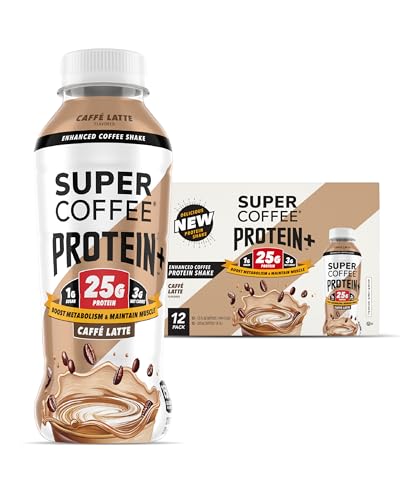
SUPER COFFEE Protein+ Keto
Strengths
- High protein
- Low net carbs
- Smooth taste
- No added sugar
- MCT oil included
Trade-offs
- Moderate caffeine
- Not for bold coffee purists
- Contains milk proteins
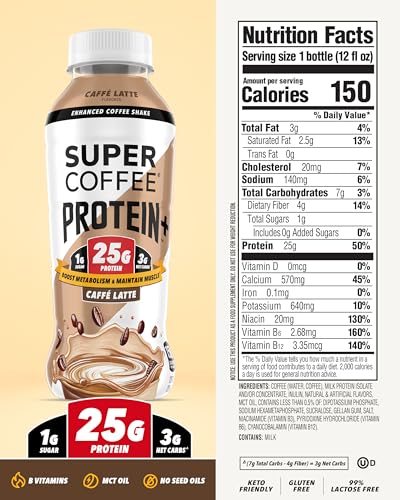
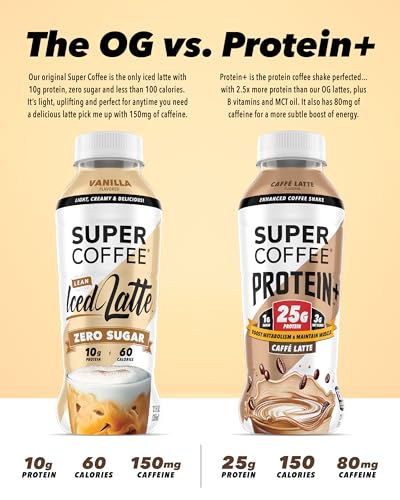
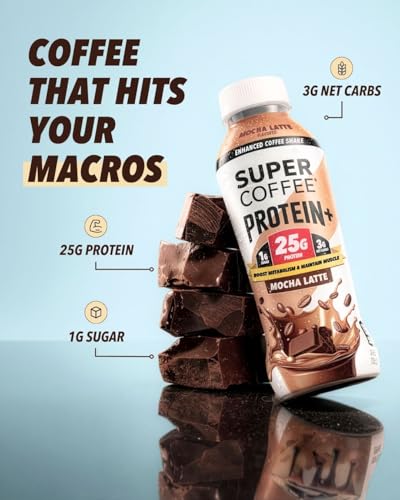
If you’re after a ready-to-drink coffee that doubles as a post-workout recovery tool or a high-protein snack replacement, this is one of the few that actually delivers on both fronts. With 25g of protein and just 150 calories per bottle, it stands out in a category where most options are either sugary or nutritionally hollow. The 80mg of caffeine is modest, making it a smoother pick for those sensitive to jitters, and the inclusion of MCT oil and B vitamins adds a functional layer that supports energy and brain function without overpromising.
Compared to other bottled coffee drinks, this one avoids the chalky texture some protein-fortified versions suffer from, and owners consistently report it tastes like real coffee with a creamy finish. It’s not a replacement for a full meal, but as a convenient, low-sugar option for keto or low-carb dieters, it hits the sweet spot between indulgence and discipline. I’d pick this over sugary cold brews any day for sustained energy without the crash.
Product photos


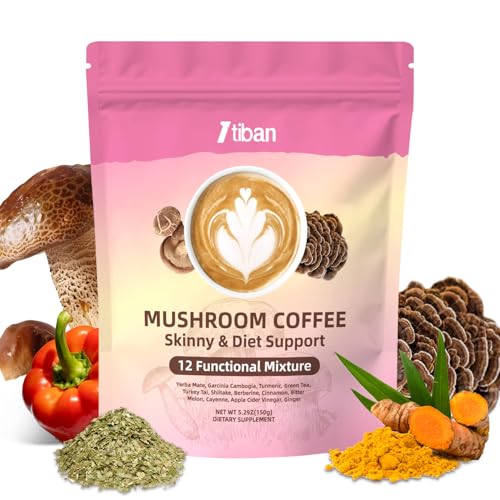
Slim Mushroom Coffee
Strengths
- Full-spectrum botanicals
- Supports digestion
- Natural energy lift
- No added sugar
- Rich in adaptogens
Trade-offs
- Mild coffee flavor
- Takes time to see effects
- Not for caffeine seekers
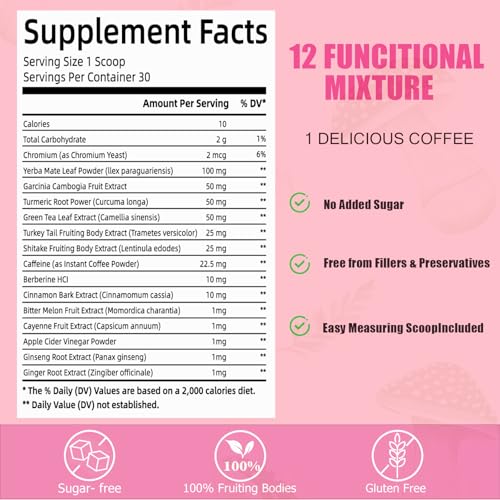
This isn’t just coffee, it’s a wellness shot disguised as a morning ritual. Packed with 12 functional botanicals, including berberine, turmeric, and lion’s mane, it targets metabolic health, digestion, and immunity all at once. The inclusion of yerba mate and green tea offers a gentler caffeine lift than traditional coffee, which reviewers say leads to fewer crashes and less anxiety. For anyone looking to turn their coffee into a holistic health tool, this blend checks more boxes than most.
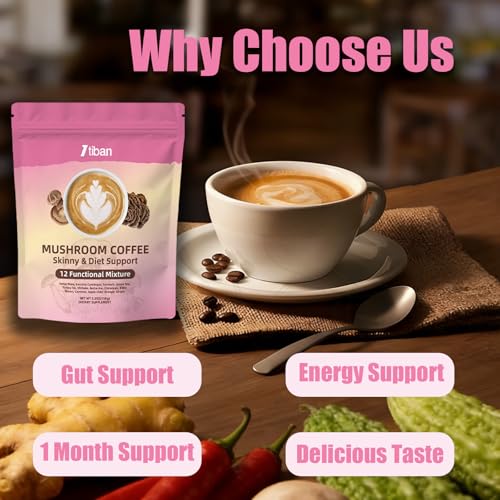
Where it really stands apart is in its digestive support. Ingredients like ginger, apple cider vinegar, and cinnamon are well-regarded for reducing bloating and supporting gut balance, owners with sensitive stomachs often highlight this as a standout. It’s not the strongest coffee in terms of boldness, but if your goal is steady energy and metabolic balance, this is a smarter pick than plain instant. I’d recommend it over standard mushroom coffees for those prioritizing metabolic wellness.
Product photos



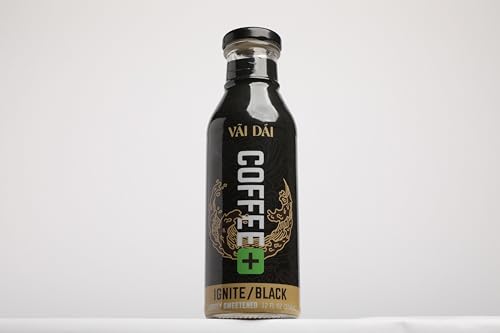
Vai Dai Coffee Black
Strengths
- High caffeine content
- Rich, smooth taste
- Loaded with nootropics
- Low acidity
- Keto-friendly sweeteners
Trade-offs
- High caffeine for sensitive users
- Premium price point
- Not for casual drinkers
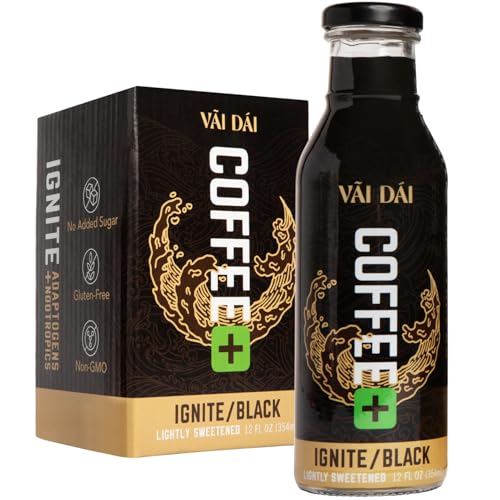
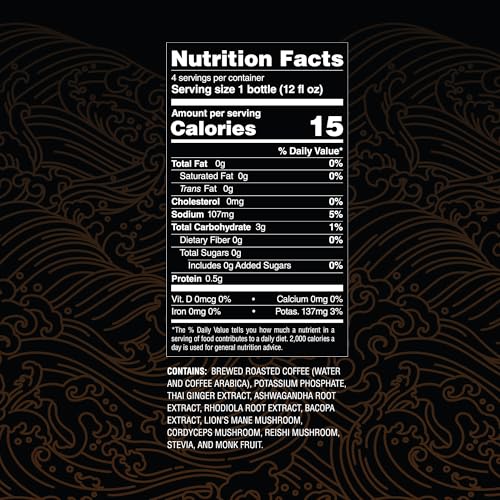
With 200mg of caffeine and a full suite of nootropics like lion’s mane, cordyceps, and rhodiola, this is the coffee for people who treat mental performance like a sport. On paper, it’s one of the most aggressive functional coffees available, designed not just to wake you up, but to sharpen focus, creativity, and motivation. The base is medium-roast Arabica, which reviewers praise for being smooth and low-acid, a big win for anyone who’s ditched coffee due to stomach issues.
The flavor profile leans gourmet, and many owners say it tastes better than most premium cold brews, despite being ready-to-drink. It’s sweetened with stevia and monk fruit, so it stays keto-friendly without artificial aftertastes. Compared to SUPER COFFEE, it’s less about protein and more about cognitive edge, making it a better fit for entrepreneurs, creatives, or anyone battling brain fog. My take? If you want your coffee to feel like a performance enhancer, this is the one to reach for.
Product photos


How We Chose These healthy coffee to drink
As the founder of Bean Thusiast, I approached researching “healthy coffee” with a focus on what truly differentiates these options from a standard brew. My method wasn’t about brewing dozens of pots; rather, it was a research-led comparison of product specifications, published ingredients, and, crucially, a careful weighing of owner reviews and expert opinions from wellness and coffee publications. I ranked options based on how well they delivered on promises of added benefits, balancing taste expectations with functional ingredients.
For this category, I heavily weighted protein content and the inclusion of functional ingredients like adaptogens and mushrooms. These features directly address the “healthy” aspect, moving beyond just caffeine delivery. Flavor was also key, as even the healthiest coffee needs to be palatable. A product’s ability to deliver a positive experience, not just a health boost, decided its standing.
Product specifications clearly reveal protein levels and caffeine content. However, judging the real-world impact of adaptogens or the subtlety of mushroom blends required a close look at owner feedback. Many reviewers detail how these coffees affected their energy levels, digestion, and focus. I also considered the reputation of brands within the health and wellness space, and looked into whether claims were supported by independent research – especially concerning coffee pH and acidity levels.
Choosing The Right healthy coffee to drink
As someone who’s spent years immersed in the world of coffee, I’ve noticed a significant rise in “healthy” options – coffees fortified with proteins, mushrooms, and adaptogens. But what actually makes a healthy coffee, and how do you pick the right one for you?
A truly beneficial healthy coffee goes beyond just adding ingredients. It starts with quality beans, then incorporates functional additions like protein, adaptogens, or mushrooms in meaningful amounts. Look for transparent ingredient lists, reasonable caffeine levels (consider your tolerance!), and a focus on minimizing downsides like added sugar or artificial sweeteners. Pay attention to how these additions impact the overall taste and texture.
Protein Content & Source
The biggest trend right now is protein-infused coffee, and it’s not just a marketing gimmick. For those of us who rely on coffee to get going in the morning, adding protein can help stabilize blood sugar and keep you feeling full and focused for longer. However, the type of protein matters. Whey protein is common, but if you’re dairy-sensitive, look for options utilizing plant-based proteins like pea or brown rice. Don’t assume higher protein automatically equals better; consider how well it blends and if it affects the texture.
Functional Ingredients Beyond Protein
Many healthy coffees are now packed with ingredients like mushrooms, adaptogens, and various botanical extracts. While the research on some of these is still evolving, ingredients like Lion’s Mane (for cognitive function) and Turkey Tail (for immune support) have shown promise. It’s crucial to research these ingredients yourself and understand what benefits they offer. For instance, if you’re prone to digestive issues, a coffee with added ginger or apple cider vinegar might be a good fit, and learning about low-acid coffee strategies can further improve your experience.
- A small amount of caffeine (under 100mg) paired with adaptogens can provide a gentle, sustained energy boost without the jitters.
- A moderate dose of functional mushrooms (200-500mg total) is often enough to experience potential benefits like improved focus and immune support – more isn’t necessarily better.
- A thorough blend including ingredients like turmeric, ginseng, and cinnamon can offer a wider range of wellness benefits, but you should check for potential interactions with any medications you’re taking.
Taste & Added Sugars
Let’s be real: a healthy coffee has to taste good, or you won’t drink it. Many brands try to mask the flavor of added ingredients with excessive sweetness. I believe a truly good product should prioritize flavor and health. Look closely at the ingredient list for added sugars (even natural ones like honey or maple syrup can add up) and artificial sweeteners. If you’re looking to boost your coffee’s benefits, consider adding MCT oil energy benefits for an extra kick, but remember to start slowly.
A good rule of thumb: if the ingredient list reads like a chemistry textbook, it’s probably not the healthiest option. Prioritize simplicity and recognizable ingredients.
Healthy Coffee to Drink Compared
Here’s a comparison of key specifications for these healthy coffee options.
| Product Name | Protein (g) | Caffeine (mg) | Added Sugar | Key Ingredients | Best For |
|---|---|---|---|---|---|
| SUPER COFFEE Protein+ | 25 | 80 | 0 | B Vitamins, MCT Oil | Best Overall |
| Slim Mushroom Coffee | N/A | N/A | N/A | Garcinia Cambogia, Berberine, Mushrooms | Metabolism & Wellness |
| Vai Dai Coffee Black | N/A | 200 | 0 | Adaptogens, Lion’s Mane, Cordyceps, Ashwagandha | High-Protein Energy |
Frequently Asked Questions
What’s the ideal caffeine level in a “healthy” coffee?
Around 80-100mg is a good starting point for many people. This provides an energy boost without the jitters often associated with higher caffeine intakes, especially when combined with other functional ingredients.
Are mushroom coffees actually beneficial, or is it just hype?
While more research is needed, certain mushrooms like Lion’s Mane and Turkey Tail have demonstrated potential cognitive and immune-supporting properties. Owner feedback suggests many experience improved focus and sustained energy, though individual results vary.
How do I know if a protein coffee will upset my stomach?
Look for plant-based protein sources (pea, brown rice) if you have dairy sensitivities. Even with these, start with a smaller serving to assess tolerance, as high protein intakes can sometimes cause digestive discomfort.
Can I add my own ingredients to regular coffee to make it “healthier”?
Absolutely. Adding spices like cinnamon, which provides an antioxidant boost from cinnamon, or a small amount of MCT oil can enhance both the flavor and potential health benefits of your brew.
What should I look for on the ingredient list to avoid hidden sugars?
Avoid products listing ingredients like corn syrup solids, sucrose, or dextrose. Even “natural” sweeteners like honey or maple syrup should be used sparingly, as they still impact blood sugar levels and contribute to overall sugar intake.
The Bottom Line
Choosing a “healthy” coffee often comes down to balancing your desire for functional benefits with your taste preferences and budget. While many options exist, I believe SUPER COFFEE Protein+ strikes the best overall balance. It provides a substantial protein boost without sacrificing flavor, and its clean ingredient list is a major plus.
For those specifically seeking a metabolic boost or an extra wellness edge, Slim Mushroom Coffee is a strong contender. If you’re prioritizing high-protein content and sustained energy – and enjoy a bolder coffee experience – Vai Dai Coffee Black delivers a significant dose of adaptogens alongside a robust caffeine kick. Understanding the safety of decaf coffee is also important if you are looking to reduce caffeine intake.
Ultimately, the “healthiest” coffee isn’t about a single ingredient or spec. It’s about finding a product made with quality beans, transparently listing its additions, and fitting into a broader, balanced lifestyle. Prioritize whole foods, regular exercise, and mindful consumption – your coffee is just one piece of the puzzle.
