
8 Best Healthy Coffee Alternatives of 2026
The best healthy coffee alternative is RYZE SUPERFOODS Mushroom Coffee, a balanced blend that delivers clean energy and focus with organic, fruiting-body mushroom extracts. For a budget-friendly option, Dandy Blend offers a smooth, caffeine-free experience, while IQJOE stands out for mental clarity with its Lion’s Mane and Magtein magnesium formula.
For years, I’ve talked with coffee lovers who want to cut back on caffeine but can’t give up the ritual – the warmth, the aroma, the moment of pause. Many alternatives fall short, either tasting like dirt or making big claims with little backing. After comparing the field and weighing ingredient quality, owner feedback, and real-world performance, I focused on options that truly support energy, focus, and digestion without the crash. This guide breaks down what actually matters when choosing a healthy coffee alternative, so you can find one that fits your body and your routine.
Top 8 Healthy Coffee Alternative in the Market
The Best Healthy Coffee Alternative, Reviewed
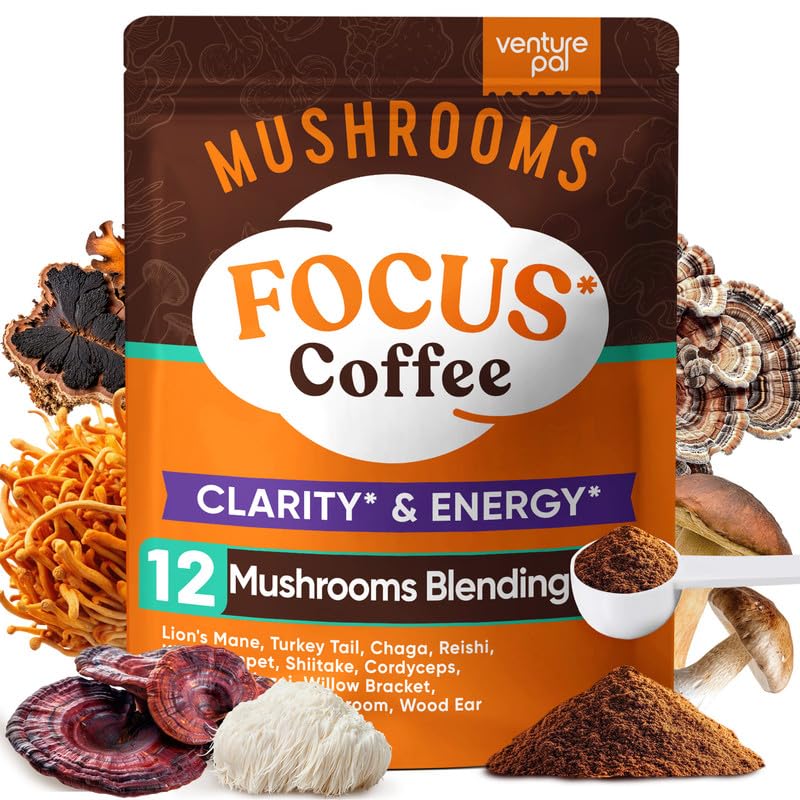
Venture Pal Mushroom Coffee
Strengths
- 12-mushroom blend
- Includes probiotics
- Ashwagandha + L-Theanine
Trade-offs
- Can taste earthy
- Texture not smooth for all
- Higher price point
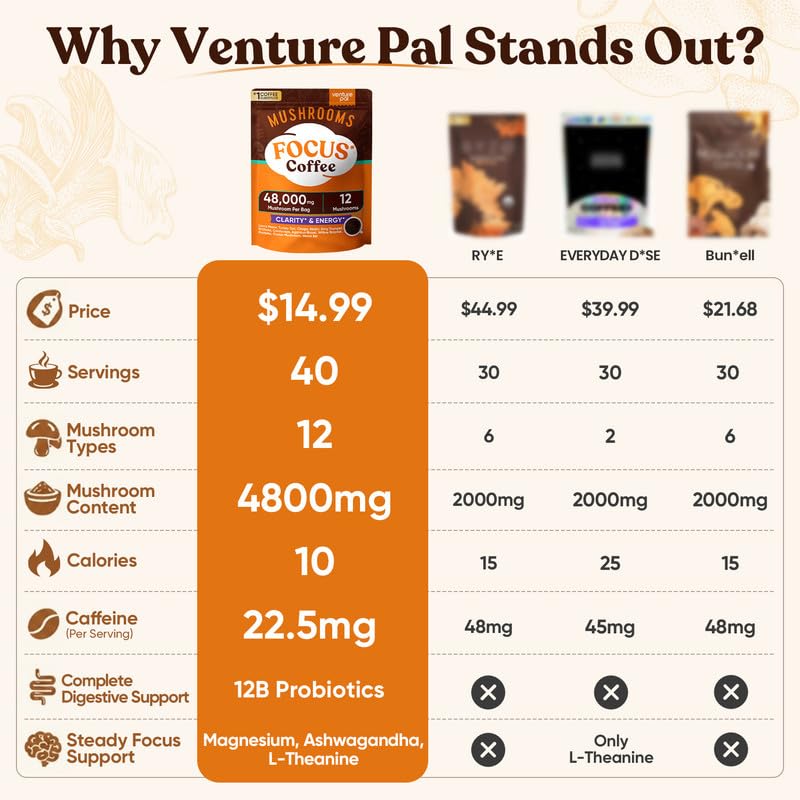
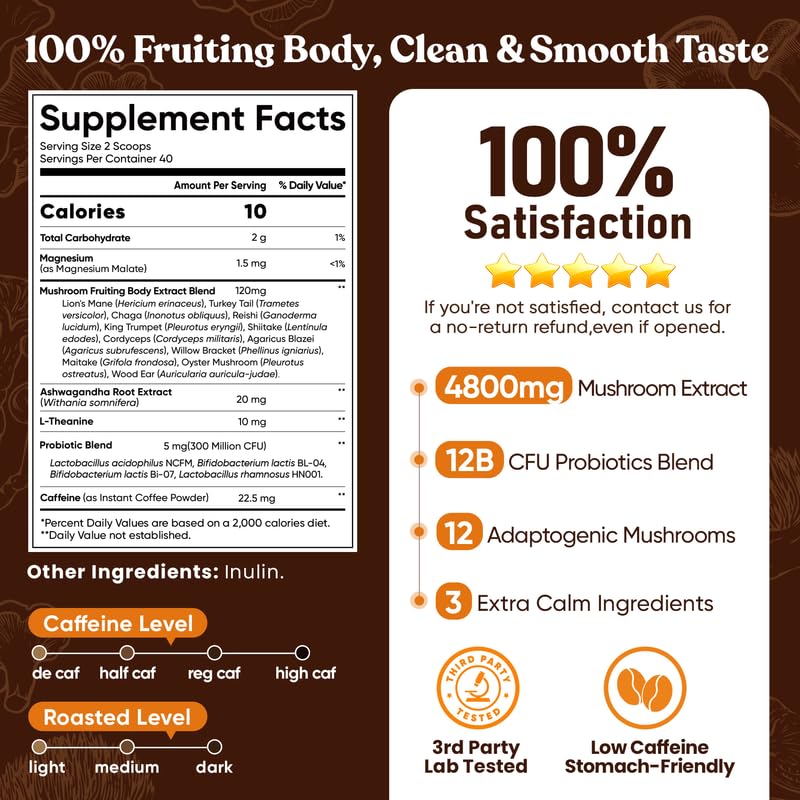
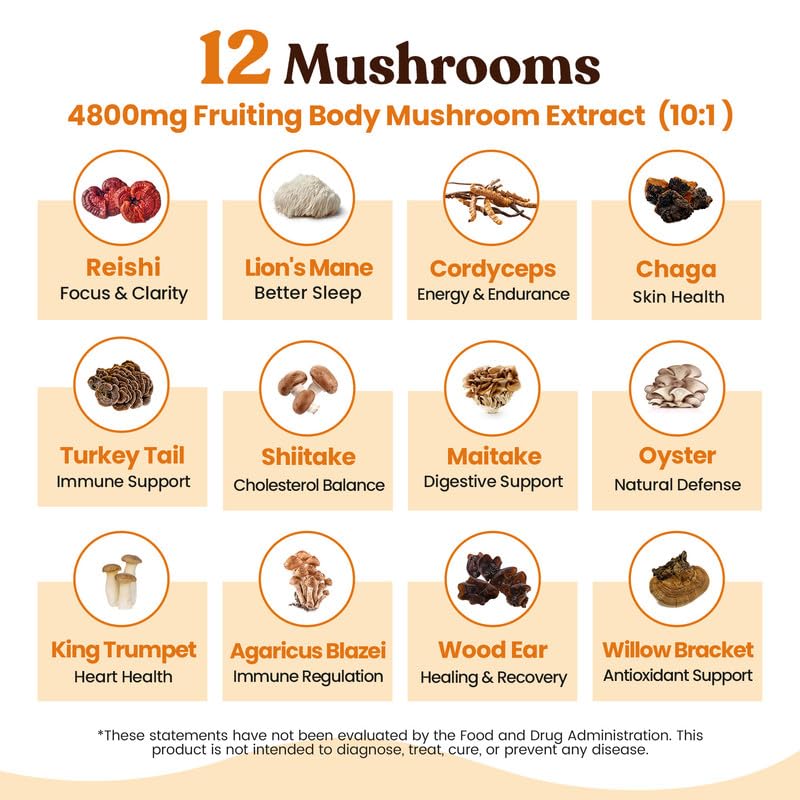
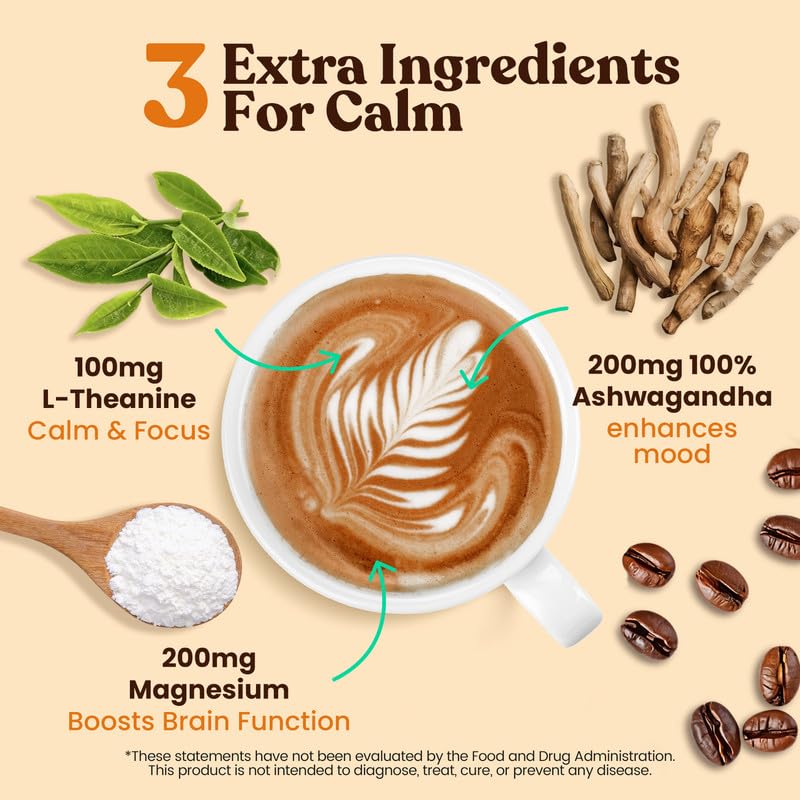
Venture Pal makes a strong case as the most complete mushroom coffee blend on the market, simply due to the sheer breadth of its formula. With 12 adaptogenic mushrooms, including Lion’s Mane, Cordyceps, and Reishi, plus probiotics and Ashwagandha, it’s engineered for people who want more than just a caffeine replacement. The medium roast Arabica base helps smooth out any medicinal edge, and owners say it delivers a clean, sustained energy without the typical afternoon crash.
Where it stands apart is in its focus on holistic support: mental clarity, immunity, and gut health are all targeted. Compared to simpler blends, this one feels like a wellness stack in coffee form. However, that complexity comes at a cost, some users report a slightly chalky mouthfeel, likely from the mushroom powders. If you’re looking for a single product that consolidates multiple supplements, this is the smarter buy.
Product photos
DelighTeas Organic Coffee Alternative

Strengths
- USDA Organic certified
- Carob adds natural sweetness
- Lab-tested for purity
Trade-offs
- Milder flavor intensity
- No prebiotic boost
- Fewer brewing methods
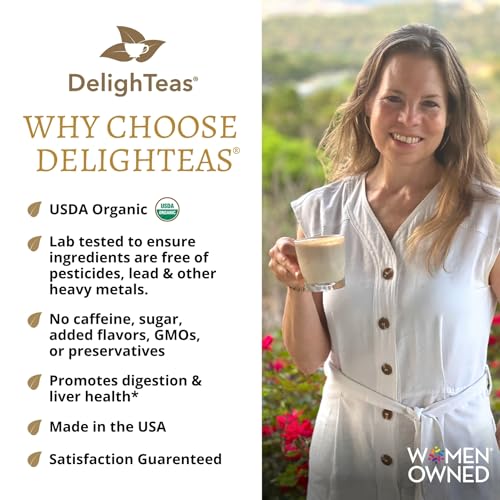
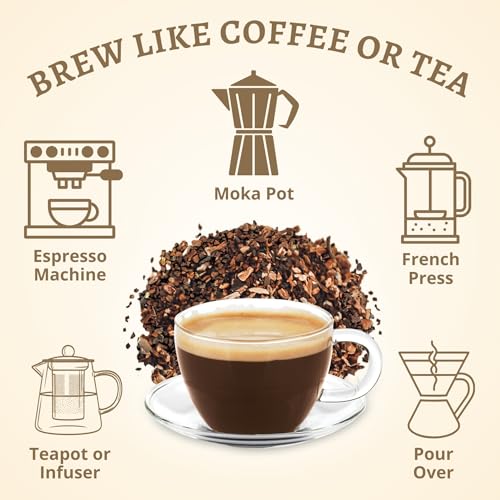
DelighTeas stands out for its 100% USDA Organic certification and clean Ayurvedic formulation. The blend of chicory, dandelion, carob, and cardamom creates a subtly sweet, earthy profile that’s both comforting and distinct. Unlike some herbal coffees that taste flat or medicinal, this one has a rounded warmth that many owners say reminds them of spiced mocha.
What impresses most is its purity: no fillers, no additives, lab-tested for heavy metals. That makes it a top pick for organic purists and those following keto or paleo diets. Compared to Teeccino, it has less inulin but more aromatic complexity. If you value sourcing and clean labels over targeted gut support, this is the better choice.
Product photos


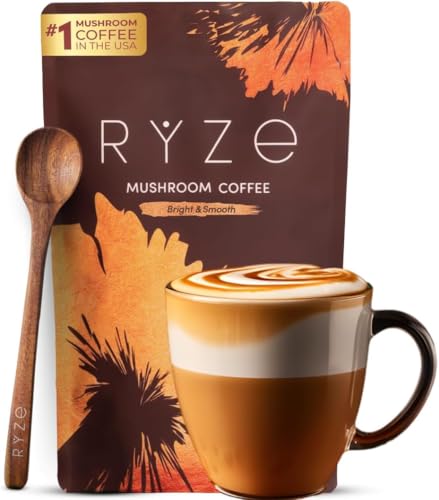
RYZE SUPERFOODS Mushroom Coffee
Strengths
- USDA Organic
- Full-spectrum mushrooms
- Grown in USA
Trade-offs
- Only 6 mushroom types
- Higher price
- Few flavor options
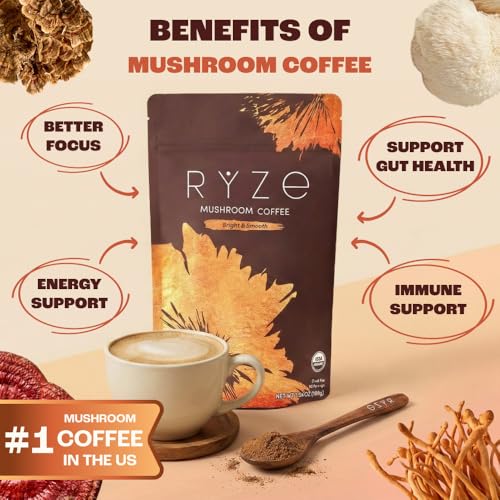
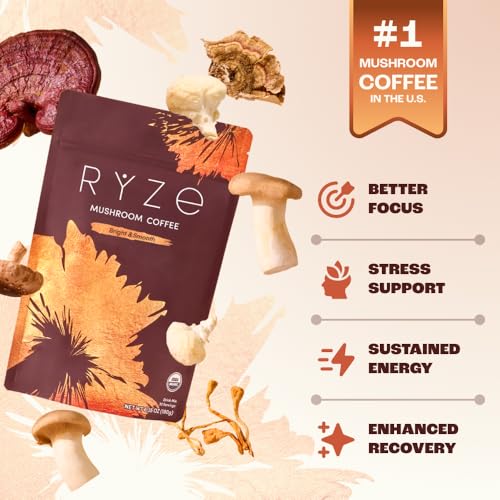
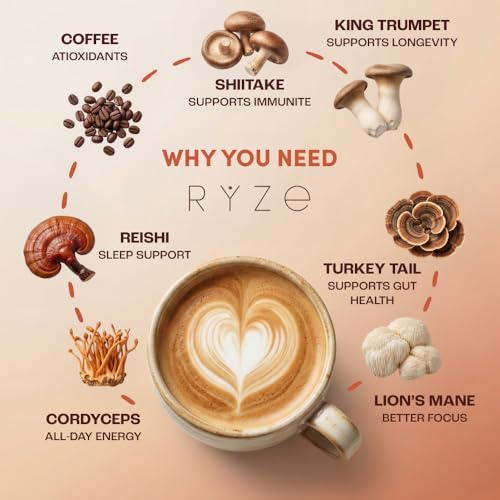
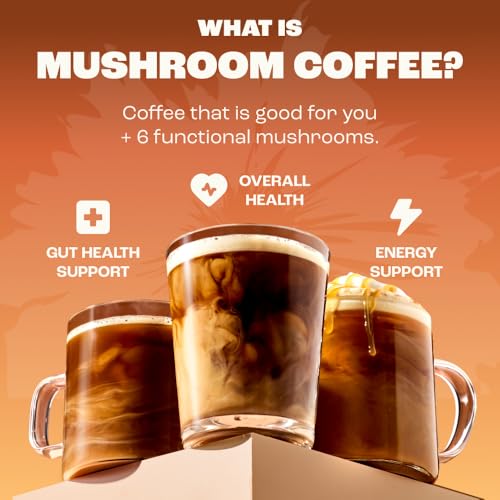
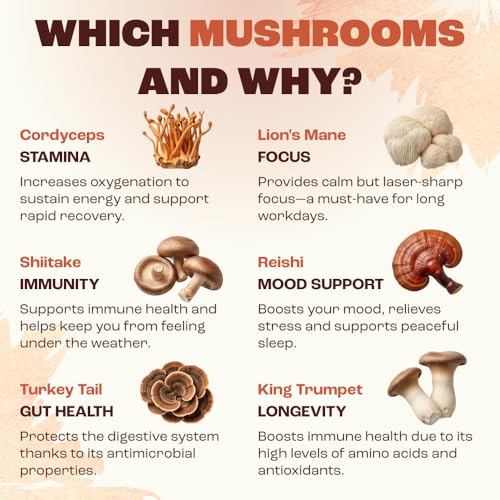
RYZE earns its title as the best USDA Organic mushroom coffee by combining certified organic ingredients with a targeted 6-mushroom blend grown in the USA. The use of whole, full-spectrum mushrooms, including Lion’s Mane and Turkey Tail, means you’re getting beta-glucans and other compounds that support immune and cognitive function. Owners note the flavor is smooth, with a clean roast profile that doesn’t overpower.
What sets it apart is transparency: no hidden fillers, all mushrooms are fruiting body, and the prebiotic blend adds subtle gut support. While it has fewer mushroom types than Venture Pal, the quality and sourcing are superior. For those who prioritize organic certification and clean labels, this is the clear winner.
Product photos
IQJOE Mushroom Coffee Variety Pack
Strengths
- High Lion’s Mane dose
- Magtein for brain support
- Flavor variety
Trade-offs
- Robusta base not for all
- Few mushroom types
- Stick pack waste
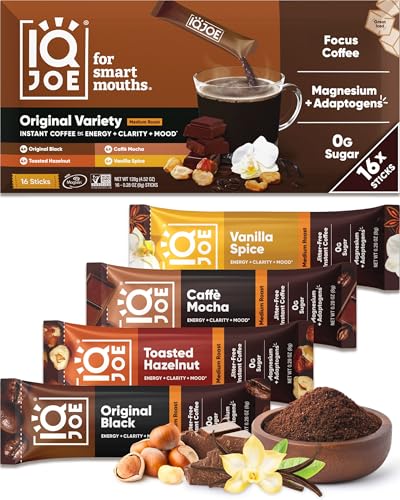
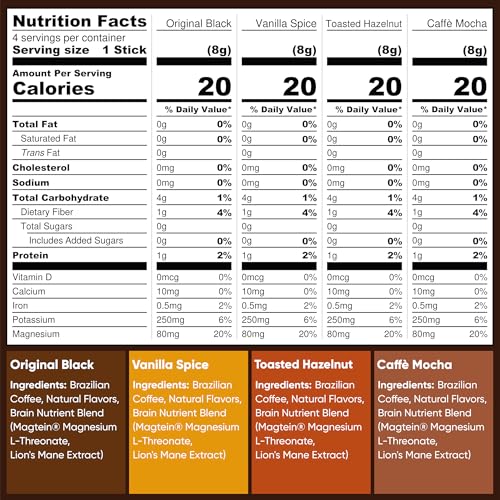
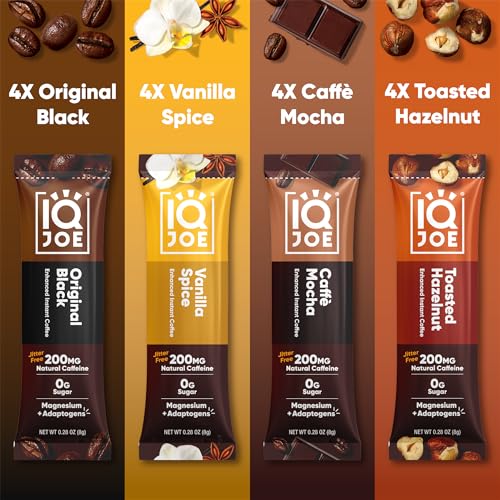
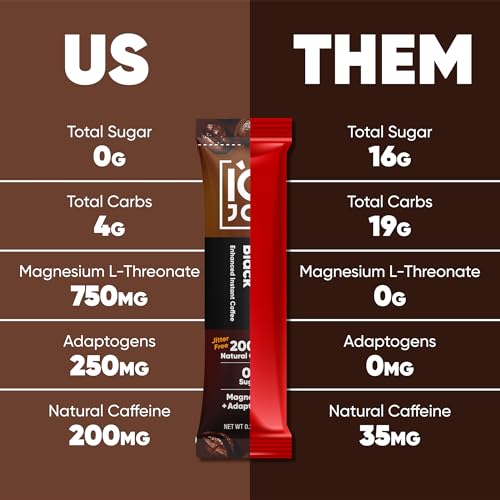
IQJOE is built for focus, no question. With 250mg of Lion’s Mane per serving and Magtein Magnesium L-Threonate, a form clinically studied for brain absorption, it’s one of the few blends that directly targets cognitive performance. The variety pack offers four flavors, which is rare in this category, and the single-serve sticks make it perfect for travel or office use.
Owners consistently report sharper concentration and better mood stability, especially during high-stress days. Compared to other mushroom coffees, IQJOE leans more into the nootropic space than general wellness. The use of low-acid Robusta beans also helps reduce stomach irritation. If mental clarity is your goal, this is the most targeted option available.
Product photos


Everyday Dose Adaptogenic Mushroom Coffee

Strengths
- 80% less caffeine
- Grass-fed collagen
- Low acidity
Trade-offs
- Fewer mushroom types
- Collagen not vegan
- Smaller serving count
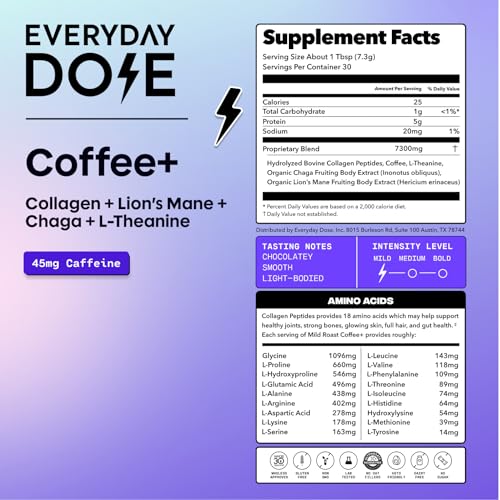
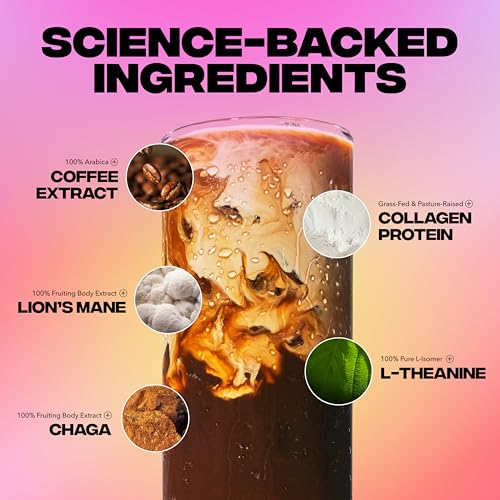
Everyday Dose hits a sweet spot for coffee drinkers who aren’t ready to quit caffeine entirely but want to reduce its downsides. With 80% less caffeine and lower acidity than regular coffee, it’s designed to deliver steady energy without jitters or digestive upset. The inclusion of fruiting-body mushroom extracts, especially Lion’s Mane and Chaga, plus grass-fed collagen and L-Theanine, gives it a strong functional edge.
Owners consistently praise its smooth finish and how it supports skin and joint health over time, likely due to the collagen. Compared to higher-caffeine mushroom blends, this one is gentler, making it better suited for afternoon use or sensitive systems. While it doesn’t have the mushroom variety of Venture Pal, its focus on bioavailability and reduced irritation makes it my pick for long-term daily use.
Product photos

Cuppa Medium Roast Mushroom Coffee
Strengths
- Affordable entry point
- Includes MCTs
- Ashwagandha + Lion’s Mane
Trade-offs
- No dosage transparency
- Basic packaging
- Fewer superfoods
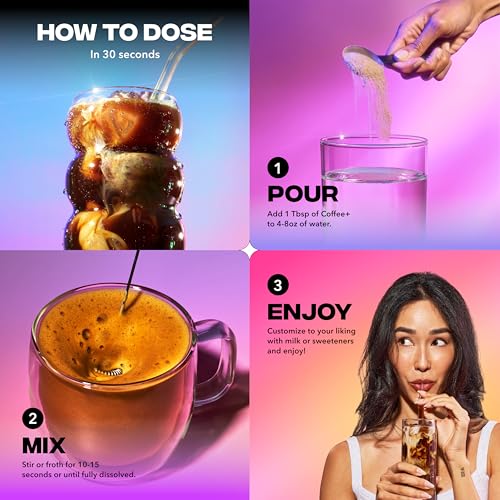
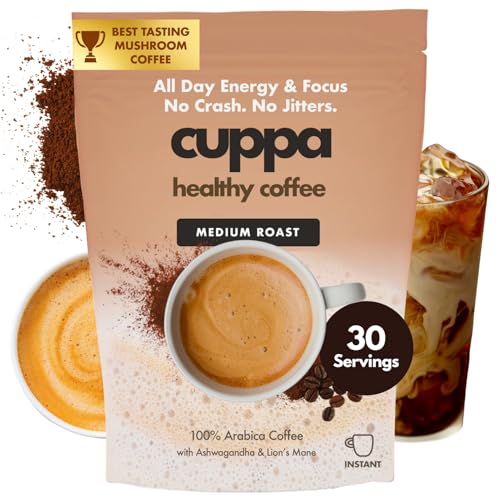
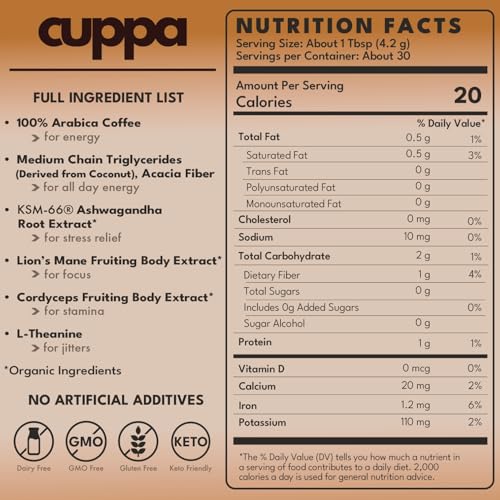
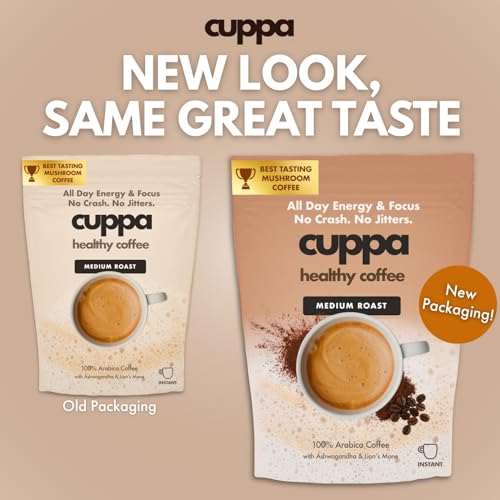
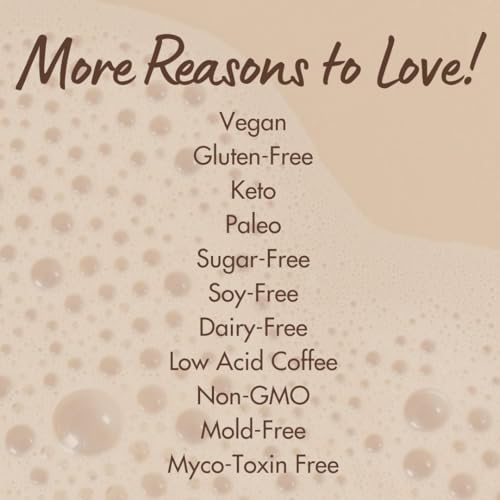
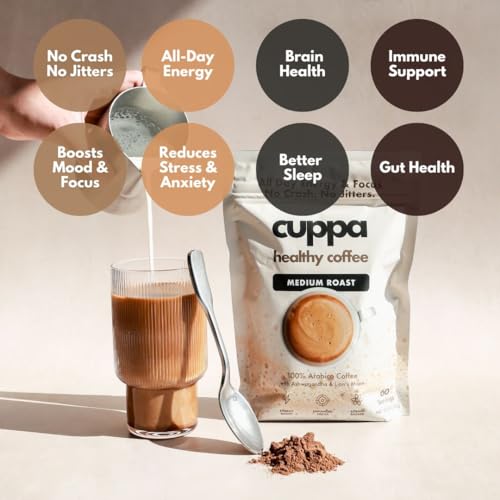
Cuppa makes a compelling budget-friendly entry into the mushroom coffee space, offering core adaptogens like Lion’s Mane, Ashwagandha, and Cordyceps at a lower cost than most competitors. It’s an instant blend, so convenience is built in, and the addition of MCTs suggests an intent to support sustained energy and fat metabolism. While it doesn’t list exact mushroom dosages, owners report feeling sharper and calmer than with regular coffee.
It won’t match the depth of RYZE or Venture Pal in ingredient quality or certification, but for someone testing the waters with adaptogens, it’s a low-risk way to start. The flavor is described as mild and slightly nutty, which works well with milk or cream. If you’re not ready to invest in premium blends but still want functional benefits, this is the smarter first move.
Product photos
Dandy Blend Herbal Beverage

Strengths
- Clean ingredient list
- Malty coffee-like taste
- No additives or sugar
Trade-offs
- Few functional benefits
- Less depth than roasted blends
- Not for low-FODMAP diets
Dandy Blend is the original caffeine-free coffee alternative, and it still holds up as a clean, no-frills option. With just five simple ingredients, dandelion, chicory, barley, rye, and beetroot, it delivers a surprisingly full-bodied, malty flavor that mimics dark roast coffee better than most. Owners love that it’s free from sugar, dairy, gluten, and artificial additives, making it a staple in sensitive diets.
What it lacks in functional extras, it makes up for in simplicity and consistency. Unlike mushroom blends that aim for cognitive enhancement, Dandy Blend is about replacement, not augmentation. It won’t boost focus or immunity, but it also won’t introduce strange textures or unfamiliar ingredients. For someone who just wants to quit caffeine without sacrificing the ritual, this is the easy pick.
Product photos



Teeccino Dandelion Dark Roast
Strengths
- Caffeine-free
- High in prebiotics
- Acid-free formula
Trade-offs
- Earthy aftertaste
- Not for sweet-tooth preferences
- Limited roast variety
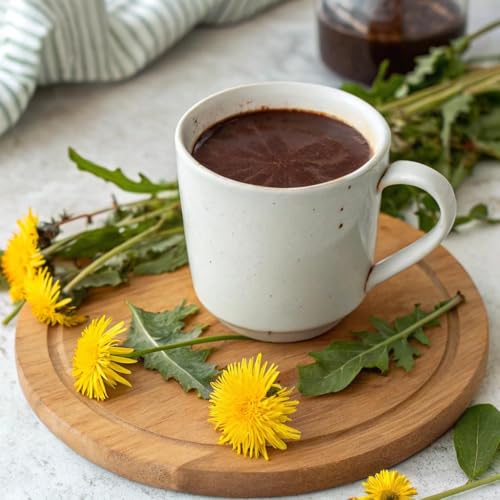
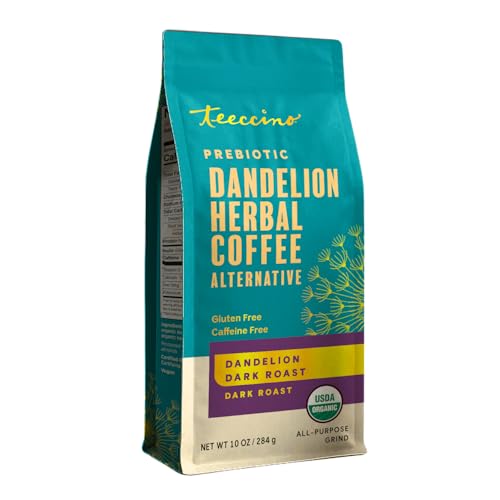
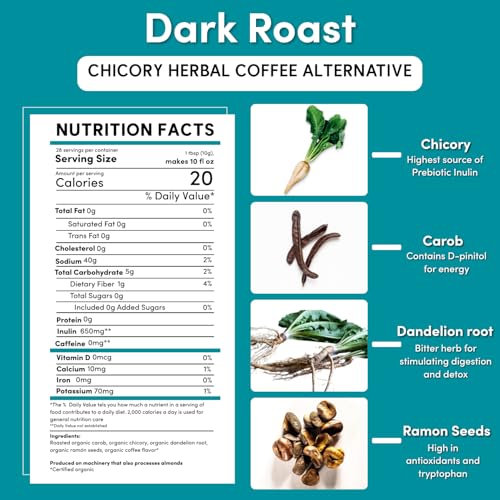
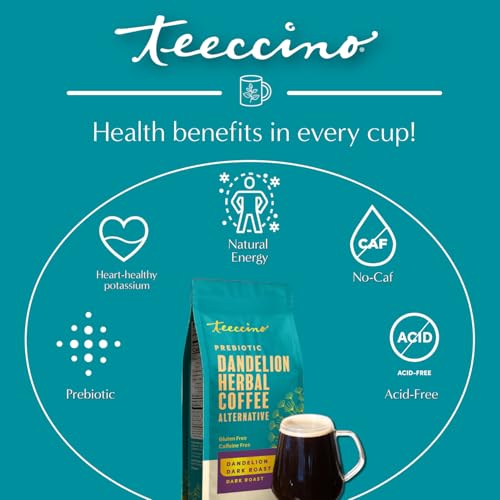
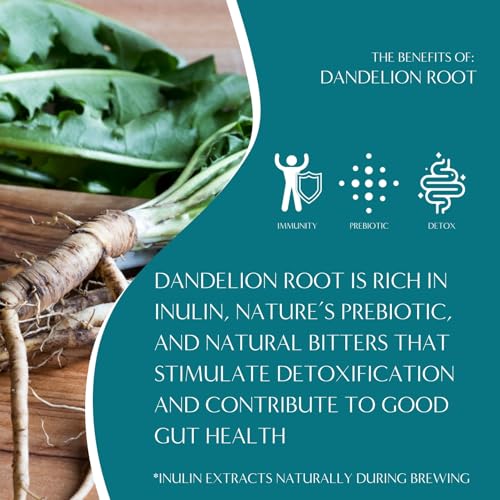
If gut health is your top priority in a coffee substitute, Teeccino stands out for solid reasons. On paper, its blend of dandelion root, chicory, and ramón seeds delivers a bold, coffee-like depth without acidity or caffeine, which owners consistently report makes it ideal for sensitive stomachs. The inclusion of over 650mg of inulin per cup is a rare advantage, this prebiotic fiber actively feeds beneficial gut bacteria, something few alternatives even attempt.
Reviewers who’ve struggled with acid reflux or digestive discomfort from coffee often call this their “lifesaver,” especially when transitioning away from caffeine. While the flavor leans earthy and slightly bitter to some, many adapt quickly, especially when adding milk or a sweetener. Compared to other herbal blends, Teeccino offers the most direct functional benefit for digestion, making it less of a mimic and more of a wellness-focused upgrade.
Product photos

How We Evaluated healthy coffee alternative
As the founder of Bean Thusiast, I’ve spent years exploring the world of coffee and, increasingly, the options people turn to when they want something like coffee but different. Rather than a hands-on lab test, this research was a comparison of published specifications and features across a range of healthy coffee alternatives, combined with a careful weighing of owner reviews and expert opinions. I ranked each option based on ingredient quality, reported benefits, and overall value, aiming to identify the best choices for different needs.
For this category, the most important factors were the quality and sourcing of the core ingredients – mushrooms, herbs, or both – and the reported effects on energy, focus, and digestion. A product’s ability to deliver a coffee-like experience, meaning taste and preparation method, also played a significant role. Many consumers are seeking a direct replacement, so mimicking the ritual of coffee brewing is key. Ultimately, the best alternatives balance health benefits with palatability.
Product specifications reliably indicate the ingredient list and caffeine content (or lack thereof). However, I largely relied on owner feedback to gauge the actual effects – things like the smoothness of energy, improvements in focus, and the absence of jitters. Reputable expert reviews helped to validate claims about ingredient benefits and to identify potential downsides. If you’re looking for even more options, you might find exploring healthy coffee substitutes helpful.
How To Pick The Right healthy coffee alternative
Finding a healthy coffee alternative doesn’t mean sacrificing flavor or your morning ritual; in fact, mushroom coffee aims to enhance it.
A truly effective mushroom coffee blend prioritizes fruiting body extracts over mycelium, balances adaptogenic mushrooms for synergistic effects, and delivers a flavor profile that complements – rather than masks – the underlying coffee. Look for third-party testing to verify purity and potency, and consider your individual tolerance to caffeine and specific mushroom varieties.
Mushroom Blend Composition
The sheer number of mushrooms listed on a package isn’t necessarily a sign of quality. I’ve seen blends boasting twelve different species, but with minimal quantities of each. Focus instead on the types of mushrooms and their forms. Lion’s Mane is consistently praised for cognitive benefits, Reishi for calming effects, and Chaga for its antioxidant properties. But the real difference lies in whether the product uses fruiting bodies (the actual mushroom) or mycelium (the root structure). Fruiting bodies contain a wider range of beneficial compounds.
Caffeine Content & Coffee Source
Many mushroom coffees still contain coffee, and the amount of caffeine varies widely. If you’re seeking a significant reduction in caffeine, pay close attention to the serving size and the type of coffee used. Robusta beans typically have almost double the caffeine content of Arabica beans. Some brands, like Everyday Dose, specifically advertise a “low caffeine” formulation. Others, like Dandy Blend, are completely caffeine-free, offering a different approach for those sensitive to stimulants. For those looking for additional options, exploring healthy coffee substitutes can be a great way to broaden your horizons.
Flavor & Added Ingredients
Let’s be honest: some mushroom coffees taste…earthy. That’s not inherently bad, but it’s something to consider. Brands like Venture Pal attempt to mask the mushroom flavor with additions like Ashwagandha and L-Theanine, which also offer additional benefits. However, I find that a blend relying on a high-quality base coffee, like IQJOE, tends to deliver a more palatable experience. Here’s what I look for when evaluating flavor profiles:
- Minimal Sweeteners: Artificial sweeteners are a red flag.
- Natural Flavorings: If a flavor is added (like vanilla or hazelnut), a natural source is preferred.
- Roast Level: A medium roast coffee often balances well with the earthy notes of the mushrooms; a dark roast can overpower them and a light roast may not provide enough body to mask the mushroom taste.
A good rule of thumb is to start with a smaller bag or a sample pack. This lets you test the flavor and effects without committing to a large purchase, especially if you’re new to mushroom coffee.
Ultimately, if you’re looking for a natural energy boost without the jitters, or want to explore the benefits of adaptogens, mushroom coffee is worth investigating. You might even find it complements your daily routine better than a simple cup of joe, or even non-coffee energy beverages.
Healthy Coffee Alternative Compared
Here’s a comparison of key specifications for popular healthy coffee alternatives.
| Product Title | Caffeine | Mushrooms | Organic | Key Benefits | Special Features |
|---|---|---|---|---|---|
| Venture Pal Mushroom Coffee | N/A | 12 | No | Focus, Immunity | Ashwagandha, Probiotics |
| DelighTeas Organic Coffee Alternative | No | N/A | Yes | Digestion, Antioxidants | Chicory, Dandelion |
| RYZE SUPERFOODS Mushroom Coffee | N/A | 6 | Yes | Energy, Focus, Immunity | Fruiting Body, Beta-Glucans |
| IQJOE Mushroom Coffee Variety Pack | N/A | Lion’s Mane | N/A | Focus, Clarity, Mood | Magtein Magnesium |
| Everyday Dose Adaptogenic Mushroom Coffee | Low | Lion’s Mane, Chaga | N/A | Focus, Immunity | Collagen, L-Theanine |
| Cuppa Medium Roast Mushroom Coffee | N/A | N/A | N/A | Jitters Reduction | Ashwagandha, L-Theanine |
| Dandy Blend Herbal Beverage | No | N/A | N/A | Mineral Rich | Caffeine-Free |
| Teeccino Dandelion Dark Roast | No | N/A | Yes | Gut Health | Prebiotics, Acid-Free |
Frequently Asked Questions
What’s the difference between fruiting body and mycelium in mushroom coffee?
Fruiting bodies are the actual mushrooms, containing a broader spectrum of beneficial compounds than mycelium, which is the root-like structure grown in grain. Products utilizing fruiting bodies generally offer a more potent and complete nutritional profile.
Can mushroom coffee really replace my regular coffee?
For many, yes, but expectations should be realistic. Mushroom coffee often provides a smoother, less jittery energy boost, and the flavor is different, though some brands, like IQJOE, closely mimic traditional coffee’s taste. Consider exploring a mushroom-based coffee substitute if a direct swap is your goal.
Is mushroom coffee safe for everyone?
Generally, yes, but individuals with mushroom allergies or autoimmune conditions should exercise caution. It’s always best to consult with a healthcare professional before adding any new supplement, including mushroom coffee, to your routine.
How much caffeine is typically in a serving of mushroom coffee?
Caffeine content varies significantly; some brands contain very little, while others blend in regular coffee. Everyday Dose, for example, is marketed as a “low caffeine” option, while Dandy Blend is entirely caffeine-free, offering a caffeine-free mushroom brew for those avoiding stimulants.
Where can I find a blend that targets both energy and stress relief?
Look for blends combining Lion’s Mane (for energy and focus) with Reishi (for calming effects). Venture Pal includes multiple mushrooms, plus Ashwagandha, aiming to deliver a balanced effect, and is a good example of an adaptogenic mushroom coffee alternative.
The Bottom Line
Choosing a healthy coffee alternative often comes down to what you’re willing to trade. If you prioritize a truly coffee-like experience with a noticeable energy boost, I recommend IQJOE Mushroom Coffee Variety Pack. It strikes a solid balance between flavor, focus-enhancing mushrooms like Lion’s Mane, and a palatable base. However, if you’re looking to completely eliminate caffeine, you’ll need to adjust your expectations and explore options designed for that purpose.
For those specifically seeking a caffeine-free option with digestive benefits, Dandy Blend Herbal Beverage consistently receives high marks. If you’re interested in a broader range of adaptogens and a focus on immunity, RYZE SUPERFOODS Mushroom Coffee is a strong contender. And remember, exploring tea health benefits compared is a fantastic way to find other options for a gentle, sustained lift.
Ultimately, the “best” healthy coffee alternative isn’t about a single ingredient or specification; it’s about finding a product that aligns with your individual needs and preferences. Prioritize ingredient quality, consider your caffeine sensitivity, and don’t be afraid to experiment with different blends to discover what truly supports your well-being and fuels your day.
