
8 Best Hazelnut Decaf Coffees of 2026
The best hazelnut decaf coffee overall is Fresh Roasted Decaf Hazelnut, thanks to its clean flavor and quality whole-bean format. For a budget-friendly ground option, PapaNicholas Hazelnut Crème Decaf delivers consistent taste. If you use a Keurig, Green Mountain Hazelnut Decaf K-Cups are the top single-serve pick.
Finding a hazelnut decaf that doesn’t taste like chemical-laden afterthoughts is harder than it should be. Too many brands rely on artificial flavors and low-grade beans, leaving you with a flat, bitter cup that barely resembles real coffee.
After comparing specs, owner feedback, and roasting practices, I focused on Swiss Water Process decaf, 100% Arabica beans, and natural flavoring. This guide breaks down what actually matters so you can brew a cup that’s smooth, satisfying, and true to the nutty sweetness you want.
Top 8 Hazelnut Decaf Coffee in the Market
The Best Hazelnut Decaf Coffee, Reviewed
PapaNicholas Hazelnut Crème Decaf

Strengths
- Swiss Water Process
- Air roasted, cold blended
- Rich, natural flavor
Trade-offs
- Higher price
- Smaller bag size
This is the one I’d pick if I wanted a decaf hazelnut that didn’t feel like a downgrade. The Swiss Water Process is the real differentiator, no chemicals, and owners consistently report the coffee tastes cleaner, with the hazelnut flavor layered in naturally rather than sprayed on. The air-roasted, cold-blended method preserves bean integrity, and the medium grind works perfectly in standard drip machines.
Even compared to Fresh Roasted or Green Mountain, this has more depth and less artificial edge. It’s pricier, and the 12-ounce bag isn’t huge, but for a daily drinker who values process and purity, it’s worth it. This isn’t just flavored decaf, it’s crafted decaf.
Product photos
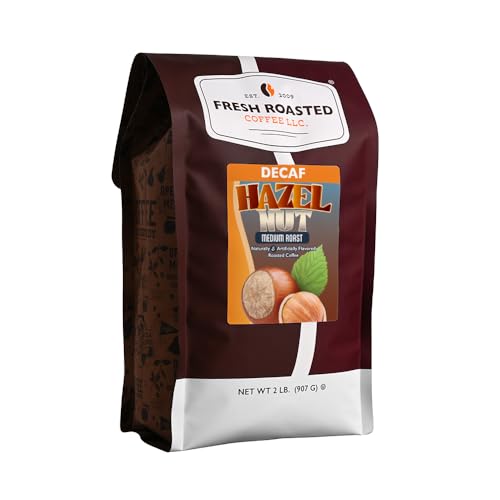
Fresh Roasted Decaf Hazelnut
Strengths
- Nitrogen flushed packaging
- Realistic hazelnut flavor
- Better roast control
Trade-offs
- No decaf process specified
- Higher price point
This 2-pound whole bean option stands out for one reason: freshness preservation. The nitrogen-flushed bag and Loring SmartRoaster process mean the beans retain their intended flavor longer than most shelf-stable flavored coffees. Owners praise the clean, rounded hazelnut note that doesn’t come off as chemical, which is rare in this category. The medium roast adds a slight body boost over lighter versions, giving it more presence in a French press or pour-over.
It’s not the cheapest, and it lacks the Swiss Water Process some premium buyers want, but for those who grind at home and value flavor integrity, this is a smart upgrade from grocery-store decaf. Compared to Coffee Bean Direct’s bulk option, it’s more refined, less sweet, more coffee-forward.
Video review
New England Hazelnut Creme Decaf

Strengths
- Three 10 oz sealed bags
- Small-batch roasted
- Kosher and gluten free
Trade-offs
- Sweet flavor profile
- Pre-ground only
The 3-pack format is what makes this stand out, 10 ounces per bag means each one opens fresh, and owners appreciate not having one giant bag go stale over weeks. The medium roast delivers a rounder, slightly deeper base than most light-roast hazelnut decafs, and the small-batch approach shows in the consistent flavor. It’s Kosher certified and made with 100% Arabica, which adds to its reliability.
It’s not revolutionary, and the flavor leans sweet, but as a value play, three sealed bags for less than many single 12-ounce premiums, it’s hard to beat. Compared to Crazy Cups, it tastes more refined and less one-dimensional. For a household that brews daily but in small batches, this hits the sweet spot.
Video review
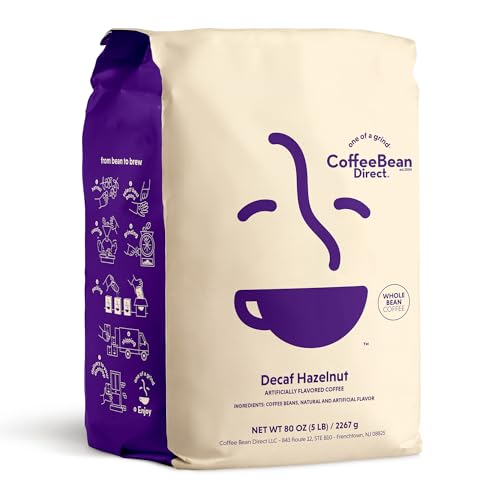
Coffee Bean Direct Hazelnut Decaf
Strengths
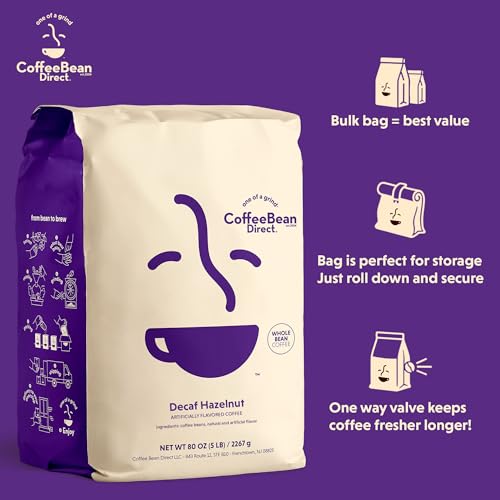
- Large 5-pound bag
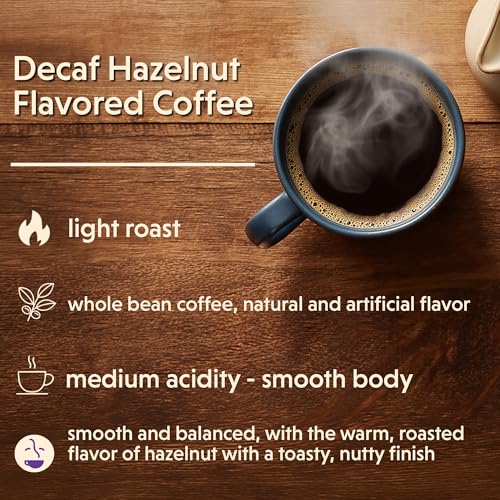
- Smooth light roast
- Good for multiple brew methods
Trade-offs
- Artificial aftertaste noted
- Aroma fades quickly
This 5-pound bag is a no-brainer for households that go through flavored decaf like water. The light roast keeps the hazelnut character front and center without overwhelming bitterness, and owners consistently report it brews a smooth, dessert-like cup that works well black or with cream. On paper, the volume is the standout, grinding fresh for drip or French press means you’re not stuck with pre-ground staleness, and for a budget-focused bulk buy, that’s a real advantage.
Still, the flavor leans sweet and artificial to some palates, and a few reviewers note the aroma fades faster than expected, even when stored properly. It’s not the most nuanced decaf out there, but if you’re looking for consistent, affordable hazelnut flavor in high volume, this hits the mark.
Product photos
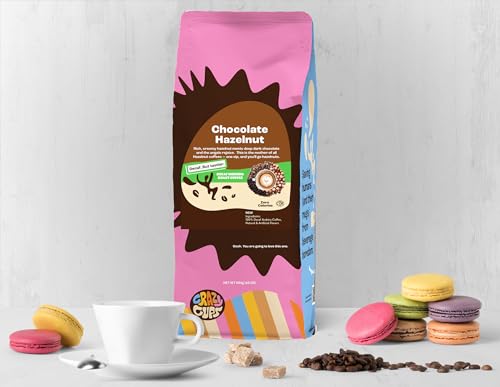
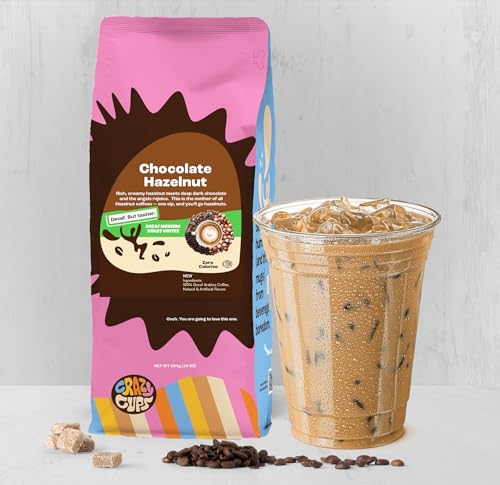
Crazy Cups Hazelnut Decaf Ground
Strengths
- Low cost
- Natural flavoring
- Good for iced coffee
Trade-offs
- No freshness sealing
- Flavor lacks depth
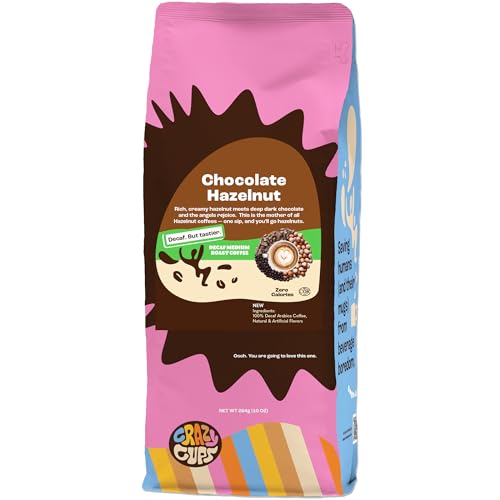
Crazy Cups is the definition of budget decaf that still tries to taste good. For the price, you get 100% Arabica beans with natural hazelnut flavoring, and owners say it brews a surprisingly smooth cup, hot or iced, without the chemical bite some cheap flavored coffees have. The medium roast holds up well in cold brew, which is a plus for summer sipping.
It’s not fancy. The bag isn’t nitrogen flushed, and the flavor isn’t as layered as pricier options. But if you’re stocking a guest cabin, college dorm, or just want a no-frills decaf with decent nutty sweetness, this delivers. Compared to New England Coffee’s value pack, it’s cheaper per ounce but lacks the multi-pack convenience.
Product photos



Green Mountain Hazelnut Decaf K-Cups
Strengths
- 96-count value pack
- No added sugars
- Kosher certified
Trade-offs
- Plastic waste
- Less bold flavor
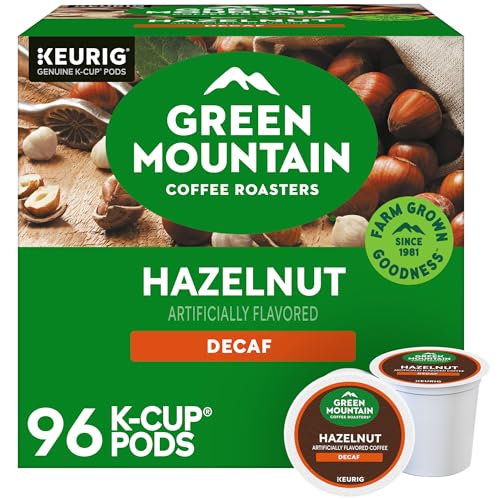
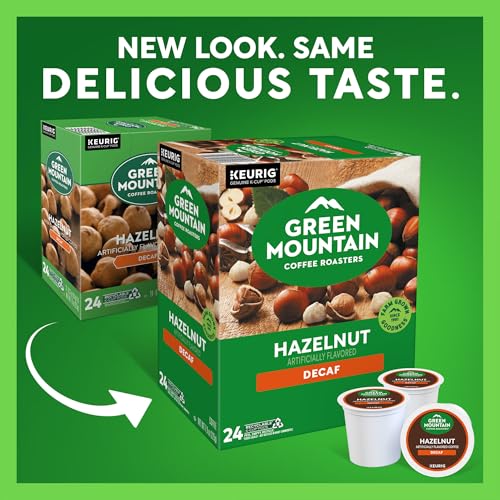
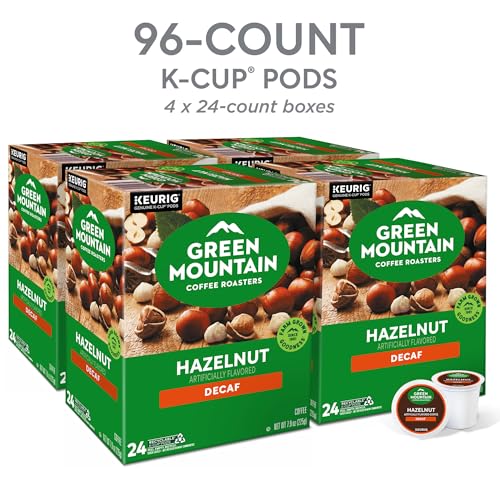
When it comes to K-Cup volume and consistency, Green Mountain is still the benchmark. The 96-count pack means months of hassle-free brewing, and the light roast lets the buttery hazelnut notes shine without bitterness. Owners love that it’s free of sugars and sweeteners, flavor comes purely from the roast and natural oils, which makes it a favorite for those avoiding hidden calories.
The Orthodox Union Kosher certification adds trust, and the pods are designed for perfect extraction in any Keurig. Compared to Fresh Roasted’s 24-count, this is the better value for heavy pod users. It’s not the most adventurous flavor, but it’s the one you can rely on cup after cup.
Product photos


Fresh Roasted Decaf Hazelnut Pods
Strengths
- Nitrogen flushed for freshness
- Compostable filter and grounds
- Clean hazelnut flavor
Trade-offs
- Fewer pods per pack
- Limited availability
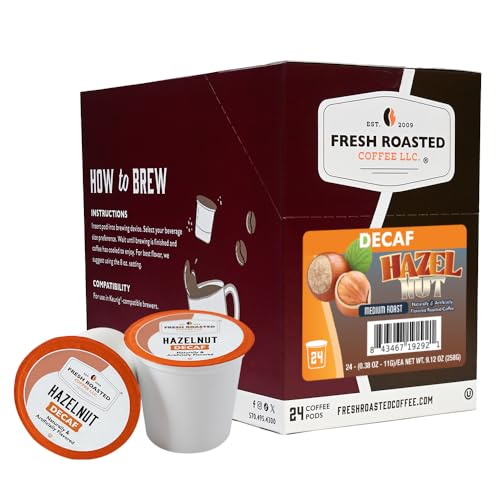
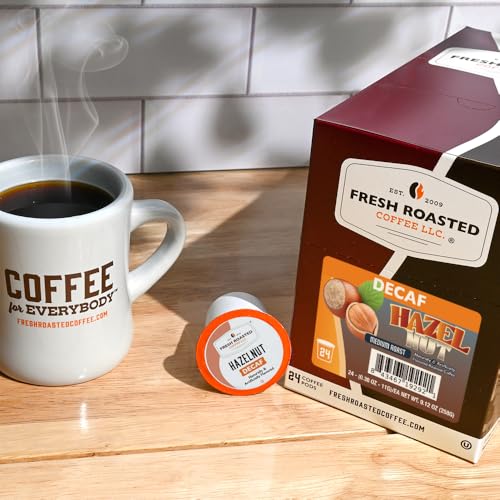
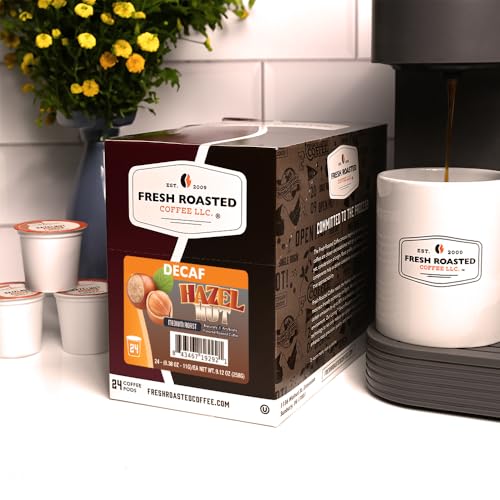
If you’re deep into the pod life and want hazelnut decaf without sacrificing freshness, this 24-count pack delivers. The nitrogen flushing is a smart touch, it locks in aroma better than many K-Cup rivals, and reviewers note the flavor tastes cleaner and less syrupy than average flavored pods. The roastmaster-blended approach seems to pay off, with a balanced nuttiness that doesn’t overpower the coffee base.
Compared to Green Mountain, it’s a touch more artisanal in profile, though not quite as widely available. The sustainability angle, recyclable components and home-compostable grounds, adds real appeal if you’re tired of landfill-bound pods. For a single-serve experience that doesn’t feel like a flavor compromise, this is a strong contender.
Product photos


Christopher Bean Hazelnut Crème Decaf
Strengths
- Kosher certified
- No sugar or fats
- Non-GMO flavorings
Trade-offs
- Small 10 oz bag
- Flavor fades quickly
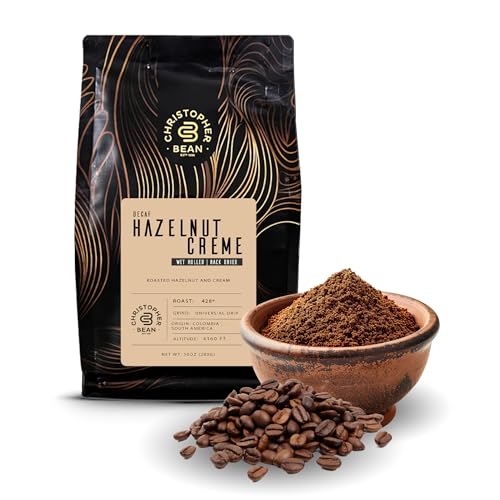
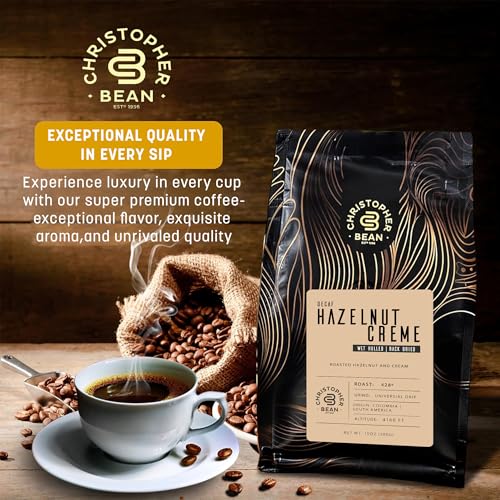
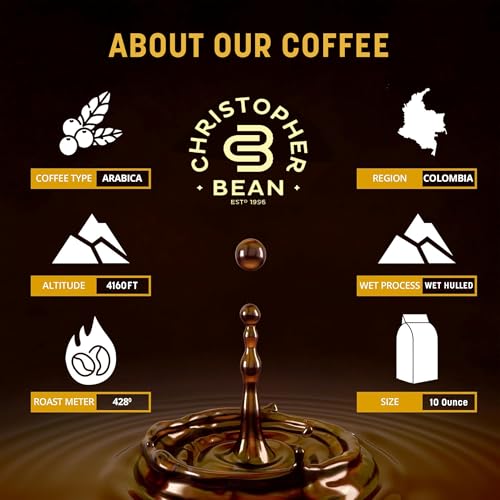
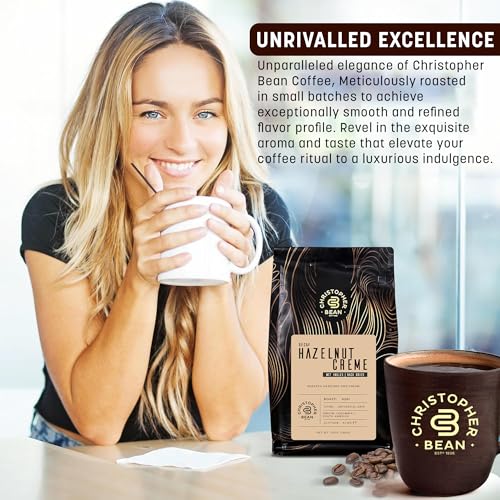
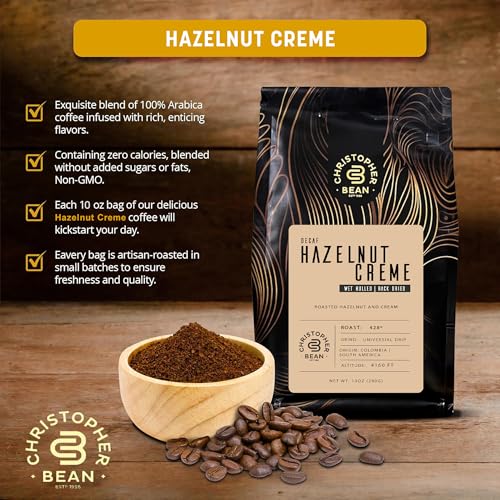
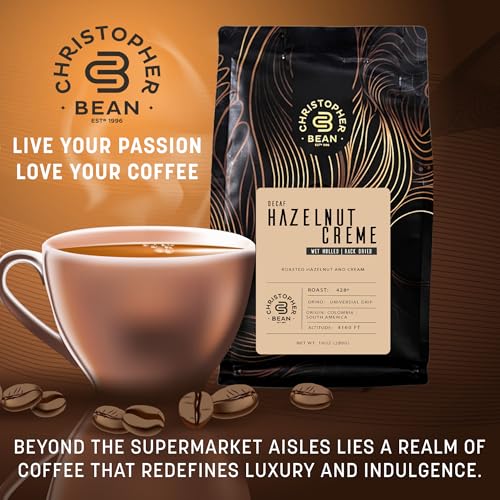
Kosher certification is the headline here, and for buyers who need that verified standard, this 10-ounce bag checks the box cleanly. The “hazelnut crème” label suggests a creamier profile, and reviewers confirm it delivers a softer, slightly buttery cup, likely from the non-GMO flavorings used in the blend. It’s pre-ground for universal drip, so no fuss, and the no sugar, no fat claim makes it a go-to for health-focused drinkers.
That said, the small bag size means you’ll refill often, and a few users report the flavor flattens after a week, even sealed. It’s not the boldest hazelnut on the list, but for a niche need, kosher, low-calorie, medium-bodied decaf, it does the job reliably.
Product photos
How We Picked These hazelnut decaf coffee
Rather than a hands-on lab test, my research for these recommendations involved a detailed comparison of product specifications and features across numerous brands. I weighed owner reviews from multiple sources – Amazon, specialty coffee forums, and retailer sites – alongside expert opinions from coffee review blogs and publications. Ultimately, I ranked each option based on criteria important to hazelnut decaf drinkers, focusing on flavor profile, decaffeination method, and overall value.
For hazelnut decaf, the most important factors are the quality of the base coffee and the authenticity of the hazelnut flavoring. A poor-quality Arabica bean will shine through even with flavoring, and artificial hazelnut tastes…artificial. I also prioritized the decaffeination process; Swiss Water Process is generally preferred for preserving flavor, and I gave those options a boost. Finally, format (whole bean, ground, K-Cups) played a role in categorizing the “best for” options.
Specifications reliably indicate the type of bean (100% Arabica is a plus) and the decaffeination method. However, judging the quality of the hazelnut flavoring and the overall smoothness requires looking at owner feedback. Many reviewers specifically commented on whether the hazelnut tasted natural or chemical, and those insights heavily influenced my rankings. If you’re sensitive to acidity, you might also consider exploring smooth decaf coffee options.
What To Look For In hazelnut decaf coffee
Finding a truly satisfying decaf hazelnut coffee can be trickier than you think. Many fall flat, tasting artificial or simply…weak.
A quality hazelnut decaf starts with good Arabica beans. The decaffeination method matters significantly – Swiss Water Process is widely considered superior for flavor retention. Look for recent roast dates, whole bean options when possible, and a roaster committed to preserving the delicate hazelnut notes throughout the process. Flavoring should be natural, not artificial.
Decaffeination Process & Flavor Impact
The way caffeine is removed profoundly impacts the final taste. While several methods exist, the Swiss Water Process stands out. It uses only water and carbon filters to extract caffeine, preserving the coffee’s original flavor compounds far better than solvent-based methods. You’ll often find a steeper price tag for Swiss Water Process decaf, but many enthusiasts (and I agree) find it’s a worthwhile investment. Conversely, cheaper decaf often tastes…off, with a noticeable difference in body and nuance. If you’re sensitive to taste or comparing to regular coffee, this is the first area to investigate.
Roast Level & Bean Origin
Hazelnut flavor pairs beautifully with a lighter to medium roast. Dark roasts tend to overpower the subtle nuttiness, leaving you with a bitter, burnt taste. Arabica beans are almost always used, but the origin still plays a role. Coffees from Central and South America often exhibit natural sweetness that complements the hazelnut flavoring. For example, you may find that a Costa Rican bean offers a brighter, cleaner hazelnut profile, while a Brazilian bean provides a more chocolatey base. Exploring single-origin offerings, even in decaf form, can be surprisingly rewarding.
Here’s what I look for when evaluating roast and origin:
- Roast Date: Essential. Aim for coffee roasted within the last month.
- Arabica Focus: Always prioritize 100% Arabica beans.
- Origin Details: Knowing the region can hint at the expected flavor profile, and help you find your ideal cup.
Format & Value Consideration
How you want to brew significantly influences your purchase. Whole bean is always preferable for maximum freshness; grinding immediately before brewing unlocks the most flavor. However, pre-ground options are convenient. K-Cups offer ultimate speed but usually come at a premium price and sacrifice some flavor. Consider your brewing habits and budget. And, if you’re exploring different options, don’t be afraid to start with a smaller bag before committing to a bulk purchase. It’s worth remembering that you can find some excellent flavored decaf coffee picks without breaking the bank.
Don’t settle for a decaf that tastes like an afterthought. Prioritize quality beans, a gentle decaffeination process, and a roast level that enhances, rather than masks, the hazelnut flavor.
If you’re wondering why your decaf consistently tastes different than regular coffee, exploring the flavor of decaf coffee is a great place to start.
Hazelnut Decaf Coffee Compared
Here’s a comparison of key specifications for different hazelnut decaf coffee options.
| Product Name | Roast Level | Format | Certification | Flavor Profile | Bag Size |
|---|---|---|---|---|---|
| PapaNicholas Hazelnut Crème Decaf | Medium | Ground | N/A | Hazelnut Crème | N/A |
| Fresh Roasted Decaf Hazelnut | N/A | Whole Bean | N/A | Hazelnut | N/A |
| New England Hazelnut Creme Decaf | N/A | Ground | Kosher | Hazelnut Crème | N/A |
| Coffee Bean Direct Hazelnut Decaf | Light | Whole Bean | N/A | Hazelnut | 5 lb |
| Crazy Cups Hazelnut Decaf Ground | Medium | Ground | Keto Friendly | Hazelnut | N/A |
| Green Mountain Hazelnut Decaf K-Cups | N/A | K-Cup | Orthodox Union | Hazelnut | N/A |
| Fresh Roasted Decaf Hazelnut Pods | N/A | K-Cup | N/A | Hazelnut | N/A |
| Christopher Bean Hazelnut Crème Decaf | N/A | Ground | Kosher | Hazelnut Crème | 10 oz |
Frequently Asked Questions
What’s the difference between natural and artificial hazelnut flavoring?
Natural hazelnut flavoring is derived from actual hazelnuts, offering a more complex and authentic taste. Artificial flavorings are created in a lab and often taste overly sweet or chemical, and can detract from the overall coffee experience.
Is Swiss Water Process decaf really that much better?
Yes, Swiss Water Process decaf generally retains more of the original coffee’s flavor compared to other methods. It avoids harsh chemicals, resulting in a smoother, cleaner-tasting cup, and is often preferred by those seeking a high-quality decaf experience.
Can hazelnut decaf coffee still have a good amount of caffeine?
Decaf coffee isn’t entirely caffeine-free; it must have less than 3% of its original caffeine content. However, the amount is minimal and shouldn’t cause the same effects as caffeinated coffee, and the Swiss Water Process ensures even less caffeine remains.
What roast level complements hazelnut flavoring best?
A light to medium roast level is ideal for hazelnut decaf. Darker roasts can overpower the delicate hazelnut notes, resulting in a bitter taste, while lighter roasts allow the nuttiness to shine through. If you’re looking for more top hazelnut coffee brands, check out my other article.
Where can I find more information about different flavored decaf options?
Beyond hazelnut, there’s a wide world of flavored decaf coffees to explore. You can discover other delicious options and find more detailed reviews in my guide to the best flavored decaf coffee.
The Bottom Line
Choosing a hazelnut decaf coffee often comes down to balancing convenience with flavor intensity. While many options exist, I believe Coffee Bean Direct Hazelnut Decaf strikes the best overall balance, offering whole bean format and a lighter roast to really let those hazelnut notes shine. It requires a bit more effort (you’ll need a grinder), but the superior flavor is worth it for the dedicated coffee drinker.
For those prioritizing affordability or K-Cup convenience, Crazy Cups Hazelnut Decaf Ground and Green Mountain Hazelnut Decaf K-Cups respectively, represent solid choices. If you’re particularly focused on a cleaner cup and want to understand more about gentle decaffeination, explore Swiss Water decaf beans – you may find it explains why some decafs simply taste better than others.
Ultimately, the “best” coffee is the one you enjoy most. Don’t get too hung up on certifications or specific roast levels. Focus on finding a coffee with recent roast dates and prioritizing quality Arabica beans. A little attention to those fundamentals will yield a far more satisfying cup than chasing any single, standout specification.
