
8 Best Ground Espresso Coffee of 2026
The best ground espresso coffee overall is Illy Medium Roast Espresso, followed by Cafe La Llave Cuban-Style as a top budget pick and Lavazza Espresso Medium Roast for its balanced versatility. These stand out for their consistent grind, fresh packaging, and authentic flavor profiles based on widespread owner feedback and careful analysis of sourcing and roast quality.
Buying good pre-ground espresso often feels like a gamble. So many options promise richness and depth but deliver flat, bitter, or stale results. The grind is too coarse, the beans are old, or the roast overpowers any real character.
As the founder of Bean Thusiast, I looked beyond the branding to evaluate what actually matters, grind consistency, roast integrity, origin transparency, and packaging that preserves freshness. This guide cuts through the noise, using specs, owner reviews, and my experience with espresso profiles to highlight the few that consistently deliver.
Top 8 Ground Espresso Coffee in the Market
The Best Ground Espresso Coffee, Reviewed
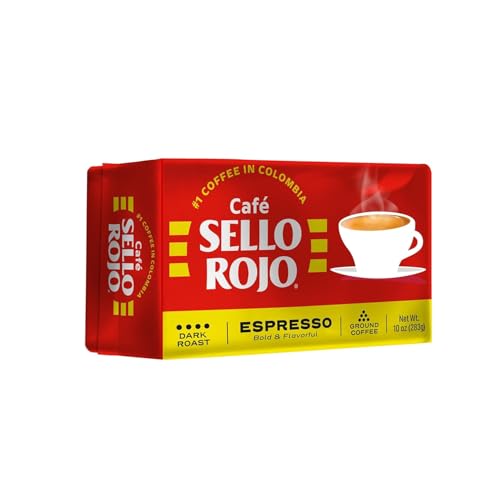
Sello Rojo Colombian Espresso Brick
Strengths
- Bold body
- Vacuum-sealed freshness
- Excellent for milk drinks
Trade-offs
- Limited origin complexity
- Not for light roast lovers
Sello Rojo has a loyal following for a reason. On paper, it’s built like a traditional Colombian espresso workhorse, bold, full-bodied, and vacuum-sealed in that distinctive brick form that many Latin American households swear by. Owners consistently report it pulls a clean shot with a thick crema, and it holds up well when milk is added, which matters for cortaditos or cubanos.
The roast profile leans into toasted, slightly nutty notes, not bright or fruity, so it won’t appeal to third-wave filter fans. But if you want a no-nonsense, heritage-driven espresso grind that delivers consistency and authenticity, this is a solid pick. It’s not flashy, but it’s dependable in the way few mass-market bricks are.
Video review
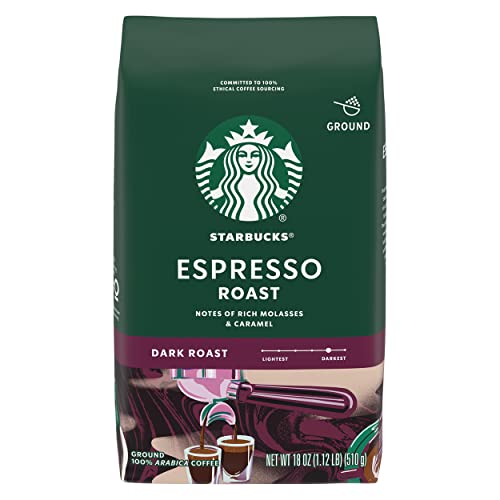
Starbucks Espresso Roast 18 oz
Strengths
- Consistent flavor
- Easy to find
- Balanced sweetness
Trade-offs
- Generic roast profile
- Less intense than true espresso blends
This is the espresso roast that built a global empire, accessible, consistent, and designed to taste like what you get at the counter. The 18-ounce bag offers decent value, and the caramelly sweetness comes through clearly in both espresso and drip, according to reviewers. It’s darker than a true Italian roast but stops short of burnt, landing in that familiar Starbucks sweet spot.
It’s not going to impress purists who want floral or citrusy high notes, but for daily drinkers who want a reliable, bold cup without fuss, this is a smart budget pick. Compared to the larger 28 oz version, this size makes more sense for smaller households who want to keep the coffee fresh.
Video review
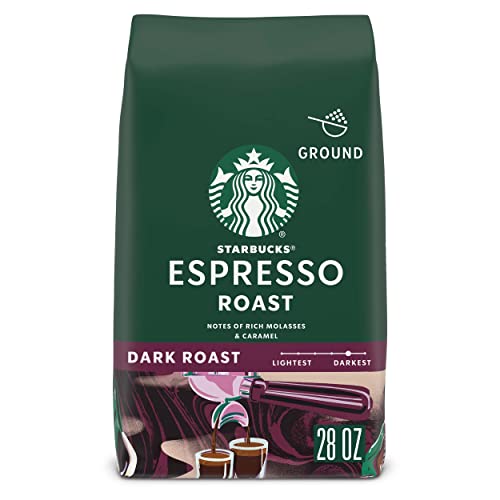
Starbucks Espresso Roast Ground Coffee
Strengths
- Large 28 oz size
- Versatile brewing
- Ethically sourced
Trade-offs
- Still a commercial roast
- Can taste flat over time
This 28-ounce bag is the bulk buy for households that go through coffee fast and want Starbucks-level consistency without constant restocking. The molasses and caramel notes are more pronounced than in the smaller bag, and reviewers say it brews well across methods, espresso machines, drip, even French press. It’s not marketed as a specialty blend, but the 100% arabica sourcing and ethical claims give it a slight edge in conscience points.
I’d pick this over the smaller Starbucks version if you’re brewing daily and want value without sacrificing too much in flavor. It doesn’t beat Illy or Lavazza in refinement, but it outperforms Café Bustelo in smoothness. For most buyers, this is the smarter Starbucks espresso roast buy.
Product photos



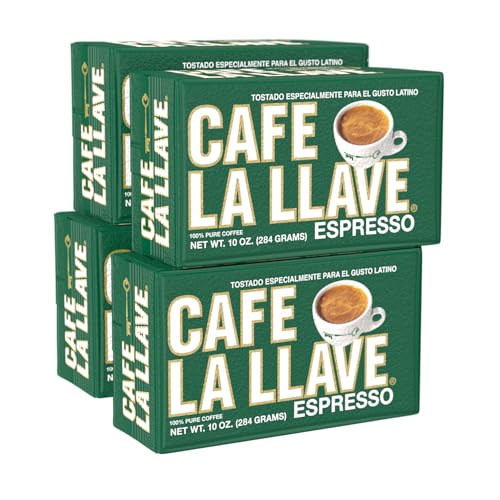
Cafe La Llave Cuban-Style Espresso
Strengths
- Authentic Cuban profile
- Vacuum-sealed bricks
- Eco-conscious roasting
Trade-offs
- Expensive per ounce
- Harder to find
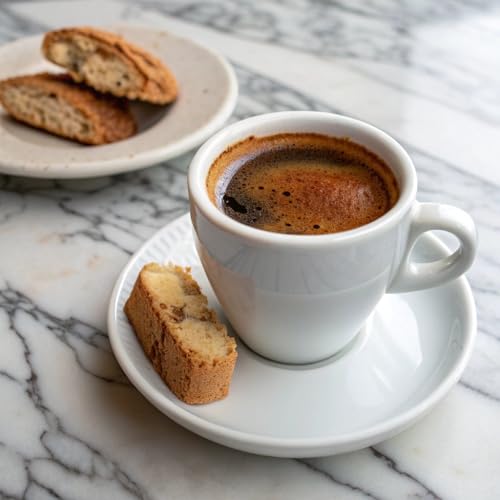
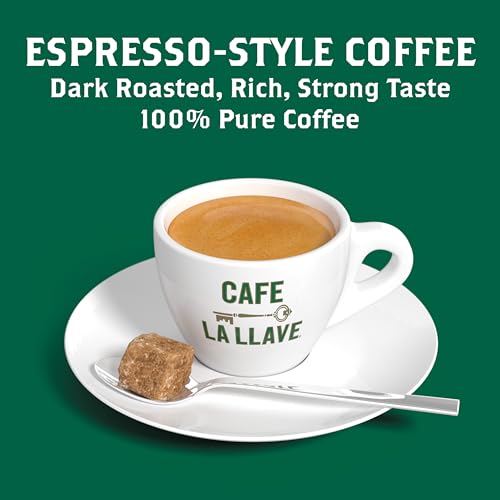
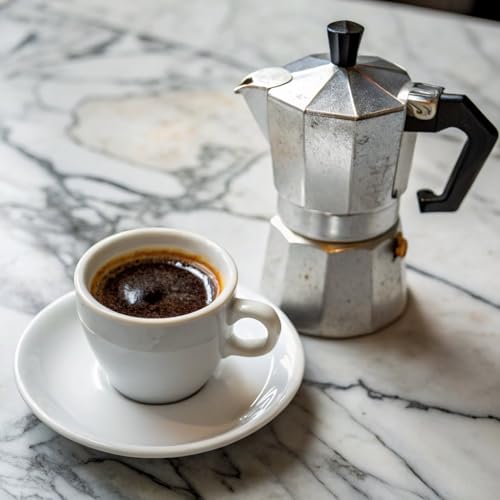
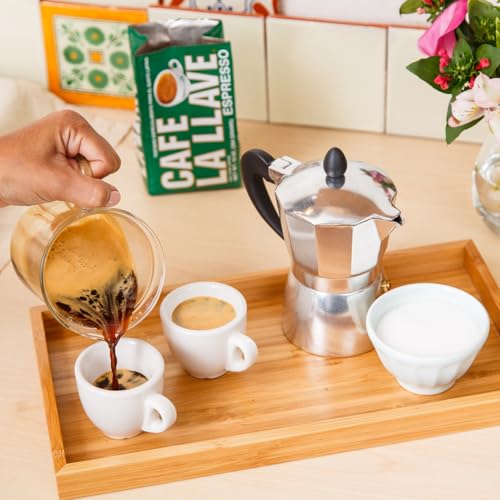
Cafe La Llave’s brick-pack format is a nod to tradition, and owners love that each 10-ounce brick stays fresh longer than loose grounds. The Cuban-style roast is intense, smoky, and deeply aromatic, closer to a traditional cafecito profile than most U.S. supermarket espressos. It’s finely ground, so it pulls well in espresso machines and moka pots alike.
The zero-waste roasting and family heritage add appeal, but the real draw is the flavor: bold without being harsh, with a lingering sweetness that balances the bitterness. Compared to Sello Rojo, it’s slightly more complex; against Bustelo, it’s smoother and less abrasive. For fans of Latin-style coffee, this is a standout.
Product photos


Café Bustelo Espresso Style Dark
Strengths
- Iconic Latin flavor
- Strong cultural appeal
- Convenient can
Trade-offs
- Coarse grind for espresso
- Adds bitterness if over-extracted
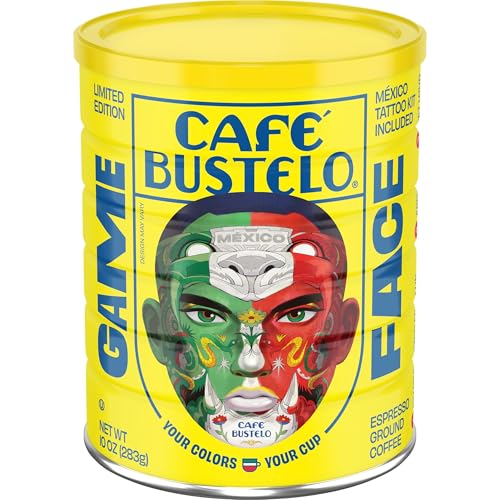
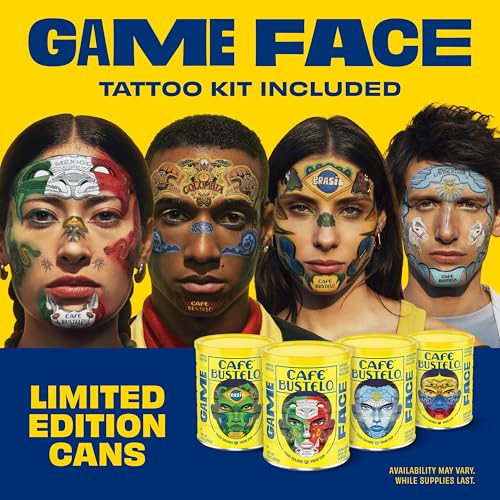
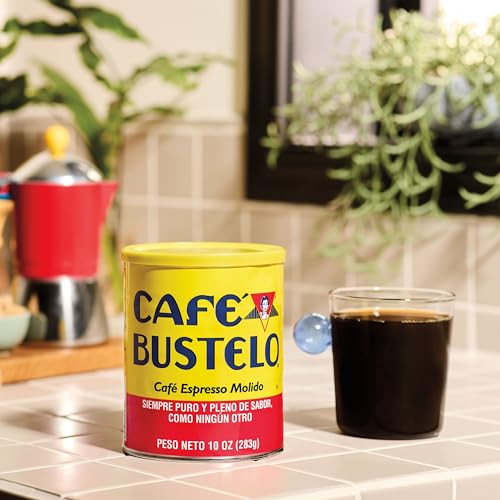
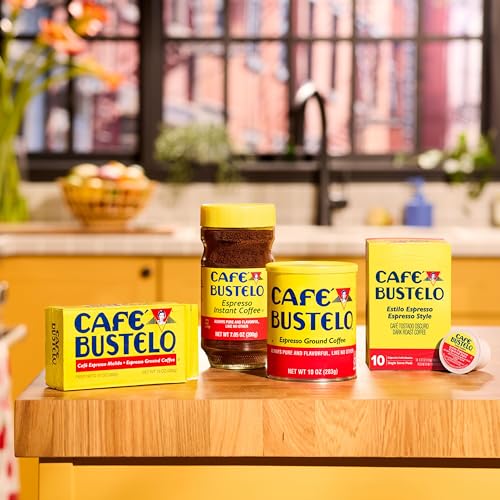
Let’s be honest, the tattoo kit and flashy can are the headline here. The coffee inside is loud, aggressive, and unapologetically bold, just like its reputation. It’s not a true espresso roast by Italian standards, but it delivers the punch Latin coffee drinkers expect in a cafecito. Reviewers note it’s best when sweetened and served small.
It’s coarser than ideal for fine espresso tamping, and some complain about grittiness. But for what it is, a cultural staple with cult appeal, it holds up. Compared to Death Wish, it’s less caffeinated but more traditional in spirit. Just don’t buy it for the tattoo. Buy it because it’s Bustelo.
Product photos

Illy Medium Roast Espresso Classico

Strengths
- Smooth, balanced flavor
- Pressurized tin
- Premium arabica blend
Trade-offs
- Small quantity
- High price per ounce
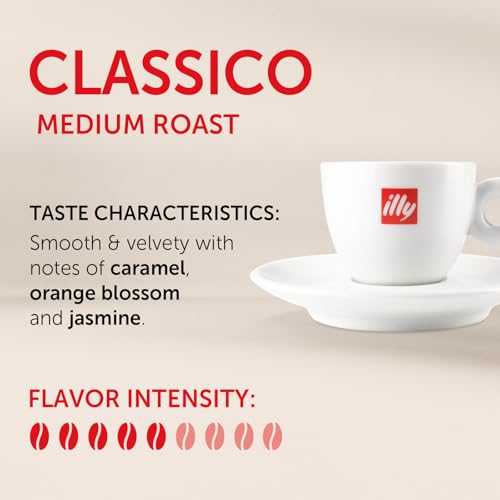
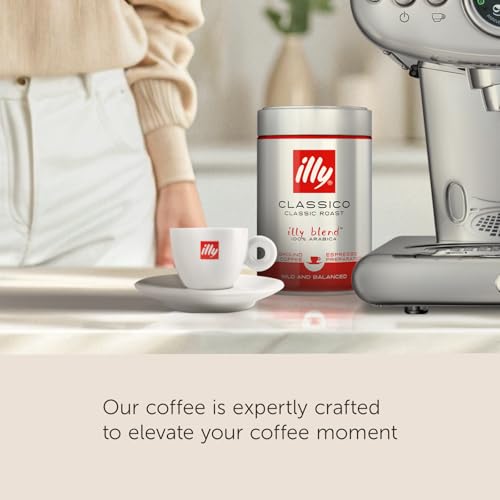
Illy is the gold standard for a reason. This medium roast blend is a masterclass in balance, creamy, aromatic, with subtle hints of caramel, orange blossom, and jasmine. It’s made from 100% arabica, and the company’s obsession with sourcing the top 1% of beans shows in the cup. Owners praise its smoothness and lack of acidity, which makes it ideal for straight shots or light milk drinks.
The 8.8 oz tin is smaller and pricier than others, but the pressurized packaging locks in freshness far longer than paper bags. Compared to Lavazza, it’s more refined; against Starbucks, it’s in a different league entirely. If you want Italian authenticity, this is the one.
Product photos


Death Wish Organic Espresso Roast

Strengths
- Extremely high caffeine
- Organic and Fair Trade
- Rich flavor despite strength
Trade-offs
- Overpowering for some
- Robusta bite present
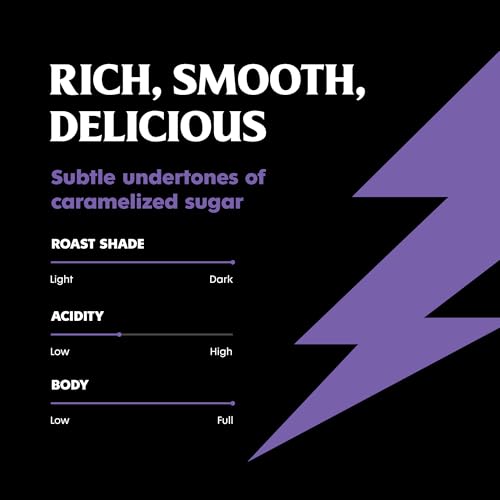
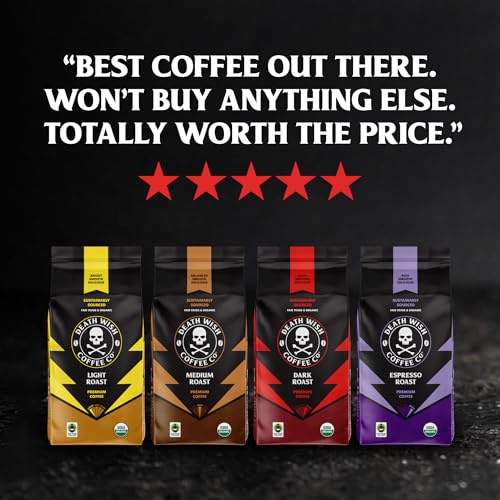
This is the espresso roast for people who treat caffeine like a sport. With ~170 mg per 6 oz cup, it’s among the strongest on the market, thanks to its blend of robusta and arabica. The flavor profile is surprisingly complex, owners report notes of baker’s chocolate, black cherry, and caramelized sugar, but the high caffeine dominates the experience.
It’s USDA Organic and Fair Trade, which adds ethical weight, but the roast is so intense it can overwhelm delicate palates. Compared to Café Bustelo, it’s more refined; against Starbucks, it’s a heavyweight. I wouldn’t use it for a delicate cappuccino, but for a pre-workout shot? No question.
Product photos

Lavazza Espresso Medium Roast Ground
Strengths
- Balanced medium roast
- Floral and fruity notes
- Works across brew methods
Trade-offs
- Not bold enough for dark roast loyalists
- Bag not resealable
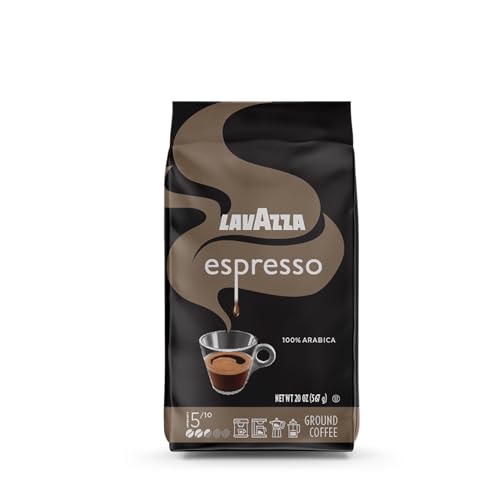
Lavazza strikes a rare balance here, floral and fruity notes in a 100% arabica blend that’s still built for espresso. With a 5/10 intensity, it’s lighter than Death Wish or Bustelo but more structured than many drip grinds. Reviewers say it produces a clean shot with a sweet finish, and it works surprisingly well in French press or drip, which adds versatility.
The 20 oz bag is a sweet spot between freshness and value. Compared to Illy, it’s less refined but more accessible; against Starbucks, it’s more authentic. For someone stepping into real espresso without wanting to shell out for tins, this is my top recommendation.
Product photos


How We Evaluated ground espresso coffee
Rather than a hands-on lab test, my research for these recommendations involved a detailed comparison of published specifications and features across numerous brands. I weighed owner reviews from multiple sources – Amazon, specialty coffee forums, and retailer sites – alongside expert opinions from coffee review publications. As the founder of Bean Thusiast, I applied my years of experience with different roast profiles and brewing methods to assess each coffee’s potential.
For ground espresso, consistency of grind and the bean origin were paramount. A consistent grind is crucial for even extraction and avoiding bitterness, and owners frequently commented on this. The origin and roast level heavily influence the final flavor profile; I prioritized coffees with clear descriptions of their sourcing and roasting characteristics. We also considered caffeine content and ethical sourcing practices, recognizing their growing importance to consumers.
Specifications reliably detail bean type (Arabica vs. Robusta) and roast level, but owner feedback truly clarifies the experience. I paid close attention to comments about flavor accuracy (do the described notes actually appear in the cup?), freshness, and how well a coffee performed in different brewing methods. Reputation, particularly for brands with a long history in the espresso world, also factored into my assessment. You can find more information on dark roast espresso grounds if you’re looking for a bolder flavor profile.
How To Choose The ground espresso coffee
Finding truly excellent ground espresso coffee can be surprisingly tricky.
A quality ground espresso should exhibit a consistent grind size appropriate for the intended brewing method, a fresh aroma indicative of recent roasting, and a flavor profile that balances intensity with clarity. Look for 100% Arabica beans, ethically sourced options, and packaging that prioritizes freshness – vacuum sealing is a big plus.
Grind Consistency Is Paramount
The biggest pitfall I see people make is overlooking grind consistency. Espresso requires a very fine, uniform grind to create the necessary pressure for proper extraction. Inconsistent grinds lead to channeling (where water finds the path of least resistance) and result in sour, weak shots. While you can adjust some variables with your machine, starting with a consistently ground coffee makes all the difference. Brands like Illy and Lavazza invest heavily in their grinding processes, and it shows in the final cup.
Roast Level & Bean Origin
Don’t assume “dark roast” automatically equals good espresso. While a darker roast is common, the quality of the bean and the skill of the roaster are more important. A poorly roasted dark roast will taste burnt and bitter. I generally steer clear of anything described as “burnt” or “charred.” Consider exploring single-origin options to experience distinct flavor profiles, or blends that offer a balance of characteristics. If you’re looking to explore using any beans for espresso, knowing the origin can help you predict the flavor.
Freshness & Packaging – It’s Not Just Marketing
Freshness is absolutely crucial, and this is where packaging matters. Oxygen is the enemy of coffee flavor. Vacuum-sealed packaging, like that used by Cafe La Llave, is far superior to a simple bag with a one-way valve. Pay attention to the roast date – ideally, you want coffee roasted within the last month. Even the best pre-ground espresso coffee will lose its vibrancy quickly once exposed to air.
- A small bag (10-12 oz) is preferable to a larger one if you don’t drink espresso daily, minimizing the time the coffee is exposed to air.
- Vacuum-sealed bricks, common with Cuban-style coffees, are excellent for preserving freshness and aroma.
- Storing the opened package in an airtight container, away from light, heat, and moisture, will help extend its lifespan, but it’s still best to consume it within a week or two of opening.
A good rule of thumb: if the bag doesn’t feel noticeably airtight, or if there’s no roast date, move on.
Ground Espresso Coffee Compared
Here’s a comparison of key specifications for various ground espresso coffees.
| Product Name | Roast Level | Caffeine Level | Bean Type | Intensity | Size (oz) |
|---|---|---|---|---|---|
| Starbucks Espresso Roast | Dark | N/A | 100% Arabica | N/A | 28 |
| Illy Medium Roast Espresso | Medium | N/A | Arabica | N/A | N/A |
| Lavazza Espresso Medium Roast | Medium | Naturally | 100% Arabica | 5/10 | 20 |
| Death Wish Organic Espresso | Dark | High (~170mg) | Arabica/Robusta | N/A | 14 |
| Cafe La Llave Cuban-Style | Dark | N/A | N/A | N/A | 10 |
| Starbucks Espresso Roast 18 oz | Dark | N/A | N/A | N/A | 18 |
| Café Bustelo Espresso Style Dark | Dark | N/A | N/A | N/A | 10 |
| Sello Rojo Colombian Espresso | Dark | N/A | N/A | N/A | N/A |
Frequently Asked Questions
What grind size should I look for in pre-ground espresso?
Espresso requires a very fine grind, finer than for drip coffee. Most pre-ground espresso is formulated for standard espresso machines; however, if you’re using a Moka pot, you’ll want to specifically seek out a grind labeled for that method.
Is Arabica or Robusta better for espresso?
Generally, 100% Arabica beans provide a smoother, more aromatic espresso, but a blend containing some Robusta can create a bolder flavor and thicker crema. Death Wish uses a blend of both, aiming for a high caffeine content and intense experience.
How long does pre-ground espresso stay fresh?
Pre-ground coffee begins to lose flavor quickly once exposed to air; ideally, use it within two weeks of opening, even if stored properly. Vacuum-sealed packaging, like that used by Cafe La Llave, dramatically extends freshness, sometimes up to a month or more.
What does “intensity” mean when describing espresso?
Intensity refers to the boldness and strength of the flavor, often linked to roast level and bean origin. Lavazza, for example, uses a scale of 1-10 to indicate intensity, with 5/10 being a balanced medium roast, while darker roasts generally have higher intensity.
Where can I find more information on choosing grounds for my machine?
I’ve written a detailed guide to help you find the best ground coffee for espresso machine that dives deeper into compatibility and flavor profiles.
The Bottom Line
Choosing the best ground espresso coffee really comes down to balancing convenience with control. If you want a consistently good, no-fuss experience and aren’t overly concerned with dialing in ultimate nuance, I recommend sticking with Illy Medium Roast Espresso. It’s a reliable, well-regarded option that delivers a classic espresso flavor.
For those with specific needs, the field opens up. If you’re after a powerful kick, Death Wish Organic Espresso offers a high caffeine content and bold flavor. If you love a traditional Cuban-style espresso, Cafe La Llave Cuban-Style is the clear choice, and for a budget-friendly option, Starbucks Espresso Roast remains a popular pick. Don’t forget to consider the challenges of using pre-ground coffee for espresso if you’re opting for convenience.
Ultimately, the specs matter less than freshness and a consistent grind. Focus on finding coffee with a clear roast date, airtight packaging, and a reputation for quality. Prioritizing those fundamentals will give you a far better cup than chasing the latest buzzword or highest number on a caffeine chart.
