
8 Best Ground Coffee Storage Containers of 2026
The Airscape Stainless Steel Canister is the best overall ground coffee storage container, thanks to its effective one-way valve and durable build. For budget-conscious buyers, the Kirecoo 22OZ Stainless Steel Canister delivers strong performance with useful extras like a scoop and date tracker. If you need larger capacity, the Veken 39OZ is a solid pick that keeps coffee fresh without breaking the bank.
Most coffee lovers don’t realize how quickly their morning grind turns stale. Exposure to air and light ruins flavor in days, not weeks. I’ve seen too many people invest in high-quality beans only to store them poorly.
This guide cuts through the noise. I compared specs and real owner feedback to find containers that truly protect freshness. You’ll learn what actually matters, like one-way valves, material quality, and smart features, so you can pick the right one for your routine.
Top 8 Ground Coffee Storage Container in the Market
The Best Ground Coffee Storage Container, Reviewed
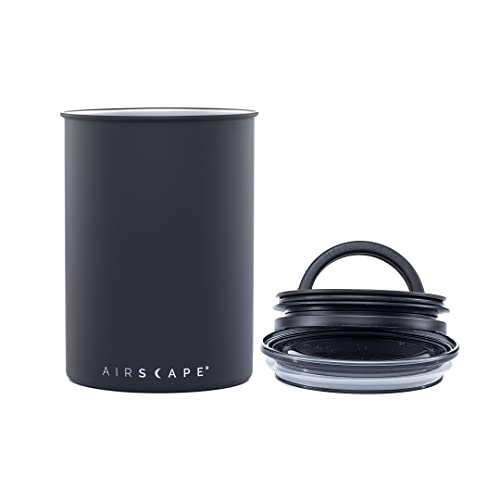
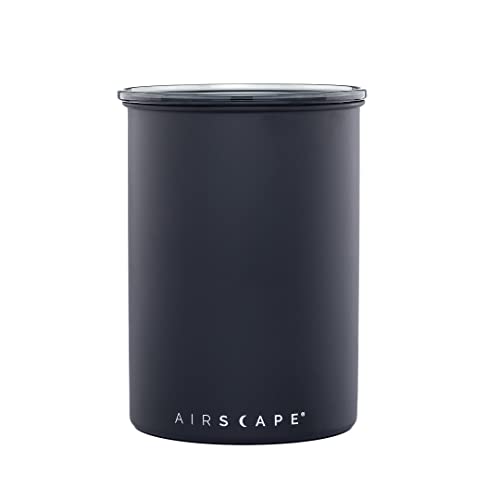
Airscape Stainless Steel Coffee Canister
Strengths
- Oxygen-removing plunger
- Blocks UV light
- Restaurant-grade steel
Trade-offs
- Hand wash only
- Higher price point
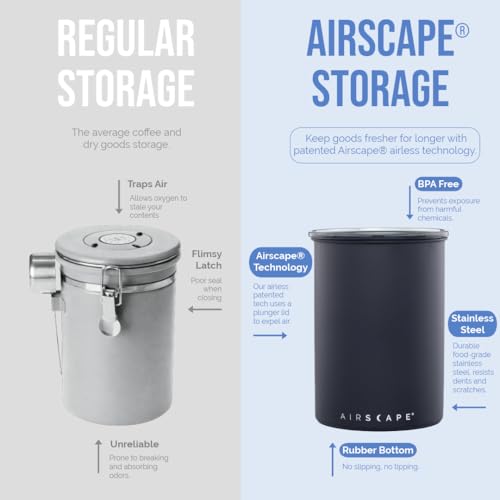
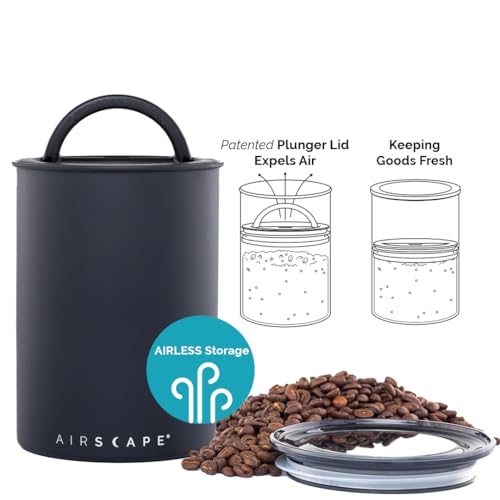
If you’re serious about preserving bean integrity, the AirScape stands out, not because it’s airtight, but because it’s air-less. The patented plunger lid actively removes oxygen, which reviewers consistently praise for extending freshness far beyond standard containers. That “swoosh” sound when pressing down isn’t just satisfying, it’s proof you’re creating a low-oxygen environment that slows staling.
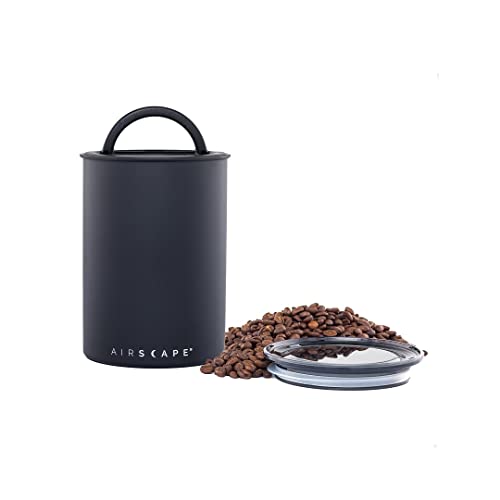
Made from 18/8 stainless steel with a UV-blocking matte finish, it’s built like a pro tool. The medium size holds a full pound of beans, making it practical for regular drinkers. While pricier than basic models, owners say it pays for itself in better-tasting brews. I’d pick this over any passive airtight canister for whole beans, no question.
Product photos

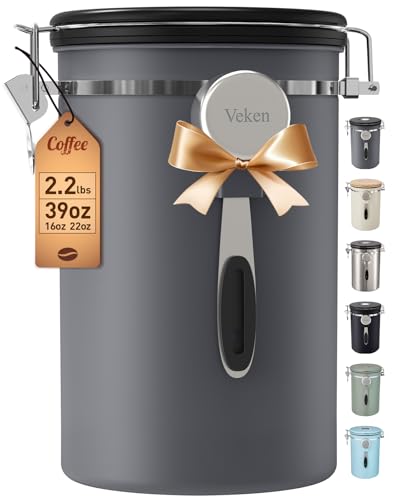
Veken 39OZ Large Coffee Canister
Strengths
- Holds full 2.2lb bag
- Durable 304 steel
- Date tracker included
Trade-offs
- Bulky for small kitchens
- No vacuum or plunger
This 39oz tank is the go-to for bulk buyers. It’s designed to fit a full 2.2lb bag of beans, no clipping open bags or juggling half-empty containers. Owners love that it eliminates secondary storage, and the CO2 valve plus silicone seal combo does a solid job locking in freshness. The date tracker and included scoop add thoughtful touches.
It’s made from 304 stainless steel, which resists dents and odors better than plastic. While it doesn’t have oxygen removal like the AirScape, its sheer capacity and reliable airtight design make it a top pick for families or heavy coffee users. Compared to smaller models, this one earns its counter space through pure utility.
Video review
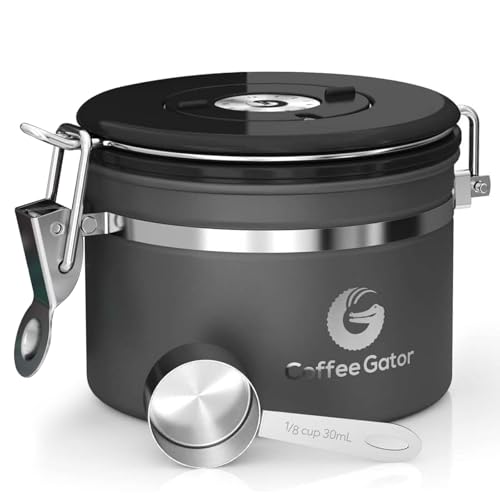
Coffee Gator 11oz Airtight Canister
Strengths
- Airtight seal
- CO2 release valve
- Date tracker dial
Trade-offs
- Limited capacity
- No plunger or vacuum tech
This 11oz canister is built for buyers who want compact, no-fuss coffee storage without sacrificing core freshness tech. On paper, it hits all the right notes: a CO2-release valve, airtight seal, and a date tracker for managing bean life. Owners consistently report it keeps small batches of ground coffee or beans tasting fresh for weeks, which is impressive at this size.
The stainless steel build feels solid, and the inclusion of a scoop adds practicality. But its small capacity makes it best for light drinkers or as a secondary container for a favorite single-origin. Compared to larger models, it’s not a primary storage solution, more of a countertop accent for your daily go-to blend.
Video review
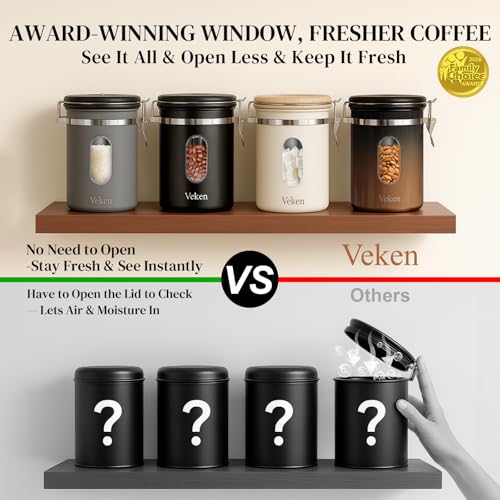
Veken 22OZ Coffee Canister with Window

Strengths
- Visibility window
- Date tracker
- Includes scoop
Trade-offs
- Light exposure risk
- Window may fog
- Less freshness retention
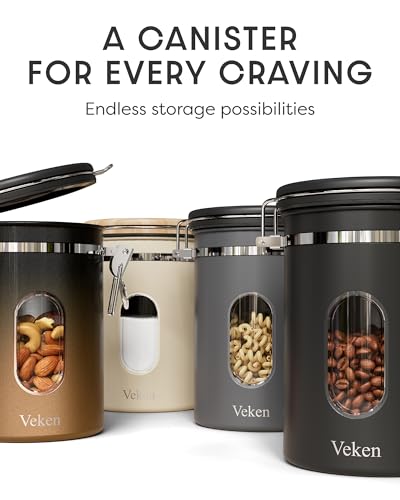
The window is both this canister’s biggest draw and its biggest flaw. Yes, being able to see your bean level without opening is undeniably convenient, owners love not guessing how much is left. But that same window lets in light, which degrades coffee faster, especially if placed near a sunny counter.
It’s got the basics: a CO2 valve, date tracker, and included scoop. The 304 stainless steel body is solid, and the cream finish adds a soft touch to modern kitchens. But compared to opaque models, it’s a freshness compromise. I’d only recommend it if convenience trumps absolute flavor preservation.
Product photos

Kirecoo 22OZ Stainless Steel Canister

Strengths
- Includes 4 spare valves
- Date tracker dial
- Free stainless scoop
Trade-offs
- No oxygen removal
- Medium capacity
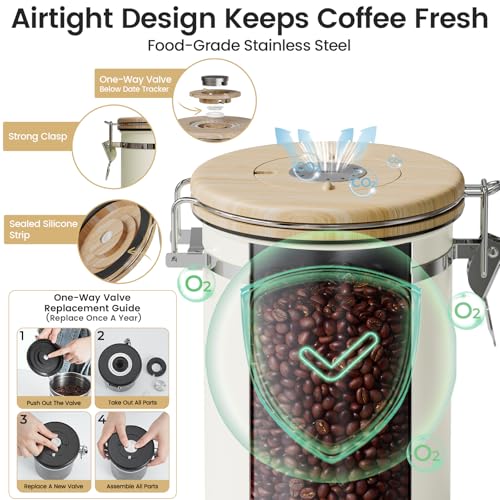
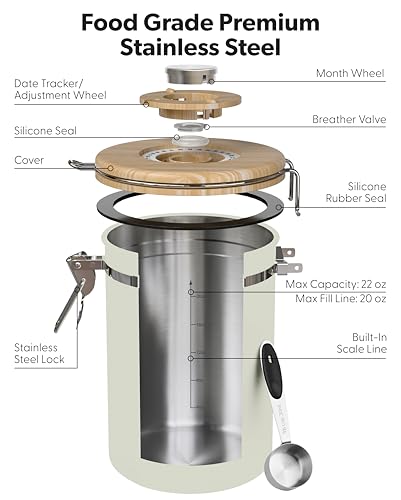
The Kirecoo packs a lot of value into a 22oz frame. It includes a date tracker, a bonus scoop, and even four replacement valves, something most brands don’t offer. The dual silicone seals and one-way CO2 valve deliver reliable airtight performance, and owners report beans staying vibrant for over two weeks.
Made from food-grade 304 stainless steel, it resists corrosion and looks sleek on any counter. It doesn’t remove oxygen like the AirScape, but for the price, it out-accessorizes nearly every other model. I’d recommend this over similarly sized rivals simply for the included extras and thoughtful design.
Product photos


KIVY Vacuum Coffee Canister

Strengths
- Push-button vacuum
- Stainless steel build
- Easy to seal
Trade-offs
- No date tracker
- Vacuum less effective over time
KIVY’s push-button vacuum system is the standout here. With a firm press, the lid removes excess air and creates a partial vacuum, similar in concept to the AirScape, but simpler to use. Owners note the immediate freshness boost, especially for ground coffee, where oxidation hits fast. The stainless steel body feels robust and resists fingerprints well.
It doesn’t have a date tracker or plunger, but the vacuum effect is real and repeatable. Compared to passive airtight jars, this one actively fights staleness. My only hesitation is that the vacuum isn’t as complete as a plunger design, but for the price, it’s a smart middle ground between function and cost.
Product photos


ProKeeper 1.5-Quart Plastic Container

Strengths
- Dishwasher safe
- Low cost
- Snap-on scoop
Trade-offs
- Plastic may retain odors
- No CO2 valve
- Less durable build
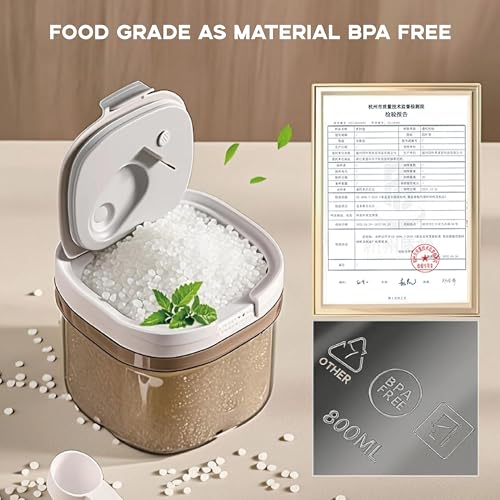
The ProKeeper delivers where it counts: affordability and practicality. For budget-focused buyers, this BPA-free plastic container offers a solid airtight seal with a latch system that owners say holds up over time. The 1.5-quart capacity fits about a pound of beans, and the snap-on scoop keeps things tidy.
It’s dishwasher safe, a rarity in this category, and the tinted body helps block some light. But plastic can retain odors over time, especially with oily dark roasts, and it lacks a CO2 valve. Compared to stainless models, it’s a step down in longevity and freshness performance. Still, for the price, it’s a sensible pick for casual drinkers.
Product photos

Yszaxnsr 15oz Airtight Coffee Jar

Strengths
- Full light blocking
- Hanging scoop design
- Wide mouth
Trade-offs
- Plastic construction
- Not heat resistant
- No CO2 valve
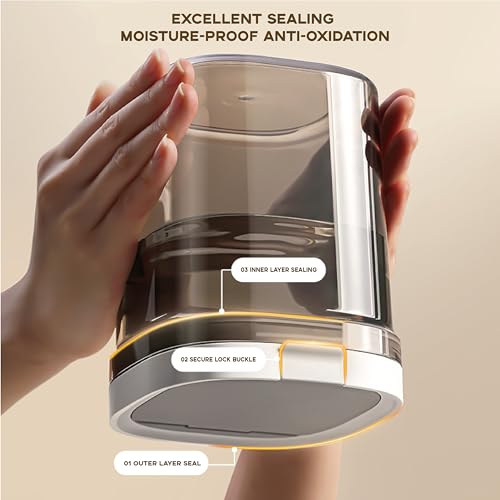
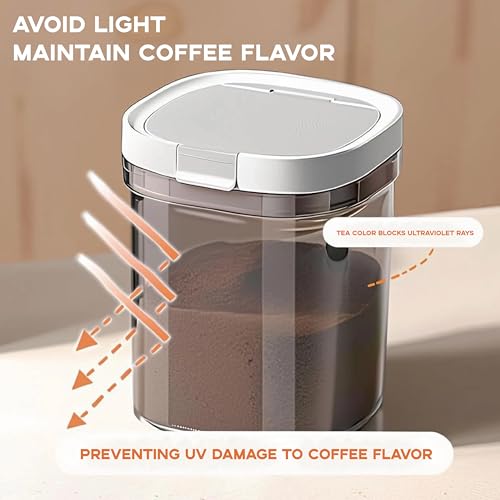
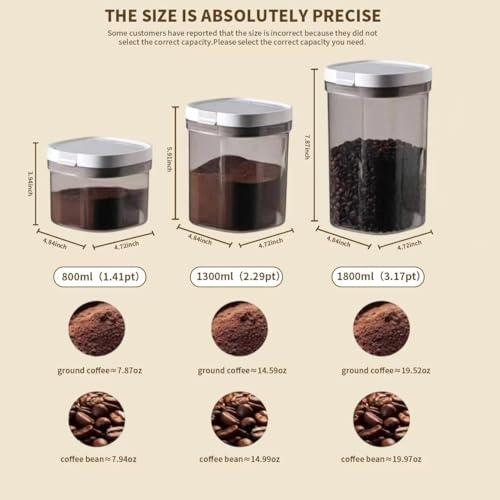
The Yszaxnsr stands out for one key reason: its dark brown AS plastic body blocks all light, which is critical for preserving volatile coffee compounds. While most stainless canisters focus on metal, this one proves sometimes plastic gets the job done better, especially when tinted to prevent UV damage.
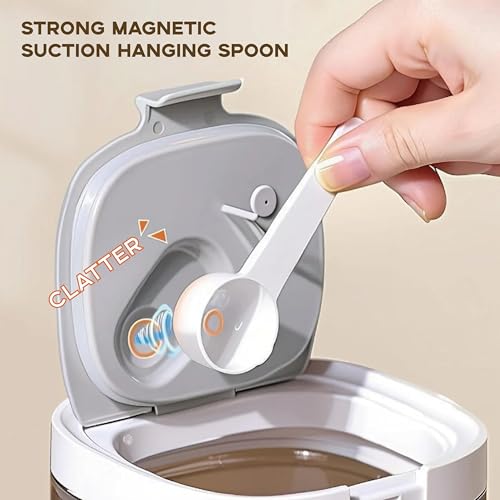
It uses double sealing rings for a strong airtight fit, and owners say it holds up well over time. The hanging scoop and wide mouth make it user-friendly. But being plastic, it’s not as durable or odor-resistant as steel. And it can’t handle hot water or dishwasher heat. Still, for light protection alone, it’s a smart pick.
Product photos
How We Picked These ground coffee storage container
I approached this guide by first compiling specifications and features from numerous ground coffee storage containers available on the market. Then, I weighed owner reviews from major retailers alongside expert opinions found in coffee-focused publications. As the founder of Bean Thusiast, I’ve learned that reliable information about coffee often comes directly from those who use it daily, so I prioritized that feedback. This isn’t a hands-on lab test, rather a research-led comparison of specs and owner experience.
For ground coffee, the most important factors are airtightness and light protection. Coffee stales quickly when exposed to oxygen and light, losing its aromatic compounds and flavor. We heavily weighted canisters with proven sealing mechanisms – one-way valves, strong gaskets, and secure locking lids – as well as those constructed from opaque or UV-resistant materials. Capacity also played a role, as many people want to store a significant amount of coffee to reduce shopping frequency.
Specifications reliably indicate a container’s capacity and construction materials. However, owner feedback was critical for assessing real-world airtightness and ease of use. Reviews frequently highlight whether a canister truly maintains freshness over several weeks, or if the lid is difficult to seal. Reputation mattered too; brands consistently praised for quality in other coffee accessories received more consideration. Understanding proper ground coffee storage is key to enjoying a quality cup.
How To Choose The ground coffee storage container
Choosing the right container is critical for maintaining the flavor of your coffee, and frankly, avoiding waste. It’s a surprisingly nuanced topic.
A quality ground coffee storage container prioritizes an airtight seal to minimize oxygen exposure, blocks UV light to prevent degradation of oils, and ideally incorporates a one-way valve to release CO2 without letting air in. Material quality (stainless steel or BPA-free plastic) and ease of cleaning are also important considerations for long-term usability.
Airtightness & CO2 Management
Don’t assume all “airtight” containers are created equal. Many rely on friction-fit lids which, over time, lose their seal. Look for containers with silicone gaskets and secure locking mechanisms. More importantly, understand that freshly ground coffee releases CO2. If a container completely seals, pressure builds up, potentially compromising the seal or even causing the container to burst. The best options incorporate a one-way valve – like those seen in the Airscape canisters – allowing CO2 to escape without letting oxygen in.
Material Quality & Light Blocking
Stainless steel is generally the superior material choice. It’s durable, doesn’t impart flavors, and completely blocks light. However, high-quality, BPA-free plastic containers can also be effective, especially if they are tinted or opaque. Avoid clear glass or plastic, as light exposure drastically accelerates staling. Even a small amount of light can significantly impact the ground coffee shelf life. While some containers, like the Veken with a window, attempt to balance visibility with protection, I generally find the trade-off isn’t worth it.
Capacity & Usability Features
Consider how much coffee you typically buy at a time. A container that’s too large will have more air inside, negating some of the airtight benefits. A container that’s too small means more frequent refills, and more exposure to air overall. Beyond size, look for features that enhance usability. A built-in scoop (like those supplied with the Kirecoo) is incredibly convenient. A date tracker, as found on the Veken canisters, helps you keep track of freshness and avoid using stale coffee.
- A small container (under 8oz) is best for single-person households or those who buy coffee very infrequently.
- A medium-sized container (around 1lb/500g) suits most couples or small families, providing a good balance of capacity and manageable refills.
- A large container (over 1lb/500g) is ideal for larger families, heavy coffee drinkers, or those who prefer to buy in bulk to save money, but requires more diligence in ensuring it’s well-sealed.
A little air is worse than a little CO2. Prioritize a container that releases gas over one that simply claims to be airtight.
If you’re looking for a great option for storing your pre-ground coffee, check out our guide to the best container for ground coffee. You’ll want to ensure you choose a container designed to maintain the quality and flavor of your brew.
Ground Coffee Storage Container Compared
Here’s a comparison of key specifications for various ground coffee storage containers to help you make an informed decision.
| Product Title | Capacity | Material | Airtight Seal | Vacuum Seal | Special Features |
|---|---|---|---|---|---|
| Airscape Stainless Steel Canister | 0.5/1 lb | Stainless Steel | Yes | No | Plunger, CO2 Valve |
| Veken 39OZ Large Coffee Canister | 2.5 lbs | Stainless Steel | Yes | No | Date Tracker, Scoop |
| Coffee Gator 11oz Airtight Canister | 11 oz | Stainless Steel | Yes | No | Freshness Valve, Date Wheel |
| Veken 22OZ Coffee Canister with Window | N/A | Stainless Steel | Yes | No | Window, Date Tracker, Scoop |
| Kirecoo 22OZ Stainless Steel Canister | N/A | Stainless Steel | Yes | No | Date Tracker, Scoop, Valves |
| KIVY Vacuum Coffee Canister | N/A | Stainless Steel | Yes | Yes | Vacuum Seal |
| ProKeeper 1.5-Quart Plastic Container | 1.5 qt | Plastic | Yes | No | Scoop Included |
| Yszaxnsr 15oz Airtight Coffee Jar | 15 oz | AS Plastic | Yes | No | Light-Blocking, Scoop |
Frequently Asked Questions
What capacity ground coffee storage container should I buy?
A 1lb (450g) capacity is a good starting point for most households. It balances having enough coffee on hand with minimizing air exposure, and is a size many popular containers, like the Coffee Gator, offer.
Do vacuum-sealed containers really improve freshness?
Vacuum sealing can help, but isn’t always necessary. The KIVY offers this feature, but many coffee drinkers find that a container with a one-way valve, like the Airscape, is sufficient for maintaining freshness, and potentially less stressful on the container itself.
Are plastic containers safe for storing coffee?
BPA-free plastic containers are generally considered safe, but stainless steel is preferable. While plastic options like the ProKeeper are acceptable, stainless steel doesn’t impart flavors and blocks all light, whereas plastic can sometimes retain aromas.
How often should I clean my coffee storage container?
You should clean your container thoroughly every month, or more often if you notice residue buildup. Regular cleaning prevents stale coffee oils from affecting future brews and keeps your best airtight coffee storage container functioning optimally.
What’s the benefit of a one-way valve in a coffee container?
A one-way valve allows CO2 to escape after roasting without letting oxygen in. This is vital for keeping grounds fresh; models like the Kirecoo include valves to manage gas release and maintain an airtight environment, protecting your coffee’s flavor.
The Bottom Line
Choosing a ground coffee storage container often comes down to balancing how much control you want over the storage environment with how much fuss you’re willing to deal with. While vacuum-sealed options like the KIVY Vacuum Coffee Canister offer maximum protection, I believe the Airscape Stainless Steel Canister strikes the best overall balance. Its plunger system effectively removes oxygen without the need for manual pumping, and the CO2 valve prevents pressure build-up – a simple, effective design.
For those on a tighter budget, or who simply want a reliable, no-frills option, the Veken 39OZ Large Coffee Canister is a great pick. Similarly, if you prefer the convenience of being able to see how much coffee you have left, the Veken 22OZ Coffee Canister with Window is a reasonable choice, though remember that some light exposure is inevitable. And for smaller households, the Coffee Gator 11oz Airtight Canister offers a more appropriately sized solution.
Ultimately, the specifications matter less than consistently practicing freshness tips for ground coffee. A top-of-the-line container won’t rescue stale coffee if you’re buying large quantities and letting it sit for months. Prioritize buying whole bean and grinding just before brewing whenever possible, and focus on airtightness and light protection as the fundamental pillars of preserving your coffee’s flavor.
