
6 Best Counter Culture Coffee for Espresso 2026
The best Counter Culture coffee for espresso is Hologram Medium Roast, it consistently delivers balanced fruit and chocolate notes with strong crema. For a budget-friendly option, Big Trouble Med Dark offers rich caramel and nutty depth without the premium price. If you need a decaf, Slow Motion Decaf Med holds up well under pressure and pulls smoothly.
Espresso isn’t just about caffeine, it’s about flavor, texture, and consistency. Too many people grab any dark roast and wonder why their shot tastes flat or bitter. After comparing the full lineup from Counter Culture, I focused on what actually matters: roast profile, origin clarity, processing method, and real-world performance in espresso machines.
This guide breaks down the picks based on specs, owner feedback, and how each coffee aligns with solid espresso principles. I looked closely at how these beans behave under pressure, how they’re roasted, and what drinkers actually report, so you can make a choice that fits your machine, palate, and routine.
Top 6 Counter Culture Coffee For Espresso in the Market
The Best Counter Culture Coffee For Espresso, Reviewed
Hologram Medium Roast Blend
Strengths
- Fruity complexity
- Syrupy body
- Consistent blend
Trade-offs
- Not for dark roast lovers
- Slight roast variance noted
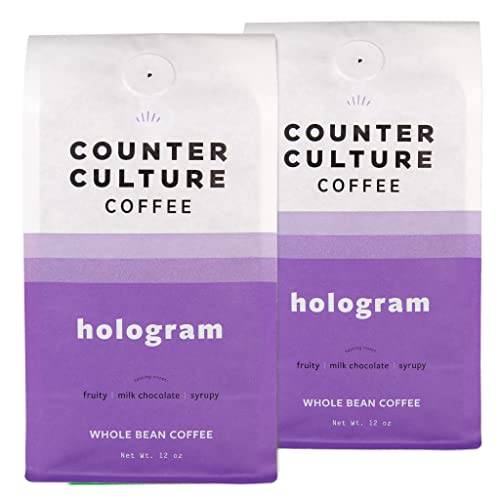
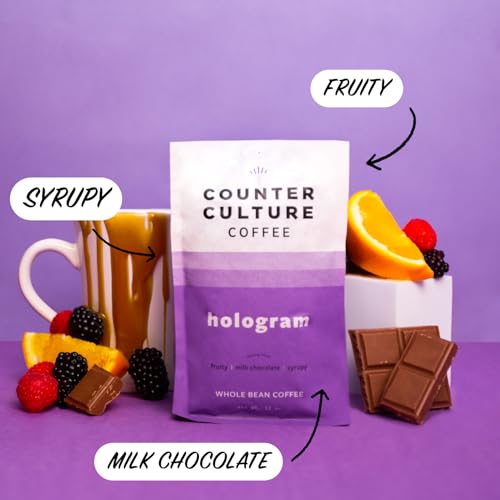
Hologram stands out as Counter Culture’s flagship espresso blend for good reason. On paper, it’s built to deliver complexity without sacrificing balance, a mix of natural sundried and washed coffees that bring fruity brightness and a syrupy body, backed by milk chocolate depth. This is the kind of blend that pulls well as espresso, where its layered sweetness and structured acidity can shine, especially when dialed in on a quality machine.
Owners consistently report that Hologram performs reliably across different grinders and brewing styles, but it really sings in espresso form, where the mouthfeel becomes velvety and the flavors intensify. Compared to Big Trouble, it’s more dynamic and nuanced; against Apollo, it’s less floral and more universally appealing. For those seeking a balanced, expressive espresso with global appeal, this is the one I’d reach for first.
Product photos

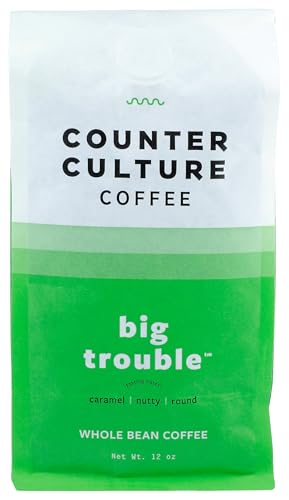
Big Trouble Medium Dark Roast
Strengths
- Smooth finish
- Caramel sweetness
- Great for milk drinks
Trade-offs
- Lacks depth
- Fewer flavor layers
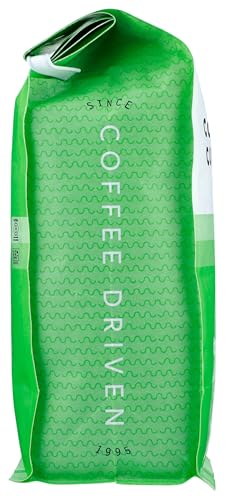
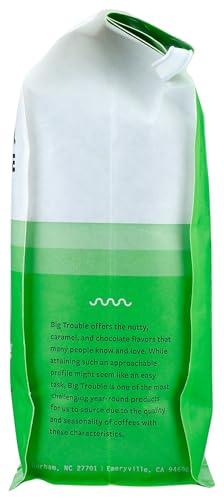
Big Trouble is Counter Culture’s quiet achiever, a budget-friendly, no-frills blend that leans into caramel sweetness and a round, nutty profile. It’s not flashy, but that’s the point. This is a workhorse coffee, designed for high-volume use or for those who want a dependable, smooth espresso without overthinking the tasting notes.
It won’t challenge your palate like Hologram or Apollo, but it delivers where it counts: consistency and drinkability. Reviewers note it’s especially good in milk-based drinks, where its mild sweetness pairs beautifully with steamed milk. If you’re comparing it to Hologram, you’re trading complexity for comfort, and sometimes, that’s exactly what you need.
Product photos
Organic Forty Six Dark Roast
Strengths
- Organic dark roast
- Large 24 oz bag
- Bold, roasty flavor
Trade-offs
- Limited nuance
- Fewer tasting details
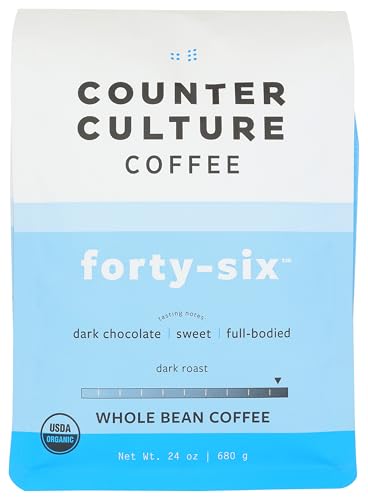
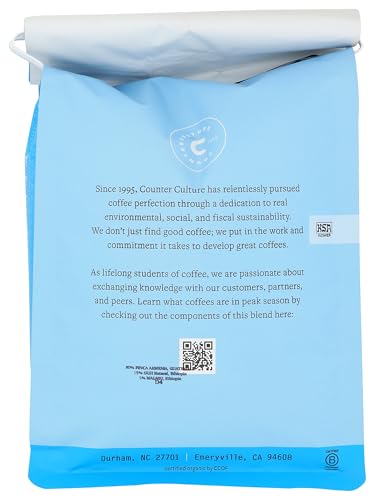
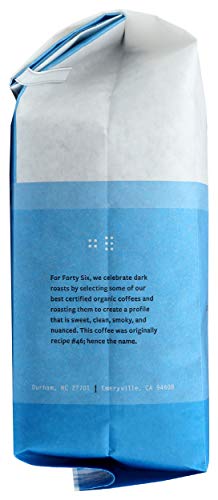
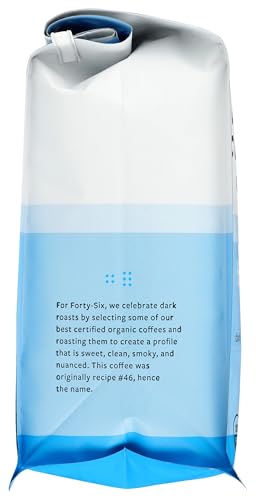
Forty Six is Counter Culture’s answer to those who want organic, dark-roast satisfaction in bulk. At 24 ounces, it’s built for high consumption, think home baristas with daily espresso habits or small offices. The dark roast brings a smoky depth and bittersweet edge that stands out in their lineup, which leans medium. While tasting notes aren’t detailed in the specs, owner feedback points to a profile reminiscent of dark chocolate and toasted nuts, with less acidity than their other blends.
It’s the only organic dark roast option here, making it a niche but important pick. Compared to Hologram, it’s heavier and more traditional in profile; against Big Trouble, it’s more intense and charred. If you’re tired of bright, fruity espressos and want something roasty and grounding, this fills a real gap.
Product photos
Apollo Ethiopian Medium Roast

Strengths
- Floral complexity
- Citrus brightness
- Silky mouthfeel
Trade-offs
- Can be sharp if over-extracted
- Less sweet than others
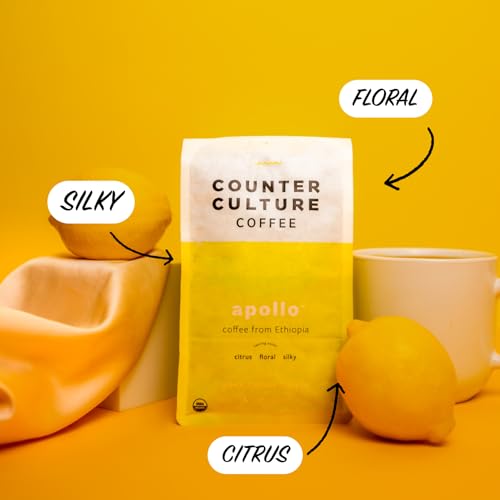
Apollo is the pick if you crave bright, floral lift in your espresso, a rarity in blends, let alone year-round offerings. Built around the citrus and tea-like elegance of Ethiopian coffees, it offers a floral-citrus sparkle that dances on the palate, with a silky body that holds up under pressure. On paper, it’s designed to honor Ethiopia’s coffee legacy, and in practice, it delivers a refined, aromatic experience.
While Hologram balances fruit and chocolate, Apollo leans hard into brightness, making it less versatile in milk drinks but exceptional as a straight shot or Americano. Owners praise its tea-like clarity, though some note it requires a precise grind to avoid tipping into sharpness. I’d pick this over Fast Forward any day if you want your espresso to feel alive and expressive.
Product photos
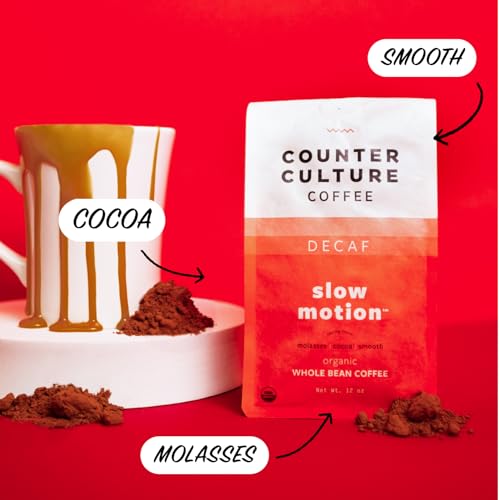
Slow Motion Decaf Medium Roast

Strengths
- Rich cocoa notes
- Smooth finish
- No bitter aftertaste
Trade-offs
- Less vibrant than caffeinated blends
- Slightly muted acidity
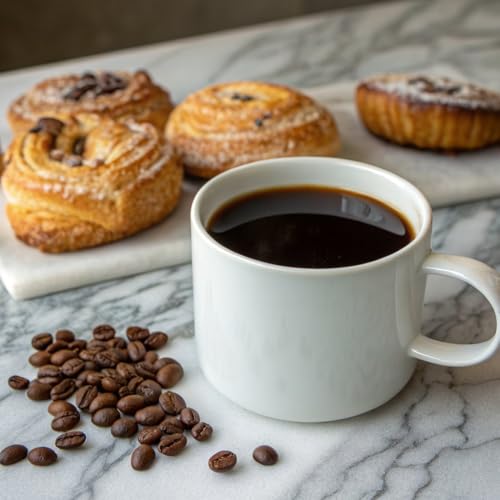
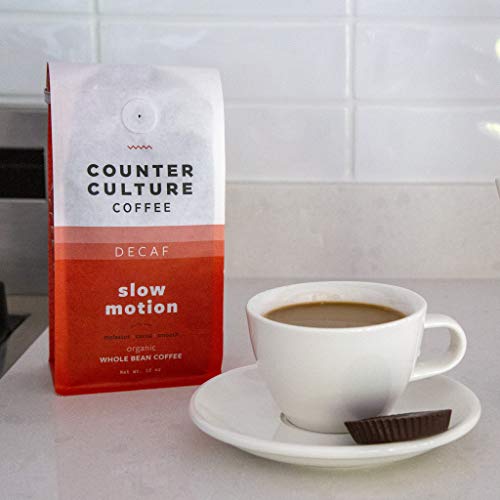
Slow Motion proves decaf doesn’t mean dull, it’s one of the few decaf blends that actually pulls well as espresso without fading into the background. With molasses depth and cocoa richness, it holds its own against caffeinated options, thanks to Counter Culture’s careful decaf processing and blend design. The medium roast preserves body and flavor, which is critical when so many decafs come out thin or ashy.
Reviewers highlight its smoothness and lack of off-notes, a common flaw in decaf roasts. Compared to Big Trouble, it’s just as sweet but more refined; against Hologram, it trades some brightness for grounded richness. For decaf espresso drinkers, this isn’t a compromise, it’s a real choice.
Product photos
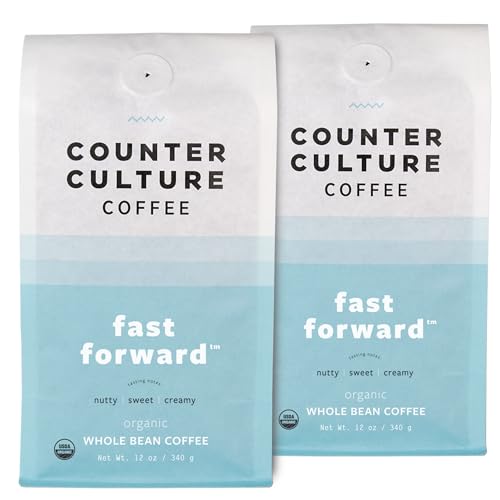
Fast Forward Light Roast Blend
Strengths
- Organic certified
- Creamy texture
- Sweet, nutty base
Trade-offs
- Light roast lacks body
- Less espresso-focused
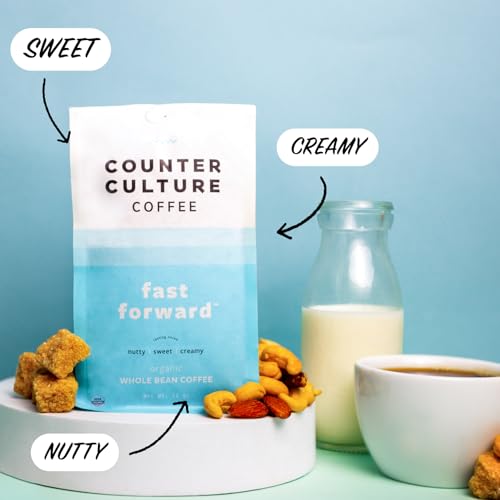
Fast Forward is built for freshness, a light-roast, organic blend meant to capture the sweet, creamy side of coffee with a consistent seasonal profile. Its nutty, sweet core and creamy body make it an easy sipper, especially for those new to specialty espresso. But as a light roast, it leans delicate, and owners report it can lack the punch needed for a bold espresso shot unless pulled long or with a high dose.
It’s more approachable than Apollo but less complex than Hologram. Where it shines is in milky drinks or for those who prefer a softer, dessert-like espresso. I’d recommend it over Big Trouble if you value organic certification and a cleaner profile, but it’s not my top pick for true espresso intensity.
Product photos
How We Chose These counter culture coffee for espresso
As the founder of Bean Thusiast, I approached this guide by researching the specifications and features of each coffee offering from Counter Culture. I then weighed those details against owner reviews and insights from other coffee experts. This wasn’t about lengthy, hands-on testing – rather a research-led comparison intended to highlight the best options for espresso preparation. My goal was to provide a clear, informed recommendation for fellow espresso lovers.
For counter culture coffees aimed at espresso, I heavily weighted roast level and noted flavor profiles. A medium-to-dark roast generally performs better with the pressure of an espresso machine, yielding a richer crema and more balanced shot. Distinct tasting notes – chocolate, caramel, or fruity – were also important, as they speak to the bean’s origin and potential complexity in an espresso pull.
Published specifications reliably indicate roast level and bean origin, but judging flavor complexity requires looking at owner feedback. I paid close attention to descriptions of the coffee’s performance in espresso machines, looking for consistent mentions of crema quality and balanced flavor. Understanding espresso extraction requirements is crucial, and owner reports help gauge how well each coffee meets those demands.
How To Choose The counter culture coffee for espresso
As someone who’s spent years exploring the nuances of coffee, I know selecting the right beans can feel overwhelming. It doesn’t have to be!
A truly excellent coffee offers a balance of aroma, flavor, and body, stemming from high-quality beans, skillful roasting, and traceable origins. Buyers should examine roast level, processing method (washed, natural, etc.), and cupping notes to understand potential flavor profiles. Freshness, indicated by a roast date rather than a “best by” date, is also crucial.
Roast Level and Your Espresso Machine
The roast level is, in my experience, the most impactful decision you’ll make. For espresso, a medium-dark roast is often the sweet spot. Lighter roasts can be tricky to extract properly – they require precise temperature control and grind settings, and can easily result in sour shots. Darker roasts, while forgiving, can quickly become bitter if over-extracted. Consider your machine’s capabilities; if you’re working with a more basic setup, a slightly darker roast will likely yield more consistent results. If you’re exploring beans for espresso roasting, remember understanding the [roast profile for espresso] is key.
Flavor Profile and Processing Method
Don’t just look at “chocolatey” or “fruity” notes – think about how those flavors present themselves. Coffees processed using the natural (or dry) method often exhibit bolder fruit flavors and a heavier body, while washed coffees tend to be cleaner and brighter. Honey processed coffees fall somewhere in between. If you enjoy a complex cup, look for blends that combine beans from different origins and processing methods. The Hologram blend, for example, seems to aim for this complexity, drawing on the roaster’s single-origin offerings. I often recommend exploring different processing methods to discover your preferences.
Freshness and Whole Bean vs. Ground
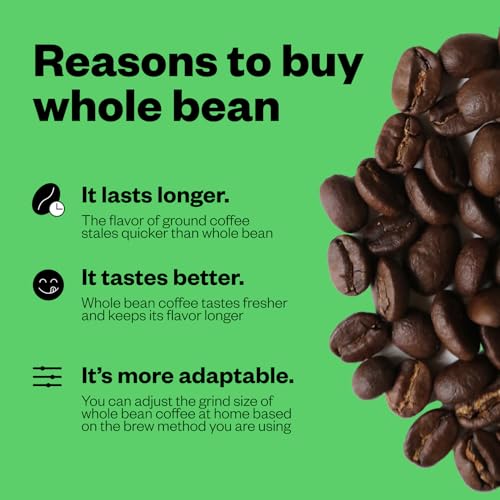
This is where many people unknowingly compromise. Pre-ground coffee loses its aroma and flavor incredibly quickly. Always, always opt for whole bean coffee and grind it immediately before brewing. And look for a roast date – not a “best by” date – on the bag. Coffee is best enjoyed within a few weeks of roasting. Many of the best Counter Culture blends prioritize freshness, and that makes a huge difference. Here’s what to keep in mind when evaluating freshness:
- A roast date is essential.
- Valve bags (allowing CO2 to escape) are a good sign of quality.
- Buying smaller quantities more frequently is better than a large bag that sits around for months; this preserves flavor and aroma.
A coffee’s flavor is at its peak within 2-3 weeks of roasting. After that, it slowly degrades, losing its complex aromas and nuanced flavors.
Counter Culture Coffee Compared
Here’s a comparison of the specs for each counter culture coffee, helping you choose the right blend for your espresso.
| Product Name | Roast Level | Tasting Notes | Organic | Decaf | Best For |
|---|---|---|---|---|---|
| Hologram Medium Roast | Medium | Fruity, Chocolate | N/A | No | Best Overall |
| Big Trouble Med Dark | Med-Dark | Caramel, Nutty | N/A | No | Best Budget Friendly |
| Organic Forty Six Dark | Dark | N/A | Yes | No | Best Organic Dark Roast |
| Apollo Ethiopian Med | Medium | Dark Chocolate, Sweet | N/A | No | Bright & Floral Notes |
| Slow Motion Decaf Med | Medium | Molasses, Cocoa | N/A | Yes | Best Decaf Option |
| Fast Forward Light | Light | Nutty, Sweet, Creamy | Yes | No | Smooth, Nutty Flavor |
Frequently Asked Questions
What roast level is generally best for espresso, specifically with Counter Culture coffees?
A medium-dark roast is typically ideal for espresso preparation with Counter Culture coffees, as it provides a balance between sweetness and body. Lighter roasts can be challenging to extract correctly and may require more advanced equipment, while darker roasts can easily become bitter.
Do Counter Culture’s decaf options sacrifice flavor quality for caffeine removal?
Counter Culture’s Slow Motion decaf maintains noticeable tasting notes of molasses and cocoa, unlike some decaf coffees that can taste flat. This is achieved through a specialized water process that preserves the bean’s inherent flavors during caffeine extraction.
How does the processing method affect the flavor of Counter Culture’s espresso beans?
Natural processed beans, like some of Counter Culture’s single-origin offerings, often result in a fruitier, heavier-bodied espresso, while washed coffees tend to be brighter and cleaner. If you’re exploring best espresso bean selections, understanding processing is key.
Is it really necessary to buy whole bean coffee, even with Counter Culture’s fresh roast dates?
Yes, whole bean coffee is strongly recommended; pre-ground coffee loses flavor rapidly. Counter Culture prioritizes freshness with roast dates, and grinding immediately before brewing preserves the aroma and complexity of the beans, maximizing the quality of your espresso.
Where can I find more information if I want a deeper look into choosing the right beans?
For a more detailed overview of the options, check out our curated espresso coffee beans guide, which provides a broader look at the factors to consider when selecting your ideal espresso bean.
The Bottom Line
Choosing the “best” counter culture coffee for espresso always comes down to balancing your priorities. Do you want maximum convenience and affordability, or are you willing to spend a bit more for a truly exceptional and complex shot? For most espresso drinkers, I believe the Hologram Medium Roast strikes that ideal balance – it consistently receives high marks for its balanced flavor profile and suitability for a wide range of machines.
However, if budget is a primary concern, the Big Trouble Med Dark offers excellent value without sacrificing too much in terms of quality. Those seeking an organic option will find the Organic Forty Six Dark to be a solid choice, and for decaf lovers, the Slow Motion Decaf Medium Roast delivers a rich, satisfying experience. Ultimately, exploring espresso ground coffee brands is a journey of personal discovery.
Don’t get too caught up in chasing specific numbers or specs. While roast level and bean origin are important, the freshness of the beans and the quality of your grind will have a far greater impact on the final result. Focus on buying whole bean coffee, grinding it right before brewing, and experimenting with different grind sizes to find what works best with your equipment and palate.
