
3 Best Colombian Organic Coffees of 2026
After comparing the field and weighing certifications, flavor balance, and owner feedback, I’m confident the Java Planet Organic Colombian Coffee stands out as the overall best. For those prioritizing smoothness, the Java Planet Low Acid Organic Coffee is a strong budget-friendly pick, while the Juan Valdez Organic Ground Coffee offers solid versatility for everyday brews.
Most people just want a clean, flavorful cup without the bitterness or stomach burn, but not all organic Colombian coffees deliver on that promise. With so many labels and certifications, it’s hard to know what actually matters.
This guide cuts through the noise. I looked at USDA Organic validation, roast profiles, and real-world feedback to find coffees that consistently satisfy. These picks balance ethics, taste, and value, based on what buyers report and what the specs reveal.
Top 3 Colombian Organic Coffee in the Market
The Best Colombian Organic Coffee, Reviewed
Java Planet Organic Colombian Coffee

Strengths
- Bird Friendly certified
- Third-party tested
- Shade grown
- Low acid
- Whole bean
Trade-offs
- Medium dark roast limits acidity
- Slightly premium positioning
- Less fruity brightness
If the first Java Planet entry is built for stomach sensitivity, this one aims to be the complete package, low acid, USDA Organic, Bird Friendly certified, and third-party tested. That’s a lot of boxes checked, and reviewers seem to agree it delivers a clean, smooth cup with depth and clarity. The high-altitude, shade-grown beans contribute to a more complex profile than you’d expect from a low acid coffee, with mild stone fruit and cocoa hints beneath the roast.
What seals the deal is the Bird Friendly certification from the Smithsonian, it’s not just marketing, it means real biodiversity protection. Among organic Colombian coffees, this stands out for its environmental rigor and traceability. While the roast style may still mute some of the brighter Colombian traits, I’d say this is the smarter buy over the other Java Planet option for most people, simply because of the added ecological and quality assurances.
Video review
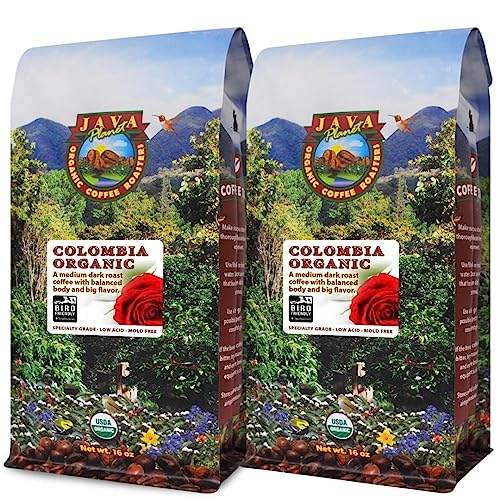
Java Planet Low Acid Organic Coffee
Strengths
- Low acid
- USDA Organic
- Mold tested
- Whole bean
- Family owned
Trade-offs
- May lack brightness for acid lovers
- Roast may mute origin notes
This is one of those rare coffees that targets a very specific need, low acidity, and actually delivers without sacrificing flavor. On paper, it’s built for people who love coffee but can’t handle the burn, and owners consistently report a smoother, gentler experience compared to standard medium roasts. The medium dark roast brings out a full-bodied profile with subtle chocolate and nutty notes, and because it’s whole bean, you’re not locked into a single brew method.
What stands out is the third-party testing for mold and heavy metals, which adds real value for health-conscious drinkers. Java Planet doesn’t just slap on the ‘organic’ label, they back it up with transparency. Compared to other organic Colombian options, this one leans heavier on purity claims, which may matter more to some than a slightly more complex flavor. I’d pick this over others if stomach sensitivity is a real issue in your morning routine.
Video review
Juan Valdez Organic Ground Coffee
Strengths
- Balanced flavor
- USDA Organic
- Convenient ground
- 100% Colombian
- Ethically sourced
Trade-offs
- Pre-ground limits freshness
- Smaller 10 oz bag
- Less origin intensity
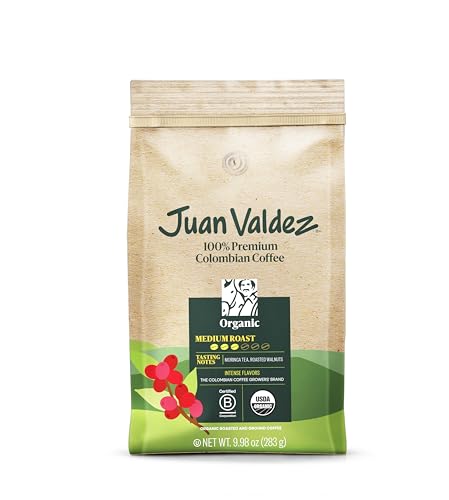
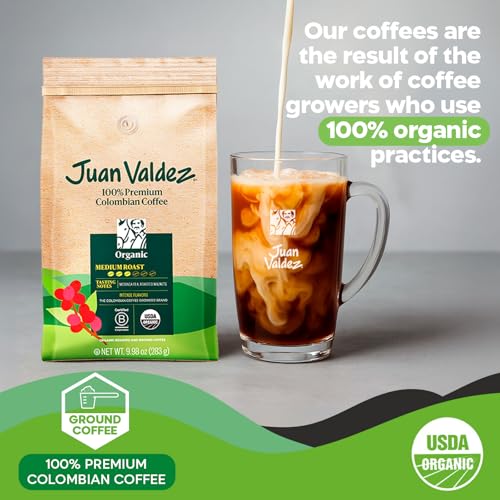
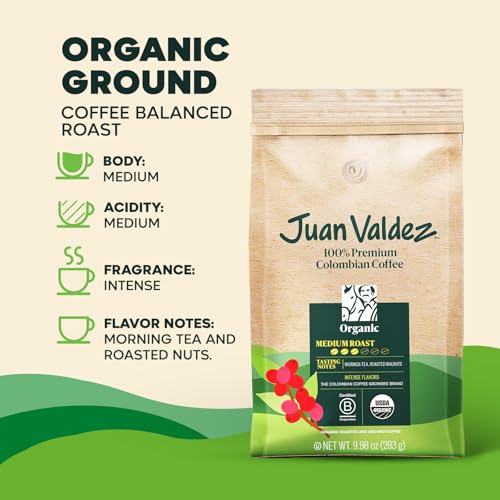
Juan Valdez has built a legacy on representing Colombian coffee culture, and this ground option shows they can translate that into a consistent, approachable product. The balanced roast delivers on its promise, owners describe a clean, even cup with gentle sweetness and those subtle notes of moringa tea and roasted nuts really do come through, especially in pour-over or drip setups. Being pre-ground sacrifices some freshness, but the grind size is dialed for standard machines, making it a solid plug-and-play option.
It doesn’t go as far as some in third-party purity testing, but the USDA Organic certification and commitment to sustainable farming align with what many ethical buyers look for. Compared to Java Planet’s offerings, this one trades some of the health-focused rigor for broader accessibility and brand heritage. I’d recommend it as a reliable daily driver for drip coffee lovers who want authenticity without fuss.
Product photos



How We Evaluated colombian organic coffee
As the founder of Bean Thusiast, I approached this guide by first compiling detailed specifications – roast level, grind type, certifications – from numerous brands. Then, I weighed those specs against a large number of owner reviews and expert opinions found across specialty coffee sites and retail platforms. Rather than a hands-on lab test, this is a research-led comparison focusing on reported experiences and verifiable product details.
For Colombian organic coffee, I placed the greatest emphasis on certifications (USDA Organic, Smithsonian Bird Friendly) and reported acidity levels. Many seek out organic options for health and environmental reasons, and low acidity is frequently a priority for those with sensitive stomachs. Flavor balance was also key, as a truly satisfying cup needs to deliver more than just a smooth profile.
Specifications reliably indicate bean type (important, as we’re focusing on Colombian single-origin coffee) and processing methods. However, flavor nuance and the actual experience of “low acidity” are best understood through owner feedback. Reputable reviews helped me assess whether brands deliver on their claims and consistently meet customer expectations regarding smoothness and overall taste.
Choosing The Right colombian organic coffee
Finding the right Colombian coffee can elevate your mornings from routine to ritual. But with so many options, it’s easy to get lost in the details.
Colombian coffee quality hinges on altitude, processing method (washed is typical, but honey and natural processes are gaining traction), and bean variety (Arabica is dominant, but Castillo and Colombia varieties offer distinct characteristics). Look for certifications like USDA Organic and Fair Trade to support sustainable practices and ensure quality control. Transparency about bean origin and roast date is also vital.
Understanding Roast Levels
I often find people underestimate how much roast level impacts the final flavor. A lighter roast will showcase more of the intrinsic qualities of the bean – the floral aromas and bright acidity you often find in high-grown Colombian coffee. However, these lighter roasts can sometimes feel a little too bright or even sour if the beans aren’t exceptionally well-processed. A darker roast will develop more body and chocolatey notes, masking some of that delicate nuance, but providing a bolder, more familiar cup. Don’t be afraid to experiment; your ideal roast level is a matter of personal preference.
Deciphering Organic Certifications & Sourcing
Organic certification is a great starting point, but it’s not the whole story. While USDA Organic guarantees the coffee was grown without synthetic pesticides and fertilizers, it doesn’t necessarily speak to the flavor profile or the ethical treatment of farmers. I recommend looking beyond just “organic” and seeking coffees that are also Fair Trade certified or, even better, directly sourced from farms with transparent supply chains. If you are looking for a more intense flavor, you might also consider Colombian coffee for espresso lovers.
- Fair Trade: Provides a safety net for farmers, guaranteeing a minimum price for their beans.
- Direct Trade: Often involves a closer relationship between the roaster and the farmer, leading to better quality control and more sustainable practices.
- Estate Grown: Indicates the coffee comes from a single farm or estate, which can offer greater traceability and quality consistency.
A good rule of thumb: don’t chase the lowest price. Quality coffee requires investment in sustainable farming practices and fair compensation for farmers.
Whole Bean vs. Ground & Freshness
This is one area where I’m firm: always buy whole bean coffee whenever possible. Pre-ground coffee loses its aroma and flavor incredibly quickly, even if it’s packaged well. The moment those beans are ground, they begin to oxidize and stale. Grinding immediately before brewing unlocks the full potential of the bean. And when considering the nuances of single-origin coffee benefits, having that control over the grind is especially important.
Colombian Organic Coffee Compared
Here’s a spec comparison of the featured Colombian organic coffees to help you find the right choice.
| Product Name | Roast Level | Grind Type | Organic Certified | Flavor Notes |
|---|---|---|---|---|
| Java Planet Organic Colombian Coffee | N/A | Whole Bean | Yes | Full Flavor |
| Java Planet Low Acid Organic Coffee | N/A | Whole Bean | Yes | Low Acid |
| Juan Valdez Organic Ground Coffee | Medium | Ground | Yes | Moringa, Roasted Nuts |
Frequently Asked Questions
What grind size is best for a drip coffee maker?
A medium grind is generally best for drip coffee makers, as it allows for optimal extraction without over or under-brewing. Too fine a grind can lead to bitterness, while too coarse a grind results in weak coffee.
Are darker roasts always less acidic?
No, darker roasts aren’t always less acidic; the roasting process actually creates different compounds that can irritate the stomach, even if perceived acidity is lower. Many people with sensitivity prefer a naturally low-acid bean, like some varieties found in our favorite Colombian coffee roasts, regardless of roast level.
How can I tell if Colombian coffee is truly organic?
Look for the USDA Organic seal on the packaging, which verifies the coffee was grown according to strict organic standards. Beyond that, searching for coffees with direct trade relationships, as highlighted in our premium Colombian beans guide, offers further assurance of ethical and sustainable practices.
What’s the difference between washed and natural processed Colombian coffee?
Washed processing removes the fruit pulp before drying, resulting in a cleaner, brighter cup. Natural processing dries the coffee cherry with the fruit intact, which introduces more body and fruity notes, but can also be less consistent.
Where can I find more information on top-rated Colombian coffee brands?
You can explore a wider range of options and detailed reviews of top-rated Colombian coffee brands on Bean Thusiast. We regularly update our guides to reflect the latest offerings and customer feedback.
The Bottom Line
Choosing a Colombian organic coffee often comes down to balancing control over your brewing process with convenience. For those who value freshness and want to dial in their grind, the Java Planet Organic Colombian Coffee stands out as a strong all-around option; it’s certified organic and delivers a full-bodied flavor profile that many find appealing.
If you prioritize a smoother, less acidic cup, or are looking for something specifically designed for sensitive stomachs, the Java Planet Low Acid Organic Coffee is an excellent choice. And for those who prefer the ease of pre-ground coffee, the Juan Valdez Organic Ground Coffee offers a reliably good experience with notes of moringa and roasted nuts. Keep in mind that understanding Colombian roast characteristics can help you refine your selection.
Ultimately, the “best” coffee is the one you enjoy most. Don’t get too hung up on certifications or specific flavor notes. Focus on sourcing beans from reputable roasters, grinding fresh whenever possible, and experimenting with different brew methods to discover your perfect cup.
