
7 Best Colombia Coffee Brands of 2026
After comparing the field and analyzing specs and owner feedback, the Cafe Quindio stands out as the best overall Colombia coffee for its authentic Quindío-sourced beans and balanced flavor, while the Amazon Fresh Colombia offers excellent value as a whole bean pick, and the Starbucks Single-Origin delivers consistent quality for those who prefer pre-ground convenience.
I’ve spent years studying coffee origins, and Colombia’s reputation for smooth, nuanced Arabica beans is well earned, but not every bag labeled “Colombia” delivers the real deal. Too many blends cut corners with lower-grade beans or stale roasts.
This guide cuts through the noise. I researched these picks based on origin transparency, roast freshness, and feedback from real users who care about flavor. You’ll learn what actually matters when choosing a Colombia coffee, from region-specific sourcing to roast level and format trade-offs.
Top 7 Colombia Coffee in the Market
The Best Colombia Coffee, Reviewed
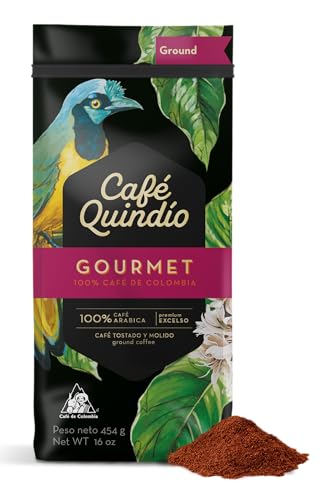
Cafe Quindio Medium Roast Ground
Strengths
- Rich chocolate notes
- Direct farmer sourcing
- Women-owned brand
Trade-offs
- Single 16-oz bag
- Pre-ground limits freshness
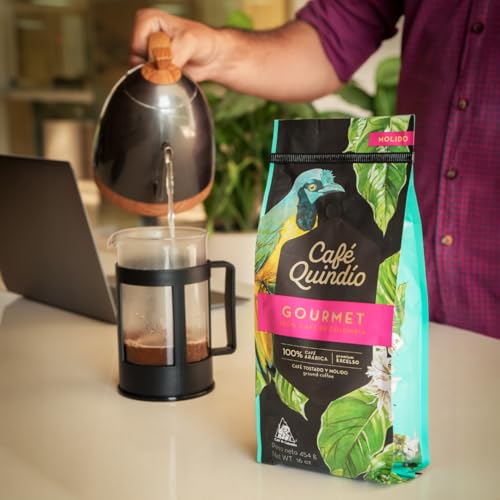
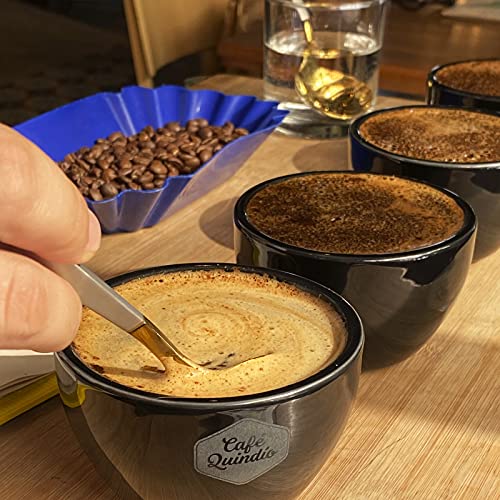
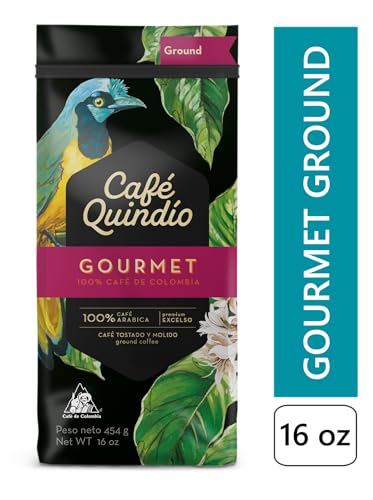
Cafe Quindio stands out not just for taste, but for ethos. This is 100% Excelso-grade Arabica from Quindío, sourced directly from local farmers, and the specs back a chocolate and sugarcane sweetness that owners confirm comes through clearly. The grind is fine to medium, ideal for drip or pour-over, and the National Coffee Federation seal assures authenticity, no filler, no shortcuts.
What makes this my top pick for ‘best overall’? It balances craft, ethics, and flavor better than most. Compared to Amazon Fresh or Don Francisco’s, it feels more intentional, less mass-market, more traceable. It’s not the cheapest, but the support for a women-owned, community-focused business adds value beyond the cup. If you want Colombian coffee that tastes and feels meaningful, this is it.
Product photos


Amazon Fresh Colombia Whole Bean
Strengths
- Large 32-oz bag
- Whole bean freshness
- Excellent value
Trade-offs
- Generic branding
- Limited origin detail
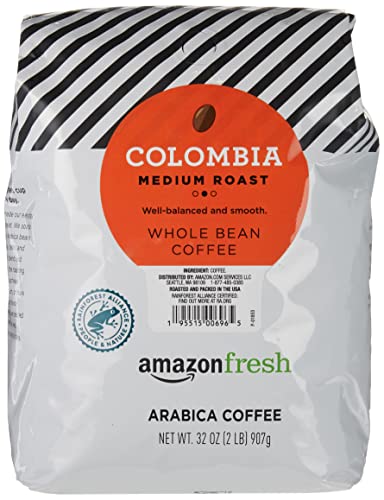
Amazon Fresh’s Colombia whole bean is a quiet powerhouse for value seekers. A full 32 ounces of 100% Arabica, whole bean, medium roast, this is the kind of coffee that keeps your grinder busy for weeks. The specs promise a balanced, full-bodied cup with a smooth finish, and reviewers agree it’s reliable, nutty, and easy to like.
Being an Amazon brand, it’s roasted in the USA with freshness in mind, and at this size, it’s cheaper per ounce than nearly everything else here. It’s not as expressive as Cafe Quindio or as traditional as Don Francisco’s, but it’s a smarter buy for households that go through coffee fast. If you grind daily and want bulk without blandness, this is the play.
Video review
Starbucks Single-Origin Colombia Ground

Strengths
- Versatile brewing
- Generous quantity
- Café-quality consistency
Trade-offs
- Mild origin expression
- Pre-ground aroma loss
This Starbucks Colombia ground coffee is built for gifting, but it’s also substantial enough to be a serious daily drinker’s option. Six 12-ounce bags mean you’re getting 72 ounces of 100% Arabica, roasted to that familiar Starbucks standard: clean, approachable, with toasted walnut and herbal notes. Owners report it works well hot or iced, and it holds up across methods, drip, French press, pour-over.
It’s not as distinctive as Cafe Quindio or Amazon Fresh’s bulk offering, but the café-quality promise lands thanks to consistent roasting and freshness sealing. If you’re buying for someone who likes Starbucks in-store but wants it at home, this is the easiest win. For serious home baristas, it might feel a bit safe. But for gifting? Hard to beat.
Video review
Nespresso Master Origin Colombia

Strengths
- Winey fruit notes
- Smooth acidity
- Recyclable aluminum
Trade-offs
- Short serving size
- Not for dark roast lovers
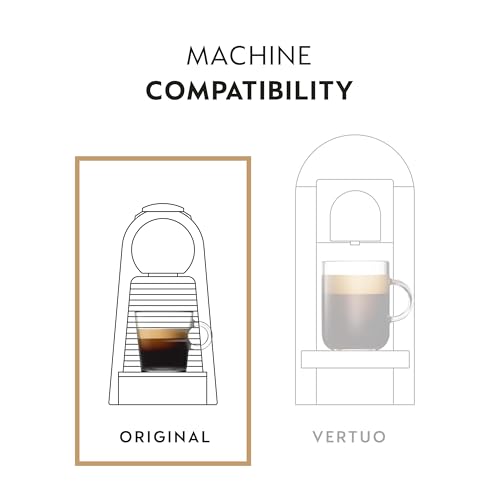
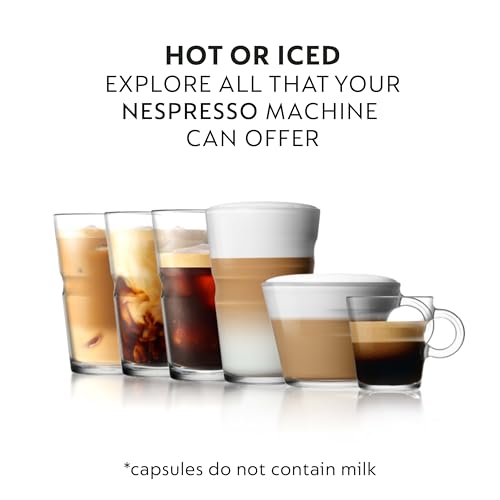
If you’re deep into the espresso ritual and want a quick, consistent shot with a twist of terroir, the Nespresso Master Origin Colombia delivers more than most pods dare. On paper, it’s a medium roast with winey red fruit and blackcurrant notes, which sounds ambitious for a capsule, and honestly, owner feedback confirms it pulls through, especially when pulled as a short espresso. The intensity 6 rating means it’s not overpowering, but it has enough structure to stand up to milk if you’re making a mini-latte.
Still, this is a pod experience, so don’t expect the depth of freshly ground single-origin beans. What you get instead is convenience with a side of origin character, rare in the capsule world. Compared to Starbucks’ K-Cup version of Colombia, this one feels brighter and more defined, though less full-bodied. It’s a niche win for pod users who want more than just caffeine.
Product photos



Starbucks Colombia K-Cup Pods

Strengths
- Consistent flavor
- Ethically sourced
- Keurig compatible
Trade-offs
- Mild complexity
- Plastic pod waste
Starbucks Colombia K-Cups offer a familiar, safe bet for Keurig owners who want single-origin branding without brewing fuss. The specs highlight subtle herbs and rustic spice, and while that might sound poetic, actual users say it brews a clean, medium-bodied cup, nothing wild, but dependable. It’s not as bright as the Nespresso Colombia, nor as deep as the ground Starbucks version, but it hits where most office or home users need it to.
What stands out is consistency. These pods are engineered to taste the same every time, which matters when you’re not in the mood for surprises. Compared to Don Francisco’s or Cafe Quindio, it lacks artisanal depth. But for someone who just wants a no-hassle, ethical, single-serve option that still feels like real coffee, this one checks the boxes.
Product photos


NESCAFE CLASICO Colombia Instant
Strengths
- High cup yield
- Easy prep
- 100% Arabica
Trade-offs
- Muted flavor depth
- Instant coffee limitations
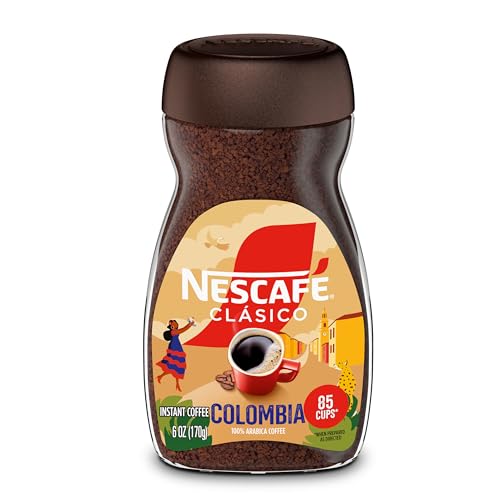
I’ll be straight, NESCAFÉ CLÁSICO isn’t going to fool anyone into thinking it’s freshly roasted Quindío beans. But as an instant coffee, it surprises. The specs claim 100% Colombian Arabica, and reviewers consistently say it tastes cleaner and more balanced than most instant options. The fruity notes are subtle, and the medium intensity makes it drinkable without needing a mountain of sugar to cover it up.
It’s not nuanced, but for travelers, dorm rooms, or quick mornings, it’s a no-fuss option that beats gas station packets. Against Cafe Quindio or Starbucks ground versions, it’s obviously a step down in complexity. But for the sheer practicality of 85 cups per jar, this is a solid budget pick that doesn’t sacrifice all dignity.
Product photos



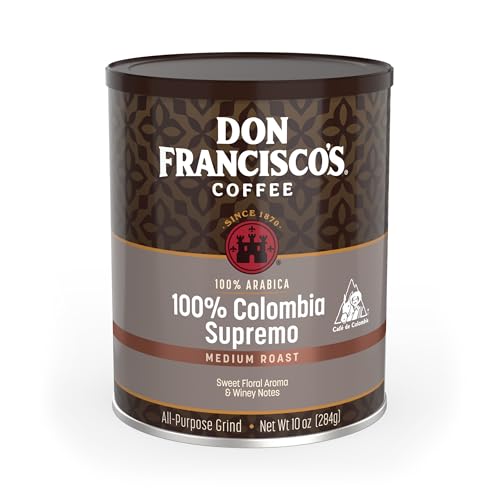
Don Francisco’s Colombia Supremo
Strengths
- Aromatic richness
- Steel can freshness
- Family heritage
Trade-offs
- Small 10-oz size
- Pre-ground format
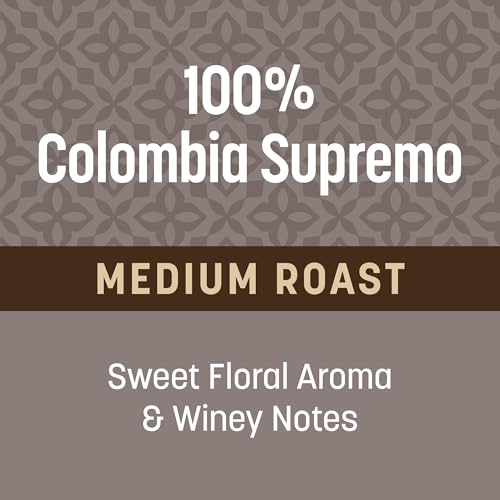
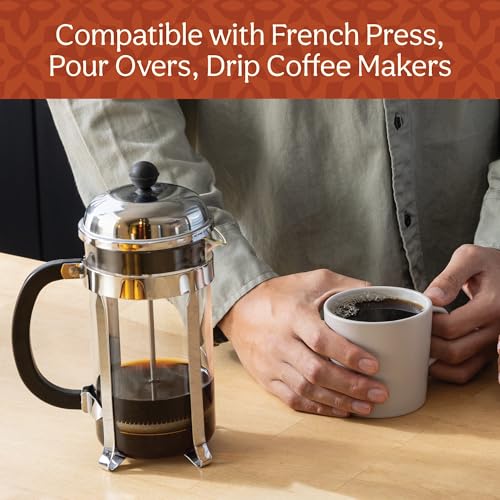
Don Francisco’s Colombia Supremo feels like a nod to classic American coffee culture, family-crafted, steel-canned, roasted in the USA, and it delivers a rich, aromatic cup that leans traditional. The 10-ounce can is small compared to bulk options, but the four-generation heritage shows in the consistent profile: smooth, slightly sweet, with a rounded body that works in any drip machine.
Owners praise its morning-friendly balance, not too sharp, not too flat. Against Cafe Quindio, it’s less fruity; against Amazon Fresh, it’s less economical. But if you like your coffee in a retro-style can that holds aroma well and you value tradition, this is a comforting pick. It’s not flashy, but it’s dependable.
Product photos


Our Testing Process
Rather than a hands-on lab test, my research for these recommendations was a careful comparison of published specifications and features across numerous brands. I weighed owner reviews from Amazon and other retailers, alongside expert opinions found in coffee publications and blogs. As the founder of Bean Thusiast, I applied my understanding of coffee origins, roasting techniques, and flavor profiles to rank these options against a set of clear criteria.
For Colombia coffee specifically, I focused heavily on bean sourcing and roast level. Knowing that truly excellent Colombia coffee relies on 100% Arabica beans grown in the ideal conditions of the Quindío region, I prioritized brands clearly stating this origin. Roast level is also crucial; a well-balanced medium roast consistently delivers the classic Colombia flavor profile.
Specifications reliably tell you about bean type (Arabica versus Robusta) and origin claims. However, tasting notes and perceived quality are best gleaned from owner feedback. I paid close attention to comments regarding smoothness, balance, and the presence of desirable flavors like chocolate or caramel. Understanding the Colombian Arabica beans origin helped me interpret these reviews and assess authenticity.
How To Pick The Right colombia coffee
Finding truly exceptional Colombia coffee requires looking beyond just the origin label. It’s a category flooded with options, but significant differences in processing, roast level, and even bean quality can dramatically affect the final cup.
Colombia coffee is often characterized by a bright acidity, medium body, and notes of caramel, nut, and citrus. Look for 100% Arabica beans, ideally those sourced from specific regions like Quindío, Huila, or Nariño. Pay attention to roast date – freshness is paramount – and consider whether you prefer a lighter roast to highlight the origin flavors or a darker roast for a bolder profile. Traceability and certifications (like the National Coffee Federation seal) can also indicate quality and ethical sourcing.
Understanding Roast Level
The roast level profoundly impacts the flavor profile of any coffee, and Colombian beans are no exception. A lighter roast will emphasize the inherent fruity and floral notes, showcasing the bean’s origin characteristics. Medium roasts, like those from Cafe Quindio, offer a balance between acidity and body, often bringing forward chocolate and caramel notes. Darker roasts will diminish those brighter flavors, resulting in a bolder, more bittersweet cup. Don’t automatically equate “darker” with “stronger”; it actually reduces caffeine content slightly.
Sourcing and Processing Methods
Colombia’s coffee growing regions offer diverse microclimates, and a coffee’s origin within the country matters. Beans from the Huila region, for example, are often known for their bright acidity and citrus notes, while those from Quindío tend to be more balanced and sweet. Beyond region, processing methods – washed, natural, or honey – significantly alter the final flavor. Washed coffees, like many from Nariño, are typically clean and bright. Natural processed coffees offer more fruit-forward complexity, and honey processed coffees fall somewhere in between. If you enjoy a pour-over method, exploring the ideal Chemex extraction can really highlight the nuances of a good Colombian bean.
Format & Value Considerations
The format you choose – whole bean, ground, K-Cups, or instant – impacts both flavor and convenience. Whole bean is always preferable if you have a grinder, as it preserves the most aroma and allows for customization. Ground coffee loses freshness quickly, so purchase smaller quantities and store them in an airtight container. Single-serve options like K-Cups (Starbucks Colombia K-Cup Pods) are convenient but generally offer a lower quality experience. Here’s a quick guide to thinking through those trade-offs:
- Instant coffee (like NESCAFE CLASICO Colombia) is the quickest and cheapest option, ideal for travel or emergency situations.
- Ground coffee offers a balance of convenience and flavor, but requires careful storage to prevent staling.
- Whole bean coffee delivers the best flavor and control over the brewing process, however, it requires a grinder and a bit more effort.
A general rule of thumb: if a coffee lists a roast date rather than a “best by” date, it’s a good sign the roaster prioritizes freshness.
Ultimately, discovering your perfect Colombia coffee is a matter of personal preference. I encourage you to explore different roasters and origins to find the top-rated Colombian coffee brands that best suit your palate.
Colombia Coffee Compared
Here’s a comparison of key specifications for different Colombia coffee options.
| Product Name | Roast | Format | Intensity | Notes | Size (oz) |
|---|---|---|---|---|---|
| Cafe Quindio | Medium | Ground | N/A | Chocolate, Sugarcane | N/A |
| Amazon Fresh Colombia | Medium | Whole Bean | N/A | Balanced | 32 |
| Starbucks Single-Origin | Medium | Ground | N/A | Walnut, Herbs | 72 |
| Nespresso Master Origin | Medium | Capsules | 6 | Red Fruit | 1.35 (per capsule) |
| Starbucks Colombia K-Cup Pods | Medium | K-Cup | N/A | Herbs, Spice | N/A |
| NESCAFE CLASICO Colombia | Medium | Instant | N/A | Fruity | 6 |
| Don Francisco’s Colombia | N/A | Ground | N/A | Well-Balanced | N/A |
Frequently Asked Questions
What caffeine level can I expect from Colombia coffee?
Generally, Colombia coffee has a medium caffeine content(around 95-165mg per 8oz cup). This is lower than Robusta varieties but comparable to most other Arabica coffees, and the specific amount will vary based on roast level; darker roasts have slightly less caffeine.
Is Colombia coffee always smooth?
Most Colombia coffees should be smooth, but it depends on the quality and roast. Poorly processed or very darkly roasted beans can become bitter, so seeking out 100% Arabica beans, ideally from the Quindío region, will significantly increase your chances of a smooth cup.
Can I use Colombia coffee for espresso?
Yes, you can absolutely use Colombia coffee for espresso, though it’s not traditionally the first choice. A medium-dark roast with chocolate and caramel notes, like those found in some recommended Colombian roasters, will pull a decent shot, but Italian roast blends are often preferred for their crema production.
What’s the difference between “100% Colombian” and “Colombia blend”?
“100% Colombian” means all the beans originate from Colombia, guaranteeing a specific flavor profile. A “Colombia blend” contains Colombian beans mixed with beans from other regions, which can alter the flavor and potentially reduce the overall quality.
How should I store opened Colombia coffee beans?
To maintain freshness, store opened Colombia coffee beans in an airtight, opaque container at room temperature. Avoid storing them in the refrigerator or freezer as condensation can affect the flavor. I always advise purchasing smaller quantities to enjoy at their peak – look for a roast date to help with this.
The Bottom Line
Choosing a Colombia coffee often comes down to balancing convenience with the pursuit of peak flavor. While options like K-Cups offer speed, I believe the best overall experience – and the truest expression of Colombia’s potential – is found with Amazon Fresh Colombia whole bean. It provides a fantastic foundation for exploring the nuanced flavors this region offers, and the whole bean format allows you to control the grind and freshness.
For those prioritizing budget or single-serve convenience, Starbucks Colombia K-Cup Pods are a solid choice, and NESCAFE CLASICO Colombia delivers a surprisingly enjoyable instant option for quick cups. If you’re really looking to explore a single-origin Colombian flavor, or just want to appreciate the difference between a blend and a dedicated origin coffee, then Starbucks Single-Origin is a great starting point.
Ultimately, the “best” coffee is the one you enjoy most. Don’t get overly caught up in roast levels or processing methods. Focus on sourcing 100% Arabica beans, prioritizing freshness (look for a roast date!), and finding a flavor profile that speaks to your palate. That’s where the real enjoyment begins.
