
7 Best Coffee for Espresso of 2026
After comparing the field and weighing flavor, crema, and consistency, the Lavazza Medium Roast stands out as the best overall coffee for espresso, especially for those using a standard machine. For a budget-friendly pick, the Café El Morro Dark Roast delivers solid performance without the premium price. If you’re after convenience without sacrificing too much quality, the Nescafe Gold Espresso Instant is surprisingly drinkable.
Most people think any dark roast will work for espresso, but the truth is, the wrong bean can leave you with a bitter shot or flat crema. I’ve seen it happen too many times in home setups.
This guide cuts through the noise. I looked at roast profiles, bean origins, and real-world feedback to find coffees that actually perform under pressure. You’ll learn what to prioritize, whether it’s grind freshness, roast level, or bean type, and why some blends outshine others when it counts.
Top 7 Coffee To Use For Espresso in the Market
The Best Coffee To Use For Espresso, Reviewed
Illy Medium Roast Ground Coffee

Strengths
- Consistent quality
- Balanced flavor
- Smooth finish
Trade-offs
- Mild intensity
- Pricier than most
- Less boldness
Illy’s Medium Roast Espresso Classico is often held up as the gold standard in pre-ground espresso, and for good reason. Their signature blend of 100% Arabica beans, sourced from the top 1% globally, delivers a balanced, aromatic cup with notes of caramel, jasmine, and orange blossom that many reviewers describe as ‘elegantly smooth’. The consistency across batches is impressive, and owners praise its clean finish and lack of bitterness, even when pulled long.
While it’s not the boldest or most intense option on the list, I’d argue that’s the point. This is espresso as an art form, refined, approachable, and deeply drinkable. Compared to heavier dark roasts, Illy leans into finesse, making it ideal for those who appreciate subtlety over punch. If you want Italian authenticity without the guesswork, this is where I’d start.
Video review
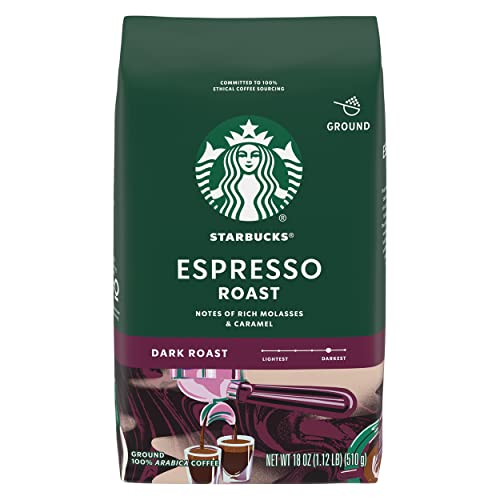
Starbucks Espresso Roast Ground
Strengths
- Affordable pricing
- Bold caramel notes
- Good for milk drinks
Trade-offs
- One-dimensional flavor
- Pre-ground freshness loss
- Can be bitter if over-extracted
Starbucks Espresso Roast is the budget-friendly gateway to dark roast espresso at home. It’s widely available, consistently dark, and delivers that signature Starbucks punch, bold, slightly smoky, with a caramelly sweetness that holds up well in milk. While it’s 100% Arabica, the roast style pushes it toward a uniform, intense profile that some find one-dimensional, but others appreciate for its reliability.
Owners praise its affordability and ease of use, especially in super-automatic machines. Compared to Illy or Lavazza, it’s less nuanced, and the pre-ground format sacrifices some freshness. But for those building lattes or cappuccinos daily and don’t want to spend premium prices, this is the smarter buy. I’d recommend it as a workhorse espresso, nothing fancy, but it gets the job done.
Video review
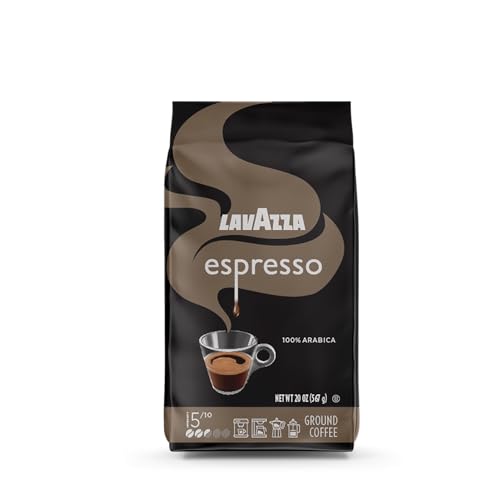
Lavazza Medium Roast Ground
Strengths
- Balanced intensity
- Bright aromatic notes
- Versatile preparation
Trade-offs
- Not ultra-bold
- Bag seal could be better
- Less crema than Italian rivals
Lavazza’s 100% Arabica ground espresso strikes a smart middle ground between brightness and body. With a 5/10 intensity and aromatic notes of fruit and florals, it’s more lively than heavy, making it a great all-rounder for both straight shots and milk drinks. Owners consistently report reliable performance in espresso machines and moka pots alike, with a sweet finish that avoids harshness. The 20 oz bag offers good value and stays fresh reasonably well if sealed properly.
Compared to Illy, it’s a bit more vibrant; compared to Café El Morro, far more balanced. I’d pick this as a daily driver for someone who wants quality without extravagance. It’s not the most complex or luxurious option, but it’s dependable, widely available, and delivers where it counts. For traditional espresso lovers who don’t want to overthink it, this is a solid foundation.
Product photos


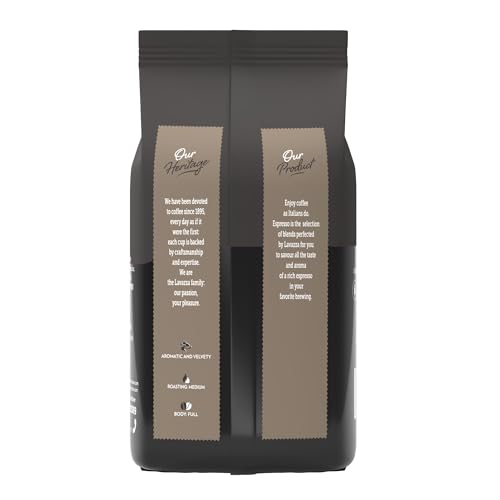
Lavazza Medium Roast Whole Bean

Strengths
- Freshness advantage
- Large 2.2 lb bag
- Bright aromatic profile
Trade-offs
- Requires grinder
- Bulk may be too much
- Not for dark roast fans
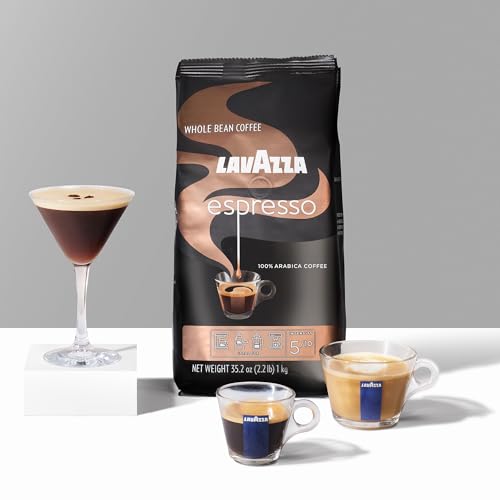
Freshness is king in espresso, and Lavazza’s whole bean version of their 100% Arabica blend gives you the best shot at it. With a 2.2 lb bag, you’re getting serious volume, ideal for frequent drinkers or small offices. The beans are medium-roasted, with floral and fruity notes that shine when ground just before brewing. Owners note a noticeable upgrade in aroma and crema compared to the pre-ground version, especially when used in semi-automatic machines.
While the blend is the same as the ground version, the leap in quality from grinding fresh is real. I’d recommend this over the pre-ground any day if you own a grinder. It’s not the most exotic or rarefied bean on the list, but for consistent, approachable espresso with a touch of brightness, it’s hard to beat. Just make sure you have a grinder ready, this one demands it.
Product photos


Nescafe Gold Espresso Instant
Strengths
- Smooth crema
- Fast preparation
- Rich for instant
Trade-offs
- Lacks depth
- Not true espresso
- Slight aftertaste
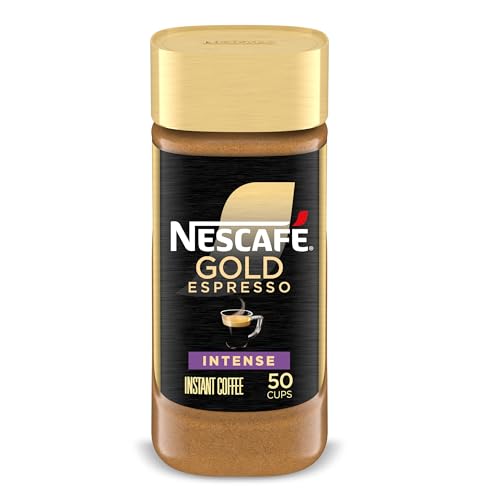
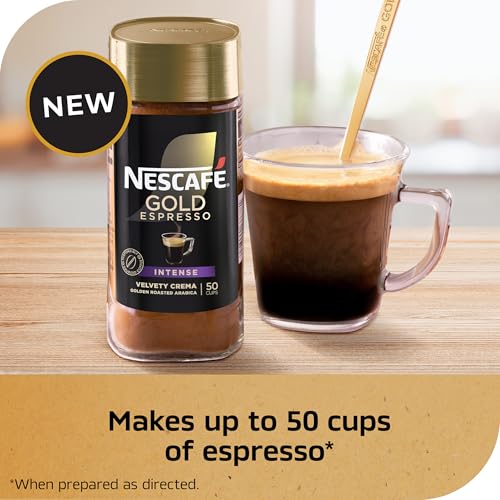
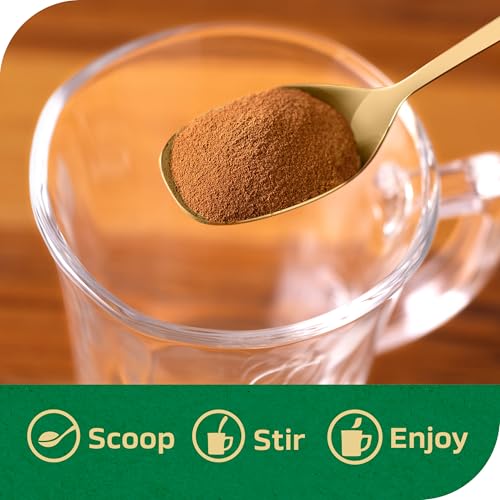
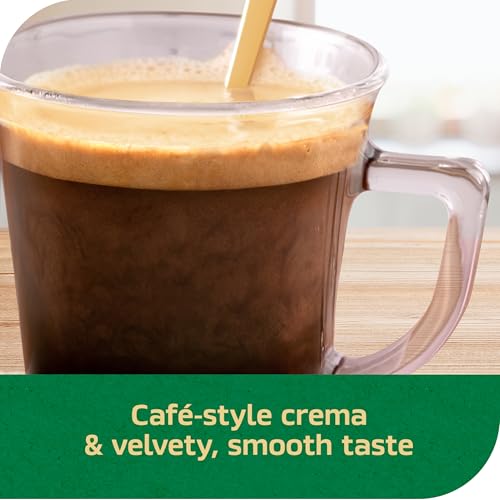
Instant coffee that pulls off an espresso impression is rare, but NESCAFÉ Gold Espresso Intense makes a credible attempt. On paper, it leans on high-quality golden-roasted Arabica beans, and owners consistently report a surprisingly rich, velvety texture with a visible crema when prepared correctly, something most instant coffees can’t claim. For travelers, office users, or those without machines, it delivers a fast, satisfying espresso-style jolt without the fuss.
That said, purists will spot the gap immediately. It lacks the depth, acidity, and aromatic complexity of real espresso, and some reviewers note a slightly flat aftertaste when compared to freshly brewed. But for what it is, an instant, it’s one of the better options out there. I’d pick this over standard instant if you’re chasing a quick espresso fix, though it’s no substitute for the real thing.
Product photos

Nescafe Gold Decaf Instant

Strengths
- Smooth decaf taste
- Forms light crema
- Convenient preparation
Trade-offs
- Flavor lacks depth
- Not for purists
- Slight flatness
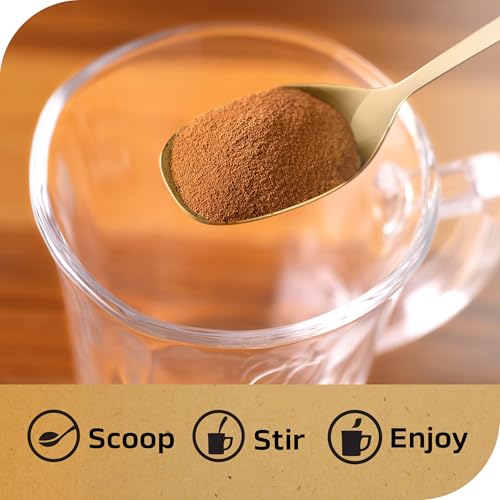
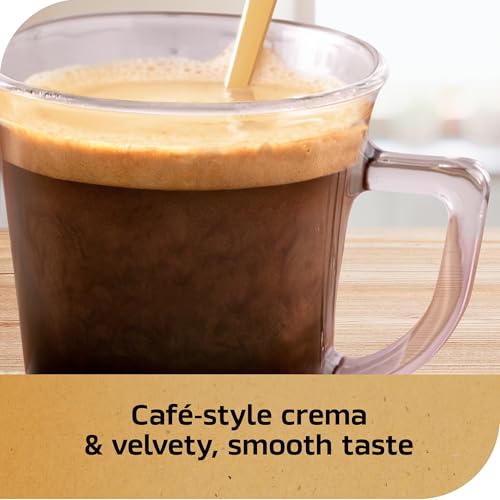
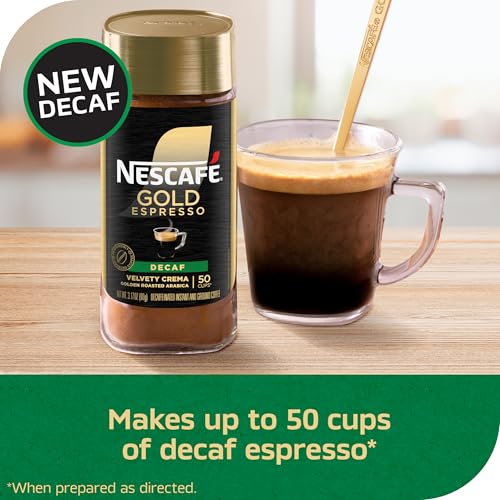
Decaf that tastes like espresso? That’s a tough bar, but NESCAFÉ Gold Decaf Espresso comes closer than most. Using golden-roasted Arabica beans, it retains a surprisingly full mouthfeel and even forms a light crema, rare for decaf instant. Owners appreciate how smooth and rounded it tastes, with minimal of the grassy or hollow notes that plague many decaffeinated options. It’s clearly not real espresso, but for a decaf quick fix, it’s hard to beat.
Still, the same limitations apply as with its caffeinated sibling. It lacks the aromatic complexity and brightness of freshly brewed decaf espresso. But if you’re sensitive to caffeine and want a satisfying evening espresso-style drink without buying a machine, this is the smarter buy over generic decaf instant. I’d keep a jar of this on hand for late-night cravings.
Product photos

Cafu00e9 El Morro Dark Roast
Strengths
- Rich bold flavor
- Smooth finish
- Great for milk drinks
Trade-offs
- Overpowering for some
- Limited nuance
- Oily residue possible
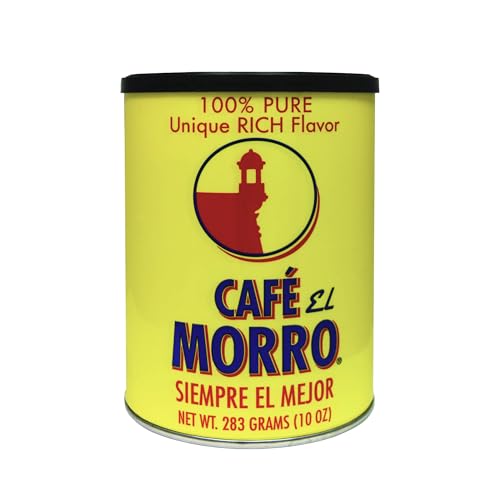
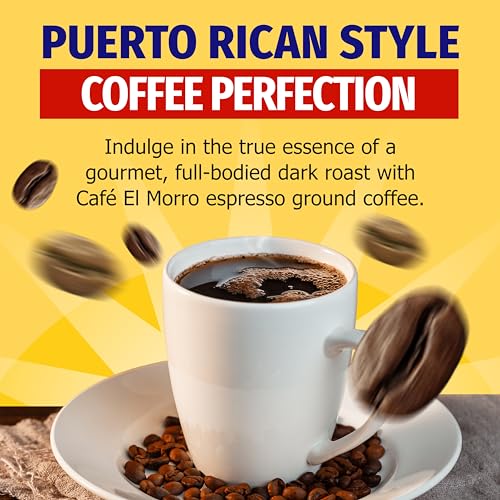
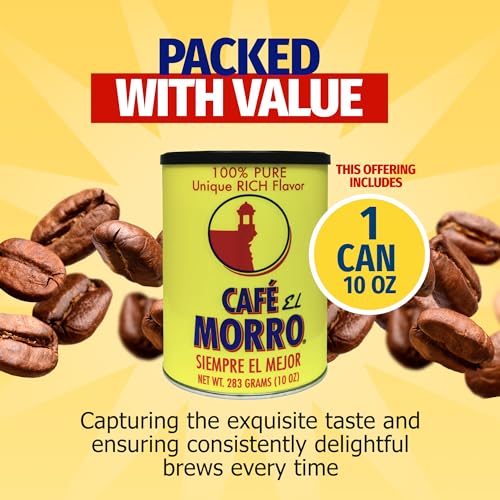
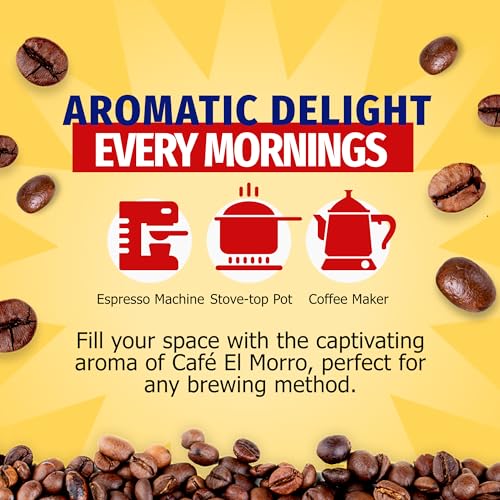
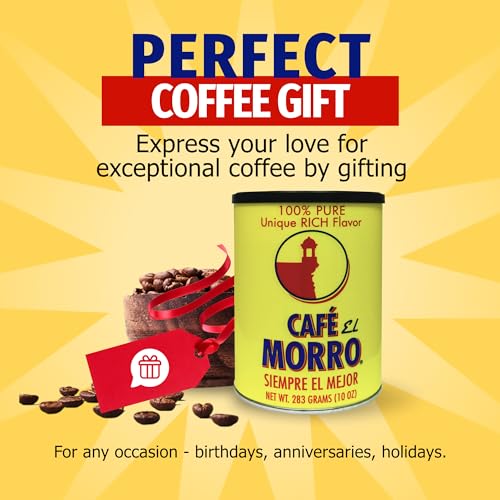
If you’re after a no-nonsense, full-throttle dark roast built for espresso, Café El Morro delivers exactly that. The beans are roasted to a deep, oily finish, and reviewers consistently highlight its bold, robust character, thick body, low acidity, and a finish that lingers like a well-worn leather jacket. It’s not subtle, and it doesn’t try to be. This is a coffee that announces itself, making it a favorite among those who pull straight shots or build strong milk drinks.
Compared to Illy’s polished profile or Lavazza’s balance, this one leans into raw power. The 10 oz can is convenient, though not as large as some bulk options. I’d recommend it for drinkers who want a dark roast that holds up in lattes and cappuccinos without fading into the milk. Just don’t expect delicate floral notes, this is espresso for the bold-at-heart.
Product photos

How We Picked These coffee to use for espresso
Rather than a hands-on lab test, this was a research-led comparison of published specifications and owner feedback for a range of coffees marketed for espresso preparation. I carefully examined stated roast levels, bean origins, flavor profiles, and preparation recommendations from manufacturers. Then, I weighed owner reviews from multiple sources, looking for consistent comments on crema production, flavor balance, and suitability for different espresso machines. Finally, I applied my years of experience with coffee to assess which options best aligned with established espresso principles.
For coffees intended for espresso, I prioritized intensity of flavor and the ability to produce a rich crema. A darker roast generally delivers the boldness needed to cut through hot water, while the presence of Arabica beans contributes to a smoother, more nuanced flavor profile. Consistency in grind size and freshness are also critical, so I gave extra weight to options readily available in pre-ground form or that highlighted bean sourcing and roasting practices that support freshness – or, for whole bean options, suitability for home grinding. You can learn more about espresso bean suitability in our detailed guide.
Specifications reliably indicate bean origin and roast level, giving a baseline expectation of flavor. However, owner reviews proved invaluable for gauging actual performance in home espresso setups. Comments about bitterness, acidity, and crema quality offered insights that specs alone couldn’t provide. I also considered the reputation of the brand; established roasters with a history of quality often deliver more consistent results, and understanding the differences between espresso vs regular beans is important.
Choosing The Right coffee to use for espresso
Finding the right coffee for espresso is a little different than choosing beans for drip or pour-over. It requires a focus on characteristics that stand up to pressure and deliver a concentrated flavor.
Espresso demands a coffee that’s roasted to highlight sweetness and body, with a fine, consistent grind size. Look for beans described as having notes of chocolate, caramel, or nuts, and consider the roast level – darker roasts are traditional, but lighter roasts can offer interesting complexity. A good espresso coffee should resist channeling (uneven extraction) and produce a beautiful crema.
Roast Level and Flavor Profile
Generally, darker roasts have historically been favored for espresso because the development brings out those intense, caramelly flavors that cut through milk in drinks like lattes and cappuccinos. However, don’t discount medium roasts. They can provide a brighter, more nuanced espresso experience. The key is finding a roast that you enjoy, and understanding how it will interact with your brewing method. If you’re looking to explore more about this, checking out some top-rated espresso blends can give you a solid starting point.
Bean Type and Origin
While 100% Arabica is the standard for quality, the origin of the bean significantly impacts the flavor. South American beans (like those found in Lavazza’s blends) tend to deliver chocolate and nutty notes, while African beans can introduce fruity and floral complexities. Don’t be afraid to experiment! Many roasters now offer single-origin espressos, letting you explore the unique characteristics of specific growing regions.
- A blend from multiple regions often provides a more balanced and forgiving espresso.
- Single-origin beans can be exciting but require more dialing-in of your grinder and machine.
- Consider the altitude at which the beans were grown; higher altitudes generally produce denser, more flavorful beans, which can translate to a richer espresso.
Freshness and Grind
Espresso is extremely sensitive to freshness. Whole bean coffee retains its flavor much longer than pre-ground, so if you have the capability, opt for whole bean and grind it immediately before brewing. If you must buy pre-ground, choose a reputable brand with a recent roast date. Speaking of pre-ground, you may find some excellent options in pre-ground dark roast espresso.
A good rule of thumb: use your coffee within two weeks of roasting, and store it in an airtight container away from light, heat, and moisture.
Ultimately, the best coffee for espresso is the one you enjoy the most. Don’t be afraid to try different roasts, origins, and blends until you discover your perfect cup. I’ve found that even exploring espresso ground coffee brands can lead to some unexpected discoveries.
Coffee to Use for Espresso Compared
Here’s a comparison of the specifications for different coffees suitable for espresso preparation.
| Product Name | Roast Level | Form | Intensity (1-10) | Bean Type | Caffeine Level |
|---|---|---|---|---|---|
| Illy Medium Roast | Medium | Ground | N/A | Arabica | Regular |
| Starbucks Espresso Roast | Dark | Ground | N/A | N/A | Regular |
| Lavazza Medium Roast | Medium | Ground | 5/10 | Arabica | Regular |
| Lavazza Medium Roast Whole Bean | Medium | Whole Bean | 5/10 | Arabica | Regular |
| Nescafe Gold Espresso Instant | N/A | Instant | N/A | Arabica | Regular |
| Nescafe Gold Decaf Instant | N/A | Instant | N/A | Arabica | Decaf |
| Café El Morro Dark Roast | Dark | Ground | N/A | N/A | Regular |
Frequently Asked Questions
What grind size is best for espresso?
A very fine grind is best for espresso, finer than for drip coffee(around 30-35 on most grinders). This maximizes surface area for extraction under pressure, which is critical for a balanced shot.
Can instant coffee really be used for espresso-style drinks?
Yes, instant coffee can be used, though the results differ significantly from traditionally brewed espresso. Options like Nescafé Gold Espresso offer convenience, but won’t replicate the crema or complex flavors of freshly ground beans.
How does the roast level affect the taste of my espresso?
Darker roasts generally yield bolder, more bitter espresso with notes of chocolate and caramel, while lighter roasts offer brighter acidity and potentially fruity flavors. Finding your preference is key, but darker roasts are traditionally favored for cutting through milk.
Is decaf espresso as good as regular?
Decaf espresso can be excellent, but the decaffeination process can sometimes affect the bean’s flavor profile. Look for brands that use the Swiss Water Process, which preserves more of the original coffee’s characteristics, and check out top espresso bean picks for options.
What’s the difference between Arabica and Robusta beans in espresso?
Arabica beans are known for their smoother, more aromatic flavor and are standard for quality espresso. Robusta beans have higher caffeine and a bolder, sometimes harsher taste, and are often blended in small amounts for increased crema and intensity, but I generally recommend focusing on 100% Arabica for the best experience.
The Bottom Line
Choosing the best coffee for espresso often comes down to balancing control with convenience. For those who want to fine-tune every aspect of their brew, starting with whole bean options like Lavazza Medium Roast Whole Bean will allow for maximum freshness and grind control. However, if consistency and ease-of-use are paramount, Illy Medium Roast provides a reliably excellent espresso experience right out of the bag.
For readers seeking a budget-friendly option, the Starbucks Espresso Roast delivers a bold flavor at an accessible price point. If versatility is key – perhaps you enjoy both espresso and other brewing methods – the Lavazza Medium Roast (ground) offers a balanced profile suitable for a range of preparations. And, for those interested in understanding the nuances, exploring the espresso beans versus coffee beans can be a great starting point.
Ultimately, remember that the specifications and flavor notes are just guidelines. The most important factors are fresh beans, a consistent grind, and a machine dialed in to your taste. Don’t get too hung up on finding the “perfect” bean; focus on mastering the fundamentals and discovering what brings you the most enjoyment in your daily cup.
