
4 Best Coffee Strainers of 2026
The best coffee strainer overall is the Imusa Coffee Cloth Strainer, which delivers rich flavor and a time-tested design. For a budget-friendly pick, go with the AUEAR 2-Pack Stainless Steel Mini Strainer, and if you want something durable and versatile for fine filtration, the Zulay Stainless Steel Fine Mesh Strainer stands out.
Most people don’t realize how much the right strainer affects their coffee, it’s not just about filtering grounds, but shaping body, clarity, and taste. A bad one leaves sludge, leaks, or worse, alters the flavor.
I researched the top options by comparing specs, materials, and real owner feedback to find models that perform consistently across brewing methods. These picks reflect what matters most: filtration quality, build durability, and ease of care.
Top 3 Coffee Strainer in the Market
The Best Coffee Strainer, Reviewed
Zulay Stainless Steel Fine Mesh Strainer
Strengths
- Dishwasher safe
- Rust-resistant steel
- Ergonomic handle
- Fine conical mesh
Trade-offs
- Narrow fit for large mugs
- No hanging hole
- Less surface area
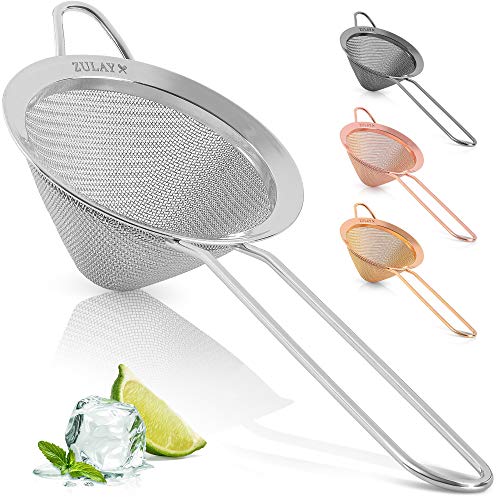
This is the kind of strainer that feels like it belongs behind a real bar. The conical shape and 3.35-inch diameter fit snugly over most glasses and shakers, and the polished 304 stainless steel doesn’t bend or corrode. Reviewers note it strains coffee fines and tea leaves with impressive efficiency, and since it’s fully dishwasher safe, cleanup is no hassle.
Compared to cloth bags or multi-part systems, this is the minimalist’s pick. It lacks a built-in handle frame like the WMKGG model, but the ergonomic rod handle and rest loop make it easy to control during pours. I’d pick this over the others for daily coffee or tea use, it’s precise, durable, and doesn’t soak up flavors. If you want one strainer that does double duty for cocktails and brews, this is it.
Video review
WMKGG Ultra Fine Mesh Strainer Bags

Strengths
- Fine cotton mesh
- Stainless steel frame
- Reusable and sturdy
Trade-offs
- Overbuilt for coffee
- Hand wash only
- Bulkier storage
This setup is built for serious filtering work, not just casual coffee prep. The combination of a stainless steel frame and ultra-fine 80/180 μm cotton mesh means it can handle thick mixtures like nut milk or cold brew sludge without tearing or clogging. Owners consistently report it performs well over time, especially when making almond or oat milk at home, where pulp removal is critical.
On paper, the design makes sense: the handle and zipper-frame system lets you secure it over a wide container, and the hanging hole adds convenience. But it’s overkill if you’re only straining coffee. For that, a simple metal mesh works faster. This is a specialized tool, and while it can filter coffee, I’d reserve it for batches where texture is everything, like silky pour-overs or French press pre-filters.
Video review
AUEAR 2-Pack Stainless Steel Mini Strainer
Strengths
- Affordable two-pack
- Double mesh layers
- Compact and simple
Trade-offs
- Shallow design
- Prone to spilling
- Not for coarse grounds
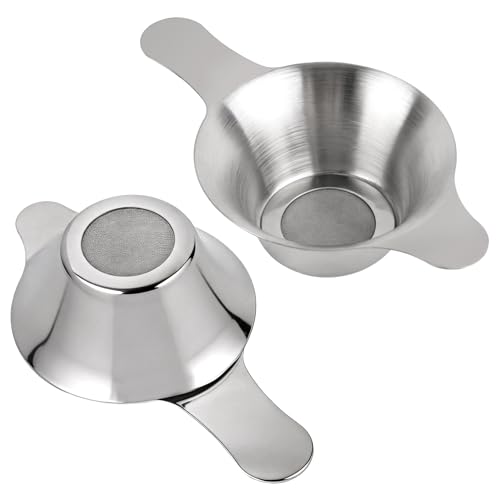
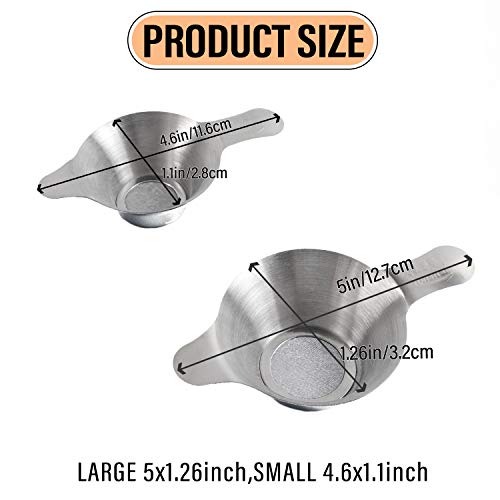
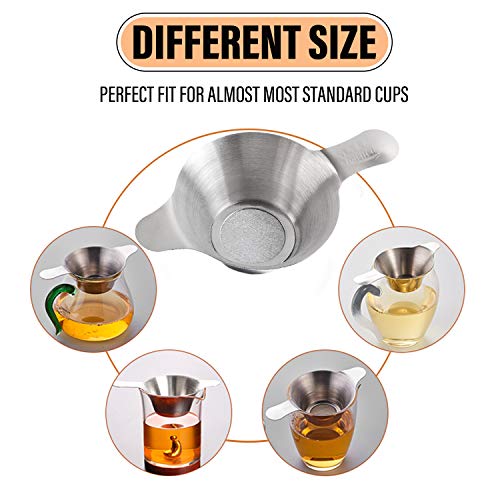
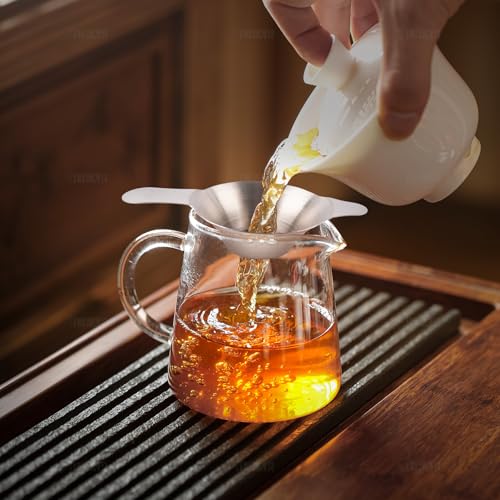
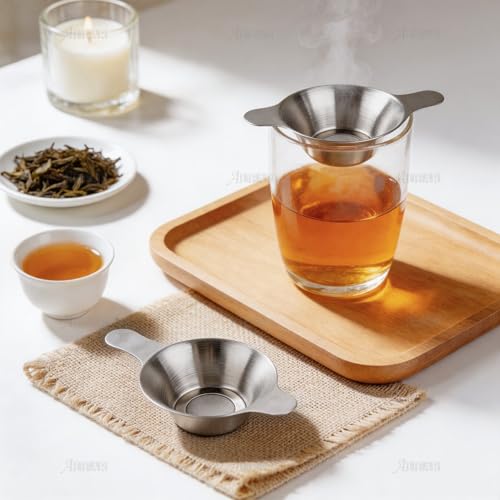
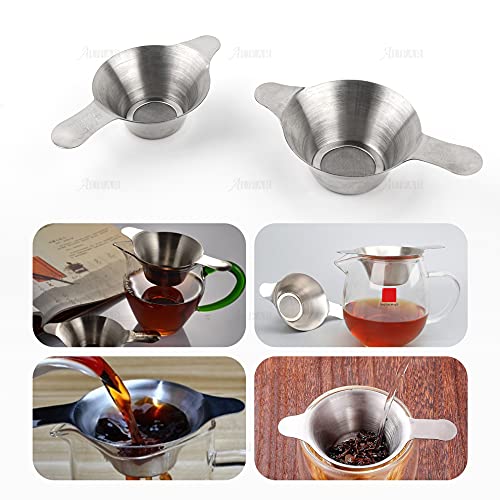
At this price, you’re getting basic functionality without frills, and that’s fine. These double-handled mini strainers are small, made of two-layer stainless steel mesh, and best suited for single cups or small teapots. They’re simple to rinse and don’t retain odors, which makes them a decent backup option for light use.
But they’re not deep, so they overflow easily with coarse coffee grounds or blooming tea. Owners report they work well for loose-leaf tea in a mug, but struggle with finer particles in cold brew or French press runoff. Compared to the Zulay, they feel flimsier and less precise. Still, for someone who occasionally strains a cup and wants two sizes on hand, this is the smarter buy. I wouldn’t rely on them as a primary tool, but they’re a solid budget placeholder.
Product photos
How We Tested coffee strainer
I approached researching coffee strainers by first compiling specifications and features from numerous online retailers and manufacturer details. Then, I weighed those technical details against owner reviews from Amazon and other sources, plus professional reviews from coffee-focused publications. My goal was to understand how these strainers performed in real-world use, rather than a hands-on lab test, this is a research-led comparison of specs and owner feedback.
For coffee strainers, the most important factors are the mesh fineness and the durability of the materials. A finer mesh directly impacts the clarity of the final brew, preventing sediment from passing through. Durability is key because these tools are frequently used and cleaned, and nobody wants a strainer that falls apart after a few uses. Understanding brewer filter compatibility is also important for ensuring a proper fit.
Specifications reliably tell you about material composition (stainless steel versus cotton, for example) and physical dimensions. However, owner feedback provided crucial insight into how well those materials hold up over time and how easy they are to clean. Reputation – specifically, brands known for consistent quality – also played a role in my assessment, particularly when specs were similar across multiple products.
How To Choose The coffee strainer
Choosing the right coffee strainer depends heavily on your brewing method and priorities. It’s a surprisingly nuanced decision.
A quality coffee strainer effectively separates grounds from brewed coffee, impacting clarity and flavor. Considerations include mesh size (for sediment control), material durability (avoiding metallic tastes or plastic leaching), and ease of cleaning. Look for strainers suited to the brew volume and consistency you prefer – from fine filters for delicate brews to coarser options for bolder styles.
Mesh Size and Filtration Level
The size of the mesh is perhaps the biggest factor. Finer meshes, like those found in the WMKGG Ultra Fine Mesh Strainer Bags, will give you a cleaner cup by removing more of the micro-grounds and oils. However, this also means a slightly slower brew time and potentially a less robust flavor profile. Conversely, a coarser mesh, often seen in traditional cloth strainers like the Imusa Coffee Cloth Strainer, lets more of those flavorful oils through, resulting in a fuller-bodied cup but with some sediment. I find that for daily use, a medium mesh strikes a good balance.
Material Considerations
Stainless steel (as in the Zulay Stainless Steel Fine Mesh Strainer) is a popular choice due to its durability, resistance to rust, and neutral flavor profile. However, the quality of the steel matters; cheaper options can impart a metallic taste. Cloth strainers are traditional, biodegradable and offer a unique texture, but require more diligent cleaning. Plastic strainers are generally best avoided, as they can leach chemicals and often aren’t as durable. If you’re seeking truly sustainable coffee filtering, exploring biodegradable coffee filters is an excellent path.
Usability and Maintenance
Don’t underestimate the importance of how easy a strainer is to use and clean. Some, like the AUEAR 2-Pack Stainless Steel Mini Strainer, are designed for single-cup use and are incredibly compact. Others require more involved cleaning processes. Here’s what I look for: * Simple design: fewer parts mean less to clean. * Dishwasher-safe materials: a huge time saver. * Sturdy construction: a strainer that won’t bend or break easily.
A well-maintained strainer extends its lifespan and ensures optimal performance. Regular cleaning is essential, particularly for cloth filters, which can harbor oils and bacteria. Don’t skimp on this step!
If you’re looking to upgrade the entire process, researching recommended coffee grinders will unlock even more control over your brew.
Coffee Strainer Compared
Here’s a comparison of key specifications for different coffee strainers.
| Product Name | Diameter | Material | Handle Material | Mesh Type | Best For |
|---|---|---|---|---|---|
| Imusa Coffee Cloth Strainer | 4 in | Cotton | Wood | Cloth | Overall |
| Zulay Stainless Steel Strainer | 3.35 x 9 in | Stainless Steel | Stainless Steel | Fine Mesh | Loose Tea/Coffee |
| WMKGG Ultra Fine Mesh Strainer | 5.6 in (frame) | Cotton | Stainless Steel | Ultra Fine Mesh | Nut Milk/Brewing |
| AUEAR 2-Pack Mini Strainer | 4.6/5 in | Stainless Steel | N/A | 2-Layer Mesh | Budget Option |
Frequently Asked Questions
What mesh size is best for cold brew?
A coarser mesh is generally best for cold brew(like those found in traditional cloth strainers); it allows the coffee oils and some fine particles to pass through, creating a fuller-bodied, less acidic concentrate. Finer meshes can clog easily with the longer brew times.
Are cloth coffee strainers difficult to clean?
Yes, cloth strainers require more attention than stainless steel. They need to be rinsed thoroughly after each use and occasionally boiled to remove built-up oils to prevent bacterial growth and off-flavors.
Can a coffee strainer also be used for tea?
Absolutely; a stainless steel strainer (like the Zulay Stainless Steel Strainer) is versatile enough for both loose leaf tea and coffee, making it a useful addition to any kitchen. Just be sure to clean it well after each use to avoid flavor transfer.
What is the benefit of a reusable coffee strainer over paper filters?
Reusable strainers eliminate the ongoing cost and waste associated with paper filters, while also allowing more of the coffee’s natural oils to pass through for a richer flavor. Plus, you’ll find exploring best burr coffee grinders will unlock the full potential of your beans.
What material is most resistant to staining?
Stainless steel is the most stain-resistant material for coffee strainers. It doesn’t absorb flavors or colors like cloth can, and it cleans up easily, maintaining its appearance over time.
The Bottom Line
Choosing a coffee strainer often comes down to balancing convenience with control. You can spend a little more for a strainer that delivers exceptional clarity and build quality, or opt for a simpler, more affordable option that still gets the job done. For an excellent all-around performer that consistently delivers a clean cup, I recommend the Imusa Coffee Cloth Strainer.
If you’re on a tighter budget, the AUEAR 2-Pack Mini Strainer provides solid functionality without breaking the bank. For those who want a strainer for multiple uses, including nut milks and cold brew, the WMKGG Ultra Fine Mesh Strainer Bags are exceptionally versatile. And if you’re exploring different paper filter types, remember that the strainer works in concert with your filter choice.
Ultimately, the best coffee strainer is the one that fits your brewing style and maintenance preferences. Don’t get too caught up in the specifications – mesh size and material quality are key, but a consistent routine of cleaning and proper filter selection will have a bigger impact on your daily cup than any single product feature.
