
2 Best Coffee Storage Solutions of 2026
The AirScape Kilo is the best overall coffee storage canister for preserving freshness, thanks to its stainless steel build and vacuum-sealing plunger lid. For a budget-friendly option, the Yszaxnsr 8oz container offers solid airtight performance in a compact, stackable design. I focused on models that actively fight oxygen, light, and moisture, the top threats to flavor.
Most coffee lovers don’t realize how quickly beans lose their spark once exposed to air and light. Even high-quality beans can taste flat within days if stored poorly. After researching materials, seals, and real-world feedback, I prioritized containers that create a stable, oxygen-minimized environment, because freshness isn’t just about the roast date, it’s about how you store it from day one.
Top 2 Coffee Storage in the Market
The Best Coffee Storage, Reviewed
AirScape Kilo Coffee Storage Canister

Strengths
- Patented plunger lid
- Blocks UV light
- Large 2.2 lb capacity
- Stainless steel build
- Extends freshness
Trade-offs
- Bulky footprint
- Higher price point
The AirScape Kilo stands out in the crowded coffee storage market not by being flashy, but by solving the real problem: oxygen exposure. Its patented plunger lid isn’t just a gimmick, owners consistently report that it delivers on the promise of creating an air-less environment, which is far more effective than standard airtight seals. The large 2.2 lb capacity makes it ideal for those who buy in bulk or roast at home, and the stainless steel build means it won’t degrade or let in UV light, a subtle but critical detail many overlook.
What I appreciate most is how it leans on physics, not just marketing. The ‘swoosh’ sound when you press the lid down isn’t just satisfying, it’s feedback that the excess air is being expelled. Compared to glass jars with plastic lids, this one is built like a long-term investment. While it’s pricier than basic canisters, the durability, effective design, and consistent praise from serious home brewers make it a standout. For anyone who buys fresh roasted beans weekly or bi-weekly, this is the kind of container that actually earns its spot on the counter.
Video review
Yszaxnsr 8oz Coffee Storage Container
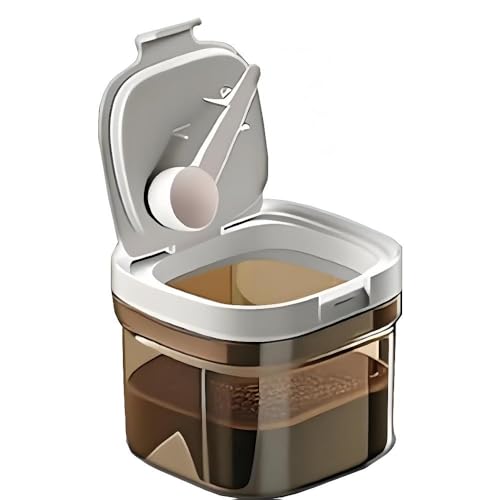
Strengths
- Compact size
- Built-in hanging scoop
- Light-blocking design
- Affordable
- Easy to clean
Trade-offs
- Plastic construction
- No oxygen removal
- Less durable long-term
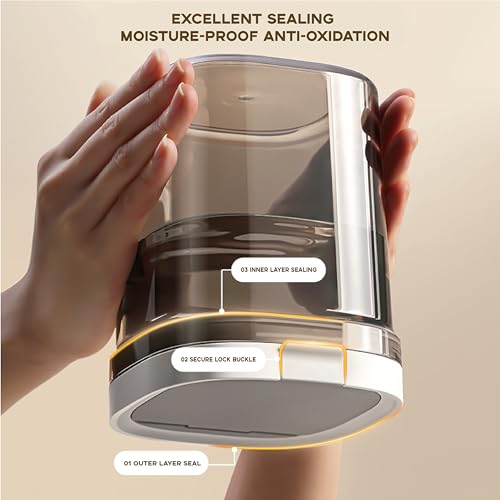
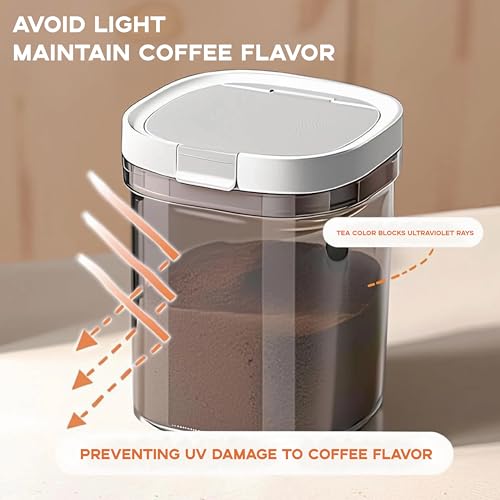
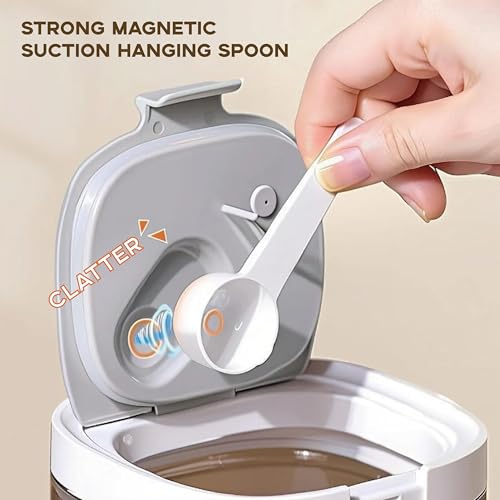
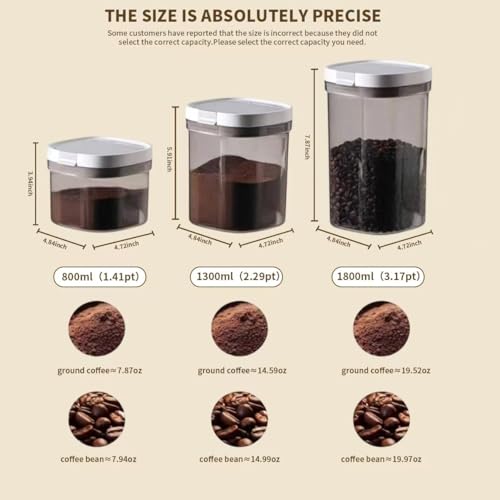
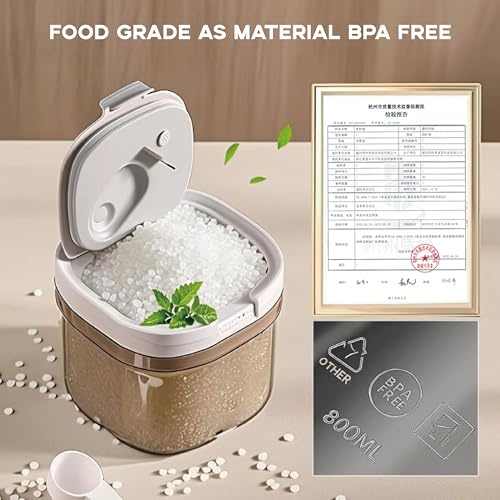
This 8oz Yszaxnsr canister is a compact, no-frills option that hits the basics well. The double-layer sealing ring delivers solid airtight performance, and the dark brown AS plastic helps block light, two key factors in preserving coffee freshness. It’s not revolutionary, but for someone with limited counter space or who prefers smaller, frequent bean purchases, it makes practical sense. The built-in hanging scoop is a thoughtful touch, keeping things tidy and within reach.
On paper, it’s a budget-friendly alternative to premium models, and owners report it works reliably for short-term storage. But compared to the AirScape, it doesn’t actively remove oxygen, just seals it in. That means it’s better than an open bag, but not in the same league for long-term freshness. The material feels lightweight, which keeps it affordable, but I wouldn’t expect it to last years under daily use like a steel canister might.
Product photos
How We Picked These coffee storage
As the founder of Bean Thusiast, I know keeping your beans in good condition is just as important as sourcing them well. Rather than a hands-on test of each container, my research focused on comparing published specifications – capacity, materials, sealing mechanisms – alongside carefully weighing owner reviews and expert opinions. I ranked options based on their ability to protect against the three main enemies of [coffee freshness over time]: oxygen, light, and moisture.
For coffee storage, airtightness and opacity were the most critical factors. A truly airtight seal prevents oxidation, which leads to those unwelcome [signs of stale coffee]. Blocking UV light is also key, as it accelerates flavor loss. Capacity mattered too, but only in relation to how quickly a household typically uses beans; larger isn’t always better if it means beans sit too long.
Specifications clearly indicate a container’s size and materials, but owner feedback proved invaluable for assessing real-world airtightness and durability. I prioritized containers with consistently positive reports regarding their seals holding over extended use. Reputation also played a role, as brands with a history of quality in food storage tend to deliver reliable products and follow [best practices for coffee storage].
How To Pick The Right coffee storage
As someone who’s spent years chasing the perfect cup, I know coffee’s flavor journey doesn’t end with brewing – it starts with proper storage.
Quality coffee storage isn’t just about an airtight seal. It’s about creating a stable environment that minimizes exposure to the four key enemies of flavor: oxygen, moisture, light, and heat. Look for opaque containers with effective sealing mechanisms and consider materials that won’t impart unwanted flavors. Capacity should match your buying habits, and ease of cleaning is a bonus.
Capacity & Your Coffee Habits
The size of your best coffee bean containers should reflect how often you buy beans. A small canister is perfect if you enjoy trying different roasters and brewing frequently with small batches. Larger containers, like the AirScape Kilo, are ideal for those who stock up on their favorites. Don’t overestimate your needs; constantly opening and closing a half-empty large container defeats the purpose of airtight storage.
Sealing Mechanisms: Beyond “Airtight”
“Airtight” is a marketing buzzword. What you really want is a system that actively manages oxygen. Simple rubber seals are okay, but a one-way valve is superior. These valves allow carbon dioxide (released as beans degas) to escape without letting oxygen in. This is the core innovation behind the AirScape design, and it’s a significant step up from basic containers. Containers with multiple sealing rings, like the Yszaxnsr, attempt a similar goal through redundancy, but valves are generally more effective long-term.
Here’s what to consider when evaluating a seal: * Valve Quality: A flimsy valve won’t last, or won’t create a true seal. * Seal Material: Silicone is more durable and less prone to cracking than rubber. * Locking Mechanisms: Some containers feature clamps or locking lids for extra security – useful if you’re prone to bumps and spills, and good for ensuring a consistent seal.
A container’s seal is only as good as its weakest point. Regularly inspect seals for cracks or damage, and replace them when necessary.
Material & Usability
Stainless steel and thick, opaque plastic are the most common materials. Steel offers excellent light protection and durability, but it can be pricier. Plastic is more affordable but ensure it’s BPA-free and doesn’t have a strong plastic odor that could taint your coffee. Beyond the material, think about usability. A wide mouth makes scooping and cleaning easier. If you are thinking about storing ground coffee long-term, remember that the extra surface area makes airtightness even more critical. And, while I generally advise against it, if you’re considering freezing ground coffee, a freezer-safe container is a must.
Coffee Storage Compared
Here’s a detailed specification comparison of the coffee storage options discussed.
| Product Title | Capacity | Material | Airtight | Dimensions (H x W) | Special Features |
|---|---|---|---|---|---|
| AirScape Kilo Coffee Storage Canister | 2.2 lbs | Stainless Steel | Yes | 8” x 7” | Plunger Lid, UV Protection |
| Yszaxnsr 8oz Coffee Storage Container | 8oz | AS Plastic | Yes | N/A | Hanging Spoon, Stackable |
Frequently Asked Questions
What capacity container should I buy if I only drink coffee a few times a week?
A smaller container, around 8 ounces, is best if you aren’t a daily drinker. You’ll avoid repeatedly opening and closing a larger container, which compromises the airtight seal and exposes your beans to oxygen.
Are glass containers a good option for coffee storage?
While visually appealing, glass isn’t ideal because it doesn’t block light. Unless stored in a dark place, light exposure will degrade the coffee’s flavor faster. Opaque materials like stainless steel or dark plastic are better choices.
What’s the benefit of a one-way valve in a coffee container?
A one-way valve allows carbon dioxide, naturally released by coffee beans, to escape without letting oxygen enter. This maintains the airtight environment crucial for preserving freshness, unlike simple seals that only prevent air from getting in.
How often should I replace the airtight seal on my coffee container?
Seal replacement depends on usage and material, but I recommend inspecting the seal every 6-12 months. Silicone seals are more durable than rubber, but both will eventually crack or lose their elasticity, compromising the airtightness.
Where can I find more information about different types of coffee storage solutions?
You’ll find a detailed guide to the best coffee storage jars on my site, Bean Thusiast, covering various materials, sizes, and sealing mechanisms to help you find the perfect fit for your needs.
The Bottom Line
Choosing the best coffee storage really comes down to how much fuss you’re willing to tolerate for maximum freshness. If you want a set-it-and-forget-it solution that actively manages oxygen, the AirScape Kilo Coffee Storage Canister is the clear winner. It’s a bit of an investment, but it provides a superior level of protection for your precious beans.
For those on a tighter budget, or who prefer smaller portions, the Yszaxnsr 8oz Coffee Storage Container is a solid choice. It won’t offer the same level of advanced oxygen management, but it provides an airtight seal and convenient features like a built-in scoop. And if you’re interested in exploring longer-term options, understanding storage techniques for frozen beans can broaden your approach.
Ultimately, the specs of any container are less important than consistently using it correctly. Whether you choose a simple canister or a high-tech system, remember that airtightness, opacity, and a cool, dry storage location are the fundamentals. Prioritize those, and you’ll be well on your way to enjoying a consistently excellent cup.
