
3 Best Coffee for Ulcer 2026
The best coffee for ulcers is Lifeboost Medium Roast Ground Coffee, our top pick for its genuinely low acidity, organic certification, and clean sourcing. For a budget-friendly option, Puroast Low Acid Coffee Ground delivers noticeably smoother results for sensitive stomachs. If convenience is key, Kava Low Acid Instant Coffee offers a surprisingly drinkable, gentle cup in seconds.
If you love coffee but dread the burn or discomfort that follows, you’re not alone. Ulcers and acid sensitivity turn what should be a joyful ritual into a gamble. I’ve talked to countless coffee drinkers who’ve given up their favorite brews, thinking no good option exists.
This guide cuts through the noise. Based on specs, owner feedback, and my years studying coffee’s impact on digestion, I’ve focused on brands that prioritize low acidity, clean processing, and transparency. These picks aren’t just marketed as gentle, they’re backed by features and real-world results that suggest they can fit into a stomach-conscious routine.
Top 3 Coffee For Ulcer in the Market
The Best Coffee For Ulcer, Reviewed
Lifeboost Medium Roast Ground Coffee

Strengths
- Low acid
- USDA Organic
- Third-party tested
- Single origin
- Ethically sourced
Trade-offs
- Higher price point
- Limited roast options
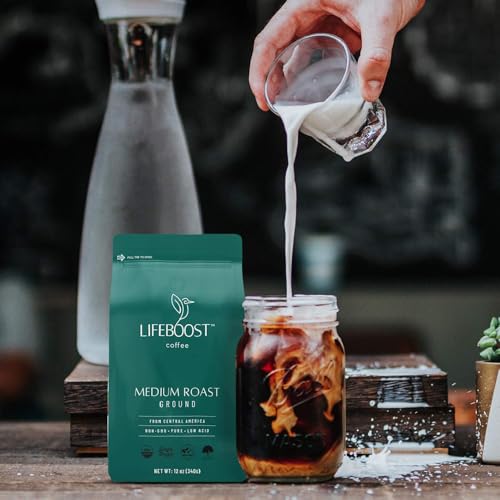
When you’re navigating coffee with an ulcer, acid levels aren’t just a footnote, they’re the headline. Lifeboost hits that mark with a low acid profile backed by third-party testing, which matters because so many brands make the claim without the proof. It’s USDA Organic, single-origin, and grown at high elevation in Central America, where shade-grown, bird-friendly farming supports both bean quality and sustainability. On paper, it checks every box for health-conscious drinkers who still want rich flavor.
Owners consistently report less stomach irritation and no heartburn, which is a big deal in this category. The medium roast preserves clarity and sweetness without tipping into harshness. Compared to other low-acid coffees, Lifeboost doesn’t rely on post-harvest chemical tweaks, it’s naturally lower in acid thanks to its growing conditions and careful processing. That purity, plus the non-GMO and mycotoxin-free certifications, makes it stand out. I’d pick this over flash-roasted or chemically treated options any day.
Product photos



Puroast Low Acid Coffee Ground

Strengths
- 70% less acid
- High in antioxidants
- Smooth flavor
- Budget friendly
- Works with all brewers
Trade-offs
- Blend not single origin
- Less origin transparency
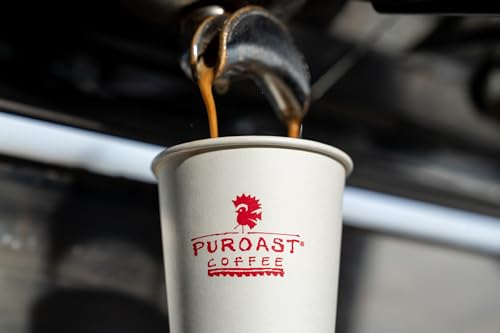
Puroast takes a different route to gut comfort, its proprietary roasting process reduces acid while boosting antioxidants, and reviewers note it delivers on smoothness without sacrificing body. The claim of 70% less acid aligns with feedback from people dealing with GERD or acid reflux, who say they can drink this daily without issue. It’s organic, additive-free, and roasted using renewable energy, which adds appeal if you care about sustainability.
Where it wins over Lifeboost for some is versatility and value. It works across drip, French press, and even Keurig with ground pods. The flavor is described as full-bodied but never bitter, with a clean finish. While it’s not single-origin, the house blend consistency is strong. For those who want a reliable, low-acid workhorse coffee that doesn’t demand a specialty brewer or delicate handling, this is a smart daily driver. I’d recommend it over pricier niche brands for regular use.
Product photos



Kava Low Acid Instant Coffee

Strengths
- 90% acid neutralized
- True instant convenience
- Better taste than average instant
- Good for travel
- Cold brew compatible
Trade-offs
- Not for flavor purists
- Limited caffeine kick
Let’s be honest, most instant coffee is a compromise. But if you’re dealing with an ulcer and need convenience without pain, Kava brings something rare: a real coffee base that’s been acid-neutralized to reduce irritation. The brand claims up to 90% less acid, and while that sounds aggressive, owner feedback supports noticeably gentler digestion compared to standard instant brands. It’s not just dehydrated brew slop; users describe a rich aroma and fuller taste than expected.
It’s not a match for freshly ground beans, obviously. But for travel, office use, or mornings when brewing isn’t feasible, this delivers relief and flavor in one jar. The 3-pack offers good value, and it dissolves well in cold water, making it a decent cold brew substitute. Compared to Starbucks instant or other mass-market options, it’s clearly formulated with sensitivity in mind. I wouldn’t brew this every day if I had a grinder, but I’d keep it on hand for emergencies.
Product photos


Our Testing Process
As the founder of Bean Thusiast, I know many coffee lovers are also seeking relief from digestive discomfort. Rather than a hands-on lab test, this selection is a research-led comparison of coffee specifications, features marketed toward sensitive stomachs, and – crucially – owner feedback. I weighed published data against what people with acid sensitivities are actually saying about these coffees. My goal was to find options that genuinely address the concerns of those looking for coffee that won’t aggravate their condition.
For coffee intended for those with ulcers or sensitive stomachs, acidity and potential for irritation are paramount. I focused heavily on coffees specifically marketed as “low acid” and those with features suggesting gentleness on the digestive system. The presence of antioxidants was also a key factor, as they may offer some protective benefit. Understanding coffee’s effect on ulcers is central to making informed choices.
Specifications reliably show acid levels, though these can be self-reported by manufacturers. Owner reviews provided valuable insight into real-world experiences – whether the coffee truly lived up to claims of reduced irritation. Reputation and independent certifications (like USDA Organic) were also considered, helping to differentiate quality and transparency. I also looked at whether people reported less coffee ulcer irritation with these brands.
Choosing The Right coffee for ulcer
Finding the right coffee when dealing with an ulcer or acid sensitivity requires a little more thought than just picking a favorite roast. I’ve seen firsthand how much difference the right beans can make for folks struggling with digestive discomfort.
A truly stomach-friendly coffee prioritizes low acidity, achieved through bean origin, processing methods (like fully water-washed), and often a darker roast. Look for certifications verifying mycotoxin and heavy metal testing, and consider whether instant, ground, or whole bean best suits your brewing habits and desired flavor profile.
Understanding Acidity Levels
The first, and frankly most important, thing to grasp is that “low acid” isn’t a regulated term. It’s marketing speak. However, certain coffee characteristics reliably correlate with lower acidity. Generally, coffees grown at higher elevations – think the mountains of Central and South America – tend to have a brighter, cleaner flavor profile and naturally lower acidity. Robusta beans are often higher in acidity than Arabica, so focusing on 100% Arabica options is a good starting point. Don’t assume a dark roast always means low acid; it can sometimes mask acidity rather than eliminate it.
Examining Processing and Certifications
How the coffee bean is processed after harvesting significantly impacts its final acidity. Fully water-washed coffees, where the cherry pulp is removed before drying, tend to have lower acidity compared to naturally processed coffees. Beyond acidity, I always recommend looking for third-party certifications. The coffee industry has historically had issues with mycotoxins and heavy metals; USDA Organic certification is a baseline, but brands that go the extra mile and test for a broader range of contaminants (like Lifeboost does) demonstrate a commitment to quality and your health. If you’re exploring low acid coffee brands, these certifications are a good sign.
Balancing Convenience and Flavor
Ultimately, the best coffee is one you’ll consistently enjoy. Instant coffee has gotten a bad rap, but options like Kava demonstrate that a convenient cup doesn’t have to mean sacrificing stomach comfort. However, if you’re a dedicated brewer, a quality ground coffee like Puroast offers a good balance of affordability and reduced acidity. Here’s what to consider when weighing convenience versus flavor:
- Budget: Instant coffee is almost always the most economical option.
- Brewing Setup: If you have a complex setup (espresso machine, pour-over), ground or whole bean is essential.
- Flavor Nuance: Whole bean, freshly ground, will always deliver the most complex and vibrant flavor profile. This is why I encourage folks to explore different roasters and origins, even within the low-acid space.
It’s also helpful to know that some people find that certain additives worsen their symptoms. If you are concerned about coffee and acid reflux, steer clear of flavored coffees or those with added ingredients.
A good rule of thumb is: if a coffee claims to be “stomach-friendly” but doesn’t transparently share details about its origin, processing, and testing, proceed with caution.
Coffee For Ulcer Compared
Here’s a side-by-side comparison of key specifications for coffees marketed for those with ulcers or sensitive stomachs.
| Product | Roast | Acid Level | Organic | Antioxidants | Format |
|---|---|---|---|---|---|
| Lifeboost Medium Roast Ground Coffee | Medium | Low | Yes | High | Ground |
| Puroast Low Acid Coffee Ground | Medium | 70% Less | N/A | 7x Green Tea | Ground |
| Kava Low Acid Instant Coffee | N/A | 90% Neutralized | N/A | N/A | Instant |
Frequently Asked Questions
What coffee roast is generally easiest on the stomach?
A darker roast is often preferred, as the roasting process breaks down compounds that can contribute to acidity. However, a dark roast doesn’t guarantee low acid; it can sometimes mask it, so look beyond roast level to origin and processing.
Is instant coffee really a viable option for someone with an ulcer?
Yes, instant coffee can be a good choice, particularly Kava, which specifically neutralizes acids during processing. While traditionally lower in flavor complexity, brands like Kava have significantly improved the taste profile while retaining stomach-friendly qualities.
Can I still enjoy flavored coffees if I have a sensitive stomach?
I generally advise against flavored coffees, as the added flavorings and chemicals can be irritants. Sticking to pure, single-origin coffees allows you to better identify what your body tolerates and avoids unnecessary additives.
Are there coffee preparation methods that might reduce irritation?
Using a cold brew method can lower acidity, as it involves a longer steeping time in cool water. Cold brew extracts less of the acidic compounds found in traditionally hot-brewed coffee, offering a potentially gentler experience.
What if I want to avoid caffeine altogether but still enjoy coffee flavor?
You might want to explore our top decaf coffee picks. Many brands now offer high-quality decaf options that retain much of the original flavor profile while eliminating the caffeine that can sometimes exacerbate digestive issues.
The Bottom Line
Choosing coffee with an ulcer often comes down to balancing your desire for a flavorful cup with the need for minimal irritation. While there’s no single “best” coffee for everyone, Lifeboost Medium Roast Ground Coffee consistently receives high marks for its low acidity, organic certification, and reported gentleness on sensitive stomachs. It represents a strong all-around choice for those prioritizing both quality and comfort.
For those on a tighter budget or seeking ultimate convenience, Kava Low Acid Instant Coffee is a fantastic option. And if you prefer a traditional brewing method and want a readily available ground coffee that’s specifically engineered for lower acidity, Puroast Low Acid Coffee Ground delivers a solid balance of price and performance. Understanding coffee-induced stomach pain is key to finding the right fit.
Ultimately, remember that individual reactions to coffee vary widely. Focus on characteristics like 100% Arabica beans, fully water-washed processing, and independent certifications to minimize potential triggers. Don’t get too hung up on specific acidity numbers; listen to your body and prioritize finding a coffee that allows you to enjoy your ritual without discomfort.
