
7 Best Coffee Beans for Latte 2026
The best coffee beans for a latte need to hold their own against milk, and after researching the field and analyzing owner feedback, I’m confident that Lavazza Super Crema stands out for its rich crema and smooth, balanced flavor. For a budget-friendly option, Gaviña Old Havana Espresso delivers surprising depth, while Blue Bottle Organic Espresso is ideal if you prefer a cleaner, single-origin profile with strong chocolate notes.
Most people don’t realize how much the bean choice affects a latte’s final taste. Too light, and the coffee disappears into the milk. Too dark, and bitterness takes over. It’s not just about strength, it’s about harmony.
In this guide, I break down what actually matters: roast level, blend composition, and freshness. These picks are based on specs, owner experiences, and my years evaluating what makes a coffee work in milk-based drinks. I’ll help you understand what to look for so you can make a choice that fits your taste, not just the marketing.
Top 7 Coffee Beans For Latte in the Market
The Best Coffee Beans For Latte, Reviewed
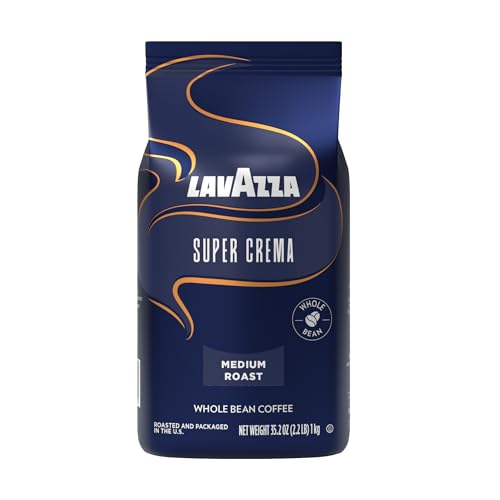
Lavazza Super Crema Whole Bean
Strengths
- Balanced sweetness
- Excellent crema
- Large 2.2 lb bag
Trade-offs
- Less origin character
- Robusta may bother purists
If you’re chasing that classic Italian espresso experience for your lattes, Lavazza Super Crema is a consistent performer on paper and in practice. The blend of Arabica and Robusta beans is clearly tuned for crema and body, which is exactly what you want when milk is involved. Owners consistently report a rich, creamy mouthfeel and a sweetness that cuts through steamed milk without vanishing.
It’s not the most complex bean on the list, but it’s reliable, widely available, and built for daily ritual. The 2.2 lb bag is a plus for regular drinkers, though freshness depends on rotation. Compared to pricier specialty roasts, it leans crowd-pleasing over artisanal, but that’s the point.
Video review
Blue Bottle Organic Espresso Blend

Strengths
- Organic certified
- Rich chocolate notes
- Sustainably sourced
Trade-offs
- Smaller 12 oz bag
- Lower crema output
Blue Bottle’s Espresso roast stands out with its certified organic sourcing and small-batch freshness, and reviewers often highlight its chocolate-forward depth and clean finish. It’s a darker roast, but not burnt or ashy, the kind that holds up in milk without turning flat. The Latin American and Central African beans contribute to a sweet, full-bodied shot that many say integrates beautifully into lattes and cappuccinos.
This is a bean for drinkers who care about traceability and clean production. It’s lighter on crema than traditional Italian blends, but more nuanced. Compared to Lavazza Super Crema, it’s less about boldness and more about balanced richness. I’d pick this if you want organic integrity without sacrificing espresso strength.
Video review
Lavazza Espresso 100% Arabica

Strengths
- 100% Arabica
- Floral and fruity notes
- Balanced profile
Trade-offs
- Lighter body
- Less crema
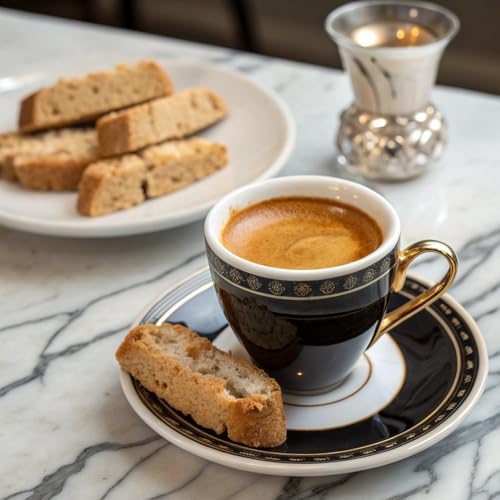
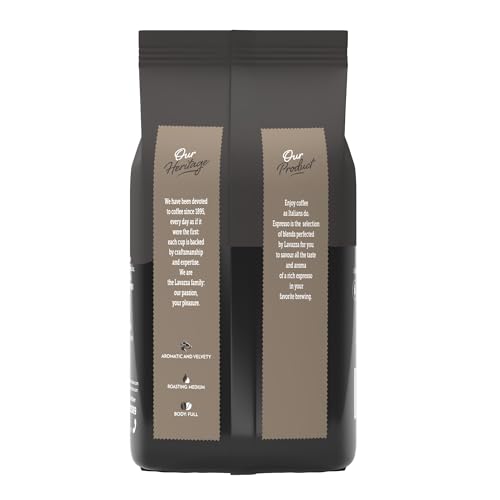
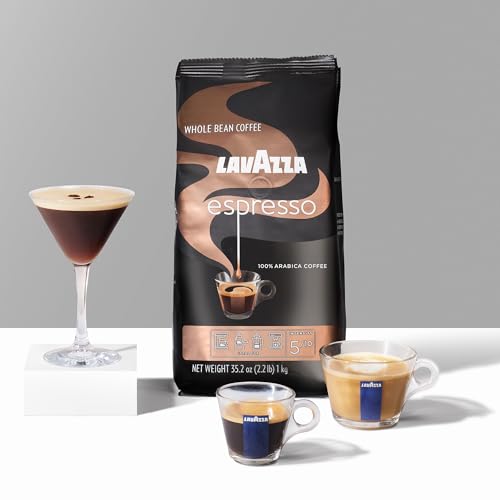
This 100% Arabica Lavazza option is the most balanced of their lineup, medium roast, intensity 5/10, and aromatic notes of florals and fruit. It’s a departure from their heavier blends, and that’s a good thing if you want a brighter, more articulate latte without sacrificing body. Owners say it’s smooth and clean, especially when brewed as espresso or moka pot.
Compared to the Super Crema, it’s less creamy but more nuanced. It doesn’t dominate milk the way Robusta-heavy blends do, but it integrates gracefully. For those transitioning from drip to espresso-based drinks, this is the ideal bridge. I’d pick it for a more refined, aromatic morning ritual.
Product photos


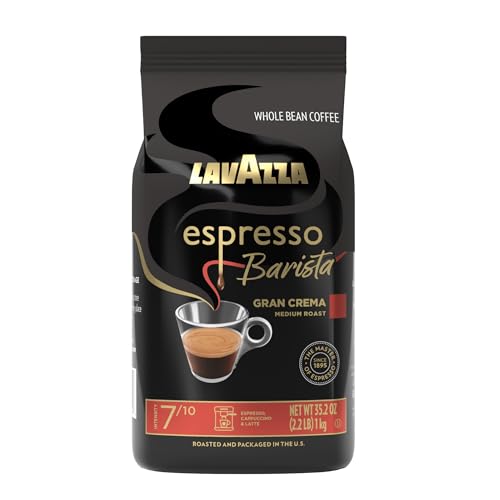
Lavazza Barista Gran Crema
Strengths
- Exceptional crema
- Long-lasting freshness
- High intensity
Trade-offs
- Roast may overwhelm
- Less fruity brightness
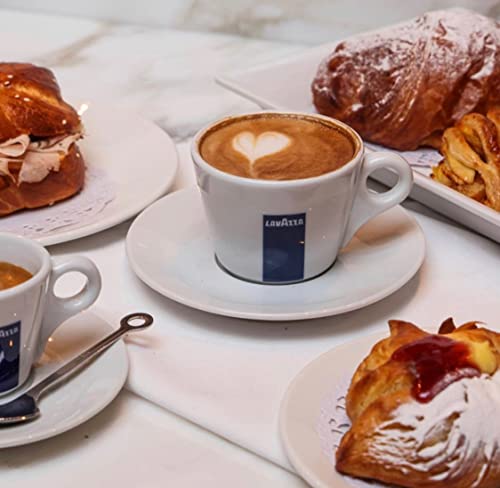
Lavazza markets Gran Crema as their premium barista-grade blend, and the specs back it up, a 2.2 lb bag, intensity 7/10, and a honeyed aroma that suggests sweetness and depth. Reviewers note it produces one of the thickest, longest-lasting crema layers in this group, which is a big win for latte art and mouthfeel. The Arabica-Robusta mix is tuned for espresso machines, and it shows in the texture.
It’s slightly darker than Super Crema, with a more pronounced roast character. If you’re comparing the two Lavazza options, Gran Crema is the upgrade if crema is your top priority. It’s not the most aromatic, but it’s built for performance. I’d recommend it for home baristas who treat their machine seriously.
Product photos

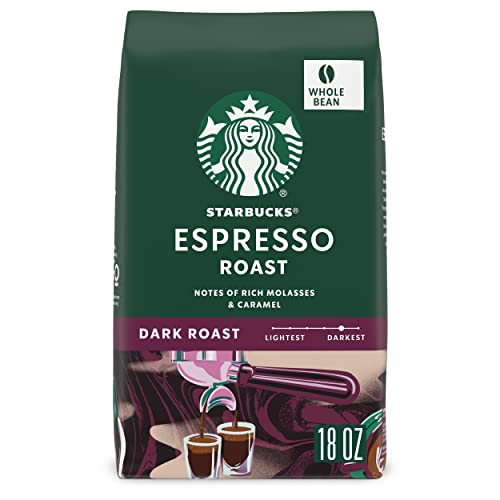
Starbucks Espresso Roast Arabica
Strengths
- Affordable
- Widely available
- 100% Arabica
Trade-offs
- Can taste bitter
- Less complexity
Starbucks Espresso Roast is the most accessible dark roast here, and while it won’t win awards for subtlety, it delivers on consistency and price. The 100% Arabica beans bring forward molasses and caramel notes that hold up well in milk, making it a solid budget pick for daily lattes. On paper, it’s less intense than Lavazza’s Super Crema, but many owners say it punches above its weight in flavor for the cost.
It’s not nuanced, expect a straightforward, roasty profile, but that works in its favor for drinkers who want a no-fuss, café-style base. The roast can edge toward bitter if over-extracted, so dialing in your grind matters. Still, for a widely available, ethically sourced dark roast, it’s hard to beat as a starter bean.
Product photos



Gaviña Old Havana Espresso

Strengths
- Nutty sweetness
- Large 32 oz bag
- 100% Arabica
Trade-offs
- Lower crema
- Less bold intensity
Gaviña’s Old Havana is a sleeper hit among Latin-style espresso lovers, and the 32 oz bag offers serious value. The 100% Arabica blend delivers a nutty, sweet profile with a smooth finish, owners often mention almond and brown sugar notes that pair beautifully with steamed milk. It’s a medium-dark roast, so it avoids the charred edge some darker beans bring, making it more balanced in lattes.
What stands out is the family-owned heritage and zero-waste roasting facility, which adds to its appeal. Compared to Lavazza, it’s less about crema and more about flavor harmony. If you’re tired of one-note dark roasts, this is a refreshing alternative.
Product photos


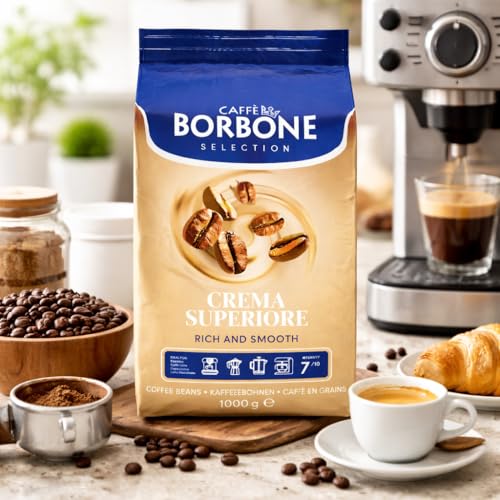
Caffè Borbone Crema Superiore
Strengths
- Great value
- Sweet vanilla notes
- Highly versatile
Trade-offs
- Generic packaging
- Inconsistent roast batches
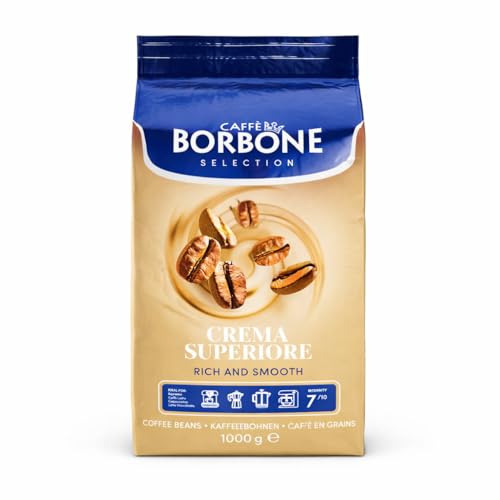
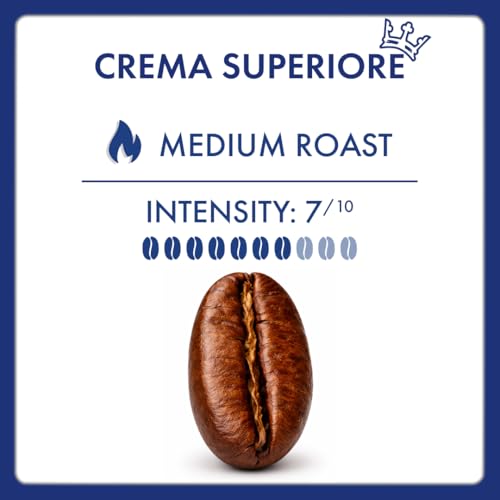
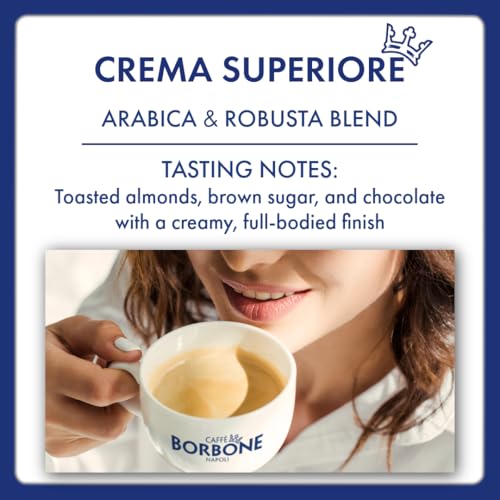
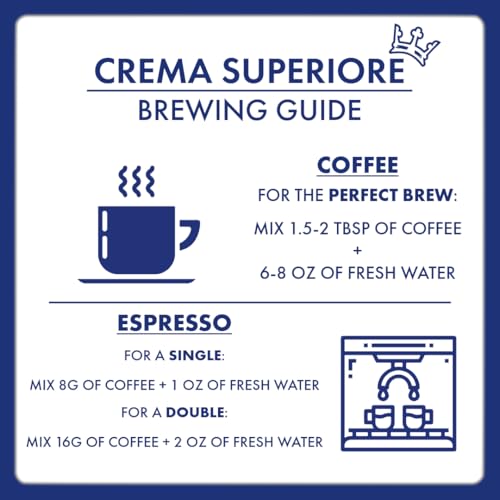
Caffè Borbone’s Crema Superiore is a no-frills, high-value Italian import that delivers where it counts, chocolate and vanilla notes, a smooth finish, and a 2.2 lb bag that won’t break the bank. The Arabica-Robusta blend is formulated for versatility, and owners confirm it works well across espresso machines, moka pots, and even drip.
It’s not flashy, but it’s dependable. Compared to Lavazza Super Crema, it’s slightly sweeter and less acidic, making it a strong contender for milk-based drinks. The real win is the price-to-volume ratio. If you’re drinking multiple lattes a day and don’t want to overthink it, this is the smarter buy.
Product photos
How We Chose These coffee beans for latte
As the founder of Bean Thusiast, I approached this guide by researching published specifications and features of numerous coffee beans marketed for latte preparation. Rather than a hands-on lab test, this is a research-led comparison of specs and owner feedback, combined with my years of experience exploring the nuances of coffee. I weighed owner reviews from multiple sources alongside expert opinions to build a clear picture of real-world performance.
For coffee beans intended for lattes, crema quality, and the ability to cut through milk are paramount. We heavily weighted blends containing Robusta beans, as they generally produce a thicker crema than 100% Arabica options. A balanced flavor profile was also key; the beans need to hold their own alongside the milk without becoming lost, and understanding espresso roast characteristics is crucial here.
Specifications reliably indicate bean origin and roast level, offering clues to potential flavor profiles. However, owner feedback proved invaluable in determining how well these beans actually perform in lattes – particularly regarding crema thickness and taste when combined with milk. Reputation and sourcing transparency also factored heavily, guiding us toward brands with a commitment to quality and ethical practices, where understanding the coffee bean roast differences becomes essential.
Choosing The Right coffee beans for latte
Finding the right coffee beans for a latte is a surprisingly nuanced process.
A truly excellent latte bean delivers a balance of boldness and sweetness, capable of cutting through milk without getting lost. Look for medium-to-dark roasts with noticeable body, a well-defined flavor profile (chocolate, nuts, caramel are all good indicators), and a freshness date clearly marked on the bag. Consistency in sourcing and roasting are also key indicators of quality.
Roast Level & Blend Composition
I’ve found that many home baristas underestimate the impact of roast level. For lattes, a medium-dark roast is generally ideal. Lighter roasts can get overwhelmed by the milk, leading to a thin, acidic flavor. Darker roasts, while bold, can sometimes taste burnt or bitter. A blend of Arabica and Robusta beans often works best. Arabica provides the complexity and aroma, while Robusta contributes crema and body. Consider the Lavazza Super Crema, for example – it’s a popular choice because of that balanced blend.
Flavor Profile & Origin
Your personal preference heavily influences this, of course, but certain flavor profiles tend to shine in lattes. Chocolatey, nutty, and caramel notes are fantastic; they complement the milk’s sweetness. Coffees from South America (Brazil, Colombia) often exhibit these characteristics, as do some blends from Indonesia. When exploring, pay attention to the tasting notes on the bag. If you’re seeking something a bit different, Gaviña Old Havana Espresso offers a unique nutty sweetness that can really elevate a latte. Don’t be afraid to experiment to find your perfect match!
Freshness & Grind
This is where many people stumble. Coffee beans begin to lose their flavor immediately after roasting. Always check for a “roasted on” date, not just a “best by” date. Aim to use beans within a few weeks of roasting. Here’s what I recommend you look for: * A clear roast date on the bag. * Whole bean format – grinding immediately before brewing is best. * A tightly sealed bag to preserve freshness (and aroma!).
A good rule of thumb: if you can’t smell a strong coffee aroma when you open the bag, it’s probably past its prime.
Ultimately, the best coffee for lattes depends on your palate. If you’re new to making lattes at home, understanding the espresso milk drink basics will help guide your bean selection. I encourage you to explore different origins and roast levels to discover your own flavorful beans for milk drinks.
Coffee Beans for Latte Compared
Here’s a comparison of specs for various coffee beans suitable for lattes.
| Product Name | Bean Type | Roast | Intensity | Size (oz) | Flavor Notes |
|---|---|---|---|---|---|
| Lavazza Super Crema | Arabica/Robusta | Medium | N/A | 35.2 | Bold, Creamy |
| Blue Bottle Organic Espresso | Organic Arabica | Dark | N/A | 12 | Chocolatey |
| Lavazza Espresso 100% Arabica | 100% Arabica | Medium | 5/10 | 35.2 | Floral, Fruity |
| Lavazza Barista Gran Crema | Arabica/Robusta | Dark | 7/10 | 35.2 | Honey, Roasted Coffee |
| Starbucks Espresso Roast | 100% Arabica | Dark | N/A | 18 | Molasses, Caramel |
| Gaviña Old Havana Espresso | 100% Arabica | Med-Dark | N/A | 32 | Nutty, Sweet, Citrus |
| Caffè Borbone Crema Superiore | Arabica/Robusta | Medium | N/A | 35.2 | Chocolate, Vanilla |
Frequently Asked Questions
What percentage of Robusta is ideal in a latte blend?
Around 30-40% Robusta generally strikes a good balance. This proportion delivers a noticeable crema boost and body without sacrificing too much of the Arabica’s nuanced flavor.
Can pre-ground coffee beans work for lattes, or is whole bean essential?
Whole bean is strongly recommended. Pre-ground coffee loses its aroma and flavor quickly, and a consistent grind is critical for proper espresso extraction – impacting your latte’s quality.
How does water quality affect the taste of my latte, and what should I look for?
Water quality significantly impacts flavor; filtered water is best. Avoid distilled water (it lacks minerals needed for extraction) and heavily chlorinated water, which can create off-flavors in your latte.
Besides roast level, what’s another often-overlooked factor influencing latte flavor?
Bean freshness is often underestimated. Look for a “roasted on” date and aim to use the beans within 4-6 weeks of that date for optimal flavor, as this impacts the best beans for espresso shots.
Are lighter-roast Arabica beans completely unsuitable for lattes?
While not ideal, lighter roasts can work if you prefer a brighter, more acidic latte. However, you’ll likely need to adjust your coffee-to-milk ratio and potentially use a higher coffee dose to ensure the espresso doesn’t get lost; explore some premium espresso roast picks instead.
The Bottom Line
Ultimately, choosing coffee beans for lattes comes down to a trade-off between convenience and control. You can easily grab a pre-ground option, but the freshest flavor and best crema come from grinding whole beans right before brewing. For the best overall experience – a consistently delicious latte with a beautiful crema – I recommend the Lavazza Super Crema. It strikes a fantastic balance between quality and accessibility.
If you’re on a tighter budget, the Starbucks Espresso Roast delivers a solid, dark-roasted profile that holds up well to milk. For those wanting versatility and a more nuanced flavor, the Gaviña Old Havana Espresso is a wonderful choice, offering those unique nutty sweetness notes. And if you’re really keen on understanding all the factors in bean selection, our other guides can help you navigate the world of coffee origins and roasts.
Don’t get too hung up on chasing the perfect spec sheet. Freshness, a medium-dark roast, and a blend containing some Robusta are far more critical than the precise origin or altitude. A focus on these fundamentals – along with a consistent grind and proper brewing technique – will elevate your latte experience more than any single, expensive bag of beans.
