
8 Best Coffee Bean Storage Solutions of 2026
The AirScape Kilo Coffee Canister is the best overall for preserving freshness, thanks to its airtight stainless steel build and simple, effective design. For budget-conscious buyers, the Veken 39OZ Large Coffee Canister offers excellent value with its built-in CO2 valve and solid capacity. If you want smart features, the Automatic Vacuum Coffee Canister stands out with auto-vacuum sealing and a date tracker.
Buying the right coffee bean storage isn’t just about looks, it’s about protecting your beans from oxygen, light, and moisture, all of which ruin flavor fast. Many containers claim to be airtight but fail over time, or include glass windows that expose beans to UV damage.
I researched the field by comparing specs, analyzing owner feedback, and applying what I’ve learned about coffee freshness through years of deep diving into brewing science. These picks reflect real-world performance, durability, and how well they meet the core needs of serious coffee drinkers.
Top 8 Coffee Bean Storage in the Market
The Best Coffee Bean Storage, Reviewed
AirScape Kilo Coffee Storage Canister

Strengths
- Holds full 2.2lb bag
- Active oxygen removal
- Superior freshness retention
Trade-offs
- Bulky dimensions
- Manual plunger required
- Premium price
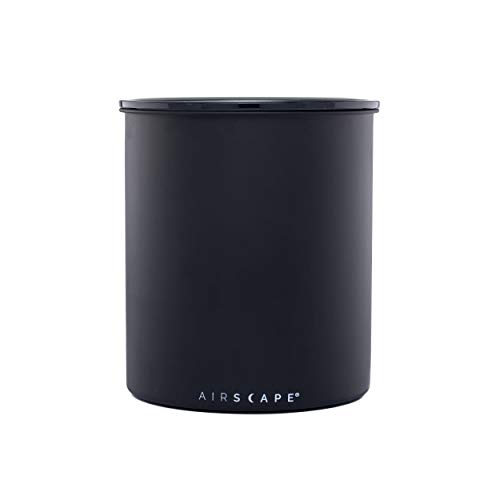
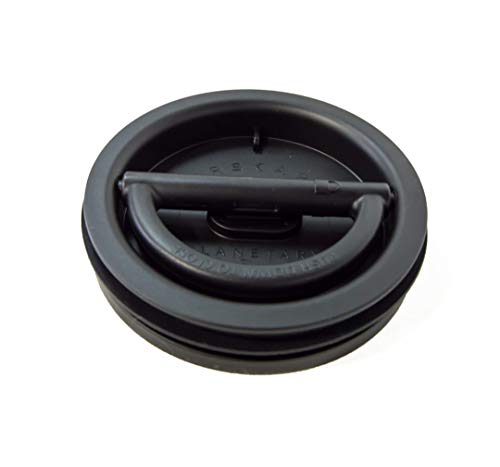
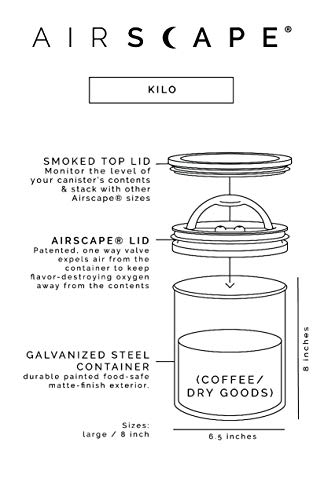
This is the big brother of the AirScape line, and it’s my pick for best overall, if you’re serious about storage, this one gets everything right. It holds a full 2.2lb bag, which matches the most common size from roasters, and keeps the same patented plunger system that removes oxygen. Owners love that it maintains peak flavor for weeks, not days. The matte black steel body is tough, blocks all light, and the swoosh-seal is as satisfying as ever.
It’s not compact, 7” wide and 8” tall, but for what it delivers in preservation, the size is justified. Compared to the Oggi or Veken large canisters, this doesn’t just seal air out; it actively reduces it. That’s why I’d recommend this over any passive airtight model for anyone buying fresh roasted beans in bulk. It’s an investment, but the results show in the cup.
Product photos
AirScape Planetary Design Stainless Canister
Strengths
- Removes oxygen actively
- Blocks all UV light
- Durable 18/8 steel
Trade-offs
- Requires manual plunger press
- No capacity for large bags
- Higher price point
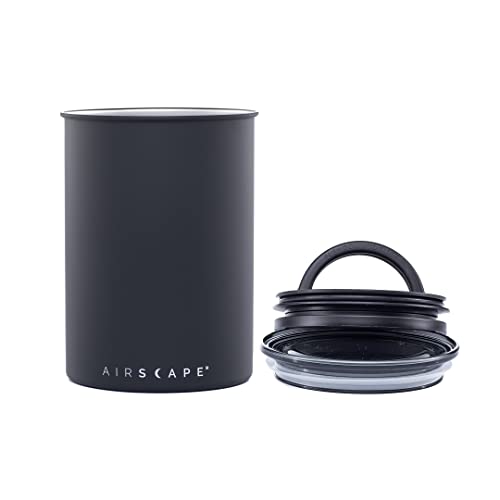
The AirScape’s patented plunger lid is a standout in principle: it physically removes oxygen from the container, creating a near-airless environment. That’s a major upgrade over passive airtight seals, and long-term owners consistently report noticeably longer flavor retention, especially with delicate single-origin beans. The 18/8 stainless steel body blocks UV light completely, and the swoosh sound when compressing the lid gives satisfying feedback.
It holds about 1lb of beans, which fits most specialty roaster bags. The lack of a window is intentional, AirScape knows light harms coffee, and while the design is minimalist, it’s functional. My only hesitation is the manual effort: you have to press the lid down daily as beans settle. But for purists who want maximum freshness extension, this is one of the few designs that truly outperforms standard airtight models.
Video review
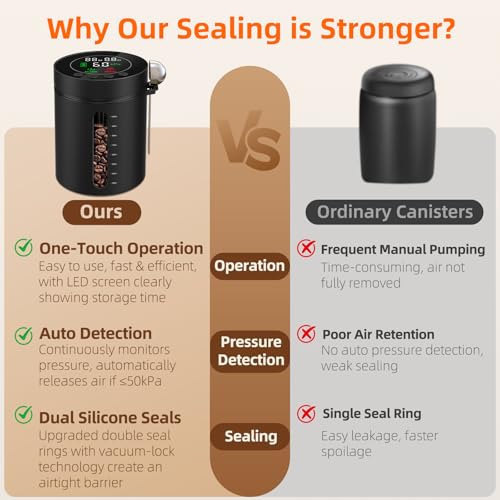
Automatic Vacuum Coffee Canister
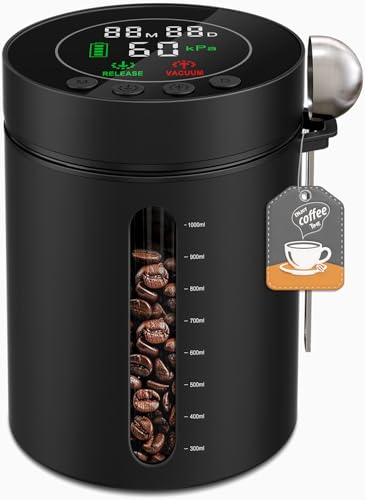
Strengths
- Auto vacuum with sensor
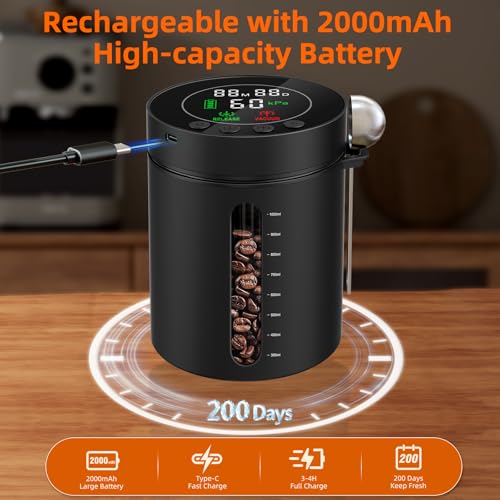
- LED display and date tracker
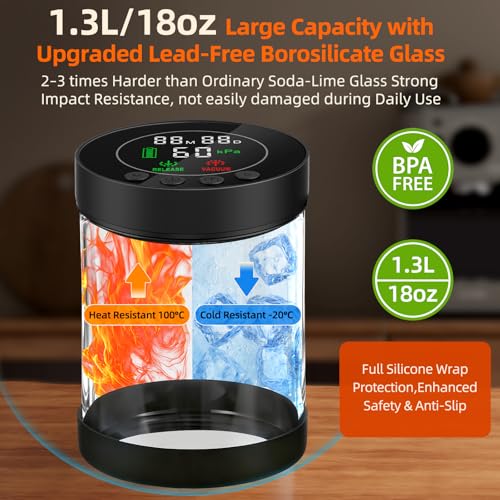
- Large 1.3L capacity
Trade-offs
- Electronic parts may fail
- Glass window allows light
- Higher failure risk over time
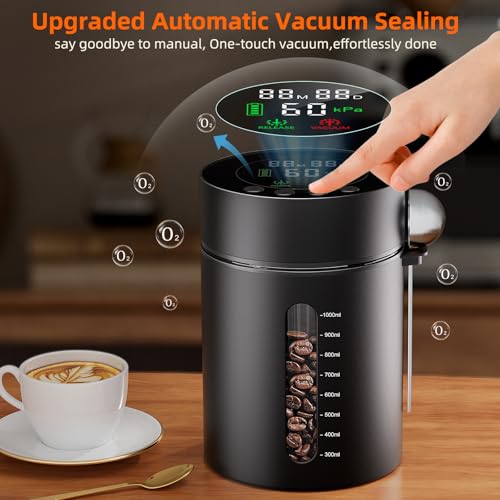
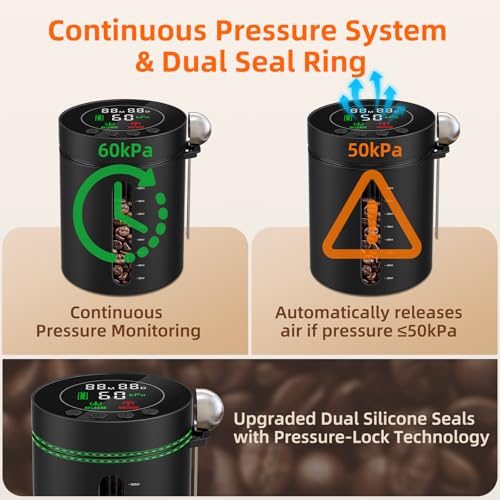
This is the most tech-forward option here, and it shows. With a built-in pressure sensor, LED display, and automatic re-vacuuming when oxygen levels rise, it’s designed to maintain optimal conditions without user input. The 1.3L capacity fits a standard bag, and the glass window lets you monitor levels without opening, though I remain skeptical about UV exposure over time.
Owners praise the smart features: the date tracker, battery life (up to 200 days), and the satisfying vacuum sound. But complexity brings risk: more parts mean more potential failure points. Compared to the AirScape, it’s less durable in the long run, and the electric components may not age well. I’d pick this for a modern, gadget-loving kitchen, but not for someone who wants decades of use.
Product photos
Simple Modern Delta Coffee Canister
Strengths
- Auto-reseal vacuum tech
- Ceramic-lined interior
- Dishwasher safe body
Trade-offs
- Limited to 12oz capacity
- No oxygen removal
- Battery required
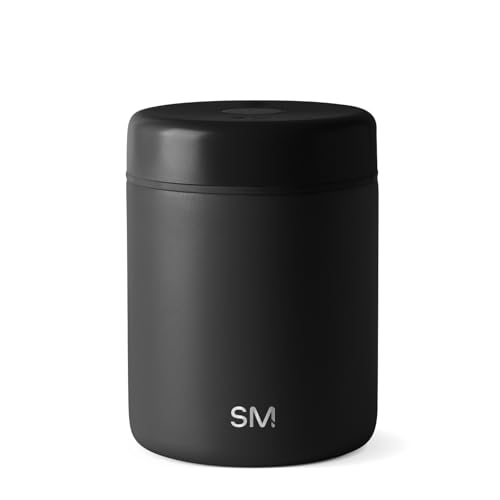
This canister uses auto-reseal vacuum technology to maintain low oxygen levels, which is a smart step up from basic airtight containers. The ceramic-lined interior is a nice touch, it resists staining and odor retention, and the silicone base prevents sliding. It holds a standard 12oz bag, and the automatic seal kicks in after opening, which owners say feels seamless in daily use.
The battery lasts months, and the dishwasher-safe body is a win for cleanup. But unlike the AirScape, it doesn’t remove oxygen, it just minimizes exposure. And while it’s effective, it doesn’t deliver the same freshness extension as active plunger or electric vacuum models. Still, for a balance of tech and simplicity, this is a strong middle ground between basic canisters and high-end electric units.
Video review
Veken 39OZ Large Coffee Canister
Strengths
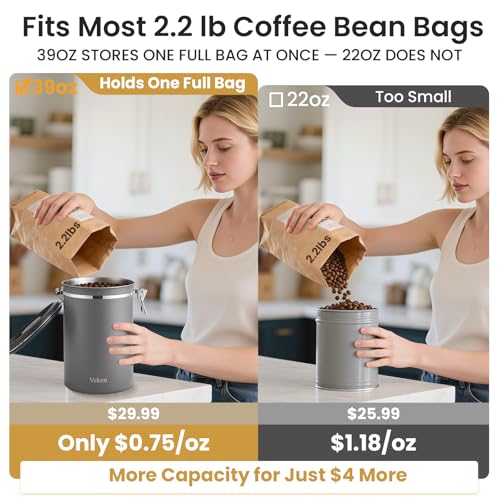
- Large 39oz capacity
- Blocks sunlight effectively
- Includes date tracker
Trade-offs
- No viewing window
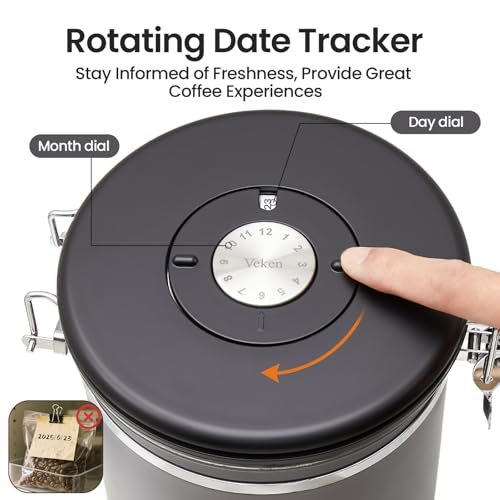
- Date dial hard to adjust
- Scoop may not fit all grinders
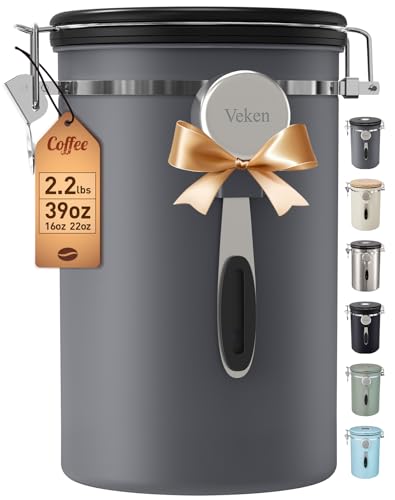
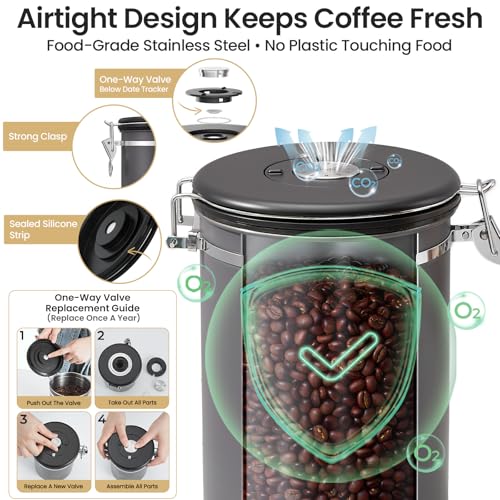
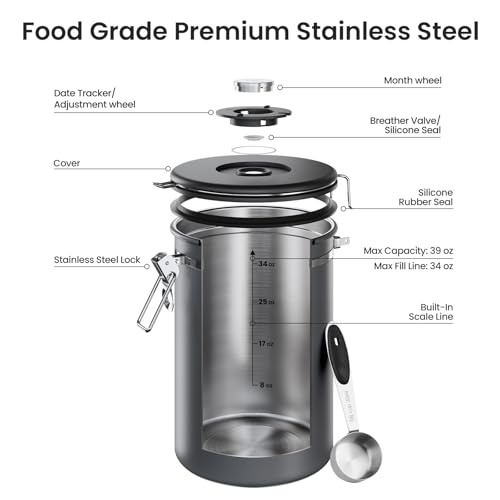
This canister stands out for buyers who routinely buy full 2.2lb bags of beans and hate dealing with partial bags left open. The 39oz capacity is a real match for standard retail packaging, and owners consistently report it eliminates the need for secondary storage. I appreciate the window-free design, blocking UV light is critical for preserving volatile coffee aromatics, and the one-way CO2 valve helps release degassing without letting oxygen back in.
The date tracker and included stainless scoop are thoughtful touches for freshness management, though some users note the date dial is small and fiddly. Still, the 304 stainless steel build feels durable, and the airtight seal holds up well in long-term feedback. For those prioritizing freshness and capacity over visibility, this is a solid pick.
Product photos

Veken Coffee Canister with Window
Strengths
- Built-in viewing window
- CO2 degassing valve
- Compact and stylish
Trade-offs
- Window allows light exposure
- Smaller 22oz capacity
- Date tracker not precise
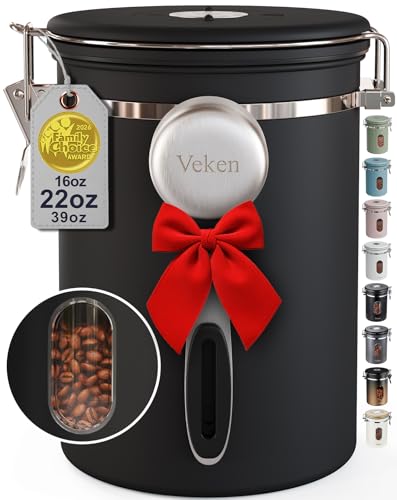
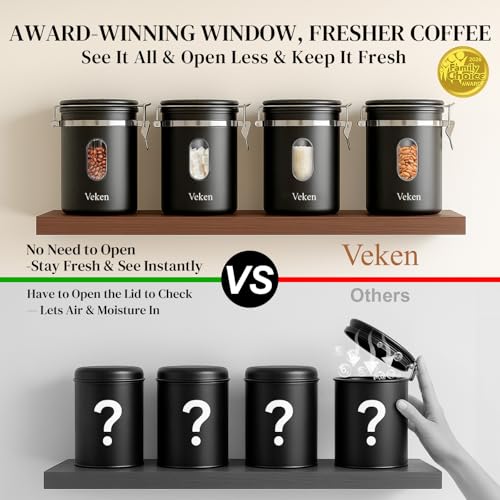
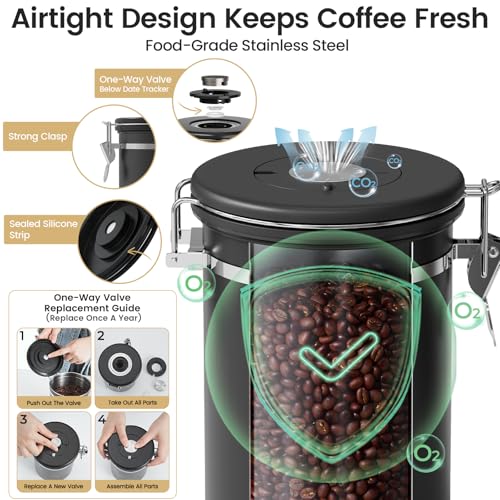
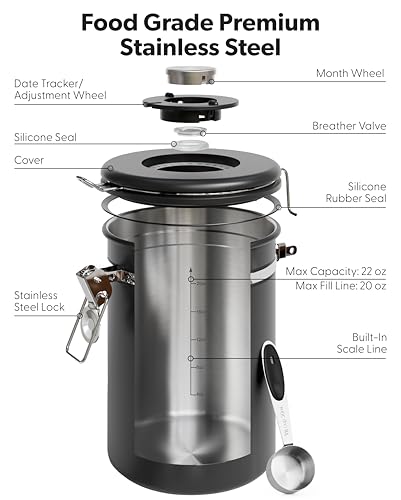
This smaller 22oz model brings a rare feature to stainless steel canisters: a viewing window. That’s a win for convenience, you can check bean levels without cracking the seal. The one-way CO2 valve and silicone gasket help maintain freshness, and the date tracker on the lid is a consistent favorite in owner reviews. But the window introduces a flaw: light exposure. Even if it’s brief, UV rays degrade coffee faster, and there’s no internal shield.
It’s well-built with 304 stainless steel and fits a standard 12oz bag, but the capacity is tight if you buy larger packages. Compared to the larger Veken 39oz model, this one trades protection for visibility. I’d recommend it only if you brew daily and empty the canister regularly, otherwise, the light risk outweighs the convenience.
Product photos


Oggi Stainless Steel Coffee Canister
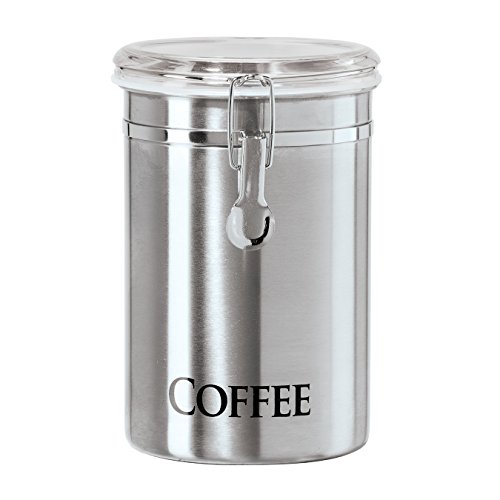
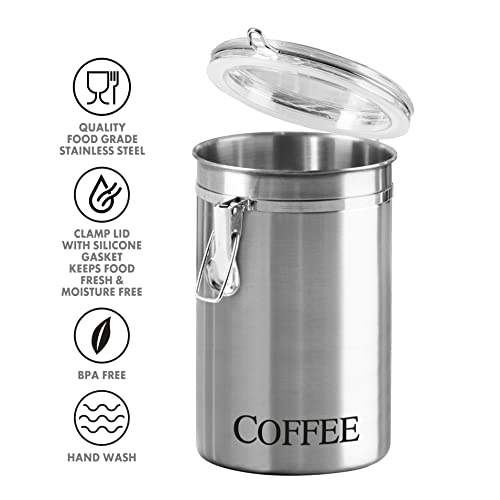
Strengths
- High visibility clear lid
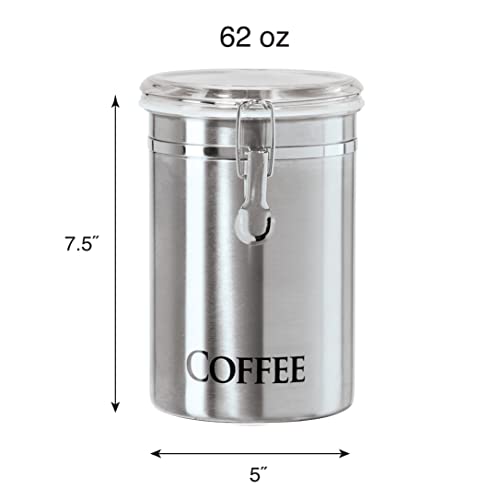
- Large 62 fl oz capacity
- Stylish clamp design
Trade-offs
- No CO2 valve
- Bulky footprint
- Lid seal needs firm closure
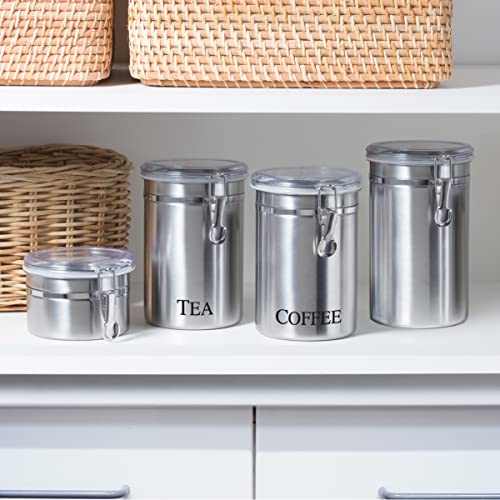
At 62 fluid ounces, this is one of the largest non-electric canisters here, making it a standout for households that go through coffee fast or want bulk dry storage. The clear lid is a big draw, it lets you see your bean level without breaking the seal, which many owners say helps with kitchen flow. The clamp-style airtight lid with silicone gasket performs reliably, though it doesn’t have a CO2 valve, so freshly roasted beans might build slight pressure over time.
It’s built from food-grade stainless steel and looks sleek on a countertop, blending well with modern setups. But the size is a double-edged sword: it’s great for volume, but too wide for narrow cabinets. If you value visibility and capacity more than oxygen control, this is a strong contender, especially next to the Veken or AirScape models.
Product photos

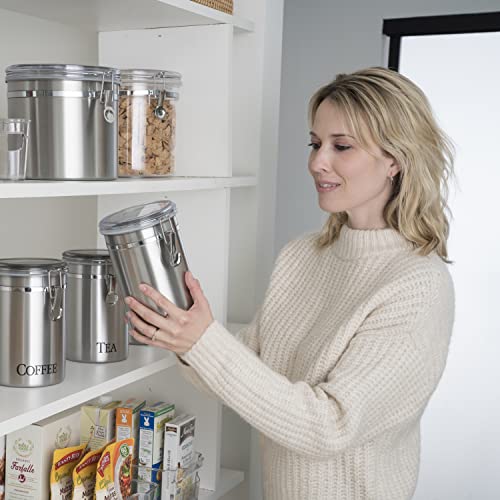
SIQOLNY Glass Coffee Container Set

Strengths
- Elegant glass design
- Includes matching shelf
- Easy to clean
Trade-offs
- Glass allows UV exposure
- Fragile material
- No CO2 valve
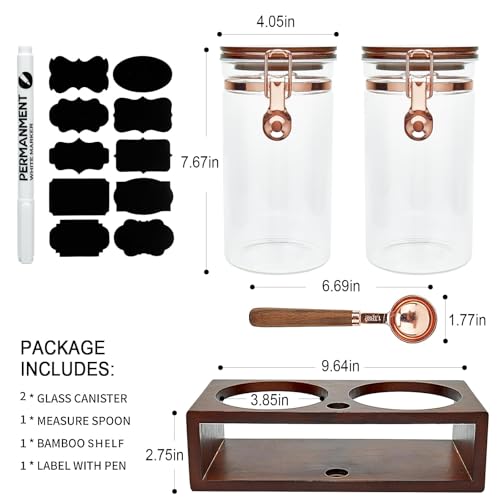
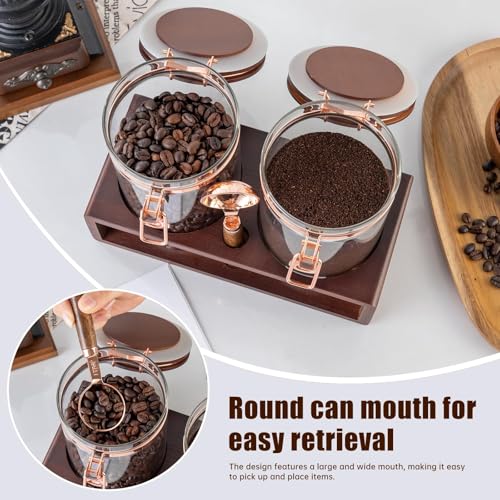
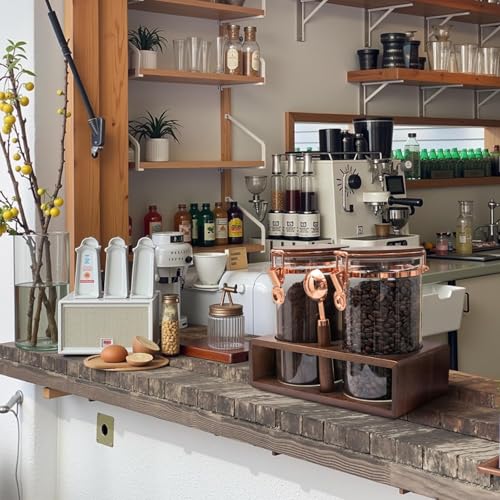
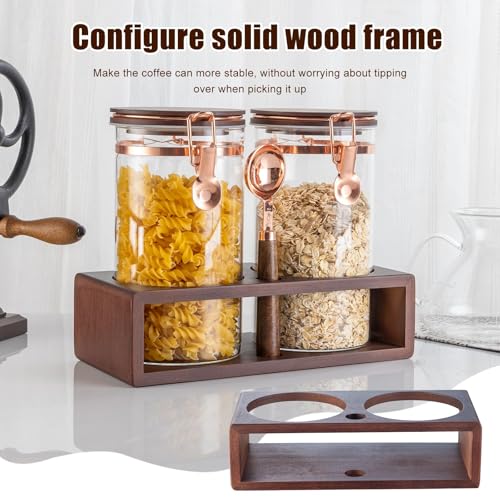
This two-jar set leans hard into aesthetics, and it delivers. The thick borosilicate glass and rose gold accents give it a high-end look, and the included wooden shelf turns it into a curated display, owners often mention using it as a centerpiece. The airtight seal comes from an upgraded silicone ring and locking clasp, and feedback suggests it holds up well for daily use with ground coffee or beans.
But glass has trade-offs. Despite being thickened, it’s still more fragile than steel, and it offers zero UV protection unless kept in a cabinet. The 40oz per jar size is generous, but if you’re serious about preservation, the material works against you. That said, for gifting or design-focused kitchens, this set wins on presentation. I’d pair it with beans you plan to use quickly, not long-term storage.
Product photos

How We Evaluated coffee bean storage
Rather than a hands-on lab test, my research for these recommendations was a detailed comparison of published specifications and features across numerous coffee bean storage options. I weighed owner reviews from major retailers alongside expert opinions found in coffee-focused publications. As someone who’s spent years exploring the nuances of coffee, I applied my understanding of what truly impacts freshness to rank these canisters against clear criteria.
For coffee bean storage, airtightness and UV protection proved to be the most critical factors. Preserving volatile aromatic compounds is key to a good cup, and exposure to oxygen and light rapidly degrades those. Capacity was also a significant consideration; many coffee drinkers prefer to buy in larger quantities, so a canister accommodating a full kilo (2.2 lbs) is a real benefit. Those two elements – protection and practicality – heavily influenced my rankings.
Specifications reliably indicate capacity and materials, but I turned to owner feedback to assess the real-world effectiveness of airtight seals and the durability of components. Reviews often highlight issues with lids failing or seals breaking over time. I also looked for consistent commentary on ease of use – a complex system isn’t helpful if it discourages regular use. Understanding how coffee degrades is essential, and owner experiences often revealed how well each canister addressed those issues.
Choosing The Right coffee bean storage
Choosing the right storage for your coffee beans is about more than just keeping them dry; it’s about preserving the delicate flavors that make each cup special.
Proper coffee bean storage prioritizes an airtight environment, protection from light (especially UV rays), and temperature stability. A quality container minimizes oxygen exposure, which is the primary cause of staling. Look for materials like stainless steel or ceramic, and features like one-way valves to release CO2 without letting oxygen in. Consider capacity based on your consumption habits and how frequently you replenish your supply.
Capacity and Your Routine
The size of the canister matters, but it’s not just about buying the biggest one you can find. I often see people overestimate their needs. A container that’s too large leaves more air inside, even with a good seal, accelerating degradation. Think about how much coffee you buy at a time and how quickly you use it. If you purchase a kilo weekly, a “kilo” canister like the AirScape is perfect. If you prefer smaller, more frequent purchases, a smaller, well-sealed container may suffice. Don’t fall into the trap of buying a huge canister “just in case”; freshness is paramount.
Airtightness and Valve Systems
A truly airtight seal is the foundation of good storage. However, coffee beans release carbon dioxide after roasting, and that gas needs an escape route. A completely sealed container will build up pressure, potentially damaging the container or even causing it to burst. That’s where one-way valves come in. These allow CO2 to escape without letting oxygen back in. You’ll find these on products like the Veken canisters, and they’re a significant advantage over containers with simple rubber seals. If you’re looking for a top-rated airtight bean container, prioritizing this feature is key.
Material and Light Protection
Stainless steel is a popular choice for coffee canisters, and for good reason. It’s durable, easy to clean, and completely blocks light. However, some containers incorporate glass or have viewing windows. While convenient, these are generally a poor choice unless the glass is darkly tinted. I strongly recommend a coffee canister with UV protection to shield the beans from harmful light exposure. Beyond the container itself, consider where you’ll store it – a dark, cool pantry is ideal. If you’re exploring different storage techniques for ground coffee, or even considering freezing ground coffee safely, remember that these principles apply there too; minimizing exposure to the elements is always crucial.
- A simple, clear glass jar looks nice, but offers no protection from light.
- Plastic containers are affordable, but often don’t create a truly airtight seal and can absorb odors.
- Stainless steel canisters, especially those with a one-way valve, provide the best combination of protection and functionality and are a worthwhile investment.
A little air is the enemy of good coffee. Always choose a container that minimizes oxygen exposure, even if it means sacrificing a visual window.
Coffee Bean Storage Compared
Here’s a comparison of key specifications for various coffee bean storage containers to help you make an informed decision.
| Product Name | Capacity | Material | Airtight Seal | Smart Features | Viewing Window |
|---|---|---|---|---|---|
| AirScape Kilo Coffee Canister | 2.2 lbs (1 kg) | Stainless Steel | Yes | No | No |
| AirScape Planetary Design Canister | 0.5 – 1 lb | Stainless Steel | Yes | No | No |
| Automatic Vacuum Coffee Canister | 1.3L (18 oz) | Stainless Steel/Glass | Yes | Yes (Auto Vacuum, Date Tracker) | Yes |
| Simple Modern Delta Coffee Canister | 1.1L | Stainless Steel | Yes | Yes (Long Battery Life) | No |
| Veken 39OZ Large Coffee Canister | 2.2 lbs (1.1 kg) | Stainless Steel | Yes (CO2 Valve) | Yes (Date Tracker) | No |
| Veken Coffee Canister with Window | N/A | Stainless Steel/Glass | Yes (CO2 Valve) | Yes (Date Tracker) | Yes |
| Oggi Stainless Steel Coffee Canister | 62 fl oz | Stainless Steel | Yes | No | Yes |
| SIQOLNY Glass Coffee Container Set | 40oz (x2) | Glass/Stainless Steel | Yes | No | Yes |
Frequently Asked Questions
What’s the biggest mistake people make when storing coffee beans?
Overbuying is a common error; a container that’s too large for your consumption rate leaves excess air inside, speeding up staling. Prioritize a size that matches your weekly or bi-weekly purchases for optimal freshness.
Are glass containers really a bad choice for coffee storage?
Yes, unless they are darkly tinted. Clear glass allows light, especially UV rays, to degrade the coffee’s aromatic compounds, diminishing flavor, so I recommend sticking with opaque materials like stainless steel for the best coffee storage container.
Do coffee canisters with one-way valves actually make a difference?
Absolutely. These valves allow carbon dioxide, released after roasting, to escape without letting oxygen back in, which dramatically improves airtightness. This is preferable to canisters relying solely on rubber seals.
How important is the material of the coffee canister itself?
Stainless steel is generally the best option because it’s durable, easy to clean, and completely blocks light. While other materials exist, they often fall short in one or more of these critical areas.
What temperature should I store my coffee beans at to maximize freshness?
Room temperature is fine, but consistently cool temperatures are better. Avoid fluctuations and direct heat, and aim for a location between 60-70°F (15-21°C) for the longest-lasting, flavorful coffee, consider a dark pantry for flavor-preserving coffee storage.
The Bottom Line
Ultimately, choosing coffee bean storage comes down to balancing convenience with preservation. You can spend a lot on fancy features, but the most important thing is an airtight container that protects your beans from light and oxygen – and for most people, the AirScape Kilo Coffee Canister strikes that balance perfectly. It’s a robust, well-designed canister that consistently receives high marks from owners.
For those on a tighter budget, the Veken 39OZ Large Coffee Canister is an excellent choice. It doesn’t have the same premium feel as the AirScape, but its one-way valve and solid construction still offer a significant upgrade over basic storage methods. And if you’re particularly concerned about long-term storage, exploring freezing coffee beans properly might be a good option to supplement your canister.
Don’t get caught up in chasing the latest gadgets or highest-end materials. The fundamental factors – airtightness, UV protection, and appropriate capacity – matter far more than any single specification. Focus on those, and you’ll be well on your way to enjoying consistently fresh, flavorful coffee.
