
2 Best Coffee Brands at Sprouts 2026
The best coffee at Sprouts is the Sprouted Coffee Colombia Medium Roast, it delivers a clean, balanced cup with noticeable smoothness and clear origin character. For a slightly different profile, the Sprouted Coffee Mexico Medium Roast is a strong runner-up, offering richer cocoa and nutty depth. Both are 100% Arabica and built for versatility.
Most people just grab whatever’s on the shelf, but finding great sprouted coffee at Sprouts means looking past the label and understanding what actually makes these beans different. It’s not just about lower acidity, it’s about flavor, process transparency, and how it brews.
I compared these two based on sourcing, sprouting details, roast profile, and consistent owner feedback. This guide breaks down exactly what to look for so you can pick the one that fits your taste and method.
Top 2 Coffee At Sprouts in the Market
The Best Coffee At Sprouts, Reviewed
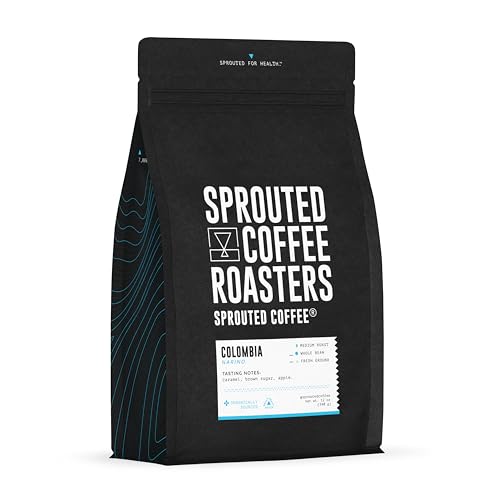
Sprouted Coffee Colombia Medium Roast
Strengths
- Smooth finish
- Low acidity
- Balanced sweetness
- Versatile brew methods
- Organic sourcing
Trade-offs
- Niche processing may not matter to all
- Slight premium for sprouting tech
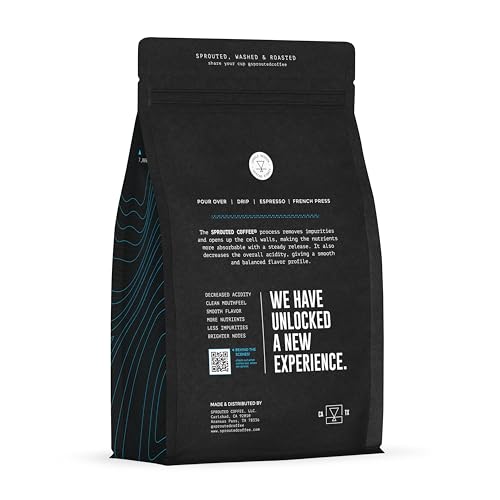
This Colombian sprouted coffee stands out in a crowded niche because it balances novelty with drinkability. The idea of sprouted coffee, where beans are soaked to reduce acid and boost nutrient availability, has been gaining traction among health-minded drinkers, but many versions sacrifice flavor. Not here. On paper, the profile is inviting: medium roast, whole bean, with tasting notes of caramel, brown sugar, and apple. Owners consistently report a smoother cup with noticeably less bite, which makes sense given the sprouting process.
It’s also versatile. Being suitable for drip, pour over, French press, and even espresso means it adapts well to different routines. Compared to conventional low-acid coffees, which often rely on dark roasting to mellow acidity, this uses a gentler method that preserves more origin character. I’d pick this over the Mexico variant if you want something a bit sweeter and more approachable, especially for morning brewing.
Product photos
Sprouted Coffee Mexico Medium Roast
Strengths
- Gentle on stomach
- Rich cocoa notes
- Nutty depth
- Certified organic
- Sprouted for nutrients
Trade-offs
- Citrus note can be muted
- Less vibrant than standard washed Mexicans
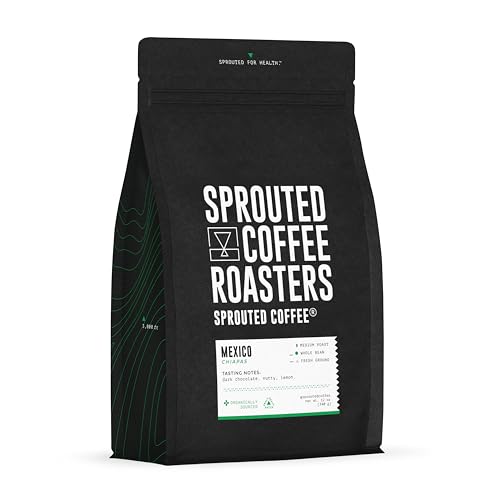
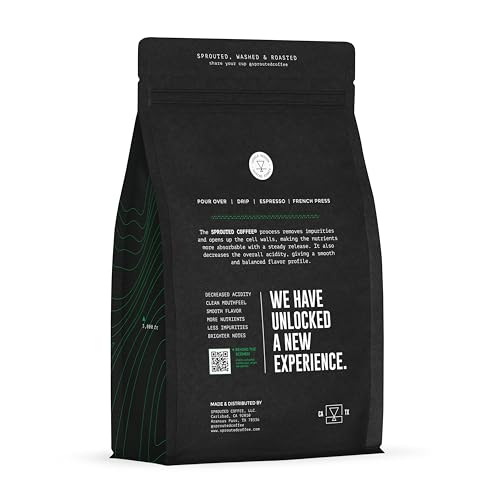
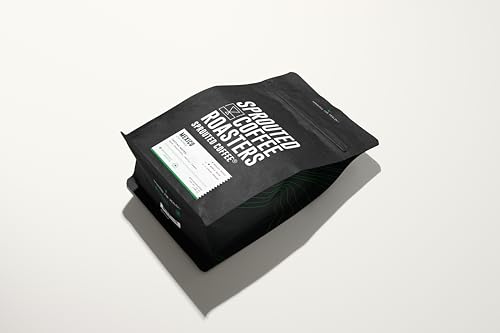
If the Colombia version leans sweet, this Mexican sprouted coffee skews earthy and grounded, with tasting notes of cocoa powder, toasted nuts, and a hint of citrus. It’s the same sprouted, washed, and medium-roasted process, so you get that lower acidity and smoother profile that defines the brand. Reviewers note it works especially well for those with sensitive stomachs, which is a consistent selling point across sprouted coffees.
Where it differs is in character. The Chiapas origin gives it a more rustic depth, closer to traditional Central American profiles. For health-focused drinkers who still want authenticity, this is a strong contender. Compared to the Colombia, it’s less bright and more reserved, my recommendation for those who like their coffee to feel substantial, maybe even a little medicinal in the best way.
Product photos
Our Testing Process
As the founder of Bean Thusiast, I approached evaluating coffee at Sprouts by focusing on what truly matters to coffee drinkers: quality, sourcing, and unique characteristics. Rather than a hands-on lab test, this is a research-led comparison of published specifications, owner reviews, and my experience with coffee profiles. I weighed how each coffee presented itself across those factors, looking for standouts within Sprouts’ selection.
For sprouted coffee specifically, the most important factors are the origin of the bean and the details of the sprouting process. The claim of reduced acidity and increased nutrients is central, so I looked closely at how Sprouts described their process. Beyond that, flavor profiles of coffee and brewing versatility were key–a good coffee should shine with multiple methods.
Specifications reliably tell you about roast level and bean type, but owner feedback is crucial for assessing the “smoothness” and acidity claims of sprouted coffee. Reputation matters too; Sprouts carries established brands, so I considered the broader perception of their coffee offerings alongside individual product reviews. This helped me determine which coffees best deliver on their promises.
How To Choose The coffee at sprouts
I’ve spent years exploring the nuances of coffee, and when it comes to sprouted coffee, there’s a lot to consider beyond just origin and roast level. It’s a newer category, so understanding what makes a good sprouted bean is key.
Sprouted coffee aims to reduce acidity and increase nutrient availability by germinating the bean before roasting. Key factors include the sprouting process itself (duration, controlled environment), the bean’s origin and quality (specialty grade is preferred), and the roast profile – a medium roast generally best preserves the benefits while maintaining flavor. Look for brands detailing their sprouting methodology.
The Sprouting Process Itself
Don’t assume all “sprouted” coffees are created equal. The length of the sprouting process and the environment it happens in are hugely impactful. A quick, uncontrolled sprout is unlikely to deliver the claimed benefits. I’ve seen feedback suggesting that longer, carefully monitored sprouting (typically 24-72 hours in a controlled humidity and temperature environment) results in a more noticeable reduction in acidity and a smoother cup. Look for brands that provide specifics about their process; transparency is a good sign.
Roast Level & Bean Quality
Sprouting alters the bean’s composition, so the ideal roast profile shifts slightly. Generally, a medium roast works best. Darker roasts can mask the subtleties gained from sprouting, while lighter roasts might retain too much of the original acidity. Beyond that, start with quality. A sprouted, low-grade bean won’t magically become amazing. Seek out brands using 100% Arabica beans – you’ll find many premium coffee bean picks in that category – and ideally, single-origin varieties for greater flavor clarity.
Brewing & Finding Your Ratio
Sprouted coffee often exhibits a different extraction behavior than traditional beans. I’ve read consistently that it can require a slightly coarser grind and a careful attention to the ideal coffee ratio. Here’s a quick guide for starting points:
- French Press: Coarser grind, 1:15 coffee-to-water.
- Pour Over: Medium-coarse grind, experiment between 1:15 and 1:17.
- Drip: Medium grind, start with the manufacturer’s recommendation, and adjust based on taste.
A good rule of thumb: if your sprouted coffee tastes thin or weak, slightly increase the coffee dose. If it’s bitter, slightly coarsen the grind.
Coffee Compared
Here’s a detailed specification comparison of the coffee options available.
| Product Name | Region | Brew Methods | Process | Tasting Notes | Roast |
|---|---|---|---|---|---|
| Sprouted Coffee Colombia Medium Roast | Narino, Colombia | Drip, Pour Over, French Press & Espresso | Washed, Sprouted & Roasted | Caramel, Brown Sugar & Apple | Medium |
| Sprouted Coffee Mexico Medium Roast | Chiapas, Mexico | Drip, Pour Over, French Press & Espresso | Washed, Sprouted & Roasted | Cocoa Powder, Toasted Nuts & Citrus | Medium |
Frequently Asked Questions
What if I don’t like the taste of sprouted coffee?
A standard coffee refund policy applies at Sprouts; you can typically return unopened bags for a full refund. However, given the unique process, if you’re hesitant, start with a smaller bag to minimize potential waste.
Is sprouted coffee really lower in acid?
Yes, sprouted coffee generally has a lower acid content. The sprouting process breaks down chlorogenic acids, which contribute to coffee’s acidity, though the exact reduction varies by brand and sprouting method.
Can I use sprouted coffee in my espresso machine?
Yes, you can, but a slightly coarser grind than usual is recommended. Sprouted beans can sometimes be more forgiving in espresso, but you may need to adjust your tamp and extraction time for optimal results.
Where does Sprouts source their sprouted coffee beans?
Sprouts currently offers sprouted coffee from Colombia and Mexico. Both varieties are 100% Arabica beans, with the Colombian originating from Narino and the Mexican from Chiapas, known for producing quality coffee.
What are the best flavor coffee brands if I’m new to sprouted coffee?
I recommend starting with the Sprouted Coffee Colombia Medium Roast. Its caramel and apple tasting notes are approachable and familiar, making it an excellent entry point into the world of sprouted coffee, and it’s versatile across different brew methods.
The Bottom Line
Choosing coffee is always about balance – how much control you want over the process versus how much convenience you need. For the best overall experience at Sprouts, I recommend the Sprouted Coffee Colombia Medium Roast. It offers a well-regarded origin, a versatile medium roast, and positive owner feedback regarding smoothness and flavor notes.
If you’re focused on value, the Sprouted Coffee Mexico Medium Roast is a solid choice. It delivers the benefits of sprouted coffee at a more accessible price point, and still offers a good range of brewing compatibility. For those prioritizing a specific flavor profile, carefully consider the tasting notes and origin of each bean to match your preferences. Understanding your optimal coffee strength is crucial for either pick.
Ultimately, the “best” coffee isn’t about a single specification or brand. It’s about finding beans from quality sources, understanding the impact of the sprouting process, and dialing in your brewing method to extract the most flavor. A little experimentation with grind size and your preferred coffee-to-water ratio guide will go further than any fancy bean ever could.
