
7 Best Coconut Syrups for Coffee 2026
The Torani Sugar-Free Coconut Syrup stands out as the overall best choice for its reliable flavor and included pump, making it easy to use daily. For a budget-friendly, full-sized option, the Torani Coconut Syrup Pack of 4 delivers consistent taste in a value bundle. If you’re prioritizing natural ingredients, the 1883 Maison Routin Coconut Syrup offers a clean profile with quality sourcing.
Choosing the right coconut syrup isn’t just about sweetness, it’s about finding one that tastes real, mixes well, and fits your routine. Too many syrups fall short with artificial aftertastes or poor consistency, leaving coffee tasting off.
As the founder of Bean Thusiast, I’ve spent years studying coffee pairings and flavor balance. This guide reflects a research-backed comparison of specs, owner feedback, and brand reputation to help you pick a syrup that truly works.
Top 7 Coconut Syrup For Coffee in the Market
The Best Coconut Syrup For Coffee, Reviewed
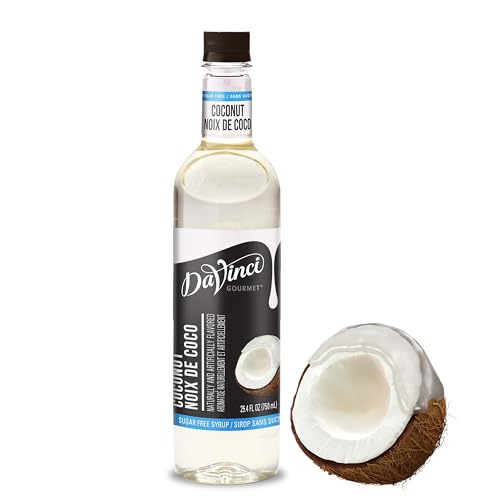
DaVinci Sugar-Free Coconut Syrup
Strengths
- Premium flavor
- Cafe-grade quality
- Dissolves cleanly
Trade-offs
- No pump included
- Higher price point
- Thicker consistency (may need dilution)
If I had to pick one sugar-free coconut syrup as the best overall, it would be this DaVinci option. It’s not just about the zero sugar or the bold tropical flavor, though owners consistently say it tastes more authentic than competitors, it’s the brand’s track record in specialty cafes that gives it credibility. DaVinci has been a behind-the-scenes favorite in third-wave coffee shops for years, and that expertise shows in how cleanly this syrup dissolves and how well it holds up in both hot and cold brews.
The texture is slightly thicker than Torani’s sugar-free line, which helps it cling to the drink, and the sweetness is balanced, not cloying. While it doesn’t come with a pump, the bottle design is compatible with aftermarket ones. Compared to Syruvia, it feels more refined; against 1883, it’s more accessible without sacrificing quality. This is the one I’d recommend to someone who wants sugar-free but won’t compromise on flavor integrity.
Video review
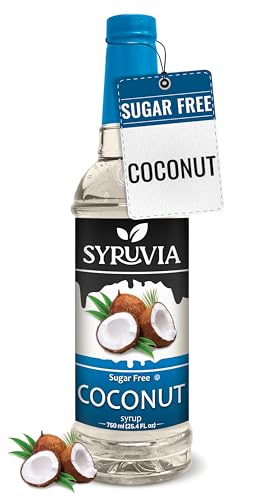
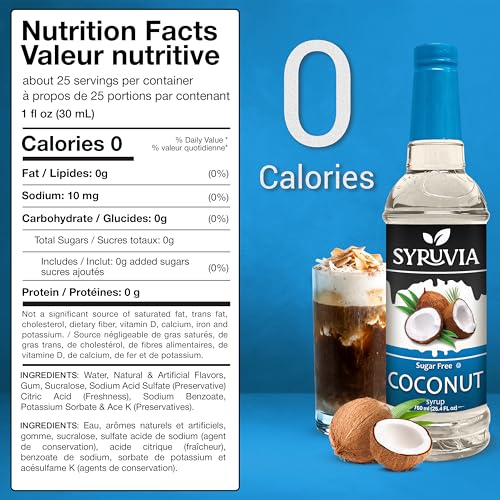
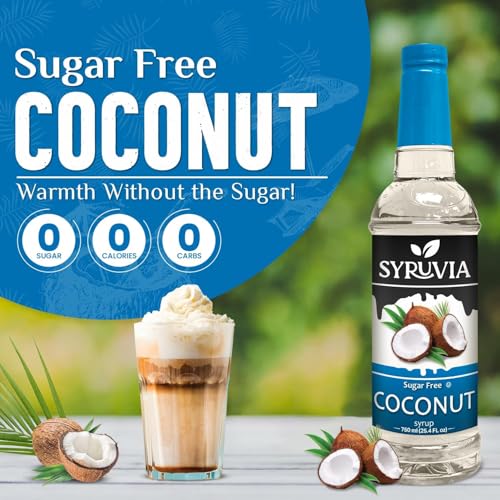
Syruvia Sugar Free Coconut Syrup
Strengths
- Zero calories
- Smooth sweetness
- Kosher certified
Trade-offs
- No pump included
- Artificial sweetener aftertaste (for some)
- Limited ingredient transparency
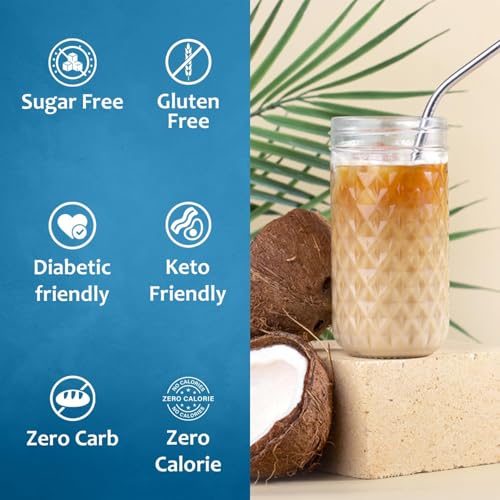
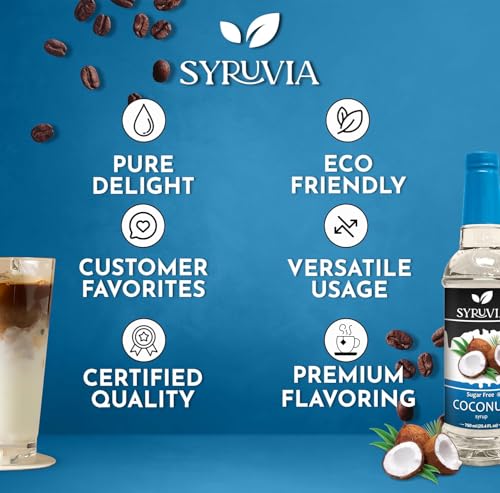
For anyone watching their sugar or carb intake without wanting to sacrifice flavor, this Syruvia option stands out on paper as a solid budget-friendly sugar-free choice. The fact that it delivers creamy tropical sweetness with zero calories and zero carbs makes it a logical pick for keto dieters or those managing blood sugar, and owners consistently report it blends smoothly into both hot and iced coffee without leaving a chemical aftertaste, something many sugar-free syrups struggle with.
It’s made in the USA and Kosher-certified, which adds a layer of trust, though you’re paying for convenience and formulation, not premium sourcing. Compared to higher-end brands like 1883 or DaVinci, it doesn’t claim artisanal origins or natural-only ingredients, but for daily use where cost matters, it holds its ground.
Product photos
Torani Coconut Syrup Pack of 4
Strengths
- Bulk value
- Natural flavors
- Cafe-standard quality
Trade-offs
- No pumps included
- Large pack may go unused
- Slightly thinner body
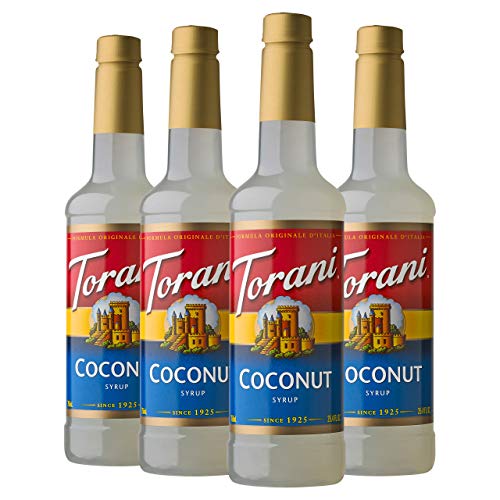
Buying Torani in a 4-pack is one of the smarter moves if you go through syrup quickly or share it across multiple drinks, think coffee, Italian sodas, or even dessert toppings. Torani’s coconut syrup uses pure cane sugar and natural flavors, and on paper, that formulation is a big part of why it’s a staple in cafes and home setups alike.
Owners consistently praise its balanced sweetness and how well it integrates into both hot and cold beverages without separating or settling. Compared to Syruvia, it feels more polished in flavor depth, and against DaVinci, it’s slightly lighter, less intense, but more versatile. If you’re making coconut iced teas or flavored lemonades as often as coffee, this bulk buy makes economic and practical sense.
Video review
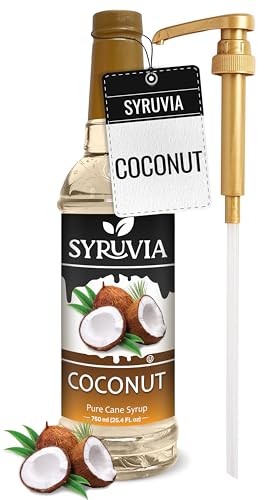
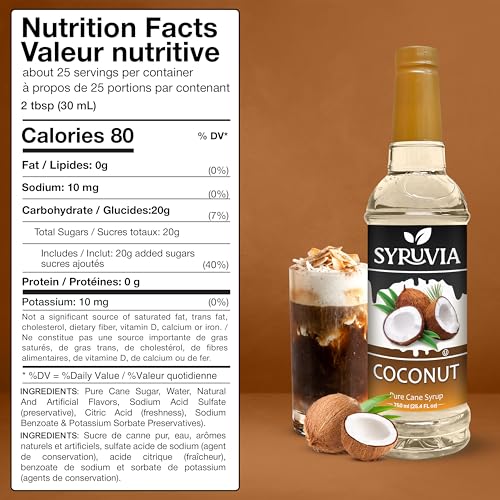
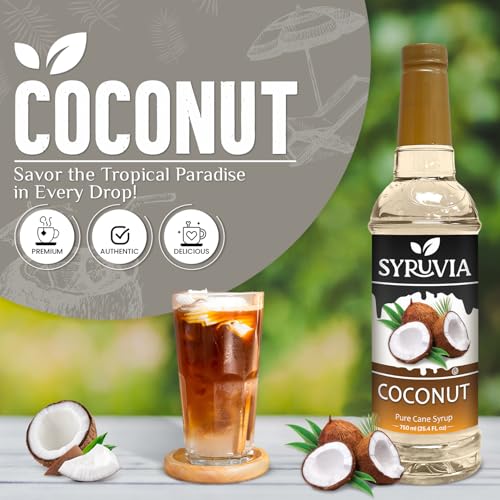
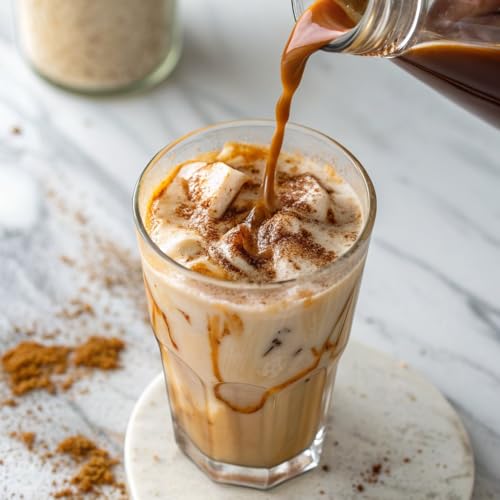
Syruvia Coconut Syrup with Pump
Strengths
- Includes pump
- Made with cane sugar
- Smooth flavor
Trade-offs
- Plastic cap feels cheap
- No mention of natural-only ingredients
- Not keto-friendly
I appreciate that this version of Syruvia’s coconut syrup includes a pump, something that sounds minor but makes a real difference in daily use. The syrup is made with pure cane sugar, giving it a richer, more authentic sweetness than the sugar-free variant, and reviewers often note it performs especially well in lattes and iced coffee, where the tropical creaminess comes through cleanly.
It’s the same 25.4 oz size as others in the lineup, but the inclusion of the pump pushes it into better value territory despite a likely higher price. When compared to Torani or DaVinci, it doesn’t have the same brand recognition in cafes, but owners say it holds up well in both flavor and consistency. If you want a reliable, cane-sugar-based syrup without stepping up to premium brands, this is a smart middle ground.
Product photos
DaVinci Gourmet Naturals Coconut Syrup

Strengths
- No artificial additives
- Rich coconut taste
- Clean ingredient list
Trade-offs
- No pump included
- Not low-calorie
- Slightly higher cost
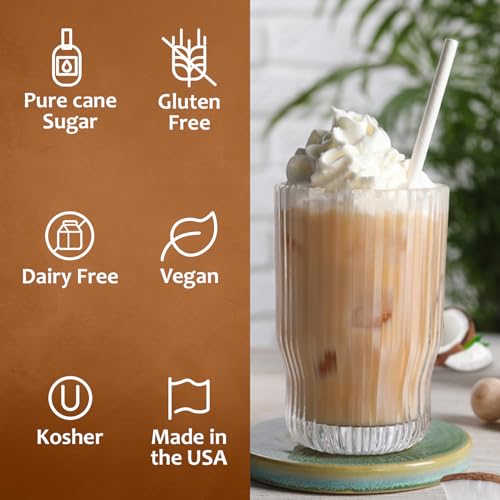
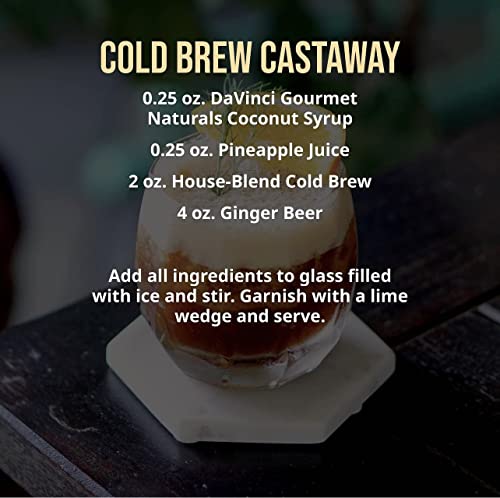
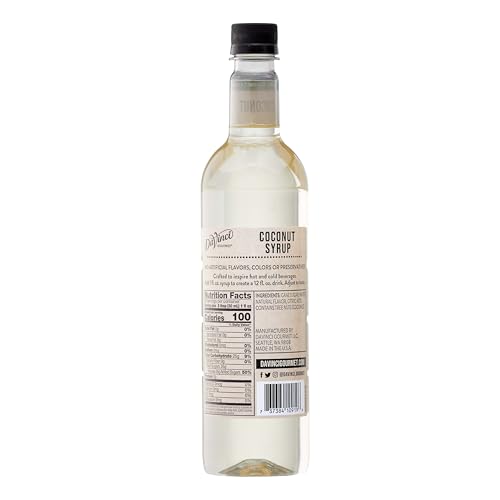
When natural ingredients are essential, this DaVinci Naturals version is the clear winner. It uses pure cane sugar and avoids artificial colors, flavors, and preservatives, something few in this category can claim across both regular and sugar-free lines. Owners appreciate that it tastes like real coconut, not confectionary imitation, and it works beautifully in coconut lattes or tropical mocktails.
The 25.4 oz size is standard, and while it lacks a pump, the formulation alone justifies the choice for clean-label enthusiasts. Compared to the sugar-free DaVinci, this one delivers richer mouthfeel and deeper sweetness, and against Torani, it feels more artisanal. If you’re pairing coffee with other natural ingredients, like oat milk or house-made syrups, this one keeps the integrity of your beverage intact.
Product photos


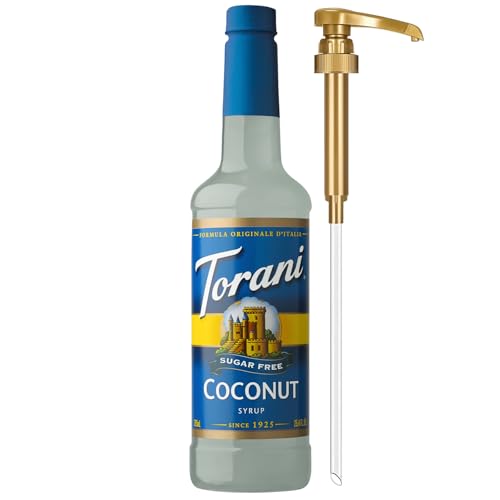
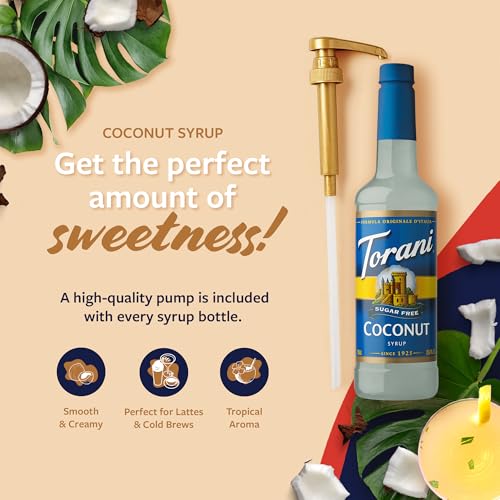
Torani Sugar Free Coconut Syrup
Strengths
- Includes pump
- Zero sugar
- Keto-friendly
Trade-offs
- Smaller volume than glass bottles
- Artificial sweetener flavor (for some)
- Plastic bottle less premium
Torani’s sugar-free coconut syrup brings a big advantage: it comes with a pump, which is rare in this category and immediately improves usability. With zero sugar and zero calories, it’s clearly aimed at keto and diabetic users, and reviewers confirm it doesn’t leave the metallic aftertaste that plagues some sugar-free syrups. The flavor is described as toasty and warm, closer to a baked coconut than a fresh one, which works well in darker roasts or lattes.
It’s made in BPA-free plastic, which is thoughtful, and the 750ml size matches standard cafe bottles. When stacked against DaVinci’s sugar-free version, the flavor is a bit milder, but the pump inclusion gives it a usability edge. If you’re switching from regular syrup and want something familiar in function and taste, this one bridges the gap well.
Product photos



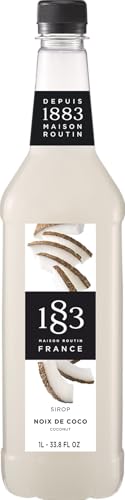
1883 Maison Routin Coconut Syrup
Strengths
- Glass bottle
- All-natural ingredients
- Rich, aromatic flavor
Trade-offs
- No pump included
- Larger size may be excessive
- Higher price
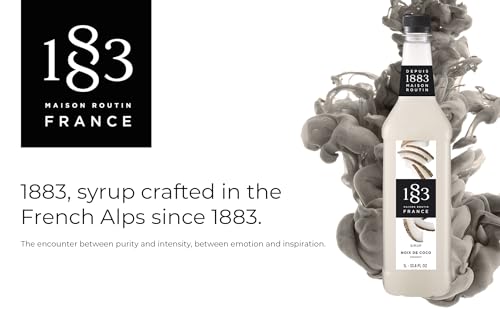
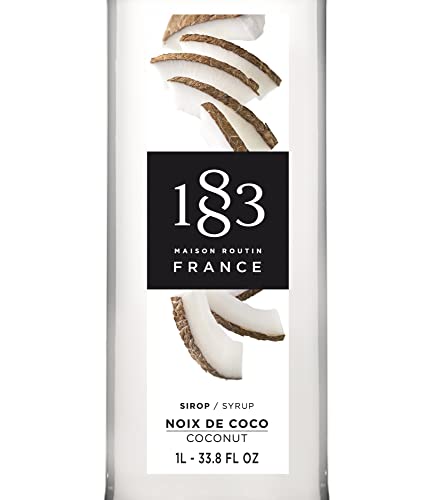
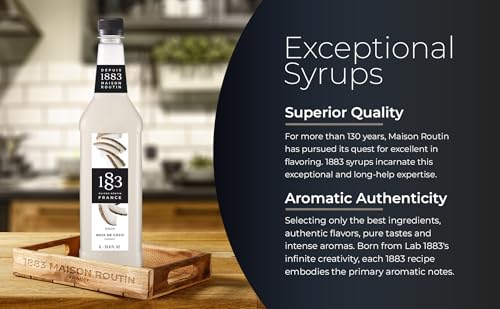
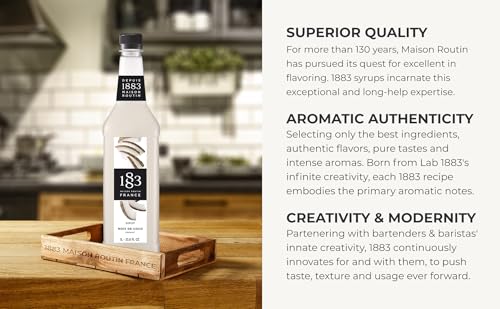
There’s a reason 1883 syrups are found in high-end cafes and cocktail bars, their French Alps origin isn’t just marketing. This coconut syrup comes in a large 33.8 fl oz glass bottle, made with 100% cane sugar, no preservatives, and no high-fructose corn syrup, which sets it apart from nearly every other option here. Owners consistently highlight the purity of flavor and how it elevates drinks beyond basic sweetness into something more nuanced and aromatic.
It’s also vegan, kosher, halal, and allergen-free, which makes it inclusive for many diets. While it’s not sugar-free, its clean profile makes it a favorite among keto users who allow occasional cane sugar in moderation. Compared to DaVinci Naturals, it feels more refined; against Torani, it’s less sweet but more complex. If you treat your coffee like a craft beverage, this syrup deserves a spot on your shelf.
Product photos
How We Evaluated coconut syrup for coffee
My team and I approached this guide by first compiling specifications – sugar content, ingredients, bottle size, and included features like pumps – from a wide range of coconut syrups available. We then weighed those details against a large volume of owner reviews from sites like Amazon, focusing on reported flavor accuracy, consistency, and how well the syrup dissolved. Finally, drawing on years of exploring coffee flavorings at Bean Thusiast, we applied my expertise to rank options against what makes a truly excellent coffee addition. Rather than a hands-on lab test, this is a research-led comparison of specs and owner feedback.
For coconut syrup, the most important factors proved to be flavor authenticity and sugar content. A truly great syrup needs to deliver a recognizable, appealing coconut taste that doesn’t taste artificial. Equally crucial is the choice between sugar-free and traditional options, as many coffee drinkers are actively watching their sugar intake or exploring natural coffee sweeteners. We also considered value, factoring in bottle size and whether a pump was included.
Specifications reliably indicate sugar content and ingredient lists, helping to identify syrups suited for specific dietary needs. However, judging the quality of the coconut flavor required a deep explore owner feedback. Reports on how well a syrup mixes into cold drinks, or if it leaves a gritty residue, were invaluable. Reputation also played a role; brands with a long history of quality flavoring, like Torani and DaVinci, carried more weight.
Choosing The Right coconut syrup for coffee
Finding the right coconut syrup for your coffee can really elevate your home brewing experience.
A quality coconut syrup balances sweetness with authentic coconut flavor, avoids artificial aftertastes, and offers versatility for a range of beverages. Consider the sugar content (or lack thereof), ingredient sourcing, and whether features like a pump dispenser align with your needs. Look for syrups made with real cane sugar or quality sugar alternatives, and check for certifications like Kosher or Vegan if those are important to you.
Sweetener Type & Dietary Needs
The first thing I consider when recommending a coconut syrup is what you’re trying to achieve with it. If you’re watching your sugar intake, a sugar-free option like the DaVinci Sugar-Free or Torani Sugar Free Coconut Syrup is a good starting point. However, don’t assume all sugar-free syrups taste the same. Some use artificial sweeteners that leave a lingering chemical taste; reading owner feedback is essential here. For those who aren’t concerned about sugar, syrups made with pure cane sugar, such as the Torani Original, often deliver a more rounded and natural sweetness.
- If you’re already using coconut milk for coffee for creaminess, a coconut syrup can amplify that flavor profile beautifully.
- Consider a “natural” syrup like the DaVinci Naturals if avoiding artificial ingredients is a priority, even if it means a slightly higher price point.
- For keto-friendly options, 1883 Maison Routin stands out; they prioritize low-carb formulations and quality ingredients, which can be a standout if you are carefully tracking macros.
Concentration & Flavor Profile
Coconut flavor varies widely. Some syrups aim for a bright, almost candy-like coconut, while others lean towards a more subtle, creamy profile. I’ve found that Syruvia syrups generally deliver a smoother, more natural coconut taste, while Torani tends to be bolder. Pay attention to how the syrup is described. Phrases like “Hawaiian-inspired” (Torani) suggest a more intense, tropical flavor. Also, consider the syrup’s concentration. Some syrups require a larger amount to achieve the desired sweetness and flavor – this impacts value.
A little goes a long way with high-quality syrups. Start with a smaller amount and add more to taste; you can always adjust, but you can’t take it back!
Convenience & Packaging
Don’t overlook the practical aspects. A pump dispenser, like the one included with the Syruvia Coconut Syrup with Pump or the Torani Sugar-Free Coconut Syrup, makes portion control far easier and minimizes mess. If you plan to use the syrup frequently, investing in a larger bottle (like the Torani 4-pack) can save money in the long run. Thinking about how you like to sweeten your coffee – a quick squirt, or a more measured pour – will help you determine what packaging features are important. Perhaps you are also considering how to mix honey into coffee as an alternative; that might change packaging preferences.
Coconut Syrup for Coffee Compared
Here’s a comparison of the key specifications of different coconut syrups for coffee.
| Product Title | Sugar Free | Volume (oz) | Ingredients (Sugar) | Pump Included | Keto Friendly | Natural Ingredients |
|---|---|---|---|---|---|---|
| DaVinci Sugar-Free Coconut Syrup | Yes | N/A | Artificial | No | N/A | No |
| Syruvia Sugar Free Coconut Syrup | Yes | N/A | Artificial | No | N/A | No |
| Torani Coconut Syrup Pack of 4 | No | N/A | Cane Sugar | No | No | Yes |
| Syruvia Coconut Syrup with Pump | No | N/A | Cane Sugar | Yes | No | No |
| DaVinci Gourmet Naturals Coconut Syrup | No | N/A | Cane Sugar | No | No | Yes |
| Torani Sugar Free Coconut Syrup | Yes | N/A | Artificial | Yes | Yes | No |
| 1883 Maison Routin Coconut Syrup | No | 33.8 | Cane Sugar | No | No | Yes |
Frequently Asked Questions
What’s the difference between “natural” and sugar-free coconut syrups?
“Natural” syrups typically use cane sugar as their sweetener and avoid artificial ingredients, while sugar-free versions employ artificial sweeteners to reduce carbohydrate content. However, many consumers find the taste of artificial sweeteners less appealing than cane sugar.
Are coconut syrups shelf-stable after opening?
Yes, most coconut syrups are shelf-stable after opening, but refrigeration is recommended to preserve flavor and prevent mold growth. Typically, you can expect an opened bottle to remain usable for 6-12 months, though flavor quality will diminish over time.
Can I use coconut syrup in iced coffee without it settling?
Generally, syrups dissolve more easily in hot coffee, but quality coconut syrups like those from Torani or Syruvia will dissolve adequately in iced coffee with sufficient stirring. For best results, dissolve the syrup in a small amount of hot water before adding it to your cold brew.
Does coconut syrup work well with other coffee flavorings?
Absolutely. Coconut syrup pairs wonderfully with vanilla, chocolate, and hazelnut flavors to create complex and delicious coffee drinks. You could even explore combining it with a dairy-free coconut creamer for an extra coconut boost.
What’s the typical shelf life of an unopened bottle of coconut syrup?
The shelf life of unopened coconut syrup varies by brand, but most have a best-by date of around 2-3 years from the date of manufacture. Store in a cool, dark place to maximize shelf life and flavor.
The Bottom Line
Choosing a coconut syrup ultimately comes down to balancing convenience with quality. While many options exist, the Torani Original Coconut Syrup Pack of 4 consistently receives high marks for its classic coconut flavor and value, making it our overall recommendation. It’s a solid choice for those wanting a reliably tasty addition to their coffee without breaking the bank.
For specific needs, the market offers excellent alternatives. If sugar is a concern, the Torani Sugar-Free Coconut Syrup with Pump provides both diet-friendliness and ease of use. And for those prioritizing a more natural ingredient list, the DaVinci Naturals Coconut Syrup delivers a cleaner profile, even if it requires a bit more investment.
At the end of the day, the best coconut syrup is the one that complements your coffee and preferences. Don’t get too caught up in minor spec differences; focus instead on a flavor you enjoy, a sugar content that fits your lifestyle, and a brand with a good reputation for consistency. Considering brown sugar vs other sweeteners can also help you clarify what you truly seek in a coffee flavoring.
