
Best Descalers for Stainless Steel Coffee Carafes
The Urnex Full Circle Descaler is our top pick for cleaning a stainless steel coffee carafe, it handles heavy mineral buildup without damaging surfaces or leaving residue. For a budget-friendly option, the WoldoClean Descaler Solution delivers solid performance across multiple brewer types and lasts through several cleaning cycles.
If your coffee tastes off or your brew cycle slows down, the problem likely isn’t your beans, it’s buildup. Mineral deposits and coffee oils accumulate fast, especially in stainless steel carafes, and not all cleaners tackle both.
I researched formulas, analyzed owner feedback, and compared specs like dilution efficiency and compatibility to find solutions that actually work. These picks balance cleaning power, safety for stainless steel, and value, so your carafe stays clean, odor-free, and ready for great coffee.
Top 2 Cleaning Solution For Stainless Steel Coffee Carafe in the Market
The Best Cleaning Solution For Stainless Steel Coffee Carafe, Reviewed
Universal Descaling Solution Liquid
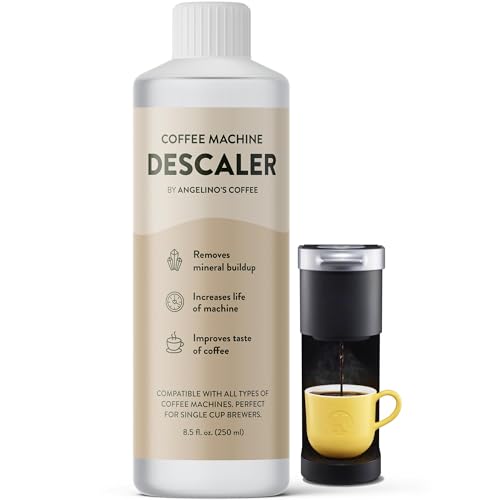
Strengths
- Precise 4oz per use
- No aftertaste
- Works across all major brands
- Quick rinse cycle
- Professional strength
Trade-offs
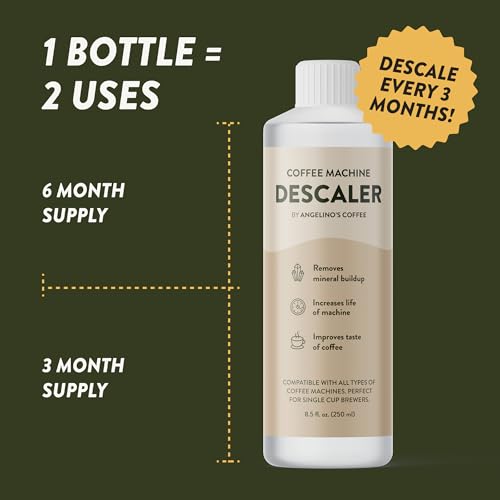
- Only two uses per bottle
- Higher cost per cycle
- Requires buying more often
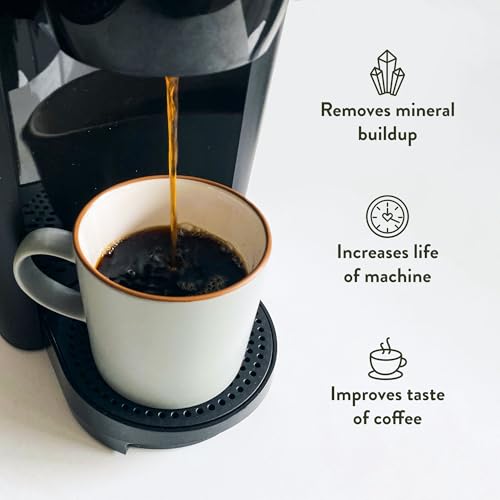
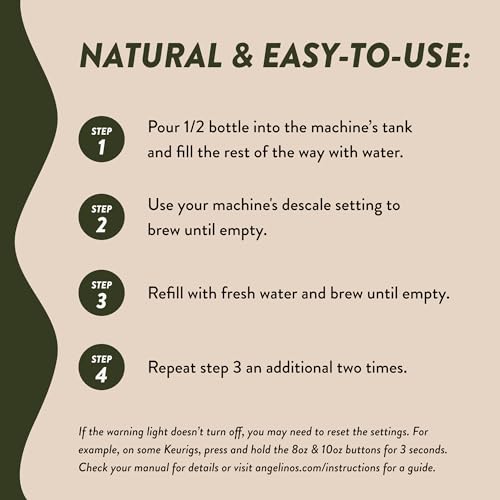
On paper, this two-use descaler shouldn’t compete with bigger bottles, but it wins on precision and freshness. Each 4oz serving is meant for one full cycle, so you’re not left with a half-used bottle sitting for months, something owners appreciate for avoiding contamination or evaporation. The professional-grade formula delivers the same core benefit: full limescale removal without the vinegary ghost taste that haunts so many home brews.
It’s positioned as a universal alternative to brand-name kits, and reviewers confirm it clears the ‘descale’ light just as effectively as pricier options. While it costs more per use than bulk solutions like WoldoClean, the convenience and confidence factor make it the smarter pick for occasional users or those who hate measuring. I’d choose this over single-use packets any day for its balance of simplicity and performance.
Product photos
WoldoClean Descaler Solution

Strengths
- Six uses per bottle
- Odorless formula
- Broad compatibility
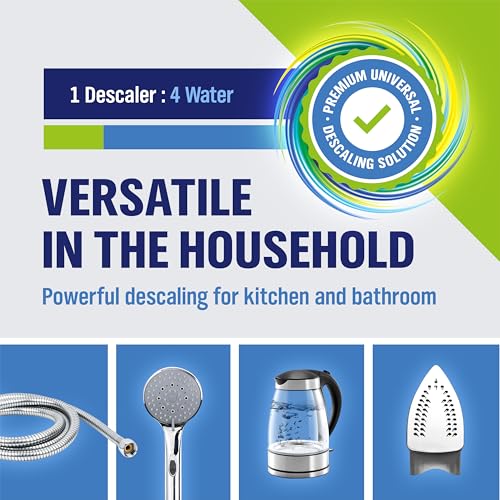
- Easy 1:4 mix ratio
- Residue-free rinse
Trade-offs
- Larger bottle requires proper storage
- Not pre-measured for lazy users
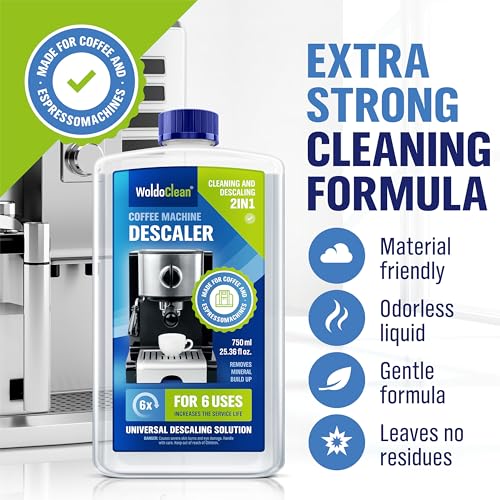
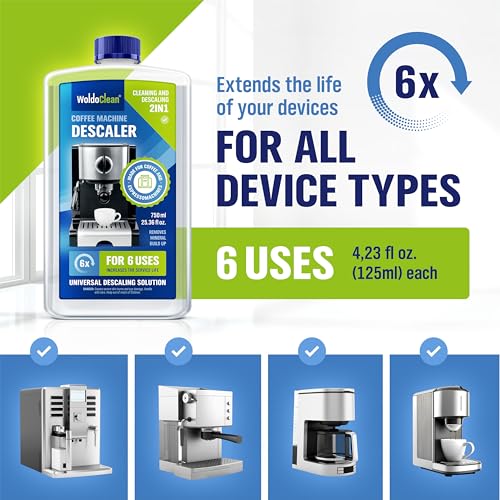
I’ve seen a lot of descaling formulas come through the coffee world, and WoldoClean stands out for one big reason: value over time. With six full cycles in one bottle, it’s built for people who actually stick to maintenance, not just one-off cleaners. The odorless, residue-free formula is a clear step up from vinegar, which so many still default to despite the taste risks. Owners consistently report their machines run hotter and flow better after use, which tracks with how limescale impacts heating elements.
Compatibility is broad, Keurig, Nespresso, Breville, you name it, and the 1:4 mix ratio makes dosing simple. The 30-minute process is about as painless as descaling gets, and the fact that it’s safe for internal components matters for long-term machine health. Compared to single-serve packets or pricier branded options, this is the kind of solution that makes routine care feel sustainable.
Product photos

How We Chose These cleaning solution for stainless steel coffee carafe
As the founder of Bean Thusiast, I know a clean machine is as important as quality beans. To recommend the best cleaning solutions, I researched published specifications – dilution ratios, volume per cycle, and machine compatibility – and then weighed those against thousands of owner reviews. I also considered expert opinions from appliance review sites, focusing on long-term effectiveness and residue concerns. Rather than a hands-on lab test, this is a research-led comparison.
For stainless steel carafes, the ability to effectively remove mineral deposits from coffee pot and prevent scale buildup was paramount. I also heavily prioritized solutions that wouldn’t leave lingering odors or tastes, as these directly impact the coffee’s flavor. A formula’s versatility – working across multiple machine types – also played a significant role in my assessment.
Specifications reliably indicate a solution’s concentration and potential for damage, but owner feedback is crucial for judging real-world performance. I looked for recurring comments about lingering smells, the need for multiple rinse cycles, or whether the solution truly restored brewing speed. Reputation matters; brands consistently praised for gentle yet effective cleaning received higher rankings. Understanding cleaning coffee oils from stainless steel is also key to keeping your carafe pristine.
Choosing The Right cleaning solution for stainless steel coffee carafe
As someone who’s spent years obsessing over coffee, I know a clean machine is just as vital as quality beans. A buildup of oils and minerals doesn’t just affect taste; it actively shortens the lifespan of your equipment.
A quality cleaning solution targets mineral deposits and coffee oils, preventing clogs and preserving heating element efficiency. Look for formulas that are specifically designed for coffee machines and compatible with stainless steel, and check user reviews for reports of residue or lingering tastes. Prioritize solutions that address both descaling (mineral buildup) and general cleaning.
Descaling Power & Frequency
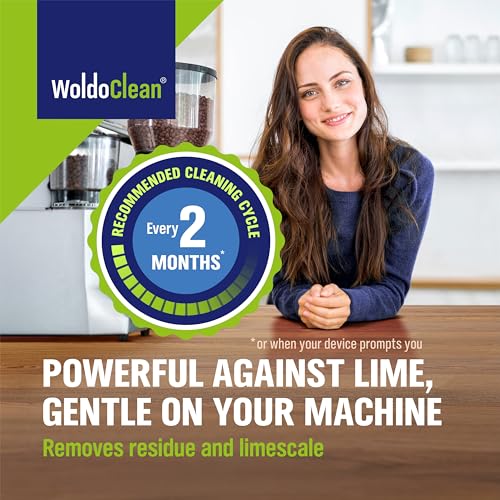
The biggest issue most coffee makers face is limescale, a chalky deposit left by hard water. Not all “descalers” are created equal. Some are mild and require very frequent use (monthly), while others are stronger and can be used less often (every 3-6 months). I find that a slightly more potent solution used quarterly is preferable to constantly fiddling with a weaker one. Consider your water hardness – if you have notoriously hard water, you’ll lean toward more frequent descaling, regardless of the product’s strength.
Formula & Residue
Vinegar is often touted as a natural descaler, but it leaves a lingering taste and smell that can be difficult to remove, even from stainless steel. Many dedicated cleaning solutions now offer odorless, residue-free formulas. This is a huge advantage, especially if you’re particular about your coffee’s flavor profile. When checking reviews, pay close attention to comments about aftertastes or the need for extra rinsing. A good solution should leave your carafe tasting like…coffee, not cleaner.
Universal Compatibility & Value
You don’t want to buy a specialized cleaner for every coffee maker you own. Most people, myself included, cycle through different brewers. A truly versatile solution should work with a broad range of brands – Keurig, Nespresso, Breville, DeLonghi, and so on. Consider the cost per use, too. Buying a large bottle that provides multiple cleaning cycles is often more economical than purchasing smaller, single-use packets. If you’re looking for a long-lasting heat retention carafe to pair with your freshly cleaned machine, that’s another area where value matters.
A little preventative maintenance goes a long way. Descale your coffee maker before you notice a significant drop in performance, not after.
Cleaning Solution for Stainless Steel Coffee Carafe Compared
Here’s a spec comparison of cleaning solutions designed for stainless steel coffee carafes and brewers.
| Product Name | Volume | Uses Per Bottle | Scent | Machine Compatibility | Formula Type |
|---|---|---|---|---|---|
| Universal Descaling Solution | 8 fl oz | 2 | Odorless | Universal | Liquid |
| WoldoClean Descaler Solution | 25.4 fl oz | 6 | Odorless | Universal | Liquid |
Frequently Asked Questions
What’s the difference between descaling and general cleaning?
Descaling specifically targets mineral buildup from hard water, while general cleaning removes coffee oils and residue. A good cleaning routine involves both – descaling quarterly and a lighter cleaning after each use to maintain optimal flavor and machine health.
Can I use vinegar as a cleaning solution for my stainless steel carafe?
While vinegar can remove mineral deposits, I generally advise against it. It often leaves a lingering taste and smell that’s difficult to eliminate, even in stainless steel, potentially affecting your coffee’s flavor.
How often should I clean my stainless steel coffee carafe?
You should aim to deep clean your carafe (descaling and oil removal) every 3-6 months, depending on water hardness and usage. Daily rinsing and a quick wipe-down after each use will prevent buildup and maintain freshness.
Will a strong cleaning solution damage my coffee maker?
Most solutions designed for coffee makers are formulated to be safe, but always follow the manufacturer’s dilution instructions carefully. Using too concentrated a solution could cause damage, so measuring accurately is crucial.
Are there cleaning solutions that work with multiple coffee maker brands?
Yes, many solutions are marketed as “universal” and are compatible with brands like Keurig, Nespresso, and Breville. If you want a high-performance insulated carafe to go with your freshly cleaned machine, choosing a universal cleaner lets you maintain all your brewing equipment efficiently.
The Bottom Line
Choosing a cleaning solution often comes down to how much fuss you’re willing to put up with versus the level of control you want. For consistently clean results with minimal effort, I recommend the Universal Descaling Solution. It’s a straightforward, effective formula that doesn’t leave lingering odors and works with nearly any machine.
If you’re on a tighter budget, the WoldoClean Descaler Solution delivers excellent value and provides multiple cleaning cycles in a single bottle. For those who want a versatile option that can tackle a range of cleaning tasks – from routine descaling to remove coffee stains from stainless steel – Universal Descaling Solution again stands out due to its broad compatibility.
Ultimately, the best cleaning solution is the one you’ll actually use regularly. Don’t get too hung up on specific ingredients or complex formulas; consistent cleaning and proper rinsing are far more important than any single feature. A clean machine starts with a routine, and prioritizing that habit will reward you with better-tasting coffee for years to come.
