
3 Best Clean Coffee Picks of 2026
This post contains affiliate links. As an Amazon Associate, we earn from qualifying purchases.
The best clean coffee delivers purity without sacrificing flavor, and after researching the market, Purity Coffee FLOW Medium Roast stands out as the top choice for its rigorous testing and rich antioxidant profile. For a budget-friendly option, Clean Coffee Co. Dark Roast offers solid quality with low acidity, while Bulletproof Maximizer Functional Coffee brings added gut-supporting prebiotics for those focused on functional benefits.
Many of us have chased a smoother, gentler cup, something that fuels the day without the jitters or stomach upset. The problem isn’t just caffeine; it’s what’s hiding in the beans.
This guide cuts through the noise by focusing on verified testing, sourcing transparency, and real user experiences. I looked at which brands back their claims with third-party labs and which actually deliver a clean, enjoyable cup.
Top 3 Clean Coffee in the Market
The Best Clean Coffee, Reviewed
Clean Coffee Co. Dark Roast

Strengths
- Low acid formula
- Rich flavor notes
- Lab tested for toxins
Trade-offs
- Not USDA organic
- No added wellness boosters
- Limited origin transparency
If you’re after a well-rounded clean coffee that balances safety, flavor, and accessibility, this Honduras blend is hard to beat. The low-acid roasting process is a standout, reviewers with sensitive stomachs frequently praise its smoothness, and the caramel and dark chocolate notes come through clearly in both drip and French press. It’s not just gentle, it’s genuinely enjoyable.
Lab testing for mold and mycotoxins is standard across their line, and this batch is no exception. Compared to Purity Coffee, it’s less aggressively marketed as a health product, but it delivers similar purity assurances with a more approachable flavor profile. The 12 oz whole bean option gives you flexibility in grind size, and owners note it stays fresh longer than expected. For most buyers, this is the easy pick when you want clean coffee that still tastes like coffee.
Video review
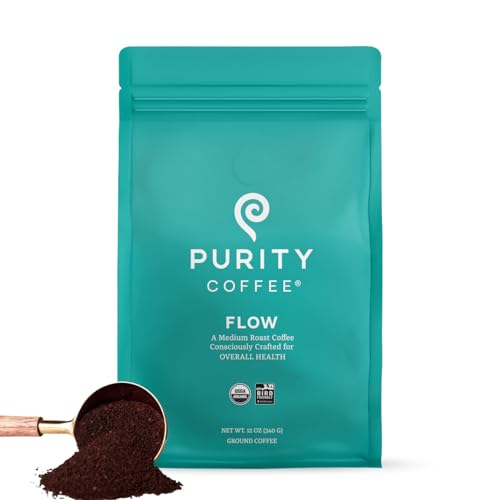
Purity Coffee FLOW Medium Roast
Strengths
- USDA Organic certified
- High antioxidant levels
- Nitrogen flushed packaging
Trade-offs
- Pricier than competitors
- Ground format limits freshness
- Fewer functional additives
This is the gold standard in the clean coffee space, USDA Organic, Bird Friendly, Rainforest Alliance Certified, and tested for mold, pesticides, and heavy metals. The FLOW blend doesn’t just claim purity, it layers certifications and third-party validation into every step. Owners consistently report a clean, bright cup with a full body and no aftertaste, a rarity in the health-focused coffee market.
What sets it apart is the antioxidant focus. With high levels of chlorogenic acid preserved through careful roasting, it’s built for people who want coffee as a wellness vehicle without compromising on quality. The nitrogen-flushed packaging helps maintain freshness, and compared to Bulletproof, it tastes more like a true specialty coffee. My recommendation? If you want the most rigorously vetted, health-forward coffee that still earns respect from flavor purists, this is the smarter buy.
Video review
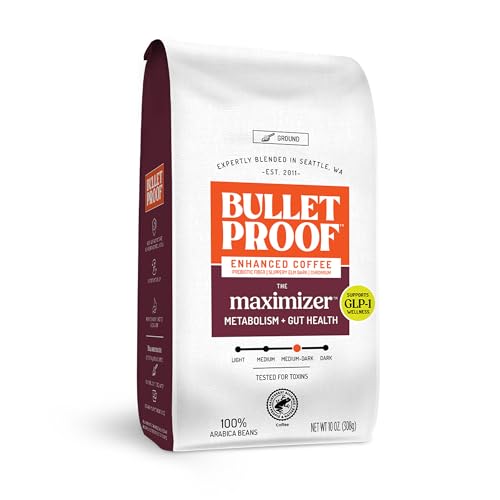
Bulletproof Maximizer Functional Coffee
Strengths
- Prebiotic formula
- Gut-soothing ingredients
- Clean bean tested
Trade-offs
- Smaller bag size
- Mild flavor complexity
- Functional over gourmet
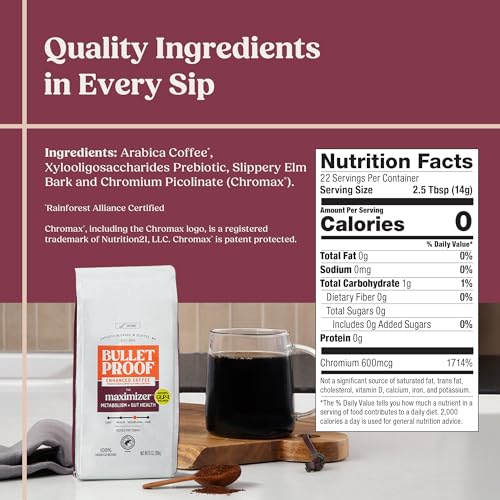
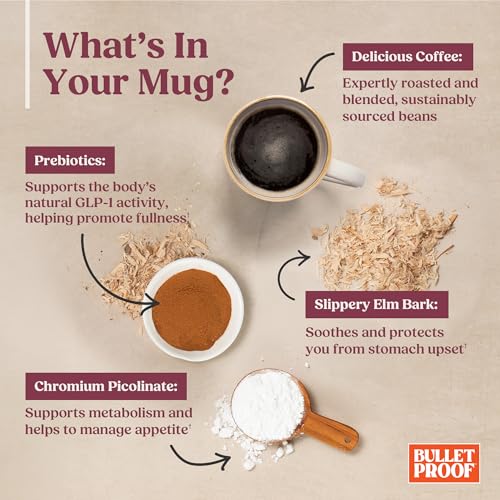
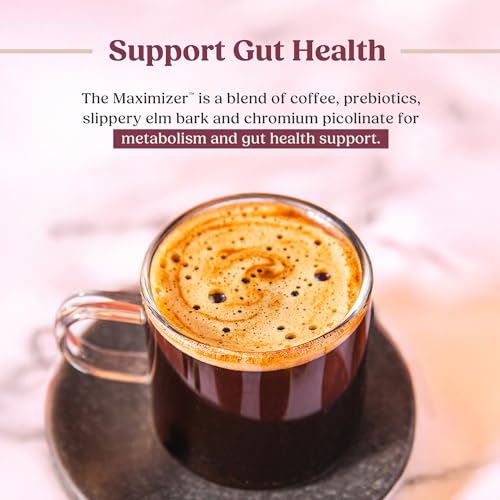
This is one of the few coffees that tries to do more than just deliver caffeine and flavor, it actively positions itself as a wellness product. On paper, the inclusion of prebiotics like xylooligosaccharides and slippery elm bark stands out, and owners consistently report a noticeable difference in digestive comfort. The medium-dark roast from 100% Arabica beans earns its specialty-grade label, with a rich, balanced profile that doesn’t sacrifice drinkability for function.
Still, it’s a functional coffee first, a flavor-first coffee second. Compared to Clean Coffee Co. or Purity Coffee, it leans slightly more toward the supplement side of the spectrum. The 10 oz bag size is smaller than most, and while the clean bean testing is reassuring, some reviewers note the flavor can be a bit one-dimensional. If gut health is your top priority and you want measurable support from your morning cup, this delivers, but don’t expect the depth of a true specialty roaster’s blend.
Product photos
How We Evaluated clean coffee
I approached researching “clean coffee” by comparing the stated features of various brands alongside a deep explore owner and expert reviews. Rather than a hands-on lab test, this is a research-led comparison of specs and owner feedback, focusing on claims of purity and health benefits. I weighed information from coffee publications and, importantly, analyzed what consumers were saying about taste and digestive comfort.
For this category, the most important factors were rigorous testing for contaminants, sourcing transparency, and reported impact on stomach sensitivity. Coffee marketed as “clean” needs to demonstrate a commitment to removing potential irritants like mycotoxins and pesticides. Flavor is also key; a healthy cup is less appealing if it doesn’t taste good, so I looked for consistently positive notes in reviews.
Specifications reliably show what a company tests for, but owner feedback reveals how effective those tests are. I prioritized brands with third-party lab results publicly available. Reputation and consistency in reviews were crucial in determining which coffees truly delivered on their promises of a smoother, cleaner brew – and whether you might also need to consider coffee maker maintenance to keep things pristine.
How To Choose The clean coffee
As someone deeply immersed in the world of coffee, I know that “clean coffee” means more than just a caffeine boost. It’s about what isn’t in your cup, as much as what is.
Clean coffee prioritizes purity and well-being. Look for beans tested for mycotoxins, pesticides, and heavy metals. Roast quality is essential; a skilled roaster can highlight natural flavors while minimizing potential irritants. Transparency in sourcing and processing is also key, indicating a commitment to quality control and ethical practices.
Understanding Purity & Testing
The biggest driver in the clean coffee movement is, unsurprisingly, avoiding unwanted substances. It’s easy to get lost in marketing buzzwords, so focus on how a company demonstrates purity. USDA Organic certification is a good start, but it doesn’t cover everything. Look for brands that specifically test for mycotoxins – these mold-based toxins are a common concern in coffee, and testing isn’t always required for organic certification. Beyond that, third-party lab tests verifying the absence of pesticides and heavy metals provide an extra layer of assurance. Don’t assume all brands are equal; dig into their testing protocols.
Roast Level & Acidity
While roast level is a matter of personal taste, it significantly impacts acidity and potential stomach upset. Darker roasts are generally lower in acid, which makes them a better choice for those with sensitivities. However, a poorly executed dark roast can taste burnt and mask the coffee’s natural flavors. I generally find that medium roasts, when sourced and roasted well, offer a balance between flavor and gentleness. If you’re particularly sensitive, seeking out brands that specifically advertise “low acid” profiles is a smart move. It’s also worth experimenting with different brewing methods; cold brew, for example, naturally produces a less acidic concentrate.
Beyond the Bean: Additives & Equipment
Once you’ve found a clean coffee bean, consider what you add to it. Many people are now looking for natural ingredient creamers to maintain the purity they’ve worked to achieve. But even your brewing equipment plays a role. Regularly performing a clean coffee grinder effectively is important, as old grounds and oils can contribute to off-flavors and potentially harbor mold.
- A burr grinder is always preferable to a blade grinder. Burr grinders create a consistent particle size, which leads to even extraction and better flavor.
- Storing beans properly – in an airtight, opaque container away from heat and light – is crucial for freshness.
- Investing in a high-quality filter (paper, metal, or cloth) can further refine your brew and remove any fine sediment that might contribute to bitterness or stomach upset. The right filter can make a surprising difference.
A coffee that’s rigorously tested and ethically sourced is an investment in your health and well-being. Don’t be afraid to spend a little more for peace of mind.
Clean Coffee Compared
Here’s a specification comparison of the clean coffee options, focusing on key features for health-conscious consumers.
| Product | Roast | Organic | Tested For | Key Features |
|---|---|---|---|---|
| Clean Coffee Co. Dark Roast | Dark | No | Yes | Low Acid, Rich Flavor |
| Purity Coffee FLOW Medium Roast | Medium | Yes | Yes | Antioxidant-Rich, Regeneratively Farmed |
| Bulletproof Maximizer Functional Coffee | Medium-Dark | N/A | Yes | Prebiotics, Gut Health Support |
Frequently Asked Questions
What level of testing should I expect from a “clean coffee” brand?
At a minimum, look for testing specifically for mycotoxins, as this isn’t always covered by standard organic certifications. The most reputable brands will make their third-party lab results publicly available, verifying the absence of pesticides and heavy metals too.
Is dark roast coffee always the best option for a sensitive stomach?
While darker roasts are generally lower in acid, a poorly roasted dark roast can taste burnt and lack nuance. A well-executed medium roast from a brand focused on quality sourcing and testing can offer a good balance of flavor and gentleness – and you can find organic coffee recommendations that prioritize stomach comfort.
Does “organic” automatically mean a coffee is “clean”?
No, organic certification verifies farming practices but doesn’t guarantee the absence of mycotoxins or other contaminants. Look for brands that go beyond USDA organic coffee brands and actively test for these additional substances.
Can my brewing method impact the “cleanliness” of my coffee?
Yes, cold brew consistently produces a less acidic concentrate, which may be easier on the stomach. Using a high-quality filter, paper, metal, or cloth, removes fine sediment that can contribute to bitterness or digestive upset.
What should I look for in terms of sourcing transparency?
Sourcing transparency means the brand openly shares information about where their beans come from and how they’re processed. Brands advertising regeneratively farmed beans are a good sign, demonstrating a commitment to soil health and sustainable practices, and often highlight their certified organic coffee.
The Bottom Line
Choosing the “best” clean coffee often comes down to balancing your priorities – are you willing to spend a bit more for absolute purity and specific health benefits, or are you looking for a reliably clean cup at a more approachable price? For the strongest overall pick, I recommend Purity Coffee FLOW Medium Roast. They consistently demonstrate a commitment to rigorous testing, regenerative farming practices, and a flavorful brew.
If budget is a primary concern, Clean Coffee Co. Dark Roast provides a solid entry point into the world of cleaner coffee. And for those seeking a functional boost alongside purity, Bulletproof Maximizer Functional Coffee stands out with its added prebiotics and focus on gut health. Remember, maintaining a clean coffee maker with vinegar is also critical for a truly clean cup.
Ultimately, the specs and certifications are important, but they shouldn’t overshadow the fundamentals. Freshly roasted beans, a quality grinder, and a consistent brewing method will always have a bigger impact on your daily enjoyment than any single label. Focus on those elements first, and then choose a brand that aligns with your values and sensitivities.
