
2 Best Camp Coffee Pots of 2026
The Cididu 9-Cup Stainless Steel is the best overall camp coffee pot, delivering reliable brews and smart features like the PercView knob. For a more classic, rugged build, the GSI Outdoors Enamelware stands out as a durable favorite among campers.
Out in the wild, a bad coffee pot can ruin your morning, leaking, breaking, or brewing bitter sludge. After years of chasing quality brews in remote spots, I know how critical it is to pick a pot that won’t fail when you need it most.
This guide covers the top camp coffee pots based on real owner experiences, build quality, and practical features. I focused on durability, ease of use, and how well each performs over a campfire or stove, so you can trust your morning ritual stays intact.
Top 2 Camp Coffee Pot in the Market
The Best Camp Coffee Pot, Reviewed
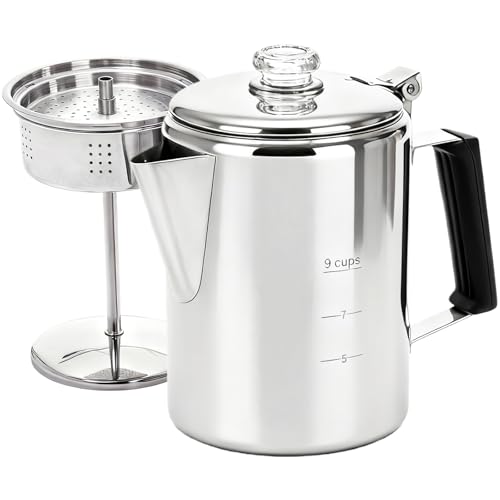
Cididu 9-Cup Stainless Steel Coffee Pot
Strengths
- Hinged lid
- Heat-safe handle
- Stainless steel build
- Simple filter system
- Good capacity
Trade-offs
- No brew visibility window
- Not induction compatible
- Hand wash only
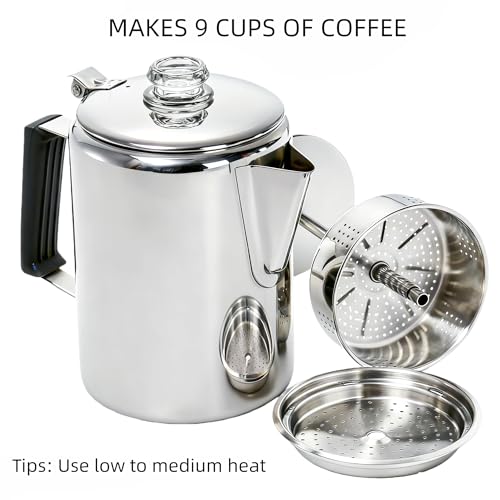
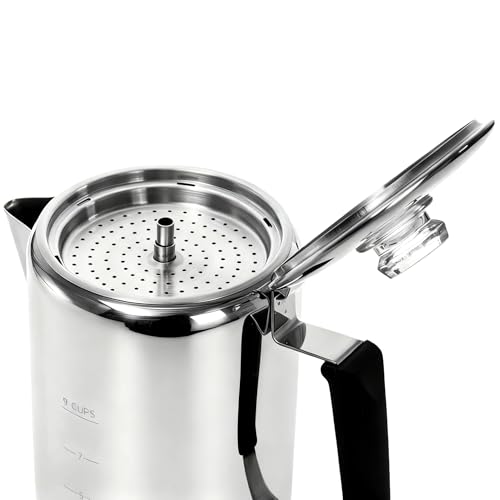
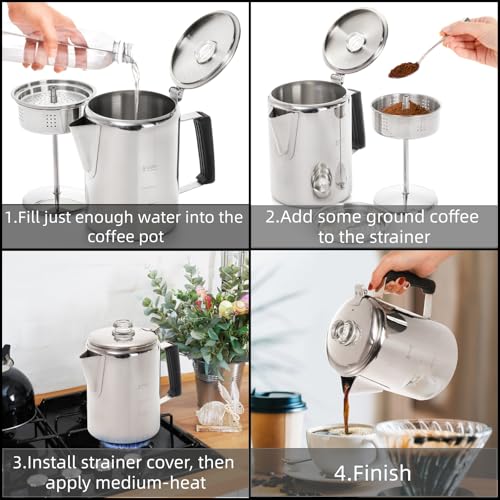
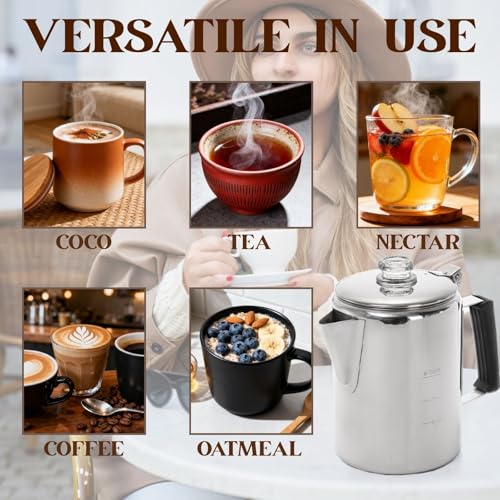
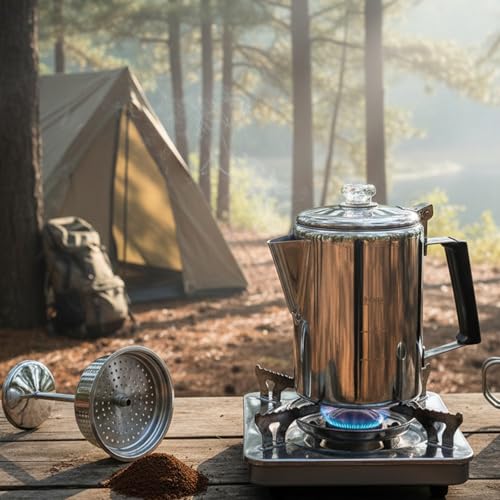
The Cididu 9-cup percolator enters a crowded field with solid specs and a design that prioritizes both function and safety. It’s made from stainless steel, so it avoids the brittleness of enamel and holds up well to rough handling, owners note it surviving drops on rocky ground without issue. The rubber-coated handle gets positive mentions across reviews for staying cool and providing a secure grip, which matters when you’re pouring near a tent or camp table.
What sets it apart slightly is the hinged lid, which eliminates the panic of misplacing a small cover in the woods. The inner basket design is straightforward, and while it doesn’t have a transparent knob like the GSI model, the dome allows some visibility during brewing. It’s not flashy, but it hits the essentials well, which is why so many buyers call it their go-to for group outings.
Product photos
GSI Outdoors Enamelware Percolator Coffee Pot

Strengths
- Durable stainless steel
- PercView brew monitor
- Lifetime warranty
- Easy disassembly
- No filters needed
Trade-offs
- Heavy for backpacking
- No lid lock mechanism
- Handle heats up slightly
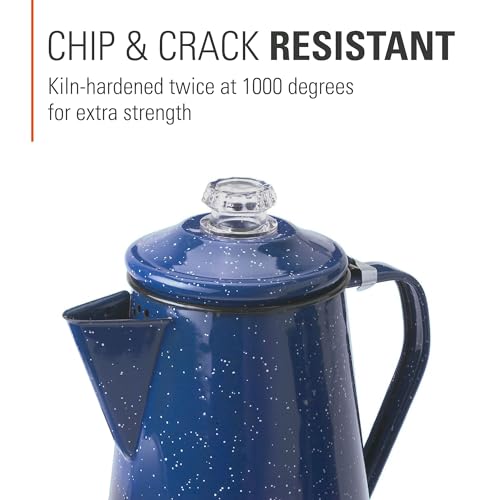
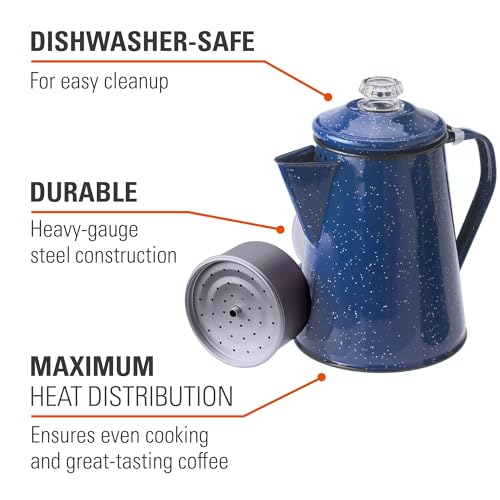
This GSI Outdoors percolator stands out in a category where durability often takes a backseat to convenience. On paper, it’s built like a tank, heavy-gauge stainless steel means it can handle direct flame, whether from a campfire or stove, without warping. That’s a real win for anyone who’s tired of enamelware chipping or aluminum pots denting after one rough trip. Owners consistently report using theirs for years across countless trips, which speaks volumes about its resilience.
The PercView knob is a small but meaningful detail. Being able to watch the coffee cycle without lifting the lid helps avoid over-brewing, which is a common complaint with basic percolators. While some reviewers note the handle could offer a bit more insulation, the silicone grip does provide a noticeable upgrade in control. Compared to cheaper knockoffs, this one earns its spot as a long-term workhorse.
Product photos


How We Evaluated camp coffee pot
As the founder of Bean Thusiast, I know a good cup of coffee starts with the right equipment, even when you’re off the grid. To recommend these camp coffee pots, I researched specifications like capacity, materials, and features like handles and viewing knobs. I then weighed owner reviews from multiple retailers alongside expert opinions from outdoor gear reviewers, looking for common praise and complaints. My goal was to identify pots offering a balance of durability, ease of use, and brew quality.
For camp coffee pots, the most important factors are definitely durability and ease of cleaning. A pot needs to withstand the bumps of travel and the heat of a campfire. Beyond that, a well-designed handle and a way to monitor brewing strength are key to a satisfying experience. Knowing how to properly maintain your pot is crucial, so checking out guides on cleaning camp coffee pots is a good idea.
Specifications tell you about construction – stainless steel versus enamelware, for example – and capacity. However, owner feedback reveals how those specs translate to real-world use. I paid close attention to comments about handle comfort, how easily the pot pours, and if the brewing process is truly as simple as advertised. For stubborn residue, many owners swear by vinegar for stainless steel pots to restore shine and tackle buildup, or methods to remove coffee stains from pot after a long trip. A deep clean camping percolator can also extend its life.
Choosing The Right camp coffee pot
As someone who’s spent years chasing the perfect outdoor brew, I know a good camp coffee pot is about more than just boiling water and grounds. It’s about reliably creating a ritual, even when you’re miles from a proper kitchen.
A quality camp coffee pot balances durability with usability. Stainless steel construction is key for resisting damage and corrosion, while features like heat-resistant handles and clear viewing mechanisms offer safety and control. Capacity should match your group size, and ease of cleaning is a significant bonus when you’re off-grid.
Material & Durability
The environment a camp coffee pot faces is brutal. Forget delicate glass carafes; we’re talking open flames, rocky terrain, and repeated packing/unpacking. Stainless steel is the clear winner here, resisting rust and dents far better than aluminum. I’ve noticed, from reading countless reviews, that the gauge of the steel matters significantly. Thicker steel (like that found in the durable camping coffee pot) is less prone to warping over a campfire, and generally lasts longer. Don’t automatically dismiss enamelware either; GSI Outdoors, for example, makes excellent enamel-coated steel pots that offer a good balance of weight and toughness.
Brewing Method & Capacity
Percolators are classic for a reason. They create a full-bodied, robust coffee, and don’t require paper filters, which is a huge plus when you’re trying to minimize waste in the backcountry. However, they can sometimes over-extract, leading to a bitter taste. If you prefer more control over your brew, consider a pot designed for pour-over or French press style brewing (though these require additional gear). When it comes to capacity, think honestly about your needs:
- A small, 4-cup pot is ideal for solo adventurers or couples.
- A 9-cup pot (like the Cididu model) is suitable for small groups of 3-4.
- Larger pots (12+ cups) are best for family camping or gatherings, but they add significant weight and bulk.
Usability & Cleaning
A beautiful pot is useless if it’s a pain to use and clean. Look for features like heat-resistant handles – rubber grips are great, but can degrade over time. A clear lid or viewing window (like on some GSI models) lets you monitor the brewing process without lifting the lid and losing heat. And when it comes to cleaning, simplicity is king. I always recommend models with wide mouths and easily disassembled parts. Knowing your standard coffee pot ratios also helps prevent wasted coffee, and a mess that’s harder to clean up!
A good rule of thumb: if you wouldn’t happily drop it (within reason!) while loading the car, it’s probably not rugged enough for serious camping.
Camp Coffee Pot Compared
Here’s a specification comparison of the camp coffee pots to help you choose the best one for your needs.
| Product | Capacity (cups) | Material | Handle | Special Features | Best For |
|---|---|---|---|---|---|
| Cididu 9-Cup Stainless Steel | 9 | Stainless Steel | Rubber Coated | Inner Basket, PercView | Best Overall |
| GSI Outdoors Enamelware | N/A | Stainless Steel | Silicone | PercView Knob | Best Durable Design |
Frequently Asked Questions
What size camp coffee pot do I really need?
A 9-cup pot is a great all-around size for most groups, but consider how you typically camp. If you’re usually solo or with one other person, a 4-cup pot will save weight and space; for larger families or groups, a 12-cup or larger pot is more practical.
Are percolators really better for camping than other brewing methods?
Percolators are popular because they don’t require filters and produce a strong, classic coffee flavor, but they can sometimes brew bitter coffee. If you prefer a cleaner, more nuanced cup and are willing to pack a filter, exploring a portable coffee maker for campers designed for pour-over or French press is worthwhile.
How important is the handle material on a camp coffee pot?
Handle material is very important for safety and comfort. While rubber grips feel nice, they can degrade with repeated heat exposure and UV rays. Silicone handles are more durable, and even bare stainless steel can be manageable with a good potholder or glove.
What’s the best way to prevent my stainless steel camp coffee pot from rusting?
Stainless steel is rust-resistant, not rust-proof. Thoroughly drying your pot after each use and avoiding abrasive cleaners are key. Applying a light coating of food-grade mineral oil can also help protect the surface and prevent staining, especially during long storage periods.
What’s the difference between a stainless steel pot and an enamelware pot for camping?
Stainless steel is generally more durable and dent-resistant, while enamelware offers a lighter weight and can resist some types of staining better. A good quality enamelware pot, like those from GSI Outdoors, can be an excellent choice if you’re prioritizing weight savings and are careful with handling; explore different outdoor coffee maker options to determine what best suits your needs.
The Bottom Line
Choosing a camp coffee pot often comes down to balancing how much control you want over the brewing process against how much fuss you’re willing to tolerate in the backcountry. For most campers, I believe the Cididu 9-Cup Stainless Steel strikes the best overall balance. It’s durable, holds a generous amount of coffee, and the perc view knob is a helpful feature.
If you’re on a tighter budget, or prioritize a simple, no-frills option, the GSI Outdoors Enamelware is a solid pick. And for those who frequently brew for larger groups, or simply prefer a larger capacity, the Cididu model again shines. Understanding your coffee-to-water ratio guide will help you get the most out of whichever pot you choose.
Ultimately, the “best” camp coffee pot isn’t about flashy features or the highest price tag. It’s about finding a reliable, easy-to-clean pot that allows you to enjoy a satisfying cup of coffee in the great outdoors. Focus on durable materials, a comfortable handle, and a capacity that suits your needs – those fundamentals matter far more than any single specification.
