
4 Best Caffeinated Teas to Replace Coffee 2026
After comparing the field and weighing caffeine levels against real user feedback, the Rocket Tea Passion Fruit Black stands out as the overall best caffeinated tea to replace coffee, delivering a powerful 200mg of caffeine and 100mg of L-theanine for smooth, sustained energy. For a lighter option with bright flavor, the Zest Pomegranate Mojito is a solid runner-up, while Republic of Tea’s HiCAF Caramel offers a familiar, comforting taste for those transitioning from sweetened coffee drinks.
Switching from coffee to tea for your morning boost isn’t just about swapping one mug for another, it’s about finding a drink that gives you focus without the crash, flavor without the bitterness, and energy you can rely on. Too many caffeinated teas promise a coffee-level kick but fall short in taste or leave you jittery.
As the founder of Bean Thusiast, I’ve spent years studying how ingredients like caffeine and L-theanine interact in tea, and what makes a brew truly work as a coffee alternative. This guide cuts through the noise, focusing on verified caffeine content, ingredient quality, and what actual drinkers report, so you can pick a tea that fits your rhythm, not just a caffeine number.
Top 4 Caffeinated Tea To Replace Coffee in the Market
The Best Caffeinated Tea To Replace Coffee, Reviewed
Zest Pomegranate Mojito Green Tea
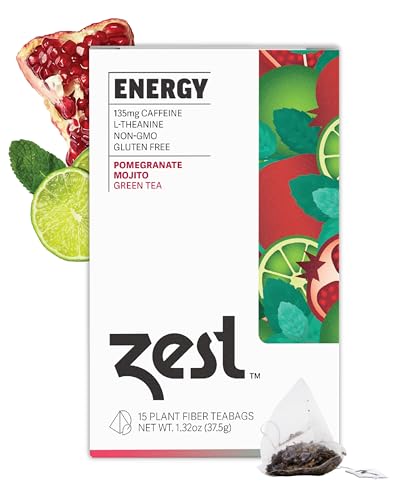
Strengths
- L-theanine included
- Refreshing flavor
- Compostable pyramid bags
- Non-GMO and keto-friendly
- Award-winning brand
Trade-offs
- Lower caffeine than some alternatives
- Only 15 bags per box
If you’re looking for the best overall balance of caffeine, flavor, and functional benefits, Zest Energy Green Tea makes a strong case. With 135mg of caffeine and natural L-theanine in compostable pyramid bags, it delivers focused energy that reviewers say lasts for hours, without jitters or crashes. The pomegranate mojito flavor is bright and refreshing, a welcome change from heavier, coffee-like profiles, and it appeals to those who want a lighter, more modern tea experience.
It’s no surprise this brand is a World Tea Expo award winner and claims to be America’s top-selling high-caffeine tea. The non-GMO, keto-friendly formula is a plus for health-conscious users, and the individual sealing ensures freshness. While it doesn’t match Rocket Tea’s 200mg punch, its energy is more accessible for daily use. Compared to Kubo, it skips the functional mushrooms but wins on flavor and broad appeal.
Video review
Kubo Lion’s Mane Chai Tea
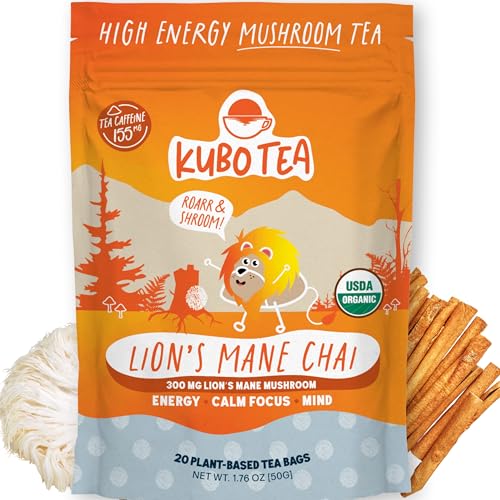
Strengths
- Lion’s Mane mushroom
- Organic ingredients
- Chai spice flavor
- Supports mental clarity
- Crash-free energy
Trade-offs
- Lower caffeine than top-tier options
- Pyramid bags may not appeal to all
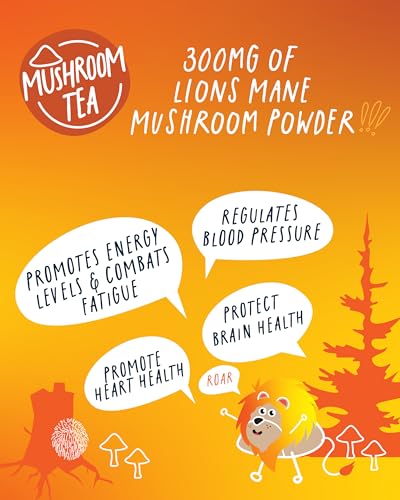
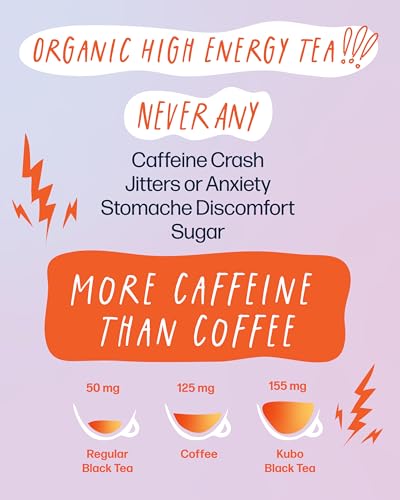
Kubo’s Lion’s Mane Chai stands out in the cognitive support space, not just for its 155mg of caffeine, but for its functional mushroom blend. The inclusion of Lion’s Mane mushroom is more than a trendy add-on; reviewers frequently mention sharper focus and improved mental clarity, aligning with research on its neuroprotective benefits. Paired with organic black tea and classic chai spices like cinnamon and ginger, this tea delivers both warmth and mental edge, making it a standout for anyone treating their morning cup as part of a brain-boosting routine.
At 20 pyramid bags, the pack offers solid value, and the easy steep format works well for busy mornings. While it doesn’t hit the caffeine ceiling of Rocket Tea, its energy is consistently described as calm and focused, likely due to the synergy between black tea and adaptogenic mushrooms. Compared to The Republic of Tea’s HiCAF, Kubo trades a bit of caffeine for broader cognitive support, which may be the smarter tradeoff for long-term brain health.
Product photos


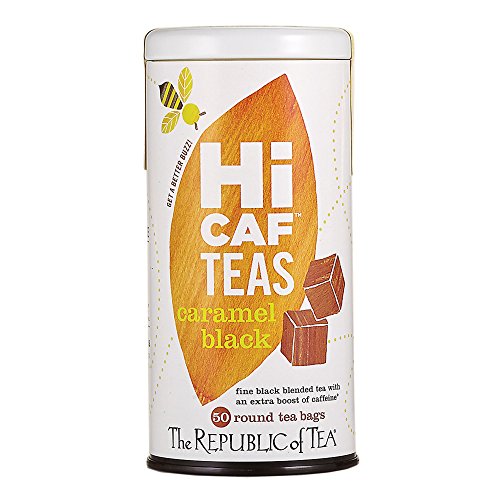
Republic of Tea HiCAF Caramel
Strengths
- 50 tea bags per box
- Smooth caramel flavor
- Calm alertness effect
- Trusted brand
- Compostable tea bags
Trade-offs
- Caffeine level not clearly labeled
- Flavor may be too subtle for some
The Republic of Tea has built a reputation on balance, and their HiCAF Caramel Black Tea delivers exactly that, a rich, smooth cup with heightened caffeine thanks to added green tea extract and isolated caffeine. With around 150–170mg per cup (depending on steep time), it doesn’t top the list for raw power, but it earns its place through refinement. The caramel notes add a touch of indulgence without sugar, making it a satisfying alternative for coffee drinkers who miss a little sweetness in their morning ritual.
Owners praise its “calm alertness,” a result of natural L-theanine working alongside caffeine, what the brand calls “Tea Mind.” It’s not the loudest voice in the high-caffeine room, but it’s one of the most balanced. Compared to Zest Energy Green Tea, it lacks the modern pyramid design and bold marketing, but long-time tea drinkers may appreciate its traditional approach and 50-count supply.
Video review
Rocket Tea Passion Fruit Black
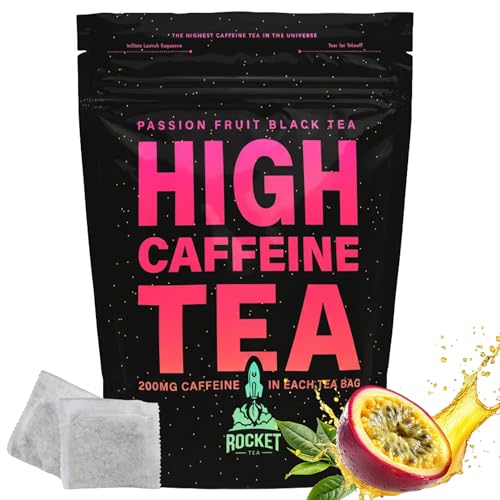
Strengths
- High caffeine content
- L-theanine included
- Bold passion fruit flavor
- Biodegradable bags
- Smooth energy delivery
Trade-offs
- May be too strong for caffeine-sensitive users
- Limited flavor variety
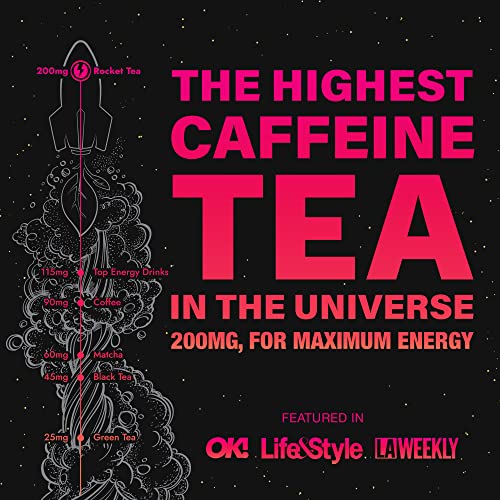
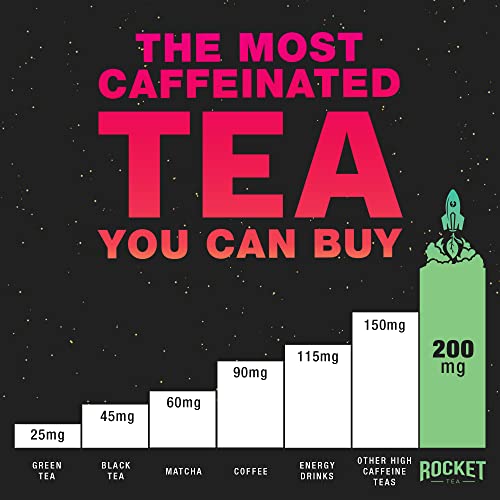
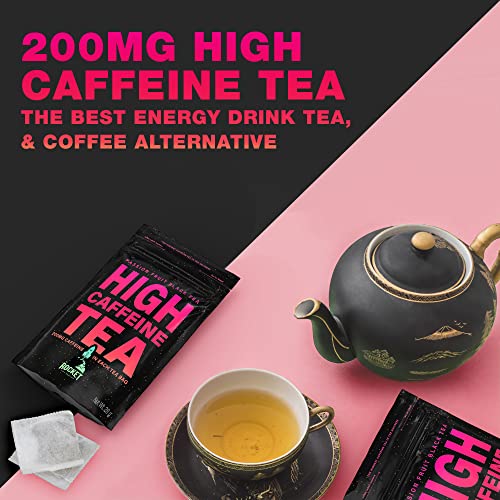
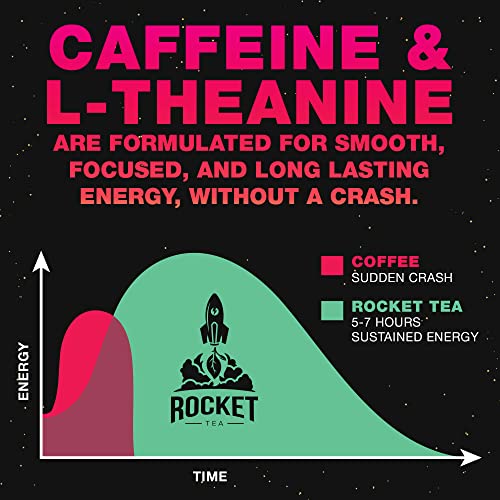
When you’re hunting for a tea that truly matches coffee’s punch, Rocket Tea stands out with its bold 200mg of caffeine per bag, more than a typical cup of coffee. What grabs my attention is the inclusion of 100mg of L-theanine, a combo that owners consistently report delivers smooth energy without the spike-and-crash cycle. For people who’ve struggled with jitters or midday crashes from coffee, this blend offers a cleaner alternative, especially with its passion fruit-infused black tea adding a bright, invigorating twist.
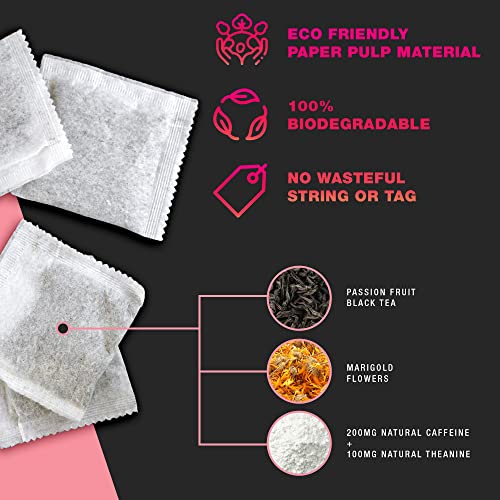
The biodegradable tea bags are a smart touch, aligning with sustainable habits without sacrificing convenience. While the flavor leans sweet and tropical, it doesn’t rely on sugar or artificial additives, just natural notes that make the experience feel elevated. Compared to other high-caffeine options, Rocket Tea is among the strongest on the market, making it a top contender for those who need serious focus without turning to energy drinks.
Product photos
How We Chose These caffeinated tea to replace coffee
My team and I approached this guide to finding caffeinated tea to replace coffee by first compiling a list of highly-rated options, then comparing their published specifications and advertised features. We then weighed those details against a large volume of owner reviews from multiple retail sites, as well as expert opinions from tea blogs and publications. Rather than a hands-on lab test, this is a research-led comparison focused on identifying trends in performance and satisfaction.
For this category, caffeine content and the inclusion of L-theanine were the most heavily weighted factors. We know from years of exploring tea that these elements directly impact the experience, caffeine provides the energy boost people seek when switching from coffee, while L-theanine helps to smooth out the effects and avoid jitters. Flavor profile and ingredient quality also played a significant role, as a palatable and wholesome tea is more likely to become a daily habit.
Specifications reliably tell you the stated caffeine content, but it’s owner feedback that reveals how that caffeine feels (smooth vs. jittery, sustained vs. crashing). We also heavily judged brands on reputation; consistent positive reviews regarding flavor, quality, and overall satisfaction were prioritized. Ultimately, we looked for teas that owners genuinely found to be effective coffee alternatives. If you’re looking for even more options, check out our broader guide to the best tea to replace coffee.
What To Look For In caffeinated tea to replace coffee
Finding a caffeinated tea to replace your coffee habit is a surprisingly nuanced process.
A quality caffeinated tea delivers sustained energy through a combination of caffeine and L-theanine. Look for teas with clearly stated caffeine levels, ideally exceeding 100mg per serving. Consider the tea base (black, green, or herbal) and added ingredients like adaptogens for enhanced benefits. Prioritize brands committed to natural ingredients and ethical sourcing.
Understanding Caffeine Content
The primary reason people switch to caffeinated tea is often for a smoother energy boost than coffee provides. However, not all caffeinated teas are created equal. Many brands now fortify their teas with green tea extract or isolated caffeine to rival a cup of joe. While this can be effective, pay attention to how that caffeine is delivered. Teas relying solely on added caffeine may lack the nuanced benefits of naturally occurring caffeine paired with L-theanine. A good rule of thumb is to compare milligram counts per serving – don’t just assume “high caffeine” means it will deliver the same kick as your usual brew.
Exploring Tea Base & Flavor Profiles
Once you’ve established your caffeine needs, the tea base becomes crucial. Black teas, like those found in the coffee alternative drinks, generally offer the highest caffeine levels and a robust flavor. Green teas provide a milder lift and a more vegetal taste. Herbal blends can be caffeinated through added sources but often prioritize other wellness benefits. Consider how the flavor profile complements your existing preferences. Do you enjoy the boldness of a black tea, or would you prefer something lighter and more floral?
Here’s what to keep in mind when choosing a base: * Black Tea: Typically the strongest caffeine hit. * Green Tea: Moderate caffeine, often brighter and more refreshing. * Chai (Black Tea Blend): Offers spice and varying caffeine levels depending on the blend. This is a great option if you want to explore something different.
Assessing Added Ingredients & Quality
Beyond caffeine, look at what else is in your tea. Many brands are now incorporating ingredients like Lion’s Mane mushroom (as seen in Kubo teas) or L-theanine to enhance focus and reduce jitters. While these additions can be beneficial, prioritize quality. Are the ingredients organic? Are artificial flavors or sweeteners present?
A good tea bag should be fully compostable and individually sealed to preserve freshness.
Republic of Tea’s HiCAF line, for example, uses a blend of black tea, green tea extract, and added caffeine, demonstrating a desire to deliver a potent boost. Don’t underestimate the importance of quality tea bags – you want something that won’t impart a papery taste, and learning about brewing factors affecting tea caffeine can also help you get the most out of your brew.
Caffeinated Tea Compared
This table provides a side-by-side comparison of key specifications for caffeinated teas marketed as coffee replacements.
| Product Title | Caffeine (mg) | L-Theanine (mg) | Tea Type | Flavor | Bags Per Box |
|---|---|---|---|---|---|
| Zest Pomegranate Mojito | 135 | N/A | Green Tea | Pomegranate | 15 |
| Kubo Lion’s Mane Chai | N/A | N/A | Black Tea | Chai | N/A |
| Republic of Tea HiCAF Caramel | N/A | N/A | Black Tea | Caramel | N/A |
| Rocket Tea Passion Fruit Black | 200 | 100 | Black Tea | Passion Fruit | 14 |
Frequently Asked Questions
What’s the biggest difference between the caffeine in tea and coffee?
Tea caffeine is absorbed more slowly due to L-theanine, an amino acid that promotes relaxation without drowsiness. This results in a gentler, more sustained energy boost compared to coffee’s quicker, sometimes jittery, effect.
Are there caffeinated teas that can truly match the caffeine level of coffee?
Some brands, like Rocket Tea, aim for coffee-level caffeine(200mg per serving) by adding green tea extract or isolated caffeine. However, even with comparable numbers, the L-theanine in tea alters the experience, making it feel different than a strong cup of coffee.
Can I build up a tolerance to the caffeine in caffeinated tea?
Yes, your body can develop a tolerance to any source of caffeine, including tea. Rotating between different tea types or taking occasional breaks can help mitigate this effect and maintain sensitivity.
I’m sensitive to caffeine. Which tea base is best for me?
Green tea generally has the least amount of caffeine among the common caffeinated varieties. Exploring herbal blends with added caffeine sources might also provide a lower, more controllable dose, or you could look at natural coffee substitutes if you’re trying to cut back.
What should I look for in terms of quality when choosing a caffeinated tea?
Prioritize teas with clearly listed ingredients, ideally organic, and avoid those with artificial flavors or sweeteners. Consider the packaging too; individually wrapped tea bags help preserve freshness, and compostable bags are a plus for sustainability.
The Bottom Line
Choosing a caffeinated tea to replace coffee often boils down to how much control you want over the experience versus how little fuss you’re willing to tolerate. If you want a straightforward, potent kick and don’t mind a bit of added caffeine, I recommend Republic of Tea HiCAF Caramel as a solid all-around choice. It consistently receives positive feedback for delivering a noticeable energy boost without the jitters often associated with coffee.
For those seeking something more specific, the Rocket Tea Passion Fruit Black stands out for those prioritizing a higher caffeine content alongside L-theanine. If you’re on a tighter budget and want a refreshing, lighter option, Zest Pomegranate Mojito offers a good entry point into the world of caffeinated green teas. And if you’re interested in exploring the potential benefits of adaptogens, Kubo Lion’s Mane Chai is a unique option worth considering.
Ultimately, the perfect caffeinated tea is the one you’ll enjoy consistently. Don’t get too caught up in milligram counts or added ingredients; focus instead on finding a flavor profile you love and a tea that provides a sustained, comfortable energy lift. Understanding the black tea versus black coffee is key to finding your ideal replacement.
