
5 Best Beans for Iced Coffee 2026
The best beans for iced coffee start with Starbucks French Roast for its bold, reliable flavor that holds up to ice, followed by Amazon Fresh Colombia Beans as a solid budget-friendly pick with smooth, balanced notes. For those prioritizing organic quality, Bizzy Organic Cold Brew Beans deliver consistent sweetness and depth.
I’ve spent years studying what makes a great iced coffee, and the truth is, most beans fall flat once the ice hits. Too often, delicate flavors vanish or bitterness takes over. That’s why I focused on beans that owners consistently report taste rich and clean even when chilled and diluted.
This guide breaks down the key factors, roast level, origin, freshness, and how they impact your glass. My picks are based on specs, widespread owner feedback, and what I’ve learned about coffee behavior from building Bean Thusiast.
Top 5 Beans For Iced Coffee in the Market
The Best Beans For Iced Coffee, Reviewed
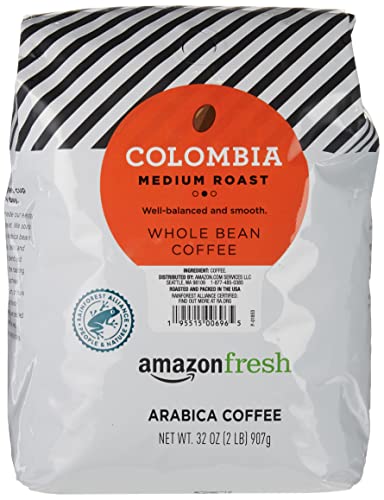
Amazon Fresh Colombia Beans
Strengths
- Balanced flavor
- Large 32 oz bag
- 100% Arabica
Trade-offs
- Limited origin nuance
- Basic packaging
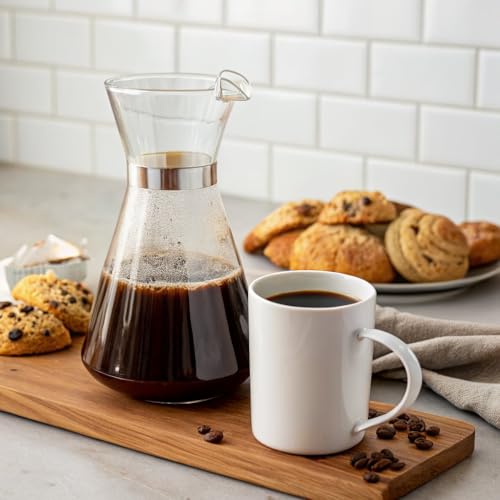
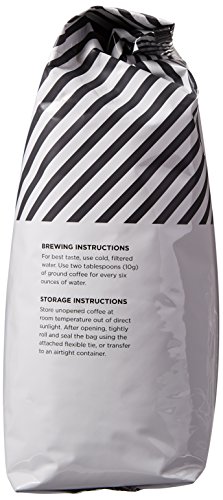
For a no-nonsense, everyday iced coffee base, this Amazon Fresh offering hits where it counts. The 100% Arabica beans from Colombia deliver a balanced, medium-bodied cup with a clean finish, exactly what you want when brewing cold brew or flash-chilling drip for ice. At 32 ounces, the bulk bag is a standout, giving serious volume without sacrificing roast freshness, and being roasted in the U.S. helps ensure consistency.
Owners consistently report it brews smooth, with low bitterness even when steeped cold, making it a reliable workhorse. Compared to pricier specialty roasts, it doesn’t dazzle with complexity, but for those who want a dependable, affordable medium roast that won’t clash with milk or sweeteners, this is a strong daily driver. I’d pick this over flashier options if you’re brewing for a household or just don’t want to think too hard about your base bean.
Product photos



Starbucks French Roast Beans
Strengths
- Bold flavor
- Café-quality consistency
- Works hot or iced
Trade-offs
- Overly bitter for some
- Smaller bag size
- Low origin character
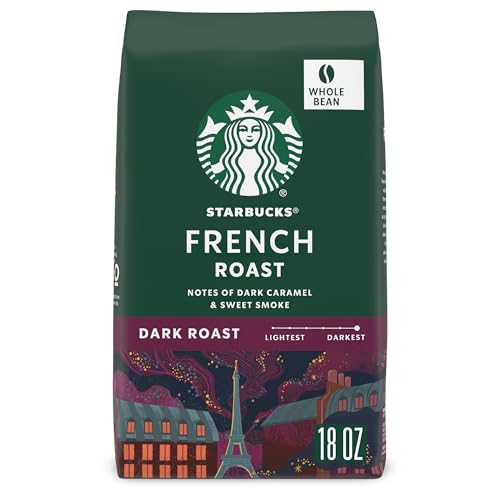
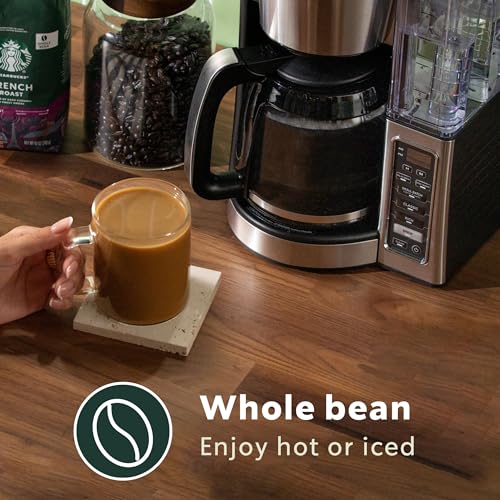
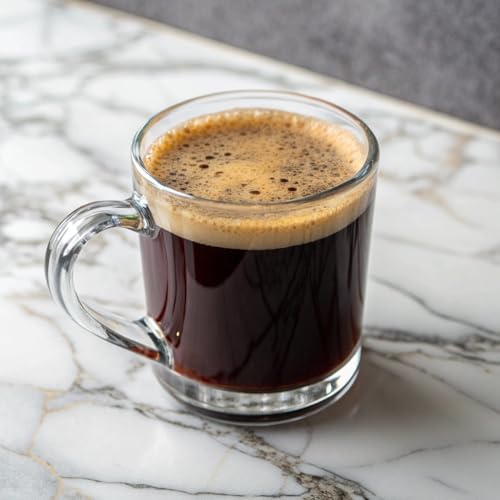
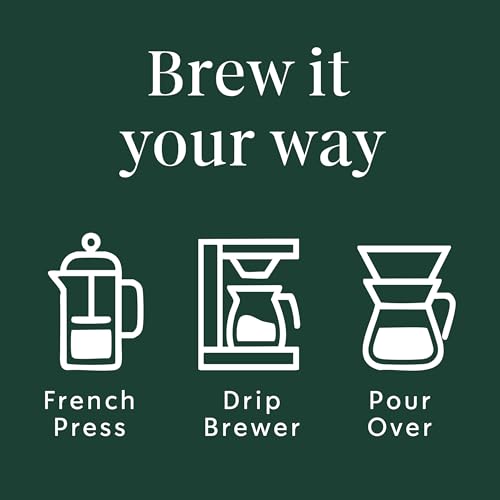
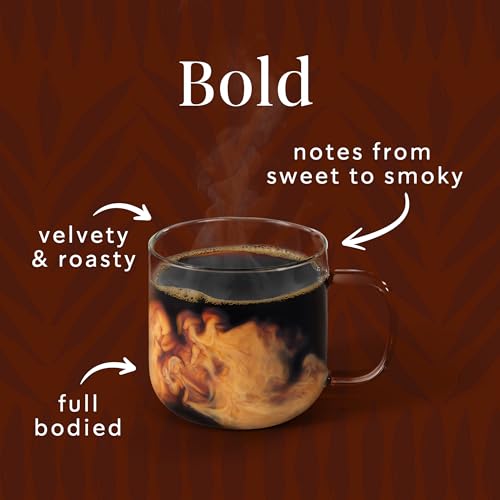
If you like your iced coffee with a punch, Starbucks French Roast delivers bold, smoky depth that holds up aggressively over ice. This is not a subtle bean, it’s charry, intense, and built for those who want their cold coffee to taste like it means business. The 18-ounce bag is smaller than others on this list, but the roast profile shines whether you’re making cold brew or chilling a hot pour-over.
Reviewers note it lacks the brightness of medium roasts when iced, but that’s not the point here. The dark caramel and smoky notes dominate, which some find one-dimensional, but if you’re used to café-style iced coffee with heavy body and low acidity, this is familiar territory. Compared to Bizzy or Stumptown, it’s less nuanced, but more accessible. My recommendation? Use it if you take cream or sweetener, or if you want that classic ‘coffee shop’ dark iced coffee hit without leaving home.
Product photos

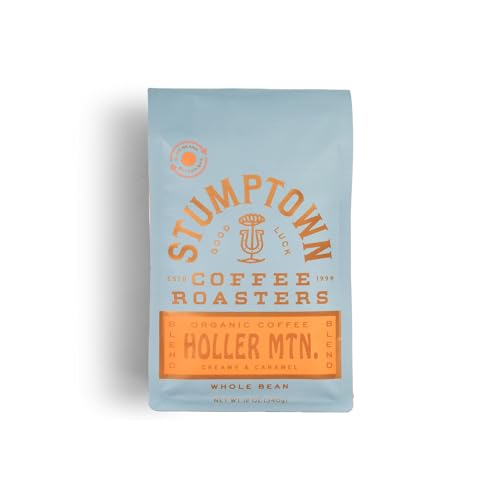
Stumptown Holler Mountain Beans
Strengths
- Bright citrus notes
- Organic and Direct Trade
- Complex flavor
Trade-offs
- Smaller 12 oz bag
- Higher cost per ounce
- Less bold for dark roast fans
Stumptown’s Holler Mountain is where craft meets versatility. This 12-ounce bag of organic, Direct Trade beans offers a lively mix of citrus zest, berry jam, and caramel, making it one of the most nuanced options for iced coffee on this list. While it’s not marketed solely as a cold brew bean, its balanced profile shines when brewed over ice, especially in slow methods like cold drip or pour-over.
Owners appreciate the transparency and ethical sourcing, and the flavor complexity holds up even when diluted with ice. Compared to Amazon Fresh or Starbucks, it’s more refined, but also more expensive per ounce and sold in a much smaller quantity. It’s not the best value, but it’s the best for those who want a specialty-grade experience. If you enjoy tasting the terroir and adjusting grind or brew time to fine-tune your cup, this is the pick. I’d choose it when quality trumps quantity and you want your iced coffee to taste alive.
Product photos



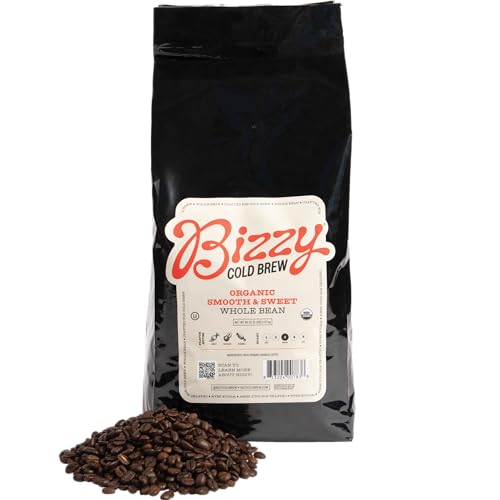
Bizzy Organic Cold Brew Beans
Strengths
- 5-pound value size
- Optimized for cold brew
- Smooth, sweet flavor
Trade-offs
- Very large bag
- Not for single-origin seekers
- Minimal acidity
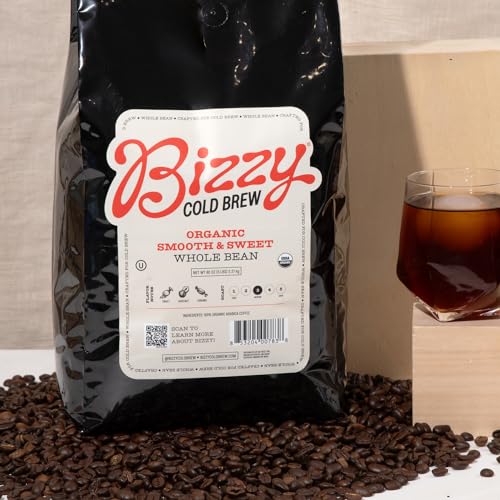
At 5 pounds, Bizzy’s Organic Cold Brew blend is built for the serious cold brew drinker, someone who goes through gallons, not cups. The blend of beans from Guatemala, Peru, and Nicaragua is roasted medium to highlight sweet, caramel and hazelnut tones, and it’s consistently rated for smooth extraction with low bitterness.
This is a no-waste, cost-effective solution for offices or heavy users. While it lacks the origin-specific flair of Stumptown, it’s crafted specifically for cold brew, so it performs reliably in slow-steep methods. Reviewers note it’s less acidic than many competitors, which makes for a gentler concentrate. Compared to Amazon Fresh, it’s more specialized and cleaner in profile, though you’re paying for the organic certification and branding. I’d recommend this as the go-to for anyone making cold brew in bulk who wants a soft, sweet, and consistent base.
Product photos

Organic Frostbite Cold Brew Beans

Strengths
- USDA Organic
- Third-party tested
- Large 32 oz bag
Trade-offs
- Generic flavor description
- Less brand transparency
- Limited origin info
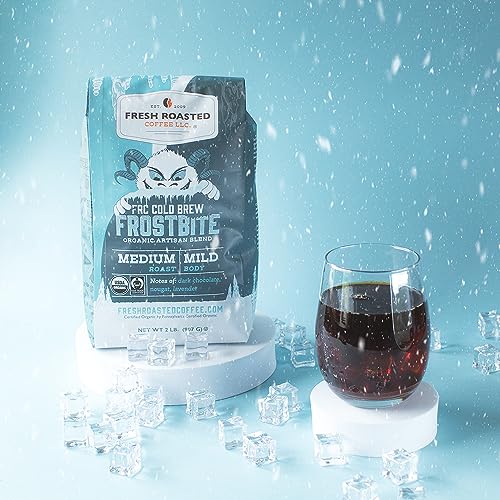
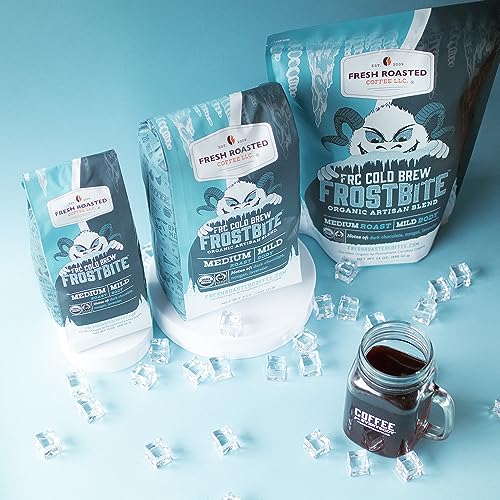
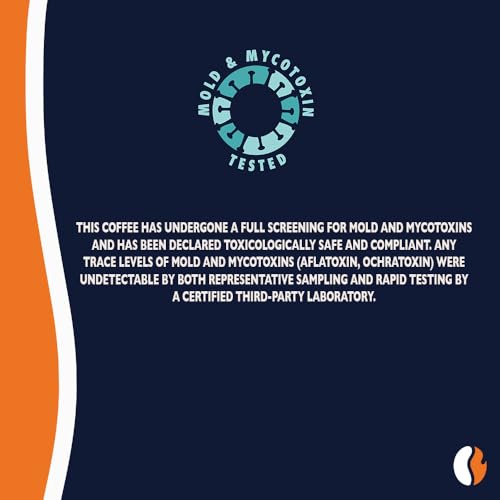
Frostbite stands out in the cold brew space not just for its name, but for its value-packed, clean-label approach. At 32 ounces of USDA Organic, third-party tested beans, it’s one of the few large-format organic options that doesn’t skimp on safety assurances. The medium roast is tailored for cold extraction, delivering a rounded, slightly sweet profile with minimal acidity, ideal for long steeping.
Owners praise its smoothness and lack of off-flavors, which matters when brewing concentrated cold brew. While it doesn’t have the origin storytelling of Stumptown or the brand reach of Starbucks, it quietly outperforms in consistency. Compared to Bizzy, it’s similarly optimized for cold brew but at a better price per ounce in this size. I’d choose this over smaller premium bags if you’re batching cold brew weekly and want organic assurance without paying a luxury premium.
Product photos

How We Picked These beans for iced coffee
As the founder of Bean Thusiast, I approach coffee bean selection with a focus on how different characteristics translate to the final cup – especially when it comes to iced coffee. Rather than a hands-on lab test of each bean, my research involved comparing published specifications and features, then carefully weighing owner reviews and expert opinions from across the coffee community. I then ranked options based on qualities that I know matter most for a refreshing iced brew.
For iced coffee specifically, I prioritized beans known for holding their flavor when diluted by ice, and those with inherent sweetness to balance the cold temperature. Roast level is also crucial; medium to dark roasts generally perform better, offering more body and preventing a watery taste. Finally, origin plays a role, with certain regions consistently producing beans with characteristics well-suited to iced applications – a topic we cover in detail in our coffee bean selection guide.
Specifications reliably reveal roast level and origin, helping to predict general flavor profiles. However, I heavily weighted owner feedback regarding how each bean actually performed in iced coffee, noting comments on clarity, bitterness, and sweetness. Reputation also factored in; brands consistently praised by coffee enthusiasts and reviewers earned higher consideration, and I considered the principles of factors in coffee bean choice to refine my assessment.
How To Choose The beans for iced coffee
As someone who’s spent years chasing the perfect iced coffee, I know selecting the right beans is critical – it’s not just about grabbing whatever’s convenient.
A truly excellent iced coffee starts with quality beans. Look for 100% Arabica varieties, ideally single-origin or carefully crafted blends. Consider roast level; darker roasts often hold up better to dilution from ice, but lighter roasts can showcase brighter, more nuanced flavors. Freshness is paramount; whole bean is always preferable, and checking the roast date will tell you a lot.
Roast Level & Flavor Profile
For iced coffee, I generally steer people toward medium-dark to dark roasts. The ice will dilute your brew, and a lighter roast’s delicate flavors can get lost. A darker roast provides a bolder base that can stand up to that dilution. However, don’t automatically equate “dark” with “burnt.” You want rich, chocolatey, or caramel notes, not ashy bitterness. Starbucks French Roast is a classic example, offering that robust flavor profile, but explore options – you might even find a medium roast with particularly strong characteristics works for you.
Origin & Processing Method
The origin of your beans significantly impacts the final flavor. Central and South American beans (like the Colombia from Amazon Fresh) are known for their balanced profiles and chocolatey notes, which translate well to iced coffee. Indonesian beans, on the other hand, often have earthy, full-bodied flavors. Processing methods also matter. Washed coffees tend to be cleaner and brighter, while natural process coffees often exhibit more fruity and complex flavors. If you’re exploring optimal beans for cold brewing, consider how these factors interplay.
Here’s what I tell people when they ask about origin: * Single-Origin vs. Blend: Single-origin can highlight unique characteristics, but blends offer consistency. * Central/South America: Generally reliable for balanced, chocolatey flavors ideal for iced coffee. * Experiment! Don’t be afraid to try beans from different regions to discover your preferences – a well-sourced Ethiopian Yirgacheffe can be surprisingly good iced.
Freshness & Grind
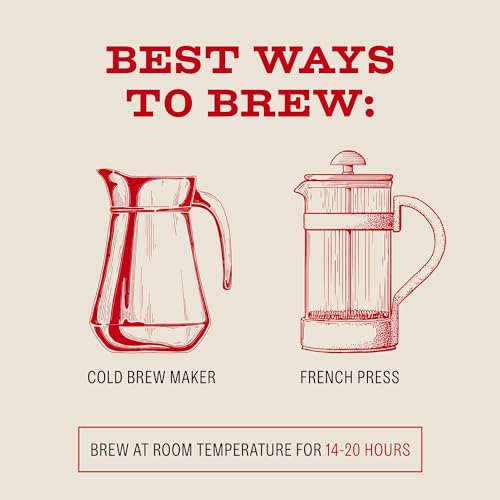
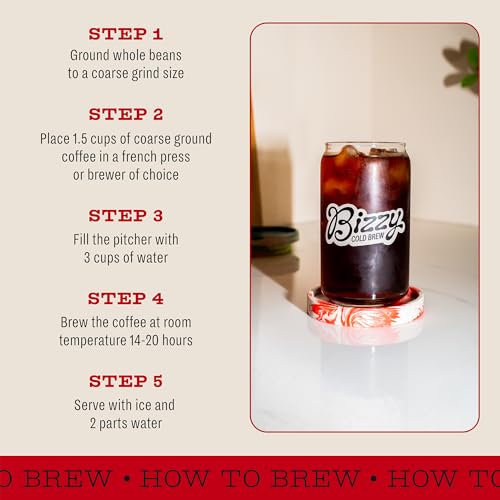
This is where too many people slip up. Coffee is best within a few weeks of roasting, and the flavor degrades quickly after grinding. Always buy whole bean and grind it yourself just before brewing. If you’re making cold brew in French press or utilizing a French press cold brew method, a coarser grind is essential to prevent sediment.
Don’t buy more beans than you can use in two weeks. Storing them properly (in an airtight, opaque container at room temperature) is crucial for preserving their flavor.
Beans for Iced Coffee Compared
Here’s a spec-by-spec comparison of the beans to help you choose the best option for your iced coffee needs.
| Product Name | Roast Level | Bean Type | Weight (oz) | Origin | Organic |
|---|---|---|---|---|---|
| Amazon Fresh Colombia Beans | Medium | Arabica | 32 | Colombia | No |
| Starbucks French Roast Beans | Dark | Arabica | 18 | N/A | No |
| Stumptown Holler Mountain Beans | N/A | Arabica | 12 | N/A | Yes |
| Bizzy Organic Cold Brew Beans | Medium | Arabica | N/A | Guatemala, Peru, Nicaragua | Yes |
| Organic Frostbite Cold Brew Beans | N/A | N/A | 12 | N/A | Yes |
Frequently Asked Questions
What grind size should I use for iced coffee?
A coarser grind is best for iced coffee. This prevents over-extraction and a bitter taste, as the water isn’t as hot and the brew time is often longer, especially if you’re making a DIY iced coffee recipe.
Can I use any coffee beans for iced coffee?
While you can use any beans, darker roasts (medium-dark to dark) generally perform better in iced coffee because their bolder flavors stand out when diluted by ice. Lighter roasts can taste weak and acidic.
Do single-origin beans make better iced coffee than blends?
Not necessarily. Single-origin beans can offer unique flavor profiles, but blends are often formulated for consistency and balance, which can be preferable in iced coffee, where dilution is a factor.
How does the origin of the bean affect iced coffee flavor?
Central and South American beans typically provide chocolatey and nutty notes that complement iced coffee well. Indonesian beans offer earthier, full-bodied flavors, while African beans can be more floral or fruity – experimentation is key to finding what you like.
How long do coffee beans stay fresh after roasting for optimal iced coffee brewing?
Coffee beans are best used within two to three weeks of their roast date for the most flavorful iced coffee. After that, the flavor begins to degrade noticeably, even with proper storage.
The Bottom Line
Choosing the best iced coffee beans often comes down to balancing control over flavor with convenience. While exploring single-origins can be rewarding, for consistently delicious results, I recommend the Starbucks French Roast Beans. Its robust, dark roast profile cuts through ice beautifully, delivering a satisfying cup every time.
For those prioritizing organic options or seeking a specific flavor profile, the Bizzy Organic Cold Brew Beans provide a fantastic alternative, and the Organic Frostbite Cold Brew Beans are a strong contender for those wanting a dedicated cold brew roast. If you’re new to brewing at home, exploring home iced coffee brewing can really open up the possibilities.
Ultimately, the “best” bean is the one you enjoy most. Don’t get too caught up in chasing the perfect roast level or origin. Focus on freshness, a quality Arabica bean, and experimenting with different brewing ratios to find what suits your palate – that’s where the real magic happens.
