
5 Best Bean to Cup Coffee Machines Under $500 2026
The best bean to cup coffee machine under $500 is the Zulay Magia Ultra LUX, thanks to its automatic milk system and touchscreen control. For those on a tighter budget, the Terra Kaffe Demi Compact delivers solid espresso without the extras, while the Café Specialty Grind and Brew stands out if you want smart features and larger batch brewing.
Most buyers struggle to balance performance, convenience, and price when stepping into bean-to-cup territory. Too many machines either cut corners on grind quality or pack in features you’ll never use.
As the founder of Bean Thusiast, I focused this guide on real-world usability, analyzing specs, owner feedback, and build quality to spotlight models that actually deliver great coffee day after day. These picks reflect what matters most: consistent grinding, reliable brewing, and systems that make maintenance manageable.
Top 3 Bean To Cup Coffee Machine Under 500 in the Market
The Best Bean To Cup Coffee Machine Under 500, Reviewed
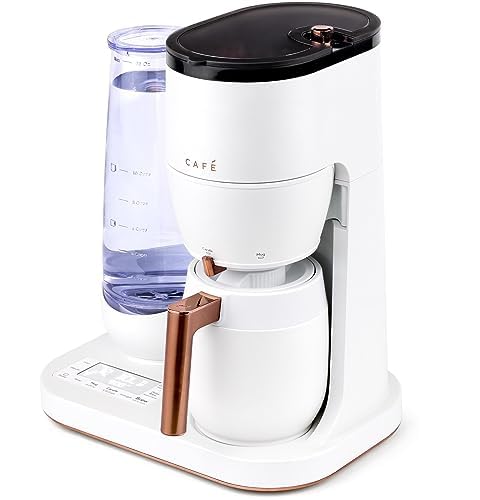
Café Specialty Grind and Brew

Strengths
- SCA certified brew
- Adjustable burr grinder
- WiFi and app control
- Thermal carafe
- Auto brew scheduling
Trade-offs
- No espresso capability
- No milk system
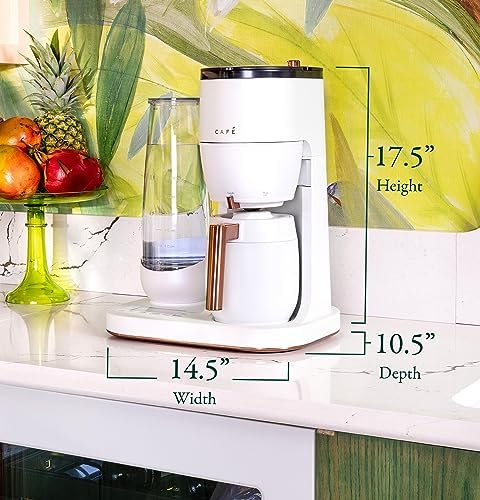
- Larger footprint
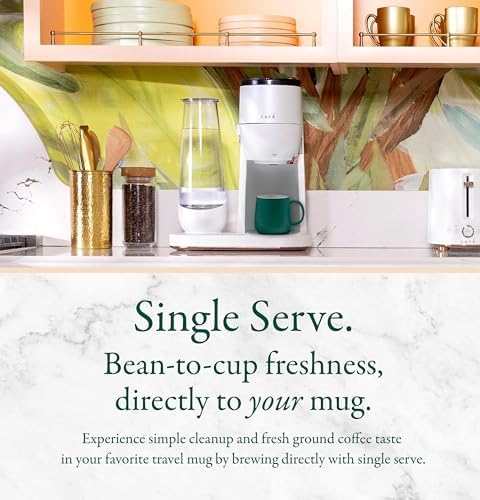
This machine stands out by blending traditional drip brewing with modern smart tech, but it’s not a true espresso-focused system. The SCA Gold Cup certification tells you it brews excellent drip coffee, and the adjustable burr grinder ensures freshness whether you’re using beans or grounds. Where it really flexes is in connectivity, WiFi, app control, and voice commands make scheduling and customization effortless. For someone who wants a smart, set-it-and-forget-it morning brew, this delivers.
Still, it doesn’t make espresso or handle milk-based drinks like a super-automatic. It’s better viewed as a high-end drip machine with grinder integration. Reviewers praise its temperature stability and flavor clarity, especially when brewing full carafes. Compared to the Zulay or Terra Kaffe models, it’s in a different category altogether, ideal if your mornings revolve around Americanos or drip coffee, not creamy lattes.
Product photos

Zulay Magia Ultra LUX Espresso Machine
Strengths
- 19 one-touch drinks
- Automatic milk system
- Large touchscreen
- User profiles
- Dual brewing
Trade-offs
- Milk jug takes counter space
- Some report slow startup
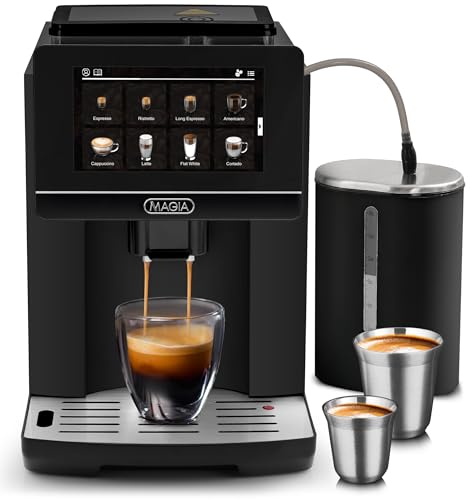
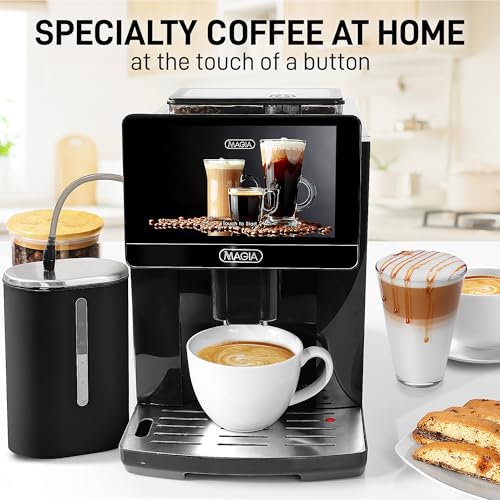
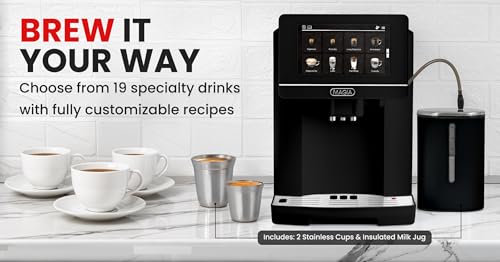
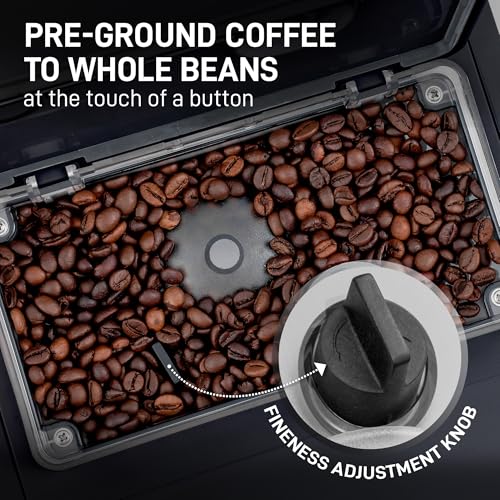
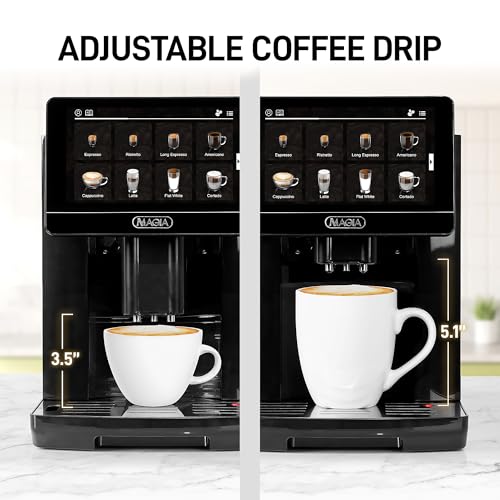
If you want a machine that mimics a real café experience without lifting a finger, this Zulay Magia Ultra LUX is about as close as you’ll get under $500. The 19 one-touch drinks cover nearly every espresso-based beverage you’d order out, and the integrated milk system takes the labor out of lattes and cappuccinos. On paper, it’s a full-service barista in a sleek black shell, and owners consistently report smooth operation and strong consistency across brews.
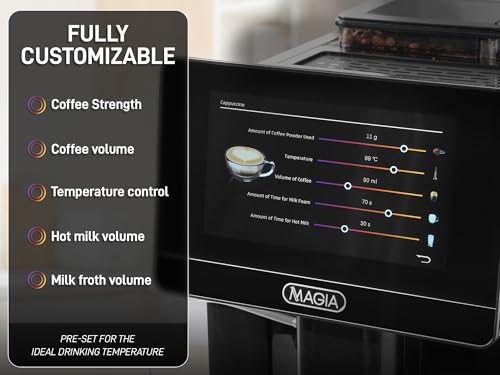
What really sets it apart is the 7-inch touchscreen and 10 user profiles, a rare touch in this price range. It makes customization feel personal, not just functional. The double brewing feature is a smart addition for households that need two coffees fast. While some reviewers note the cleaning cycle can be fussy, the self-cleaning routines and removable parts do reduce daily hassle. Compared to other super-automatics, this one leans into convenience without sacrificing too much control.
Product photos
Terra Kaffe Demi Compact Espresso
Strengths
- Ultra-compact design
- Conical burr grinder
- One-touch espresso
- Adjustable brew settings
- Easy maintenance
Trade-offs
- No milk frothing system
- Smaller water tank
- No touchscreen
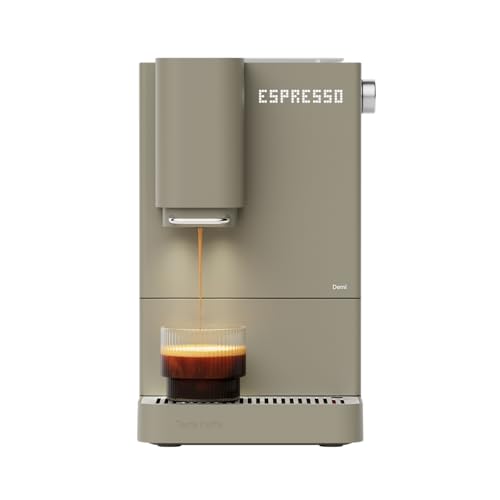
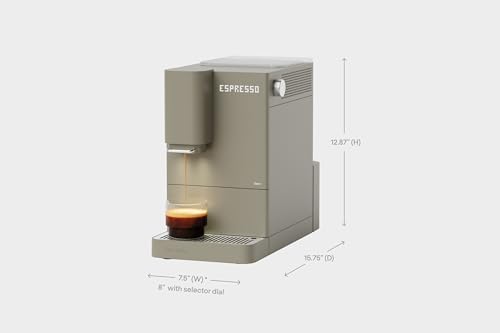
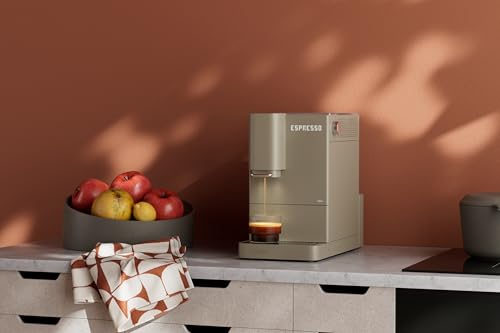
For tight spaces and tight budgets, the Terra Kaffe Demi is a standout. At just 7.5 inches wide, it slips into corners where most machines won’t fit, yet it still packs a conical burr grinder and one-touch brewing for espresso, lungo, Americano, and even drip-style coffee. The roaster-approved settings suggest it was tuned with input from actual coffee pros, and owners report surprisingly rich crema and balanced extraction for a machine at this price.
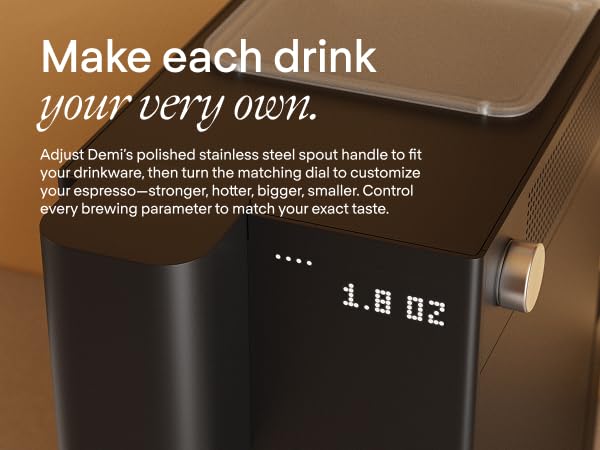
The stainless-steel dial for adjusting strength, temperature, and volume is intuitive and tactile, no touchscreen clutter here. It’s less flashy than the Zulay, but more focused on the essentials. Maintenance is simplified with front-access waste and drip tray, and the self-cleaning function keeps upkeep low. While it lacks an automatic milk system, that also means it’s easier to clean and maintain long-term. I’d pick this over the others if space or budget is your top constraint.
Product photos


How We Evaluated bean to cup coffee machine under 500
As a long-time coffee enthusiast and founder of Bean Thusiast, I approached researching bean to cup machines under $500 with a focus on delivering genuine value. Rather than a hands-on lab test, this was a research-led comparison of published specifications and, crucially, owner feedback. I looked at a range of models, comparing features, build quality, and reported reliability. We weighed expert reviews from reputable sources to validate findings and identify trends in performance.
For this price point, grind consistency and the quality of the milk system (if applicable) were the biggest differentiators. A consistent grind is essential for proper extraction and flavor, and a poorly executed milk system can ruin even the best espresso. Ease of maintenance also factored heavily; these machines need to be cleaned regularly, and a complicated process discourages users. You can find more about maintaining peak performance in our Breville coffee machine guide.
Specifications reliably indicate grinder type (burr vs. blade) and the number of available drink options. However, owner reviews provided the most insight into real-world usability, build quality, and long-term reliability. We paid close attention to recurring complaints about durability or cleaning issues. Reputation, as reflected in overall customer satisfaction scores, proved a strong indicator of which machines consistently delivered a good experience.
How To Choose The bean to cup coffee machine under 500
Finding the right bean-to-cup machine involves more than just picking a pretty face. We need to think about what truly delivers a consistently excellent experience, and how well that fits your lifestyle.
A quality bean-to-cup machine prioritizes fresh grinding, precise temperature control, and consistent brewing pressure. Look for integrated burr grinders (avoid blade grinders), a stable heating element, and programmable settings to fine-tune extraction. Consider the ease of cleaning and the availability of long-term support; these factors significantly impact the machine’s lifespan and your enjoyment.
Grind Quality & Consistency
The grinder is arguably the most important component. Don’t settle for a machine with blade grinders. They chop beans unevenly, leading to inconsistent extraction and a muddy flavor. Burr grinders, whether conical or flat, crush the beans to a uniform size, maximizing flavor potential. Many machines offer adjustable grind settings, letting you dial in the perfect coarseness for different bean types and roast levels. If you’re new to this, starting with a wider range of adjustments is helpful, but even a machine with fewer settings can be excellent if those settings are well-defined and reliable.
Milk Frothing & System Design
If you enjoy milk-based drinks, the milk system is crucial. Fully automatic machines like the Zulay Magia Ultra LUX offer the convenience of integrated milk carafes, but these require diligent cleaning to prevent buildup and maintain hygiene. Manual frothing wands demand a bit more skill, but provide greater control over texture and temperature. Consider your priorities: convenience versus customization. A well-designed system will minimize waste and deliver consistently creamy results. For those seeking a balance, look for options with both automatic and manual frothing capabilities.
- A basic steam wand requires practice to master.
- Automatic milk systems are easier to use but demand regular cleaning – potentially daily.
- Machines with dedicated milk containers and self-cleaning functions (like the Zulay) offer the most convenience, but those systems can be more complex and prone to failure over time.
Smart Features & Value
More and more machines are integrating smart features like Wi-Fi connectivity and app control. The Café Specialty Grind and Brew falls into this category. While these additions can be convenient–allowing you to schedule brews and adjust settings remotely–they aren’t essential for everyone. Consider how you’ll actually use these features. Don’t pay extra for them if you won’t benefit. Sometimes, focusing on core functionality and build quality delivers better long-term value. If you’re exploring options, I often recommend checking out value bean to cup machines under 300 to see what you can get for your money.
A clean machine is a happy machine. Don’t underestimate the importance of regular descaling and cleaning cycles. Neglecting maintenance will dramatically shorten the lifespan of your investment and degrade the quality of your coffee.
If you encounter issues with your machine, especially a brand like De’Longhi, checking De’Longhi troubleshooting tips can often save you a service call.
Bean to Cup Coffee Machine Under 500 Compared
The following table provides a specification comparison of several bean to cup coffee machines priced under $500.
| Product Name | Brew Capacity | Grind Adjustment | Milk System | Smart Features | Display Type |
|---|---|---|---|---|---|
| Zulay Magia Ultra LUX Espresso Machine | N/A | Adjustable | Automatic | N/A | 7″ Touchscreen |
| Café Specialty Grind and Brew | 10 Cups | 6 Settings | N/A | WiFi Enabled | Digital |
| Terra Kaffe Demi Compact Espresso | N/A | Adjustable | N/A | N/A | Customization Dial |
| Zulay Magia Ultra LUX Espresso Machine | N/A | Adjustable | Automatic | N/A | 7″ Touchscreen |
| Terra Kaffe Demi Compact Espresso | N/A | Adjustable | N/A | N/A | Customization Dial |
Frequently Asked Questions
What type of water filter should I use with my bean to cup machine?
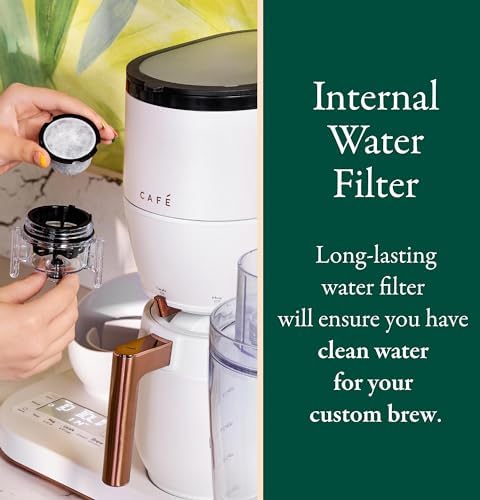
Generally, a charcoal-based water filter is best for bean to cup machines. It reduces chlorine and other impurities that can affect coffee flavor and build up scale inside the machine, extending its lifespan. Most manufacturers also recommend their specific filters, which are designed to fit the machine’s water reservoir.
Can I use pre-ground coffee in a bean to cup machine?
Yes, you can, but it defeats the purpose of having a bean to cup machine. The primary benefit is grinding fresh beans for optimal flavor; pre-ground coffee loses its aroma and flavor quickly. However, most models have a bypass option for using pre-ground coffee if needed.
How often do I need to descale my bean to cup machine?
Descaling frequency depends on your water hardness, but typically every 2-3 months is recommended. Hard water causes faster buildup of mineral deposits, so you might need to descale more often. Regular descaling maintains performance and prevents damage to internal components.
What’s the difference between a conical and a flat burr grinder?
Both conical and flat burr grinders produce a consistent grind, but they do so differently. Conical burrs are quieter and generate less heat, while flat burrs tend to be faster and produce a more uniform grind size. For a machine under $500, the difference in performance is often negligible, but if you’re looking for the best overall bean to cup coffee machine, this is something to consider.
Are bean to cup machines more complicated to clean than pod machines?
Yes, they require more effort. Bean to cup machines have more parts – a grinder, brew group, and potentially a milk system – that need regular cleaning. However, many models have automatic cleaning cycles and removable components to simplify the process. Regular maintenance is crucial for longevity and optimal performance, unlike the ease of a pod machine.
The Bottom Line
Choosing a bean-to-cup machine under $500 often comes down to balancing convenience with control. There’s a trade-off between having a fully automated experience and being able to fine-tune every aspect of your brew. Considering the overall package, I believe the Zulay Magia Ultra LUX Espresso Machine strikes the best balance for most people. Its touchscreen interface and automatic milk system offer ease of use without sacrificing too much customization, and owner feedback suggests strong reliability for the price.
For those prioritizing a specific need, the options are clear. If you’re on a tighter budget, the Terra Kaffe Demi Compact Espresso delivers excellent espresso quality in a smaller footprint. And if you’re keen on smart features and brewing larger batches, the Café Specialty Grind and Brew is a solid choice, though it sacrifices some of the refinement found in dedicated espresso machines. Don’t forget to consult the Philips 5500 user manual if you are considering a Philips model.
Ultimately, the best bean-to-cup machine isn’t about the fanciest features or the highest price tag. It’s about a consistent grind, proper water temperature, and a machine that’s easy to maintain. Focusing on these fundamentals – and choosing a machine that fits your coffee habits – will provide far more satisfaction than chasing the latest bells and whistles.
