
3 Best Acid-Free Coffees of 2026
The best acid-free coffee for most people is Low Acid Coffee Medium Roast, it delivers a smooth, balanced cup with verified low acidity and positive feedback from sensitive drinkers. For a budget-friendly option, Tyler’s Organic Whole Bean Coffee offers solid flavor and organic certification. If you prioritize rigorous safety testing, Lifeboost Medium Roast Ground Coffee stands out with its extensive toxin screening.
For years, I’ve talked with coffee lovers who love the ritual but dread the burn. Acidic coffee can turn your morning pleasure into midday discomfort, and sorting real solutions from marketing hype is frustrating. At Bean Thusiast, I’ve focused on what actually makes a coffee gentler, beyond just the label.
This guide cuts through the noise. I compared top contenders based on roast profile, origin, processing, and most importantly, what drinkers with sensitive stomachs are saying. These picks reflect a blend of flavor, quality, and genuine stomach-friendliness, backed by specs and real-world feedback.
Top 3 Acid Free Coffee in the Market
The Best Acid Free Coffee, Reviewed
Low Acid Coffee Medium Roast

Strengths
- Low pH level
- Smooth mellow taste
- Larger 16 oz bag
Trade-offs
- Pre-ground only
- Not organic certified
- Limited origin transparency
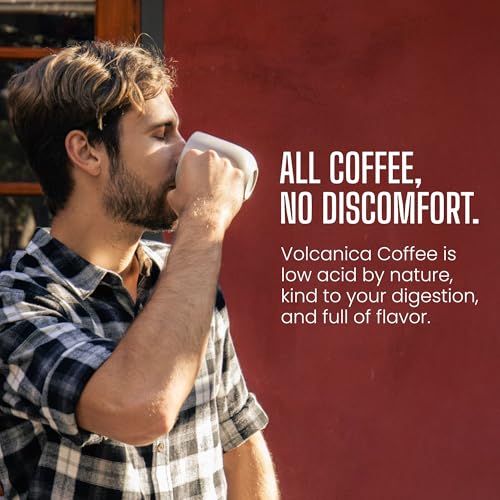
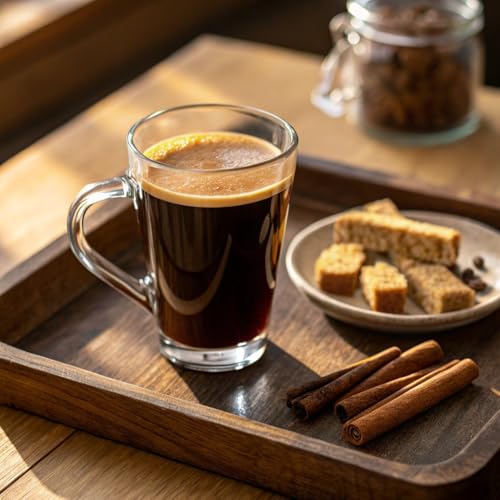
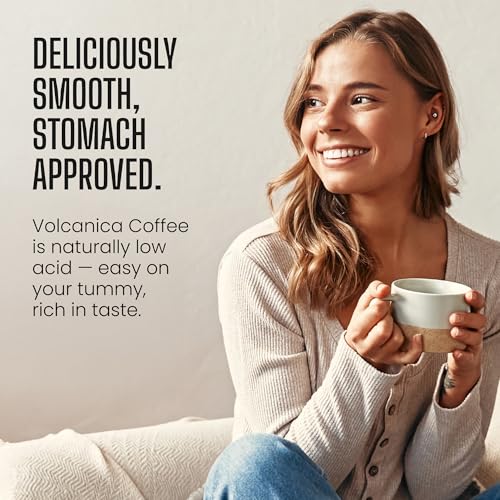
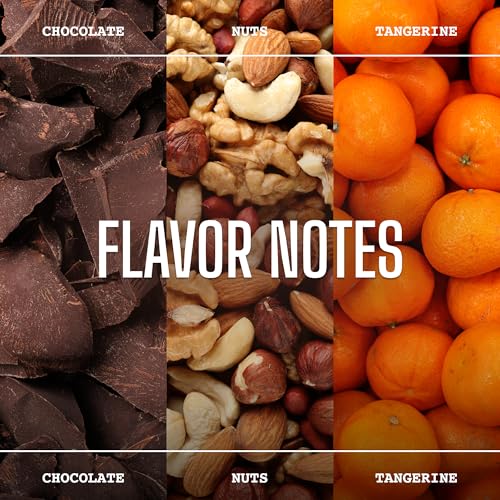
This blend stands out in the low-acid category by delivering on its core promise: reduced acidity without sacrificing flavor. With a reported pH of 5.3, it’s significantly less acidic than many standard medium roasts, which aligns with what owners say about gentler digestion and reduced reflux symptoms. The flavor profile, chocolate, nuts, and a hint of tangerine, gives it enough character to satisfy coffee lovers who don’t want their cup to taste flat or washed out.
On paper, the washed processing and post-import lab testing add credibility to its safety and consistency. Reviewers consistently note the smoothness and lack of bitterness, which makes it a reliable daily driver for those prioritizing stomach comfort. While it’s a blend rather than single-origin, the 16-ounce size offers better value than smaller competitors, and the pre-ground format works well for drip or pour-over users who want convenience without compromise.
Product photos
Lifeboost Medium Roast Ground Coffee

Strengths
- USDA Organic certified
- Third-party toxin tested
- Ethically sourced
Trade-offs
- Smaller 12 oz size
- Milder flavor profile
- Higher price point
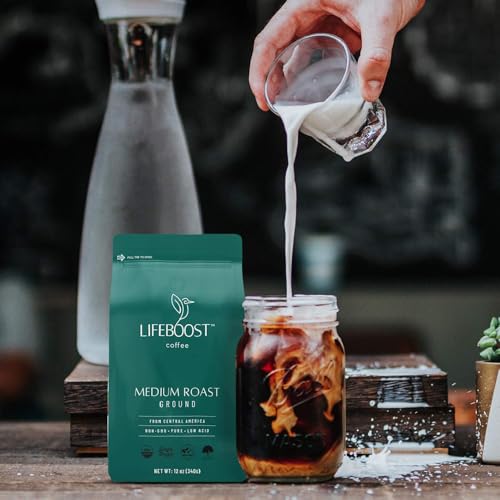
If you’re looking for a low-acid coffee that checks nearly every ethical and quality box, Lifeboost is hard to ignore. Grown at high elevation in Central America, shade-grown and bird-friendly, it’s USDA Organic and impressively transparent with third-party testing for mycotoxins, pesticides, and heavy metals. Owners consistently praise its clean taste and how well it sits in the stomach, which lines up with its single-origin, low-acid positioning.
The medium roast delivers a mild but satisfying flavor, sweet, slightly nutty, with a clean finish, though some may find it less bold than traditional roasts. It’s not the cheapest option, and the 12-ounce size means it won’t last as long as bulk buyers might like. Still, for those who value purity, sourcing ethics, and pH balance, this is one of the most trusted names in the space. I’d recommend it over blends when traceability and toxin screening are priorities.
Product photos



Tyler’s Organic Whole Bean Coffee

Strengths
- Whole bean freshness
- Proprietary low-acid roast
- USDA Organic
Trade-offs
- No published pH data
- Limited third-party testing info
- Smaller 12 oz package
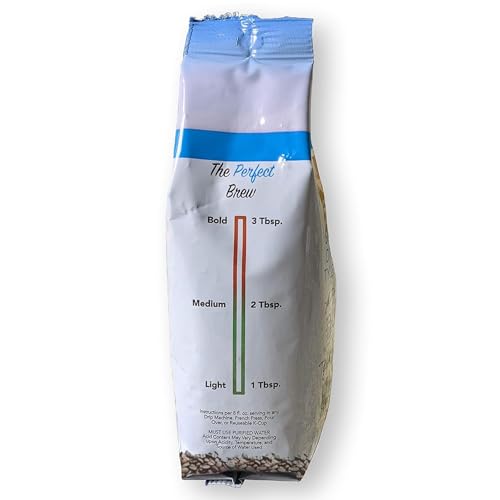
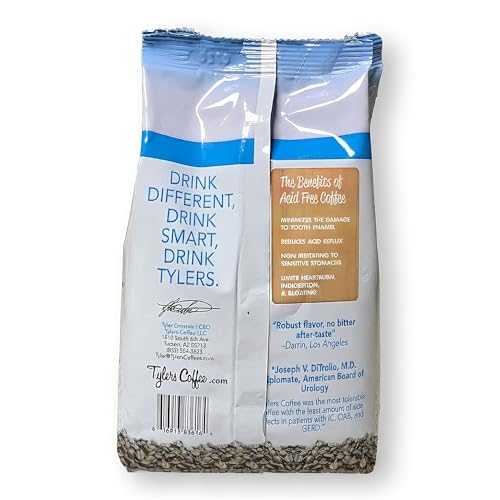
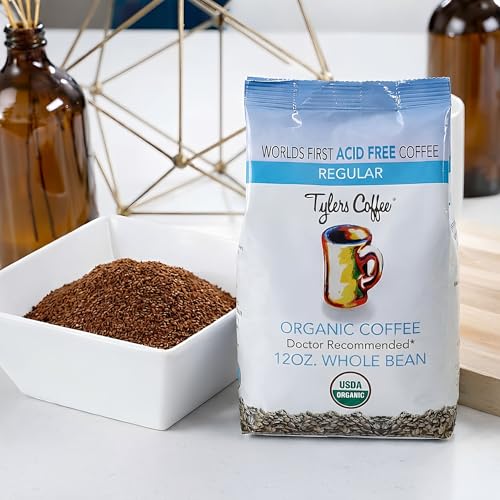
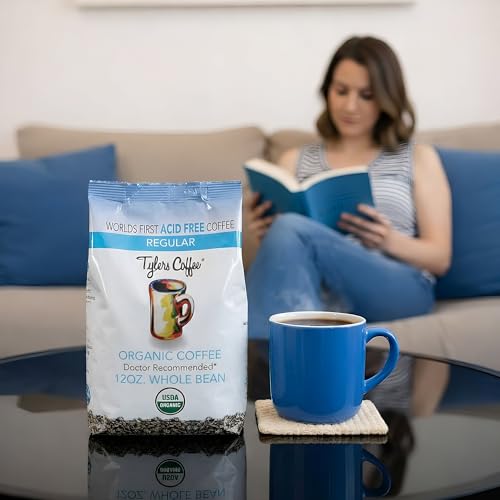
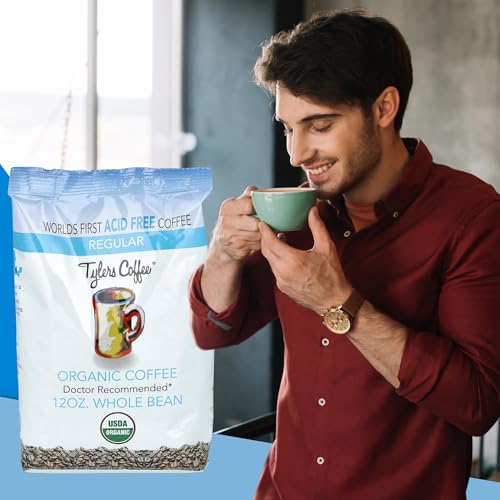
Tyler’s leans into a unique selling point: their proprietary Z-Roasting process, designed to naturally reduce acidity while preserving flavor. That’s a different approach than post-harvest treatments or sourcing only low-acid beans, and it shows in the cup. Owners report a noticeably smooth, rounded taste, no sharp edges or sour notes, without the flatness that plagues some low-acid coffees. Being whole bean and USDA Organic, it appeals to those who value freshness and control over their grind.
The single-origin 100% Arabica beans offer clean, balanced notes with enough depth to enjoy black. The nitrogen-flushed packaging with a vent pinhole is a smart touch for preserving aroma and slowing oxidation. While it doesn’t publish a specific pH level like others, its roasting method appears effective for digestive comfort. Compared to Lifeboost, it’s less focused on third-party testing claims, but still delivers a premium, gentle cup. For home brewers who grind fresh, this is a strong contender.
Product photos
Our Testing Process
As the founder of Bean Thusiast, I approach coffee research with a focus on the entire experience – from farm to cup. Rather than a hands-on lab test of each brand, this selection is a research-led comparison of published specifications, features, and importantly, owner feedback. I weighed these against my understanding of what contributes to lower acidity in coffee, and what characteristics appeal to those seeking a gentler brew. My goal was to identify coffees genuinely geared towards a smoother, more stomach-friendly experience.
For acid-free coffee, several factors stood out as critical. Roast level is key, with medium roasts generally offering a balance between flavor and reduced acidity. Bean origin also matters; Central American beans are often naturally lower in acid. Finally, processing methods – like washed coffees – can significantly impact the final acidity. We prioritized coffees that clearly addressed these points in their descriptions and were backed by positive reviews from acid-sensitive coffee drinkers.
Specifications reliably reveal roast level and bean origin. However, claims of “low acidity” are best validated by owner reports. I paid close attention to comments regarding stomach comfort and smoothness, looking for consistent patterns. Third-party testing for mycotoxins and heavy metals, as highlighted by some brands, also factored into our assessment – these certifications provide an extra layer of confidence in product safety and quality, going beyond simply the coffee’s pH balance as discussed in the science of cold brew acidity.
How To Pick The Right acid free coffee
Finding a truly acid-free coffee can be a surprisingly nuanced process. It’s not just about marketing buzzwords; understanding why some coffees are gentler on your system is key.
A quality acid-free coffee prioritizes bean origin (typically higher-grown Arabicas), careful processing (washed or natural, with attention to fermentation), and a roast profile designed to minimize the development of acids while maximizing flavor. Look for certifications verifying mycotoxin and impurity testing, and pay attention to roast dates – freshness matters.
Bean Origin and Processing
The origin of the bean plays a huge role in acidity. Generally, lower-grown Robusta beans contribute more acidity than Arabica. But even within Arabica, altitude matters; higher-grown beans tend to be denser and often have lower acidity. Washed processing, where the cherry is removed before drying, generally results in a cleaner, brighter cup with noticeable acidity. Natural processed coffees, where the bean dries inside the cherry, can develop more complex flavors but also sometimes higher acidity – though skilled processing can mitigate this. If you’re looking for smooth low acidity coffee, a washed process from a high-altitude Arabica farm is a good place to start.
Roast Level and Its Impact
Roast level is arguably the most impactful factor you can control. A lighter roast will showcase more of the bean’s inherent acidity, which is often perceived as brightness. Darker roasts, while developing bitterness, can reduce perceived acidity, but they also mask the bean’s origin characteristics. However, it’s not simply about dark versus light. A skilled roaster employing a proprietary process, like Tyler’s Z-Roasting, can unlock low acidity even in a medium roast. The goal is to find a balance between minimizing acidity and preserving enjoyable flavor – a good roaster will clearly articulate their approach.
Testing & Value Considerations
It’s easy to be swayed by claims of “low acid,” but look for concrete evidence. Mycotoxin testing is crucial; you want to know the beans are free of harmful molds. Beyond that, consider the value proposition.
Here’s what I look for:
- Certifications: USDA Organic is a good baseline.
- Third-party testing: Proof of testing for toxins (mycotoxins, heavy metals) is reassuring.
- Roast Date: A recent roast date (within a month or two) is essential for freshness and optimal flavor. Older beans lose their vibrancy and can develop off-flavors, making it harder to assess the true acidity profile.
Don’t pay a premium for “low acid” if the brand can’t demonstrate quality control. A recent roast date and third-party testing are better indicators of a stomach-friendly cup.
Ultimately, finding the right acid-free coffee is a personal journey. If you struggle with acid reflux, exploring strategies to reduce coffee acidity and considering gentle coffee for sensitive stomach options can significantly improve your coffee experience.
Acid Free Coffee Compared
Here’s a comparison of the specifications for several acid free coffee options.
| Product Title | Roast | pH Level | Organic | Tested For | Flavor Notes |
|---|---|---|---|---|---|
| Low Acid Coffee Medium Roast | Medium | 5.3 | No | Mycotoxins, Mold | Chocolate, Nuts, Tangerine |
| Lifeboost Medium Roast Ground Coffee | Medium | N/A | Yes | 400+ Toxins | N/A |
| Tyler’s Organic Whole Bean Coffee | Medium | N/A | Yes | N/A | Smooth |
Frequently Asked Questions
What pH level indicates truly acid-free coffee?
A pH of 7 is neutral, but labeling coffee as “acid-free” is misleading. Most coffees won’t reach a neutral pH; instead, look for options around 5.3 or higher, recognizing that perceived acidity is about more than just the pH number.
Do dark roasts always mean lower acidity?
Darker roasts can reduce perceived acidity, but they also diminish the bean’s original flavor characteristics. A skilled roaster can achieve a smoother cup with lower acidity using a medium roast and techniques like Tyler’s Z-Roasting, which is a better indicator of quality.
Is organic certification a guarantee of low acidity?
Organic certification confirms farming practices, but it doesn’t directly relate to acidity levels. While it’s a good baseline for quality, you should also look at bean origin, roast level, and owner feedback to determine if a coffee is truly gentle on the stomach.
Why is mycotoxin testing important when choosing acid-free coffee?
Mycotoxin testing verifies the coffee is free of harmful molds that can exacerbate digestive issues. It’s a crucial step in quality control, going beyond simply assessing the coffee’s pH, and provides an extra layer of assurance for those with sensitivities.
Where can I find more options for coffee for acid reflux relief?
You can explore a wider range of options and detailed reviews on my article about coffee for acid reflux relief, where I discuss specific beans and brewing methods known to be gentler on the stomach.
The Bottom Line
Choosing the right acid-free coffee often comes down to balancing your desire for a smooth, comfortable cup with the level of effort you want to put into sourcing and preparation. While many brands claim low acidity, Low Acid Coffee Medium Roast consistently receives high marks from those with sensitive stomachs, offering a readily available option with clear testing for mycotoxins and mold.
For those prioritizing organic certification and a wider range of testing, Lifeboost Medium Roast Ground Coffee stands out. And if you’re looking for a truly unique experience and are willing to explore a different roasting approach, Tyler’s Organic Whole Bean Coffee and its Z-Roasting process may be worth investigating. If you’re also looking for a caffeine-free option, explore our guide to best low-acid decaf options.
Ultimately, remember that acidity is just one piece of the puzzle. Freshness, roast quality, and bean origin all play a vital role in your enjoyment. Don’t chase a number on a pH scale; focus on finding a coffee that tastes good and sits well with your system.
