
Can I Have Iced Coffee Post-Tooth Extraction? Key Rules
Yes, you can have iced coffee after a tooth extraction, but you must wait a full 48 hours. The critical rules are to avoid using a straw and to skip sugar and dairy. These steps prevent dislodging the blood clot and reduce irritation, which are the main causes of a painful dry socket.
Yes, you can have iced coffee after a tooth extraction, but you must wait a full 48 hours, drink it without a straw, and skip the sugar and dairy. The primary risks are dislodging the protective blood clot with suction or introducing irritants that impede healing. Following a strict protocol based on post-operative guidelines from oral surgery authorities minimizes the chance of a painful dry socket.
Most people fixate on the temperature, cold is fine, right?, and miss the two bigger threats: the physical act of sucking through a straw and the chemical irritation from coffee itself. That mistake lands them back in the dentist’s chair with a throbbing, empty socket.
This guide walks through the sourced medical timelines, explains why caffeine and acidity complicate healing, and provides a step-by-step method for reintroducing iced coffee without undoing your recovery.
Key Takeaways
- Wait a minimum of 48 hours after your extraction before attempting any coffee, even iced. The blood clot needs that time to form a stable scaffold.
- Never use a straw. The suction force can literally pull the clot out of the socket, causing a dry socket (alveolar osteitis).
- Skip sugar, milk, and creamer initially. Sugar promotes bacterial growth at the wound site, and dairy can leave a film that irritates.
- Caffeine is a vasoconstrictor, it tightens blood vessels. This can reduce blood flow to the healing area, potentially slowing the process.
- Always rinse with water immediately after drinking. This clears coffee particles and acids from the extraction site.
The First 48 Hours: Why Waiting Is Non-Negotiable
The socket where your tooth used to be is an open wound. Your body’s first job is to stop the bleeding and form a stable blood clot. This clot isn’t just a plug; it’s the foundation for new tissue growth. Disturb it, and the healing process resets from zero, often with increased pain and risk of infection.
Post-operative instructions from the University of Michigan Health Department of Oral and Maxillofacial Surgery are explicit: “Avoid hot liquids for the first 24 hours. Cold liquids and soft foods are fine.” The American Association of Oral and Maxillofacial Surgeons (AAOMS) advises patients to avoid straw use for two weeks following procedures like dental implant surgery, citing the suction risk. For a simple extraction, the consensus narrows to at least 3–5 days.
The 48-hour mark is a practical, safe buffer. It gives the clot time to mature from a fragile gel into a more robust structure. Introducing any beverage before this, especially one you sip, risks washing it away.
Common mistake: Drinking iced coffee through a straw on day one because it’s “cold.”. The suction is strong enough to dislodge the clot within seconds, leading to a dry socket that typically presents as a sharp, throbbing pain 2–3 days later.
TL;DR: Give the blood clot 48 hours to set. Any coffee, regardless of temperature, before that deadline is gambling with your recovery.
What Makes Iced Coffee Risky? It’s Not Just the Cold
Coffee brings a triple threat to a fresh extraction site: physical disruption, chemical irritation, and bacterial fuel. Understanding each turns vague caution into a clear protocol.
The physical threat is the straw. Sipping creates negative pressure in your mouth. That pressure differential is what pulls a clot straight out of its socket. It’s the same reason surgeons tell you not to smoke or spit vigorously after an extraction. The force is deceptively strong.
Chemically, coffee is acidic. A typical brew sits around pH 5, which is mild for a drink but an irritant to an open wound. Acid can slow healing and cause a stinging sensation. Furthermore, caffeine is a vasoconstrictor. It causes blood vessels to narrow. In a healing site that needs robust blood flow to deliver cells and nutrients, this can delay the process. If you’re managing your caffeine intake post-surgery, opting for a half-caff or decaf brew reduces this particular risk.
Finally, what you put in the coffee matters. Sugar is food for oral bacteria. A sugary drink bathing a wound is asking for trouble. Dairy products like milk or cream can leave a milky film over the socket, which may trap bacteria. If you need a creamy texture, a splash of almond milk is often better tolerated as it’s less likely to coat the area.
| Risk Factor | Mechanism | Consequence if Ignored |
|---|---|---|
| Suction (Straw) | Negative pressure pulls clot from socket | Dry socket (alveolar osteitis), severe pain 2–3 days post-op |
| Acidity | Low pH irritates exposed nerve endings | Slowed healing, increased sensitivity, stinging pain |
| Caffeine | Vasoconstriction reduces local blood flow | Potentially delayed tissue regeneration |
| Additives (Sugar/Dairy) | Sugar feeds bacteria; dairy can coat wound | Increased risk of local infection, irritation |
How to Safely Drink Iced Coffee Post-Extraction
Once you’ve cleared the 48-hour mark and your pain is manageable without strong medication, you can proceed with caution. This isn’t about enjoying your usual grande with extra whip. It’s a controlled reintroduction.
Step 1: Brew and cool completely. Make your coffee as usual, but let it cool to room temperature on the counter before you even think about ice. Pouring hot coffee over ice creates a diluted, lukewarm drink, which is actually what you want. Extreme cold can cause a sharp, shocking sensitivity in the nearby teeth and gums.
Step 2: Prepare it plain. This is the hardest part for many. Do not add sugar, syrup, milk, or creamer. You are testing the waters with the coffee itself. Additives come later. If the bitterness is too much, that’s your sign to wait another day.
Step 3: Use a wide-rimmed glass and sip from the edge. Tilt the glass and let the liquid flow into your mouth. Do not slurp. Do not suck. The goal is zero suction. Take small, gentle sips.
Step 4: Rinse immediately with water. After each sip, or at the very least, after finishing the drink, take a mouthful of plain water. Swish it gently over the extraction site to wash away coffee acids and grounds. Do not swish vigorously. Spit gently.
Step 5: Monitor for 24 hours. Pay attention to any increase in pain, throbbing, or a return of bleeding. If you notice any of these, stop. Your socket isn’t ready. Try again in another 24 hours.
I tried a small iced coffee on the evening of day two after a wisdom tooth removal. No straw, no sugar. By midnight, a dull ache had settled in. It wasn’t dry socket, but it was a clear signal. I waited another full day, tried again with a decaf cold brew, and had zero issues. The caffeine, even in a small amount, was the irritant.
TL;DR: Wait 48 hours, drink it plain and lukewarm from a glass (no straw), and rinse with water after every sip.
What About Cold Brew or Decaf?
Your choice of coffee preparation changes the risk profile. Cold brew is less acidic than hot-brewed coffee, often by 30% or more. That makes it a smarter choice post-extraction, as it presents less chemical irritation to the wound. The acidity in beverages is a major factor in oral comfort, and opting for a low-acid method is a good move.
Decaffeinated coffee removes the vasoconstrictor issue. If you’re particularly sensitive or have been warned about your blood pressure, decaf is the prudent path. It allows you to test the physical and acidic components without the caffeine variable. Remember, “decaf” is not caffeine-free, it still contains a small amount, but it’s significantly reduced.
Nitros and other ready-to-drink canned coffees? Avoid them initially. They are almost always high in sugar and sometimes dairy. They’re the perfect storm of risks you don’t need while healing.
The Dry Socket Warning: Know When to Stop
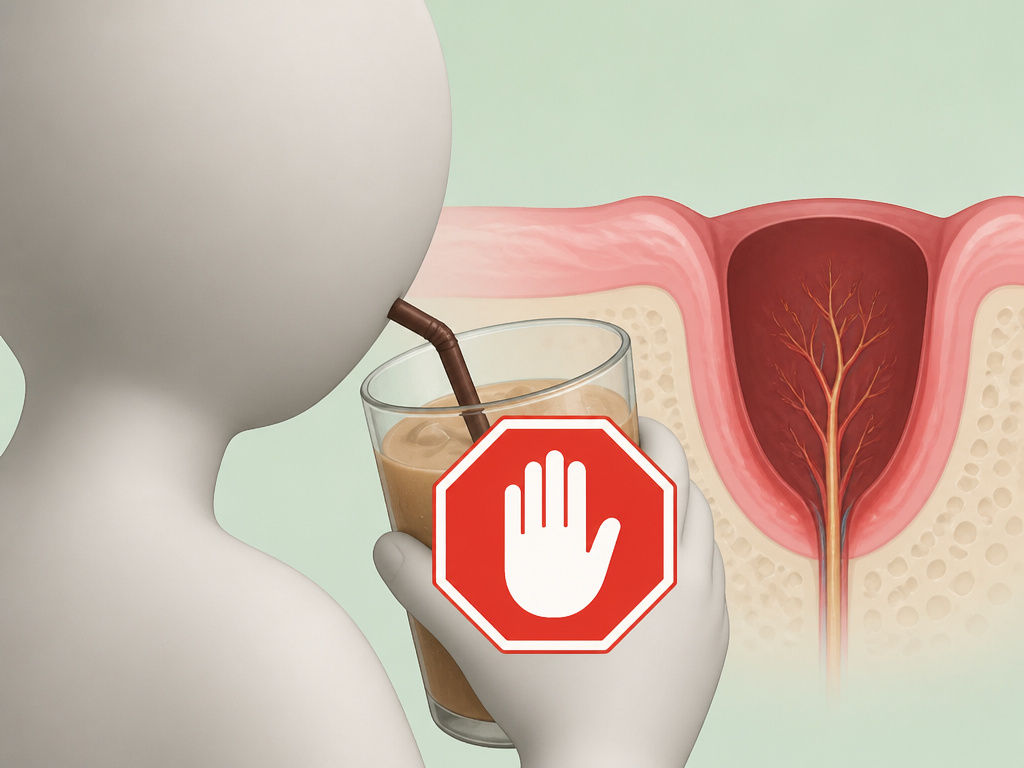
Dry socket, or alveolar osteitis, is the complication you’re trying to avoid. It happens when the blood clot disintegrates or is dislodged, leaving the underlying bone and nerve exposed to air, fluid, and food.
The pain of a dry socket is distinct. It’s not the general soreness of surgery. It’s a sharp, throbbing pain that radiates from the socket up towards your ear or eye. It often starts 2–4 days after the extraction. You might notice a bad taste in your mouth or see what looks like an empty, dry hole where the clot was.
If you suspect a dry socket, stop all coffee consumption immediately and contact your dentist or oral surgeon. They will clean the socket and place a medicated dressing to relieve the pain. Continuing to drink coffee, especially with sugar, will only aggravate it. This is a well-documented painful condition, and the Harvard Health dry socket guide provides a thorough overview of prevention and treatment protocols.
Common mistake: Assuming no pain means the coast is clear and resuming a normal coffee routine with straws and sugar.. The clot can be dislodged without immediate pain, and the dry socket pain often hits a day or two later, just as you think you’re in the clear.
Managing Oral Hygiene and Coffee Afterward
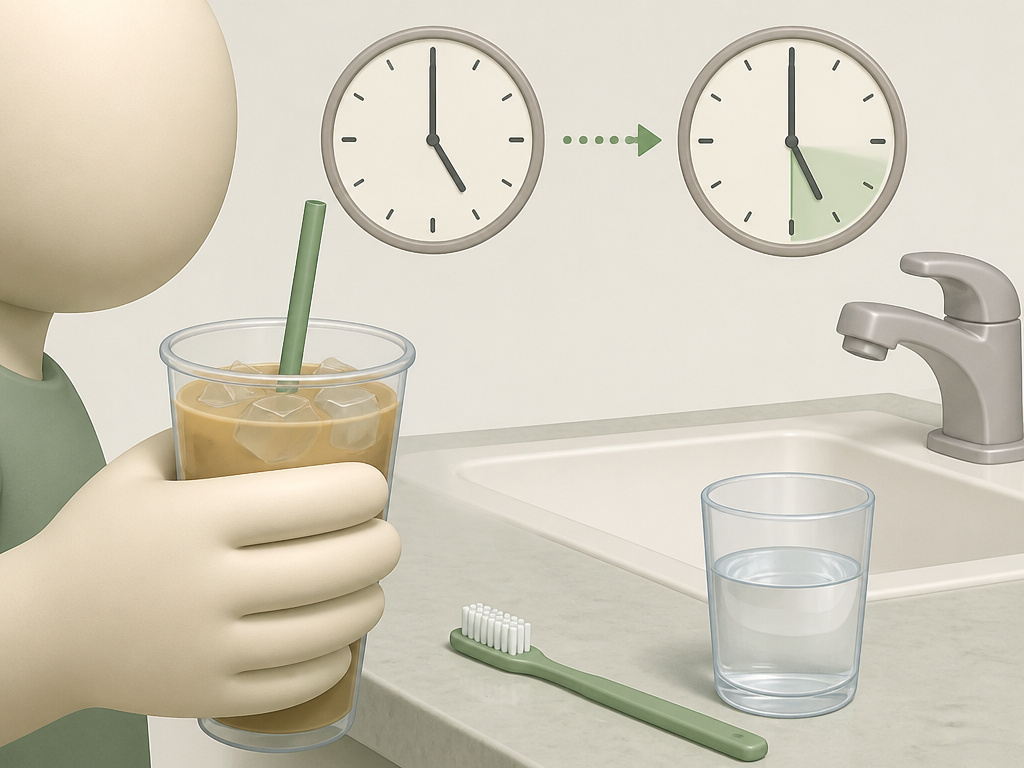
Once you’re past the first week and healing well, you can gradually return to your normal routine. But your oral hygiene after coffee habits matter more now.
Coffee is acidic and can temporarily soften tooth enamel. If you brush immediately after drinking, you risk brushing away some enamel. The safer practice is to rinse with water after your coffee, wait about 30 minutes, then brush gently. This is especially important near the extraction site once it’s fully closed.
If you add sugar, you’re feeding the bacteria that cause plaque and, potentially, cavities around the neighboring teeth. Being mindful of coffee sweetener options and rinsing afterward becomes a non-negotiable part of your recovery dental care.
Frequently Asked Questions
Can I have iced coffee right after tooth extraction if I don’t use a straw?
No. Even without a straw, introducing any coffee, hot or iced, in the first 24-48 hours is not recommended. The primary concern in the first day is heat (which can increase swelling and dissolve the clot), but coffee’s acidity and caffeine are also irritants. Stick to cool water.
How long after a tooth extraction can I use a straw?
Most oral surgeons recommend avoiding straws for at least 5-7 days after a simple extraction. For more complex surgeries like wisdom tooth removal, the advice often extends to two weeks. The suction force is the main culprit for dry socket, so when in doubt, skip the straw longer than you think you need to.
Is cold brew safer than regular iced coffee after an extraction?
Yes, generally. Cold brew coffee is significantly less acidic than coffee brewed with hot water. This reduces the chemical irritation to the healing socket. However, the same rules apply: wait 48 hours, no straw, no sugar or dairy initially, and rinse with water after drinking.
Can the caffeine in coffee delay healing after tooth extraction?
Potentially, yes. Caffeine is a mild vasoconstrictor, meaning it can narrow blood vessels. This may reduce blood flow to the extraction site, which is critical for delivering healing cells and nutrients. If you are a heavy coffee drinker or are concerned, switching to decaf for the first week is a cautious approach. For a comparison of caffeine in cold beverages, cold brew can be particularly potent.
What should I do if I drank iced coffee too soon and now have pain?
Stop drinking coffee immediately. Rinse your mouth gently with warm salt water to clean the area. Monitor the pain. If it becomes severe, throbbing, and radiates (classic dry socket symptoms), or if you see an empty-looking socket, contact your dentist or oral surgeon. Over-the-counter pain relievers like ibuprofen can help manage inflammation, but they don’t fix a dry socket.
Before You Go
The craving for normalcy after a dental procedure is strong, and iced coffee feels like a safe comfort. It’s not. The timeline is strict for a physiological reason, not just caution. Respect the 48-hour wait, ban the straw for at least five days, and keep that first post-op cup black and unsweetened. Rinse with water after every sip.
Healing is a process you can’t rush. A dry socket turns a few days of manageable soreness into a week of significant pain and extra dental visits. The difference between a smooth recovery and a complicated one often comes down to following the simple, boring rules about what you put in your mouth. Your future self, sipping a carefree iced coffee a week from now, will thank you for the patience.
{
“@context”: “https://schema.org”,
“@type”: “HowTo”,
“name”: “How to Safely Drink Iced Coffee After a Tooth Extraction”,
“totalTime”: “PT48H”,
“tool”: [
{
“@type”: “HowToTool”,
“name”: “Iced coffee (no sugar, no dairy)”
},
{
“@type”: “HowToTool”,
“name”: “A wide-rimmed glass or cup”
},
{
“@type”: “HowToTool”,
“name”: “A gentle, non-alcoholic mouthwash or salt water”
}
],
“step”: [
{
“@type”: “HowToStep”,
“name”: “Wait 48 hours post-procedure”,
“text”: “Do not consume any coffee, hot or iced, for the first two full days after your extraction. This allows the initial blood clot to stabilize.”
},
{
“@type”: “HowToStep”,
“name”: “Prepare a plain, lukewarm iced coffee”,
“text”: “Brew coffee, let it cool to room temperature, then pour it over ice. Do not add sugar, cream, or dairy. Extreme cold can cause sensitivity.”
},
{
“@type”: “HowToStep”,
“name”: “Sip gently from the rim—no straw”,
“text”: “Drink from the edge of the glass using a gentle sipping motion. Avoid any sucking action that creates vacuum pressure in your mouth.”
},
{
“@type”: “HowToStep”,
“name”: “Rinse with water immediately after”,
“text”: “Take a sip of plain water and swish it gently around the extraction site to wash away any coffee residue.”
}
]
}
{
“@context”: “https://schema.org”,
“@type”: “FAQPage”,
“mainEntity”: [
{
“@type”: “Question”,
“name”: “Can I have iced coffee right after tooth extraction if I don’t use a straw?”,
“acceptedAnswer”: {
“@type”: “Answer”,
“text”: “No. Even without a straw, introducing any coffee, hot or iced, in the first 24-48 hours is not recommended. The primary concern in the first day is heat (which can increase swelling and dissolve the clot), but coffee’s acidity and caffeine are also irritants. Stick to cool water.”
}
},
{
“@type”: “Question”,
“name”: “How long after a tooth extraction can I use a straw?”,
“acceptedAnswer”: {
“@type”: “Answer”,
“text”: “Most oral surgeons recommend avoiding straws for at least 5-7 days after a simple extraction. For more complex surgeries like wisdom tooth removal, the advice often extends to two weeks. The suction force is the main culprit for dry socket, so when in doubt, skip the straw longer than you think you need to.”
}
},
{
“@type”: “Question”,
“name”: “Is cold brew safer than regular iced coffee after an extraction?”,
“acceptedAnswer”: {
“@type”: “Answer”,
“text”: “Yes, generally. Cold brew coffee is significantly less acidic than coffee brewed with hot water. This reduces the chemical irritation to the healing socket. However, the same rules apply: wait 48 hours, no straw, no sugar or dairy initially, and rinse with water after drinking.”
}
},
{
“@type”: “Question”,
“name”: “Can the caffeine in coffee delay healing after tooth extraction?”,
“acceptedAnswer”: {
“@type”: “Answer”,
“text”: “Potentially, yes. Caffeine is a mild vasoconstrictor, meaning it can narrow blood vessels. This may reduce blood flow to the extraction site, which is critical for delivering healing cells and nutrients. If you are a heavy coffee drinker or are concerned, switching to decaf for the first week is a cautious approach. For a comparison of caffeine in cold beverages, cold brew can be particularly potent.”
}
},
{
“@type”: “Question”,
“name”: “What should I do if I drank iced coffee too soon and now have pain?”,
“acceptedAnswer”: {
“@type”: “Answer”,
“text”: “Stop drinking coffee immediately. Rinse your mouth gently with warm salt water to clean the area. Monitor the pain. If it becomes severe, throbbing, and radiates (classic dry socket symptoms), or if you see an empty-looking socket, contact your dentist or oral surgeon. Over-the-counter pain relievers like ibuprofen can help manage inflammation, but they don’t fix a dry socket.”
}
}
]
}
