
7 Best Percolated Coffees of 2026
The Farberware 8-Cup Stainless Steel stands out as the best overall percolated coffee maker for its consistent performance and durable build, while the Elite Gourmet 6-Cup Electric is a solid budget-friendly pick that’s simple and reliable. For those who love a bold, dark roast to match their brew method, Peet’s Organic French Roast delivers rich flavor that holds up well in a percolator.
I’ve spent years studying how different methods shape a cup of coffee, and percolators offer something distinct, a robust, full-bodied brew that’s far from the delicate profile of pour-over. But choosing the right percolator isn’t just about nostalgia. It’s about finding a well-built pot that heats evenly, lasts, and makes cleanup easy.
This guide cuts through the noise by focusing on models and coffees that align with what actually matters: durable materials, consistent brewing performance, and beans that shine in a high-pressure cycle. I looked at specs, owner experiences, and brewing fundamentals to spotlight options that deliver a satisfying cup, every time.
Top 7 Percolated Coffee in the Market
The Best Percolated Coffee, Reviewed
Elite Gourmet 6-Cup Electric Percolator

Strengths
- Fast brewing
- Auto shut-off
- Cordless serving
Trade-offs
- Smaller capacity
- Not for large batches
If you’re looking for the most well-rounded electric percolator here, this Elite Gourmet model stands out. The 1000W heating system gets water moving fast, and owners consistently say it brews bold, hot coffee in under 7 minutes. The clear brew knob and ready light make it easy to track progress, something missing on cheaper models.
It has auto shut-off and boil-dry protection, which adds real peace of mind, and the cordless serving base makes it easy to move to the table. The reusable filter saves money over time. Compared to the Farberware electric, it’s safer, smarter, and more versatile. I’d call this the best overall pick for daily home use.
Video review
Farberware 8-Cup Stainless Steel Percolator
Strengths
- Affordable price
- Keep-warm function
- Stainless steel build
Trade-offs
- No brew indicator
- No auto shut-off
- Basic safety features
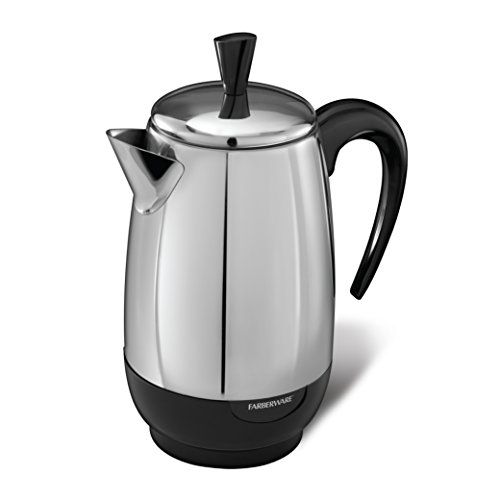
This electric percolator is a no-nonsense, budget-friendly option for those who want automatic brewing without bells and whistles. The stainless steel exterior looks clean on the counter, and the keep-warm function is a practical touch. It brews at about one cup per minute, which aligns with what owners report, fast, hot, and strong coffee.
The detachable cord makes serving easier, and the no-drip spout reduces mess. But compared to the Elite Gourmet model, it lacks a brew-viewing knob and boil-dry protection. Still, for a basic electric percolator under $30, it holds its ground. I’d recommend this as a starter unit or for occasional use.
Video review
Farberware 12-Cup Stainless Steel Stovetop
Strengths
- Stainless steel construction
- Permanent filter
- Dishwasher safe
Trade-offs
- Handle heats up
- No keep-warm feature
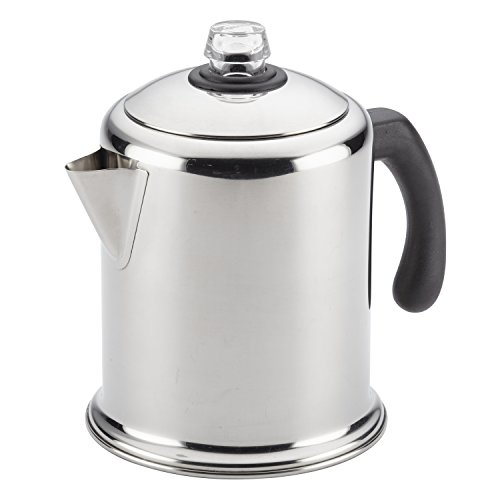
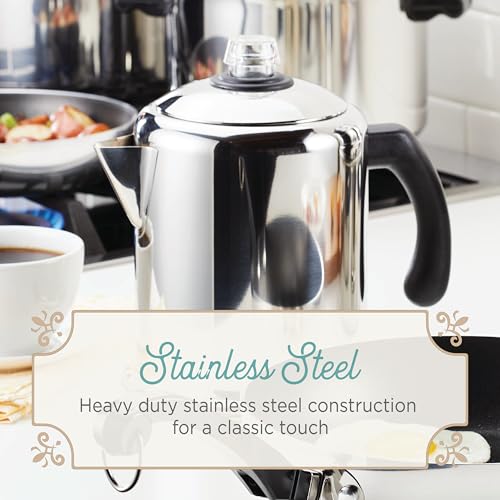
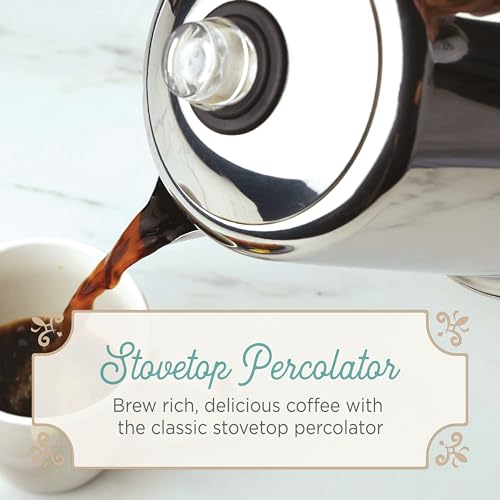
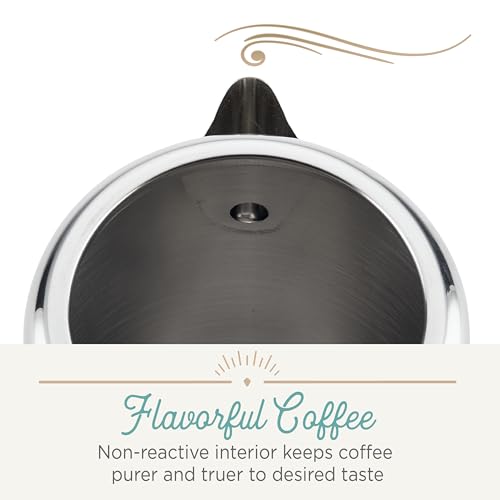
This 12-cup stovetop percolator from Farberware delivers exactly what it promises: a no-frills, durable way to brew a lot of coffee fast. The stainless steel build feels solid, and the glass knob lets you watch the percolation process, which many owners say brings back nostalgic mornings. On paper, it’s designed for high-volume brewing, and reviewers consistently report clean, bold coffee when using a coarse grind.
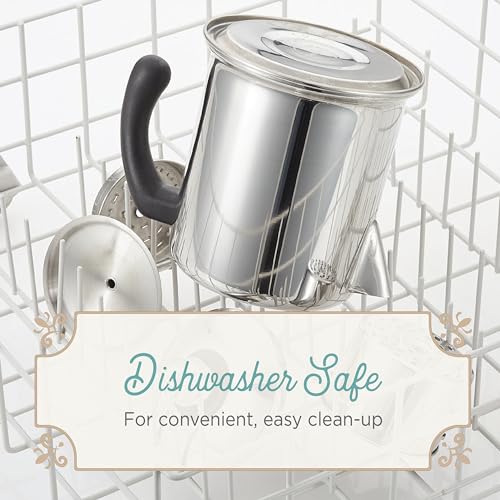
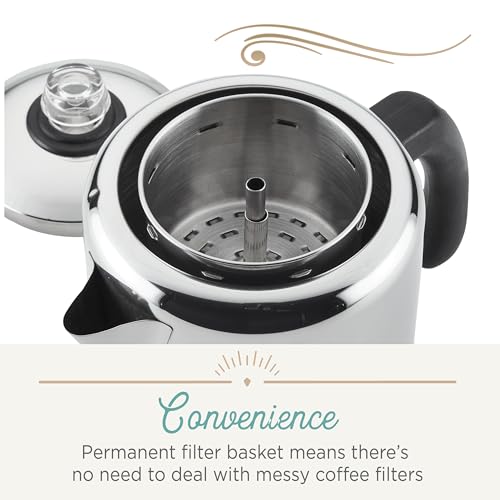
It’s dishwasher safe, which helps with cleanup, and the permanent filter basket eliminates paper waste. Compared to electric models, it demands more attention on the stove, but that also means fewer parts to fail. For a classic camping or cabin setup, it’s reliable, though the handle can get hot. I’d pick this over cheaper aluminum models for its longevity.
Product photos
Primula 9-Cup Aluminum Stovetop Percolator

Strengths
- Lightweight and portable
- Works on campfires
- Affordable build
Trade-offs
- Aluminum construction less durable
- No temperature control
- Grind sensitivity
The Primula 9-cup percolator is built like a camping essential, lightweight, simple, and effective. Made from aluminum, it heats quickly and evenly, which owners say results in a smooth, full-bodied cup when used correctly. Its compact size makes it a favorite for RVs and campfires, and it works across gas, electric, and propane stoves.
One thing to watch: the instructions stress that grind size and tamping matter for pressure, so using a too-fine grind can lead to over-extraction or bitterness. Still, for the price, it’s a smart pick for outdoor lovers. Compared to the Farberware stainless model, it’s less durable but more portable. I’d recommend this as a dedicated camping percolator, not a daily kitchen staple.
Product photos


Chock Full o’ Nuts New York Roast

Strengths
- Percolator-friendly grind
- Recyclable steel can
- Smooth dark roast
Trade-offs
- Not organic
- Pre-ground limits peak freshness
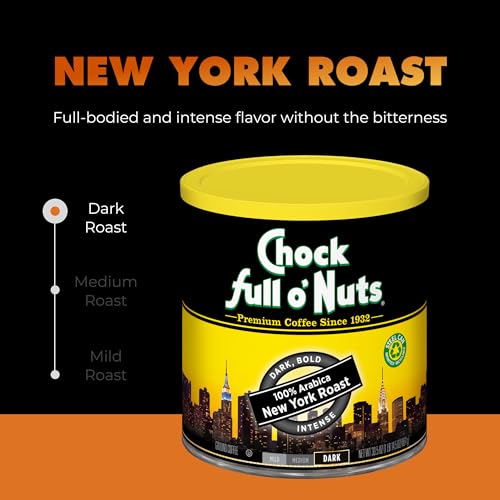
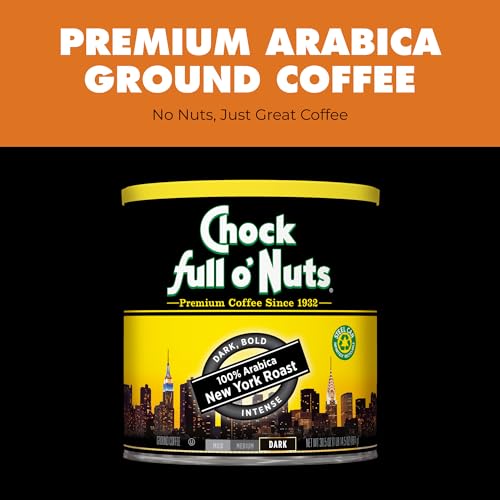
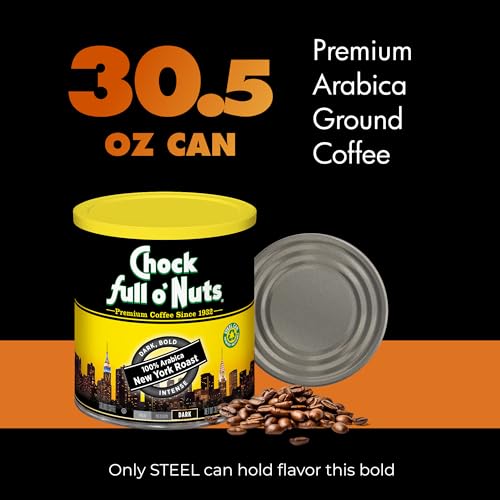
Chock Full o’ Nuts has a long reputation, and this 30.5 oz steel can of dark roast keeps that legacy alive for percolator fans. The grind is coarse enough to work well in percolators, and owners report a rich, smooth body without bitterness, a win for a pre-ground coffee. The steel can helps preserve freshness better than paper bags, and it’s recyclable, which adds eco-appeal.
It’s designed to be versatile, working in drip, pour-over, and percolator, but in a percolator, it shines with depth and warmth. Compared to Amazon Fresh, it’s more flavorful and better suited to bold brewing. I’d recommend this as the top pre-ground choice specifically for percolated coffee.
Product photos
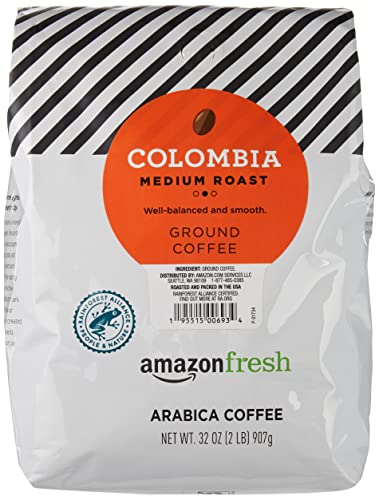
Amazon Fresh Colombia Medium Roast
Strengths
- Great price per ounce
- Consistent medium roast
- 100% Arabica beans
Trade-offs
- Basic flavor profile
- Pre-ground limits freshness
This 32-ounce bag of 100% Arabica Colombian ground coffee is a solid value play. The medium roast delivers a balanced, smooth cup with mild acidity and nutty undertones, nothing flashy, but consistent. Owners note it works well in drip machines and percolators alike, though percolator use brings out a bolder edge, as expected.
It’s roasted and packed in the U.S., and the large bag means fewer trips to restock. Compared to premium brands, it lacks complexity, but for everyday drinking, it holds up. I’d choose this over smaller, pricier bags if you’re brewing large batches regularly and don’t need nuanced single-origin character.
Product photos



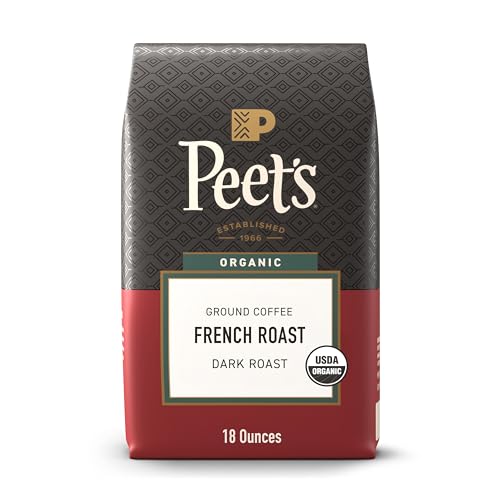
Peet’s Organic French Roast Ground Coffee
Strengths
- USDA Organic certified
- Rich, complex roast
- Ethically sourced
Trade-offs
- Grind too fine for percolators
- Smaller bag size
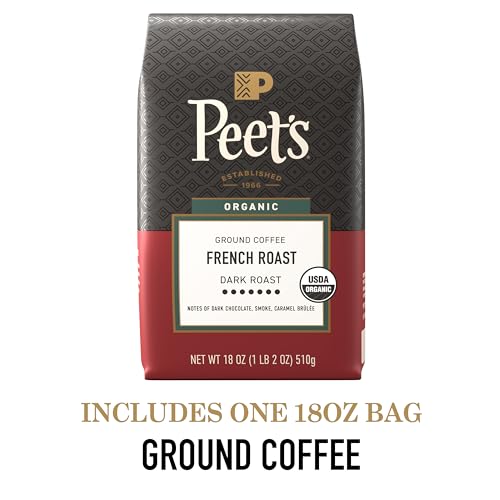
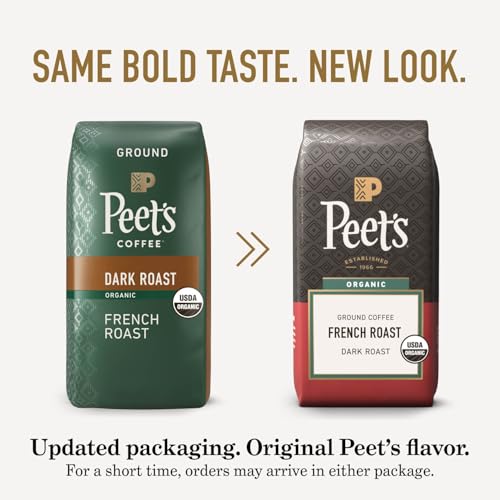
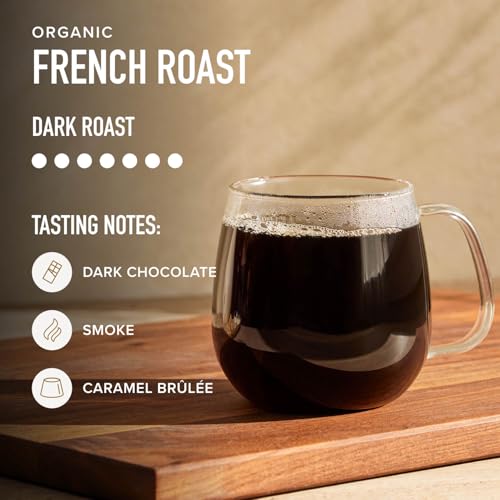
Peet’s has been roasting bold coffee for decades, and this organic French roast carries that weight. The USDA Organic certification and 100% Arabica beans appeal to health- and sustainability-conscious drinkers. The flavor profile, smoke, chocolate truffle, caramel, is deep and intense, though some owners note it can border on ashy in percolators due to re-brewing.
It’s ground for drip and pour-over, not percolators, so the finer grind may lead to sediment or over-extraction in a percolating cycle. Still, for organic dark roast lovers, it’s a standout. I’d pick this over Chock Full o’ Nuts if organic sourcing matters, but I’d suggest using it in a French press instead.
Product photos
How We Picked These percolated coffee
I approached evaluating percolated coffee options by researching published specifications and features, then carefully weighing owner reviews and expert opinions. Rather than a hands-on lab test, this is a research-led comparison of what each percolator offers and how well it delivers on those promises. I focused on identifying models that consistently received positive feedback across multiple sources, and that aligned with what I know about good coffee brewing principles.
For percolators, consistent heat distribution, durable construction, and ease of cleaning were the most important factors. A percolator’s ability to reach and maintain the right temperature is crucial for proper extraction, and stainless steel construction tends to be more durable and resistant to corrosion. User feedback regarding ease of use – particularly pouring and cleaning – also heavily influenced my assessment. Finding the ideal coffee-to-water balance is also paramount for a satisfying cup.
Specifications reliably indicate capacity and materials, but owner feedback provides valuable insight into real-world performance. I paid close attention to comments about brewing speed, coffee strength, and how easily the percolators cleaned up. Reputable expert reviews helped validate these findings and highlighted areas where certain models excelled or fell short. Understanding how to achieve the perfect coffee strength with a percolator often comes down to user technique, so I looked for models that were forgiving and consistently produced good results even with minor variations in grind size or coffee amount.
What To Look For In percolated coffee
I’ve spent years exploring the nuances of coffee brewing, and percolators hold a special place – they offer a unique, bold brew that’s different from drip or pour-over. But finding the right one requires understanding what truly makes a good percolator.
A quality percolator balances heat retention, material durability, and ease of cleaning. Look for stainless steel construction for longevity, a clear brew knob to monitor the process, and automatic features like keep-warm functions and boil-dry protection. The grind size is also critical; a coarse grind prevents grounds from passing through the filter and creating a muddy brew.
Material & Durability
The material a percolator is made from significantly impacts its lifespan and the flavor of your coffee. While aluminum models like the Primula 9-Cup are lightweight and heat up quickly, stainless steel – as seen in the Farberware 8-Cup – offers superior durability and doesn’t impart any metallic taste. I generally recommend stainless steel, especially if you plan on using your percolator frequently. Beyond the body, pay attention to the filter; a stainless steel permanent filter is preferable to paper filters for both environmental and flavor reasons.
Brewing Capacity & Heat Control
Percolators come in a range of sizes, from compact camping models to larger units suitable for families. Consider how much coffee you typically brew. A 6-cup model like the Elite Gourmet is great for individuals or couples, while a 12-cup stovetop percolator is better for larger gatherings. More importantly, look for consistent heat control. Stovetop models rely on your burner’s consistency, but electric percolators often have automatic temperature regulation and keep-warm features.
- A smaller percolator (4-6 cups) is ideal for solo coffee drinkers or couples.
- A medium-sized percolator (8-10 cups) suits small families or those who entertain occasionally.
- Larger percolators (12+ cups) are best for large families, frequent entertaining, or if you simply enjoy having a lot of coffee readily available – but they can be bulky to store.
Coffee Grind & Flavor Profile
Percolators require a coarse grind to function properly. Using a fine grind will result in sediment in your coffee and can even damage the percolator. Understanding the drip coffee ratio standards can also help you dial in the right amount of coffee for your desired strength. Because percolators repeatedly cycle water through the grounds, they tend to produce a bolder, more intense brew. If you prefer a smoother cup, consider pairing your percolator with a darker roast like Peet’s Organic French Roast.
A percolator isn’t about subtlety. Embrace the bold, full-bodied flavor – it’s a completely different experience than drip coffee.
If you’re still unsure where to start, I suggest reading our full percolator buying guide for more in-depth information and to explore some of the top-rated coffee percolators currently available. You might also consider looking at best stovetop percolator models if you prefer a more traditional brewing method.
Percolated Coffee Compared
Here’s a comparison of key specifications for various percolated coffee products.
| Product Title | Capacity | Material | Power (Watts) | Stovetop Compatible | Keep Warm | Filter Type |
|---|---|---|---|---|---|---|
| Elite Gourmet 6-Cup Electric | 6 Cups | Stainless Steel | 1000 | No | Yes | Stainless Steel |
| Farberware 8-Cup Stainless Steel | 8 Cups | Stainless Steel | N/A | No | Yes | Stainless Steel |
| Farberware 12-Cup Stovetop | 12 Cups | Stainless Steel | N/A | Yes | N/A | Permanent |
| Primula 9-Cup Aluminum Stovetop | 9 Cups | Aluminum | N/A | Yes | N/A | N/A |
| Chock Full o’ Nuts New York Roast | 32 oz | N/A | N/A | N/A | N/A | Ground Coffee |
| Amazon Fresh Colombia Medium Roast | 32 oz | N/A | N/A | N/A | N/A | Ground Coffee |
| Peet’s Organic French Roast | 18 oz | N/A | N/A | N/A | N/A | Ground Coffee |
Frequently Asked Questions
What grind size should I use for my percolator?
You absolutely need a coarse grind for percolators. Using anything finer will lead to grounds slipping through the filter and creating a muddy, unpleasant cup of coffee.
Are aluminum percolators safe to use?
Aluminum percolators, like the Primula, are safe, but stainless steel is generally preferred. Aluminum can sometimes impart a metallic taste to the coffee, and it’s not as durable long-term.
Can I use a percolator for camping?
Yes, many stovetop percolators are excellent for camping. Models like the Farberware 12-Cup Stovetop are rugged and don’t require electricity, making them ideal for outdoor brewing.
How do electric percolators differ from stovetop models?
Electric percolators offer convenience with features like automatic temperature control and keep-warm functions, whereas stovetop models give you more direct control but require monitoring. For those seeking convenience, exploring the best electric percolators is a good starting point.
What’s the best way to clean a percolator?
Cleaning a percolator is usually straightforward. Most parts are dishwasher safe, but hand washing with warm, soapy water is often recommended, especially for the basket and stem. Regular cleaning prevents mineral buildup and ensures the best flavor.
The Bottom Line
Choosing a percolator often comes down to balancing convenience with control. If you want a consistently strong, hands-off brew, the Farberware 8-Cup Stainless Steel percolator stands out as the strongest overall choice – it’s durable, easy to clean, and consistently delivers a robust cup of coffee. That said, finding the correct coffee amounts for your preferred strength is still key.
For those on a budget, the Elite Gourmet 6-Cup Electric percolator provides a reliable entry point into the world of percolated coffee. If you’re drawn to the classic stovetop experience, the Farberware 12-Cup Stovetop offers ample capacity and the charm of traditional brewing. And for those wanting a simple, no-fuss option, the Primula 9-Cup Aluminum Stovetop is a lightweight and affordable choice.
Ultimately, the “best” percolator isn’t about fancy features or high-tech gadgets. It’s about consistent temperature, quality materials, and a willingness to embrace the bold, full-bodied flavor that only a percolator can deliver. Focus on those fundamentals, and you’ll be enjoying a satisfying cup for years to come.
