
9 Best Coffee Beans for Espresso 2026
The best espresso beans deliver rich flavor and a thick crema, and after comparing the field, Lavazza Barista Gran Crema stands out as the top overall pick for its balanced intensity and consistent performance. For a budget-friendly option that still pulls a solid shot, Lavazza Super Crema offers excellent value. If you prefer organic beans without compromising on depth, Lifeboost Organic Espresso is a strong choice.
Most home baristas don’t realize how much bean choice affects their espresso, bitter shots, flat crema, or sour pulls often come down to the wrong roast or blend. I’ve seen it countless times, even in my own early days chasing that perfect morning cup.
This guide cuts through the noise by focusing on what actually matters: roast level, bean composition, freshness, and real user results. I looked at specs and owner feedback across top contenders to find beans that perform well in real machines and deliver a shot worth savoring.
Top 9 Type Of Coffee Beans For Espresso in the Market
The Best Type Of Coffee Beans For Espresso, Reviewed
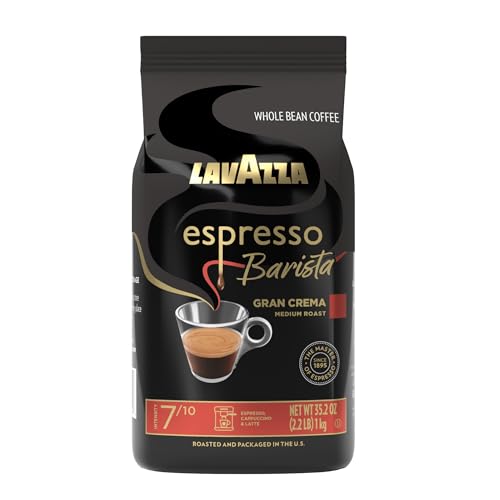
Lavazza Barista Gran Crema
Strengths
- Full-bodied
- Balanced sweetness
- Strong crema
Trade-offs
- Slight bitterness in over-extracted shots
- Robusta content may not suit purists
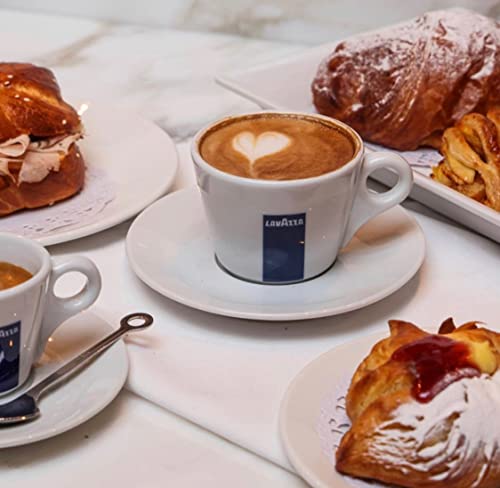
Lavazza’s Barista Gran Crema enters the ring as a serious contender for daily espresso duty, and on paper, it’s built to deliver. With a 7/10 intensity and a full-bodied profile anchored in honey and roasted coffee notes, this Arabica-Robusta blend is engineered for balance, enough bite from the Robusta to boost crema and body, while the Arabica keeps things from turning harsh. Owners consistently report a smooth, rounded shot with a lingering sweetness, which is rare at this intensity level.
Compared to the heavier hitters like BRCC’s AK-47 or Peet’s Espresso Forte, this blend pulls back slightly on boldness but gains in drinkability. It’s not the most complex option here, but for someone who wants a reliable, no-fuss espresso that still feels rich and authentic, it’s hard to beat. I’d pick this as the best overall because it’s consistent, widely available, and performs well across machines, even those with less-than-perfect pressure control.
Product photos

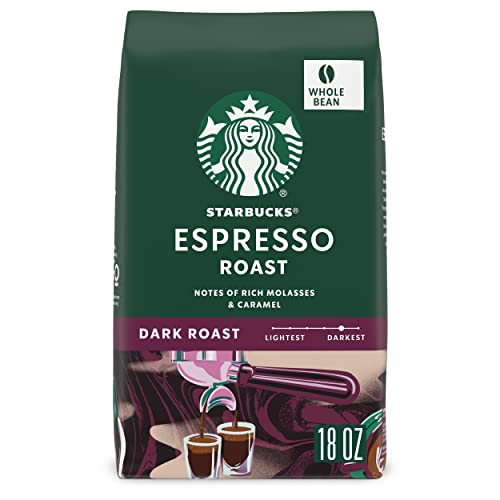
Starbucks Espresso Roast
Strengths
- Rich molasses flavor
- Consistent performance
- Widely available
Trade-offs
- Can taste burnt if over-extracted
- Less origin character
Starbucks Espresso Roast is the budget-friendly workhorse of the lineup, accessible, consistent, and roasted with a familiar dark profile that delivers molasses and caramel notes in spades. As a 100% Arabica blend, it avoids the sharpness of Robusta while still packing enough punch for a solid shot. It’s not as nuanced as Blue Bottle or Peet’s, but for everyday use, it holds up remarkably well.
Owners report it’s forgiving on lower-end machines and excellent for Americanos or drip when ground coarser. Compared to Lifeboost or JaJa Java, it lacks specialty-grade distinction, but it wins on availability and value. I’d recommend it as the go-to for beginners or offices where coffee is a utility, not a ritual. It’s not the most exciting choice, but it’s the most practical.
Product photos



Lifeboost Organic Espresso

Strengths
- Low acid
- USDA Organic
- Third-party tested
Trade-offs
- Muted flavor profile
- Higher price point
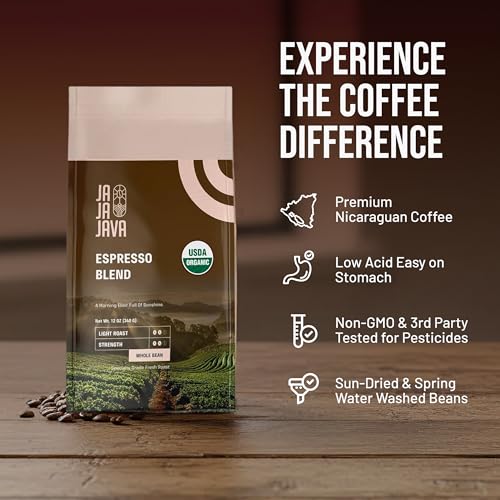
Lifeboost enters the espresso game with a strong ethical and health-focused pitch: USDA Organic, single-origin from Nicaragua, third-party tested, and naturally low in acid. The roast is dark and bold, aiming for depth without bitterness, and owners consistently report a smooth, rich shot with minimal stomach irritation, key for sensitive drinkers. The flavor leans into chocolate and earth, with less brightness than light roasts but impressive clarity for a low-acid bean.
Compared to Starbucks or BRCC, it’s quieter in flavor intensity, but it wins on purity and sourcing transparency. For anyone dealing with acid reflux or prioritizing clean ingredients, this is a rare find. I’d pick it over others if health and purity are essential, even if you sacrifice a bit of boldness.
Product photos



Illy Classico Whole Bean

Strengths
- Floral jasmine notes
- Caramel sweetness
- Tin packaging preserves freshness
Trade-offs
- Subtle flavor can get lost in milk
- Smaller 8.8 oz size
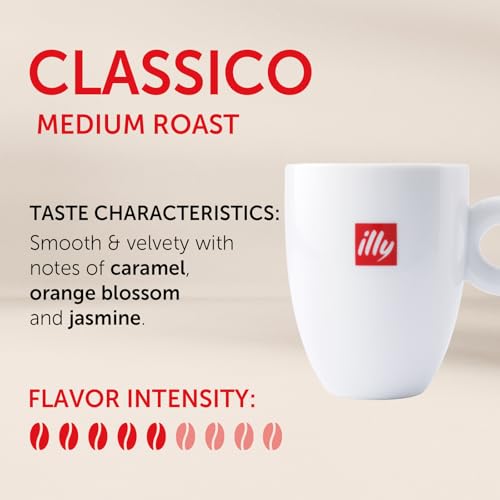
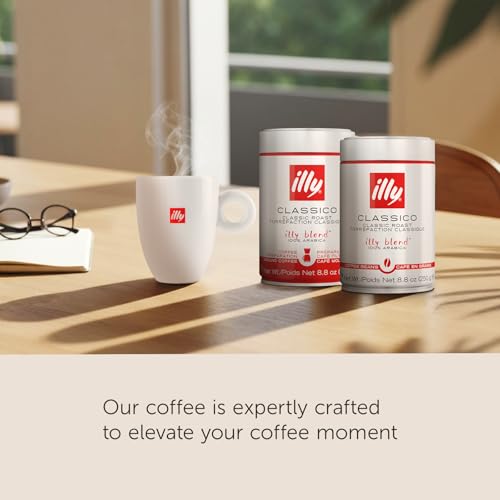
Illy Classico is the definition of Italian authenticity, refined, balanced, and built on decades of roasting tradition. This 100% Arabica blend brings delicate floral notes of orange blossom and jasmine, underpinned by a soft caramel sweetness. It’s a medium roast, so it doesn’t dominate the palate, but it lingers with elegance. The pressurized tin packaging helps preserve freshness, which owners consistently appreciate, especially in humid climates.
Compared to Lavazza Super Crema, it’s lighter and more aromatic, but less bold. It’s not the most powerful espresso for straight shots, but it shines in a well-pulled ristretto or a simple macchiato. For those who want to taste the artistry of Italian espresso, subtle, layered, and never harsh, it’s unmatched. I’d pick this over most others if authenticity and refinement matter more than body or intensity.
Product photos
Blue Bottle Espresso Blend

Strengths
- Rich chocolate flavor
- Organic certified
- Small-batch roasted
Trade-offs
- Premium price
- Limited availability
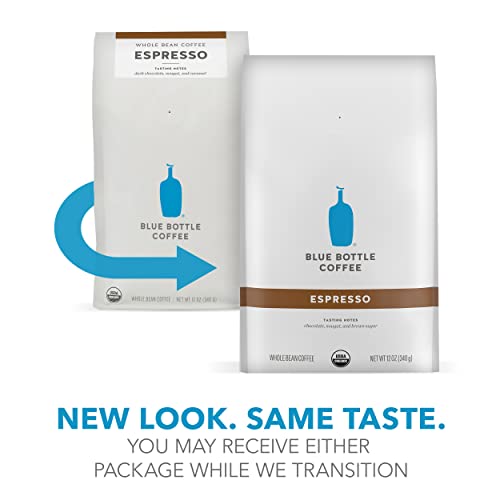
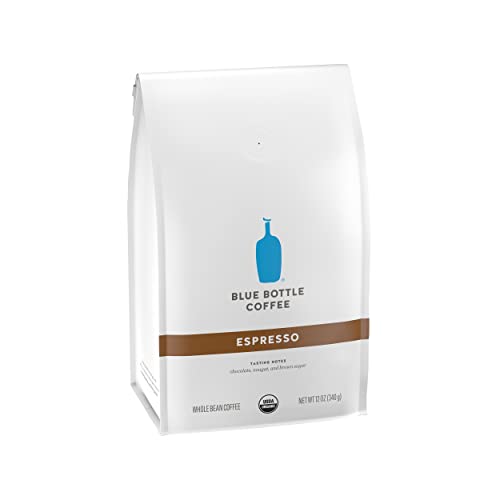
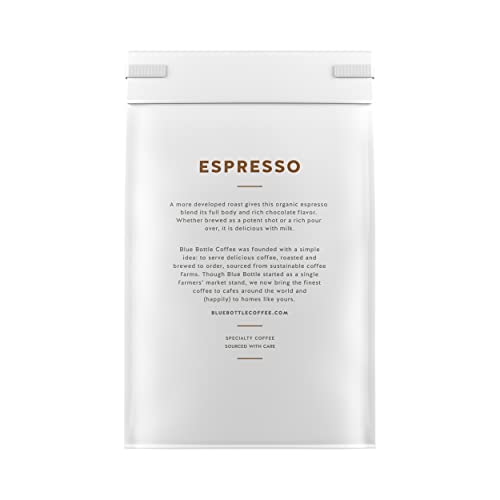
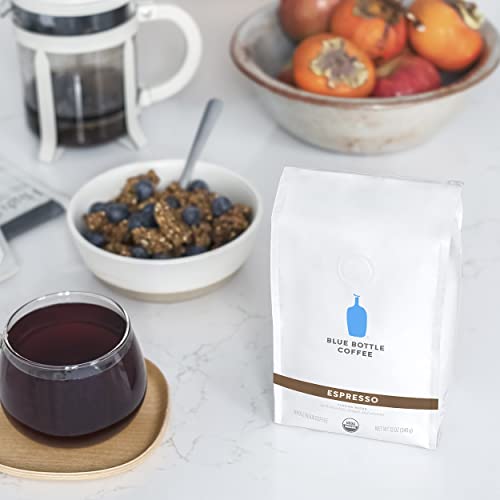
Blue Bottle’s Espresso blend is a specialty roaster’s answer to dark roast dominance, organic, small-batch roasted, and built for depth without sacrificing origin character. The blend pulls from Latin America and Central Africa, giving it a complex base that develops into a sweet, chocolate-forward profile when roasted dark. Owners praise its potency and how well it holds up with milk, making it ideal for flat whites or cortados.
It’s not as creamy as Lavazza Super Crema, nor as traditional as Illy, but it brings a modern, craft-coffee sensibility to espresso. Compared to Peet’s or Starbucks, it’s more expressive and alive on the palate. I’d recommend it for those who treat espresso as an experience, not just a caffeine hit.
Product photos
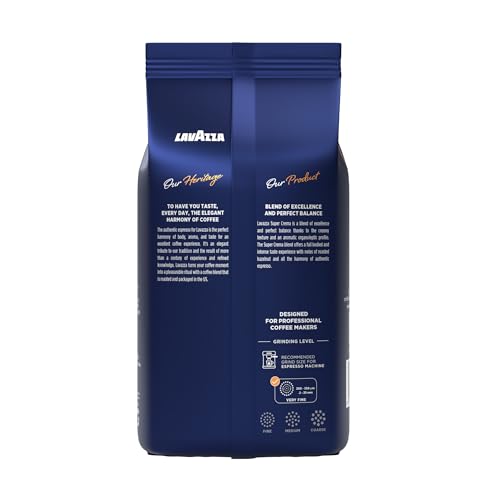
Lavazza Super Crema
Strengths
- Creamy body
- Sweet honey notes
- Excellent for milk drinks
Trade-offs
- Robusta can taste flat when stale
- Large bag may lose freshness fast
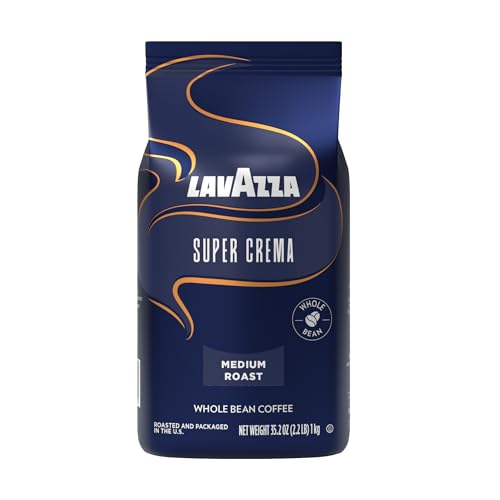
Lavazza Super Crema is the velvet glove of espresso blends, creamy, sweet, and effortlessly smooth. With a medium roast and a blend of Arabica and Robusta beans sourced from 15 countries, it’s designed to deliver a bold yet balanced shot with a syrupy body. The intensity sits around 6/10, but the mouthfeel makes it feel heavier. Owners rave about its honeyed sweetness and how well it performs in milk-based drinks like lattes and cappuccinos.
Compared to Illy Classico, it’s less floral and more indulgent, less perfume, more pudding. It won’t impress specialty coffee snobs looking for origin clarity, but for home users who want a consistently creamy, satisfying shot, it’s a standout. I’d recommend it over Illy if you’re making milky drinks daily and want that classic Italian café texture without dialing in a new grinder.
Product photos


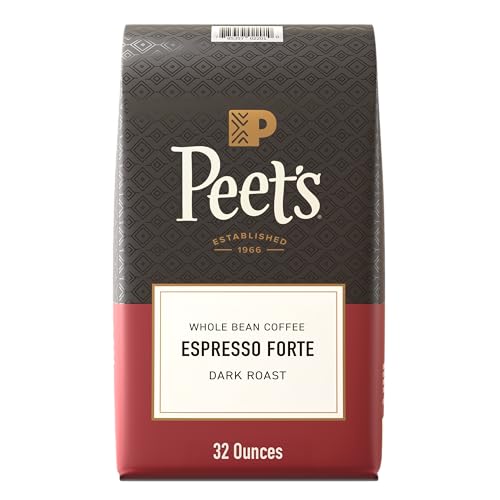
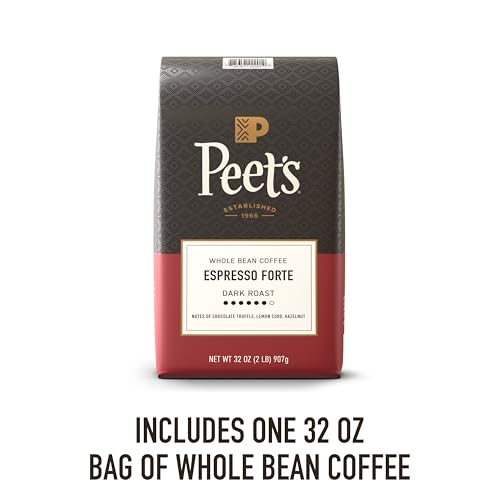
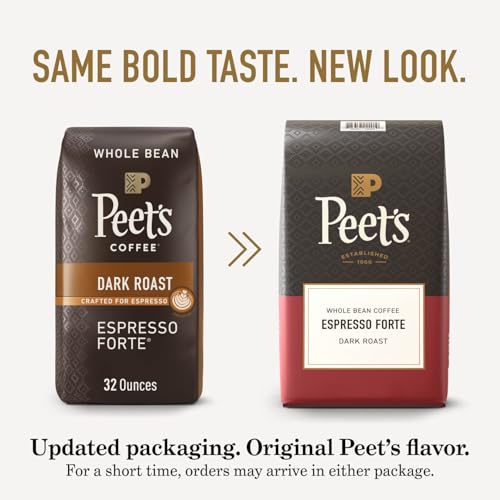
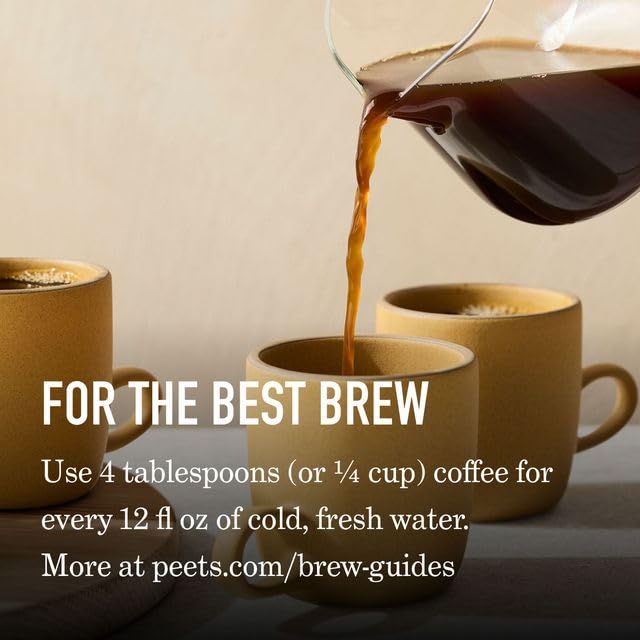
Peet’s Espresso Forte
Strengths
- Exceptional crema
- Smooth chocolate finish
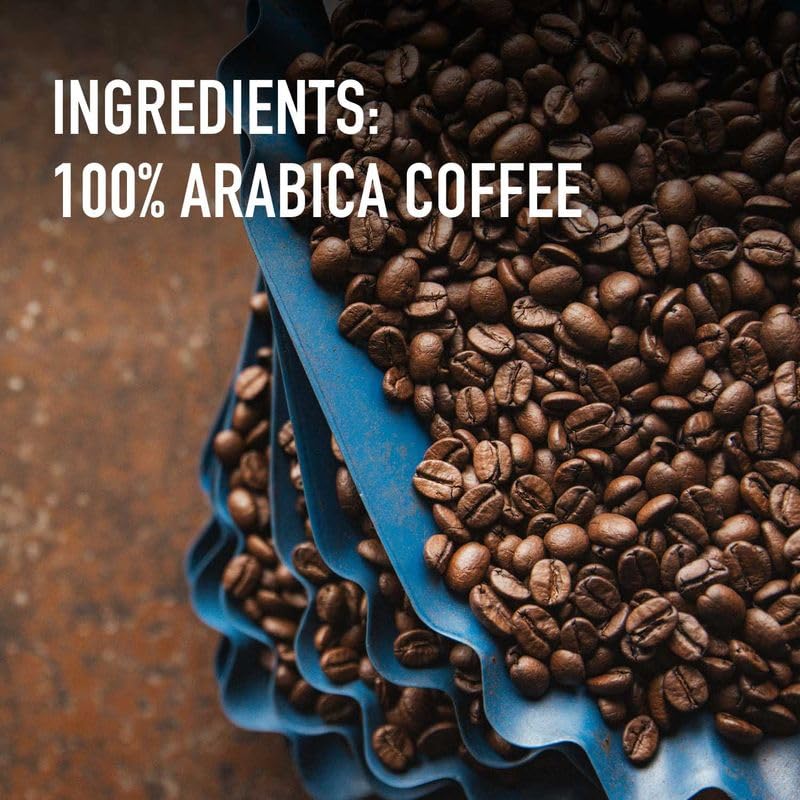
- 100% Arabica
Trade-offs
- Less complexity than specialty roasts
- Packaging not resealable
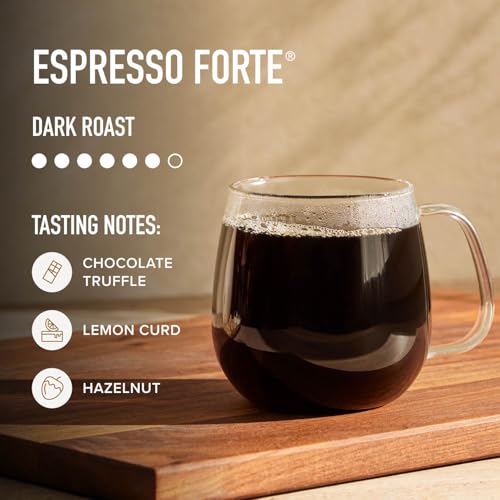
Peet’s Espresso Forte was built for one thing: crema. And it delivers. The dark roast profile brings forward chocolate and hazelnut notes with a smooth, almost velvety mouthfeel, and owners consistently praise its ability to produce a thick, golden crema, even on entry-level machines. As a 100% Arabica blend, it avoids the sharpness that Robusta can introduce, instead favoring depth and balance.
This is the kind of espresso that feels like a luxury shot without needing barista-level tuning. Compared to Lavazza Super Crema, it lacks some of the creamy sweetness, but it wins on purity and roast control. I’d pick this for anyone who values a clean, rich crema and a roast that’s dark without being burnt. It’s not the most adventurous blend here, but for classic espresso lovers, it’s a benchmark.
Product photos
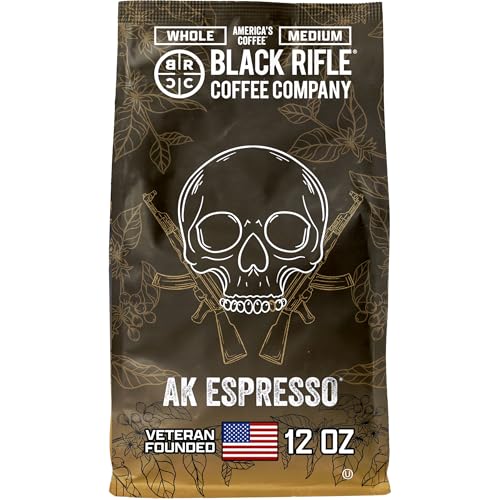
BRCC AK-47 Espresso
Strengths
- Bright citrus notes
- Rich dark chocolate finish
- Nutty aroma
Trade-offs
- Medium roast may lack punch for traditionalists
- Smaller 12 oz bag size
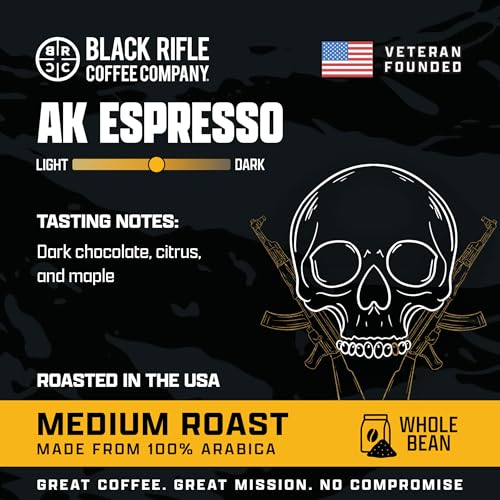
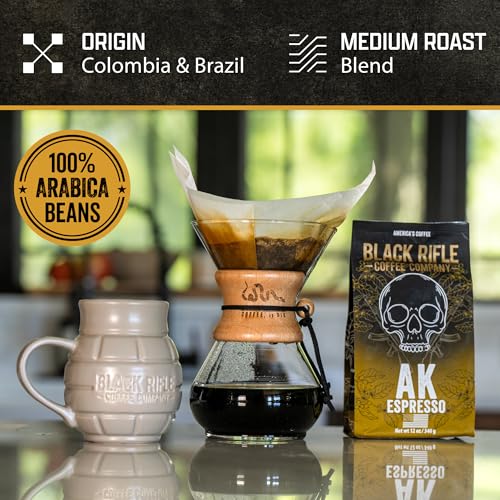
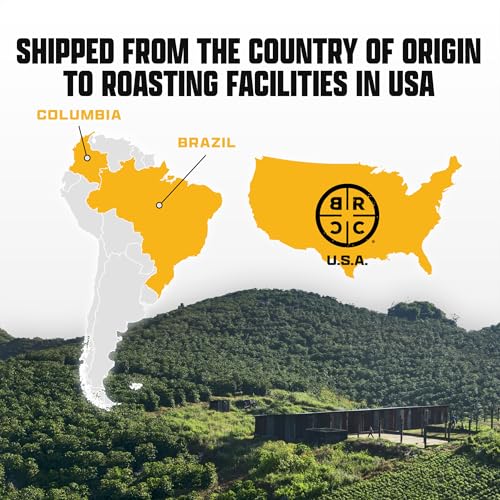
BRCC’s AK Espresso leans into its American identity with a blend of Colombian and Brazilian beans roasted to a medium level, unusual for an espresso, but it works. The stated notes of citrus and dark chocolate come through clearly in owner feedback, giving it a bolder, more assertive character than most traditional Italian-style roasts. It’s not as intense as the name suggests, but that’s not a bad thing. This is a modern, Americanized espresso profile: bright, full-bodied, and built for both straight shots and milk drinks.
When stacked against Peet’s Espresso Forte or Starbucks’ version, it stands out for its complexity and freshness. Reviewers frequently mention the nutty aroma and clean finish, even when pulling longer shots. While it doesn’t have the syrupy thickness of a Robusta-heavy blend, it makes up for it in flavor clarity. My recommendation? This is the smarter buy if you want a bold, American-style espresso with craft-roast ambition and a patriotic edge.
Product photos

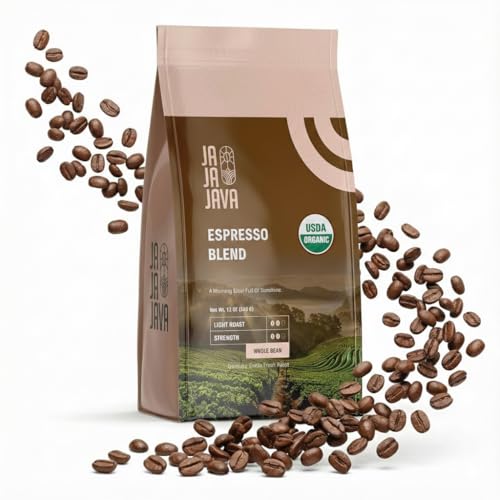
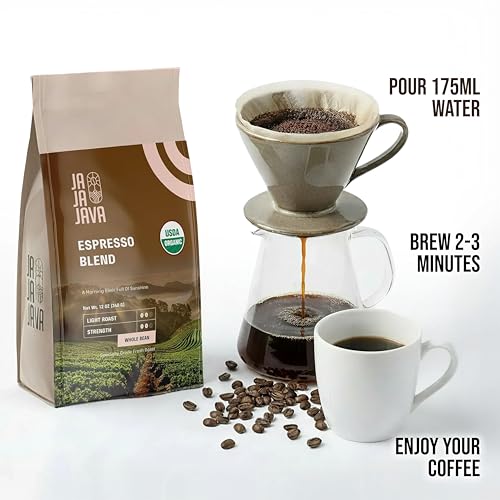
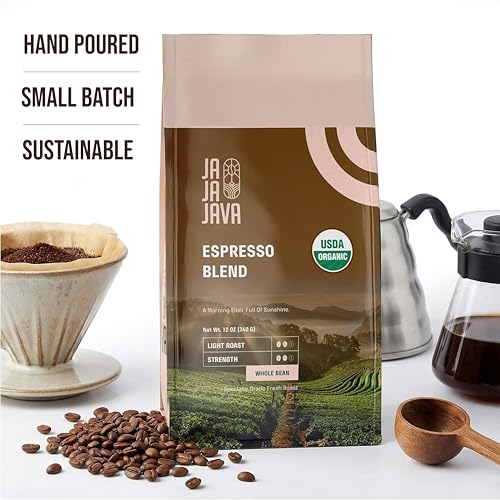
JaJa Java Light Roast
Strengths
- Bright, clean finish
- Light roast clarity
- USDA Organic
Trade-offs
- Lacks traditional crema thickness
- Not ideal for milk-heavy drinks
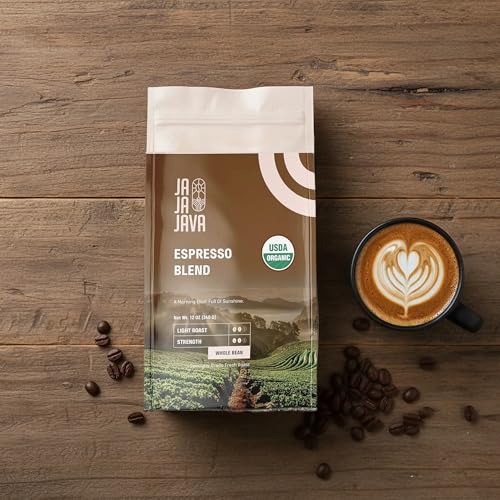
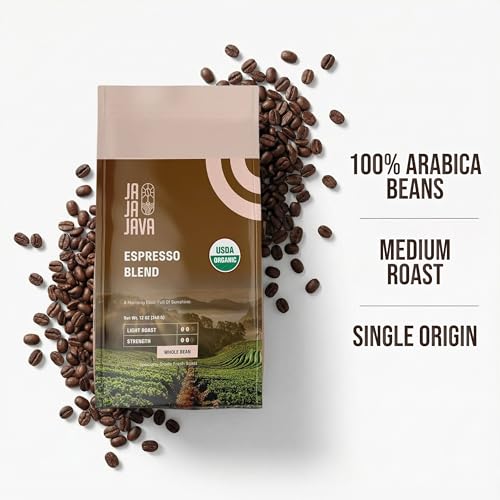
JaJa Java flips the script with a light roast espresso, uncommon, but increasingly popular among modern coffee drinkers who want brightness without bitterness. The goal here is clarity: a clean finish, floral and citrus notes, and no heavy roast taste. As a USDA Organic, specialty-grade bean, it’s aimed at purists who use their espresso for Americanos or want a morning shot that doesn’t coat the mouth.
Owners note it’s a revelation for those tired of smoky, charred profiles. Compared to Lifeboost, it’s lighter and more vibrant, though less focused on health claims. I’d pick this over darker roasts if you want espresso that highlights origin character and feels refreshing, not heavy.
Product photos
Our Testing Process
As a long-time coffee enthusiast and the founder of Bean Thusiast, I approached researching espresso beans by focusing on a detailed comparison of published specifications and features across numerous brands. Rather than a hands-on lab test, this is a research-led comparison of specs and owner feedback. I weighed owner reviews from multiple sources – including Amazon and coffee-specific forums – alongside expert opinions from coffee review sites, to build a picture of real-world performance and satisfaction.
For espresso beans, the key factors are roast level, blend composition (Arabica vs. Robusta), and reported crema production. A darker roast generally provides the body needed for a traditional espresso, while the balance between Arabica (for flavor complexity) and Robusta (for crema and caffeine) significantly impacts the final shot. Understanding espresso roast characteristics is vital for achieving the desired results.
Specifications reliably indicate bean origin and roast level, but owner feedback proved invaluable for assessing flavor profiles and crema quality. Reports on consistency were also key. While specs tell you what is in the bag, reviews reveal how those beans actually perform in a variety of espresso machines and whether they meet espresso bean requirements. Ultimately, we prioritized beans with consistently positive feedback regarding both taste and the ability to produce a thick, lasting crema – a hallmark of excellent espresso and influenced by grind size for espresso.
Choosing The Right type of coffee beans for espresso
Finding the right beans is the first step to pulling consistently excellent shots. It’s a surprisingly nuanced process, and a lot more than just grabbing whatever smells strongest.
The ideal espresso bean delivers a balance of flavor, body, and crema production. Look for freshly roasted, whole bean coffee, and consider the roast level, origin, and blend composition. Consistent grind quality is crucial, but even the best grinder can’t salvage stale or poorly sourced beans. Pay attention to whether the coffee is specifically marketed for espresso use, as this usually indicates a blend formulated for optimal extraction.
Roast Level & Flavor Profile
Many believe darker roasts are always best for espresso, but that’s a misconception. While dark roasts deliver the bold, chocolatey flavors many associate with espresso, they can also mask the more subtle nuances of the bean. Lighter roasts, when dialed in correctly, can produce bright, complex espresso with floral or fruity notes. I’ve found a medium-dark roast to be a sweet spot for many, offering a robust flavor without sacrificing too much complexity. Consider what you enjoy in a cup – do you prefer a rich, intense flavor, or something brighter and more nuanced? If you’re unsure, starting with a medium roast is a safe bet. You can learn more about espresso bean recommendations on our site.
Arabica vs. Robusta For Espresso
The debate between Arabica vs Robusta for espresso is a long-standing one. Arabica beans are generally prized for their complex flavors and aromatic qualities, while Robusta beans offer a higher caffeine content and contribute to a thicker crema. Many espresso blends actually combine both, leveraging the strengths of each. A 100% Arabica espresso will often be sweeter and more nuanced, while a blend with Robusta will deliver a more intense, bold flavor and a more substantial crema. Don’t dismiss Robusta entirely – a small percentage can significantly improve the mouthfeel of your espresso.
Freshness & Sourcing
This is where a lot of home baristas fall short. Coffee beans begin to lose their flavor and aroma almost immediately after roasting. Look for beans with a roast date (not a “best by” date) and aim to use them within 2-4 weeks of roasting. Storing your beans properly – in an airtight container, away from light, heat, and moisture – is also essential. Paying attention to sourcing can also make a big difference. Single-origin coffees can offer unique and distinctive flavor profiles, while blends are often designed for consistency and balance.
- A light roast will highlight the bean’s origin characteristics, offering a brighter, more acidic shot.
- A darker roast will emphasize body and crema, but can sometimes taste burnt if not carefully roasted.
- Sustainable sourcing and fair trade certifications are worth looking for, ensuring that the farmers who grow your coffee are treated ethically and receive a fair price for their beans.
A good rule of thumb: buy beans in smaller quantities, more frequently, to maximize freshness. Don’t stockpile a huge bag unless you’re confident you can use it within a few weeks.
Type of Coffee Beans for Espresso Compared
Here’s a comparison of key specifications for different types of coffee beans intended for espresso preparation.
| Product Name | Roast Level | Blend/Origin | Intensity | Flavor Notes | Certification |
|---|---|---|---|---|---|
| Lavazza Barista Gran Crema | Dark | Arabica/Robusta | 7/10 | Honey, Roasted Coffee | N/A |
| Starbucks Espresso Roast | Dark | 100% Arabica | N/A | Molasses, Caramel | N/A |
| Lifeboost Organic Espresso | Dark | Single Origin Nicaragua | N/A | Bold, Rich | USDA Organic |
| Illy Classico Whole Bean | Medium | 100% Arabica | N/A | Caramel, Orange Blossom | N/A |
| Blue Bottle Espresso Blend | Dark | Latin America/Central Africa | N/A | Chocolatey | Certified Organic |
| Lavazza Super Crema | Medium | Arabica/Robusta | N/A | Bold, Creamy | N/A |
| Peet’s Espresso Forte | Dark | 100% Arabica | N/A | Chocolate, Hazelnut | N/A |
| BRCC AK-47 Espresso | Medium | Colombian/Brazilian | N/A | Citrus, Dark Chocolate | N/A |
| JaJa Java Light Roast | Light | 100% Arabica | N/A | Bright | USDA Organic |
Frequently Asked Questions
What roast level is best if I’m new to making espresso?
A medium roast is generally the most forgiving for beginners. It offers a balance of flavor and body, making it easier to dial in your espresso machine without extreme results. You’ll still get a good crema, but with more room for error than a very dark roast.
Is there a specific origin known for consistently good espresso beans?
While personal preference plays a huge role, Brazilian beans are often favored for espresso due to their naturally chocolatey and nutty flavor profiles. They also tend to produce a good body and crema, making them a reliable choice for a classic espresso experience.
How important is the “roast date” on the bag, really?
Critically important. Coffee beans stale quickly, losing flavor within weeks of roasting. Always check for a roast date (not a “best by” date) and aim to use the beans within 2-4 weeks for optimal results.
Can I use pre-ground coffee for espresso, or is whole bean essential?
Whole bean is absolutely essential for quality espresso. Pre-ground coffee loses its aroma and flavor very rapidly, and the grind size is unlikely to be optimal for your machine. Investing in a quality grinder is as important as selecting good [beans for espresso machine].
What percentage of Robusta is ideal in an espresso blend?
Typically, a blend containing 10-30% Robusta provides a good balance. This percentage adds crema and body to the espresso without overpowering the nuanced flavors of the Arabica beans. However, some prefer 100% Arabica for a sweeter, more complex shot, or even higher Robusta percentages for a particularly intense brew.
The Bottom Line
Choosing the “best” type of coffee beans for espresso really comes down to what you value most. Do you want the absolute convenience of a consistently good, readily available bean, or are you willing to experiment with different origins and roast levels to fine-tune your perfect shot? For a great all-rounder that consistently delivers, I recommend the Lavazza Barista Gran Crema. It strikes a fantastic balance between flavor, crema, and affordability, making it a solid choice for everyday espresso.
If you have more specific needs, there are options tailored to your preferences. For those prioritizing organic sourcing, the Lifeboost Organic Espresso stands out. If you’re looking for a lighter, more nuanced espresso experience, the JaJa Java Light Roast offers a unique departure from the traditional dark roast profile. And for those who want to understand the espresso blend characteristics and how they impact flavor, exploring single-origin options like the Lifeboost is a great starting point.
Ultimately, the specifications matter less than freshness and your own palate. Don’t get too caught up in chasing the perfect bean based on numbers alone. Focus on buying whole bean coffee, grinding it fresh before each brew, and dialing in your technique. A consistent grind and a quality machine will do more for your espresso than any particular bean ever could – and understanding the beans for espresso versus drip will help you avoid common pitfalls.
