
8 Best Pre-Ground Coffee Picks of 2026
The best preground coffee overall is Peet’s Big Bang, a reliably smooth and balanced choice that stands out for its consistent quality and rich flavor. For a budget-friendly option, Amazon Fresh Colombia delivers solid taste without the premium price, while Stumptown Holler Mountain Organic is our top pick for versatility, with bright, complex notes that work well across brewing methods.
Most of us don’t have time to grind beans fresh every morning, but that doesn’t mean settling for flat, stale coffee. The real challenge with preground is finding one that still tastes vibrant and true to its profile, not something dusty and dull from sitting on a shelf too long.
As the founder of Bean Thusiast and someone who’s spent years tasting and evaluating coffee from source to cup, I focused this guide on what actually matters: roast dates, packaging that preserves freshness, consistent grind size, and real-world feedback from people who brew these daily. These picks are based on specs, brand reputation, and owner experiences, not hype.
Top 8 Preground Coffee in the Market
The Best Preground Coffee, Reviewed
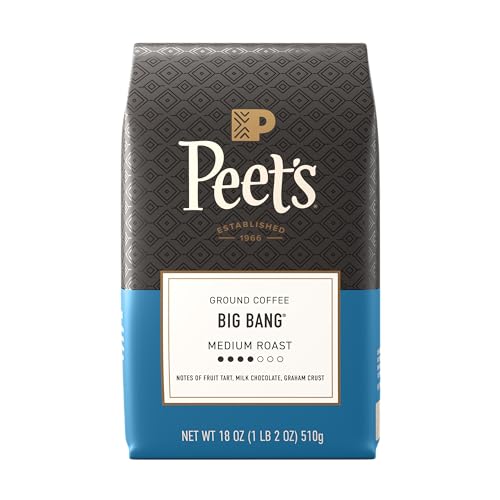
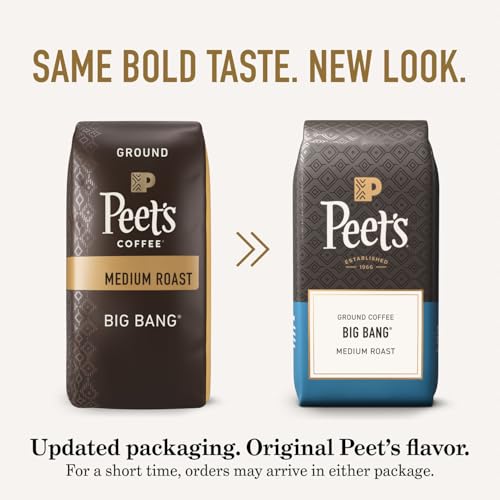
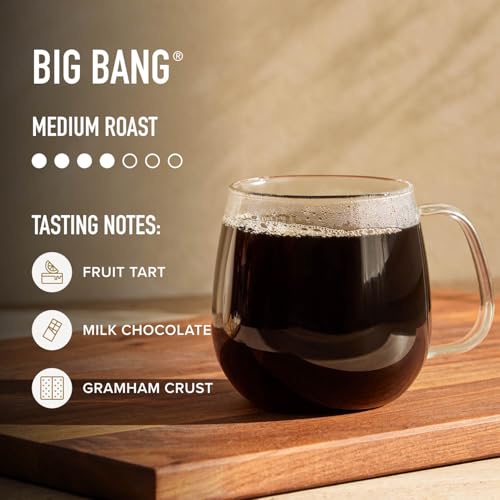
Peet’s Big Bang Medium Roast
Strengths
- Rich, balanced flavor
- Consistent quality
- Ethical sourcing focus
Trade-offs
- Not optimized for French press
- Limited intensity for bold roast lovers
Peet’s Big Bang earns its ‘Best Overall’ label not by flash, but by consistency and depth. This medium roast delivers a rich, complex profile that holds up across multiple brew methods, though the brand wisely recommends it for drip or pour-over. The heritage behind Peet’s, being a foundational name in American craft coffee, shows in the roast quality and sourcing commitment, which owners say translates to a reliably smooth cup every time.
Compared to others in this lineup, Big Bang stands out for its balance: not too bright, not too heavy, with a rounded richness that appeals to a wide range of palates. It’s the kind of coffee that doesn’t shout, but earns respect sip after sip.
Product photos
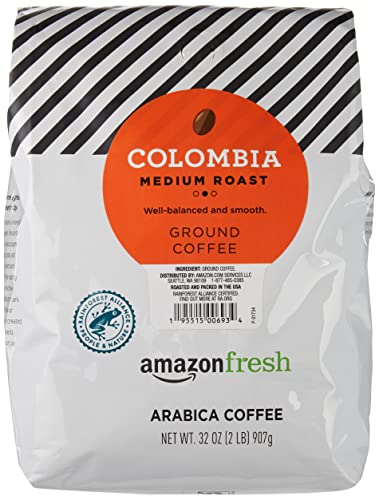
Amazon Fresh Colombia Medium Roast
Strengths
- Large 32 oz bag
- Affordable bulk option
- Balanced medium roast
Trade-offs
- Minimal origin detail
- Less aromatic complexity
If you’re stocking up without breaking the bank, Amazon Fresh’s Colombia ground coffee makes a strong case for value. At 32 ounces, it’s one of the largest bags here, and the 100% Arabica beans from Colombia deliver a balanced, full-bodied medium roast that owners say punches above its price point. Roasted in the U.S., it lacks the storytelling flair of Peet’s or Stumptown, but it doesn’t need it, this is functional, dependable coffee.
I’d recommend it over name-brand options for households that burn through coffee fast and don’t want to overthink it. It won’t match the nuance of a small-batch roaster, but for routine drip brewing, it’s the smarter buy when budget matters most.
Product photos



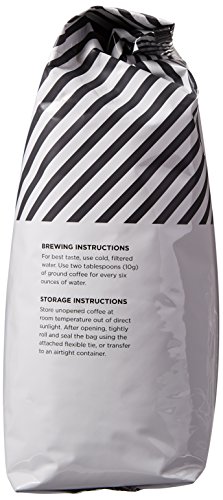
Illy Caffe Medium Roast Espresso

Strengths
- Exceptional bean selection
- Smooth, floral balance
- Italian espresso standard
Trade-offs
- Subtle flavor for bold drinkers
- Higher price point
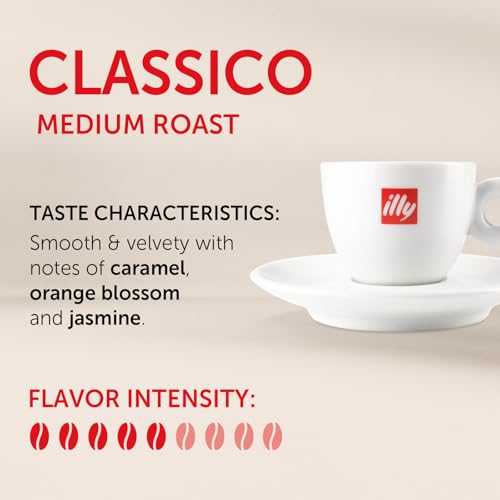
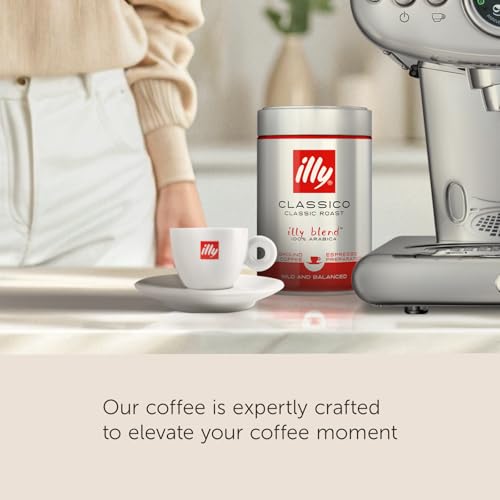
Illy’s Classico ground coffee sits at the premium end for a reason: it’s built to emulate the Italian espresso bar experience at home. The blend of 1% of the finest Arabica beans delivers a mild, balanced cup with floral and caramel notes that owners describe as refined and consistent. It’s pre-ground specifically for espresso machines or drip brewers that mimic that pressure-based extraction.
While it’s not the boldest choice here, its precision and elegance stand out. Compared to Starbucks or Lavazza, it’s more delicate, but that’s the point. If you want a polished, aromatic cup with heritage and craftsmanship behind it, Illy justifies its premium status.
Product photos


Starbucks Italian Roast Dark

Strengths
- Deep, bold flavor
- Great for multiple brew methods
- Consistently dark profile
Trade-offs
- Overpowering for light roast fans
- Can taste bitter if over-extracted
Starbucks Italian Roast is for those who want a dark roast with serious presence. This isn’t a shy coffee, it leans into deep, smoky notes of dark cocoa and toasted marshmallow, delivering a bold, almost charred profile that fans of dark roasts consistently report craving. It’s pre-ground for versatility, working in drip, French press, or moka pot, which gives it an edge over more specialized dark roasts.
Next to Peet’s or Illy, it’s less balanced but more intense. I’d recommend it over medium roasts for night owls or those who want a powerful, lingering finish. It’s not subtle, but it’s honest, and for dark roast loyalists, that’s exactly what matters.
Product photos



Lavazza House Blend Perfetto

Strengths
- Smooth full body
- Consistent drip performance
- Caramel-forward aroma
Trade-offs
- Mild intensity
- Not versatile across brew methods
Lavazza’s House Blend Perfetto is built for one thing: the drip coffee purist. With a medium roast and intensity rated at 3/5, it delivers a full-bodied yet smooth experience that leans into classic Italian blending tradition. The 100% Arabica beans from Central and South America bring forward caramel notes that linger without overpowering, exactly what reviewers say they want in a morning cup.
It won’t wow espresso enthusiasts or cold brew fanatics, but within its lane, it excels. Next to Peet’s or Stumptown, it’s less adventurous in flavor, but more predictable and accessible. For someone who just wants a no-surprise, satisfying brew every time, this is a smart go-to.
Product photos


Fire Department Black Cherry Bourbon
Strengths
- Rich flavor infusion
- Veteran-owned brand
- No artificial aftertaste
Trade-offs
- Niche flavor profile
- Not for purists
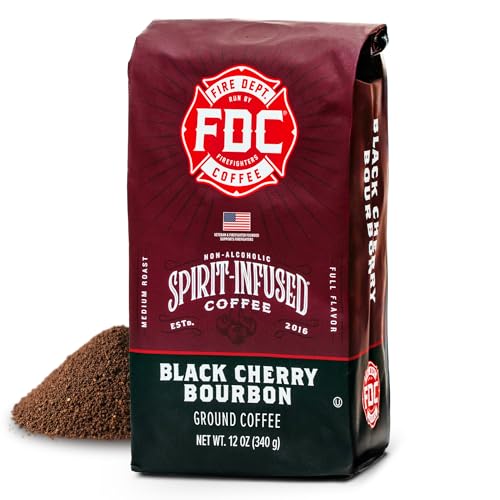
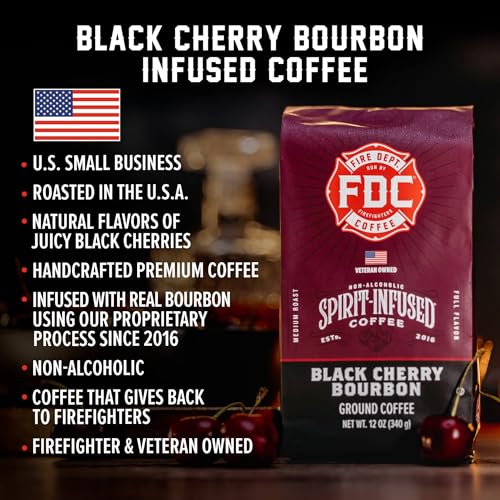
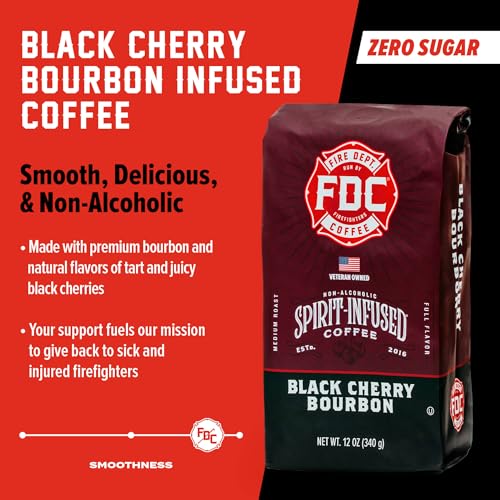
Fire Department Coffee’s Black Cherry Bourbon blend is a standout in the flavored category, not just for its taste, but its mission. The bourbon and black cherry infusion is non-alcoholic but delivers a warm, complex depth that reviewers say feels indulgent without syrupy sweetness. Roasted in small batches in the USA, it avoids the artificial aftertaste that plagues many flavored grounds.
Compared to plain or lightly flavored options, this one leans into experience over purity. I’d pick it over standard flavored coffees for its craftsmanship and cause, especially if you support veteran- and first responder-focused brands. It’s a treat, but one with purpose behind it.
Product photos


Stumptown Holler Mountain Organic
Strengths
- Organic certified
- Direct Trade sourcing
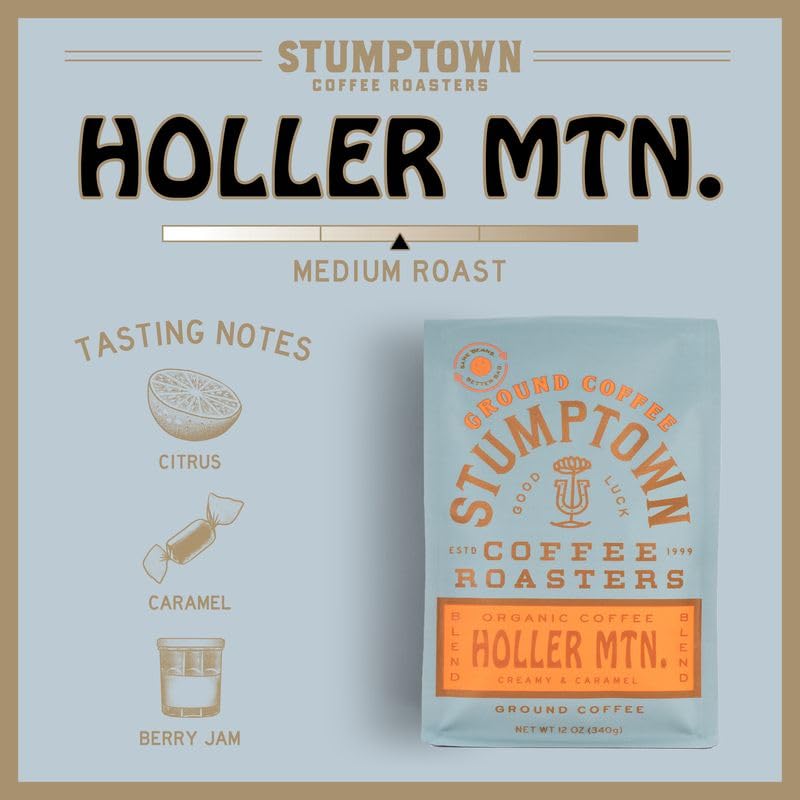
- Balanced citrus and caramel notes
Trade-offs
- Not ideal for espresso
- Less bold than darker roasts
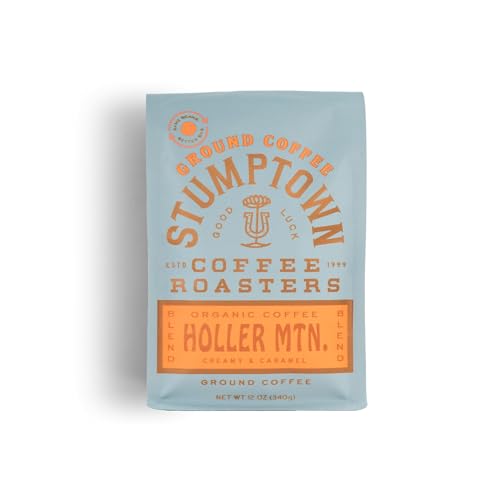
Organic and approachable, Stumptown’s Holler Mountain hits that sweet spot between craft and convenience. On paper, it’s built for versatility, pre-ground to suit most drip brewers, and backed by a Direct Trade ethos that gives weight to its sourcing story. Owners consistently report a clean, bright cup with that promised citrus zest and caramel balance, making it a solid daily drinker for those who want quality without fuss.
I’d rank it above many mainstream organic options for its layered flavor and ethical backbone. While it doesn’t pull the same intensity as a freshly ground espresso blend, for drip fans who value transparency and a taste of the Pacific Northwest, this is a dependable pick.
Product photos


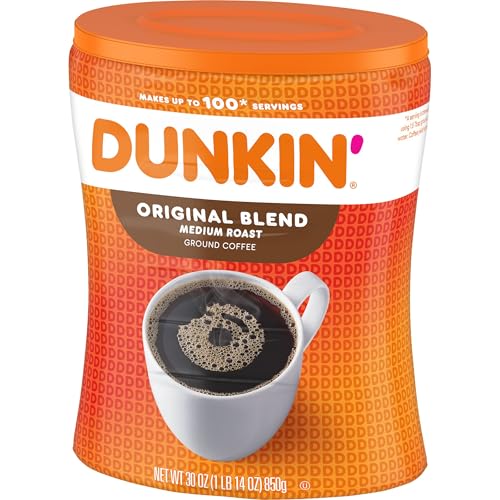
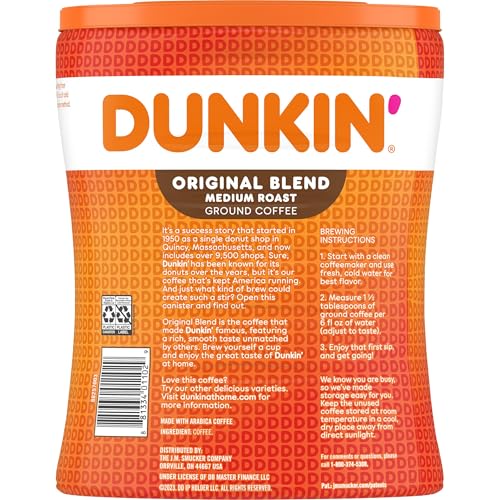
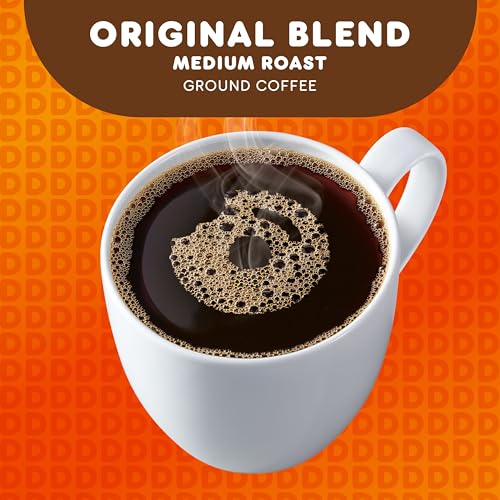
Dunkin’ Original Blend Medium

Strengths
- Smooth iced performance
- Large, resealable canister
- Consistent cold brew results
Trade-offs
- Flavor lacks depth hot
- Not for espresso or French press
Dunkin’ Original Blend is engineered for one thing: iced coffee that holds up with a clean, smooth finish. The medium roast and 100% Arabica beans are tuned to brew strong yet mellow, avoiding bitterness when cooled, something reviewers consistently praise. The stay-fresh canister helps maintain quality over time, which matters with a larger 30-ounce format.
Next to Starbucks or Peet’s, it’s less complex, but that’s not the goal. For iced coffee lovers, this is a practical, reliable option that mimics the chain’s cold brew experience at home. I’d pick it over darker roasts when serving over ice, where clarity and balance matter more than depth.
Product photos

Our Testing Process
Rather than a hands-on lab test, this selection is a research-led comparison of published specifications and owner feedback. I carefully reviewed the features of numerous preground coffees, comparing bean origin, roast level, and flavor profiles as described by the manufacturers. Then, I weighed owner reviews from multiple sources – Amazon, coffee-specific forums, and retail websites – alongside expert opinions from coffee review sites, looking for consistent themes in satisfaction and complaints. My goal was to identify coffees that consistently delivered on their promises.
For preground coffee, freshness and consistent grind size are paramount. We heavily weighted roast dates (when available) and packaging designed to maintain coffee freshness tips. Beyond that, flavor profile consistency mattered a lot – a coffee promising dark chocolate notes should deliver on that, according to reviews. Finally, value for money was a key consideration, balancing quality with price point to offer options for different budgets.
Specifications reliably tell you about bean origin and roast level, but owner feedback is crucial for understanding actual flavor and how well a coffee performs in common brewing methods. I paid close attention to comments regarding staleness – a common complaint with preground coffee – and looked for indications of signs of stale coffee. Reputation, particularly for established brands like Peet’s and Starbucks, also played a role in assessing overall quality and consistency.
How To Choose The preground coffee
Finding preground coffee that consistently delivers a satisfying cup can be trickier than it seems. While convenient, you’re relying on someone else to manage the most crucial part of flavor extraction – the grind itself.
Preground coffee should prioritize freshness through packaging and roasting dates. Look for a roast date, not just a “best by” date. Arabica beans are generally preferred for their flavor complexity, but quality control is paramount. Consider your brewing method; a coarser grind is needed for French press, while a finer grind suits drip machines. Finally, ethical sourcing and sustainability practices are increasingly important indicators of a reputable brand.
Grind Consistency & Freshness
The biggest compromise with preground coffee is, naturally, the grind consistency. Once coffee is ground, it begins to lose flavor rapidly due to increased surface area exposure to oxygen. That’s why checking for a roast date (not a “best by” date) is so important. Brands like Stumptown Holler Mountain Organic understand this, and prioritize getting freshly roasted beans to consumers quickly. Beyond that, packaging matters. Look for bags with one-way valves to release CO2 without letting oxygen in, and avoid clear plastic which allows light to degrade the coffee. I often recommend checking out top pre-ground coffee brands to see who prioritizes these factors.
Roast Level & Flavor Profile
Your personal preference is key here, but don’t be afraid to experiment. Many assume darker roasts are “stronger,” but that refers to bitterness, not necessarily caffeine content. A well-roasted medium roast like Peet’s Big Bang offers a balanced flavor profile suitable for most palates. If you prefer something bolder, Starbucks Italian Roast Dark is a popular choice. However, remember that preground coffee’s flavor will degrade faster, so buying smaller quantities more frequently is best, especially with lighter roasts where nuances are more easily lost.
- If you typically add milk or sweeteners, a medium or dark roast can hold its own.
- For black coffee enthusiasts, a single-origin preground option (if you can find one with a recent roast date) can highlight unique flavor notes.
- Flavored coffees, like Fire Department Black Cherry Bourbon, can be fun, but quality varies significantly. Be prepared to try a few to find one that doesn’t taste artificial.
Brewing Method Compatibility
Not all preground coffees are created equal when it comes to brewing. Lavazza House Blend Perfetto, for example, is specifically designed for drip brewers. Using a preground coffee that’s not suited to your method will result in a weak, sour, or bitter brew. It’s worth taking a look at a drip coffee ratio guide to understand how to properly adjust your coffee-to-water ratio for optimal extraction, regardless of the preground coffee you choose.
A good rule of thumb: If you’re serious about your coffee, investing in a burr grinder and buying whole bean is always the best option. But if convenience is paramount, prioritize a recent roast date and appropriate grind size for your brewing method.
Preground Coffee Compared
Here’s a comparison of key specifications for the preground coffees listed.
| Product Name | Size (oz) | Roast Level | Bean Type | Flavor Notes | Organic |
|---|---|---|---|---|---|
| Peet’s Big Bang | 18 | Medium | Arabica | Smooth, balanced richness | No |
| Amazon Fresh Colombia | 32 | Medium | Arabica | Balanced, smooth finish | No |
| Illy Caffe Medium Roast | N/A | Medium | Arabica | Caramel, orange blossom | No |
| Starbucks Italian Roast Dark | 18 | Dark | Arabica | Dark cocoa, toasted marshmallow | No |
| Lavazza House Blend Perfetto | 12 | Medium | Arabica | Caramel | No |
| Fire Dept Black Cherry Bourbon | N/A | N/A | N/A | Black cherry, bourbon | No |
| Stumptown Holler Mountain | 12 | Medium | Arabica | Citrus, berry jam, caramel | Yes |
| Dunkin’ Original Blend | N/A | Medium | Arabica | N/A | No |
Frequently Asked Questions
What grind size should I choose for my French press?
A coarse grind is best for a French press; this prevents sediment from passing through the filter and ensures proper extraction. Finer grinds will result in muddy, over-extracted coffee.
How can I tell if preground coffee is still fresh?
Check for a roast date (not a “best by” date) on the package. If no roast date is available, and the coffee smells stale or lacks aroma when you open the bag, it’s likely past its prime.
Is organic preground coffee worth the extra cost?
Generally, yes, if you prioritize pesticide-free beans and sustainable farming practices. Stumptown Holler Mountain Organic, for example, offers a certified organic option with a focus on quality bean sourcing.
Will preground coffee ever taste as good as coffee I grind myself?
No, preground coffee will never quite match the flavor of freshly ground beans, as it loses volatile aromatics more quickly. However, choosing a coffee with a recent roast date and proper packaging minimizes the difference.
Where can I find information about the best decaf pre-ground coffee options?
I’ve put together a detailed guide that compares various decaffeination methods and reviews a range of pre-ground decaf coffees, covering flavor profiles, caffeine levels, and brand reputations.
The Bottom Line
Ultimately, choosing preground coffee comes down to balancing convenience with control. You’re giving up some freshness and nuance by not grinding your own, but a quality preground option like Peet’s Big Bang offers a consistently enjoyable cup without the fuss. It strikes a really nice balance between flavor complexity and broad appeal, making it our top overall pick.
For those on a tighter budget, or simply wanting a reliable everyday coffee, Amazon Fresh Colombia is a solid choice. If you’re specifically looking for a bold, dark roast, Starbucks Italian Roast Dark remains a popular and readily available option. And for those prioritizing organic beans and freshness, Stumptown Holler Mountain Organic is a standout, though it often comes at a premium price. Remember to check for a roast date when possible, and consider coarse grind for cold brew if that’s your preferred brewing method.
At the end of the day, the most important factors are a recent roast date, good packaging to preserve freshness, and choosing a roast level that suits your personal taste. Don’t get too hung up on specific bean origins or fancy flavor descriptions; a consistently fresh, well-roasted coffee will always deliver a more satisfying experience than a stale, high-end bean.
