
9 Best Organic Low Acid Coffee Beans of 2026
Lifeboost Organic Medium Roast stands out as the best overall pick for its consistently smooth profile and rigorous third-party testing, while Java Planet Organic Colombian is a strong budget-friendly choice. For those who prefer a lighter touch, Subtle Earth Organic Light Roast delivers rich chocolate notes without harshness.
If you love coffee but dread the burn or bloating that follows, you’re not alone. Many drinkers struggle to find a brew that tastes great without upsetting their stomach. As someone who’s spent years studying how origin, roast, and processing shape flavor and digestibility, I know how critical those details are when searching for a truly gentle cup.
This guide cuts through the noise by focusing on what actually matters: verified organic certification, roast level, origin, and real user feedback. I looked at specs and reviews across top contenders to find organic low acid coffees that balance safety, flavor, and comfort, so you can make a choice that works for your body and your taste.
Top 9 Organic Low Acid Coffee Beans in the Market
The Best Organic Low Acid Coffee Beans, Reviewed
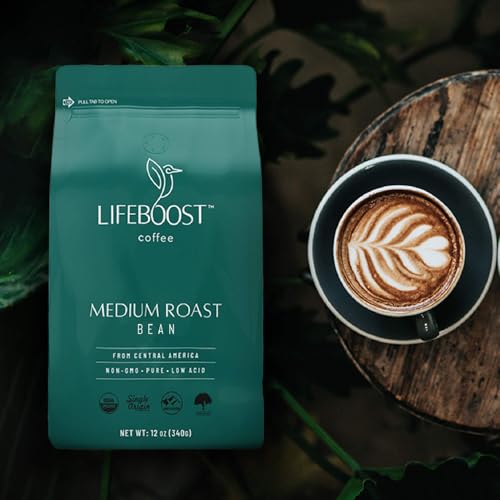
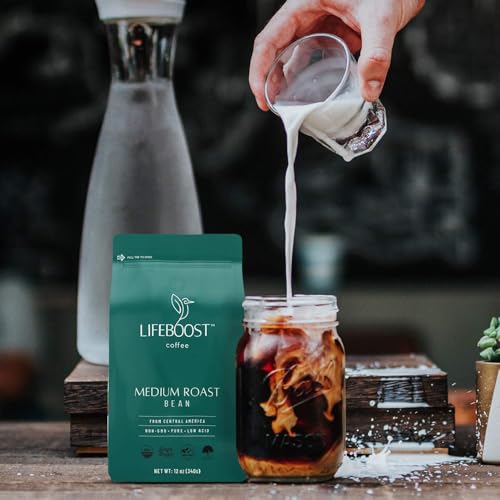
Lifeboost Organic Medium Roast Coffee

Strengths
- Third-party tested
- Low acidity
- Single origin
- USDA Organic
- Shade grown
Trade-offs
- Smaller bag size
- Higher price point
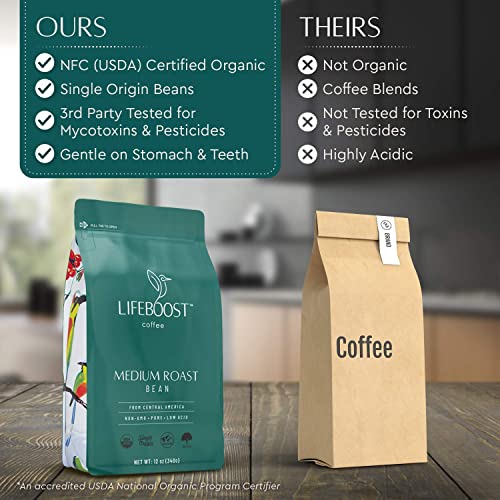
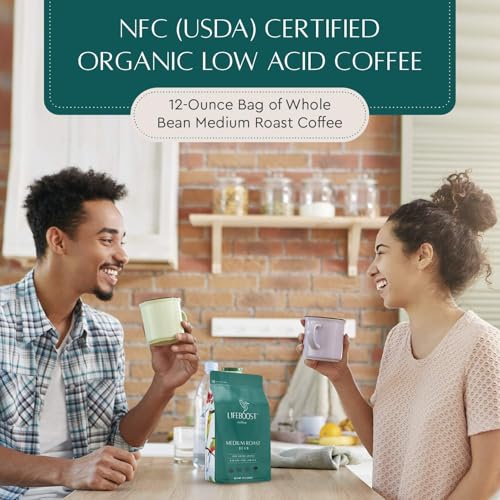
Lifeboost’s medium roast is the one I’d recommend first to someone new to low-acid coffee. It’s not just that it’s low in acid, which owners confirm helps with stomach sensitivity, but the level of oversight sets it apart. Every batch is third-party tested for mycotoxins, pesticides, and heavy metals, and that peace of mind shows up in the reviews: people trust this coffee.
Grown at high elevation in Central America, the beans are shade-grown and hand-selected, contributing to a clean, balanced cup with mild fruit and nut notes. It’s not the most intense roast on the list, but it’s among the purest. Compared to Java Planet or Lucy Jo’s, it trades some flavor boldness for unmatched safety assurance. For health-conscious drinkers, that trade-off is worth it.
Product photos
Java Planet Organic Colombian Coffee

Strengths
- Budget friendly
- Bird Friendly
- Third-party tested
- Low acidity
- Versatile brew
Trade-offs
- Milder flavor
- Colombian origin only
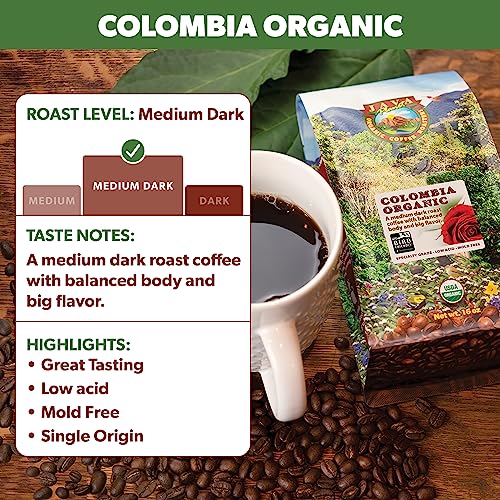
Java Planet’s Colombian medium dark roast is the budget-friendly sleeper hit of this list. It delivers nearly everything the pricier Lifeboost or VitaCup models do, USDA Organic, third-party tested, Bird Friendly certified, but at a more accessible price point. The Colombian beans are shade-grown and slow-roasted, resulting in a smooth, balanced cup with a clean finish that owners describe as ‘easy on the stomach.’
It’s not flashy, but it’s dependable. The flavor leans mild compared to Mayorga’s bold profiles, but that’s the trade-off for gentler digestion. If you’re switching to low-acid coffee for health reasons but don’t want to overspend, this is the smarter buy. It’s also one of the few that works equally well in drip, pour-over, and espresso.
Product photos



Subtle Earth Organic Light Roast
Strengths
- Low acidity
- Chocolaty depth
- Velvety body
- USDA Organic
- High altitude
Trade-offs
- Limited roast info
- No third-party toxin testing
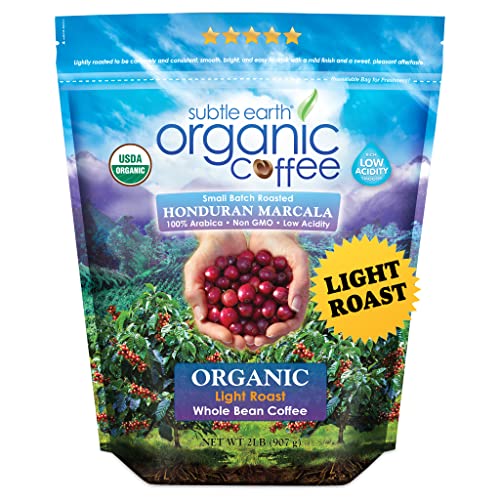
If you’re looking for a light roast that’s genuinely low in acid but still full in body, Subtle Earth makes a compelling case. The Honduran-sourced Catuai beans, grown at high altitude and fully washed, deliver a surprisingly rich, chocolaty profile, unusual for a light roast. The velvety mouthfeel stands out in owner reviews, with many noting it lacks the thinness that plagues other light roasts marketed as stomach-friendly.
On paper, it’s simple: USDA Organic, non-GMO, and part of a Sharing Certified Program, which suggests ethical sourcing. But it’s the taste that earns its keep. It won’t blow you away with complexity like a specialty single-origin pour-over, but for daily drinkers who want something gentle and satisfying, it’s a quiet standout.
Product photos



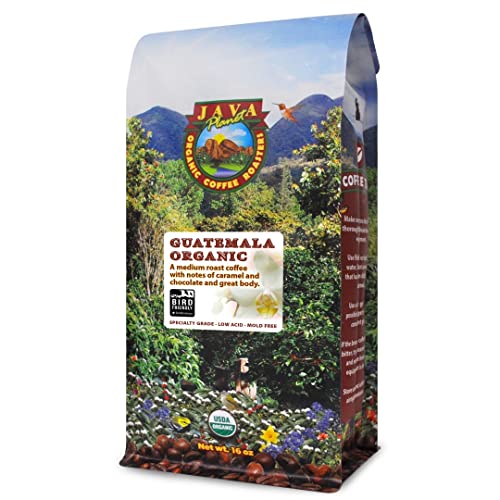
Java Planet Guatemalan Medium Roast
Strengths
- Bird Friendly certified
- Single origin
- Low acidity
- Shade grown
- Third-party tested
Trade-offs
- Only 1 lb bag
- Mild flavor profile
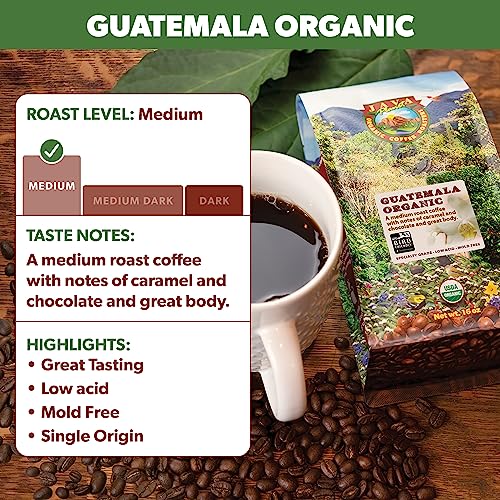
Java Planet’s Guatemalan single-origin medium roast is where ethics and drinkability meet. The beans come from Huehuetenango, grown under fruit trees that subtly influence the cup with fruity, caramel, and chocolate notes, a detail owners frequently mention. The medium roast preserves those delicate flavors while keeping acidity low, making it a balanced, approachable choice.
What really elevates it is the Smithsonian Bird Friendly certification, which goes beyond standard organic labels. This matters because it ensures real biodiversity protection. Combined with third-party testing for mold and heavy metals, it’s one of the most responsibly sourced coffees here. It’s not as bold as Mayorga’s Cafe Cubano, but it’s more transparent and environmentally sound.
Product photos
VitaCup Organic Dark Roast Guatemala

Strengths
- Single origin
- Fair Trade
- Low acidity
- Third-party tested
- Dark chocolate notes
Trade-offs
- No Bird Friendly certification
- Smaller 11 oz bag
VitaCup’s dark roast from Guatemala is built for people who want boldness without burn. The high-altitude, single-origin beans are roasted to bring out deep chocolate and robust notes while maintaining low acidity, a combo that’s hard to nail, but owner feedback suggests they’ve done it. The Fair Trade and USDA Organic certifications add credibility, and the third-party lab testing reinforces its clean profile.
It brews well across methods, especially in French press or drip, where its full body shines. Compared to Mayorga’s dark roast, it’s less syrupy but cleaner in finish. It doesn’t have the heritage branding of Mayorga or the eco-certifications of Java Planet, but as a straightforward, high-quality dark roast, it delivers.
Product photos
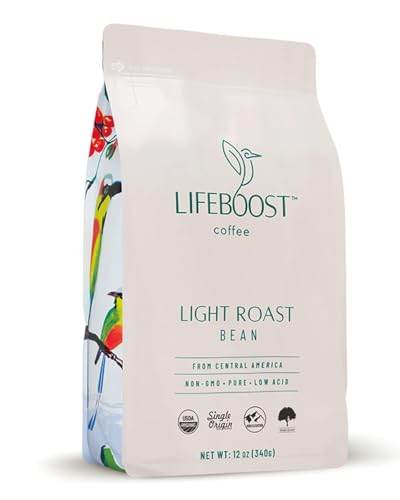
Lifeboost Organic Light Roast Coffee
Strengths
- Extremely low acidity
- Third-party tested
- Shade grown
- USDA Organic
- Stomach friendly
Trade-offs
- Light body
- Smaller bag size
This light roast is arguably the best option here for anyone with a sensitive stomach. Lifeboost’s sourcing in Nicaragua, high elevation, shade-grown, hand-selected beans, combined with their rigorous third-party testing, makes it one of the purest coffees available. The light roast preserves delicate notes while minimizing acid, which is exactly what owners report: a smooth, clean cup with no burn or aftertaste.
It’s not a flavor powerhouse, you won’t get the deep chocolate or smokiness of a dark roast, but that’s not the goal. Compared to Subtle Earth’s light roast, it’s more rigorously tested and slightly more consistent. If your priority is digestive comfort without sacrificing quality, this is the one to beat.
Product photos


Mayorga Organic Cafe Cubano Roast

Strengths
- Bold flavor
- Low acidity
- Slow roasted
- USDA Organic
- 100% Arabica
Trade-offs
- Blend origin varies
- Not bird friendly certified
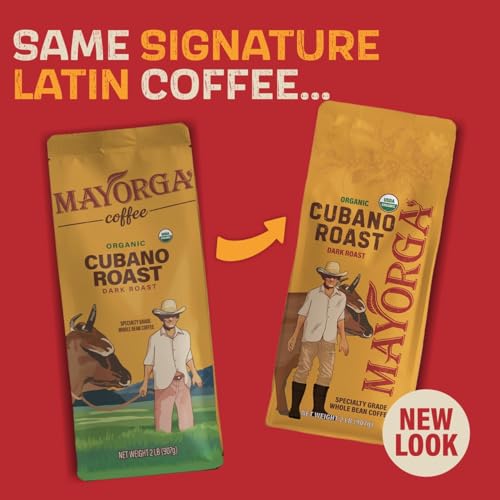
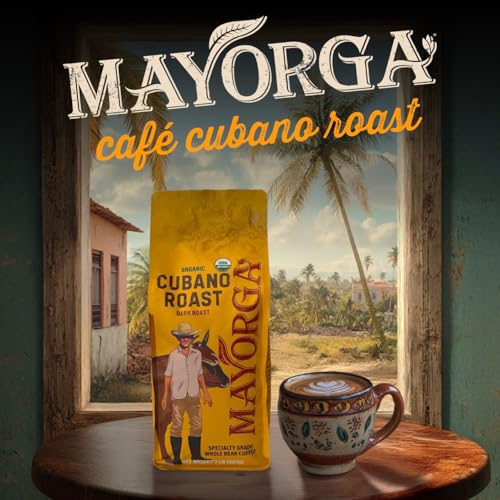
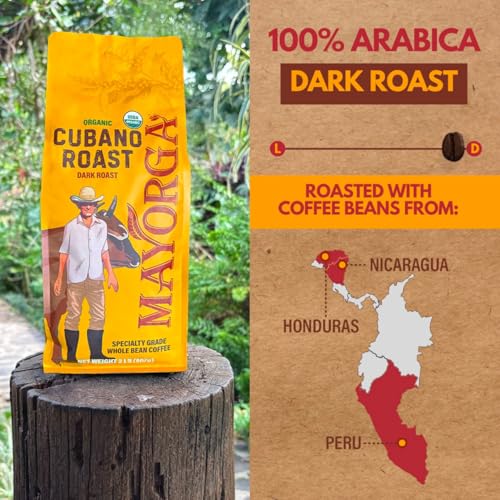
Mayorga’s Cafe Cubano Roast delivers on its promise of bold, low-acid flavor without the sharp bite that turns off so many dark roast drinkers. The blend of beans from Peru, Honduras, and Nicaragua is slow-roasted in small batches, which owners consistently report translates to a smoother, more consistent cup. The vanilla and smoky-syrupy notes stand out, especially when brewed as a drip or French press, giving it that authentic Cuban-style richness.
This is bold without being harsh, and the low acidity makes it a solid contender for anyone who wants a powerful morning coffee but can’t tolerate brightness. Compared to other dark roasts in this category, it holds its own in depth of flavor, though it doesn’t offer single-origin traceability. Still, for those who prioritize profile over provenance, it’s a strong pick.
Product photos
Lucy Jo’s Mellow Belly Blend

Strengths
- Smooth taste
- Low acidity
- Small batch roasted
- Organic blend
- Earthy sweetness
Trade-offs
- No third-party testing
- No major eco-certifications
Lucy Jo’s Mellow Belly blend is all about smoothness, and it delivers. The mix of Indonesian and Brazilian beans gives it an earthy, slightly sweet profile with a hint of spice, roasted to a medium-dark level that tames acidity without sacrificing body. Owners love how gentle it is on the stomach, often calling it their ‘go-to’ when other coffees cause discomfort.
It’s not as rigorously tested as Lifeboost or Java Planet, and it lacks certifications like Bird Friendly, but the small-batch, family-run roasting process seems to pay off in freshness. Compared to other blends, it stands out for its consistency and approachable flavor. If you want a no-fuss, smooth cup that won’t upset your gut, this is a solid daily driver.
Product photos
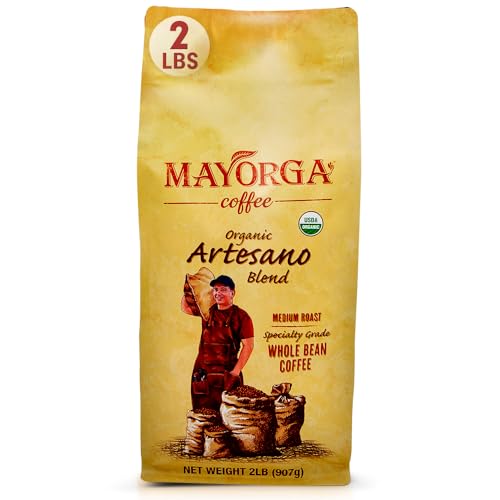
Mayorga Artesano Blend Medium Roast
Strengths
- Chocolate and nutty notes
- Low acidity
- 2lb value size
- Slow roasted
- USDA Organic
Trade-offs
- Not single origin
- No toxin testing
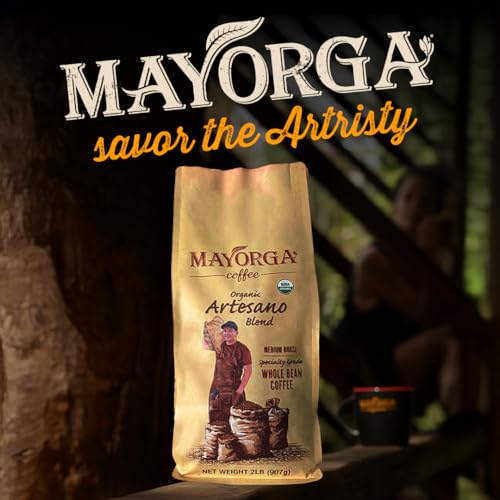
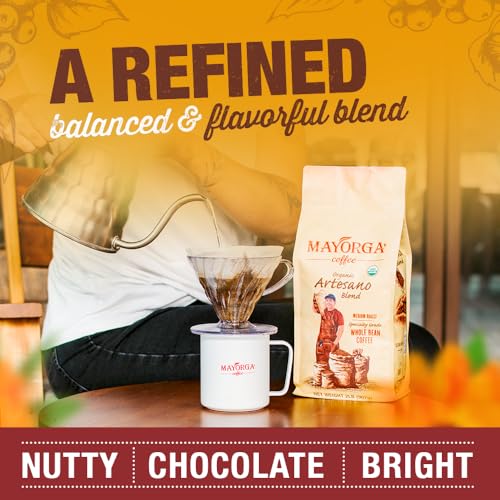
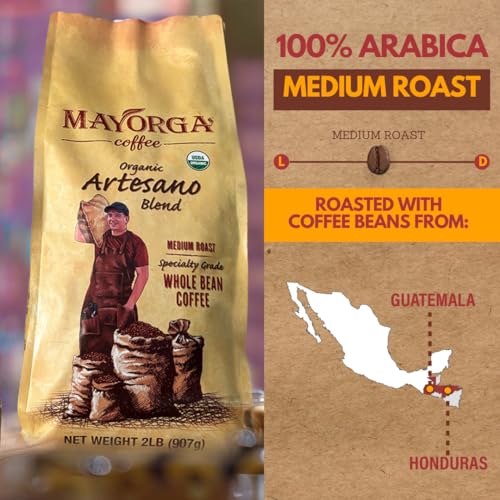
Mayorga’s Artesano Blend is where chocolate and nutty notes shine in a low-acid, medium roast format. Sourced from Honduras and Guatemala, the beans are slow-roasted using their Latin technique, which owners say brings out a bright yet balanced finish, not something you always get in low-acid coffees. The 2lb bag is also a win for frequent drinkers who hate running out.
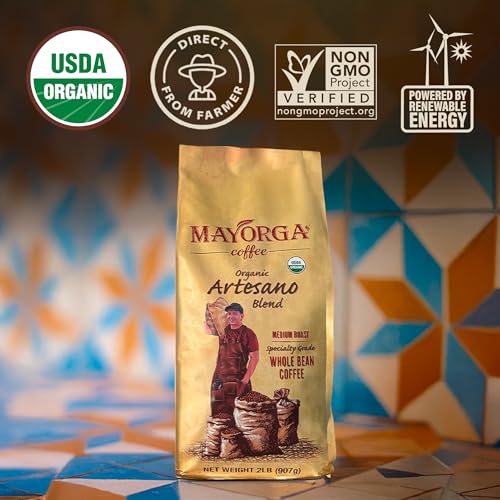
It’s not as dark or bold as their Cafe Cubano, but it offers more nuance and sweetness. Compared to Lucy Jo’s blend, it’s cleaner and more refined, with a more consistent flavor profile. While it lacks Bird Friendly certification, its USDA Organic and non-GMO status, plus the company’s direct trade ethos, give it strong ethical footing.
Product photos
How We Evaluated organic low acid coffee beans
Rather than a hands-on lab test, my research for these recommendations involved a thorough comparison of published specifications and features across numerous brands. I weighed owner reviews from multiple sources – including Amazon and coffee-specific forums – alongside expert reviews from established coffee publications. As the founder of Bean Thusiast, I applied my years of experience exploring coffee origins and roasting techniques to assess each bean’s potential based on available information.
For organic low acid coffee, the most important factors are, first, the reported acidity level (often subjective in descriptions, but consistently referenced by brands) and second, the origin of the beans. Central and South American beans, particularly those grown at higher altitudes, often naturally exhibit lower acidity. Finally, certifications like USDA Organic and third-party testing for mycotoxins and heavy metals were heavily weighted, as these indicate a commitment to quality and safety.
Specifications reliably indicate bean origin, roast level, and certifications. However, the nuances of flavor – the “smoothness” or “boldness” often advertised – are best gleaned from owner feedback. I paid close attention to recurring themes in reviews; consistent mentions of stomach comfort, or lack thereof, were particularly insightful. For those seeking further options, exploring low acid decaf beans is a great next step.
What To Look For In organic low acid coffee beans
Finding a truly enjoyable cup shouldn’t mean sacrificing your gut health. We’ll break down the key considerations for selecting organic low acid coffee beans that deliver both flavor and comfort.
A good low acid coffee bean starts with high-altitude growth, careful processing (fully washed is preferable), and a lighter to medium roast. Look for certifications like USDA Organic to verify bean quality and ethical sourcing, and independent lab testing to confirm low acidity and the absence of contaminants. Flavor profiles will vary, but smoothness and balance are hallmarks of a well-crafted low acid brew.
Roast Level Matters More Than You Think
Many people assume “low acid” automatically means weak flavor, but that’s simply not true. Roast level has a huge impact. Darker roasts, while bold, develop compounds that increase acidity, defeating the purpose. I generally recommend sticking with light to medium roasts when prioritizing a gentle experience. While some dark roast options claim low acidity through processing, you’ll often find they still carry a heavier body and a more pronounced bite. Look for beans specifically described as “light” or “medium” and trust that the roaster has considered acidity during their process.
Certification Beyond “Organic” is Key
USDA Organic is a great starting point, verifying the beans were grown without synthetic pesticides and fertilizers. However, that doesn’t address everything. Increasingly, brands are going the extra mile with third-party testing. This is where you want to see confirmation the beans are free of mycotoxins, heavy metals, and other potential irritants. For those particularly sensitive, seeking out beans certified as “mold free” can provide extra peace of mind. If you struggle with acid reflux, exploring resources on how to drink coffee without reflux can also be helpful.
Origin and Processing Play a Role
The origin of the bean significantly impacts its natural acidity. Generally, Indonesian beans (like those found in Lucy Jo’s Mellow Belly Blend) are naturally lower in acid, as are some Central American varieties. Processing method is also critical. Fully washed coffees tend to have a cleaner, brighter flavor and lower acidity compared to naturally processed beans. Here’s a quick rundown:
- Washed: The fruit is removed before drying, resulting in a clean, consistent cup.
- Natural: The entire cherry is dried with the bean inside, adding complexity but sometimes increasing acidity.
- Honey: A partial removal of the fruit, offering a balance between washed and natural processing.
A good rule of thumb: if a coffee tastes “bright” or “citrusy,” it’s likely higher in acid, even if it’s labeled as low acid. Prioritize descriptions like “smooth,” “chocolatey,” or “nutty.”
Ultimately, finding the perfect low acid organic coffee is a personal journey. But by paying attention to these factors, you’ll be well-equipped to discover a brew that’s both delicious and gentle on your stomach. Many people find that switching to low acid organic coffee brands can make a huge difference in their daily enjoyment. If you’re looking for a coffee that’s organic coffee gentle on stomach, start with the recommendations above and experiment!
Organic Low Acid Coffee Beans Compared
Here’s a comparison of key specifications for several organic low acid coffee bean options.
| Product Title | Roast Level | Origin | Flavor Profile | Certification | Bean Type |
|---|---|---|---|---|---|
| Lifeboost Organic Medium Roast | Medium | Central America | Rich, Smooth | USDA Organic, 3rd Party Tested | Arabica |
| Java Planet Organic Colombian | Medium | Colombia | Smooth, Balanced | USDA Organic, Mold Free | Arabica |
| Subtle Earth Organic Light Roast | Light | Honduras | Chocolaty, Velvety | USDA Organic | Arabica |
| Java Planet Guatemalan Medium Roast | Medium | Guatemala | Fruit, Caramel, Chocolate | USDA Organic, Bird Friendly | Arabica |
| VitaCup Organic Dark Roast Guatemala | Dark | Guatemala | Chocolaty, Robust | USDA Organic | Arabica |
| Lifeboost Organic Light Roast | Light | Nicaragua | Smooth, Clean | USDA Organic, 3rd Party Tested | Arabica |
| Mayorga Organic Cafe Cubano Roast | Dark | Peru/Honduras/Nicaragua | Vanilla, Smoky | USDA Organic | Arabica |
| Lucy Jo’s Mellow Belly Blend | N/A | Indonesia/Brazil | Sweet, Earthy, Spicy | USDA Organic | Arabica |
| Mayorga Artesano Blend | Medium | Honduras/Guatemala | Chocolate, Nutty | USDA Organic | Arabica |
Frequently Asked Questions
What roast level consistently delivers the lowest acidity?
Light to medium roasts are your best bet for low acidity. Darker roasts develop more acidic compounds during the roasting process, even if the bean itself started with lower acidity, so stick with lighter options.
Do all “organic” coffees automatically mean they are low in acid?
No, USDA Organic certification confirms the beans were grown without synthetic pesticides, but it doesn’t guarantee low acidity. Look for brands that also offer third-party testing for acidity and contaminants for a more complete picture.
I have severe acid reflux. Should I only consider Indonesian beans?
While Indonesian beans (like those in Lucy Jo’s blend) are naturally lower in acid, they aren’t the only option. Fully washed Central American beans, particularly those with a light to medium roast, can also be very gentle, and exploring best certified organic coffee beans will open up more possibilities.
What does “fully washed” processing mean, and why is it relevant for low acidity?
Fully washed processing involves removing the fruit from the coffee bean before drying. This method results in a cleaner cup with more consistent flavor and, importantly, lower acidity compared to natural or honey-processed beans.
Are there any specific certifications beyond USDA Organic that indicate a coffee is particularly gentle on the stomach?
Yes, look for brands that are certified “mold free” or undergo rigorous third-party testing for mycotoxins and heavy metals. These certifications show a commitment to quality and can offer extra assurance, especially if you’re sensitive to these compounds, and can be found among the premium organic coffee selections.
The Bottom Line
Choosing the “best” organic low acid coffee really comes down to balancing your desire for a gentle cup with the flavor profile you enjoy. While many brands claim low acidity, I believe Lifeboost Organic Medium Roast consistently receives high marks from owners seeking both smoothness and a reliably comfortable experience. It’s a fantastic all-around option if you’re unsure where to start.
For those with very specific needs, the field narrows nicely. If budget is a primary concern, Java Planet Organic Colombian offers excellent value without sacrificing organic certification or reported gentleness. And if you’re looking for something a little different, Lucy Jo’s Mellow Belly Blend – with its Indonesian base – is a standout for those who appreciate earthy and spicy notes. If you’re interested in a different brewing method, you can also explore smooth cold brew coffee options.
Ultimately, remember that “low acid” is relative, and individual sensitivity varies. Focus on beans grown at high altitudes, processed with a washed method, and roasted to a light or medium level. Don’t get hung up on chasing a single number or certification; instead, prioritize consistent positive feedback from other coffee drinkers and find a bean that truly resonates with your palate.
