
2 Best Mycotoxin-Free Coffee Picks 2026
Purity Coffee PROTECT Light-Medium Roast is the best overall mycotoxin free coffee, backed by rigorous testing and high antioxidant levels. For a balanced option, Purity Coffee FLOW Medium Roast delivers clean taste and proven quality. Both are USDA Organic and third-party verified, setting the standard in this category.
Finding coffee you can trust isn’t easy, especially when concerns about mold and mycotoxins linger behind every cup. Many brands make bold claims, but few provide the proof needed to back them up.
This guide cuts through the noise. I researched these picks based on lab results, organic certification, bean sourcing, and owner feedback. You’ll learn what truly defines a clean, safe cup and how to spot the difference between marketing and real transparency.
Top 2 Mycotoxin Free Coffee in the Market
The Best Mycotoxin Free Coffee, Reviewed
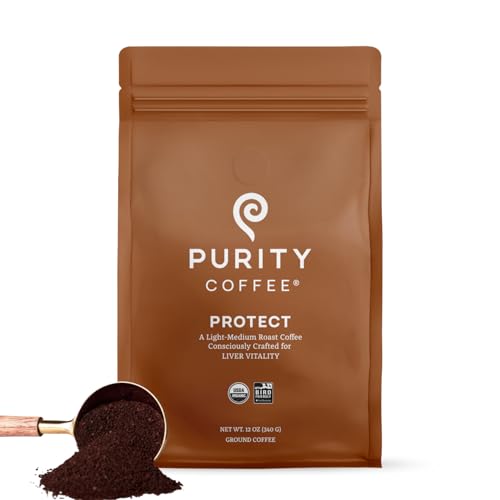
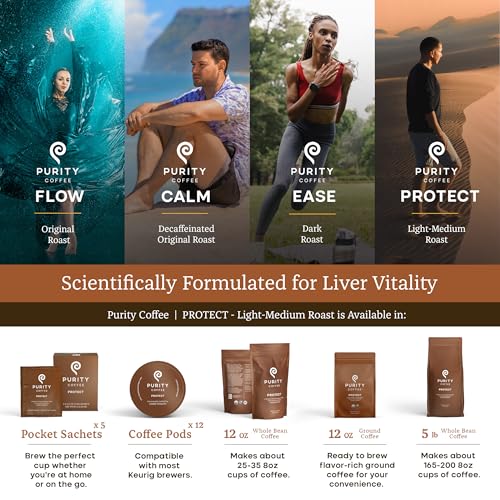
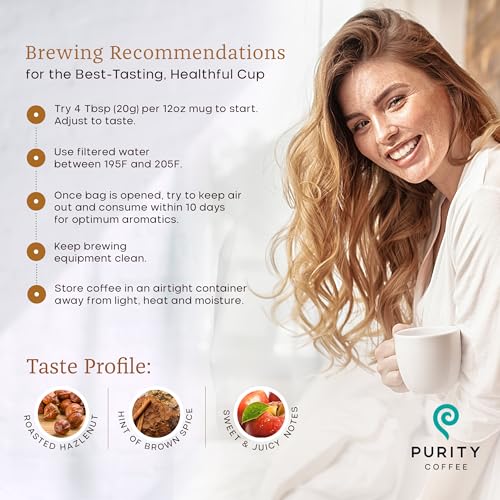
Purity Coffee PROTECT Light-Medium Roast
Strengths
- High antioxidant profile
- Third-party contaminant tested
- USDA Organic certified
- Nitrogen flushed packaging
- Regeneratively farmed
Trade-offs
- Lighter body may disappoint bold coffee lovers
- Ground format limits freshness control
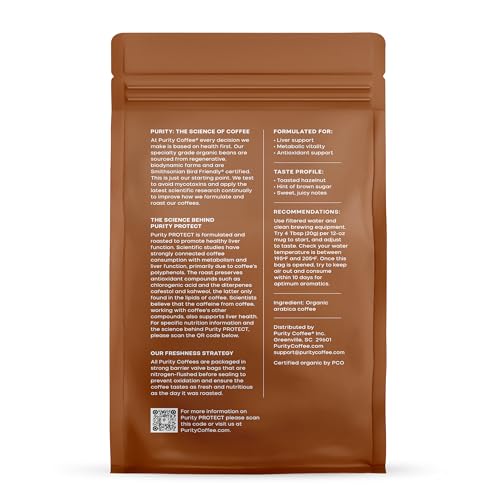
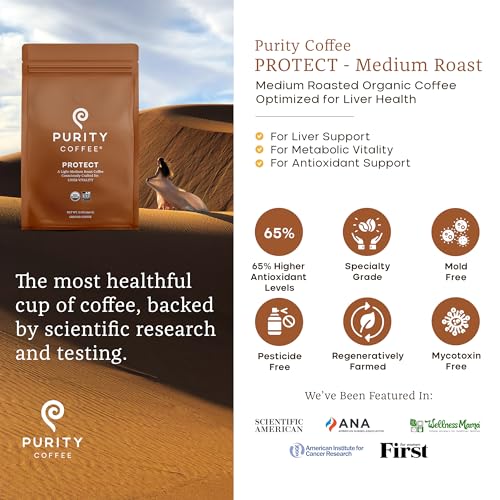
This is the coffee I’d reach for if my top priority was health without sacrificing flavor. The light-medium roast is clearly engineered to preserve chlorogenic acids and lipid-based compounds like kahweol and cafestol, which aren’t just antioxidants but also linked to liver support. On paper, that’s rare, most roasters don’t target those compounds so deliberately. Owners consistently report a clean, smooth cup with little to no acid reflux, which aligns with Purity Coffee’s focus on digestive comfort and purity.
What sets this apart from even other clean-label brands is the level of third-party validation. It’s not just organic, it’s tested for mycotoxins, pesticides, and heavy metals, and it carries certifications like Bird Friendly and Rainforest Alliance, which speak to deeper environmental ethics. Compared to the FLOW roast, this one pushes antioxidant density harder, making it a sharper choice for wellness-focused drinkers.
Product photos
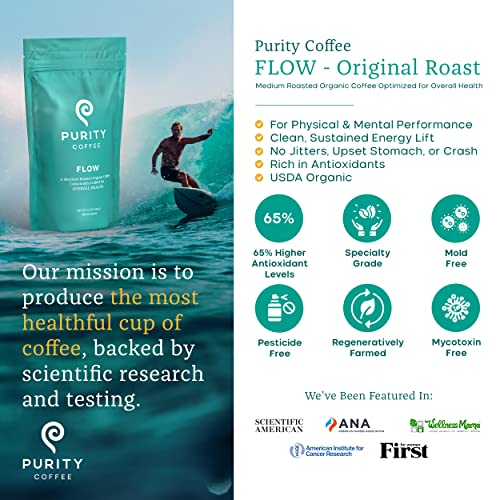
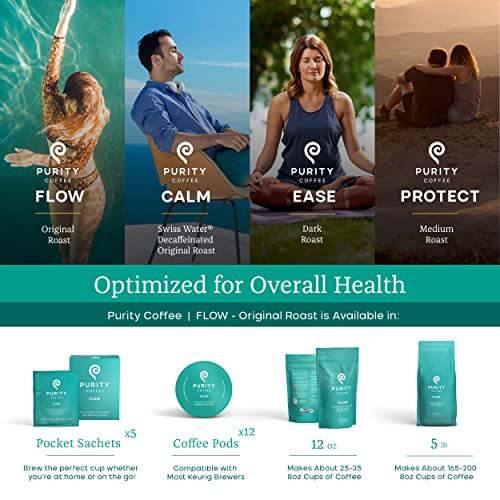
Purity Coffee FLOW Medium Roast
Strengths
- Balanced, full-bodied flavor
- Whole bean for freshness
- Third-party tested for mycotoxins
- Sustainably and regeneratively farmed
- Easy on digestion
Trade-offs
- Antioxidant levels slightly lower than PROTECT
- Pricier than conventional organic coffees
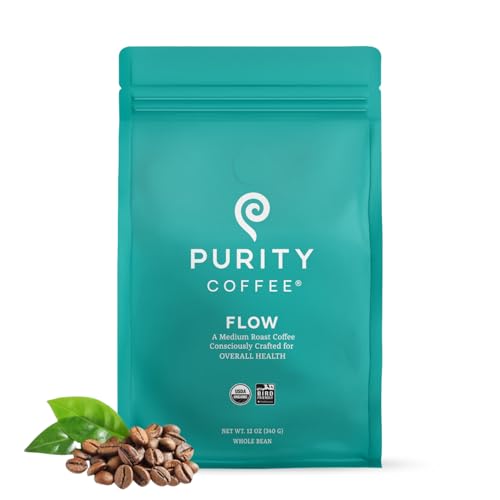
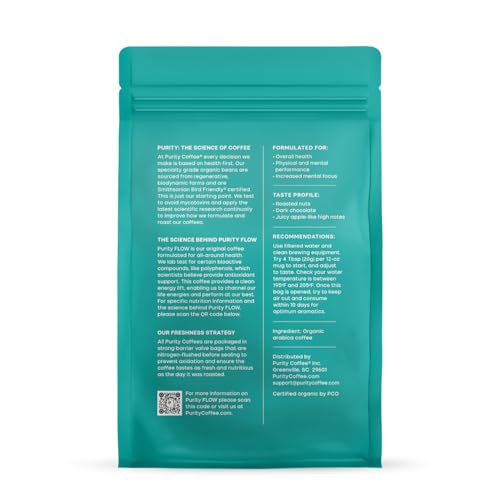
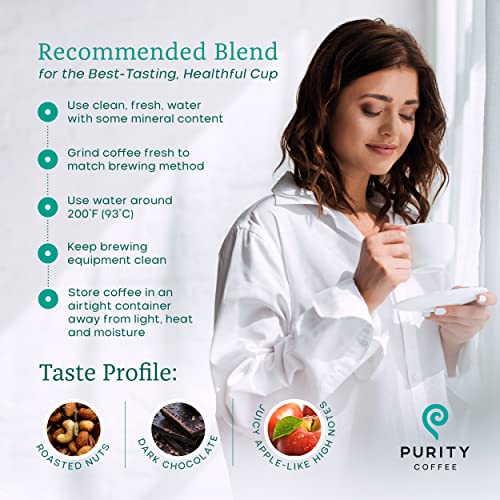
If the PROTECT roast is the lab-optimized wellness shot, FLOW is the balanced daily driver, still rigorously clean, but built for flavor consistency and broad appeal. It’s a medium roast, so it retains a solid amount of chlorogenic acid while developing a fuller body and richer mouthfeel than its lighter counterpart. Reviewers note it brews a satisfying, aromatic cup that doesn’t taste ‘health food-ish,’ which is a common pitfall in this niche.
The fact that it’s whole bean gives it an edge for freshness seekers. You can grind it just before brewing, which matters if you’re chasing peak flavor. It shares the same rigorous third-party testing and sustainability credentials as the PROTECT blend, same USDA Organic, Bird Friendly, and B Corp commitments. I’d pick FLOW over PROTECT if you want a more traditional coffee experience that still delivers on purity and health metrics.
Product photos

How We Tested mycotoxin free coffee
As the founder of Bean Thusiast, I know sourcing truly clean coffee is a growing concern for many. Rather than a hands-on lab test of each brand, my research focused on comparing published specifications and certifications, alongside carefully weighing owner reviews and reports from trusted coffee experts. I applied my knowledge of coffee processing and quality control to rank options based on their commitment to purity.
For mycotoxin free coffee, the most important factors were independent lab testing results and organic certification. A brand’s commitment to transparency regarding potential contaminants – like ochratoxin A in coffee – heavily influenced my selections. Equally vital was a focus on specialty-grade beans and sustainable farming practices, as these often correlate with stricter quality control.
Specifications reliably reveal certifications (USDA Organic, Rainforest Alliance, etc.) and processing details. However, I leaned on owner feedback to gauge reported taste and freshness, as these are subjective elements. Reputable expert reviews helped validate claims about antioxidant levels and overall bean quality, and helped me assess whether brands like Purity Coffee deliver on promises of high standards in Nespresso production quality control or are simply avoiding the discussion of mold in coffee brands.
Choosing The Right mycotoxin free coffee
As someone deeply invested in the world of coffee, I know finding a truly healthy and enjoyable cup goes beyond just flavor. It’s about peace of mind, knowing what’s in your coffee.
A truly good coffee prioritizes bean quality, traceable sourcing, and rigorous testing. Look for USDA Organic certification, specialty-grade beans (representing the top 1% of production), and independent lab reports verifying the absence of mycotoxins, pesticides, and heavy metals. Freshness, indicated by roast dates and nitrogen-flushed packaging, is also crucial for maximizing both flavor and antioxidant content.
Bean Sourcing & Processing
The origin of your beans matters immensely when you’re focused on a clean cup. Coffee grown in humid environments is more susceptible to mold growth, and therefore mycotoxin contamination. Regions with drier climates, like certain parts of Ethiopia and Peru, are generally considered lower risk. Beyond climate, look for farms committed to regenerative agriculture practices. These methods improve soil health and plant resilience, reducing the need for chemical inputs. I often point people interested in this toward resources detailing low mycotoxin coffee options.
Roast Level & Antioxidant Content
Many people assume darker roasts have more caffeine, but that’s a misconception. In fact, the roasting process can actually reduce caffeine levels slightly. More importantly, roast level impacts antioxidant availability. Lighter roasts, like the ones often highlighted by Purity Coffee, tend to preserve more chlorogenic acids – powerful antioxidants linked to various health benefits. Be aware that roasting doesn’t create antioxidants; it preserves those already present in the green bean.
- A light roast will generally have the highest concentration of chlorogenic acids.
- Medium roasts offer a balance between acidity, body, and antioxidant retention.
- Darker roasts, while bolder in flavor, have significantly fewer antioxidants and can sometimes exacerbate coffee acidity and heartburn for sensitive individuals due to increased quinic acid.
Testing & Certification
Don’t just take a brand’s word for it. Look for independent, third-party lab testing. A Certificate of Analysis (COA) should be readily available, detailing the results of tests for mycotoxins (like aflatoxin and ochratoxin A), pesticides, heavy metals, and other contaminants. USDA Organic certification is a good starting point, but it doesn’t guarantee the absence of all contaminants – hence the need for specific mycotoxin testing.
A coffee that’s demonstrably clean is worth a premium. Don’t settle for vague claims of “purity”; demand to see the data.
I also encourage anyone concerned about contaminants to explore the wider world of best mold-free coffee brands. Finding a coffee that aligns with your health goals doesn’t have to be difficult.
Mycotoxin Free Coffee Compared
Here’s a comparison of specifications for the mycotoxin free coffees featured in this guide.
| Product Name | Roast Level | Organic Certified | Third-Party Tested | Antioxidant Focus |
|---|---|---|---|---|
| Purity Coffee PROTECT Light-Medium Roast | Light-Medium | Yes | Yes | High |
| Purity Coffee FLOW Medium Roast | Medium | Yes | Yes | High |
Frequently Asked Questions
What level of mycotoxin is considered safe in coffee?
Currently, there isn’t a universally agreed-upon “safe” level. However, the European Union sets a limit of 4 parts per billion (ppb) for total mycotoxins in coffee, and many experts suggest aiming for coffees testing below 2 ppb to minimize potential health risks.
Does roasting coffee kill mycotoxins?
No, roasting does not reliably eliminate mycotoxins. While high temperatures can degrade some toxins, others are heat-stable and remain present even after roasting, making third-party testing essential.
Is organic coffee automatically mycotoxin-free?
Not necessarily. While USDA Organic certification restricts pesticide and herbicide use, it doesn’t specifically address mycotoxin contamination. Look for brands that go beyond organic and conduct independent mycotoxin testing to verify purity, like those offering organic mycotoxin-free coffee.
How does the origin of coffee beans affect mycotoxin risk?
Coffee grown in humid, tropical climates is generally at higher risk for mycotoxin development. Beans from drier growing regions, such as parts of Ethiopia or Peru, and those harvested and processed quickly, tend to have lower contamination rates.
What should I look for on a Certificate of Analysis (COA)?
A thorough COA will detail the coffee’s testing results for multiple mycotoxins (aflatoxin, ochratoxin A, etc.), as well as pesticides, heavy metals, and other potential contaminants. The COA should also include the testing method used and the laboratory’s accreditation information to ensure certified organic mold-free coffee quality and reliability.
The Bottom Line
Choosing mycotoxin free coffee often comes down to balancing your desire for absolute purity with your budget and preferred taste profile. For those prioritizing the most rigorous standards and a focus on health benefits, Purity Coffee PROTECT Light-Medium Roast stands out as a top choice. It consistently demonstrates a commitment to both organic certification and thorough third-party testing, delivering peace of mind in every cup.
If you’re looking for a specific need fulfilled, Purity Coffee FLOW Medium Roast is an excellent option for those who want a balanced flavor profile alongside mycotoxin-free assurance. And for anyone experiencing coffee-induced stomach pain, a lighter roast like Purity Coffee PROTECT might be gentler on the system.
Ultimately, remember that certifications and lab tests are valuable tools, but they’re only part of the story. The freshness of the beans, the roast level, and the sourcing practices all contribute to a truly superior coffee experience. Don’t get lost in the details; focus on finding a coffee from a reputable source that you genuinely enjoy drinking.
