
8 Best Multi Coffee Machines of 2026
The Ninja Luxe Café Premier 3-in-1 stands out as the best multi coffee machine for most people, delivering strong espresso, drip, and cold brew with a built-in grinder. If you’re on a budget, the Braun MultiServe Plus offers solid versatility without the extras, while the Ninja DualBrew Pro is a great pick if you regularly use K-Cups and want more flexibility.
Buying a multi coffee machine means facing real trade-offs: too many options can lead to mediocrity in each brew style, and expensive models often pack features you might never use. I’ve seen too many people end up with underperforming machines because they prioritized bells and whistles over core brewing quality.
This guide cuts through the noise. I compared specs and owner feedback across a dozen models, focusing on what actually matters, brew consistency, temperature control, and ease of use, to find the ones that deliver real versatility without sacrificing the taste of your coffee.
Top 8 Multi Coffee Machine in the Market
The Best Multi Coffee Machine, Reviewed
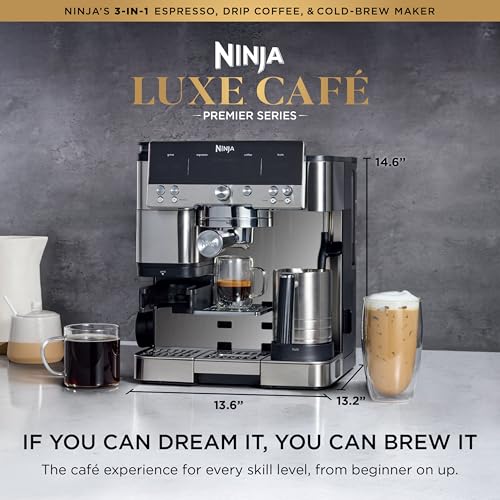
Ninja Luxe Café Premier 3-in-1

Strengths
- Integrated grinder with 25 settings
- Barista assist technology
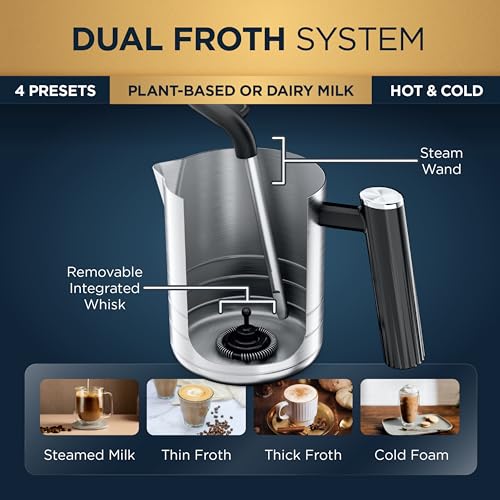
- Hands-free milk frothing
Trade-offs
- Expensive upfront cost
- Large footprint
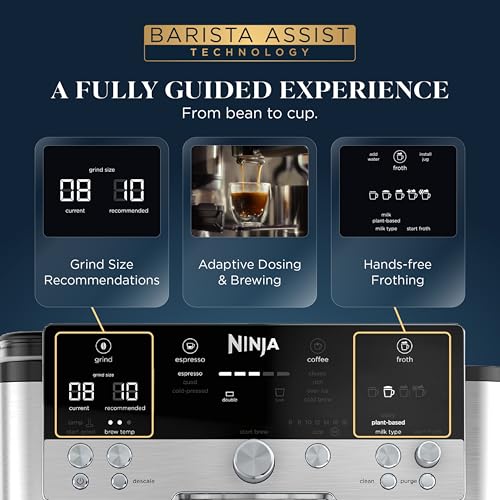
The Ninja ES601 isn’t just another combo machine, it’s a full coffee system that bridges the gap between home and café. With barista assist technology, built-in conical grinder, and weight-based dosing, it removes the guesswork from espresso and drip brewing. Owners consistently praise the hands-free frothing and assisted tamper, which deliver consistent, high-quality results.
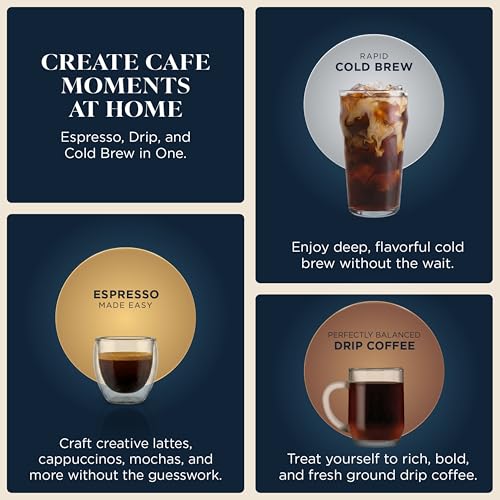
The ability to make cold-pressed espresso and rapid cold brew in under 10 minutes is a standout feature few rivals match. Compared to the De’Longhi, it’s more automated and versatile; compared to the Braun, it handles hot and cold with equal skill. It’s the only model here that truly replaces multiple machines. No wonder it’s the top-selling espresso maker in 2025 so far.
Product photos

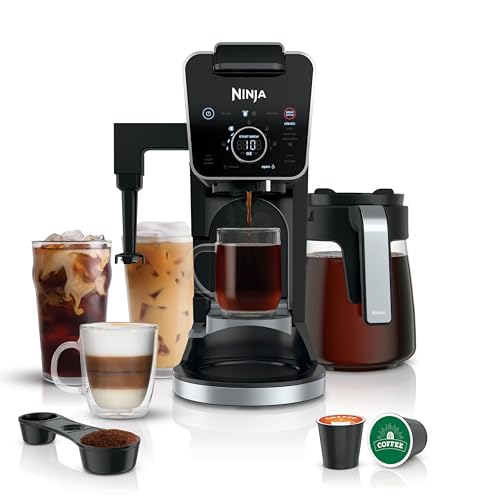
Ninja DualBrew Pro Specialty Coffee
Strengths
- Dual brewing system
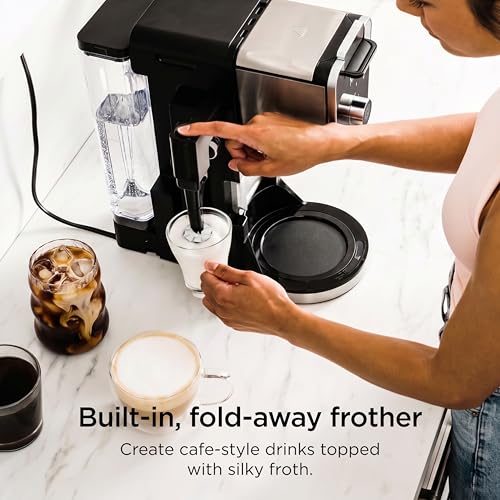
- Built-in milk frother
- Specialty brew mode
Trade-offs
- Bulky design
- Frother requires manual cleaning
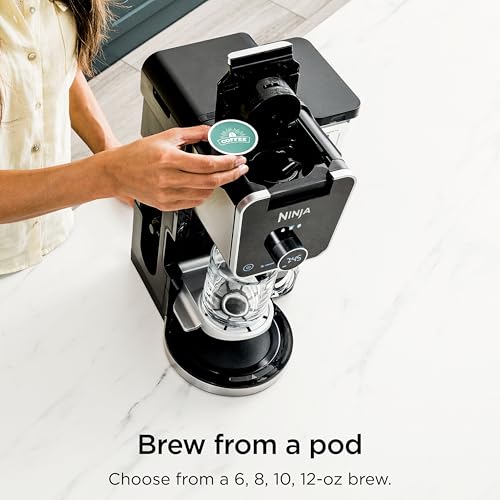
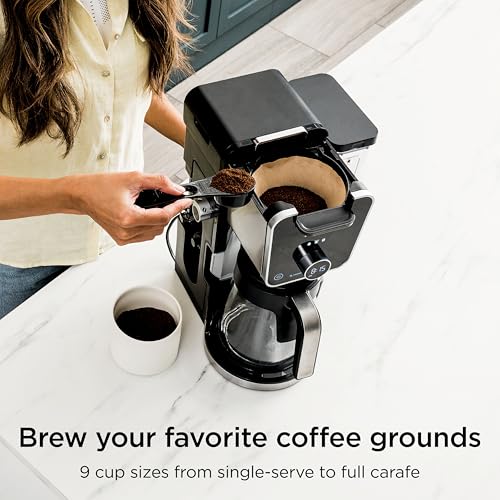
The Ninja DualBrew Pro stands out in a crowded field by blending pod convenience with serious flavor control. It’s one of the few machines that lets you brew with both K-Cups and grounds while offering Specialty mode for concentrated coffee, ideal for lattes and macchiatos. Owners consistently report that the Thermal Flavor Extraction Duo delivers noticeably richer flavor than standard drip systems, especially when using grounds.
Its 13 brew sizes and fold-away frother make it versatile for households with mixed preferences. The independent hot water system is a thoughtful touch, letting you prep tea or instant meals without coffee residue tainting the taste. Compared to the Keurig K-Duo, this one offers more customization and better extraction, though it takes up more counter space.
Product photos


Cuisinart Coffee Center Barista Bar

Strengths
- Compact 4-in-1 design
- Nespresso compatibility
- Built-in frother
Trade-offs
- Limited espresso quality
- Capsule dependency
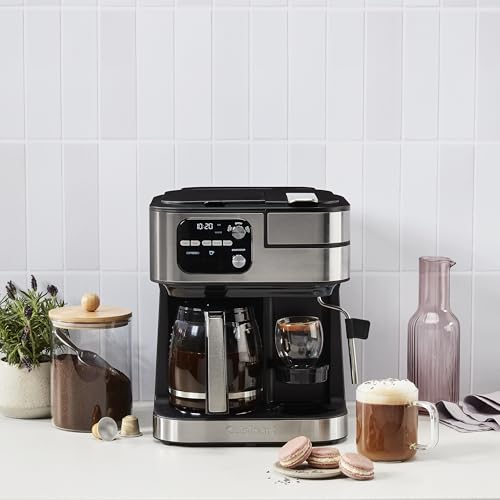
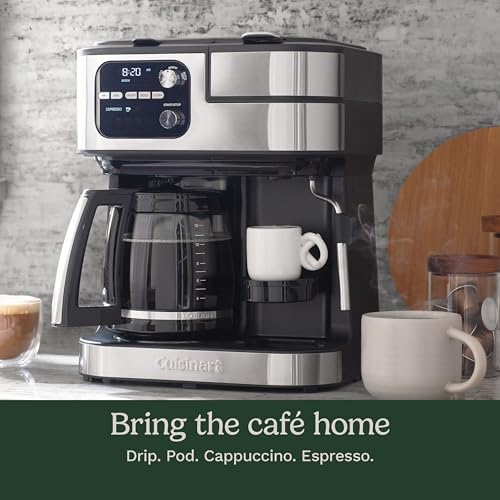
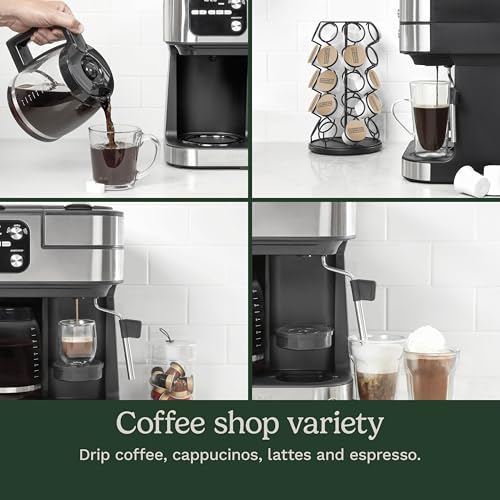
The Cuisinart Barista Bar packs a lot into a compact frame, single-serve coffee, espresso via Nespresso capsules, cappuccino, and drip brewing in one unit. Its main appeal is space-saving versatility, especially for small kitchens. The Nespresso compatibility is a big plus for capsule users who want real espresso, though it only works with OriginalLine pods.
That said, it’s not a true espresso machine, pressure and temperature control aren’t on par with De’Longhi or Ninja models. Owners note the milk frother works but requires attention to avoid uneven foam. Compared to the Ninja ES601, it’s less capable but more compact. If counter space is tight and you want a little of everything, it’s a decent compromise.
Product photos


De’Longhi All-in-One Coffee & Espresso
Strengths
- True 15-bar espresso
- Adjustable milk frother
- Simultaneous brewing
Trade-offs
- Manual frothing learning curve
- Larger footprint
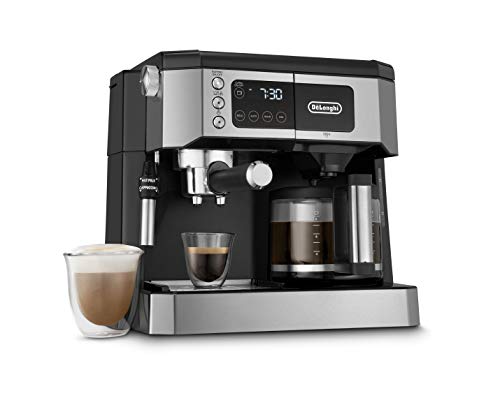
The De’Longhi COM532M is built for espresso lovers who refuse to choose between drip coffee and authentic shots. The 15-bar Italian pump delivers real espresso pressure, and the advanced steam wand produces microfoam that reviewers say rivals café quality. The dual heating system means you can brew coffee and pull a shot simultaneously, no waiting.
It’s not as automated as the Ninja ES601, but it gives more control to those who enjoy the ritual of tamping and steaming. The spill-proof carafe is a practical win. Against the Cuisinart, it’s far superior for espresso, though less compact. If you crave rich, barista-style espresso and creamy lattes, this is the machine to beat.
Product photos


Braun MultiServe Plus 10-Cup

Strengths
- Fast cold brew mode
- Pod-free single serve
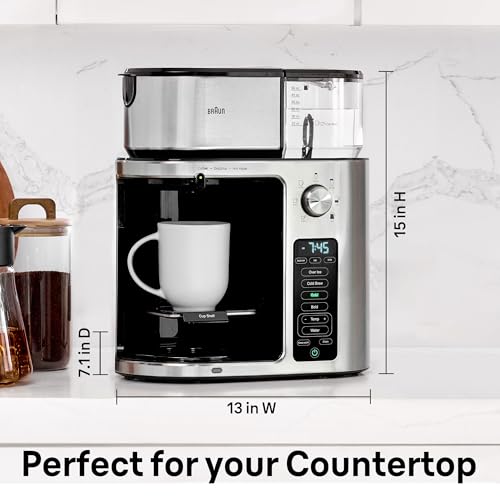
- Sleek stainless design
Trade-offs
- No milk frother
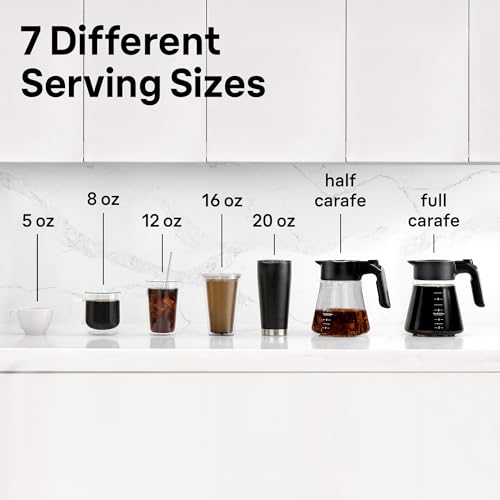
- Smaller 10-cup carafe
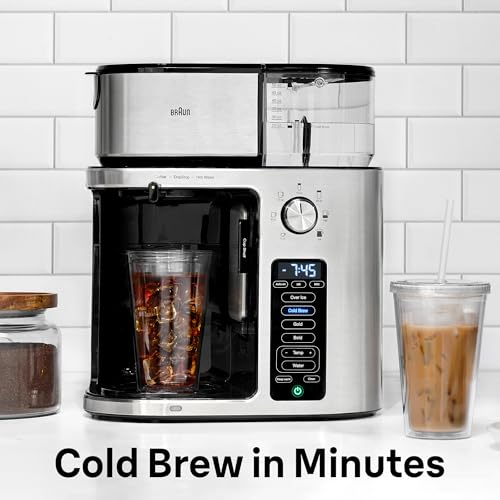
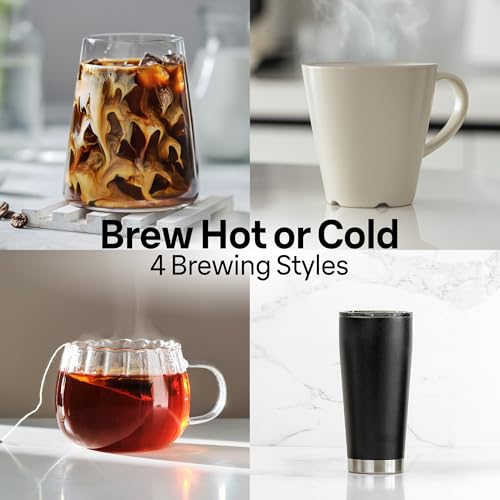
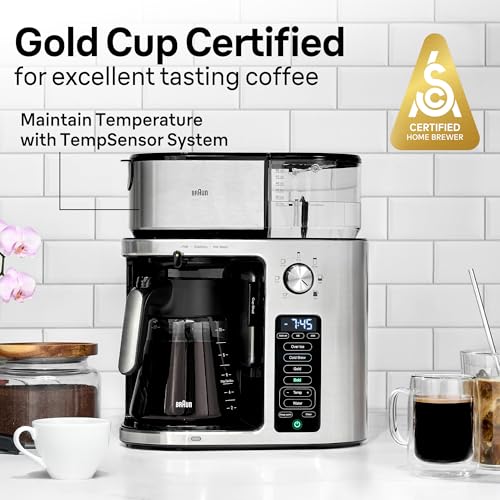
The Braun MultiServe Plus is a sleeper hit for cold coffee drinkers. Its Cold Brew System pulls off a full carafe in under 13 minutes, far faster than traditional steeping, and owners say the results are smooth and low in acidity. The Over Ice function on the hot side also performs well, preventing dilution with a concentrated brew.
What really sets it apart is the pod-free single-serve option, which lets you brew a single cup without proprietary pods. That’s a win for sustainability and long-term savings. The dial-based interface is intuitive, and the stainless steel build feels premium. It doesn’t compete with espresso machines, but for those who prioritize cold coffee and clean design, it’s a standout.
Product photos
Keurig K-Duo Hot & Iced

Strengths
- Even extraction with MultiStream
- Large shared water reservoir
- Programmable auto-brew
Trade-offs
- No milk frother
- Pod-only side limits flavor depth
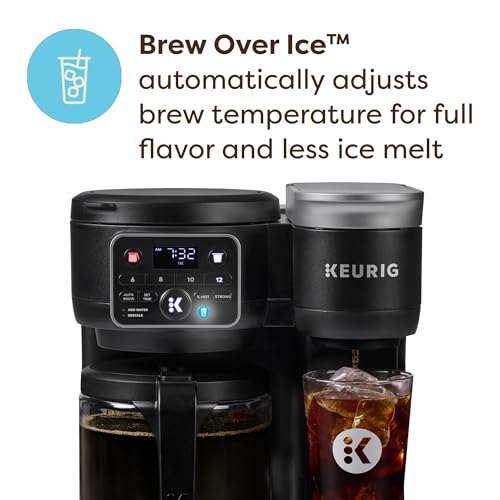
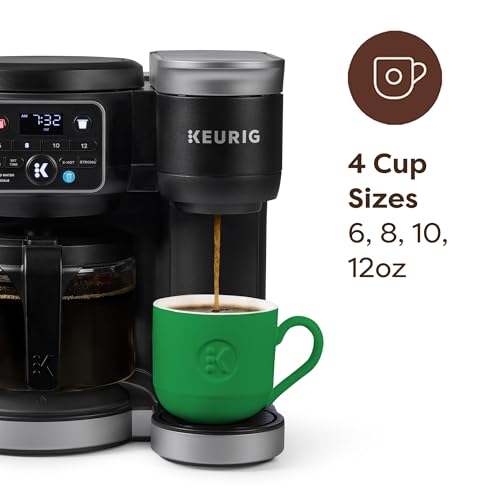
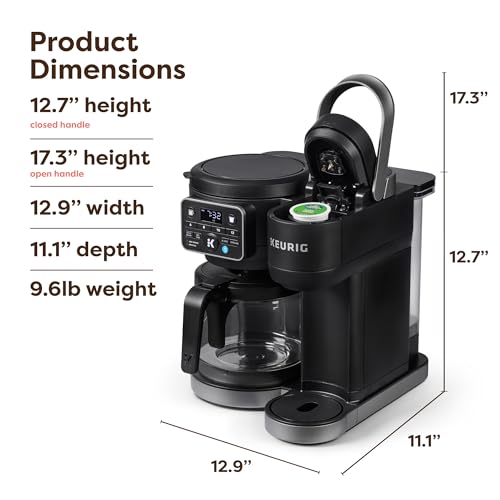
If you’re deeply invested in the K-Cup ecosystem but still want the option to brew a full pot, the K-Duo Gen 2 is a logical upgrade from single-serve models. The MultiStream Technology is key here, it evenly saturates grounds, which Keurig owners often cite as a major improvement over earlier models that produced weak carafes. The ability to brew over ice with temperature adjustment is a solid perk for iced coffee lovers.
Still, it’s worth noting that while it handles both pods and grounds, it doesn’t offer any milk frothing or espresso-like concentration. When stacked against the Ninja DualBrew, it falls short on versatility. But for someone who values reliability, clean design, and seamless K-Cup integration, this remains a strong contender.
Product photos
Hamilton Beach FlexBrew Trio

Strengths
- Fast single-serve brewing
- Large water reservoir
- Affordable price
Trade-offs
- Plastic carafe lid feels cheap
- No cold brew or frothing
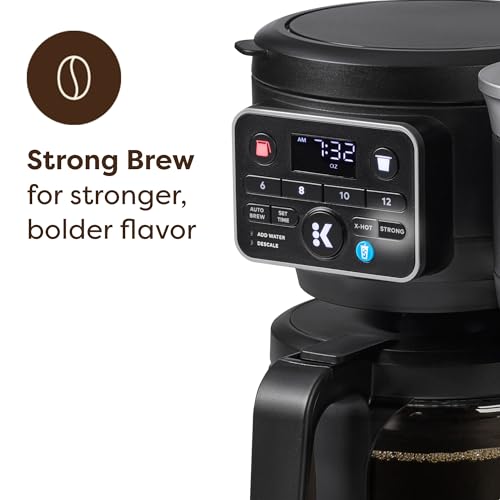
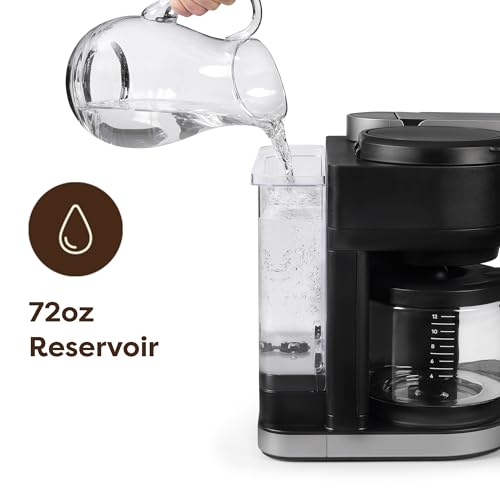
The FlexBrew Trio is the budget pick that actually delivers where it counts, speed and simplicity. It brews a single cup in about 90 seconds, which reviewers consistently praise as a morning game-winner. With both pod and grounds options and a 56-oz reservoir that handles seven single cups before refilling, it’s built for efficiency.
It doesn’t have the bells and whistles of higher-end models, no frother, no cold brew, no bold over-ice programming, but it nails the basics. The Select-a-Brew strength control is a nice touch, and the removable cup rest accommodates travel mugs. Against the Drew Barrymoree model, it’s less stylish but more functional for families.
Product photos


Drew Barrymoree Multi-Brew Coffee
Strengths
- Stunning design
- Reusable filter included
- Over ice function
Trade-offs
- Touchscreen adds cost, not function
- Average brew quality
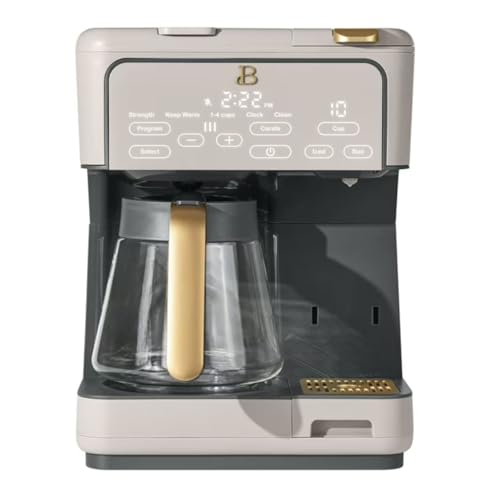
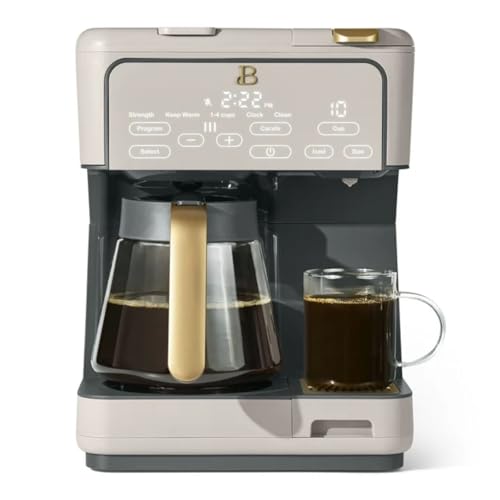
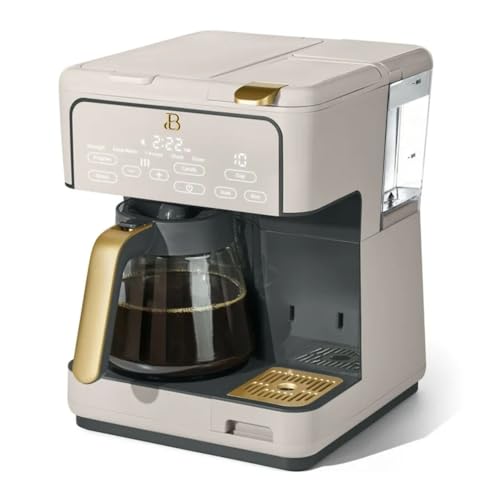
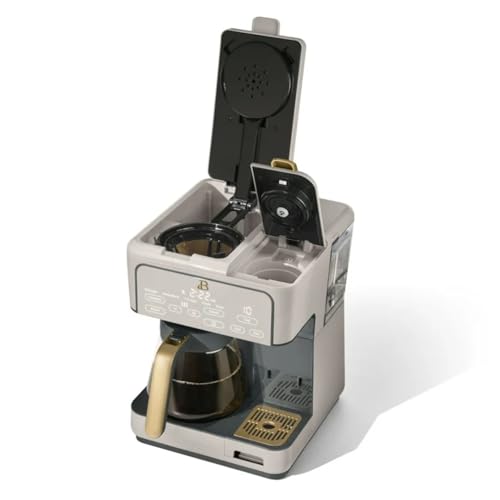
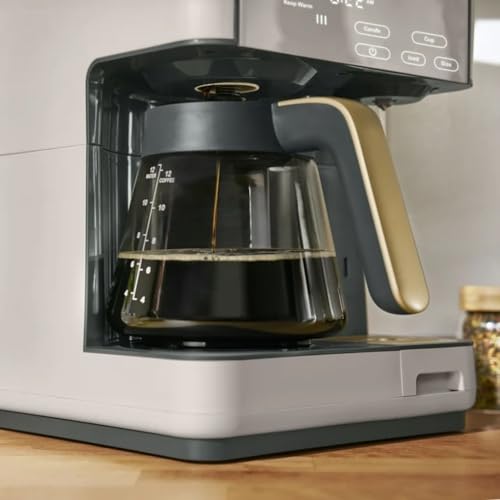
Let’s be honest, the Drew Barrymoree Multi-Brew is all about aesthetics. The Porcini Taupe finish and gold accents make it a countertop statement piece, and owners consistently say it elevates their kitchen’s look. Functionally, it’s solid: over-ice brewing, customizable strength, and a reusable filter help reduce waste.
But beneath the stylish shell, it’s similar to budget models like the Hamilton Beach, just pricier. The touchscreen is sleek but offers no real advantage over buttons. Compared to the Ninja or Braun, it lacks advanced brewing tech. If you value design and want basic multi-brew functionality, it’s appealing. But don’t buy it for performance.
Product photos

How We Picked These multi coffee machine
I approached this guide to multi coffee machines by researching the specifications and features of numerous models currently available. We then cross-referenced those details with owner reviews from major retailers and expert opinions published by trusted sources like coffee-focused publications. My goal, as founder of Bean Thusiast, was to rank these machines based on how well they deliver on the promise of versatility and quality across different brewing styles. Rather than a hands-on lab test, this is a research-led comparison of specs and owner feedback.
For multi coffee machines, the most important factors are brewing versatility and the quality of espresso extraction. The ability to smoothly switch between drip coffee, cold brew, and espresso – and to do each well – greatly impacts the overall value. Equally important is the integration of a grinder (where applicable) and its range of grind settings, as this directly affects flavor. A machine that can’t consistently produce a good espresso shot, for example, loses significant points.
Specifications reliably indicate brewing capacity, water reservoir size, and available brew settings. However, I heavily weighed owner feedback when assessing ease of use, long-term reliability, and the actual taste of the coffee produced. Reputation matters too; a brand known for quality, like De’Longhi, often carries more weight. If you’re looking for something simpler, you might also consider an affordable home espresso machine to start.
How To Pick The Right multi coffee machine
Choosing a multi coffee machine isn’t just about convenience; it’s about finding a system that fits your coffee habits and doesn’t compromise quality for breadth of options.
A truly good multi coffee machine balances versatility with consistent performance. Key considerations include brew temperature stability, grinder quality (if included), the range of brewing styles offered, and ease of cleaning. Look for models that offer programmable settings and durable construction, and don’t overlook user reviews regarding long-term reliability.
Grind Quality & Brew Consistency
The heart of any good coffee is, naturally, the coffee itself. If you’re a serious coffee drinker, a built-in burr grinder is a huge advantage. Conical burrs are generally preferred over blade grinders because they produce a more consistent grind size, which is critical for even extraction. However, even with a burr grinder, not all are created equal. Look for a grinder with a wide range of settings (20+ is ideal) to dial in the perfect grind for different brewing methods. Beyond the grind, pay attention to brew temperature. Ideally, a machine should consistently reach and maintain a temperature between 195-205°F (90-96°C) for optimal extraction. A temperature that’s too low will result in sour coffee, while a temperature that’s too high will produce bitterness.
Brewing Style Versatility
One of the biggest draws of a multi coffee machine is the ability to make different types of coffee. But simply offering multiple styles isn’t enough. Consider what you actually drink. Do you need espresso-based drinks? If so, look for a machine with a 15-bar pump (like those found in many De’Longhi machine user guide) for proper pressure. Cold brew functionality is another popular feature, and some machines (like the Braun MultiServe Plus) do this remarkably quickly. Don’t pay for features you won’t use, but don’t limit yourself if you enjoy variety.
- A basic machine might offer drip and pod brewing.
- A mid-range option will add cold brew and potentially a more robust espresso function.
- High-end machines can include specialty drink options, like lattes and cappuccinos, often with integrated milk frothers. This level of flexibility can be a real benefit, but it also often comes with a higher price tag.
Value, Usability & Cleaning
The best multi coffee machine is the one you’ll actually use every day. Consider how easy the machine is to operate and clean. A complicated interface or difficult-to-reach parts will quickly become frustrating. Look for models with dishwasher-safe components and a self-cleaning cycle. I often recommend checking out a versatile home coffee system to see what features are available at different price points. Don’t underestimate the importance of a clear water reservoir and easy access to the grounds compartment.
A coffee machine is only as good as its cleanliness. Prioritize models with easily removable and dishwasher-safe parts, and commit to regular descaling to maintain optimal performance.
Multi Coffee Machine Compared
This table compares the specifications of several multi-coffee machines to help you find the best option for your needs.
| Product Name | Brew Types | Capacity (Cups) | Pod Compatibility | Grinder Included | Frother Included |
|---|---|---|---|---|---|
| Ninja Luxe Café Premier 3-in-1 | Espresso, Drip, Cold Brew | N/A | N/A | Yes | Yes |
| Ninja DualBrew Pro Specialty Coffee | Drip, Pod, Specialty | 12/Single | K-Cup | No | Yes |
| Cuisinart Coffee Center Barista Bar | Drip, Espresso, Pod | 12/Single | K-Cup/Nespresso | No | Yes |
| De’Longhi All-in-One Coffee & Espresso | Espresso, Drip | N/A | N/A | No | Yes |
| Braun MultiServe Plus 10-Cup | Drip, Cold Brew, Single | 10/Single | N/A | No | No |
| Keurig K-Duo Hot & Iced | Drip, Pod | 12/Single | K-Cup | No | No |
| Hamilton Beach FlexBrew Trio | Drip, Pod, Single | 12/Single | N/A | No | No |
| Drew Barrymoree Multi-Brew Coffee | Drip, Pod, Single | 12/Single | N/A | No | No |
Frequently Asked Questions
What water filter type is best for a multi coffee machine?
Activated carbon filters are generally best, as they effectively remove chlorine and other impurities that can affect coffee taste. While some machines include proprietary filters, universal carbon filters are widely available and often perform similarly.
Can I use pre-ground coffee in a machine with a built-in grinder?
Yes, you absolutely can. Most machines with grinders offer an option to bypass the grinding function and use pre-ground coffee; this is useful for decaf or when you want a different grind than the machine provides.
How often should I descale my multi coffee machine?
You should descale every 3-6 months, depending on your water hardness. Hard water contains more minerals that build up and affect brewing performance; using filtered water can extend the time between descaling cycles.
Are pod-compatible multi coffee machines as good as those that aren’t?
Generally, a machine focused on fresh brewing (whole bean or ground) will yield better flavor. Pods prioritize convenience over quality, and the resulting coffee often lacks the complexity of a properly brewed cup. However, if convenience is paramount, a pod-compatible machine can be a good option.
What’s the difference between a conical and flat burr grinder in these machines?
Conical burrs are more common in home machines and produce less heat during grinding, preserving more flavor. Flat burrs are often found in commercial settings and offer greater consistency, but they’re also more expensive and complex. If you’re looking for a versatile coffee machine with built-in grinding, a 3-in-1 coffee machine is a great place to start.
The Bottom Line
Ultimately, choosing a multi coffee machine involves balancing control and convenience. If you want a machine that handles almost everything with minimal fuss, the Ninja Luxe Café Premier 3-in-1 stands out for its integrated grinder and versatile brewing options. It’s a significant investment, but it aims to be an all-in-one solution.
For those seeking specific functionality, the field narrows quickly. If you primarily brew drip coffee but enjoy occasional K-Cups, the Ninja DualBrew Pro Specialty Coffee is a strong contender. And for cold brew aficionados, the Braun MultiServe Plus delivers consistently good results with impressive speed. If you are looking for more information about a specific brand, check out our Breville machine setup guide.
Don’t get too caught up in the number of brew settings or the complexity of the machine. The most important factors are fresh, quality beans, properly filtered water, and a commitment to keeping your machine clean. Those fundamentals will have a far bigger impact on your daily cup than any single feature.
