
3 Best Instant Decaf Coffee Swiss Water Process 2026
The 365 by Whole Foods Decaf Instant Coffee is our top pick for its clean taste and reliable Swiss Water Process, followed by COFFREE’s organic packets for budget-friendly convenience and Clipper for a solid ethically sourced option. These stand out after reviewing specs, owner feedback, and production transparency.
If you’re like me and want a decaf coffee that doesn’t sacrifice flavor or purity, the clutter of options can be overwhelming. Many brands hide their decaffeination methods or use low-grade beans, leaving you with a flat, bitter cup.
This guide cuts through the noise. I looked at what matters most, Swiss Water Process certification, 100% Arabica beans, solubility, and packaging, based on research and consistent owner experiences. These picks deliver a genuinely satisfying decaf instant coffee, brewed right.
Top 3 Instant Decaf Coffee Swiss Water Process in the Market
The Best Instant Decaf Coffee Swiss Water Process, Reviewed
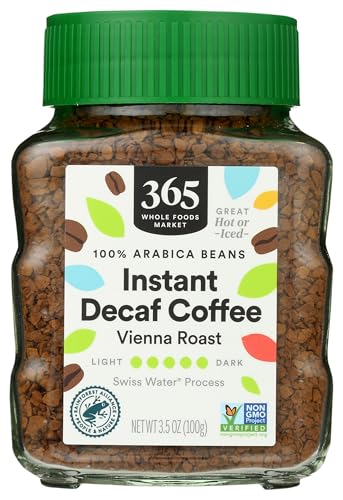
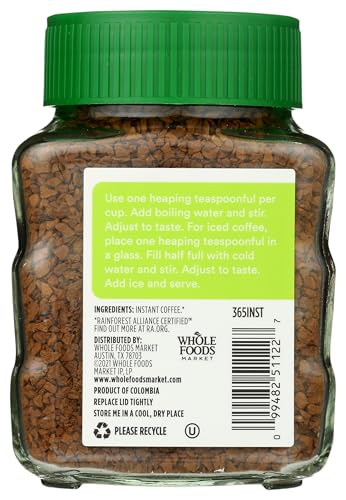
365 by Whole Foods Decaf Instant Coffee
Strengths
- Swiss Water Process certified
- Smooth rich flavor
- Dissolves instantly
Trade-offs
- Generic packaging
- No single-serve option
If I had to pick one jar to recommend as a daily driver for decaf instant, it’d be this Dark Vienna Roast from 365. The Swiss Water Process is clearly doing its job, owners report a clean, rich flavor with none of the chemical aftertaste you sometimes get with solvent-processed decafs. It’s made from 100% Arabica beans, and that shows in the balanced profile: mild bitterness, a touch of sweetness, and enough body to feel satisfying without being harsh on sensitive stomachs.
What seals the deal is how easily it dissolves, whether you’re making hot coffee or stirring it into cold water for iced drinks. It’s not flashy, but it’s consistent, the kind of no-surprises performer that earns loyalty. Against Clipper or COFFREE, it lacks ethical branding or single-serve convenience, but for home use, this jar beats them in flavor reliability and simplicity.
Product photos

COFFREE Organic Decaf Instant Coffee Packets

Strengths
- Single-origin Arabica
- Low acid smooth taste
- Perfect for travel
Trade-offs
- Light roast may lack depth
- No resealable storage
I like the focused simplicity of COFFREE’s single-serve sticks, especially for people who want clean, no-fuss decaf without sacrificing origin transparency. The use of single-origin Arabica beans processed via Swiss Water Method is a strong point on paper, and owners consistently report a noticeably smooth, low-acid cup with none of the bitterness often found in budget instant decafs. For light roast fans who hate that stale, dusty instant taste, this delivers a fresher profile that actually resembles specialty coffee.
Where it really stands out is convenience. These sticks are built for minimalists and travelers, just tear, stir, and go. Reviewers note they dissolve well in cold water, making them a reliable pick for iced decaf on the move. Compared to jar-style options, you lose some flexibility in dosage, but you gain portion control and zero waste.
Product photos


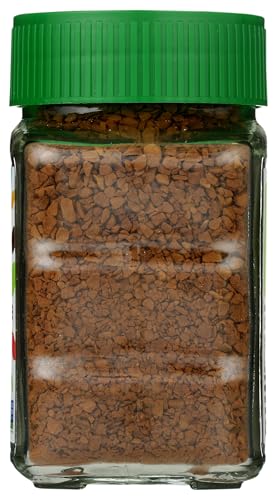
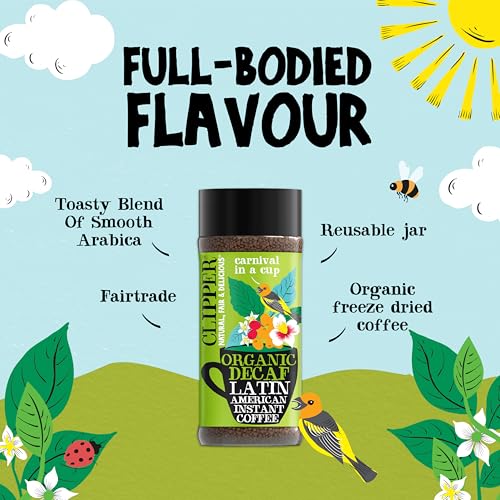
Clipper Latin American Decaf Instant Coffee

Strengths
- Fairtrade certified
- Ethically sourced beans
- Reusable jar
Trade-offs
- Clumping in cold water
- Medium roast lacks punch
Clipper leans hard into ethics, and for good reason, this is one of the few decaf instant coffees that’s both Fairtrade certified and decaffeinated using the CO2 method, which aligns with clean-label buyers. The medium roast has a warm, toasty character that reviewers describe as comforting, not bold, with a mild aroma that holds up in both hot and iced preparations. It’s not the most complex cup, but it’s honest and gently flavorful, which works well for afternoon sipping.
Where it stumbles a bit is in solubility, some owners note slight clumping if water isn’t hot enough. Compared to the 365 brand, it’s less robust in flavor and convenience, but it wins on values. If you care about supply chain transparency and want a reusable jar, Clipper makes a compelling case, even if the coffee itself is merely good, not exceptional.
Product photos
How We Chose These instant decaf coffee swiss water process
I approached this guide by researching the specifications and features of various instant decaf coffees, with a strong focus on those utilizing the Swiss Water Process. I then weighed owner reviews from multiple sources – Amazon, coffee forums, and specialty coffee sites – alongside expert opinions from coffee publications. This research-led comparison allowed me to identify key differentiators and rank options based on what matters most to decaf drinkers.
For instant decaf, flavor and solubility are paramount. I gave significant weight to coffees that consistently received high marks for a smooth, non-bitter taste, and for dissolving quickly and completely in both hot and cold water. Equally important was the decaffeination method; a truly enjoyable decaf experience relies on avoiding harsh chemical residues, so I prioritized options utilizing the Swiss Water decaffeination process.
Specifications reliably indicate bean origin (Arabica is generally preferred) and jar size. However, nuanced aspects like subtle flavor notes and the feel of the coffee are best gleaned from owner feedback. Reputation also played a role – brands known for ethical sourcing or quality control received additional consideration. Ultimately, I looked for coffees that deliver a satisfying decaf experience, and transparency regarding their production methods.
How To Pick The Right instant decaf coffee swiss water process
As someone who’s spent years chasing the perfect cup, I know instant decaf often gets a bad rap. But the quality has improved dramatically, and with the right choices, you can find a genuinely satisfying option.
A truly good instant decaf coffee starts with high-quality Arabica beans. The decaffeination process is critical – look for Swiss Water processing to avoid chemical residues. Solubility, flavor retention after processing, and packaging for freshness are also key indicators of a premium product.
Bean Quality & Roast Level
The foundation of any good coffee, even instant, is the bean itself. I always recommend prioritizing 100% Arabica beans, as they generally offer a smoother, less bitter flavor profile than Robusta varieties. Pay attention to roast level too. Lighter roasts tend to preserve more of the bean’s inherent characteristics, resulting in a brighter, more nuanced cup. Darker roasts can offer a bolder flavor, but often at the expense of those subtle notes. Don’t assume “bold” equals “better”; it often masks lower-quality beans.
The Decaffeination Process
This is where things get really important. The method used to remove caffeine dramatically impacts the final flavor. Many cheaper instant coffees rely on decaffeination with solvents, which can leave trace residues and alter the taste. If you want a clean, flavorful cup, seek out options decaffeinated using the Swiss Water Process. This method uses only water to remove caffeine, preserving the coffee’s original aromatic compounds. You can find some top decaf coffee using Swiss Water available today.
- Swiss Water Process: The gold standard. It’s chemical-free and preserves flavor well.
- CO2 Process: Another good option, though less common for instant coffee. It’s also solvent-free but can be more expensive.
- Ethyl Acetate (Solvent-Based): Avoid if possible. While considered safe in small amounts, it can negatively impact the taste and may leave residues.
A good rule of thumb is: if the packaging doesn’t clearly state the decaffeination method, assume it’s the solvent-based one.
Convenience & Packaging
Instant coffee is, by definition, about convenience. But even here, there are nuances. Consider how you plan to use the coffee. Single-serve packets, like those from COFFREE, are ideal for travel or quick use at the office. Jars, like the 365 by Whole Foods option, are better for home use and can be more economical. Packaging should also be airtight and designed to protect the coffee from light and moisture, preserving its freshness. I’ve seen a lot of people ask about Swiss Water decaf coffee brands and airtight packaging is a consistent concern in the reviews.
Instant Decaf Coffee Swiss Water Process Compared
Here’s a comparison of the key specifications of these instant decaf coffees, focusing on features relevant to the Swiss Water Process and overall product details.
| Product | Process | Bean Type | Package Type | Caffeine Level | Weight (oz) |
|---|---|---|---|---|---|
| 365 by Whole Foods Decaf Instant Coffee | Naturally Decaffeinated | 100% Arabica | Jar | 0% | 3.5 |
| COFFREE Organic Decaf Instant Coffee Packets | N/A | Arabica | Packets | 0% | N/A |
| Clipper Latin American Decaf Instant Coffee | CO2 & Spring Water | Arabica | Jar | 0% | N/A |
Frequently Asked Questions
What caffeine level can I realistically expect in “0%” instant decaf coffee?
While labeled as 0%, instant decaf coffee actually contains trace amounts of caffeine – typically around 3mg per serving. This is due to the limitations of the decaffeination process itself, but it’s a very small amount and generally well within safe limits for those sensitive to caffeine.
Is Swiss Water Process decaf truly chemical-free?
Yes, the Swiss Water Process is entirely chemical-free. It uses only water, temperature, and time to remove caffeine, relying on a charcoal filter to trap the caffeine molecules. This is a key difference from many other decaffeination methods, and why I recommend seeking out coffee brands using Swiss Water decaffeination.
How does the Swiss Water Process affect the flavor of instant coffee?
Compared to solvent-based methods, the Swiss Water Process preserves more of the coffee’s original flavor compounds. This results in a smoother, less bitter taste, which is especially important for instant coffee where flavor can easily be lost during processing.
What’s the shelf life of opened instant decaf coffee, and how should I store it?
Generally, opened instant decaf coffee will maintain its best quality for 6-12 months. To maximize freshness, store it in an airtight container in a cool, dark, and dry place. Exposure to air, light, and moisture will accelerate flavor degradation.
Are there instant decaf options that cater to specific brewing methods like cold brew?
Absolutely. Many instant decaf coffees, particularly those using the Swiss Water Process, dissolve readily in cold water, making them suitable for cold brew. Look for options specifically mentioning good solubility in cold water, or read Swiss Water Process brand reviews to see what other users say.
The Bottom Line
Choosing an instant decaf coffee often comes down to balancing convenience with quality. While there are many options available, I believe the 365 by Whole Foods Decaf Instant Coffee strikes the best overall balance, offering a reliably smooth flavor from 100% Arabica beans and the peace of mind that comes with Swiss Water decaffeination. It delivers a good experience without asking you to compromise too much.
For those prioritizing single-serve convenience, the COFFREE Organic Decaf Instant Coffee Packets are an excellent choice. And if you’re interested in exploring alternative decaffeination methods, the Clipper Latin American Decaf Instant Coffee uses a CO2 & Spring Water process – learning about decaf coffee production methods can help you appreciate the nuances.
Ultimately, remember that the “best” coffee is the one you enjoy the most. Don’t get too hung up on specific specs. Prioritize 100% Arabica beans, the Swiss Water Process (or a similarly gentle method), and airtight packaging to preserve freshness. Paying attention to these fundamentals will ensure a more satisfying cup, regardless of whether you’re exploring CO2 and solvent-based decaf or sticking with the gold standard.
