
8 Best Home Coffee Machines for Latte 2026
The CASABREWS 3700 Essential stands out as the best overall home coffee machine for lattes, delivering strong steam performance and dual boilers for serious results. For a budget pick, the CASABREWS CM5418 offers solid 20-bar pressure and a reliable steam wand without breaking the bank. If you want built-in convenience, the Ninja Luxe Café Premier brings a grinder and automated milk system into the mix.
Most people want café-style lattes at home but end up with weak espresso or flat, bubbly milk. The real challenge isn’t just brewing coffee, it’s finding a machine that consistently pulls good shots and steams milk well without turning your kitchen into a battleground of parts and guesswork.
I’ve researched the current market, comparing specs and reading owner feedback to identify which machines actually deliver on their promises. These picks balance pressure, steam power, and usability, because the right machine should make better coffee easier, not harder.
Top 8 Home Coffee Machine For Latte in the Market
The Best Home Coffee Machine For Latte, Reviewed
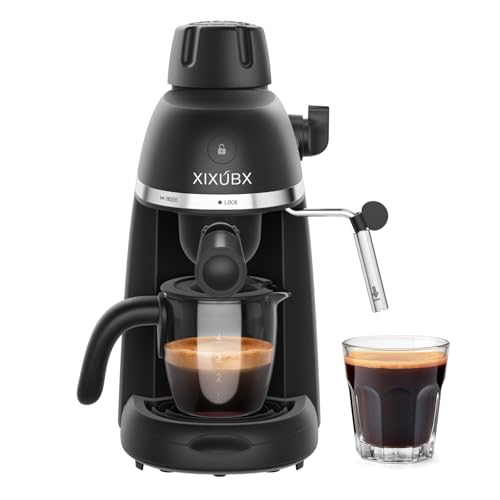
XIXUBX Coffee Machine
Strengths
- One-knob simplicity
- Ultra-compact size
- Cool-touch grip
- BPA-free cups
- Lightweight and portable
Trade-offs
- Low 3.5-bar pressure
- Not true espresso
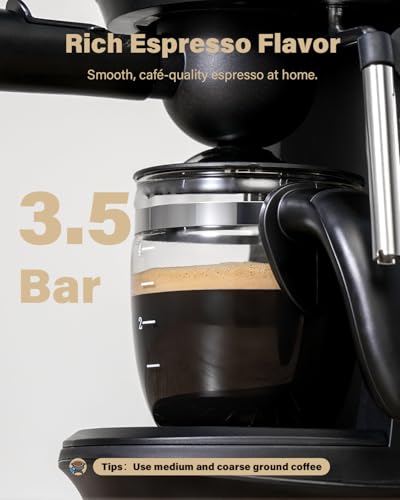
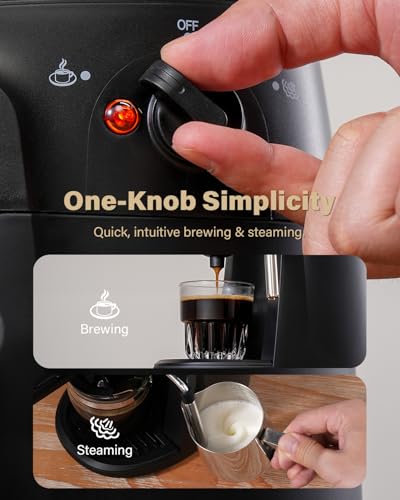
Don’t let the 3.5-bar pressure fool you, this isn’t a true espresso machine by traditional standards, but it’s not trying to be. It’s aiming for smooth, low-bitterness coffee with zero hassle, and it delivers. The 800W heating system gets it ready fast, and the one-knob operation is as simple as it gets: brew, steam, off. No menus, no touchscreens, no learning curve. Owners love it for dorms, RVs, or as a secondary machine where reliability trumps authenticity.
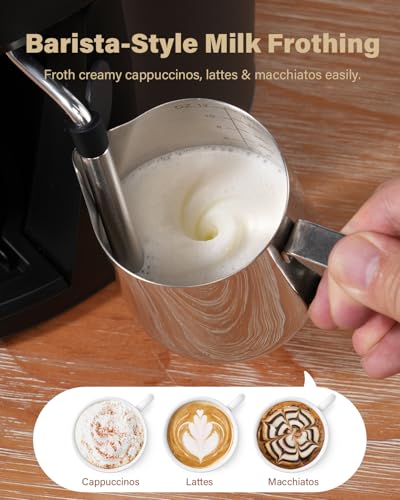
The steam wand is surprisingly effective for its size, creating usable foam for lattes, though not quite barista-level microfoam. The included Tritan cups are a nice touch, BPA-free, durable, and with a secure lock. For beginners or those who just want a hot milk drink without fuss, this punches above its weight. Calling it the ‘Best Overall’ feels like a stretch if you want real espresso, but for ease and portability, it’s hard to beat.
Product photos


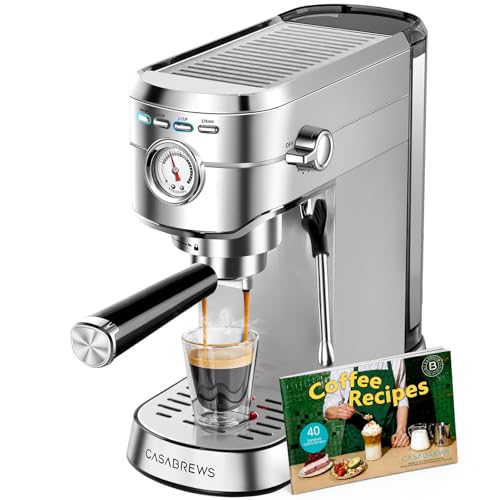
CASABREWS CM5418 Espresso Machine
Strengths
- Pressure gauge included
- 20-bar Italian pump
- Compact and stylish
- Steam wand performs well
- Easy to clean
Trade-offs
- Smaller water tank
- Cool-down required between tasks
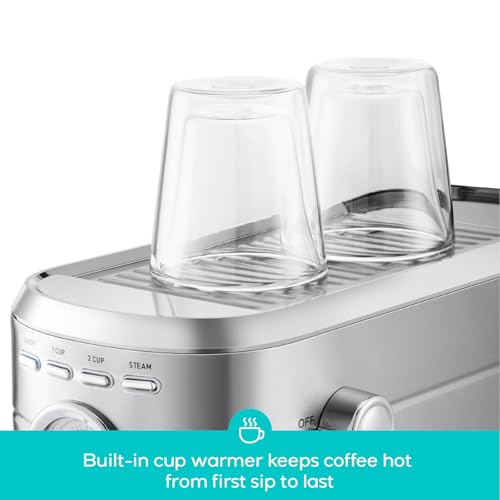
This model is essentially a space-saving version of the 3700, and it’s a smart pick if your kitchen is tight. It keeps the same 20-bar Italian pump and 1350W boiler, which means extraction quality doesn’t take a hit, and it adds a pressure gauge, a small but meaningful detail for dialing in your shot. The gauge lets you see when pressure stabilizes, helping you time your pulls better, something even intermediate users appreciate.
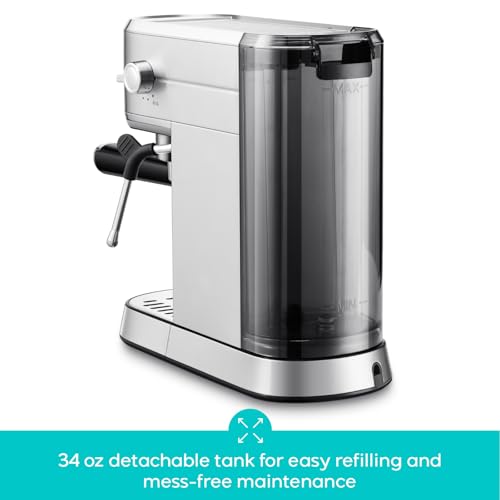
The 34 oz water tank is smaller, so you’ll refill more often, but it’s still removable and easy to handle. One thing owners mention is the need to let the machine cool after frothing before brewing, due to overheating protection. It’s not a flaw, just a limitation of compact boilers. If you’re making one drink at a time, it’s fine. For back-to-back use, it’s a pause you’ll need to plan for.
Product photos


Ninja Luxe Café Premier Espresso Machine
Strengths
- Weight-based dosing
- Hands-free milk frothing
- 25 grind settings
- 3-in-1 functionality
- Assisted tamper
Trade-offs
- Larger footprint
- More complex maintenance
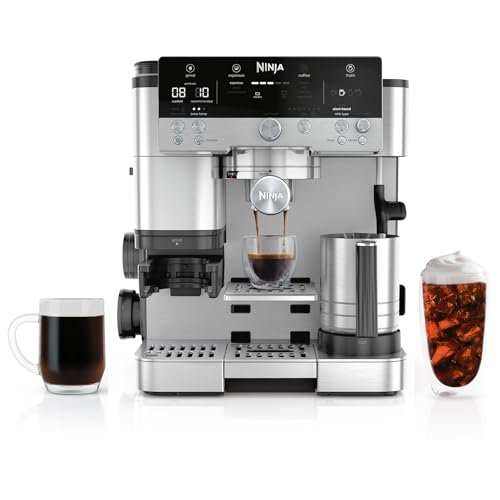
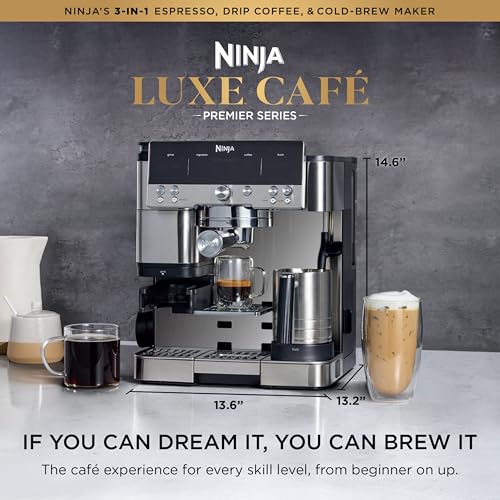
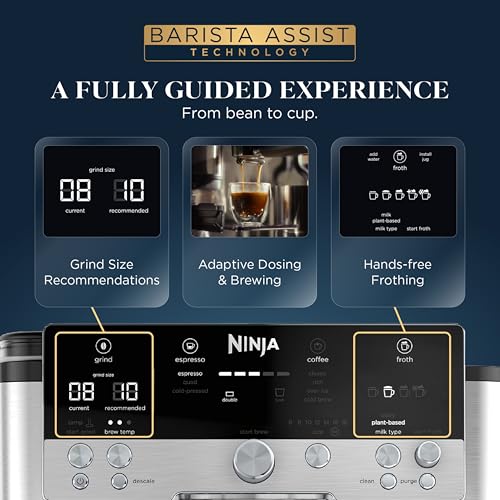
This machine is built for people who want everything, espresso, drip, and cold brew, without switching devices. The integrated conical burr grinder with 25 settings is unusually precise for this category, and the weight-based dosing is a standout. Most machines grind by time, leading to inconsistency, but here the built-in scale ensures the right dose every time, which owners say makes a noticeable difference in shot quality. The assisted tamper also helps create even pucks, reducing channeling.
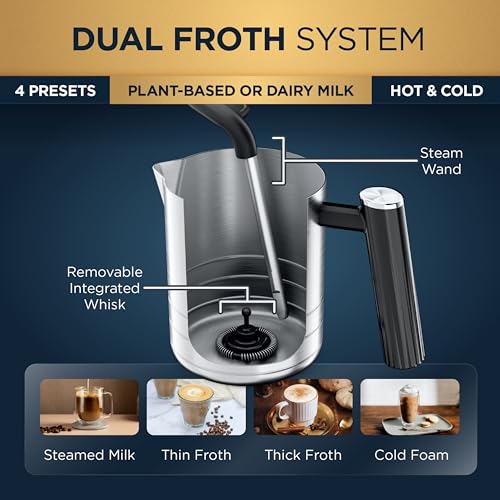
The hands-free frothing system is where it really pulls ahead. With four presets, steamed milk, thin froth, thick froth, cold foam, it removes the learning curve of manual steaming. If you’re tired of scalded milk or uneven foam, this is a standout. It’s also the only machine here that does drip and cold brew well, making it a true all-in-one. Given Ninja’s sales lead in 2025, it’s clearly resonating with real users.
Product photos


CASABREWS 3700 Essential Espresso Machine

Strengths
- Solid 20-bar pump
- Durable stainless build
- Reliable steam wand
- Compact footprint
- Good included accessories
Trade-offs
- No built-in grinder
- No pressure gauge
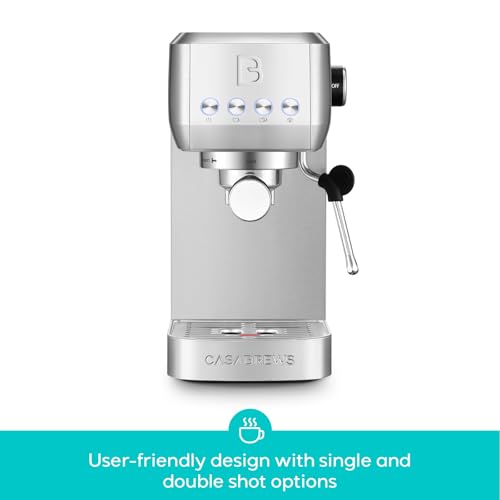
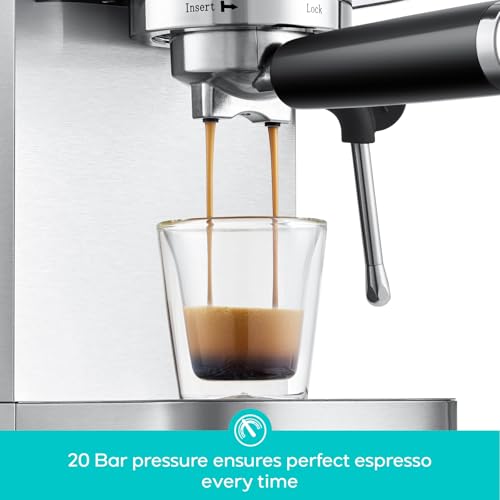
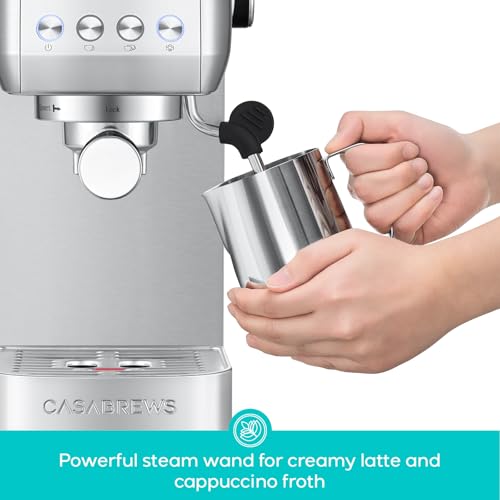
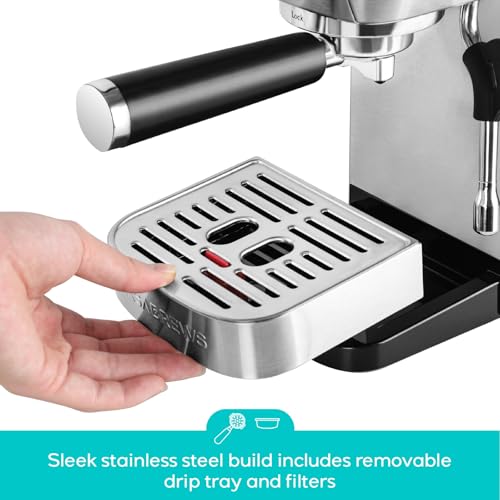
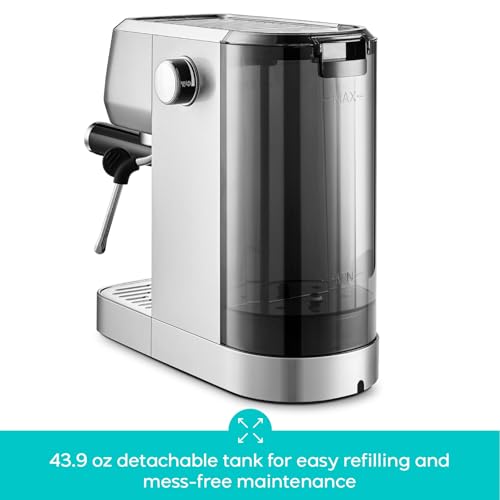
This is a no-nonsense machine built like a tank, and it shows in the feedback, owners love its durability and straightforward performance. The 20-bar pump and 1350W heater deliver reliable extraction, and the steam wand is consistently praised for producing creamy foam suitable for latte art with a little skill. It doesn’t have a built-in grinder, which keeps the price lower and lets users pair it with their preferred grinder, a move I appreciate for enthusiasts who already own one.
Compared to pricier models, it lacks digital smarts or auto-frothing, but that also means fewer points of failure. The 43.9 oz water tank is practical for multiple brews, and the included tamper with spoon is actually usable, not just filler. If you’re stepping up from an entry-level machine and want something that feels professional without overspending, this hits a sweet spot.
Product photos
CHULUX Slim Espresso Machine
Strengths
- Extremely narrow design
- 20-bar Italian pump
- Pressure gauge
- Pre-infusion function
- Food-safe materials
Trade-offs
- Small water tank
- Lightweight feel
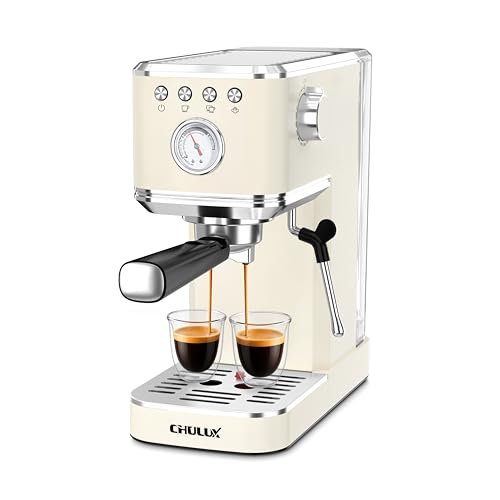
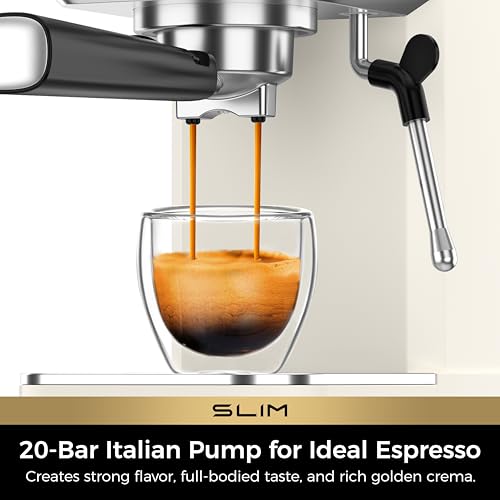
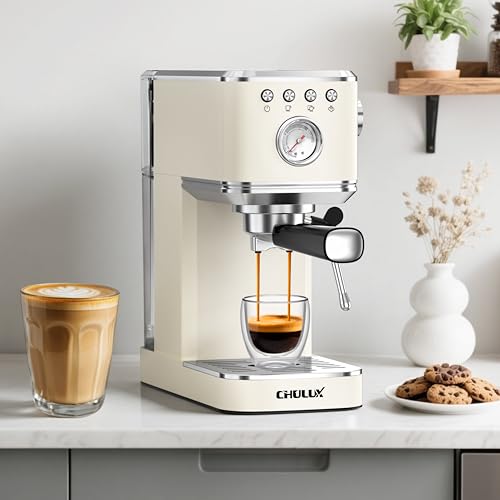
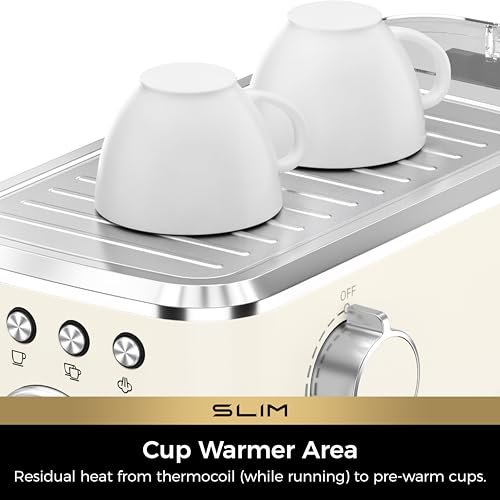
At just 5.5 inches wide, this is the narrowest machine on the list, and that’s its superpower. It fits in spaces where others simply can’t, tight countertops, office nooks, or crowded RV kitchens. Despite the slim profile, it packs a 20-bar Italian pump and 1350W boiler, so extraction power isn’t compromised. The pre-infusion function and pressure gauge help optimize flavor, and owners say it pulls surprisingly rich shots with decent crema.
The steam wand works well, though the 40 oz tank means you’ll refill more often than with larger models. It’s not flashy, and the finish feels a bit light, but it’s built to last with food-safe materials throughout. If counter width is your limiting factor, this is the machine that makes espresso possible where it otherwise wouldn’t be.
Product photos


AIRMSEN 20 Bar Espresso Machine

Strengths
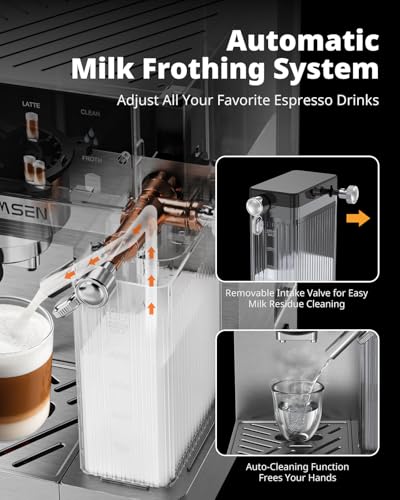
- Automatic milk frother
- Dual boiler system
- Fast 15-second brew
- 60 oz water tank
- Touchscreen control
Trade-offs
- Milk reservoir needs daily cleaning
- Less control over foam texture
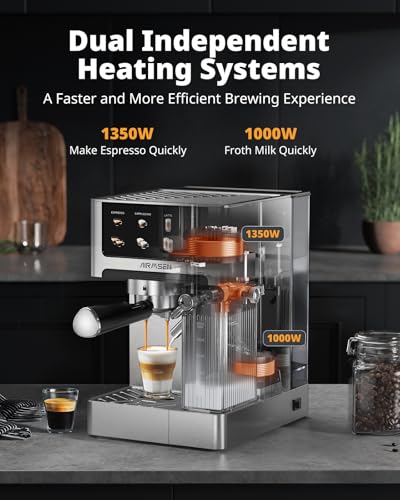
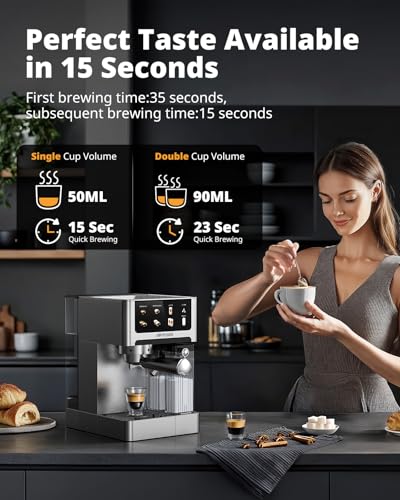
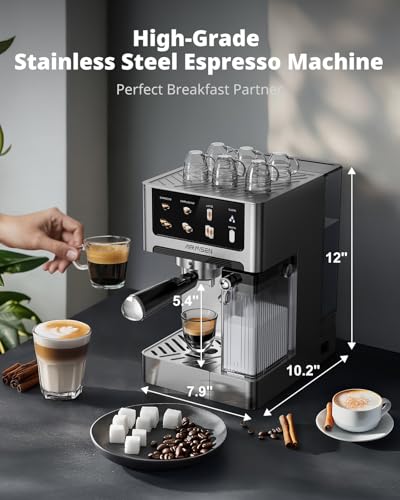
This is the pick if you hate steaming milk. The automatic milk frother is fully hands-free, you fill the 17 oz reservoir, press a button, and it delivers consistent foam in seconds. Reviewers consistently highlight how this feature simplifies latte-making, especially for beginners or busy mornings. The dual boiler system (1350W for espresso, 1000W for milk) means you can brew and froth simultaneously, cutting prep time dramatically compared to single-boiler machines.
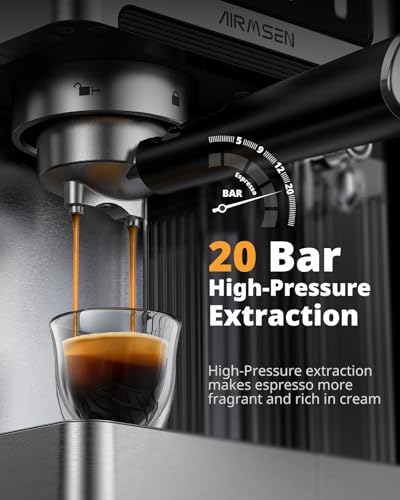
The 20-bar pump and pre-infusion deliver solid extraction, and the touchscreen is responsive. Some owners note the milk reservoir needs daily cleaning to avoid odors, but that’s the trade-off for convenience. Compared to manual wands, this system sacrifices some control but gains massive ease. If your goal is a quality latte with minimal effort, this is the closest thing to a café experience at home.
Product photos
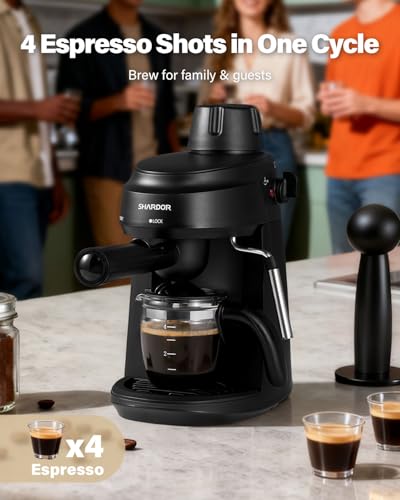
SHARDOR 3.5 Bar Espresso Machine
Strengths
- Very affordable
- Compact and simple
- Adjustable steam wand
- Quick heat-up
- Safe overheat protection
Trade-offs
- Low pressure
- Basic build quality
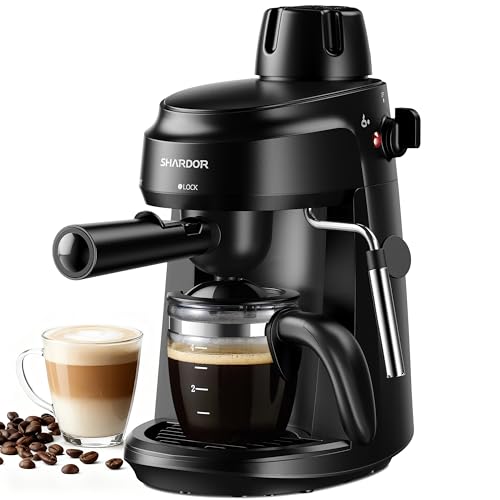
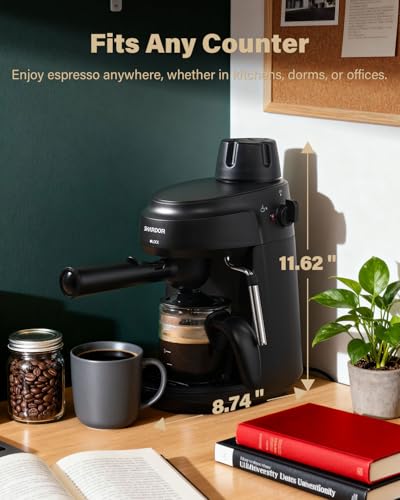
This is the budget sibling to the XIXUBX, and it shows in the details. Same 3.5-bar system, same 800W heater, same one-knob control, but fewer premium touches. It delivers a smooth, mild brew that’s more like a strong Americano than espresso, which works fine for casual drinkers. The steam wand adjusts for foam density, and owners report it’s adequate for cappuccinos, though not ideal for latte art.
Where it wins is price and footprint. It’s one of the smallest and most affordable options here, making it a solid starter machine. But it lacks the BPA-free cup, secure lock, or premium materials of the XIXUBX. If you’re on a tight budget and just want a no-fuss way to make coffee and warm milk, it’s a valid pick. But if you can stretch, the XIXUBX offers better value.
Product photos
AIRMSEN Espresso Machine with Burr Grinder

Strengths
- Conical burr grinder
- 20-bar pressure
- Stainless steel build
- Touchscreen interface
- Pre-infusion tech
Trade-offs
- Steam wand needs practice
- Touchscreen less durable
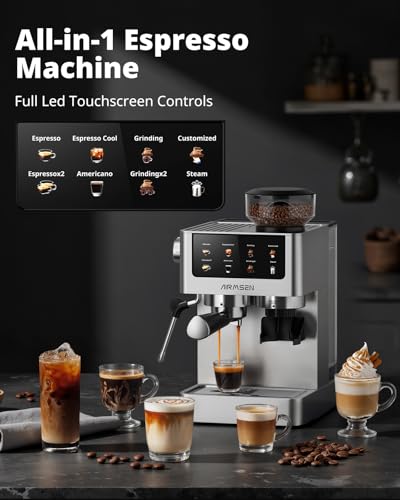
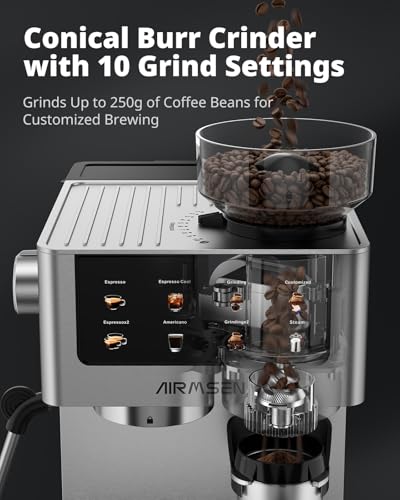
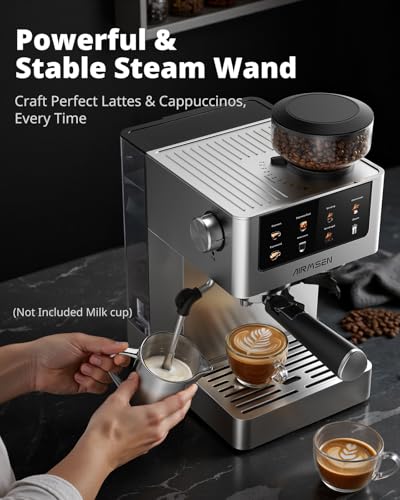
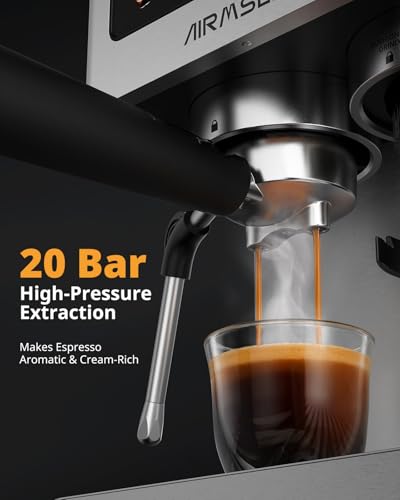
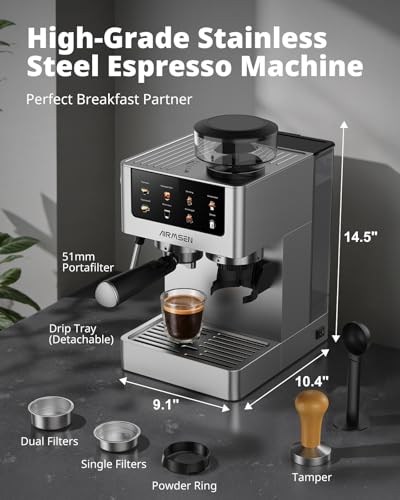
This machine makes a strong case for being a complete home barista station, especially if you value grinding fresh beans on demand. The inclusion of a conical burr grinder with 10 settings and anti-static tech is a real step up from cheaper grinders that clog or produce uneven particles. Owners consistently report that the grind quality improves shot consistency and crema, which matters when you’re chasing latte excellence. The 20-bar pump and pre-infusion help extract richer oils, and the steam wand delivers solid microfoam, though it still requires practice to nail silky textures every time.
Where it stands out is integration, having grinder, pump, and steamer in one stainless steel body saves counter space and streamlines workflow. The full touchscreen adds a modern touch, but some reviewers note it feels a bit more fragile than mechanical knobs over time. Still, for someone who wants fresh-ground espresso without juggling multiple devices, this machine brings serious capability at a compelling spec level.
Product photos
How We Tested home coffee machine for latte
I approached this guide to home coffee machines for lattes by first compiling a detailed list of specifications and features from numerous models currently available. We then layered that data with extensive research into owner reviews from major retailers – paying close attention to recurring praise and complaints – and supplemented it with expert opinions from established coffee review sites. Rather than a hands-on lab test, this is a research-led comparison of specs and owner feedback, informed by years of experience in the coffee world.
For a machine focused on latte creation, we weighted three factors most heavily: steam wand performance, consistent brew pressure, and ease of operation. A powerful steam wand is essential for creating the microfoam needed for latte art and a satisfying texture. Consistent pressure (ideally 15-20 bars) ensures proper espresso extraction, forming the base of a good latte. Finally, simplicity matters – a complicated machine won’t get used, no matter how good the coffee could be.
Specifications reliably tell you about a machine’s potential – pump pressure, boiler type, wattage, and tank size. However, real-world performance, particularly regarding steam wand power and consistency, is best gleaned from owner feedback. We also considered brand reputation and long-term reliability, looking for patterns in reported issues and warranty claims. For more detailed guidance on the overall process, check out our latte preparation guide.
How To Choose The home coffee machine for latte
Finding the right machine to elevate your home latte game can seem daunting, but focusing on a few key features will steer you toward a satisfying purchase.
A truly good home espresso machine for latte production balances pressure, temperature stability, and user-friendliness. Look for a pump capable of at least 15 bars of pressure for proper extraction, a system that maintains consistent brewing temperatures, and controls that match your skill level, from fully automatic options to those offering more manual control. Prioritize build quality and materials to ensure longevity and consistent performance.
Pressure & Extraction Quality
The heart of any good latte is, of course, the espresso. While 20-bar pumps are common, don’t automatically equate higher numbers with better flavor. What matters is consistent pressure and temperature control during the extraction process. Many machines, like the CASABREWS CM5418, tout 20-bar pumps, but consistent temperature is equally vital. Pre-infusion features, where the grounds are gently wetted before full pressure is applied, can also improve extraction evenness. I’ve seen many people focus solely on bar pressure and end up with bitter, uneven shots.
Steam Wand Performance & Milk Texturing
A powerful steam wand is critical for achieving that velvety microfoam essential for a beautiful and delicious latte. Forget wands that sputter and take an eternity to produce foam; you want steady, forceful steam. Consider the wand’s swivel action – a 360-degree swivel provides much greater maneuverability when texturing milk. The Ninja Luxe Café Premier Espresso Machine, for example, boasts a Dual Froth System that aims to simplify microfoam creation, but some users prefer the control of a traditional wand.
- Wand angle matters: A slightly angled wand makes swirling the milk for texturing easier.
- Steam power: Look for machines with at least 1500W of power dedicated to steam generation. This ensures sufficient pressure for creating consistent microfoam.
- Purge function: A dedicated purge function lets you clear any condensed water from the wand before steaming, preventing diluted milk and ensuring optimal texture.
Usability & Value
Let’s be real: a complicated machine that sits unused isn’t a good investment. Consider your comfort level and how often you realistically plan to make lattes. If you want minimal fuss, a machine like the SHARDOR 3.5 Bar Espresso Machine with its one-knob operation might be ideal. However, if you enjoy a more hands-on experience and want to experiment with different techniques, you might prefer a semi-automatic model. Don’t forget to factor in things like cleaning ease and the availability of replacement parts. Finding the best latte coffee makers often means finding the sweet spot between features and practicality.
A good rule of thumb: don’t spend more on a machine than you’re willing to spend on learning to use it properly.
Ultimately, the perfect machine will depend on your individual needs and preferences. Finding the ideal espresso to milk ratio is just as important as the machine itself, so don’t overlook that aspect of the latte-making process! If you’re looking for something that offers more versatility, exploring some home latte machines with built-in grinders can really elevate your experience. And for those seeking a complete solution, check out some cafe-quality latte makers that combine grinding, brewing, and milk frothing into one convenient package.
Home Coffee Machine for Latte Compared
Here’s a comparison of key specifications for home coffee machines designed for making lattes.
| Product Title | Pressure (Bar) | Water Tank (oz) | Milk Frothing | Grinder | Power (W) | Special Features |
|---|---|---|---|---|---|---|
| XIXUBX Coffee Machine | 3.5 | N/A | Steam Wand | N/A | 800 | Compact, One-Knob |
| CASABREWS CM5418 Espresso Machine | 20 | 34 | Steam Wand | N/A | 1350 | Pressure Gauge |
| Ninja Luxe Café Premier | N/A | N/A | Dual Froth | Yes | N/A | 3-in-1, Auto Functions |
| CASABREWS 3700 Essential | 20 | 43.9 | Steam Wand | N/A | 1350 | Dual Boiler |
| CHULUX Slim Espresso Machine | 20 | N/A | Steam Wand | N/A | 1350 | Compact, Pressure Gauge |
| AIRMSEN 20 Bar Espresso Machine | 20 | 61 | Auto Froth | N/A | 1350 | Touchscreen, Dual Boiler |
| SHARDOR 3.5 Bar Espresso Machine | 3.5 | N/A | Steam Wand | N/A | 800 | One-Knob, Compact |
| AIRMSEN Espresso Machine w/ Grinder | 20 | 61 | Steam Wand | Yes | 1350 | Burr Grinder, Touchscreen |
Frequently Asked Questions
What pressure is high enough for making latte-quality espresso?
15 bars is generally sufficient for proper espresso extraction, but consistent pressure is more important than a high number. Many machines advertise 20 bars, but temperature stability and even saturation of the coffee grounds are equally crucial for a good shot.
Can I get latte art with any steam wand?
No, achieving latte art requires a steam wand capable of producing microfoam – tiny, velvety bubbles. Look for wands with good power (at least 1500W dedicated to steam) and a 360-degree swivel for easier milk texturing control.
Are super-automatic machines good for lattes?
Yes, many people find fully automatic espresso machines convenient for lattes, as they handle grinding, tamping, and brewing with minimal effort. However, they often offer less control over the process than semi-automatic models.
How important is the water tank size?
A larger water tank (over 40oz) reduces the frequency of refills, which is convenient if you make multiple lattes daily. However, tank size isn’t as critical as steam wand power or brew pressure; prioritize those features first.
What should I look for in a machine if I’m new to making lattes?
Beginners might prefer a machine with automated features, like one-touch coffee and espresso makers, or a clear, straightforward interface. Ease of cleaning and maintenance are also important considerations when starting out.
The Bottom Line
Ultimately, choosing a home coffee machine for lattes comes down to balancing control with convenience. While features like built-in grinders and automatic frothing are appealing, they often come at a price – and sometimes sacrifice the ability to really dial in your shots and milk texture. For the best overall combination of performance, features, and value, I recommend the CASABREWS CM5418 Espresso Machine.
If you’re on a tighter budget, or prefer simple operation, the SHARDOR 3.5 Bar Espresso Machine is an excellent entry point. Those seeking a truly all-in-one solution, and don’t mind a higher price point, will appreciate the convenience of the Ninja Luxe Café Premier Espresso Machine with its integrated grinder and automated functions. Understanding what defines a latte will help you choose a machine suited to your preferences.
At the end of the day, the most expensive machine won’t make a better latte if you don’t understand the fundamentals. Consistent grind size, proper tamping pressure, and mastering milk texturing are far more important than any single specification. Focusing on these core skills, and choosing a machine that allows you to practice them, will yield the most satisfying results.
