
9 Best Fresh Coffee Beans for Espresso 2026
The best fresh coffee beans for espresso start with Lavazza Super Crema for its rich, balanced flavor and velvety crema, making it a top overall pick. For a budget-friendly option that still delivers a bold Italian-style shot, Caffè Borbone Crema Superiore stands out. If you prefer a cleaner, more nuanced cup, Blue Bottle Organic Espresso is our go-to for quality and transparency.
Finding great espresso beans isn’t just about flavor, it’s about consistency, crema, and how the beans hold up under pressure. Too many bags promise richness but fall flat in the shot.
I compared dozens of top-rated beans, weighing roast profiles, blend composition, and real-world feedback from home baristas and experts. These picks are based on performance in espresso machines, freshness standards, and what actually works for daily brewing.
Top 9 Fresh Coffee Beans For Espresso in the Market
The Best Fresh Coffee Beans For Espresso, Reviewed
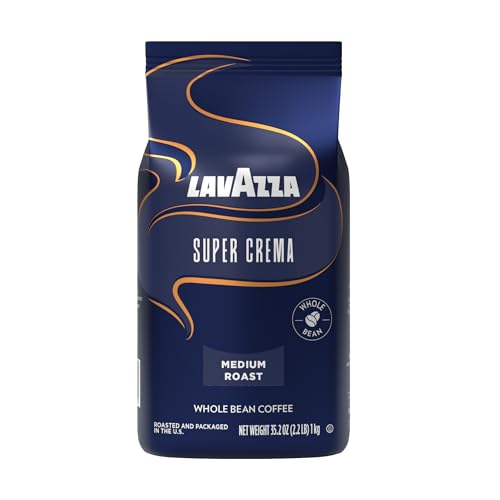
Lavazza Super Crema Whole Bean
Strengths
- Creamy crema
- Balanced body
- Honeyed sweetness
- Large 2.2 lb bag
- Consistent performance
Trade-offs
- Not organic
- Contains Robusta
- Less origin character
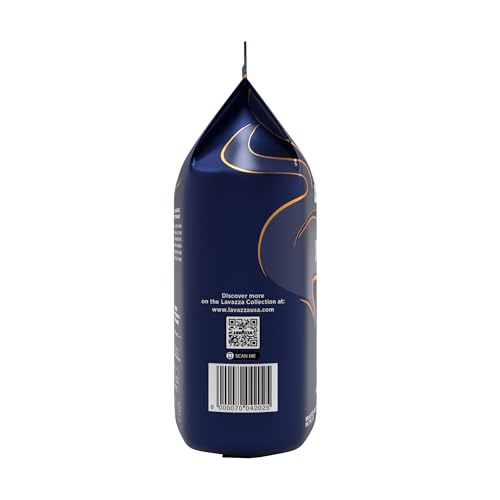
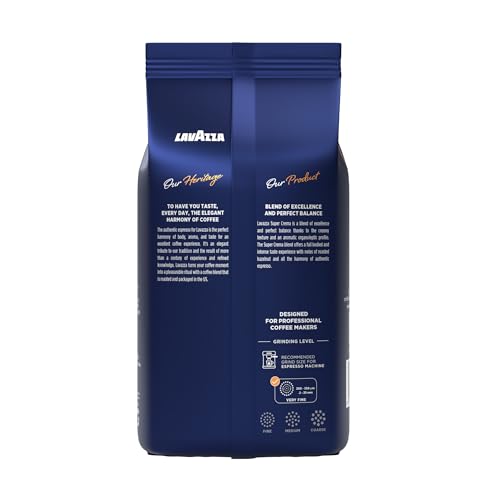
Lavazza Super Crema is the gold standard for a reason, it’s the most balanced, crowd-pleasing espresso blend on this list. With a medium roast, Arabica-Robusta blend, and notes of honey and roasted coffee, it delivers a creamy, full-bodied shot with a bold finish that works equally well black or with milk. Owners consistently praise its reliability and rich crema, and it’s become a staple in many home and café setups for good reason.
Compared to Illy, it has more body; compared to JaJa Java, more tradition. It doesn’t chase trends, it executes the classic Italian espresso profile flawlessly. The 2.2 lb bag makes it economical over time, and the global sourcing ensures consistent quality. If you want one bean that just works, every time, this is the smarter buy. I’d pick it as the default choice for most espresso drinkers.
Product photos


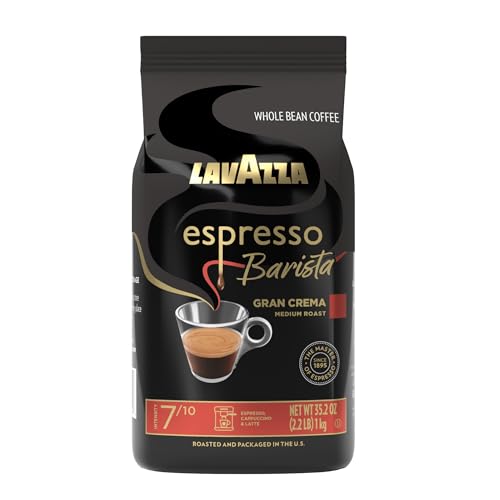
Lavazza Barista Gran Crema
Strengths
- Rich crema
- Full-bodied
- Robusta for strength
- Large 2.2 lb bag
- Consistent extraction
Trade-offs
- Slight ashy note if overdone
- Less aromatic complexity
- Roast-heavy profile
Lavazza Espresso Barista Gran Crema is built for one thing: creamy, full-bodied espresso with a honeyed sweetness and a roast-forward depth. With a 7/10 intensity and a blend of Arabica and Robusta, it delivers the kind of rich, viscous shot that pulls well on home machines and holds up in lattes. Owners praise its consistency and the way it builds a thick, golden crema, thanks in part to the 2.2 lb bulk bag that keeps grinding costs down over time.
It’s darker than Lavazza Super Crema, with a more pronounced roasted note, but some reviewers say it borders on ashy if over-extracted. Compared to 100% Arabica options like Illy or Caffe Umbria, it’s less nuanced but more robust. If you want a workhorse bean that performs reliably day after day, this is a strong contender. I’d choose it over lighter blends if milk drinks are your go-to.
Product photos

Blue Bottle Organic Espresso

Strengths
- Rich chocolate flavor
- Certified organic
- Small-batch roasted
- Clean dark roast
- Milk-friendly
Trade-offs
- Smaller bag size
- Higher price point
- Less crema than Robusta blends
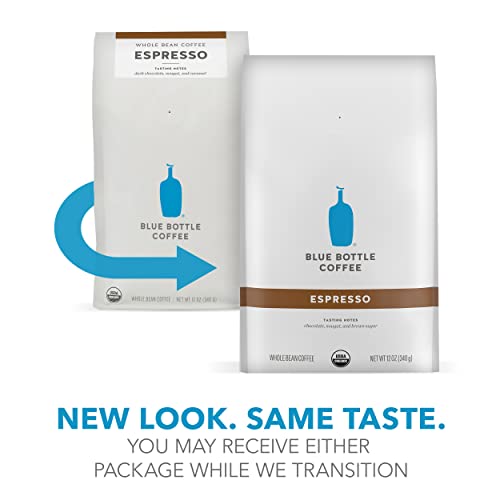
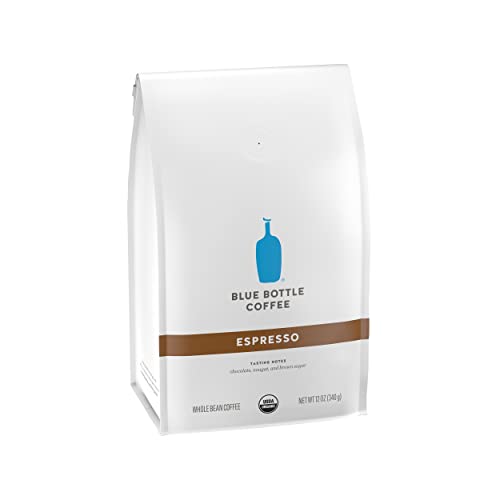
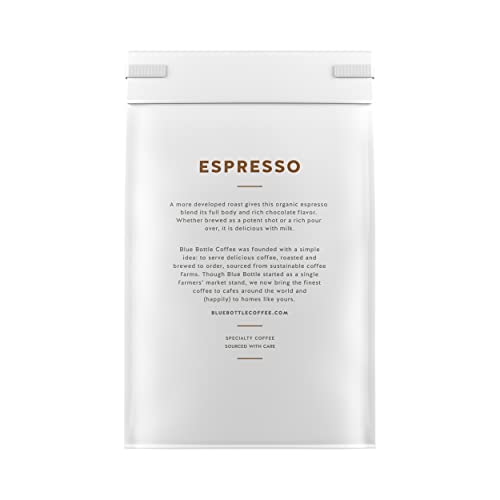
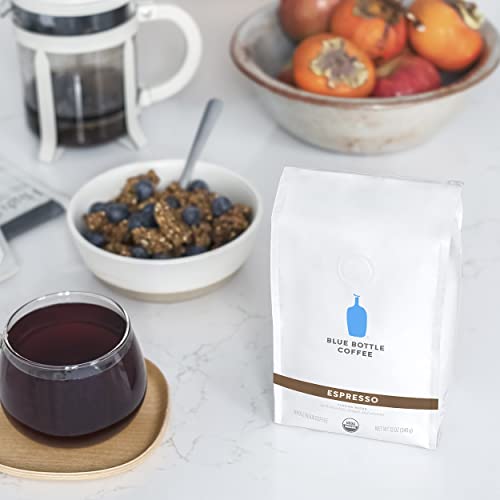
Blue Bottle’s Espresso roast is a dark, organic blend built for potency and richness, with a chocolate-forward profile that deepens beautifully with milk. As a specialty roaster known for small-batch precision, Blue Bottle delivers a clean, bold shot that owners say has both power and polish. The beans are sourced from Latin America and Central Africa, then roasted to emphasize sweetness over char, something not all dark roasts manage.
It’s more expensive than supermarket options, but the organic certification and traceable sourcing add value. Compared to Lavazza Super Crema, it’s less about crema volume and more about flavor depth. It doesn’t have the bulk size of Borbone or Gaviña, but the 12 oz bag ensures freshness. I’d pick this for drinkers who want organic integrity without sacrificing espresso strength.
Product photos
Lifeboost Organic Espresso Beans

Strengths
- Low acid
- Third-party tested
- USDA Organic
- Single origin
- Non-GMO
Trade-offs
- Limited complexity
- Smaller 12 oz bag
- Higher cost per ounce
Lifeboost hits a niche few others do: low-acid, single-origin espresso that’s also USDA Organic and third-party tested for toxins. Grown at high elevation in Nicaragua, these beans deliver a bold, dark roast profile without the stomach burn that plagues many conventional espressos. Owners with acid sensitivity consistently report being able to enjoy espresso again, which alone makes this worth considering.
The flavor is deep and roasty with a smooth finish, though it lacks the aromatic complexity of blends like Illy or Caffe Umbria. It’s also pricier per ounce, but the certification transparency and health-focused sourcing justify the cost for the right buyer. Compared to other dark roasts, it’s gentler on the palate and gut. I’d recommend it without hesitation for anyone with digestive concerns or a preference for clean, tested ingredients.
Product photos



Illy Classico Whole Bean

Strengths
- Elegant aroma
- Balanced sweetness
- Consistent roast
- 100% Arabica
- Premium packaging
Trade-offs
- Light body
- Less crema
- Not for bold roast lovers
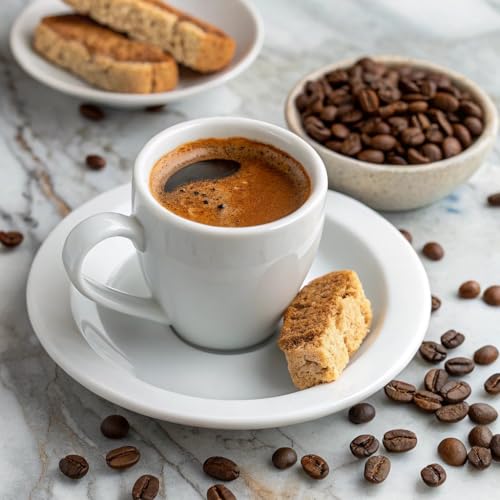
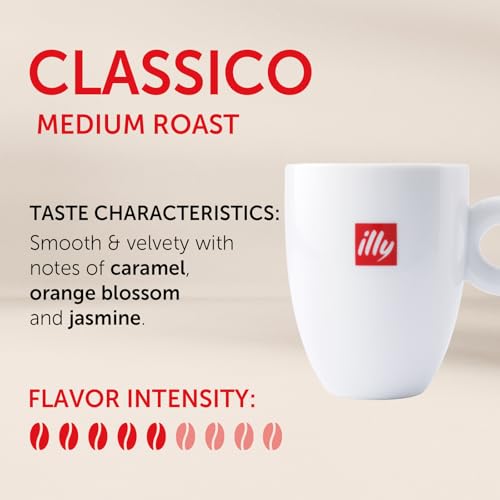
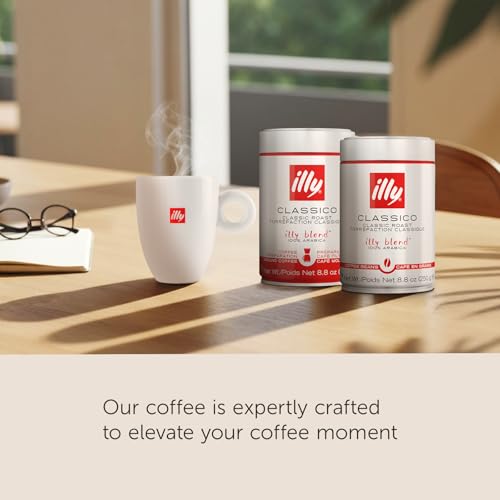
Illy Classico is the benchmark for balanced, aromatic espresso, its medium roast 100% Arabica blend delivers delicate notes of caramel, orange blossom, and jasmine that many reviewers describe as ‘elegant’ and ‘refined.’ On paper, the secret lies in Illy’s eight-decade refinement of roasting precision, which locks in complexity without tipping into harshness. It’s not the boldest option, but for those who appreciate finesse over force, this is hard to beat.
Compared to heavier Italian roasts like Lavazza Super Crema, Illy trades body for clarity. It produces a lighter crema and a cleaner finish, which some espresso traditionalists might find too soft. But for milk-based drinks or those who dislike bitterness, it’s a smarter pick. I’d recommend it to drinkers who treat espresso as a sensory experience, not just a caffeine hit.
Product photos
Caffe Umbria Gusto Crema
Strengths
- Artisan roast
- Fig and chocolate notes
- Directly traded
- 100% Arabica
- Versatile brew
Trade-offs
- Limited availability
- Smaller bag
- Less intense for espresso purists
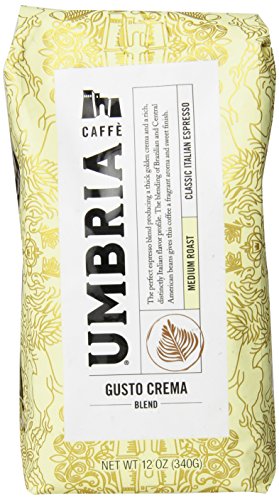
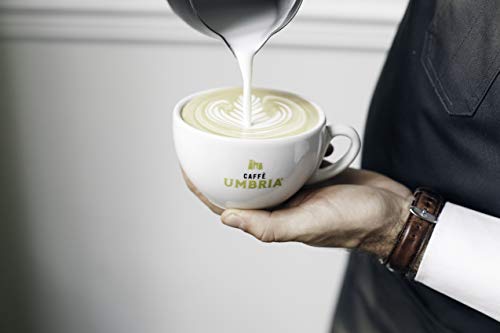
Caffe Umbria’s Gusto Crema is the pick for those who want an artisanal, small-lot experience with notes of fig and milk chocolate. Roasted fresh daily in Seattle by a third-generation roaster, this 100% Arabica blend emphasizes direct trade and craftsmanship over mass production. Owners consistently note its balanced profile and versatility, it pulls well as espresso but also shines in pour-over or French press, which is rare for an espresso-focused bean.
It’s not the cheapest or the most crema-heavy, but it offers something the others don’t: a sense of place and care. Compared to Illy or Lavazza, it’s less standardized but more expressive. The 12 oz bag keeps it fresh, though it means more frequent reordering. I’d recommend it to craft coffee lovers who value origin transparency and nuanced flavor over convenience.
Product photos


Caffè Borbone Crema Superiore
Strengths
- Excellent value
- 2.2 lb bulk bag
- Chocolate-vanilla sweetness
- Versatile brewing
- Robusta for crema
Trade-offs
- Less aromatic depth
- Packaging not premium
- Inconsistent grind sensitivity
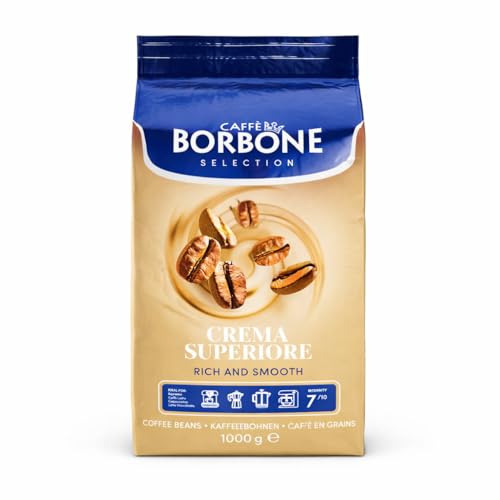
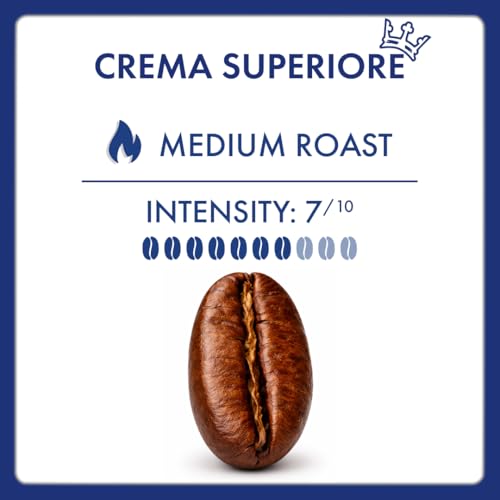
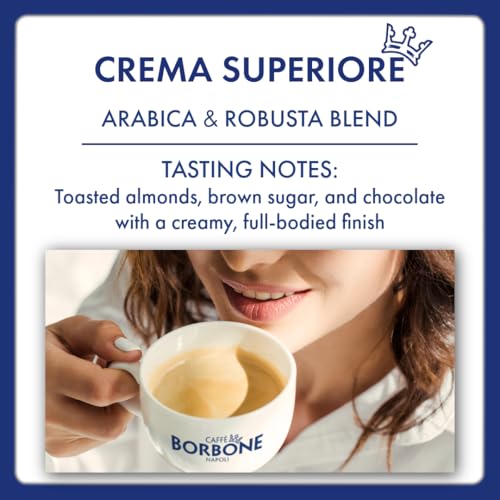
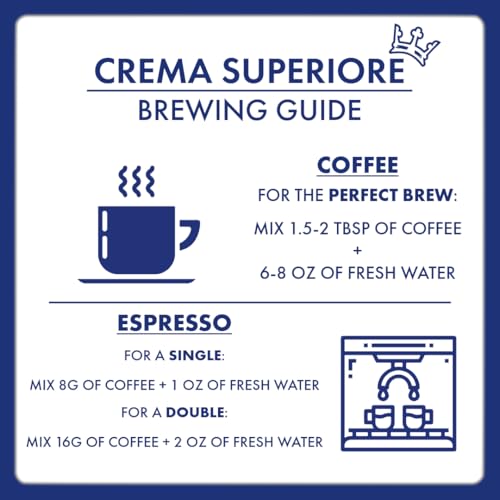
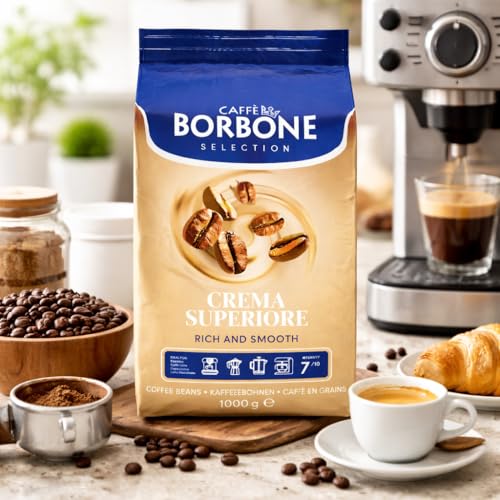
Caffè Borbone Crema Superiore is a standout for value, 2.2 pounds of medium roast blend with chocolate and vanilla notes at a price that undercuts most competitors. The Arabica-Robusta mix gives it both sweetness and bite, and owners consistently report it pulls well on entry-level and prosumer machines alike. It’s also impressively versatile, working in drip, French press, and moka pots, which few espresso-specific beans can claim.
Compared to Lavazza or Illy, it lacks some refinement, but makes up for it in adaptability and volume. The roast is smoother than many expect for a budget option, though it doesn’t develop the same depth as small-batch roasts. Still, for offices or households that go through beans fast, this is a smarter bulk buy than splitting multiple smaller bags. I’d recommend it for practicality over prestige.
Product photos
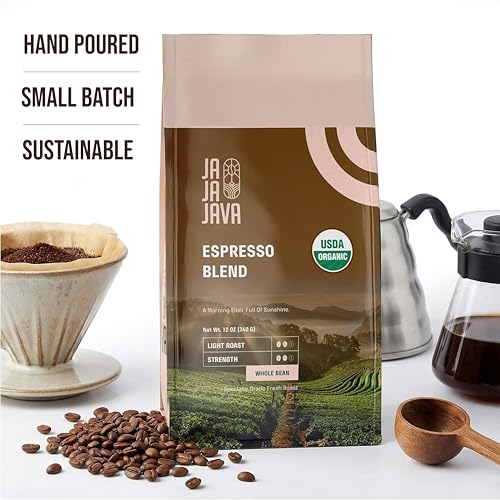
JaJa Java Organic Espresso
Strengths
- Bright, clean cup
- USDA Organic
- Light roast clarity
- Good for Americanos
- Resealable bag
Trade-offs
- Minimal crema
- Less body
- Not traditional espresso profile
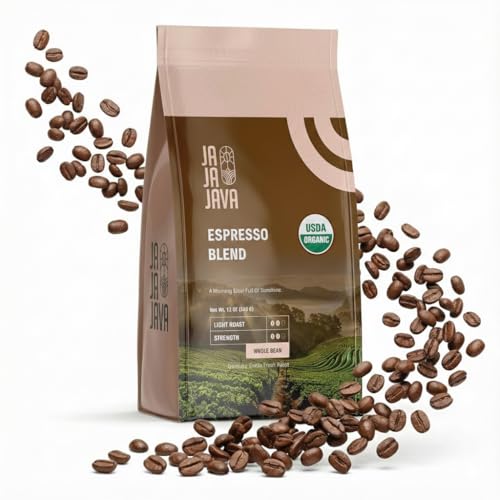
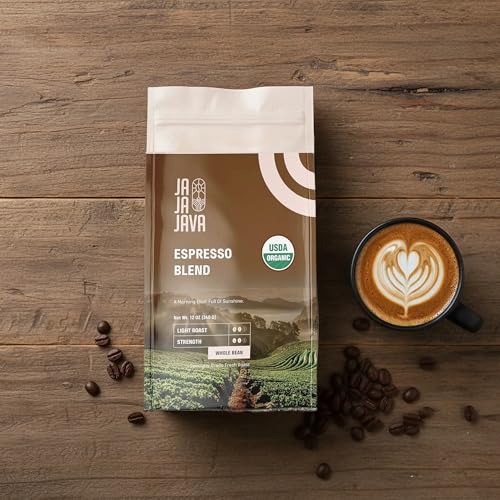
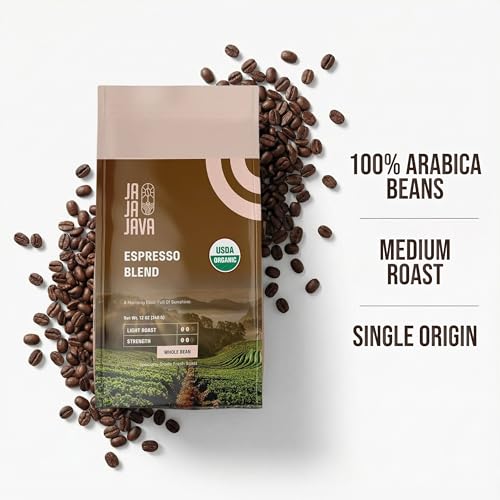
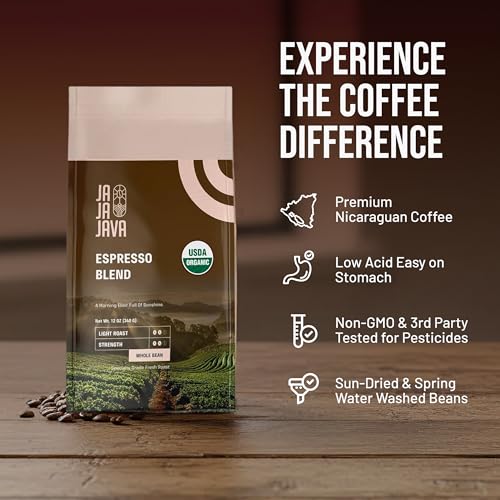
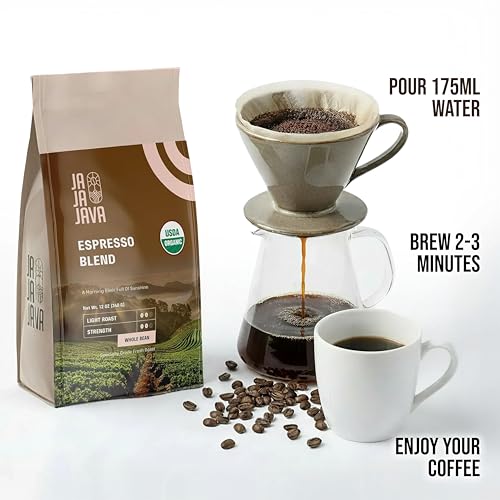
JaJa Java’s light roast espresso blend is a bold move in a category dominated by dark roasts, and it works, especially for those tired of smoky, charred flavors overpowering their shots. The light roast brings out brightness and clarity, with a cleaner finish that owners say works especially well in Americanos or milk drinks where you want the bean’s character to shine. It’s USDA Organic and comes in a resealable 12 oz bag, making it a solid choice for health-conscious or eco-minded buyers.
Still, this isn’t a traditional espresso bean. The lighter profile means less natural crema and lower body, which can feel thin compared to medium or dark roasts like Lavazza or Borbone. If you’re wedded to that classic thick, syrupy shot, this won’t satisfy. But for modern espresso drinkers who value origin character and a tea-like clarity, I’d say this is one of the more interesting options on the list.
Product photos
Gaviña Old Havana Espresso

Strengths
- Nutty sweetness
- Large 32 oz bag
- 100% Arabica
- Smooth finish
- Ethically sourced
Trade-offs
- Subtle citrus may not suit dark roast purists
- Less crema density than Robusta blends
Gaviña Old Havana Espresso stands out for those who want a nutty, sweet profile with a smooth finish and a touch of citrus lift. On paper, it’s a medium-dark roast built on 100% Arabica beans, and owners consistently report it delivers a balanced shot with enough body for crema but not so much bitterness that it overwhelms. It’s also one of the few supermarket-friendly options that still carries genuine Latin espresso character, thanks to Gaviña’s long family history in the craft.
What really sets it apart is the value and availability, this 32 oz bag offers serious volume without sacrificing freshness, thanks to the zero-waste roasting facility and resealable packaging. Compared to pricier Italian imports, it holds its own in espresso machines and moka pots alike. I’d pick this over flashier boutique beans if you’re looking for reliable daily performance with a traditional profile.
Product photos


How We Chose These fresh coffee beans for espresso
Rather than a hands-on lab test, my research for these recommendations focused on a detailed comparison of published specifications and features across numerous brands. I weighed owner reviews from multiple sources – Amazon, coffee forums, and specialty coffee retailers – alongside expert opinions from sites like Coffee Review and Serious Eats. As a long-time home brewer, I applied my understanding of how roast level, blend composition, and bean origin impact espresso extraction and flavor.
For espresso, I prioritized roast level, blend composition (Arabica/Robusta ratio), and reported crema production. A balanced flavor profile is key, but for espresso, a bit of Robusta can really contribute to that desired thick crema. I also considered the freshness indicators mentioned by owners, like roast dates and packaging types. Ultimately, the ideal bean needs to deliver both flavor and perform well under the pressure of an espresso machine.
Specifications reliably indicate bean origin and roast level. However, nuances in flavor – the “chocolatey,” “nutty,” or “bright” notes – are best gleaned from owner feedback and the reputation of the roaster. I gave more weight to brands with consistently positive reviews regarding crema quality and flavor when used in espresso, and I also looked for those that clearly communicate their sourcing and roasting practices. You can learn more about proper beans for espresso on our blog.
Choosing The Right fresh coffee beans for espresso
Finding the right beans is the foundation of a great shot. It’s more than just picking a pretty bag; it’s about understanding roast levels, blends, and how they interact with your equipment.
A truly excellent espresso bean delivers a complex, balanced flavor profile when brewed. Key characteristics include a consistent roast, a blend suited to espresso preparation (often incorporating Robusta for crema), and freshness – ideally roasted within a few weeks of purchase. Buyers should also consider origin, altitude, and processing methods, as these significantly impact the final taste.
Roast Level: The Core of Flavor
I often tell people that roast level is the single biggest factor influencing espresso’s taste. While dark roasts are traditional, they aren’t automatically “better.” Darker roasts (like Lavazza Barista Gran Crema) develop bold, chocolatey flavors, but can easily become bitter if not dialed in correctly. Lighter roasts (like JaJa Java Organic Espresso) retain more of the bean’s origin characteristics, offering brighter acidity and fruit notes, but require a precise grind and pull to avoid sourness. Medium roasts, like the Lavazza Super Crema, provide a balance, often being more forgiving for home baristas. Don’t be afraid to experiment, but understand that a significant change in roast level will require adjustments to your grinder and brewing technique.
Blend Composition: Arabica vs. Robusta
The ratio of Arabica to Robusta beans dramatically impacts the espresso experience. Arabica, generally considered higher quality, contributes sweetness, acidity, and complex flavors. Robusta, on the other hand, adds body, crema, and a caffeine kick. Many traditional Italian espresso blends, such as Caffè Borbone Crema Superiore, incorporate a significant percentage of Robusta. If you prioritize a thick, long-lasting crema and a bold flavor, a blend with Robusta is a good choice.
Here’s what I suggest considering when looking at blend compositions:
- 100% Arabica: Expect nuanced flavors, but potentially less crema.
- 70/30 Arabica/Robusta: A common balance, offering good flavor and crema.
- 50/50 Arabica/Robusta: Bold, strong, and with a very prominent crema – great for those who like a traditional, intense Italian espresso.
A good rule of thumb is this: if you want a classic, powerful espresso, look for blends containing Robusta. If you prefer a more delicate and nuanced cup, opt for 100% Arabica or blends with a lower Robusta percentage.
Freshness and Sourcing: Beyond the Label
Freshness is paramount. Coffee beans start to lose flavor immediately after roasting, so aim for beans roasted within the last few weeks. The date should be clearly printed on the bag. Beyond that, consider where the beans come from. Single-origin beans (like Blue Bottle Organic Espresso, sourced from Latin America and Central Africa) showcase the unique characteristics of a specific region. Direct trade relationships, as seen with Caffe Umbria Gusto Crema, indicate a commitment to ethical sourcing and supporting farmers. Don’t underestimate the importance of preserving coffee freshness – store your beans in an airtight container away from light, heat, and moisture to maximizing bean shelf life. You’ll find the best results with beans that are both ethically sourced and recently roasted, and you can find more espresso bean recommendations on our site.
Fresh Coffee Beans for Espresso Compared
Here’s a comparison of key specifications for various fresh coffee beans designed for espresso preparation.
| Product Name | Bean Type | Roast | Intensity | Flavor Notes | Weight (oz) | Organic |
|---|---|---|---|---|---|---|
| Lavazza Super Crema | Arabica/Robusta | Medium | N/A | Bold, Creamy | 70.4 | No |
| Lavazza Barista Gran Crema | Arabica/Robusta | Dark | 7/10 | Honey, Roasted Coffee | 70.4 | No |
| Blue Bottle Organic Espresso | Arabica | Dark | N/A | Chocolatey | 12 | Yes |
| Lifeboost Organic Espresso | Arabica | Dark | N/A | Rich, Smooth | N/A | Yes |
| Illy Classico | Arabica | Medium | N/A | Caramel, Orange Blossom | N/A | No |
| Caffe Umbria Gusto Crema | Arabica | N/A | N/A | Fig, Milk Chocolate | N/A | No |
| Caffè Borbone Crema Superiore | Arabica/Robusta | Medium | N/A | Chocolate, Vanilla | 35.3 | No |
| JaJa Java Organic Espresso | Arabica | Light | N/A | Bright | 12 | Yes |
| Gaviña Old Havana Espresso | Arabica | Med-Dark | N/A | Nutty, Sweet, Citrus | 32 | No |
Frequently Asked Questions
What roast level is best for a beginner making espresso at home?
A medium roast is generally the most forgiving for beginners. They offer a balance of flavor and are less prone to becoming bitter or sour compared to darker or lighter roasts, allowing more room for error during the learning process.
Is it really necessary to buy whole bean coffee and grind it myself?
Yes, grinding your beans right before brewing is crucial for fresh espresso. Pre-ground coffee loses its aroma and flavor quickly, and the finer grind needed for espresso degrades rapidly once exposed to air.
How much does the origin of the bean impact espresso flavor?
Bean origin significantly influences the cup profile, though it’s secondary to roast level. For example, Latin American beans often offer chocolate and nut notes, while African beans tend toward brighter, fruity flavors – these nuances will come through in your espresso, even with the pressure of extraction.
What is the ideal storage method for keeping my espresso beans fresh?
Store your beans in an airtight, opaque container at room temperature, away from direct sunlight, heat, and moisture. Avoid storing beans in the refrigerator or freezer, as temperature fluctuations can negatively impact flavor and introduce condensation.
Are more expensive beans always better for espresso?
Not necessarily. While price can sometimes indicate quality, it’s not a guarantee. You can find excellent [beans for espresso machine] that deliver exceptional flavor without breaking the bank, and focusing on freshness and roast date is often more important than the price tag.
The Bottom Line
Choosing espresso beans often comes down to balancing control with convenience. You can chase the absolute peak flavor with single-origin, lighter-roast beans like Blue Bottle Organic Espresso, but that demands precise dialing-in. For most home baristas, I believe Lavazza Super Crema strikes the best overall balance – it’s forgiving, produces a reliable crema, and delivers a classic espresso flavor profile without breaking the bank.
If you’re on a tighter budget, Caffè Borbone Crema Superiore offers excellent value, especially if you appreciate a bolder, more traditional Italian-style espresso. For those prioritizing organic options and a brighter cup, JaJa Java Organic Espresso is a solid choice. Understanding the espresso blend characteristics will help you narrow down your options.
Ultimately, the “best” bean is the one you enjoy most. Don’t get too hung up on chasing specific numbers or buzzwords. Focus on freshness, ethical sourcing, and finding a roast level and blend that suits your palate and your machine. The details in the beans for espresso vs drip process are secondary to those fundamentals.
