
8 Best Dark Roast Coffee Beans for Espresso 2026
The best dark roast coffee beans for espresso are Peet’s Espresso Forte for its rich body and consistent crema, with Gaviña Old Havana Espresso as a solid budget pick and Mayorga Organic Cafe Cubano for those seeking a unique Cuban-style profile. These stand out based on flavor balance, freshness, and performance under pressure.
Most people think any dark roast will work for espresso, but too many end up with bitter, flat shots that lack depth. The real challenge is finding a bean that delivers bold flavor without tipping into burnt or ashy notes, while still producing that velvety crema good espresso demands.
As the founder of Bean Thusiast, I looked at dozens of dark roasts, weighing owner feedback, roast consistency, and origin blends to identify the ones that actually perform well in an espresso machine. This guide cuts through the noise to show you what really matters when choosing your next bag.
Top 8 Dark Roast Coffee Beans For Espresso in the Market
The Best Dark Roast Coffee Beans For Espresso, Reviewed
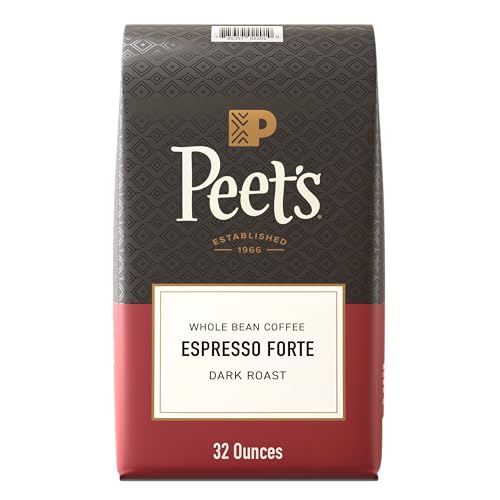
Peet’s Espresso Forte Dark Roast
Strengths
- Balanced boldness
- Chocolate-hazelnut notes
- Large 32 oz bag
Trade-offs
- Not ultra-high caffeine
- Less niche character
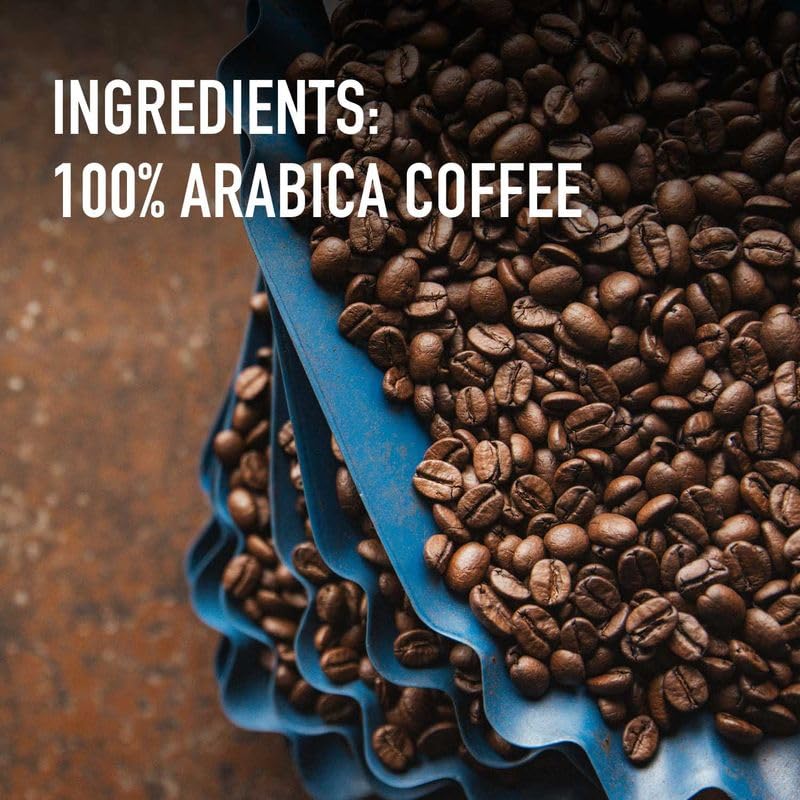
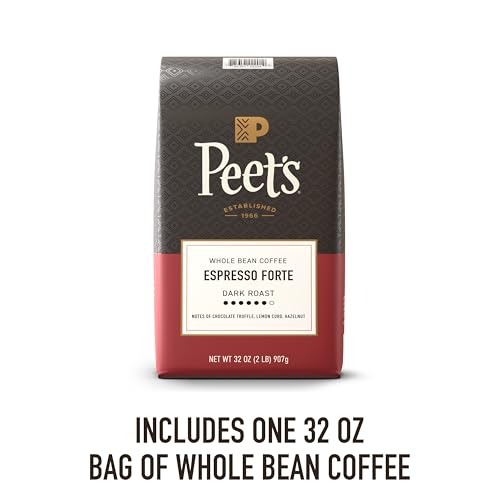
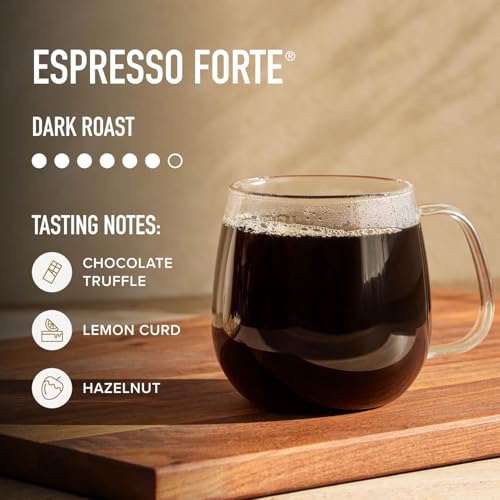
Peet’s Espresso Forte is, without question, the best overall dark roast here for espresso. It’s a 32 oz bag of 100% Arabica beans, crafted specifically for stout body, chocolate and hazelnut notes, and a smooth crema. Reviewers consistently praise its balance, bold without being harsh, rich without being flat. It performs well across brewing methods, but shines in espresso, where its depth and complexity come through.
Compared to Starbucks or Community Coffee, it’s a clear step up in refinement. Against Blue Bottle or Lavazza, it holds its own with broader appeal. The 50-year roasting legacy shows in consistency and care. For most buyers, this is the easy pick: high quality, strong ethics, and broad compatibility.
Product photos
Lavazza Gran Riserva Italian

Strengths
- Authentic Italian profile
- Rich crema
- Large 2.2 lb bag
Trade-offs
- Not organic
- Low acidity may dull brightness
Lavazza Gran Riserva is Italian espresso authenticity in a 2.2 lb bag. Blended and roasted in Italy, it delivers a velvety crema and classic notes of maple syrup and walnuts, exactly what traditionalists look for in a dark espresso roast. It’s formulated specifically for espresso machines, and owners report excellent extraction and mouthfeel, with a rounded, not burnt, finish.
It’s not organic or high-caffeine, but it doesn’t need to be. Compared to Death Wish or Mayorga, it’s more about tradition than innovation. The nut-free facility is a plus for sensitive households. If you want that old-world Italian bar experience at home, this is as close as it gets on a shelf.
Product photos
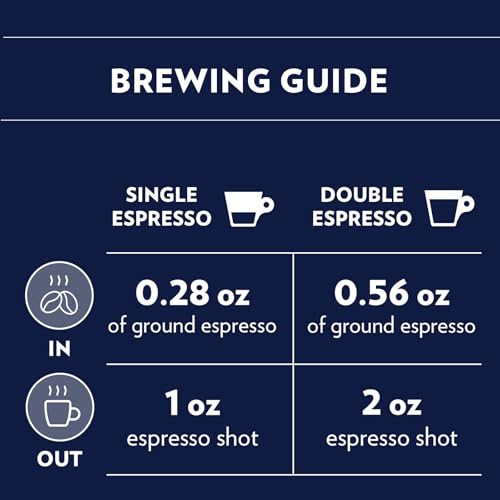


Blue Bottle Organic Espresso

Strengths
- Organic certified
- Chocolatey sweetness
- Small-batch roasted
Trade-offs
- Higher price
- Limited caffeine kick
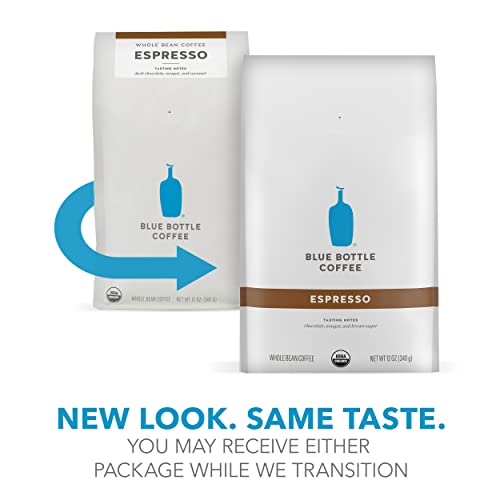
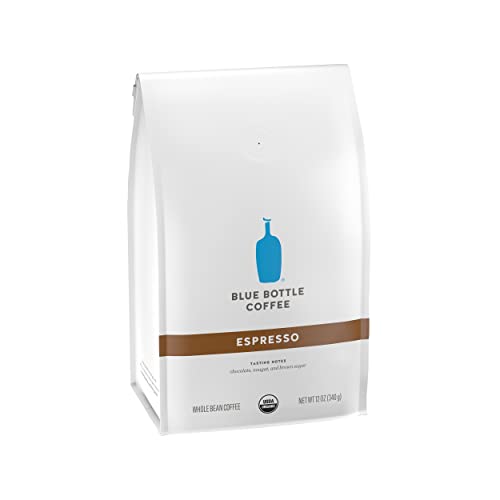
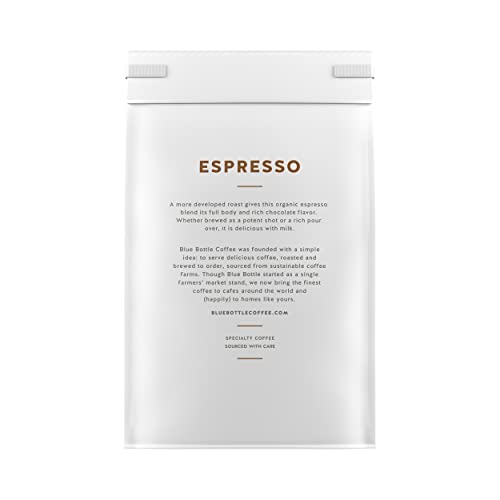
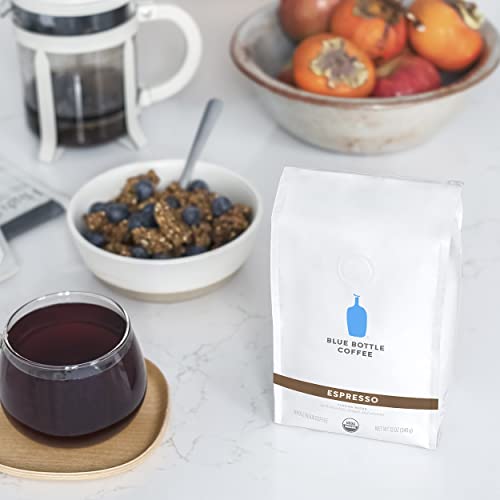
When you want organic and specialty-grade in the same bag, Blue Bottle’s Espresso roast stands out. This blend pulls from Latin America and Central Africa, roasted in small batches to emphasize a chocolatey, sweet profile that holds up beautifully under pressure. Reviewers note its consistency in producing balanced shots with a clean finish, ideal when you’re pulling straight espressos or milky drinks like lattes.
It’s not the strongest in caffeine, but that’s not the point. Compared to Death Wish or even Peet’s, this is a more refined play: less brute force, more elegance. The organic certification and traceable sourcing add value for eco-conscious buyers, though the price reflects that premium.
Product photos
Death Wish Organic Espresso Roast

Strengths
- High caffeine
- Organic and Fair Trade
- Smooth for robusta blend
Trade-offs
- Overpowering for some
- Less aromatic complexity
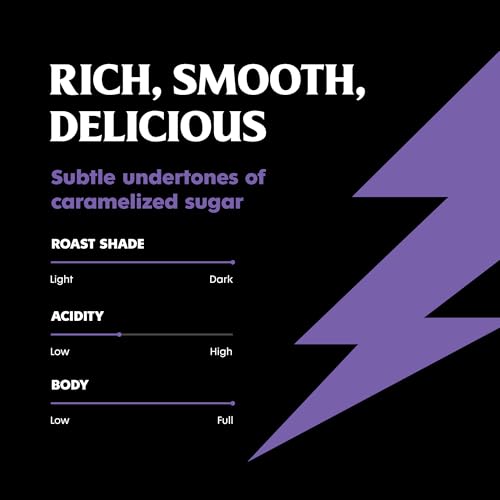
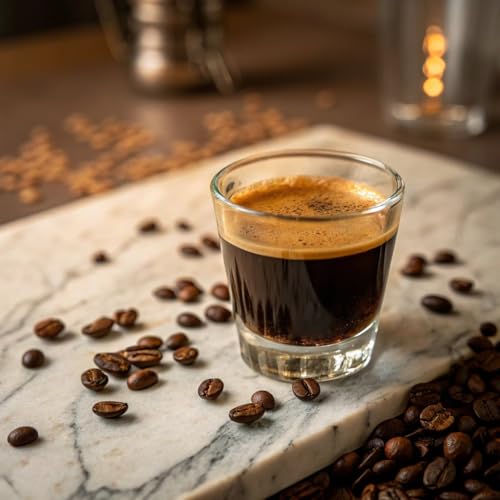
If caffeine is your priority, Death Wish doesn’t play around. Blending Arabica and Robusta beans, this roast delivers ~170mg per 6 oz, significantly more than most dark roasts. The flavor profile leans bold and heavy, with notes of baker’s chocolate and black cherry, and a low-acid, smooth body that works in espresso. Owners say it’s surprisingly palatable for a high-octane coffee, avoiding the harshness often tied to robusta-heavy blends.
That said, it’s not subtle. Compared to Blue Bottle or Lavazza, it’s louder, bolder, and less refined. The organic and Fair Trade certifications are a plus, but the flavor is clearly secondary to potency. Great if you need a jolt, but not the pick for someone chasing aromatic nuance.
Product photos


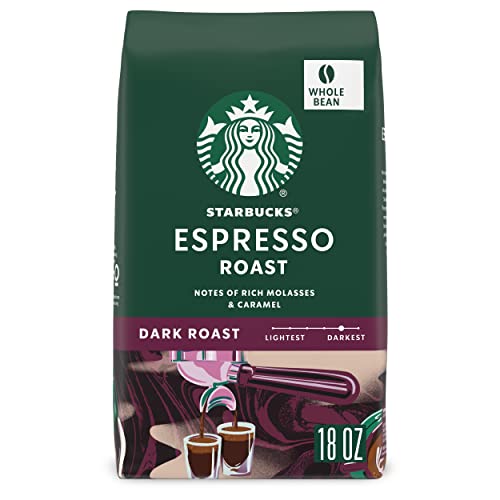
Starbucks Espresso Roast Whole Bean
Strengths
- Widely available
- Café-like taste
- Consistent quality
Trade-offs
- One-note profile
- Heavily roasted
Starbucks Espresso Roast is the most accessible dark roast here, found in grocery aisles and online with ease. It’s a classic, molasses-rich, caramel-forward blend that mirrors what you’d get in their cafes. Owners say it’s consistent and punchy, with a heavy body that works in both espresso and drip. The 100% Arabica beans are ethically sourced, though the roast style leans aggressive, muting origin character.
It’s not subtle, and compared to Peet’s or Blue Bottle, it’s more one-dimensional. But for its availability and dependability, it holds up. If you want a no-surprises, widely available option that tastes like familiar café espresso, this gets the job done.
Product photos



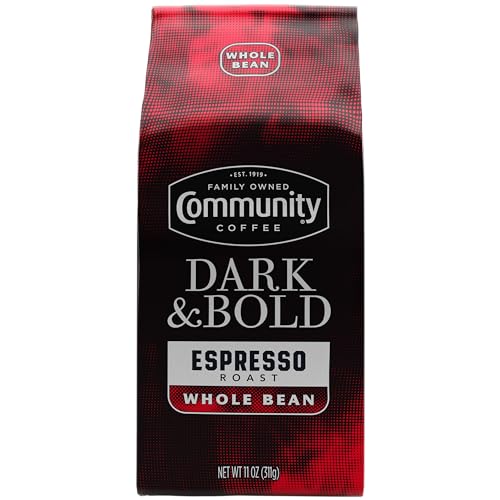
Community Coffee Dark & Bold
Strengths
- Affordable
- Bold aroma
- Easy to find
Trade-offs
- Basic flavor
- No origin details
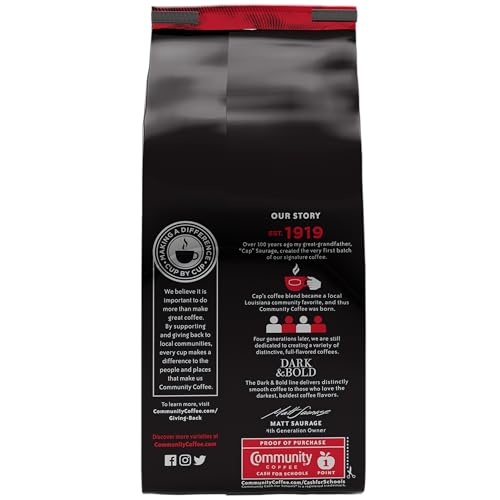
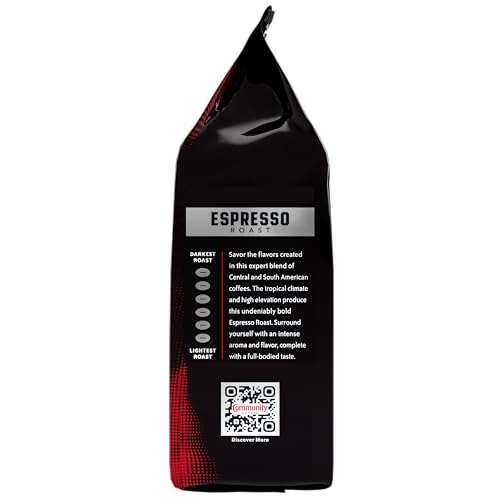
This is dark roast coffee built for value without completely sacrificing flavor. On paper, it’s Community Coffee’s darkest offering, designed to stand up in espresso shots or milk-based drinks. Owners consistently report a straightforward, bitter-sweet profile with a punchy aroma, though it lacks the nuance you’d expect from specialty roasters. For everyday use and budget-conscious buyers, it delivers what it promises.
Still, don’t expect layered complexity or bright acidity. It’s a no-frills, full-bodied roast that leans on tradition rather than innovation. Compared to more refined options like Peet’s or Blue Bottle, it’s clearly aimed at drinkers who prioritize consistency and price over origin transparency or roast precision.
Product photos


Mayorga Organic Cafe Cubano

Strengths
- Cuban-style flavor
- Low acidity
- Large 2lb bag
Trade-offs
- Niche taste profile
- Less crema-focused
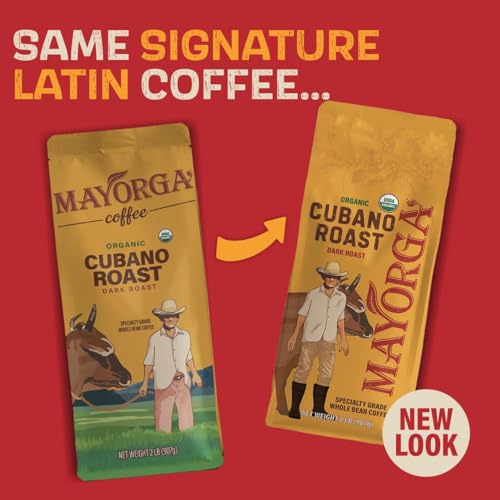
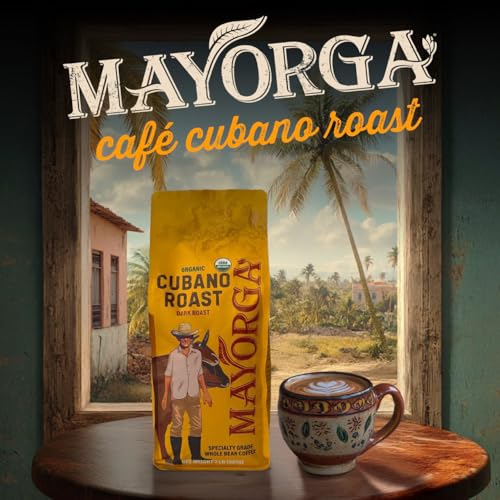
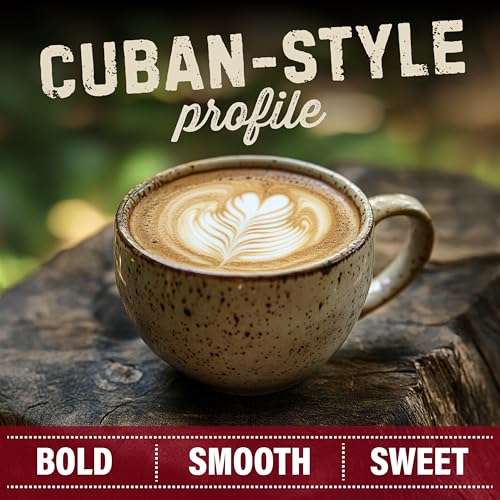
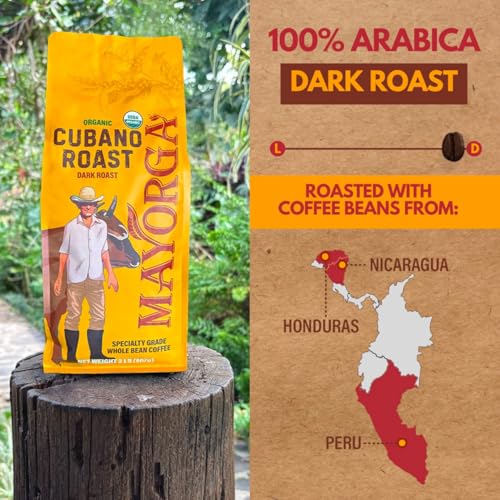
This is Cuban-style dark roast done right, slow-roasted for depth, with a sweet, syrupy smokiness and hints of vanilla. Mayorga uses 100% Arabica beans from Latin America, and owners praise its low acidity and bold, smooth finish, making it ideal for espresso lovers who dislike bitterness. The 2lb bag is a bonus for heavy users, and the slow-roast process genuinely sets it apart in texture and balance.
It’s not flashy, but it’s authentic. Compared to Gaviña or Starbucks, it offers more nuance and a truer Latin profile. The Latino-owned brand and commitment to farmer partnerships add to its appeal. If you crave that traditional cafecito richness at home, this is a top contender.
Product photos
Gaviña Old Havana Espresso

Strengths
- Nutty sweetness
- Large 32 oz bag
- Ethically sourced
Trade-offs
- Not ultra-bold
- Mild crema
Gaviña’s Old Havana hits that sweet spot between nutty, sweet, and balanced, a medium-dark roast that’s more approachable than full-on dark bombs like Death Wish. Crafted from 100% Arabica beans, it delivers subtle citrus notes and a smooth finish, making it a favorite for those who pull espresso but don’t want to be overwhelmed by bitterness. Owners consistently highlight its crema quality and versatility in moka pots or machines.
It’s not the most intense, but it’s reliable. Compared to Starbucks or Lavazza, it offers more character without going overboard. The 32 oz bag and zero-waste roasting facility add practical and ethical appeal. A quiet standout for daily drinkers who value smoothness over shock.
Product photos


How We Tested dark roast coffee beans for espresso
Rather than a hands-on lab test, my research for these recommendations involved a detailed comparison of published specifications and features across numerous brands. I weighed owner reviews from multiple sources – Amazon, specialty coffee forums, and retailer sites – alongside expert opinions from coffee blogs and publications. As the founder of Bean Thusiast, I applied my understanding of espresso extraction and flavor profiles to rank each option against a set of clear criteria.
For dark roast espresso beans, I prioritized three key factors: body, crema production, and flavor complexity. A full-bodied shot is essential for cutting through milk in lattes and cappuccinos, while a rich, stable crema indicates a well-roasted and properly extracted bean. Lastly, a complex flavor profile, avoiding harshness or burnt notes, is crucial for a truly enjoyable espresso experience. These elements ultimately determined the ranking.
Specifications reliably indicate bean origin, roast level, and caffeine content. However, I found owner feedback to be invaluable for gauging the actual flavor experience and consistency of each roast. Reputation and brand history also played a role, especially when assessing sourcing practices and overall quality control. You can find more information about best dark roast espresso blends on our site.
How To Pick The Right dark roast coffee beans for espresso
Choosing the right dark roast coffee beans for espresso can feel overwhelming, but focusing on a few key areas will get you closer to consistently pulling excellent shots.
A truly excellent dark roast espresso bean delivers a full-bodied flavor, balanced acidity, and produces a rich, lasting crema. Key considerations include bean origin, roast level consistency (avoiding scorching), and whether the roast is specifically tailored for espresso preparation rather than general brewing. Look for beans roasted relatively recently, and whole bean is always preferable for maximum freshness.
Roast Level & Flavor Profile
The term “dark roast” covers a lot of ground, from those just tipping into it to beans approaching a French roast. I often find that people new to espresso assume darker always means better, but that’s not the case. You want enough darkness to develop those classic espresso flavors – chocolate, caramel, sometimes a hint of fruit – but too far and you’ll end up with ashy, bitter shots. Consider what you like in your espresso; do you prefer a nutty sweetness (like with the Gaviña Old Havana Espresso) or something bolder and more intense? Understanding the nuances within the dark roast spectrum is crucial.
Bean Origin & Blend Philosophy
Single-origin beans can be fantastic for espresso, offering unique and often bright flavors even at a dark roast. However, many of the best espresso blends deliberately combine beans from different regions to create a more balanced and complex cup. For example, a blend might use Brazilian beans for body, Sumatran beans for earthy notes, and a touch of Ethiopian beans for subtle fruitiness. Don’t shy away from blends; roasters often spend a lot of time perfecting their formulas. If you’re exploring Cuban-style espresso, you’ll want to look at beans like the Mayorga Organic Cafe Cubano, which are specifically crafted for that profile.
- A lighter dark roast will highlight origin characteristics more.
- A darker roast will mask origin characteristics, leading to a more uniform flavor.
- Robusta beans (like those found in Death Wish Organic Espresso Roast) add caffeine and crema but can introduce bitterness if not balanced well with Arabica.
Freshness & Grind Consistency
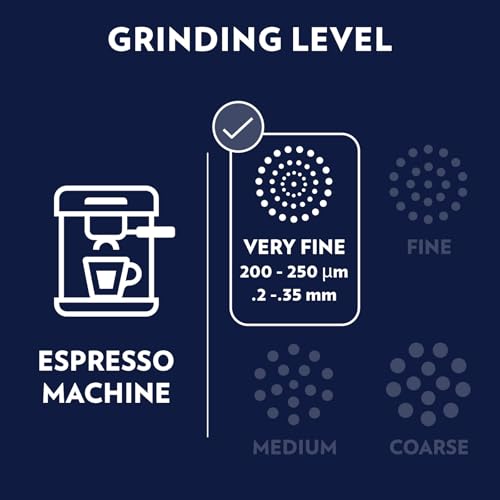
This is where many home baristas fall down. Freshly roasted beans are essential; look for a roast date on the bag, not just a “best by” date. Ideally, you want to use beans within a few weeks of roasting. More importantly, consistent grind size is paramount. Espresso requires a very fine, uniform grind. A burr grinder is absolutely essential; blade grinders simply won’t cut it. Investing in a quality grinder is often more important than splurging on the beans themselves. You can find recommended espresso bean brands to get you started.
A good rule of thumb is to start with a medium-fine grind setting on your grinder and adjust from there. If your espresso is sour, grind finer. If it’s bitter, grind coarser. Small adjustments make a big difference.
I often see people struggle with the difference between French roast vs dark roast, and understanding those differences will certainly assist in your selection. Ultimately, the best dark roast espresso bean is the one you enjoy the most. Explore different origins, roast levels, and blends to discover your preferred best roast profiles for espresso.
Dark Roast Coffee Beans for Espresso Compared
Here’s a comparison of specifications for various dark roast coffee beans suitable for espresso preparation.
| Product Name | Bean Type | Caffeine Level | Roast Level | Origin | Package Size |
|---|---|---|---|---|---|
| Peet’s Espresso Forte | Arabica | N/A | Dark | N/A | 32 oz |
| Lavazza Gran Riserva | N/A | N/A | Dark | Italy | 2.2 lb |
| Blue Bottle Organic Espresso | Arabica | N/A | Dark | Latin America/Africa | 12 oz |
| Death Wish Organic Espresso Roast | Arabica/Robusta | High | Dark | N/A | 14 oz |
| Starbucks Espresso Roast | Arabica | N/A | Dark | N/A | 18 oz |
| Community Coffee Dark & Bold | N/A | N/A | Dark | N/A | N/A |
| Mayorga Organic Cafe Cubano | Arabica | N/A | Dark | Peru/Honduras/Nicaragua | N/A |
| Gaviña Old Havana Espresso | Arabica | N/A | Med-Dark | N/A | 32 oz |
Frequently Asked Questions
What grind size should I use for dark roast espresso beans?
A very fine, consistent grind is essential for dark roast espresso; start with a medium-fine setting and adjust. If your espresso tastes sour, grind finer, and if it’s bitter, grind coarser.
Are dark roast beans always more caffeinated?
Not necessarily. While some dark roasts, like those containing Robusta beans, have higher caffeine levels, the roasting process itself reduces caffeine content. The bean type is more important than the roast level when considering caffeine.
Can I use pre-ground dark roast coffee for espresso?
While possible, I strongly recommend whole bean coffee. Pre-ground coffee loses its freshness and flavor much faster, impacting the quality of your espresso. Freshly ground beans are crucial for optimal extraction.
What’s the difference between a French roast and a typical dark roast?
A French roast is taken even further than a standard dark roast, reaching the point where the beans are oily and have a very smoky flavor. It’s a matter of degree, but French roasts tend to be more intense and potentially bitter than other dark roasts.
Where can I find more information about selecting beans optimized for espresso machines?
You’ll find a detailed guide to selecting the right beans for your espresso machine, including origin and roast level considerations, on my site at beans optimized for espresso machines.
The Bottom Line
Choosing the “best” dark roast espresso bean really comes down to balancing your desire for convenience with your willingness to fine-tune. If you want something reliably excellent with minimal fuss, I recommend Peet’s Espresso Forte. It consistently receives high marks for its full body and rich flavor, making it a solid all-around performer.
For those with specific needs, our research points to a few clear winners. If you’re after a truly authentic Cuban-style espresso, Mayorga Organic Cafe Cubano is the way to go. Those seeking a serious caffeine kick and don’t mind a bit of boldness should look at Death Wish Organic Espresso Roast. Understanding the dark roast flavor profile is also important.
Ultimately, remember that the bean is just one piece of the puzzle. Freshness, grind consistency, and your espresso machine’s calibration matter more than any single attribute of the bean itself. Focus on mastering those fundamentals, and you’ll be pulling consistently delicious shots no matter which dark roast you choose – understanding the roasting process for dark beans will also give you a better appreciation for what you’re brewing.
