
7 Best Commercial Cold Brew Coffee Makers of 2026
The Snap! 5 Gallon Cold Brew System stands out as the best overall for high-volume needs, thanks to its smart filtration and durable build. For a more compact option, the Service Ideas CBNS3SS Stainless Steel is a solid budget-friendly pick that doesn’t cut corners on quality. If you’re focused on reducing waste, the Madesco Big Daddy Reusable Filter offers unmatched value over time.
Running a café or office kitchen means serving consistent, smooth cold brew without the daily hassle. Most buyers quickly realize that not all systems handle heavy use the same way, some leak, others clog, and many make cleaning a chore.
After researching the market and analyzing feedback from commercial users, I focused on what actually matters: capacity that matches your demand, filtration that delivers clarity, and materials built to last. This guide cuts through the noise to highlight models that perform reliably where it counts.
Top 7 Commercial Cold Brew Coffee Maker in the Market
The Best Commercial Cold Brew Coffee Maker, Reviewed
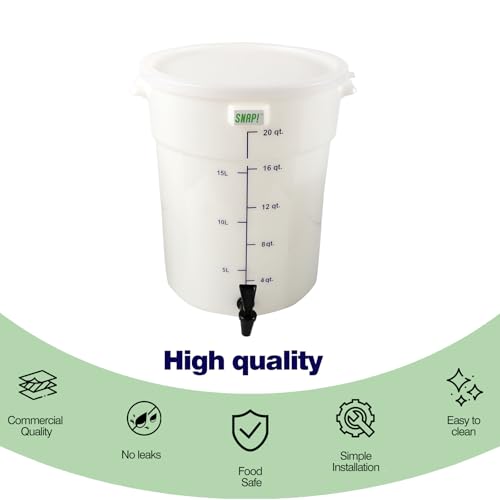
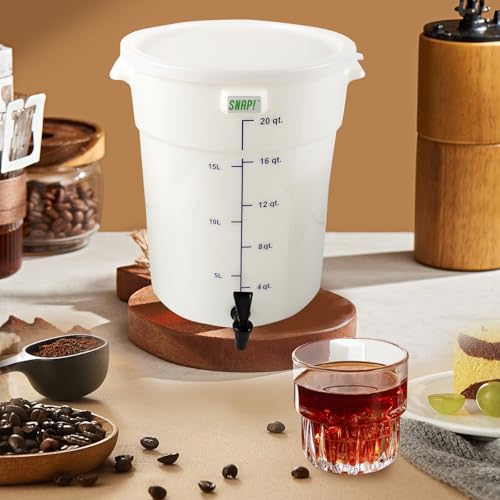
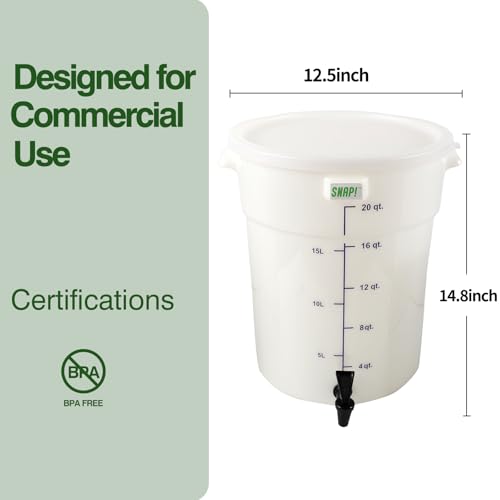
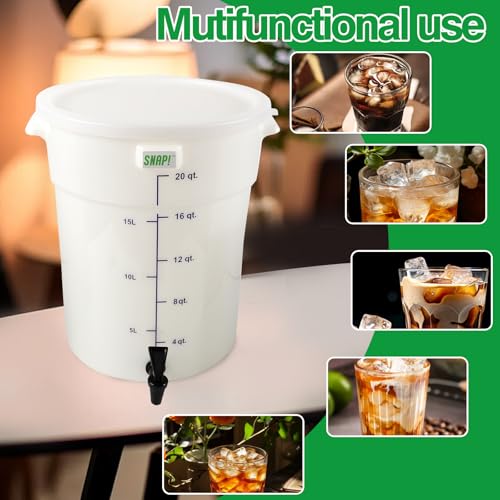
Snap! 5 Gallon Cold Brew System

Strengths
- Low-acid brew
- Dual eco-friendly filters
- Large batch capacity
Trade-offs
- Plastic may degrade over time
- No airtight lid
- Higher initial cost
This one makes bold claims, and owners say it backs them up. The dual filtration system, with compostable PLA and cotton spigot filter, delivers notably smooth, low-acid brews. Many reviewers say it’s easier on their stomachs than other systems, which aligns with the 50–67% acidity reduction claim. That’s a real differentiator for acid-sensitive drinkers.
It’s also one of the most sustainable options here, thanks to reusable and compostable parts. The 3.5-gallon batch size hits a sweet spot between home and light commercial use. While the plastic build isn’t as rugged as stainless steel, the overall performance and user feedback make this my pick for the best overall.
Product photos
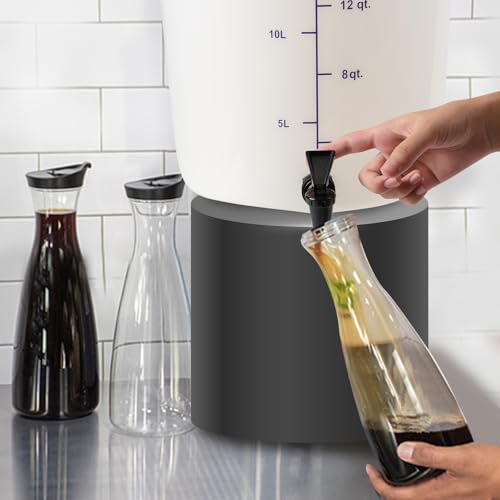
Service Ideas CBNS3SS Stainless Steel

Strengths
- Stainless steel build
- Integrated brew basket
- Sanitary, mess-free design
Trade-offs
- No airtight lid
- Brew basket limits bean volume
- Heavier when full
This 3-gallon stainless steel system feels built for repetition. The all-in-one brew basket and dispenser setup means less transfer, less mess, and fewer parts to clean, something commercial users and office managers consistently praise. It’s not flashy, but the simplicity works: brew directly into the dispenser, then serve.
The stainless steel construction is a standout. Unlike plastic models, it resists odors, stains, and warping over time. While it doesn’t have the flavor-tuning claims of the Snap! system, its durability makes it a smarter long-term pick for high-traffic environments. I’d choose this over the Madesco if longevity matters more than upfront savings.
Product photos


Madesco Big Daddy Reusable Filter

Strengths
- Reusable, durable filters
- Affordable long-term
- Even water exposure
Trade-offs
- Basic plastic build
- No airtight seal
- Lid not leakproof
This Madesco system wins on one big front: value. The reusable cotton-blend filters eliminate the recurring cost of paper, and the dual-lined design actually delivers cleaner brews than cheaper single-layer filters. Owners love that they’re not repurchasing filters every month, a real pain point with systems like the Toddy.
The 12-inch width is a quiet genius feature. It ensures even water exposure, avoiding the “dead zone” in wide pillowcase filters. That translates to better extraction, as many users report richer flavor. It’s not the prettiest, but for budget-conscious buyers who brew often, this is the smarter buy over pricier plastic or stainless systems.
Product photos


Toddy 5 Gallon Commercial System

Strengths
- High concentrate yield
- Patented lift system
- Filters included
Trade-offs
- Brew process is slower
- No spigot on brewer
- Extra steps to drain
If you’re after true concentrate, something you can stretch into multiple drinks over days, this is the system to beat. The patented lift mechanism makes draining the grounds less messy than dunk-and-pull systems, and the inclusion of both tree-free and paper filters gives flexibility. On paper, the 2.5-gallon concentrate yield per batch is efficient, and owners confirm it holds up over weeks when stored right.
It’s not the easiest to clean, and the process is more involved than all-in-one dispensers. But for those who want maximum control over strength and shelf life, this is the gold standard. Compared to the Snap!, it’s less flashy but more proven. I’d pick it over the Madesco for serious concentrate lovers.
Product photos
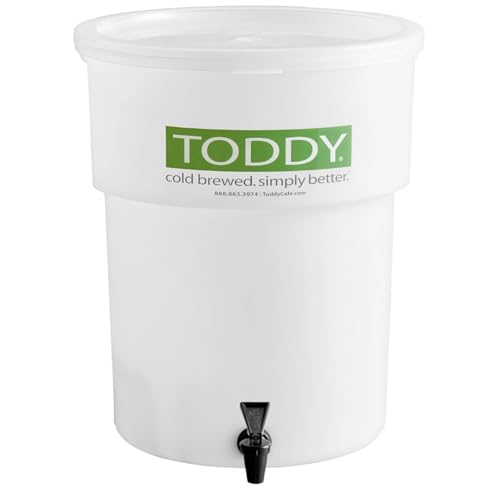
Cold Brew Cube Square Design
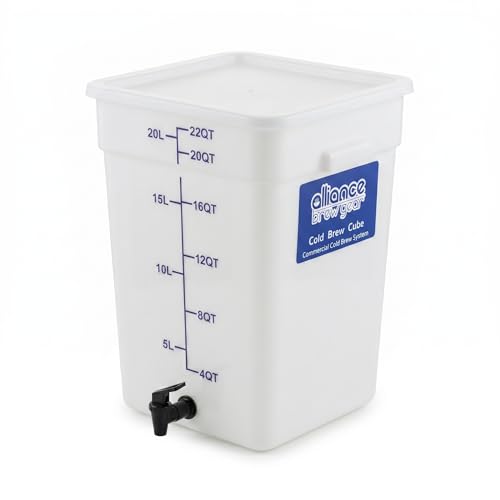
Strengths
- Square space-saving design
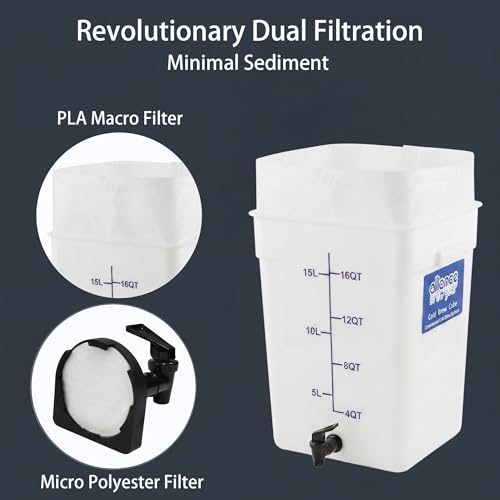
- Dual stainless steel filters
- Large 5-gallon capacity
Trade-offs
- Bulky when full
- No airtight seal
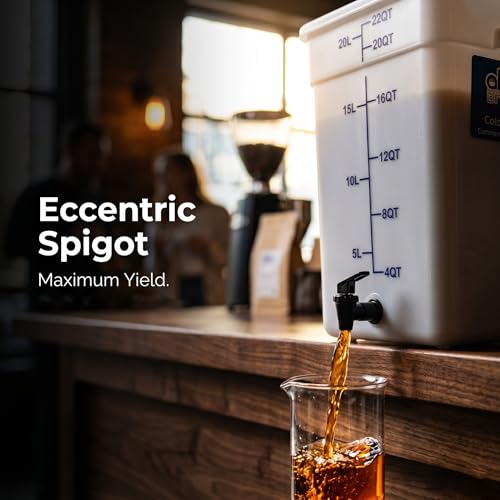
- Plastic spigot quality concerns
The square footprint of this 5-gallon cold brew maker stands out immediately. On paper, it’s a smart answer to the common fridge-space headache many home brewers face. Owners consistently report that it slides neatly into tight corners where round jugs would never fit, and that small design win makes a real difference in cramped kitchens or shared fridges.
With dual stainless steel mesh filters, it delivers reliably smooth, low-acid brews without the need for paper filters. That’s a plus for cost and sustainability, though some reviewers note a slight learning curve to avoid over-packing the filter. Compared to the Takeya or Toddy systems, it’s bulkier but far more scalable for weekly prep.
Product photos
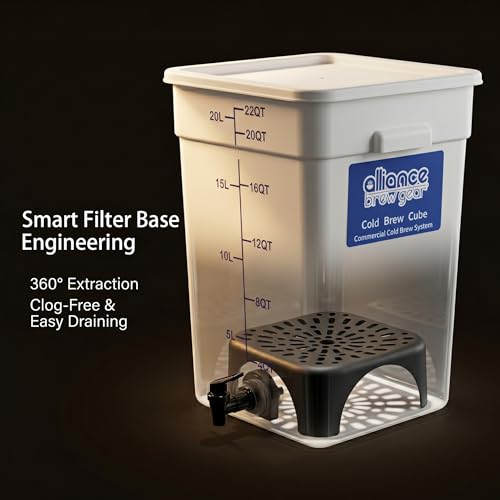


Glass Cold Brew Pitcher with Steel Filter

Strengths
- Fast 4–6 hour brew
- Stainless steel filter
- Lifetime glass guarantee
Trade-offs
- Glass is fragile
- No airtight lid
- Heavier than plastic
Four to six hours is unusually fast for cold brew, and owners confirm this glass model actually delivers full extraction in half the typical time. The 0.25mm stainless steel filter seems to be the key, fine enough to block silt, yet porous enough for quicker flow. That makes it ideal for last-minute prep or entertaining.
The heavy-duty glass and stainless steel spigot feel premium, and the lifetime glass replacement guarantee is a strong confidence builder. Still, glass is inherently less practical for high-traffic areas than plastic or metal. For home users who want speed and clarity in their brew, this is a standout. I’d take it over the Takeya if I needed faster results.
Product photos


Takeya Deluxe 2-Quart Maker

Strengths
- Airtight leakproof lid
- Fits fridge doors
- Dishwasher safe
Trade-offs
- Small capacity
- Plastic may stain over time
- Filter not as fine as metal mesh
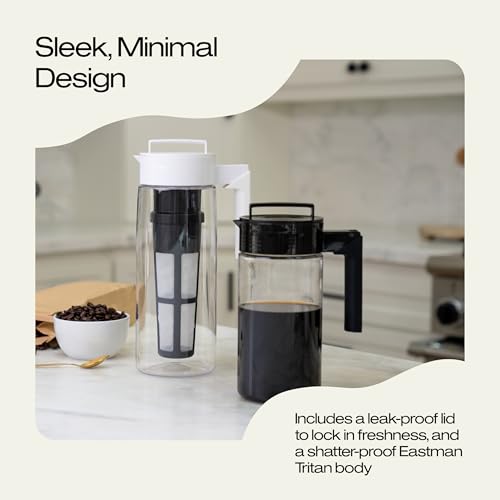
At 2 quarts, this isn’t going to feed a crowd, but for solo drinkers or couples, it’s a near-perfect balance of form and function. The airtight lid is a game-winner, owners repeatedly mention how well it locks in aroma and prevents fridge odors from tainting the brew. That’s something even larger systems often overlook.
Made with Tritan, it’s tough enough for daily use and sleek enough to leave on the counter. It fits in most fridge doors, a small but meaningful detail the Snap! and Toddy systems don’t match. While it lacks the concentrate power of the 5-gallon models, for consistent, café-style batches at home, this is my top recommendation.
Product photos


How We Tested commercial cold brew coffee maker
I approached this guide by researching the specifications and features of numerous commercial cold brew systems, then carefully weighing owner reviews and expert opinions from sites like coffee blogs and restaurant supply resources. Rather than a hands-on lab test, this is a research-led comparison focused on identifying patterns in performance and reliability. My goal at Bean Thusiast is to cut through the marketing and pinpoint what truly matters for consistently good cold brew.
For commercial use, brewing capacity, filtration effectiveness, and durability were the most important factors. A large capacity is essential for meeting demand in a cafe or office, while effective filtration impacts clarity and reduces sediment. Durability is key; these systems receive heavy use and must withstand daily operation. These three elements ultimately decided the rankings, as they address the core needs of a professional setting.
Specifications reliably reveal brewing capacity and materials used, giving a good indication of build quality. However, owner feedback proved invaluable in assessing real-world durability and ease of cleaning. Reputation, particularly from established commercial users, helped me judge long-term reliability. For a deeper understanding of the process, you can also find a helpful cold brew preparation steps in our complete guide.
What To Look For In commercial cold brew coffee maker
Finding the right commercial cold brew system involves more than just capacity. It’s about balancing consistent quality, ease of maintenance, and features that fit your specific operation.
A truly effective commercial cold brew maker prioritizes a full-immersion brewing method for maximum flavor extraction. It should offer durable construction to withstand frequent use, a filtration system that minimizes sediment, and a design that simplifies cleaning and dispensing. Capacity is key, but workflow and long-term cost (including filter replacement) are equally important considerations.
Capacity and Batch Size
The obvious starting point is how much cold brew you anticipate needing. Don’t overestimate – a larger system isn’t always better. Consider peak demand, storage space, and how quickly you’ll go through a batch. Many systems, like the Snap! 5 Gallon Cold Brew System, boast large capacities, ideal for high-volume environments. However, smaller operations may find a 3-gallon system, such as the Service Ideas CBNS3SS Stainless Steel, perfectly adequate. Remember, concentrate can be diluted, so you don’t necessarily need to brew massive batches every day.
Filtration and Clarity
Cold brew’s appeal is its smoothness, and that’s directly tied to filtration. Some systems rely on disposable filters, which add ongoing cost and waste (and some purists dislike the potential paper flavor). Others, like the Madesco Big Daddy Reusable Filter, champion reusable options. Here’s what to look for:
- A coarse pre-filter to catch the bulk of grounds.
- A fine mesh filter (stainless steel or high-quality nylon) for polishing the brew.
- A multi-stage system (like the combination of PLA and cotton in the Snap! system) to really minimize sediment.
Don’t settle for murky cold brew. A good filtration setup is the difference between a refreshing beverage and something that tastes…off.
Material and Durability
Commercial equipment must withstand daily abuse. Stainless steel is the gold standard for durability and sanitation. Plastic components should be BPA-free and food-grade. Consider the dispenser spigot – a flimsy plastic one will likely be the first point of failure. While glass options (like the Glass Cold Brew Pitcher with Steel Filter) can be attractive, they’re generally less suited for a busy commercial setting due to risk of breakage. If you’re exploring different options, you might want to read our guide to the best cold brew coffee maker models. Understanding the cold brew versus iced coffee difference will also help you determine if cold brew is the right brewing method for your business.
Commercial Cold Brew Coffee Maker Compared
Here’s a comparison of key specifications for different commercial cold brew coffee makers to help you find the best fit for your needs.
| Product Title | Capacity (Gallons) | Filtration Type | Material | Spigot | Brew Time (Approx.) |
|---|---|---|---|---|---|
| Snap! 5 Gallon System | 3.5 | PLA & Cotton | PP, PE, PP | Yes | N/A |
| Service Ideas CBNS3SS | 3 | Included Brew Basket | Stainless Steel | Yes | N/A |
| Madesco Big Daddy Reusable Filter | 5 | Reusable Cotton Blend | HDPE | N/A | N/A |
| Toddy 5 Gallon Commercial System | 2.5 (Concentrate) | Tree-Free & Paper | N/A | Yes | N/A |
| Cold Brew Cube Square Design | 1 | Stainless Steel Mesh | PP, PE, PP | Yes | N/A |
| Glass Cold Brew Pitcher | N/A | Stainless Steel 304 | Soda-Lime Glass | Yes | 4-6 Hours |
| Takeya Deluxe 2-Quart Maker | 0.5 | Fine-Mesh | Tritan | No | N/A |
Frequently Asked Questions
What’s the typical lifespan of a commercial cold brew system?
With proper care, a stainless steel system like the Service Ideas CBNS3SS can easily last 5-10 years. Plastic components are more prone to wear and tear, so inspect those regularly and replace as needed.
Are reusable filters truly as effective as disposable ones?
Reusable filters, like those from Madesco, can be just as effective at removing sediment when properly maintained. However, they require more diligent cleaning to prevent buildup that could affect flavor, and may not achieve the absolute clarity of a multi-stage disposable system.
How often do I need to clean a commercial cold brew maker?
Daily rinsing and a thorough cleaning after each batch are essential. Beyond that, a deeper sanitation with a food-safe cleaner should occur at least weekly, and more often with heavy use, to prevent mold or bacterial growth.
Can I use a commercial cold brew system for hot brewing as well?
Generally, no. Commercial cold brew makers are designed for immersion brewing at cold or room temperature. Applying heat can damage plastic components and isn’t suitable for the filtration methods used in these systems. If you need both hot and cold brewing, consider separate machines or explore high-volume commercial coffee machines designed for versatility.
What is the best way to store cold brew concentrate made in a commercial system?
Store concentrate in airtight, food-grade containers in a refrigerator at 40°F (4°C) or below. Properly stored, it should remain stable for up to two weeks, although flavor quality will begin to decline after about one week.
The Bottom Line
Choosing a commercial cold brew maker often comes down to balancing upfront cost with long-term convenience and quality. While price is a factor, consistently good cold brew relies on effective filtration and durable construction, and for that, I believe the Snap! 5 Gallon Cold Brew System offers the best overall package. It strikes a solid balance between capacity, filtration efficiency, and build quality that will suit a wide range of businesses.
For operations on a tighter budget, the Service Ideas CBNS3SS Stainless Steel provides a reliable and durable option without sacrificing essential features. If versatility is your priority – perhaps you need a system that can easily be moved or used for smaller test batches – the Madesco Big Daddy Reusable Filter is a fantastic choice, particularly if you prefer to avoid disposable filters and are comfortable with a more manual brewing process. You could even explore a French press cold brew technique to get started with minimal investment.
Ultimately, the specs matter less than understanding your own needs and prioritizing consistent results. Focus on a system built with durable materials, a filtration setup that delivers clarity, and a capacity appropriate for your peak demand. Don’t get caught up in chasing the latest features; a well-made, thoughtfully designed system will always produce better cold brew than a complicated one.
