
7 Best Coffee Makers with Espresso Option 2026
The KitchenAid KES8452 is our top pick for its smart Intelligrind system and compact design, delivering reliable espresso and coffee. For a budget-friendly option, the Cuisinart Coffee Center stands out with its versatility and K-Cup flexibility. If you want dual boiler performance, the AIRMSEN 20 Bar is the clear choice for enthusiasts who demand precision.
Most people want a machine that simplifies their morning routine without sacrificing the quality of a real espresso. The problem? Too many combo units promise it all but deliver weak shots or clunky workflows.
This guide cuts through the noise by focusing on what actually matters, grind quality, temperature stability, and real-world performance, based on specs and owner feedback. I’ve researched the field extensively, applying years of coffee exploration to find the best coffee makers that truly handle both drip and espresso well.
Top 7 Coffee Maker With Espresso Option in the Market
The Best Coffee Maker With Espresso Option, Reviewed
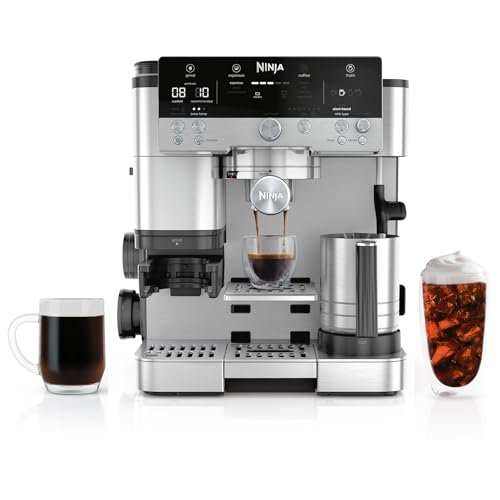
Ninja Luxe Café Premier Espresso Machine
Strengths
- Built-in conical grinder
- Hands-free frother
- Weight-based dosing
Trade-offs
- High price point
- Large footprint
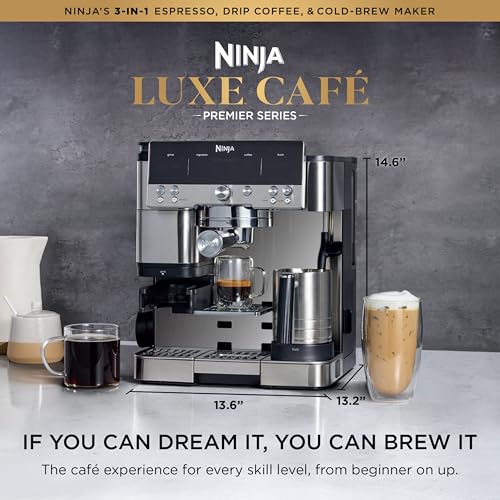
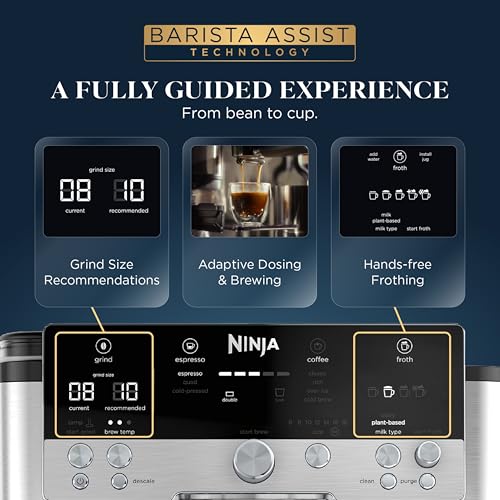
This is the machine I’d recommend to most serious home brewers. The Ninja Luxe isn’t just versatile, it’s smart. Barista Assist Technology adjusts grind, dose, temperature, and pressure based on your drink, and owners say it removes the guesswork that plagues even experienced users. The conical burr grinder with 25 settings delivers fresh grounds every time, and the weight-based dosing ensures precision that most machines can’t match.
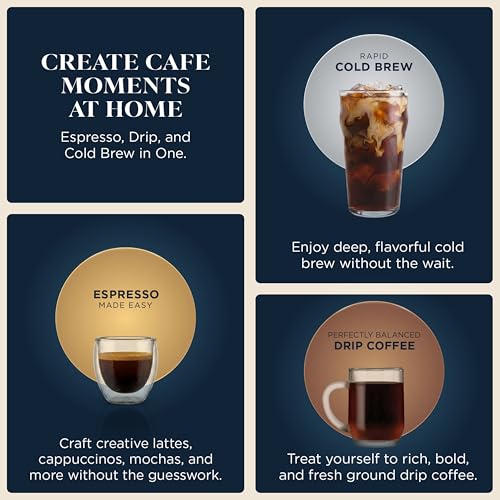
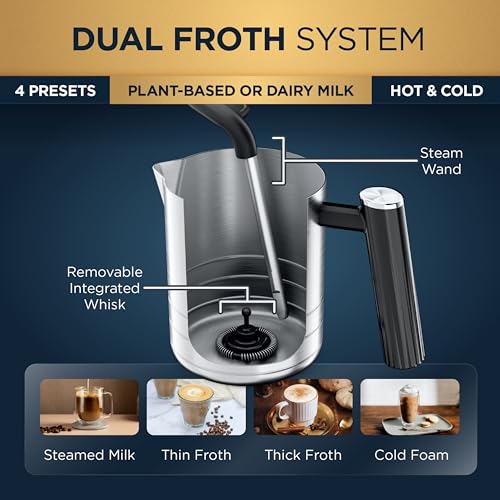
The hands-free frother is a standout. With four presets, steamed milk, thin froth, thick froth, cold foam, it takes the stress out of milk texturing. Combined with the assisted tamper, which creates even pucks, this machine delivers consistent, café-quality shots. Against the KitchenAid KF2 or AIRMSEN, it’s more advanced and better integrated. It’s also the only one here that includes cold brew and cold-pressed espresso, which reviewers love for summer drinks.
Product photos

Ninja Espresso & Coffee Barista System
Strengths
- Capsule and ground coffee
- 19 bar pressure
- Large carafe
Trade-offs
- No built-in grinder
- Frother needs maintenance
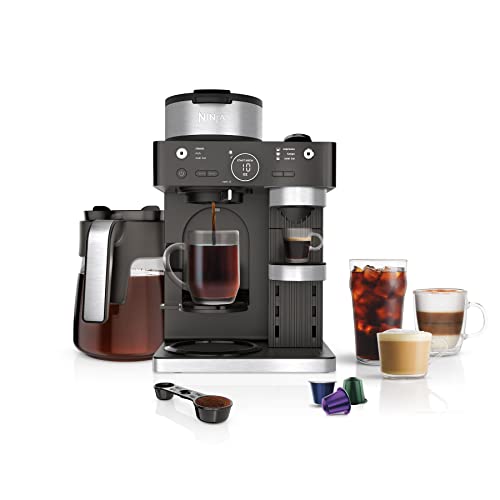
This Ninja packs serious value into one machine. It bridges the gap between pod convenience and real espresso with 19-bar pressure and a fold-away frother that actually works. You can brew espresso from capsules or ground coffee, and owners say the over-ice and rich brew settings add real versatility. The 12-cup carafe and adjustable cup tray make it great for families, and the used capsule bin keeps things tidy.
It doesn’t have a built-in grinder, which the ES601 has, but it’s significantly cheaper and still handles coffee, espresso, and frothed milk well. Compared to the Cuisinart 4-in-1, it delivers actual espresso with crema. Some reviewers note the frother isn’t as consistent as standalone units, but it’s good enough for daily lattes. For the price, it’s one of the most flexible machines out there.
Product photos


KitchenAid Fully Automatic Espresso Machine
Strengths
- Quiet grinding
- Auto steam wand
- Built-in burr grinder
Trade-offs
- Small water tank
- Limited manual control
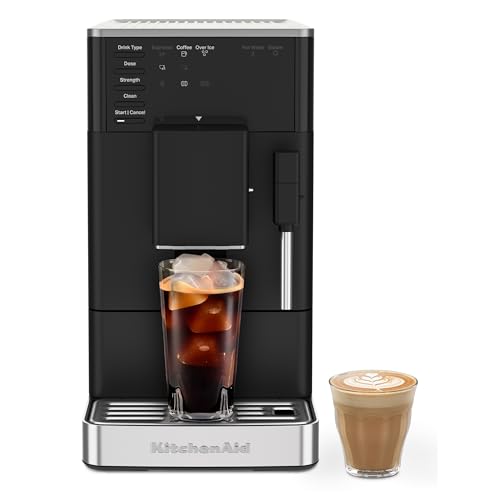
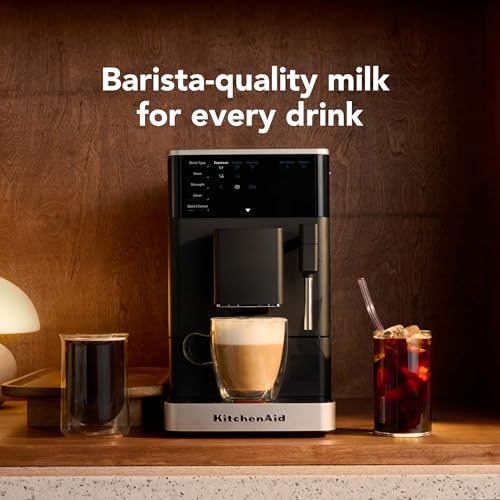
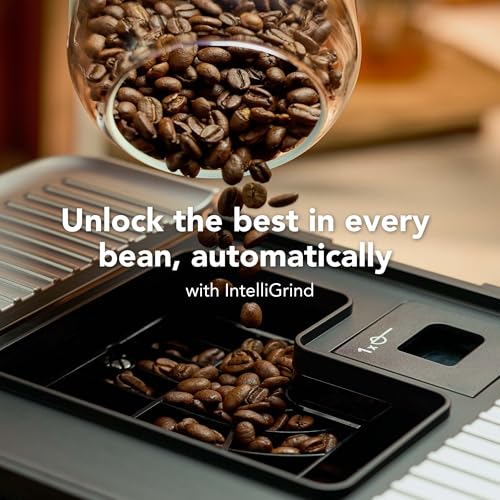
If you want café-style drinks with minimal effort, this KitchenAid delivers. The built-in burr grinder with Intelligrind is a standout, it adjusts dose based on bean type, and owners say it produces consistent grind quality that rivals standalone grinders. The auto steam wand doesn’t match pro gear, but it pulls air efficiently and creates smooth microfoam, making latte art possible for beginners. What really impresses is how quiet it grinds, which matters in small kitchens or early mornings.
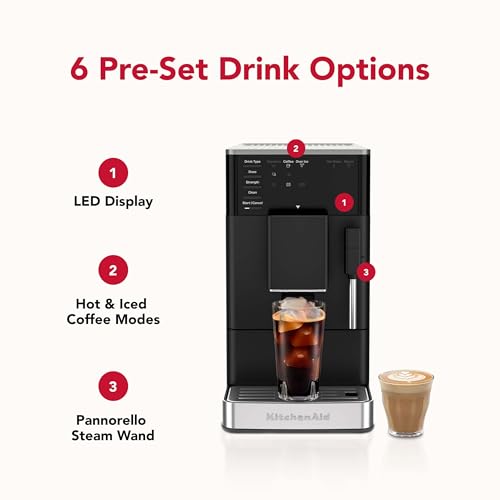
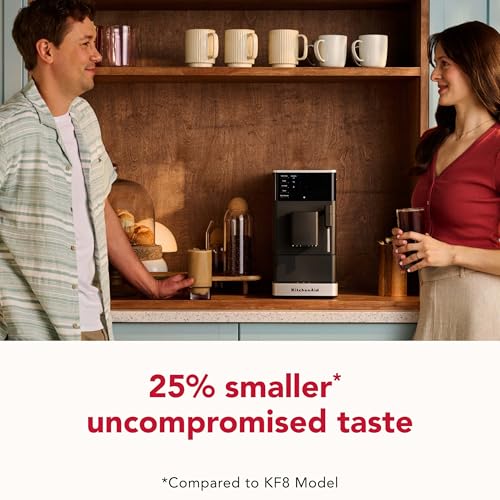
It’s smaller than most fully automatics, so it fits where others don’t, but that compactness means the water tank is modest. Still, the 6 drink presets (including over-ice) are well-programmed, and reviewers note the iced coffee setting actually works, no watery disappointment. Against the AIRMSEN or De’Longhi COM532M, it trades raw power for polish and ease.
Product photos

AIRMSEN 20 Bar Dual Boiler Espresso

Strengths
- Dual boiler system
- Automatic milk frother
- Touchscreen control
Trade-offs
- Average milk capacity
- Fingerprint-prone finish
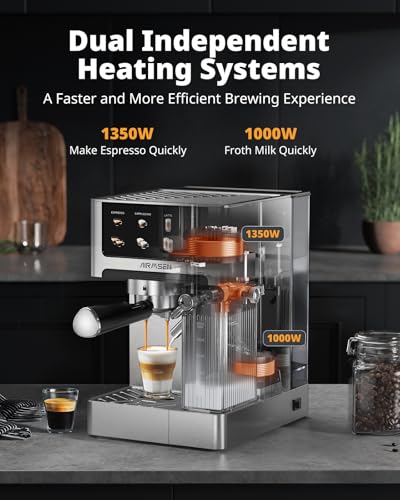
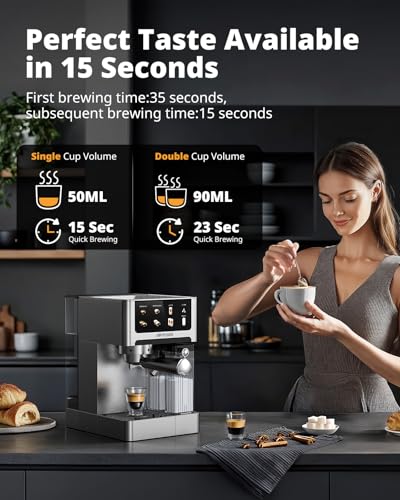
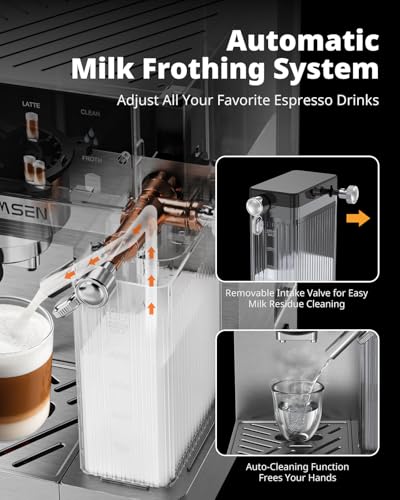
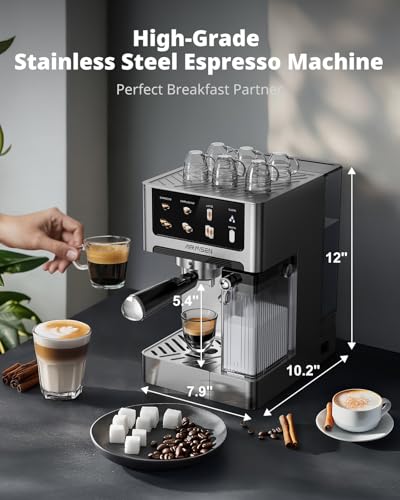
Speed and automation are this machine’s superpowers. The dual boiler setup, 1350W for extraction, 1000W for steaming, means you can go from beans to latte in under 15 seconds, and owners confirm it’s one of the fastest in its class. The automatic milk frother is a big upgrade over manual wands, especially for beginners; it detaches for cleaning, and reviewers say it produces consistently creamy foam, though not quite barista-level.
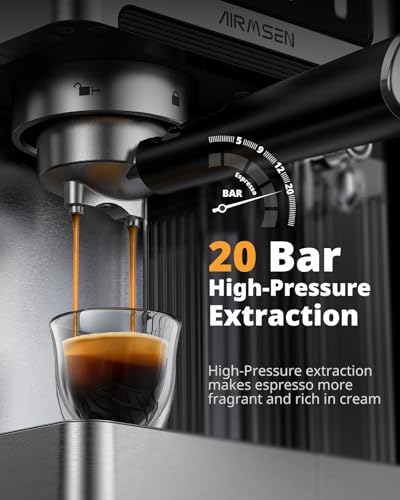
The full touchscreen is slick and intuitive, and the 20-bar pump with pre-infusion extracts bold, aromatic shots. But some owners report the stainless steel exterior shows fingerprints easily, and the milk reservoir is smaller than ideal for multiple drinks. Against the KitchenAid KF2, it’s faster and more feature-rich, but less refined in build. For those who want speed without sacrificing espresso quality, it’s a strong contender.
Product photos
Cuisinart Coffee Center Barista Bar

Strengths
- Pod versatility
- Affordable price
- Drip and single-serve
Trade-offs
- Not true espresso
- Weak milk frother
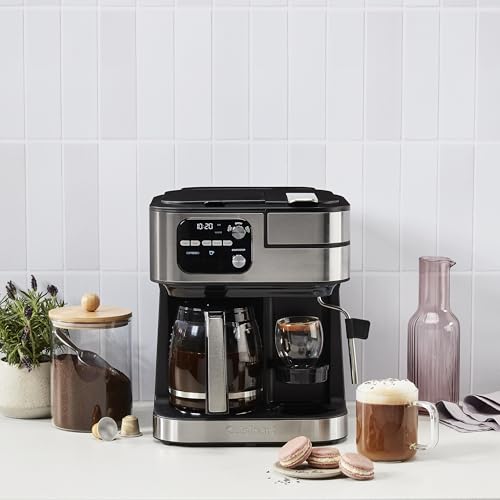
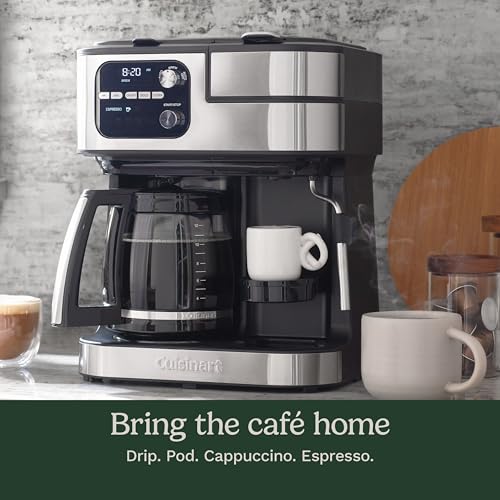
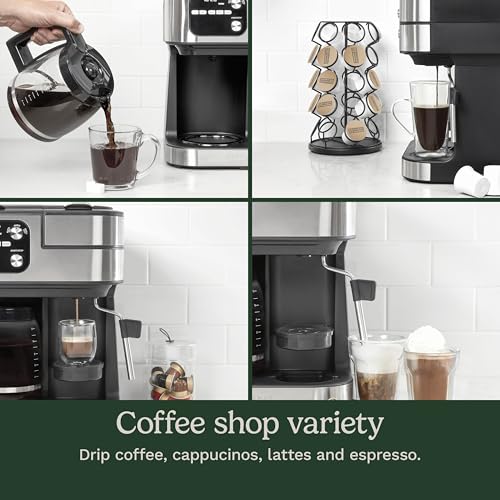
This Cuisinart is the budget pick that still covers a lot of ground. It’s not a true espresso machine, despite the marketing, it uses pod pressure, not 15+ bars, so what you get is strong coffee, not real espresso. But for pod lovers who want variety, it’s hard to beat. The single-serve side handles K-Cups and Nespresso capsules, and owners say the three brew sizes and strength control make it adaptable for different tastes.
It doubles as a 12-cup drip brewer, which is useful for mixed households. But the espresso experience is underwhelming, thin body, no crema, and the milk frother is basic. Compared to the Ninja CFN601 or KitchenAid KF2, it’s less capable on the espresso front. Still, for under $200, it’s a decent all-in-one for casual drinkers who don’t care about authentic espresso.
Product photos


De’Longhi All-in-One Coffee Maker
Strengths
- Dual heating system
- Spill-proof carafe
- 15 bar pressure
Trade-offs
- No built-in grinder
- Manual frothing
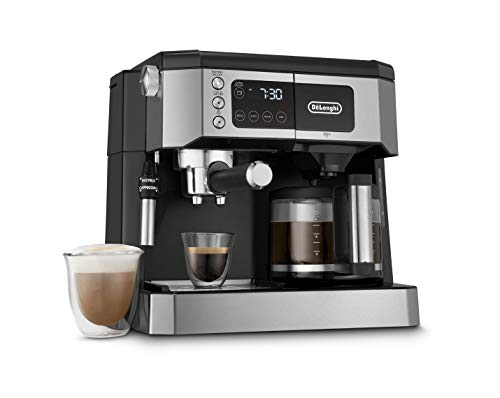
This De’Longhi is built for households that need both espresso and drip coffee at once. The dual heating system is the real deal, owners confirm you can pull a shot while brewing a full pot, which is rare below $500. The 15-bar pump delivers solid pressure, though not quite the depth of flavor you get from 20-bar models like the atatix. Still, with the bold setting and spill-proof carafe, it makes reliable drip coffee that outperforms most combo units.
The advanced steam wand has dedicated cappuccino and microfoam modes, and reviewers say it’s easier to use than basic wands. But it’s not automatic, milk texturing still takes practice. Compared to the Ninja Luxe or AIRMSEN, it lacks touchscreen smarts and built-in grinders, but it wins on simultaneous brewing. For families or offices, that’s a bigger win than bells and whistles.
Product photos


atatix 20 Bar Espresso Machine
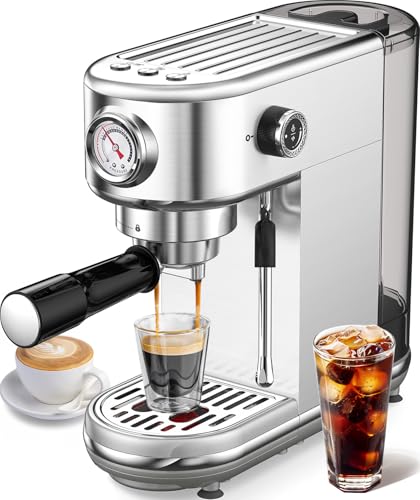
Strengths
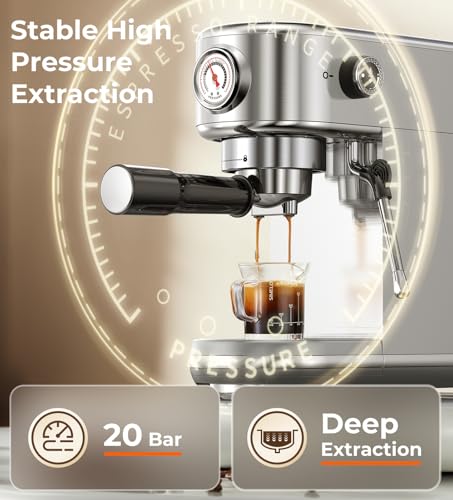
- 20 bar pressure
- Manual extraction mode
- Compact stainless design
Trade-offs
- Manual milk frothing
- Basic interface
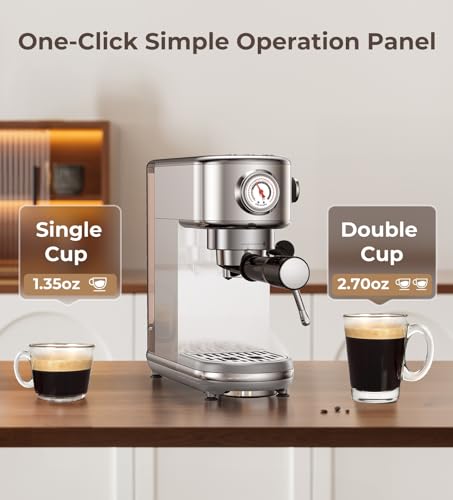
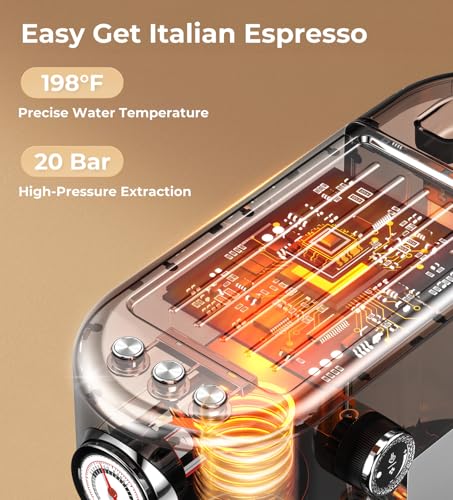
This machine stands out for buyers who want hands-on control without stepping into pro-level gear. The 20-bar pressure pump and NTC temperature control sound strong on paper, and owners consistently report rich crema and good extraction clarity, especially with medium to dark roasts. The manual extraction mode is a real perk, it lets you tweak shot time, which is rare at this price, and reviewers say it helps dial in flavor better than fully automatic rivals.
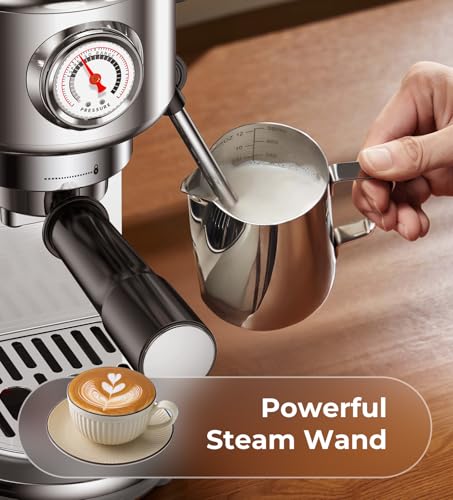
Where it shines is in simplicity and build. The stainless steel finish holds up, and the suction feet actually work, no creeping across the counter during brewing. The steam wand delivers solid microfoam, though beginners might still need practice. Compared to pod-based systems, this one rewards effort with better-tasting espresso, but it’s not as foolproof as the Ninja Luxe or KitchenAid KF2.
Product photos

How We Chose These coffee maker with espresso option
I approached this guide by first compiling detailed specifications and feature lists for dozens of models. We then layered in extensive owner and expert reviews from sources like Wirecutter, CNET, and thousands of Amazon customer ratings. As the founder of Bean Thusiast, I’ve spent years observing trends in home coffee brewing, and I applied that knowledge to weigh each machine’s strengths and weaknesses against real-world brewing needs. Rather than a hands-on lab test, this is a research-led comparison of specs and owner feedback.
For coffee makers offering both drip and espresso functionality, three factors stood out as most crucial. Grind quality is paramount – a consistent burr grinder is far more valuable than a blade grinder. Brewing temperature stability directly impacts flavor extraction, especially for espresso. Finally, the convenience and quality of any included milk frothing system significantly influences the overall user experience and range of drink options.
Specifications reliably indicate pump pressure (important for espresso) and boiler type (single vs. dual). However, judging features like grind consistency and the effectiveness of automated functions requires careful consideration of owner feedback. We prioritized machines with consistently positive reviews regarding ease of use, durability, and the quality of espresso and coffee produced. For those looking to refine their technique, resources like our guide to pulling perfect espresso shots can be incredibly helpful.
How To Choose The coffee maker with espresso option
Finding a machine that does both drip coffee and espresso well requires a bit more consideration than picking a single-purpose brewer. We’ll break down what truly matters when you want a versatile machine for your kitchen.
A quality coffee maker with an espresso option balances convenience with genuine brewing capability. Key features include a robust pump (15-20 bars for espresso), a grinder capable of fine adjustments, temperature stability across brewing methods, and user-friendly controls. Prioritize machines with consistent positive owner feedback regarding espresso quality – don’t settle for ‘good enough’ if you’re an espresso enthusiast.
Grind Quality & Control
The quality of the grind is paramount, especially for espresso. Integrated burr grinders are almost essential; pre-ground coffee simply won’t deliver the same flavor. Look for a grinder with a substantial number of settings (20+) to allow for precise adjustments based on the bean type and roast level. A coarser grind is needed for drip coffee, while espresso needs a very fine, consistent grind. Machines like the KitchenAid KES8452 boast an “Intelligrind” system that attempts to automate this, but even with smart features, learning to dial in your grind is critical.
Espresso Pressure & Temperature
Espresso is a science, and consistent pressure and temperature are essential. The industry standard is around 9 bars of pressure at the group head – many machines advertise a higher pump pressure (like the AIRMSEN’s 20 bar system) but that doesn’t guarantee consistent extraction. More important is temperature stability. Fluctuations during brewing will lead to sour or bitter shots. Dual boiler systems (like the AIRMSEN) are best for maintaining consistent temperature, but can add to the cost. If you’re exploring using regular beans for espresso, a machine with precise temperature control becomes even more vital.
Features & Value
Beyond the core brewing capabilities, consider the convenience features that matter to you. Some machines, like the Ninja Luxe Café Premier, are packed with automated settings and assistance technology. This can be great for beginners, but might feel limiting to experienced baristas. Here’s what I see as a good balance: * A milk frothing system (manual or automatic) is nice, but not essential if you primarily drink black espresso. * Programmable timers and brew strength settings add convenience, but aren’t deal-breakers. * A large water reservoir and easy-to-clean components save time and effort in the long run.
A good rule of thumb: don’t overspend on features you won’t use. If you’re primarily a drip coffee drinker who occasionally wants an espresso, a simpler machine will likely be a better value than a fully loaded model.
Ultimately, the “best” machine depends on your priorities. If you want a single machine to handle everything and don’t mind a higher price tag, a best coffee and espresso combo machine like the Ninja is a solid choice. If you’re on a budget, the Cuisinart Coffee Center offers a good balance of features and affordability. And for those who want the convenience of simultaneous brewing, the De’Longhi All-in-One is worth considering.
Coffee Maker with Espresso Option Compared
Here’s a comparison of key specifications for coffee makers that also offer espresso functionality.
| Product Title | Pressure (Bar) | Brewing Options | Grinder | Water Tank (oz) | Milk Frothing | Special Features |
|---|---|---|---|---|---|---|
| Ninja Luxe Café Premier Espresso Machine | N/A | Espresso, Drip, Cold Brew | Integrated Burr (25 settings) | N/A | Dual Froth System (Hands-free) | Barista Assist Tech, Weight-Based Dosing |
| Ninja Espresso & Coffee Barista System | 19 | Espresso, Coffee, Over Ice | N/A | N/A | Fold-Away Frother | Single-Serve & Carafe Brewing |
| KitchenAid Fully Automatic Espresso Machine | N/A | 6 Hot & Iced Recipes | Integrated (Intelligrind) | 1.8L (61oz) | Auto Steam Wand | Quiet Grinding System, Compact Design |
| AIRMSEN 20 Bar Dual Boiler Espresso | 20 | Espresso, Cappuccino, Latte | N/A | 61 | Automatic | Dual Boiler, Touchscreen Control |
| Cuisinart Coffee Center Barista Bar | N/A | Coffee, Espresso, Cappuccino, Latte | N/A | N/A | Steam Wand | Compatible with K-Cups & Nespresso |
| De’Longhi All-in-One Coffee Maker | 15 | Coffee, Espresso | N/A | N/A | Advanced Steam Wand | Dual Heating System, Programmable Timer |
| atatix 20 Bar Espresso Machine | 20 | Espresso, Latte, Cappuccino | N/A | N/A | Steam Wand | Manual & Auto Extraction, Temp Control |
Frequently Asked Questions
What pressure is sufficient for making good espresso?
Around 9 bars of pressure at the group head is the generally accepted standard for espresso extraction. Many machines advertise higher pump pressures, but consistent pressure at the group head is more important than a high pump rating.
Do integrated grinders really improve espresso quality?
Yes, a burr grinder integrated into the machine is a significant advantage. Pre-ground coffee quickly loses flavor, and a burr grinder provides the consistent particle size needed for proper espresso extraction.
How much does a dual boiler system impact espresso quality?
A dual boiler system maintains more consistent brewing temperature, leading to better-tasting espresso. While a single boiler can work, a dual boiler minimizes temperature fluctuations that can cause bitter or sour shots, particularly for those exploring combined coffee and espresso makers.
Are automatic milk frothing systems easy to clean?
Cleaning varies between models. Machines with automatic systems often have removable parts that are dishwasher safe, but some require more disassembly and hand washing. Regular cleaning is essential to prevent milk buildup.
What should I look for in a machine if I mostly drink drip coffee?
If drip coffee is your priority, focus on a machine with a good reputation for drip brewing quality and a user-friendly interface. Don’t overspend on elaborate espresso features if you’ll only use them occasionally; simpler coffee espresso combo units will offer better value.
The Bottom Line
Choosing a coffee maker with espresso capability often comes down to balancing control and convenience. If you truly value the art of espresso and want to fine-tune every variable, the Ninja Luxe Café Premier Espresso Machine provides the most granular control with its integrated burr grinder and Barista Assist Tech. However, for most people, a simpler, more streamlined experience is preferable.
For those on a tighter budget, the Cuisinart Coffee Center Barista Bar offers a surprising amount of versatility at an affordable price. And if you’re prioritizing the ability to brew both coffee and espresso simultaneously, the De’Longhi All-in-One Coffee Maker stands out. Understanding the core espresso parts will help you appreciate the value in these models.
Ultimately, the most important factors aren’t the highest bar pressure or the most automated features. Consistent grind quality, temperature stability, and a machine that fits your routine are what will deliver the best cup, day after day. Don’t get lost in the specs – focus on finding a machine you’ll actually enjoy using.
