
6 Best Automatic Coffee Machines for Home 2026
The Bosch VeroCafe 800 Series stands out as the best overall automatic coffee machine for home use, delivering consistent, high-quality brews with minimal effort. For those on a budget, the Philips 4400 Series offers solid performance and ease of use without breaking the bank. If you love milk-based drinks and want more control, the Ninja Luxe Café Premier is a strong pick thanks to its Dual Froth System and customizable settings.
As someone who’s spent years immersed in coffee culture, I know how frustrating it can be to invest in a machine that promises convenience but delivers lackluster flavor or constant maintenance hassles. Many home brewers end up with machines that either compromise on quality or overwhelm with complexity.
This guide cuts through the noise. I compared specs, analyzed owner feedback, and evaluated each machine based on real-world performance, reliability, and how well it balances automation with the ability to make a truly satisfying cup. These picks reflect what actually matters in daily use.
Top 6 Automatic Coffee Machines For Home in the Market
The Best Automatic Coffee Machines For Home, Reviewed
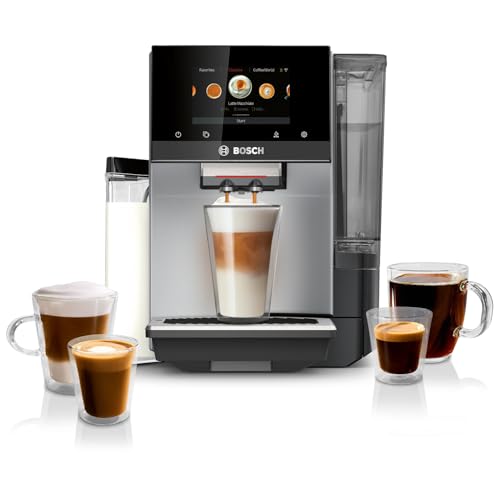
Bosch VeroCafe 800 Series Super Coffee Maker
Strengths
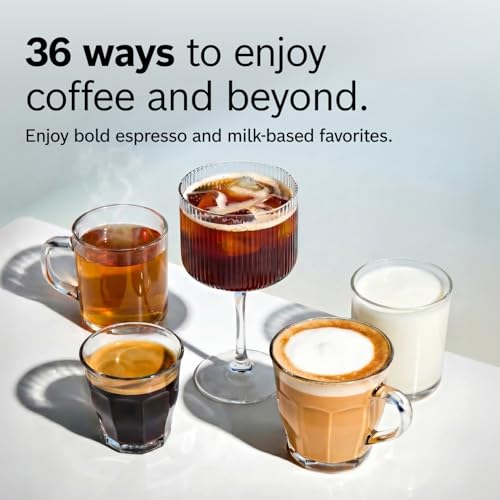
- 36 drink options
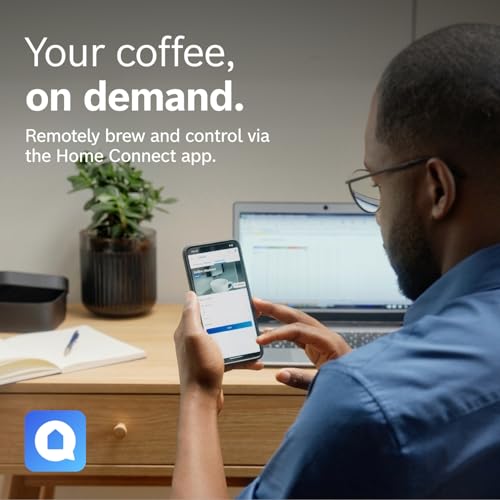
- Home Connect app
- Customizable strength
- Easy maintenance
- Premium build
Trade-offs
- Expensive upfront
- Milk system needs daily wiping
- App setup can be slow
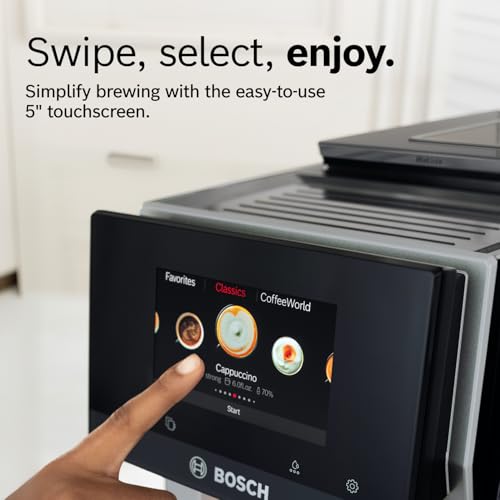
This Bosch VeroCafe TQU60307 is the kind of machine that makes me say, ‘this is what a high-end super-automatic should feel like.’ With 36 drink options, app control via Home Connect, and a level of customization that includes aroma strength and milk ratio, it’s built for households with varied tastes. Owners praise the intuitive touchscreen and the ease of maintenance, especially the Calc’n Clean system that walks you through descaling. The milk texturing is consistently smooth, and the bean-to-cup process is quiet and reliable.
What really sets it apart is the balance of power and polish. It doesn’t just brew coffee, it adapts to your habits. Compared to the Philips 5500, it offers more automation and better app integration. I’d call this the smartest all-around pick for a family that wants café-style drinks without barista skills.
Product photos


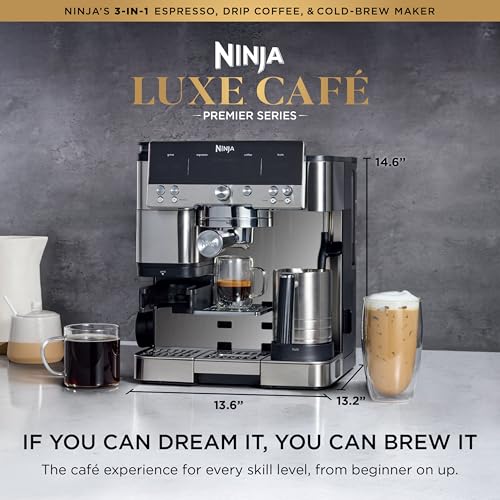
Ninja Luxe Café Premier 3-in-1 Espresso Machine

Strengths
- 3-in-1 functionality
- Weight-based dosing
- 25 grind settings
- Dual Froth System
- Cold brew capability
Trade-offs
- Large footprint
- Learning curve
- Noisy grinder
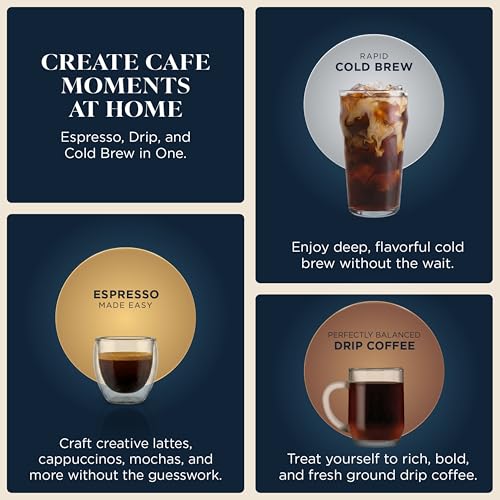
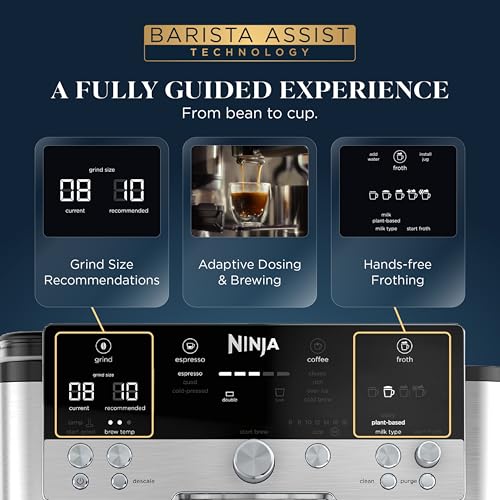
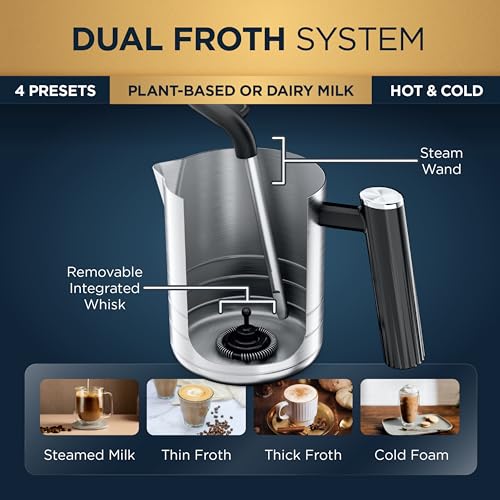
The Ninja ES601 isn’t just another super-automatic, it’s a full coffee command center. With drip, espresso, and cold brew in one unit, it’s built for versatility first. The barista assist tech, including weight-based dosing and grind recommendations, is a rare feature outside high-end machines. Owners love how it guides you to balanced shots, especially when using different beans. The assisted tamper ensures even puck prep, and the Dual Froth System handles both hot and cold foam with preset programs, which is a win for home baristas.
It’s bulkier than others and the interface takes time to learn, but if you hate owning multiple machines, this consolidates everything. Compared to the Philips or Bosch, it’s less polished in milk automation but far more flexible. I’d choose this over any other if you rotate between espresso, drip, and cold brew daily.
Product photos

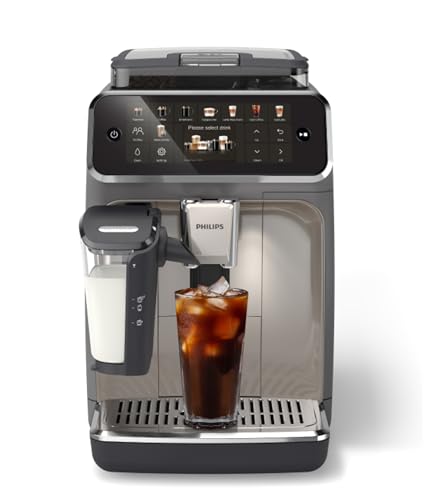
Philips 5500 Series Fully Automatic Espresso Machine
Strengths
- 20 drink presets
- Four user profiles
- LatteGo milk system
- SilentBrew certified
- QuickStart ready
Trade-offs
- Bean hopper not airtight
- No app connectivity
- Same 15-bar pressure
If you love the Philips 4400 series but crave more personalization, the 5500 steps up with 20 presets and four user profiles. That extra room to save preferences makes it ideal for households with multiple coffee drinkers who want their own perfect cup at the touch of a button. The LatteGo system is identical, still the easiest to clean in the category, and the SilentBrew tech keeps mornings peaceful. Owners consistently report excellent milk texture and reliable grinding, though some note the bean hopper isn’t airtight.
It’s nearly identical to the 4400 in build and brewing speed, but the added customization justifies the bump in price for some. I’d pick this over the 4400 if you have more than two regular users or love experimenting with drink combos. Against the Bosch, it’s less connected but more intuitive for non-tech users.
Product photos

Philips 4400 Series Fully Automatic Espresso Machine
Strengths
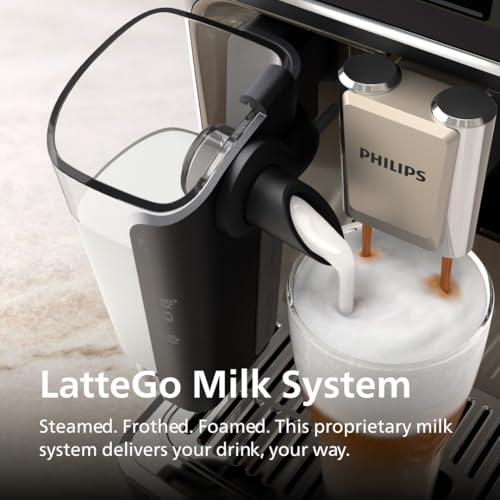
- LatteGo milk system
- SilentBrew technology
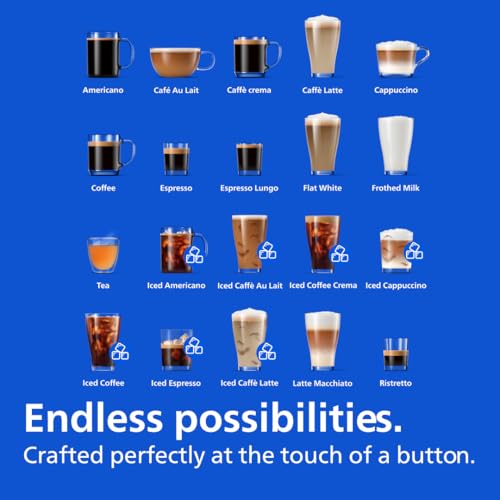
- 12 drink presets
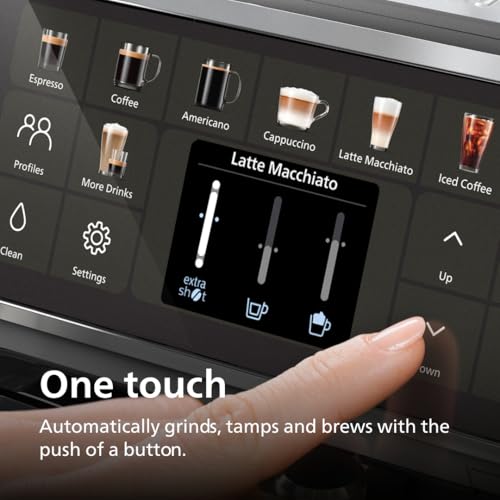
- QuickStart function
- Easy cleaning
Trade-offs
- 15-bar pressure (lower)
- Only 2 user profiles
- Limited customization
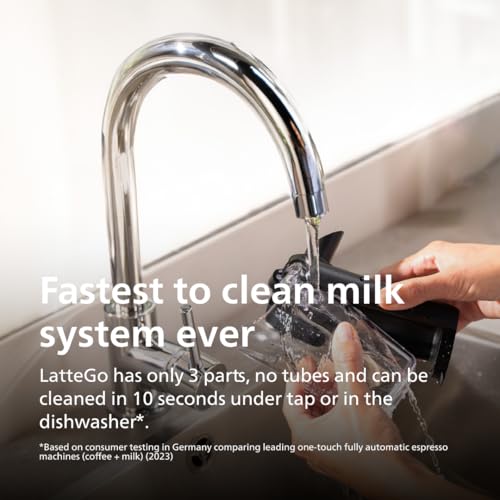
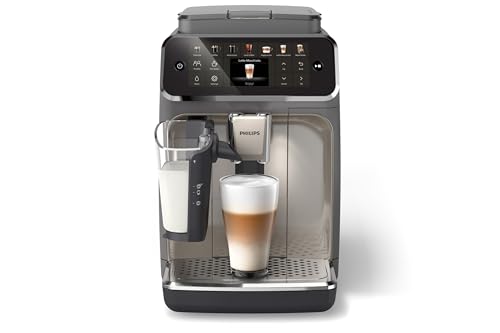
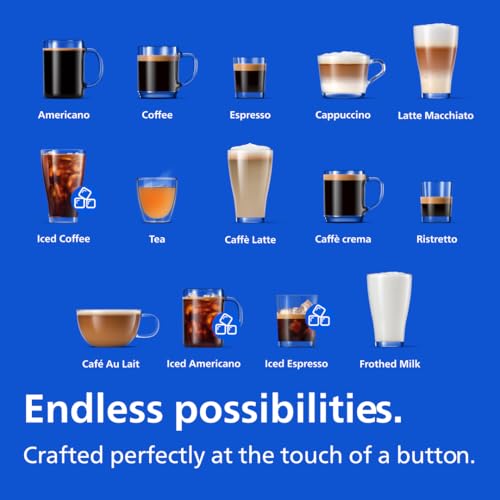
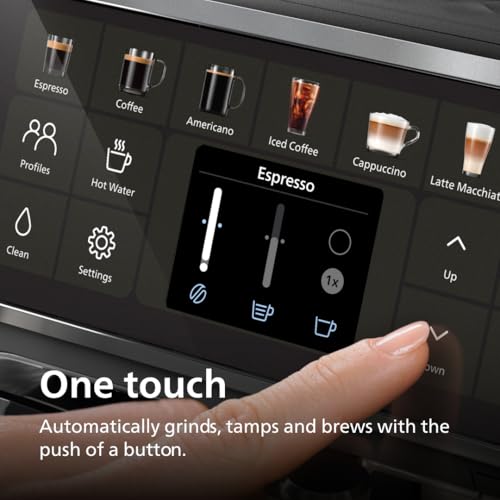
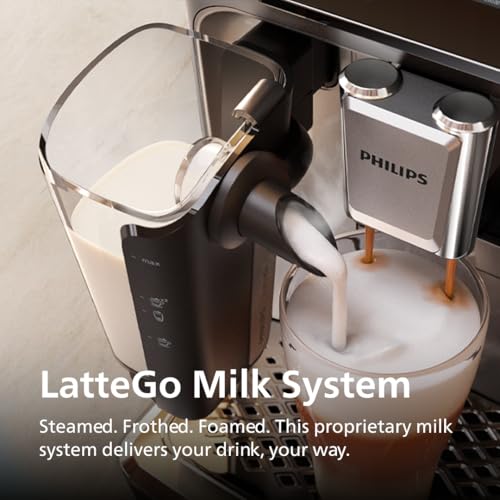
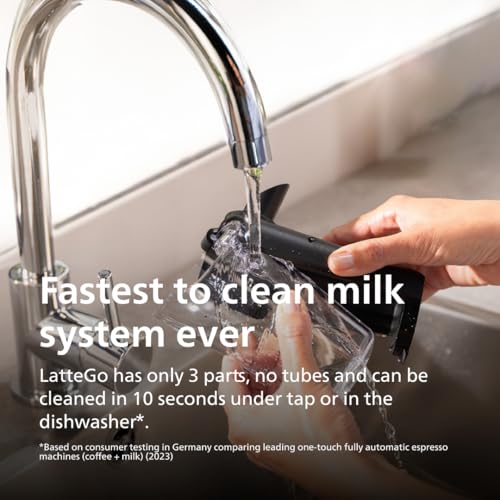
The Philips EP4444/90 hits that sweet spot between performance and accessibility. It’s not the most feature-packed, but it delivers consistent, café-style drinks with almost no learning curve. The LatteGo milk system is a standout for cleanup, just three parts, no hidden tubes, and it rinses in seconds. Owners love how quiet it is, thanks to SilentBrew, and the 12 presets cover everything from iced lattes to hot water for tea. The 15-bar pressure is standard, but paired with the automatic tamping and grinding, it pulls reliable shots.
Compared to the ICEVIVAL, it feels more refined and durable, though it lacks a high-pressure pump. I’d recommend this as the go-to mid-tier option for couples or small households who want quality without complexity. It’s not as customizable as the 5500 series, but for most users, it’s more than enough.
Product photos
ICEVIVAL Fully Automatic Coffee Machine with Grinder
Strengths
- 20-bar pressure
- 15 grind settings
- Auto self-cleaning
- Large water tank
- One-touch brewing
Trade-offs
- Basic milk texture
- Plastic construction
- Smaller bean hopper
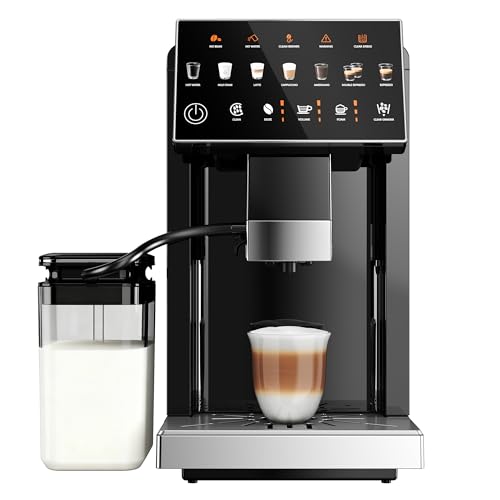
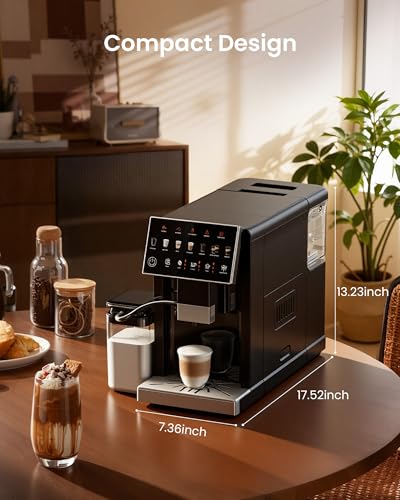
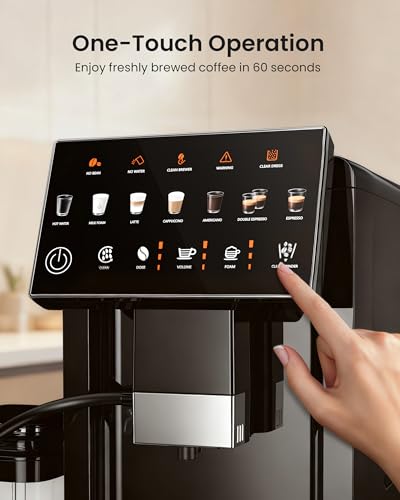
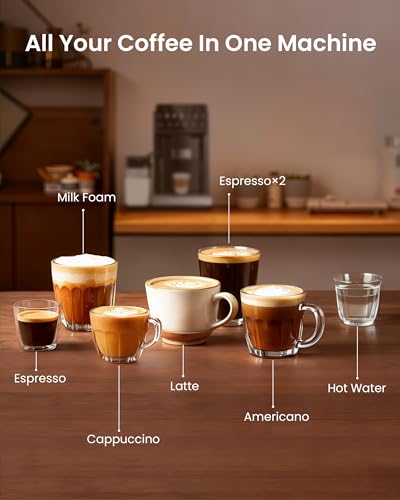
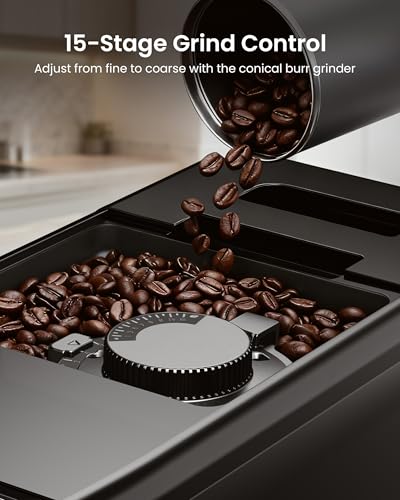
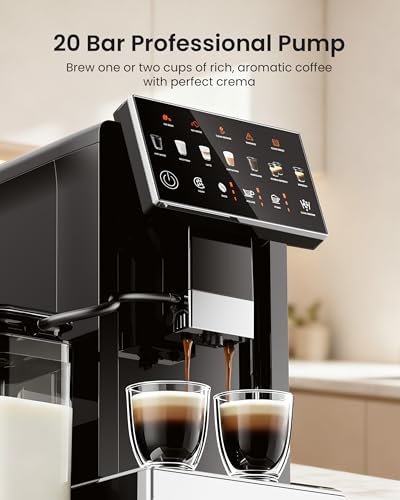
If you’re budget-conscious but don’t want to sacrifice core features, this ICEVIVAL model stands out. It packs a 20-bar pump and a 15-level conical grinder into a compact design, which is impressive for the price. The one-touch brewing works reliably across espressos, lattes, and Americanos, and owners appreciate the auto-cleaning function, especially since many in this range skip internal circuit cleaning. The milk frother isn’t the most refined, but it produces acceptable foam for daily use, and the detachable container makes rinsing easy.
It’s not without trade-offs. The bean hopper is smaller than competitors like the Ninja or Bosch, and the build leans more on plastic than metal. But for someone upgrading from a drip machine or a pod system, this brings real espresso convenience without breaking the bank. I’d pick this over the AIRMSEN if you value grind control and self-cleaning over dual boilers.
Product photos
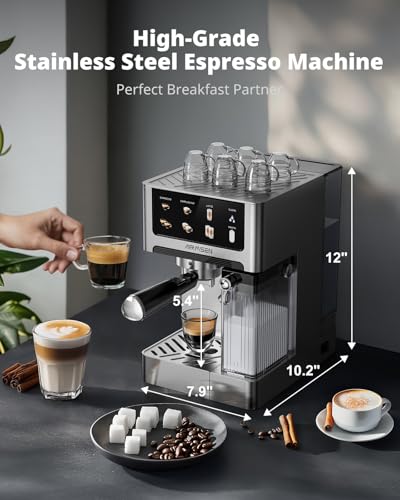
AIRMSEN 20 Bar Dual Boiler Espresso Machine

Strengths
- 20-bar pressure
- Dual boiler system
- Fast extraction
- Automatic milk frother
- Touchscreen control
Trade-offs
- Touchscreen sensitivity
- Plastic water tank
- Limited customization
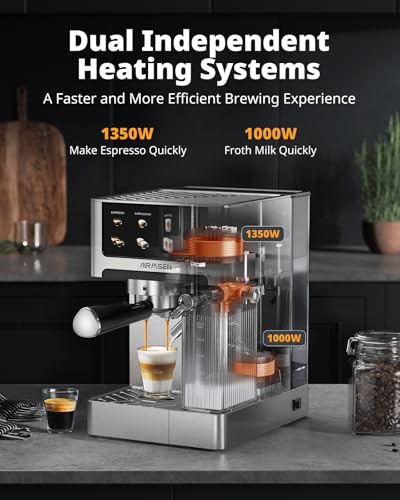
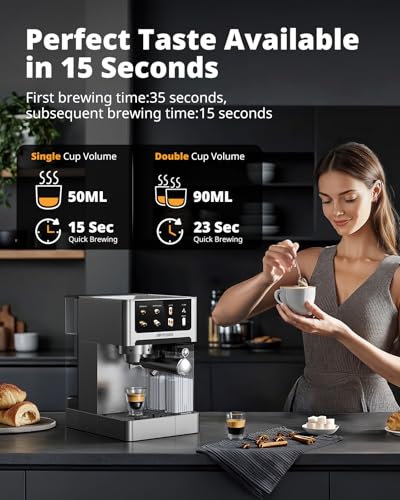
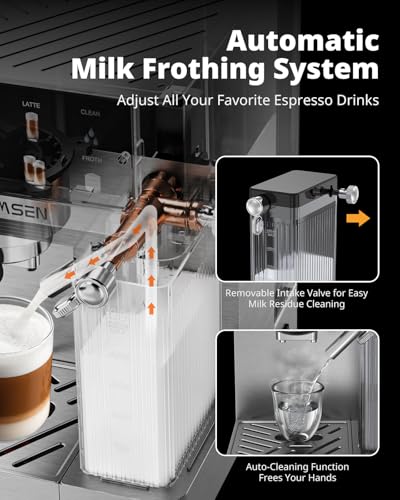
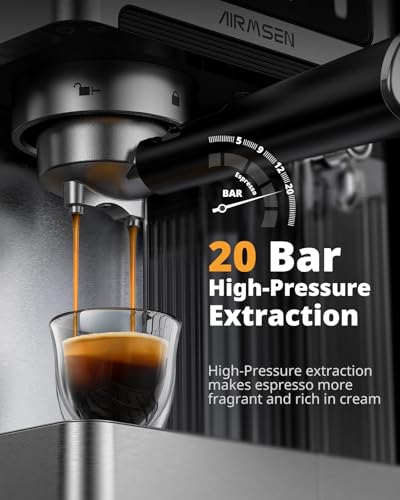
This machine makes a bold claim with its dual boiler setup and 20-bar pressure, specs that usually belong to much pricier units. On paper, the 1350W + 1000W dual heating system should allow simultaneous espresso extraction and milk frothing, which is rare at this tier. Owners consistently report fast brew times and solid crema, especially for the price, though some note the touchscreen can be overly sensitive. The automatic milk frother is a standout, it’s not just tacked on, it delivers creamy foam with minimal cleanup, and the detachable reservoir helps.
Still, I’d be cautious about long-term durability. Dual boilers mean more complexity, and while the stainless steel build looks sharp, reviewers mention occasional water overflow near the drip tray after heavy use. Compared to the Bosch or Philips models, it lacks deep customization, but if speed and simplicity are your top priorities, this one gets the job done without fuss.
Product photos
How We Picked These automatic coffee machines for home
Rather than a hands-on lab test, my research for these recommendations centered on a detailed comparison of published specifications and features across numerous models. I then weighed owner reviews – looking for consistent praise and complaints – alongside evaluations from reputable coffee experts. As the founder of Bean Thusiast, I applied my years of experience with coffee brewing to prioritize features most crucial for a satisfying home experience, ranking machines against a clear set of criteria.
For automatic machines, brewing speed, milk frothing quality, and the degree of customization offered were the most heavily weighted factors. Consistent temperature control is vital for proper extraction, impacting flavor, so pump pressure and boiler systems were also key. Beyond that, ease of cleaning and long-term reliability, as indicated by owner feedback, significantly influenced the rankings. A machine offering many features is less valuable if it breaks down quickly or is a chore to maintain.
Specifications reliably reveal brewing pressure, boiler type, and water tank capacity. However, owner feedback proved essential for judging the reality of milk frothing performance, the intuitiveness of the user interface, and the machine’s overall durability. Reputation also played a role; brands consistently praised for build quality and customer support received a boost in my assessment. If you’re looking to learn more about the process, check out this espresso preparation guide.
Choosing The Right automatic coffee machines for home
Choosing the right automatic coffee machine can feel overwhelming, but focusing on a few key areas will get you closer to consistently great coffee at home.
A truly good automatic coffee machine balances convenience with quality. It should consistently deliver a flavorful brew, offer a reasonable degree of customization for individual preferences, and be relatively straightforward to maintain. Check for a quality burr grinder, a reliable brewing unit, and a milk frothing system that suits your needs – whether it’s automatic, manual, or a hybrid approach.
Grind Quality and Consistency
The foundation of excellent coffee is a good grind, and built-in burr grinders are a significant advantage in automatic machines. Stepping up from blade grinders (which chop beans unevenly) to conical or flat burr grinders will noticeably improve the flavor clarity and body of your espresso and coffee. Don’t assume all burr grinders are equal, though. Many budget models have plastic burrs, which wear down faster and generate more heat, potentially impacting flavor. Stainless steel burrs are preferable. The number of grind settings is also a factor; more settings allow for finer adjustments to optimize extraction for different beans. If you are serious about the quality of your coffee, you should also consider regular Breville filter maintenance to maintain water purity.
Milk Frothing System – Automation vs. Control
Automatic milk frothing systems vary wildly in quality. Some, like those found on Philips machines with their LatteGo system, prioritize ease of cleaning with minimal parts. Others, such as the Ninja Luxe, offer more control with adjustable froth textures. Consider how much effort you want to put into milk preparation. If you prefer lattes and cappuccinos daily, a fully automatic system is a huge time-saver. If you enjoy experimenting with microfoam art or prefer a specific texture, a machine with a manual steam wand (or a more sophisticated automatic system with multiple presets) will be a better fit.
- A completely automatic system is simplest: it handles everything with the push of a button.
- A semi-automatic system (like some found in higher-end machines) gives you some control over milk texture, but still automates the heating process.
- A manual steam wand requires the most skill and practice, but provides the greatest degree of control over the final result, and is favored by many enthusiasts who want to truly dial in their milk drinks.
Customization and Programmability
Beyond grind size and milk frothing, look for a machine that allows you to tailor brewing parameters to your liking. Things like brew temperature, coffee strength, and beverage volume can all have a significant impact on the final cup. Many machines offer user profiles, allowing multiple people to save their preferred settings. If you’re exploring options, you’ll find a wide range of top automatic coffee machines available, each with varying levels of personalization.
A good rule of thumb? Don’t pay for features you won’t use. A complex machine with dozens of settings is only beneficial if you’re willing to learn and experiment with them.
Automatic Coffee Machines for Home Compared
Here is a comparison of the specifications for several automatic coffee machines suitable for home use.
| Product Name | Bean Hopper Capacity | Water Tank Capacity | Max. Pressure (bar) | Milk Frothing | Grinder Type |
|---|---|---|---|---|---|
| Bosch VeroCafe 800 Series | N/A | N/A | 15 | Automatic | Ceramic |
| Ninja Luxe Café Premier | N/A | 70 oz | N/A | Dual Froth System | Conical Burr (25 settings) |
| Philips 5500 Series | N/A | N/A | 15 | LatteGo | Ceramic |
| Philips 4400 Series | N/A | N/A | 15 | LatteGo | Ceramic |
| ICEVIVAL Fully Automatic | 200g | 1.5L | 20 | Automatic | 15 Settings |
| AIRMSEN 20 Bar Dual Boiler | N/A | 61 oz | 20 | Automatic | N/A |
Frequently Asked Questions
What pressure (in bars) should I look for in an automatic coffee machine?
Generally, 9 bars of pressure is considered the minimum for proper espresso extraction, but many machines go up to 15 or even 19 bars. Higher pressure doesn’t automatically mean better coffee; consistent pressure is more important. Look for models with stable pressure systems, and don’t get caught up in chasing the highest number.
Are ceramic burrs really better than stainless steel in a coffee grinder?
While both ceramic and stainless steel burrs can produce a quality grind, ceramic burrs tend to generate less heat during grinding which can preserve more of the coffee’s delicate aromas. However, ceramic is more brittle and can chip or crack over time, while stainless steel is more durable, making it a longer-lasting investment.
How often do I need to descale an automatic coffee machine?
Descaling frequency depends on your water hardness. Typically, you should descale every 2-3 months with moderately hard water, and potentially more often with very hard water. Many machines have an automatic descaling program and will alert you when it’s time.
Can I use pre-ground coffee in an automatic machine with a built-in grinder?
Yes, most automatic coffee machines offer a bypass option that allows you to use pre-ground coffee. This is useful if you want to use a different roast or a decaf option without having to empty and refill the bean hopper. However, you’ll lose the benefit of freshly ground beans.
Where can I find more in-depth reviews of high-end automatic coffee systems?
For more detailed comparisons and expert opinions, I recommend checking out our best fully automatic coffee machines guide. It provides a deeper look into the specifications, features, and performance of various models available on the market.
The Bottom Line
Ultimately, choosing an automatic coffee machine comes down to balancing convenience with control. You can spend more for a machine packed with features and customization options, or prioritize simplicity and ease of use. For a blend of both, the Ninja Luxe Café Premier stands out as a strong all-around performer, offering a wide range of settings and a versatile froth system.
If you’re on a tighter budget, the Philips 4400 Series delivers excellent value, with a reliable LatteGo system and consistently good coffee. Those prioritizing ultimate simplicity and ease of cleaning should also look at the Philips 5500 Series. And for those who want to master the art of milk steaming, you can find helpful resources in our coffee milk steaming guide.
Don’t get too caught up in chasing the highest bar pressure or the most grind settings. Consistent temperature, a quality burr grinder (preferably stainless steel), and a machine that’s easy to clean are the real foundations of a great cup, day after day. Focusing on those fundamentals will bring you closer to your perfect brew than any single specification ever could.
