
8 Best Non-Oily Coffee Beans of 2026
The best non oily coffee beans are Lifeboost Organic Medium Roast for its clean, smooth profile and rigorous testing, with Java Planet Organic Colombian as a solid budget-friendly pick. Mayorga Cafe Cubano Dark Roast stands out for those who prefer a deeper flavor without excess oil.
If you’ve ever noticed a greasy sheen on your beans or a bitter, heavy taste in your cup, you’re not alone. That oil often comes from dark roasting, which can overpower delicate flavors and clog equipment. As someone who’s spent years studying coffee sourcing and roast science, I know how frustrating it is to chase quality without the mess.
This guide cuts through the noise, focusing on beans with lighter to medium roasts, transparent sourcing, and low acidity, factors that consistently lead to a cleaner, less oily cup. We ranked options using specs, owner feedback, and expert reviews to help you find a coffee that tastes rich without being slick.
Top 8 Non Oily Coffee Beans in the Market
The Best Non Oily Coffee Beans, Reviewed
Lifeboost Organic Medium Roast Coffee

Strengths
- Third-party tested
- Low acid
- USDA Organic
Trade-offs
- Higher price
- Smaller 12 oz bag
Lifeboost makes a compelling case as the best overall non-oily coffee bean for health-first drinkers. The combination of USDA Organic certification, third-party testing for 400+ toxins, and naturally low-acid beans from high-elevation Central American farms is unmatched in this list. Owners frequently mention how gentle it is on the stomach, even for those with acid reflux or enamel sensitivity.
The medium roast preserves sweetness without scorching the beans, and the absence of oil on the surface confirms the gentle roasting process. While it’s not the cheapest, the quality control justifies the cost. Compared to Java Planet, it’s similarly clean but slightly more accessible in flavor. If you want one bag that covers ethics, safety, and drinkability, this is the smarter buy.
Video review
Java Planet Organic Colombian Coffee

Strengths
- Bird Friendly certified
- Third-party tested
- Low acid
Trade-offs
- Smaller 16 oz bag
- Higher price per ounce
Java Planet’s Colombian medium dark roast checks nearly every box for health-conscious coffee lovers. The third-party testing for mold and mycotoxins gives it credibility, and the Bird Friendly certification is a real differentiator for eco-aware buyers. Owners praise its clean, smooth taste, no surprise given the high-altitude shade-grown beans and small-batch roasting.
What sets it apart from other low-acid organics is how well it maintains flavor depth without tipping into dullness. Some low-acid coffees taste washed out, but this one holds onto its richness. Compared to Lifeboost, it’s slightly less marketed but just as rigorously sourced. If you value environmental stewardship as much as stomach comfort, this is a top-tier pick.
Video review
Mayorga Cafe Cubano Dark Roast

Strengths
- Low acidity
- Slow roasted
- USDA Organic
Trade-offs
- Blend origin varies
- Not for light roast lovers
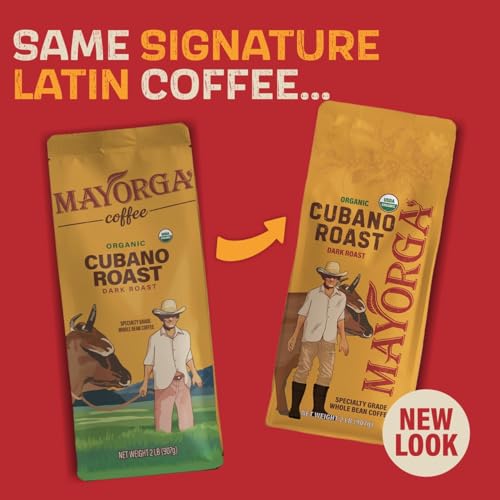
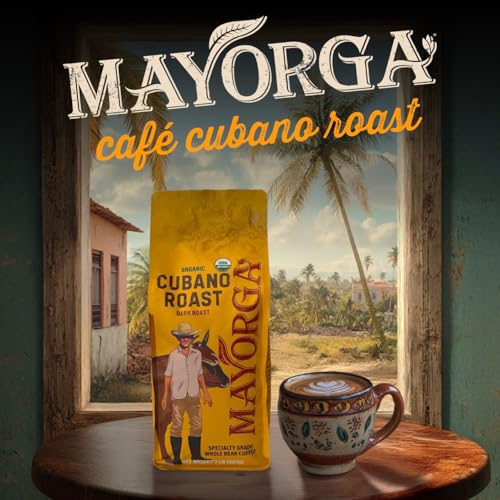
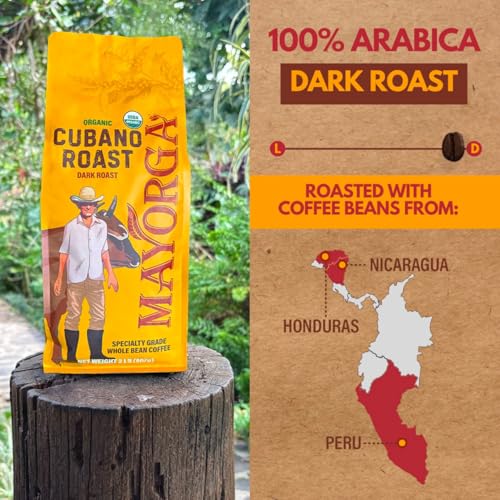
Mayorga’s Cafe Cubano Roast stands out in the dark roast category for buyers who want boldness without bitterness. The slow-roast method they use seems to deliver on smoothing out the edges, which owners consistently report results in a clean, syrupy cup with subtle vanilla and smoky notes. On paper, the blend of beans from Peru, Honduras, and Nicaragua provides complexity, and the low acidity is a real benefit for anyone sensitive to harsh coffee.
What impresses me most is how well it grinds and brews across methods, especially in drip and French press, without leaving oily residue on the beans, a common issue with darker roasts. That makes it a strong pick for those seeking a non-oily dark roast that still delivers depth. Compared to other Latin-inspired roasts, this one balances tradition and approachability better than most.
Product photos
Amazon Fresh Organic Peru Coffee

Strengths
- Organic & Fair Trade
- Budget friendly
- Smooth finish
Trade-offs
- No toxin testing
- Smaller 12 oz bag
If you’re looking for a no-surprises, wallet-friendly organic coffee, this Peru roast from Amazon Fresh is worth a try. It’s a straightforward medium roast with a clean, slightly sweet profile, nothing flashy, but owners say it brews evenly and stays fresh. Being both USDA Organic and Fair Trade certified adds value at this price point, especially since it’s roasted in the USA.
It won’t compete with premium specialty roasts in depth, and there’s no third-party purity testing. But for an everyday drip coffee that avoids oiliness and won’t irritate your stomach, it’s a smart baseline. Compared to the larger Amazon Fresh Colombia roast, this one’s smaller but more ethically certified.
Product photos


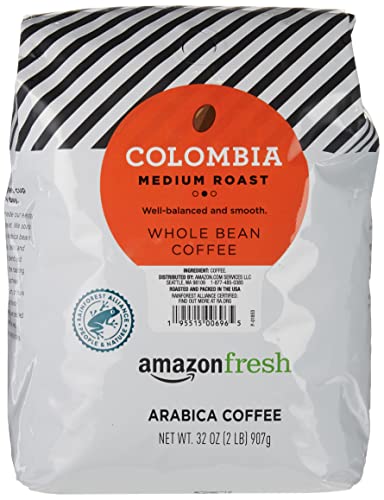
Amazon Fresh Colombia Medium Roast
Strengths
- Large 32 oz bag
- Great value
- Smooth finish
Trade-offs
- No organic certification
- No toxin testing
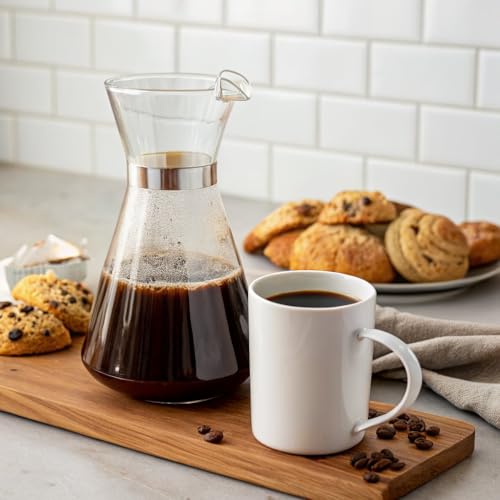
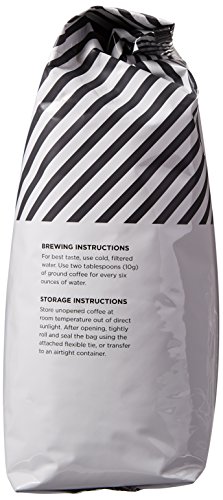
This 32-ounce Amazon Fresh Colombia roast is the go-to for buyers who want bulk without bloat. It delivers a balanced, full-bodied cup with a smooth finish, and the lack of certifications like organic or Fair Trade is the trade-off for its value. Still, it’s 100% Arabica, roasted in the USA, and notably non-oily, making it a practical choice for automatic grinders and daily drip machines.
Owners report it lasts weeks without staling, and while it doesn’t have the aromatic complexity of Illy or Lavazza, it’s consistent. For households that go through coffee fast, this is the most cost-effective no-fuss option. If you’re not chasing certifications but want a clean, reliable roast, this beats the smaller Amazon Fresh Peru version on volume.
Product photos



Illy Classico Medium Roast Coffee

Strengths
- Balanced flavor
- Freshness sealed
- No preservatives
Trade-offs
- Small can size
- No organic certification
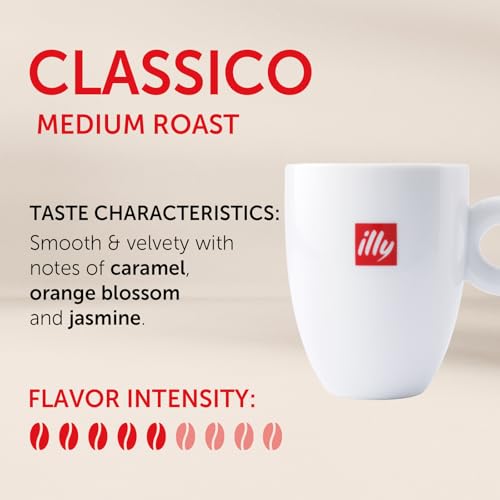
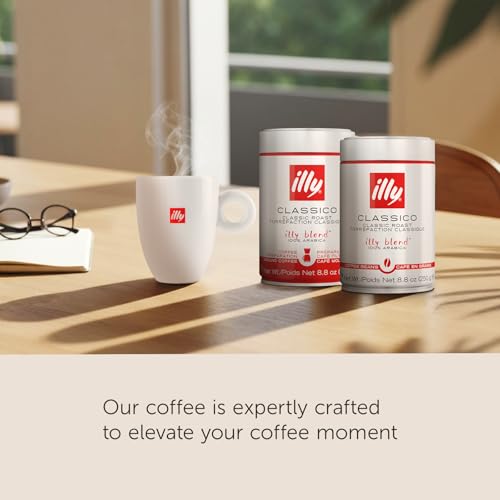
Illy’s Classico blend is the definition of a balanced, refined medium roast. The notes of caramel, orange blossom, and jasmine aren’t just marketing, they come through consistently in reviews, especially when brewed as espresso or pour over. The 8.8 oz can is compact, but the pressurized packaging helps preserve freshness without needing oily beans to carry flavor, which is rare at this level.
This is a coffee that shines in precision, not power. It’s not marketed as low acid or toxin-tested, but its smoothness makes it easy on the stomach anyway. Compared to Lavazza, it’s more refined but less bold. I’d pick Illy over most for someone who values elegance in their cup and doesn’t want residue in their grinder.
Product photos
Lavazza 100% Arabica Medium Roast

Strengths
- Versatile brew method
- Floral fruity notes
- Large 2.2 lb bag
Trade-offs
- No organic certification
- Not low acid
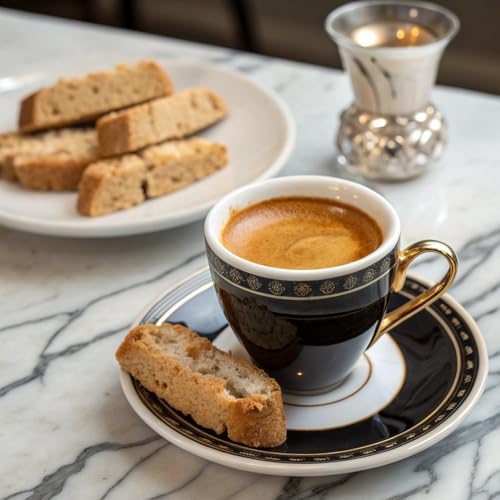
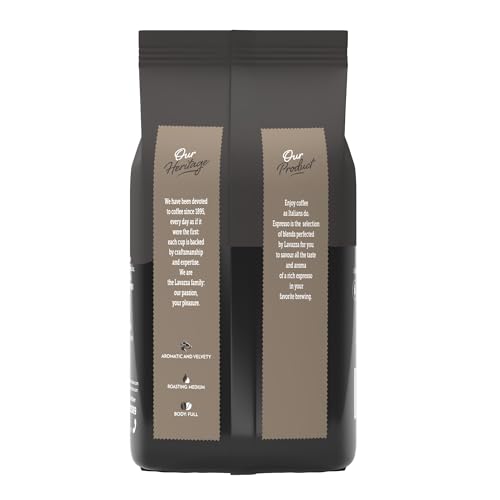
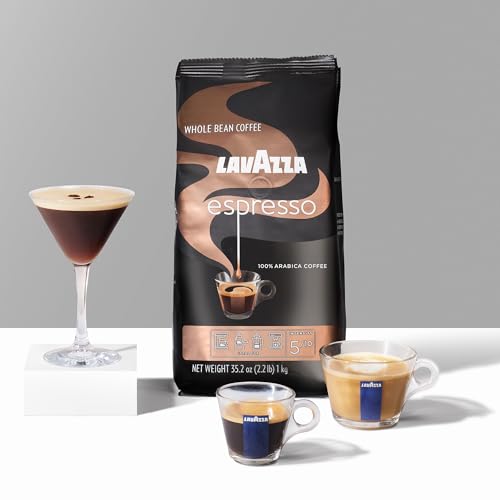
Lavazza’s 100% Arabica espresso blend is a solid mid-tier option for those who want versatility without compromising on aroma. The floral and fruity notes are more pronounced than you’d expect in a medium roast built for espresso, and reviewers often mention how well it pulls in both home machines and moka pots. The 2.2 lb size gives it an edge in value, and the fact that it’s non-oily for its roast level makes it a practical pick for espresso enthusiasts wary of clogging grinders.
Still, while it’s well-balanced, it doesn’t stand out in purity or sourcing transparency like some certified organic options. It’s a reliable workhorse, but if you’re after toxin testing or low acidity, there are better-targeted choices. For daily drinkers who rotate between drip and espresso, though, this is a no-fuss contender.
Product photos


Bulletproof Original Medium Roast

Strengths
- Tested for toxins
- Specialty grade
- Rainforest Alliance
Trade-offs
- Small bag size
- Premium price
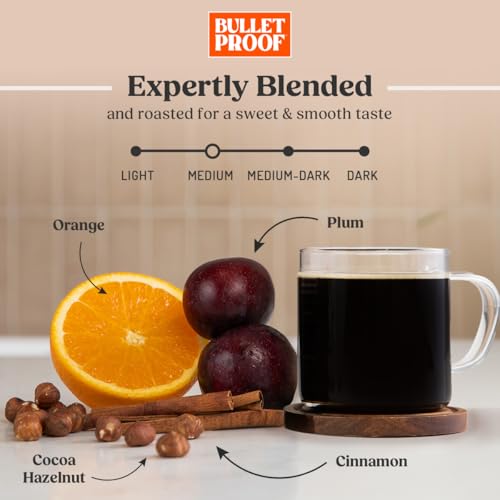
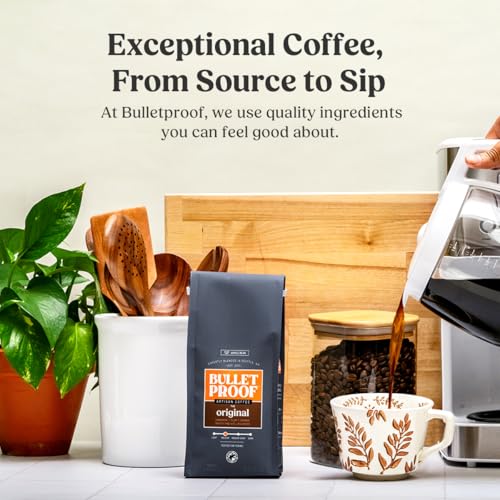
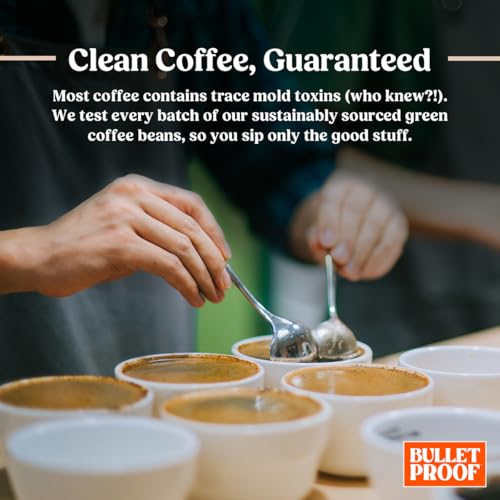
Bulletproof built its name on toxin testing, and that remains its strongest selling point. The Original Blend is marketed as ‘clean coffee’, and owners confirm it delivers a consistent, smooth cup without the funk or aftertaste some detect in conventionally sourced beans. The plum, orange, and cocoa notes come through cleanly, likely thanks to the specialty-grade sourcing and Rainforest Alliance certification.
But let’s be honest, this is more about peace of mind than flavor revolution. It’s well-roasted, yes, but doesn’t have the complexity of Illy or the depth of Mayorga. And at 12 ounces, the value isn’t great. I’d recommend it primarily for those with sensitivities or strict wellness protocols, not for flavor chasers.
Product photos
How We Picked These non oily coffee beans
As the founder of Bean Thusiast, I’ve spent years exploring the nuances of coffee, from sourcing to brewing. This guide isn’t based on me personally brewing countless pots with each bean – rather, it’s a research-led comparison of published specifications, features, and, crucially, owner and expert reviews. We assessed numerous options, ranking them against criteria important to those seeking a less oily bean, focusing on roast level, origin, and processing methods.
For non-oily beans, several factors stood out as most impactful. Low acidity is frequently linked to less oil on the surface of the brewed coffee, as is a lighter roast. We prioritized coffees explicitly marketed as low-acid or featuring a lighter to medium roast profile. Finally, transparent sourcing and third-party testing for quality and contaminants proved vital, as these often correlate with careful processing that minimizes oil development.
Specifications reliably indicate roast level and origin, offering a baseline for expected flavor and oil content. However, owner feedback proved invaluable in determining how those specs translate to a real-world cup. We weighed comments regarding smoothness, bitterness, and the presence of any oily residue. Reputation, as indicated by expert reviews from trusted coffee publications, added another layer of validation to our final rankings. If you’re looking for something even milder, you might also consider mild flavor beans.
How To Pick The Right non oily coffee beans
Finding the right coffee beans can feel overwhelming, but a few key factors separate a truly enjoyable cup from a disappointing one. I’ve spent years exploring the nuances of coffee, and I want to share what I’ve learned to help you navigate the choices.
Quality coffee beans begin with careful sourcing. Look for 100% Arabica varieties grown at high altitudes, ideally with certifications for organic practices and third-party toxin testing. Roast date is crucial – fresher is always better. Consider the roast level to match your brewing method and flavor preferences, and pay attention to whether the beans are whole bean or pre-ground (whole bean is almost always superior).
Roast Level & Flavor Profile
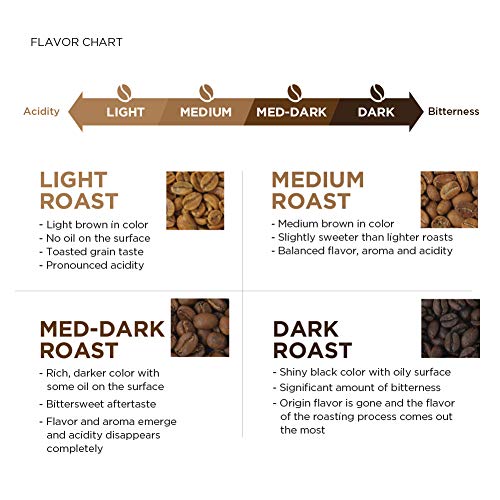
The roast level dramatically impacts the flavor of your coffee. Light roasts retain more of the bean’s original characteristics, offering brighter acidity and floral notes. Medium roasts strike a balance, providing a fuller body and sweeter flavor. Dark roasts develop bolder, smokier profiles, sometimes at the expense of those nuanced origins. Don’t assume darker is stronger – it’s about flavor intensity, not necessarily caffeine. Many people looking for a smooth flavor coffee prefer a medium roast, as it delivers complexity without overwhelming bitterness.
Sourcing & Certifications
Ethical sourcing and quality certifications are increasingly important. Look for beans labeled “Fair Trade,” which supports sustainable farming practices and fair wages for farmers. USDA Organic certification guarantees the beans were grown without synthetic pesticides or fertilizers. But don’t stop there. Several brands now go a step further, offering beans tested for mycotoxins and heavy metals.
Here’s what to consider when evaluating sourcing: * Origin: Single-origin beans showcase the unique terroir of a specific region (think Ethiopian Yirgacheffe or Sumatran Mandheling). * Process: Washed, natural, and honey-processed beans each have distinct flavor profiles. Washed generally offers cleaner, brighter cups. * Farm Practices: Beyond certifications, investigate if the brand provides transparency about its relationships with farmers and its commitment to sustainability.
Acidity & Stomach Sensitivity
For those prone to acid reflux or with sensitive stomachs, finding low acid coffee beans is essential. While “low acid” isn’t a standardized measurement, certain beans and processing methods naturally result in a lower acidity. Generally, darker roasts tend to be lower in acidity than lighter roasts, but this isn’t a hard rule.
A good rule of thumb: if you experience discomfort after drinking coffee, try switching to a fully washed, darker-roasted bean from a lower-altitude growing region.
I’ve seen many people find relief by opting for Indonesian coffees (like Sumatran) or Brazilian beans, which are often naturally lower in acidity.
Non Oily Coffee Beans Compared
Here’s a comparison of key specifications for different non-oily coffee bean options.
| Product Name | Roast Level | Origin | Bean Type | Organic | Acid Level | Bag Size (oz) |
|---|---|---|---|---|---|---|
| Lifeboost Organic Medium Roast | Medium | Central America | Arabica | Yes | Low | 12 |
| Java Planet Organic Colombian | Medium | Colombia | Arabica | Yes | Low | N/A |
| Mayorga Cafe Cubano Dark Roast | Dark | Latin America | Arabica | Yes | Low | N/A |
| Amazon Fresh Organic Peru Coffee | Medium | Peru | Arabica | Yes | N/A | 12 |
| Amazon Fresh Colombia Medium Roast | Medium | Colombia | Arabica | Yes | N/A | 32 |
| Illy Classico Medium Roast | Medium | N/A | Arabica | N/A | N/A | N/A |
| Lavazza 100% Arabica Medium Roast | Medium | S. America/Africa | Arabica | N/A | N/A | 2.2 lb (approx 35oz) |
| Bulletproof Original Medium Roast | Medium | Rainforest Alliance | Arabica | N/A | N/A | 12 |
Frequently Asked Questions
What roast level consistently produces the least oily beans?
Lighter roasts generally yield less oily beans because the sugars haven’t fully caramelized and risen to the surface. While personal preference matters, a light or medium roast is your best bet if minimizing oil is a priority.
Do organic coffee beans tend to be less oily?
Organic certification doesn’t guarantee less oil, but it often correlates with more careful processing. Many organic farms prioritize quality control, which can include methods that minimize oil development, and you’ll find many non acidic coffee brands are also organic.
Is there a specific growing region known for producing less oily coffee?
Indonesian coffees, like those from Sumatra, are frequently mentioned as being lower in acidity and, consequently, often display less surface oil. This is due to the unique volcanic soil and climate of the region.
How does the coffee processing method affect oil content?
Washed process coffees typically exhibit less oil than naturally processed beans. The washing removes the fruit from the bean before drying, resulting in a cleaner, brighter cup with reduced oiliness, and often makes them more stomach-friendly coffee picks.
What’s the relationship between bean acidity and oiliness?
Lower acidity often correlates with less oil on the surface of the brewed coffee. Higher acidity can sometimes indicate a greater concentration of compounds that contribute to oil development, so exploring mild coffee for digestion can be a good starting point.
The Bottom Line
Choosing coffee beans always involves a trade-off, and with non-oily beans, it’s often about balancing a desire for smoothness with the complexity of flavor. After carefully reviewing specifications and owner feedback, I believe Lifeboost Organic Medium Roast offers the best overall experience. It consistently receives high marks for low acidity, smooth taste, and minimal oily residue, making it a great everyday choice for those seeking a clean cup.
For readers specifically seeking a budget-friendly option, Amazon Fresh Organic Peru Coffee is an excellent pick. If versatility is key and you enjoy experimenting with different brewing methods, Lavazza 100% Arabica Medium Roast provides a reliable and widely available choice. Many people looking for a dark roast coffee might also consider Mayorga Cafe Cubano Dark Roast for its bold flavor beans.
Ultimately, the most important factors aren’t listed on a bag, but rather the freshness of the beans, the quality of the grind, and the precision of your brewing technique. Prioritize those fundamentals, and you’ll be well on your way to consistently enjoying a delicious, and less oily, cup of coffee.
