
5 Best Non-Acidic Coffees of 2026
The best non acidic coffee for most people is Fabula Peruvian Medium Roast Coffee, it’s smooth, lab-tested, and consistently praised for being easy on the stomach. If you’re watching your budget, Lifeboost Medium Roast Ground Coffee delivers similar digestive comfort with organic certification and strong owner feedback. For a richer, bolder option, VitaCup Guatemala Dark Roast Coffee offers a satisfying low-acid profile with single-origin quality.
Finding coffee that doesn’t leave you with heartburn or stomach upset is about more than just switching to dark roast, it’s about origin, processing, and how the beans are tested. Too many brands claim to be “gentle” without backing it up.
In this guide, I’ll walk you through the top picks based on verified specs, owner experiences, and the factors that actually matter: altitude, sourcing transparency, and independent testing. These are the coffees that stand out for delivering flavor without the discomfort.
Top 5 Non Acidic Coffee in the Market
The Best Non Acidic Coffee, Reviewed
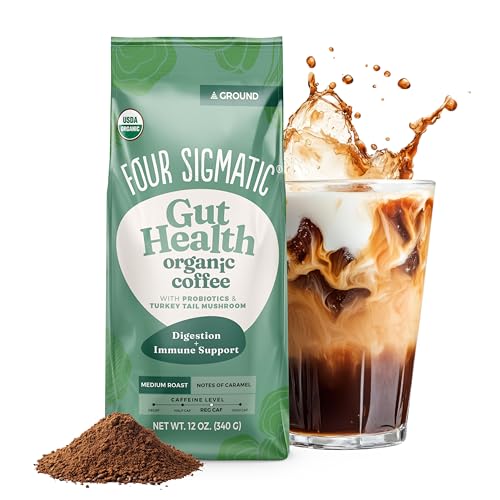
Four Sigmatic Gut Health Coffee
Strengths
- Functional mushroom blend
- Probiotics included
- Smooth, full-bodied
Trade-offs
- Higher price point
- Mushroom taste detectable
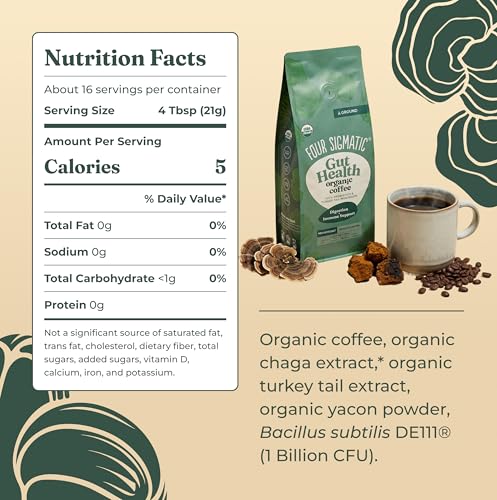
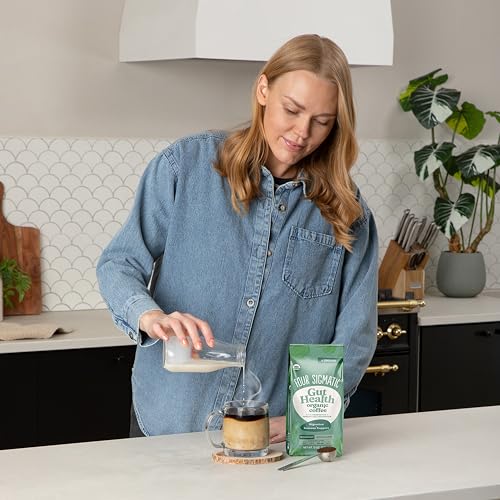
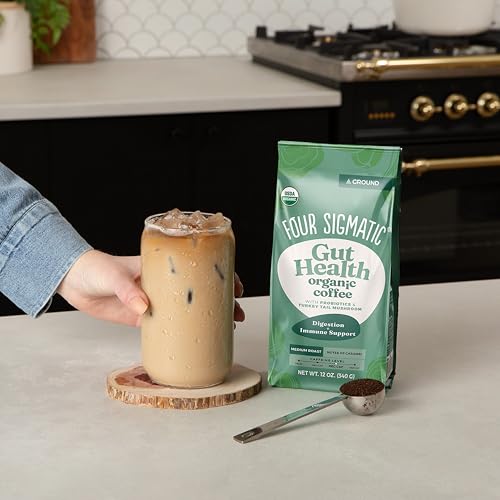
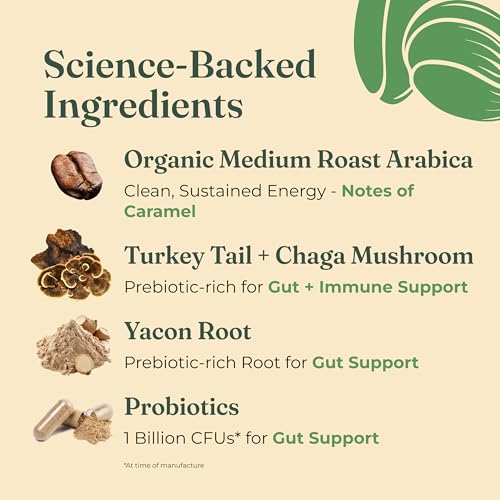
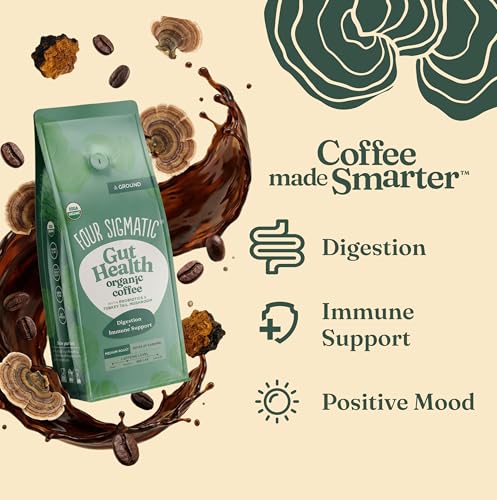
If you’re looking to do more than just reduce acid, Four Sigmatic’s blend is where I’d place my bet. It’s not just low acid, it’s a functional coffee, fortified with Chaga and Turkey Tail mushrooms plus probiotics, aiming to support gut and immune health. On paper, that’s a smart upgrade for someone who wants their morning cup to pull double duty. Owners report feeling less bloated and more energized, which tracks with the formulation.
The coffee itself is single-origin from Honduras, grown at 5,500 feet, and delivers a smooth, medium-bodied brew with no harsh aftertaste. Compared to Lifeboost or Fabula, it offers more holistic value, yes, it’s pricier, but you’re getting adaptogenic benefits alongside the low acidity. My recommendation? This is the best overall pick if you’re open to functional ingredients and want both comfort and wellness in one bag.
Product photos
Fabula Peruvian Medium Roast Coffee

Strengths
- Extensive lab testing
- Rich chocolate notes
- Freshly roasted
Trade-offs
- Peruvian origin less known
- No functional boosters
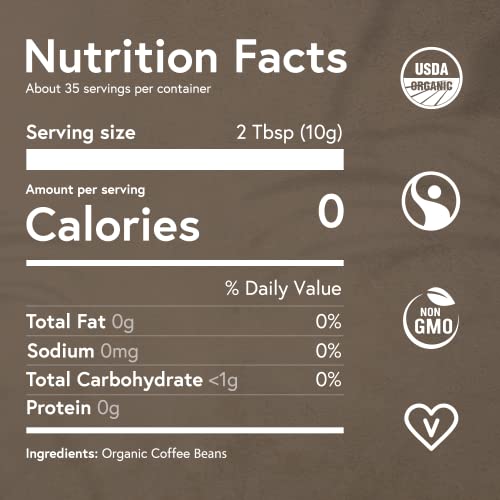
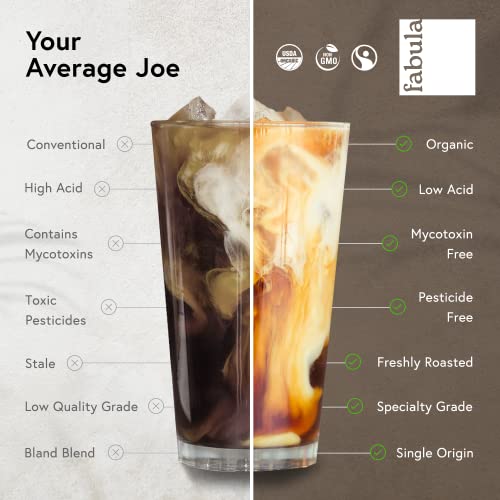
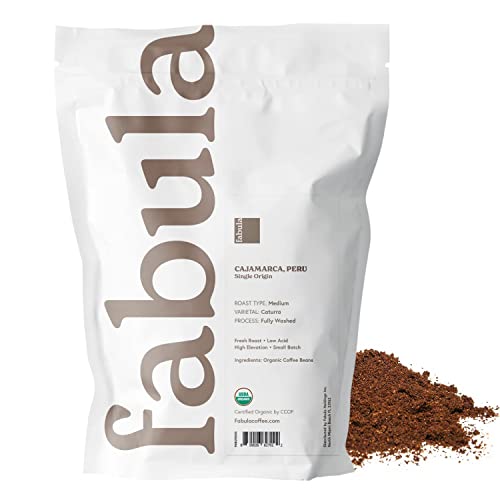
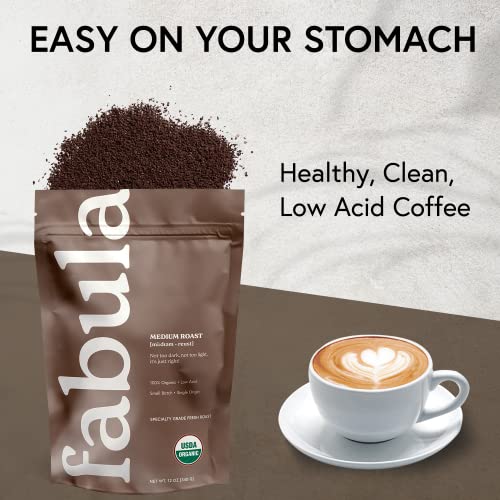
Fabula impresses with its obsessive commitment to purity, lab-tested for over 350 chemicals, certified USDA organic, and marketed as mold- and mycotoxin-free. That level of transparency is rare, and for people with mold sensitivities or chemical intolerances, it might be worth the premium alone. The beans come from high-altitude Peruvian farms, and owners consistently praise the caramelized sugar and chocolate notes, calling it both smooth and aromatic.
It’s a strong contender against Lifeboost, though slightly more flavorful. But like Lifeboost, it doesn’t offer functional extras like mushrooms or probiotics. Where it wins is in freshness, roasted to order, and the depth of its testing claims. If clean, ethical, and safe coffee is your top concern, Fabula is my pick over others in the organic low acid space.
Product photos
Lifeboost Medium Roast Ground Coffee

Strengths
- Low acid profile
- Third-party tested
- USDA organic
Trade-offs
- Mild flavor
- No functional add-ins
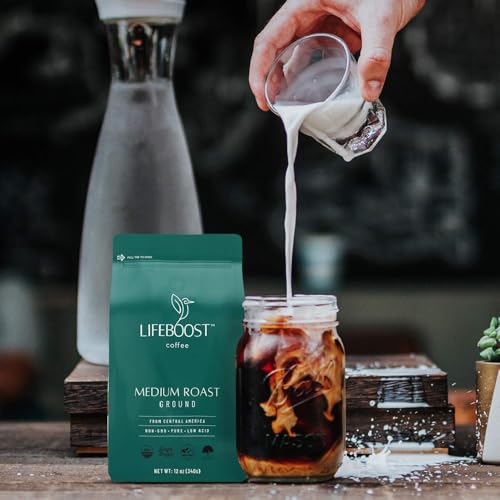
Lifeboost positions itself as a premium pick for those who want clean, low acid coffee without sacrificing ethics or purity. On paper, the sourcing is impressive, single origin beans from high-altitude farms in Central America, shade-grown and bird-friendly, which aligns with sustainable practices I appreciate. The pH-focused approach makes sense for stomach sensitivity, and the third-party testing for mycotoxins and pesticides is a strong selling point, especially for health-conscious drinkers.
Still, while owners consistently report relief from acid-related discomfort, some note the flavor, though smooth, lacks the complexity found in other single-origin medium roasts. It’s reliable, clean, and safe, but not necessarily exciting. Compared to Four Sigmatic or VitaCup, it doesn’t bring functional extras to the table, so you’re paying for purity above all.
Product photos



VitaCup Guatemala Dark Roast Coffee

Strengths
- Rich dark roast flavor
- Single-origin Guatemalan
- Fair Trade certified
Trade-offs
- Smaller bag size
- Limited to dark roast fans
VitaCup nails the niche for lovers of dark roast who still need gentler acidity. Most low acid coffees lean into medium roast to avoid bitterness, but this single-origin Guatemalan dark roast proves you don’t have to sacrifice roast depth for stomach comfort. The high-altitude Arabica beans deliver a rich, chocolaty profile that dark roast fans will appreciate, owners often say it’s the first low acid coffee that actually tastes ‘roasty’.
It’s USDA Organic, Fair Trade, and third-party tested, which checks the ethical and safety boxes. Compared to Fabula or Lifeboost, it stands out for its roast profile alone. If you’re tired of trading bold flavor for digestive ease, this is your best bet. I’d pick it over medium roasts any day if richness is your priority.
Product photos


Low Acid Coffee Medium Roast Ground

Strengths
- Smooth, balanced flavor
- pH tested
- Stomach-friendly
Trade-offs
- Not organic
- Blend origin unclear
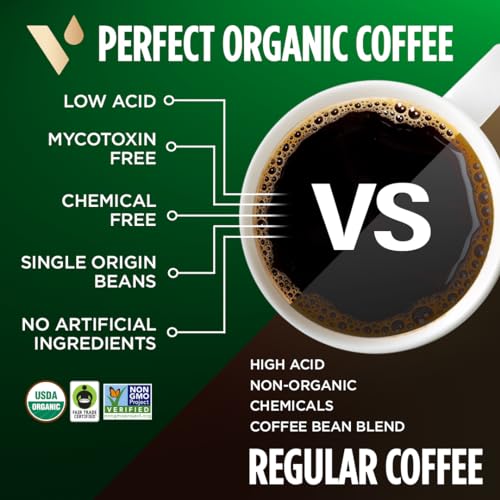
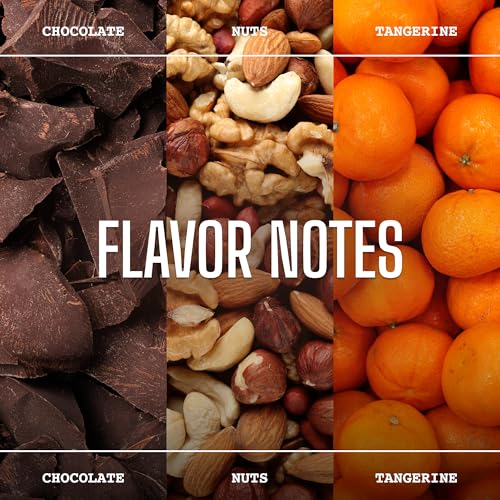
This blend stands out as a practical, budget-friendly option that delivers on its core promise: gentler acidity without gut irritation. With a pH of 5.3, it’s noticeably less acidic than standard coffee, and reviewers frequently mention being able to drink it without heartburn. The flavor profile, chocolate, nuts, and a hint of tangerine, gives it more character than many low acid coffees, which often taste flat or overly muted.
It’s not USDA organic or single-origin, but the post-roast lab testing for mold and mycotoxins adds credibility. For the price, it punches above its weight, especially compared to pricier organic options. I’d recommend it as a solid daily driver for those just stepping into low acid coffee and not ready to invest in premium functional blends.
Product photos
How We Chose These non acidic coffee
As the founder of Bean Thusiast, I approached researching non-acidic coffee by first compiling specifications and advertised features from numerous brands. I then weighed these details against a large volume of owner reviews from sites like Amazon, alongside expert opinions published in coffee-focused publications. This wasn’t about a hands-on brew-off; rather, it was a research-led comparison of product claims and real-world user experiences to identify consistent patterns of satisfaction.
For non-acidic coffee, I prioritized roast level, origin, and any processing methods specifically designed to reduce acidity. A lower pH is a key indicator, but flavor profiles and user reports of digestive comfort held significant weight. Single-origin coffees grown at higher altitudes often naturally exhibit lower acidity, and that was a factor. Ultimately, a coffee’s ability to deliver a pleasant taste without causing discomfort was paramount.
Product specifications reliably confirmed bean origin and processing techniques. However, I relied heavily on owner feedback to gauge the actual impact on sensitive stomachs and to assess the consistency of flavor. Third-party lab testing results, when available (like with Fabula), were valuable for verifying claims about mycotoxins and mold, while broader reputation helped determine overall brand trustworthiness. If you’re looking for ways to further reduce coffee acidity at home, we have a dedicated guide as well.
How To Choose The non acidic coffee
Finding a truly low-acid coffee can be a surprisingly complex undertaking. It’s not simply about roast level; origin, processing, and even mushroom additions all play a role.
A good low-acid coffee prioritizes bean origin (higher altitudes generally yield lower acidity), careful processing to remove defects that contribute to acid buildup, and a roast profile that emphasizes sweetness and body over brightness. Independent lab testing for mycotoxins and heavy metals is also a strong indicator of quality and commitment to consumer health.
Origin and Altitude Matter
The growing region dramatically impacts a coffee’s acidity. Generally, coffees grown at higher altitudes – think 5,000 feet and above – develop more slowly, leading to a denser bean with lower acidity. You’ll often see coffees from Honduras, Peru, and Guatemala highlighted for their lower acid profiles, and for good reason. These regions consistently produce beans that deliver a smoother cup. Don’t automatically dismiss darker roasts, though. While a lighter roast can accentuate fruity, acidic notes, a well-executed dark roast can minimize acidity while maximizing chocolatey, nutty flavors. If you’re looking for smooth low-acid coffee, focusing on these regions is a good starting point.
Processing & Quality Control
How the coffee cherry is processed after harvest is critical. Washed coffees, where the fruit is removed before drying, tend to be cleaner and brighter (and potentially more acidic) than natural or honey-processed coffees. However, a poorly executed washed process can leave behind undesirable compounds. This is where third-party lab testing becomes invaluable. Brands that proactively test for mycotoxins, pesticides, and heavy metals demonstrate a commitment to quality and consumer safety. You’ll also want to consider if the coffee is USDA certified organic; this isn’t a guarantee of low acidity, but it does suggest a higher level of care in cultivation.
Here’s what to look for in a quality-focused brand: * A clear statement about their sourcing practices. * USDA Organic certification (a good baseline, though not definitive). * Independent lab testing results readily available (or easily requested). This is the biggest differentiator.
Beyond the Bean: Additives & Value
The market for low-acid coffee has expanded to include functional additions like mushrooms and prebiotics. While these can offer potential health benefits, you should remember they’re not directly related to lowering acidity. Consider them a bonus, not a substitute for quality sourcing and processing. Speaking of value, prices can vary widely. You don’t necessarily need to spend a fortune to find a great cup. A good baseline to shoot for is around $15-$25 per 12-ounce bag, but remember that specialty-grade, single-origin options will naturally cost more. For those with particularly sensitive systems, exploring decaf for low acid might be the best path.
Don’t chase the lowest price at the expense of quality. A slightly more expensive bag from a reputable roaster with transparent sourcing and testing is almost always a better investment.
Non Acidic Coffee Compared
Here’s a comparison of key specifications for popular non-acidic coffee options.
| Product Name | Roast Level | Origin | Acidity Level | Features | Tested For? |
|---|---|---|---|---|---|
| Four Sigmatic Gut Health Coffee | Medium | Honduras | Low | Mushrooms, Probiotics | N/A |
| Fabula Peruvian Medium Roast Coffee | Medium | Peru | Low | Lab-Tested Organic | +350 Chemicals |
| Lifeboost Medium Roast Ground Coffee | Medium | Central America | Low | Organic, 3rd Party Tested | 400+ Toxins |
| VitaCup Guatemala Dark Roast Coffee | Dark | Guatemala | Low | Single-Origin, Antioxidants | Yes |
| Low Acid Coffee Medium Roast Ground | Medium | N/A | Low (pH 5.3) | Stomach-Friendly, Tested | Mycotoxins, Mold |
Frequently Asked Questions
What acidity level should I look for in coffee if I have acid reflux?
A pH of 5.5 to 6.0 is a good target, but individual tolerance varies. Many brands advertising “low acidity” don’t publish pH levels, so focusing on origin (like Peru or Honduras) and processing methods is often more reliable.
Are dark roasts always less acidic than light roasts?
Not always, but generally, yes. Darker roasts tend to have lower acidity because the roasting process breaks down some of the acids, though it can also diminish some of the more nuanced flavors.
Do mushroom coffees actually reduce acidity, or is that just a marketing tactic?
The mushrooms themselves don’t directly lower acidity. They’re added for potential gut health benefits, and some users find they experience less discomfort when drinking coffee with mushrooms, but it’s not a guaranteed effect.
Is USDA Organic certification a reliable indicator of low-acid coffee?
It’s a positive sign, but not a guarantee. Organic certification means fewer pesticides and chemicals were used in growing the beans, but it doesn’t specifically address acidity levels; you’ll still want to consider bean origin and processing. If you are looking for non-bitter coffee beans, organic certification is a good starting point.
Can I reduce the acidity of any coffee myself?
Yes, you can. Cold brewing reduces acidity by approximately 30-70% compared to hot brewing, and adding a pinch of baking soda (though it can affect flavor) will neutralize some acids.
The Bottom Line
Choosing a non-acidic coffee often comes down to balancing your desire for a smooth, comfortable cup against the level of detail you want to investigate in sourcing and processing. While many brands claim low acidity, Fabula Peruvian Medium Roast Coffee consistently stands out due to its commitment to rigorous lab testing – proving what many coffees only promise.
For those seeking specific benefits, the market offers focused options. Four Sigmatic Gut Health Coffee is a great choice if you’re interested in exploring functional mushrooms, while Lifeboost Medium Roast Ground Coffee provides a well-rounded option with organic certification and third-party testing. If you prefer a bolder flavor profile, VitaCup Guatemala Dark Roast Coffee delivers a rich experience with the added peace of mind of antioxidant benefits and testing.
Ultimately, remember that “low acidity” is just one piece of the puzzle. Focusing on high-altitude origins, careful processing, and brands transparent about their quality control – as we’ve discussed regarding acidity in coffee explained – will deliver a more satisfying and comfortable coffee experience than fixating on any single specification.
